
Fort William
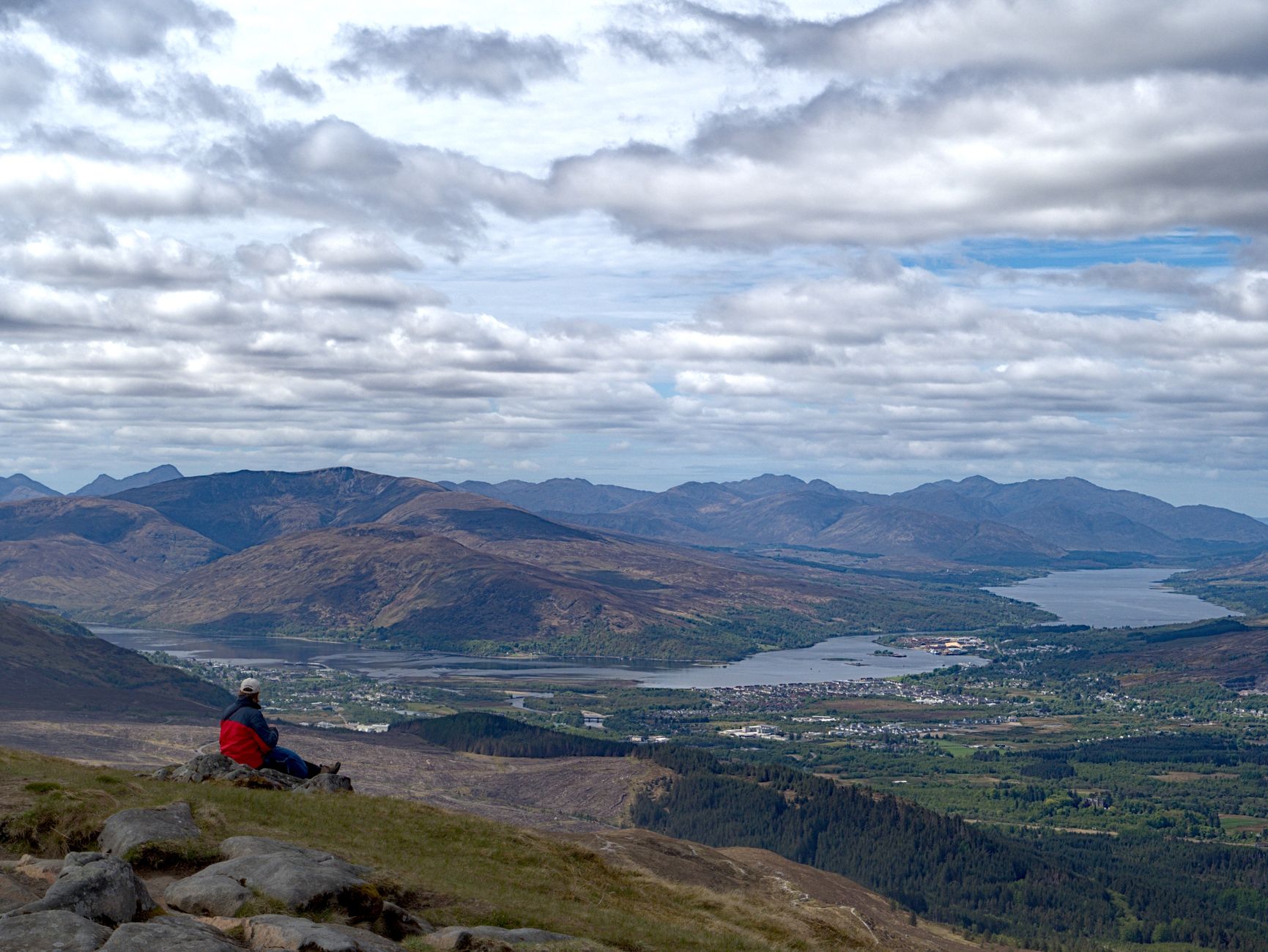
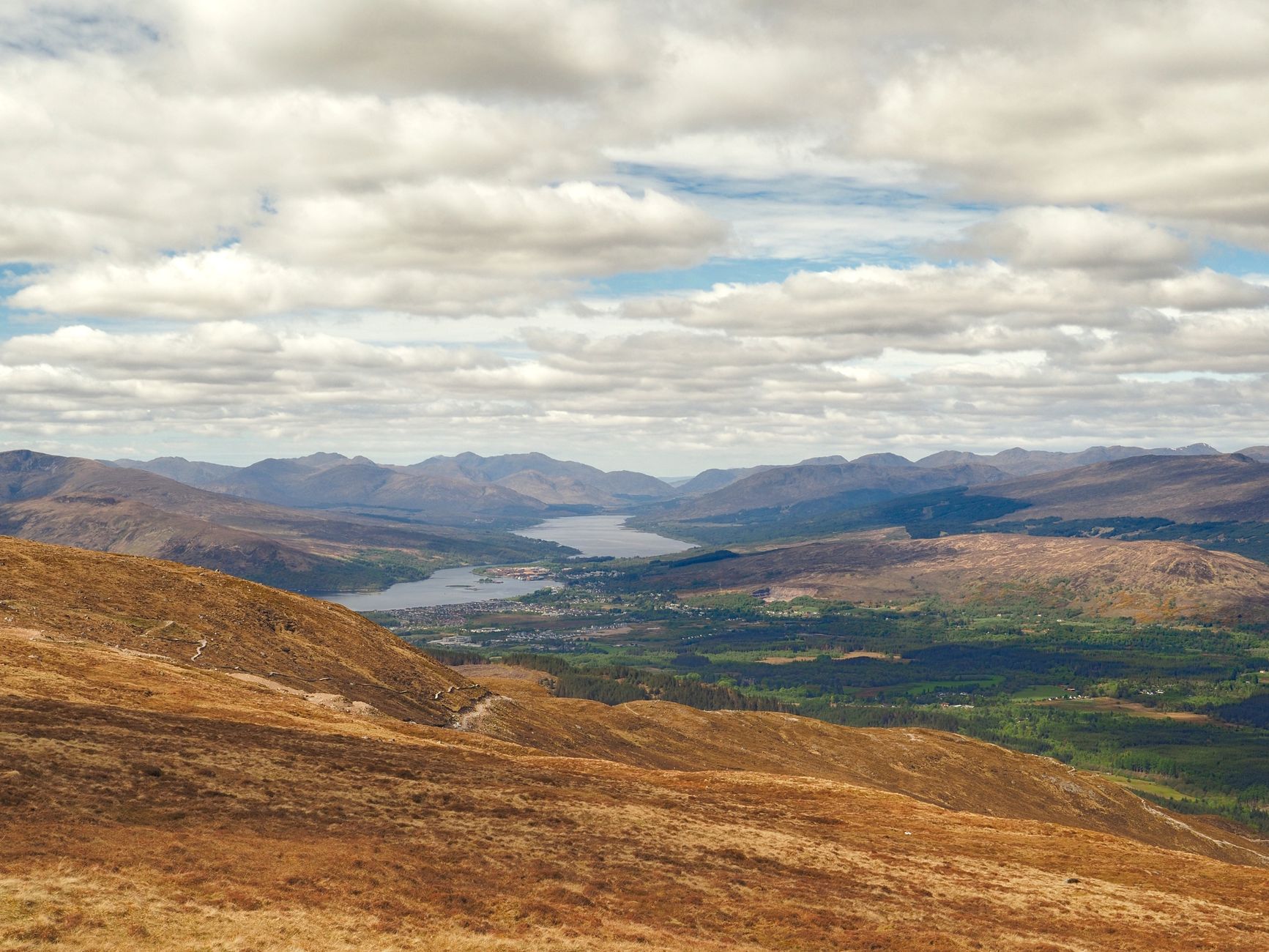
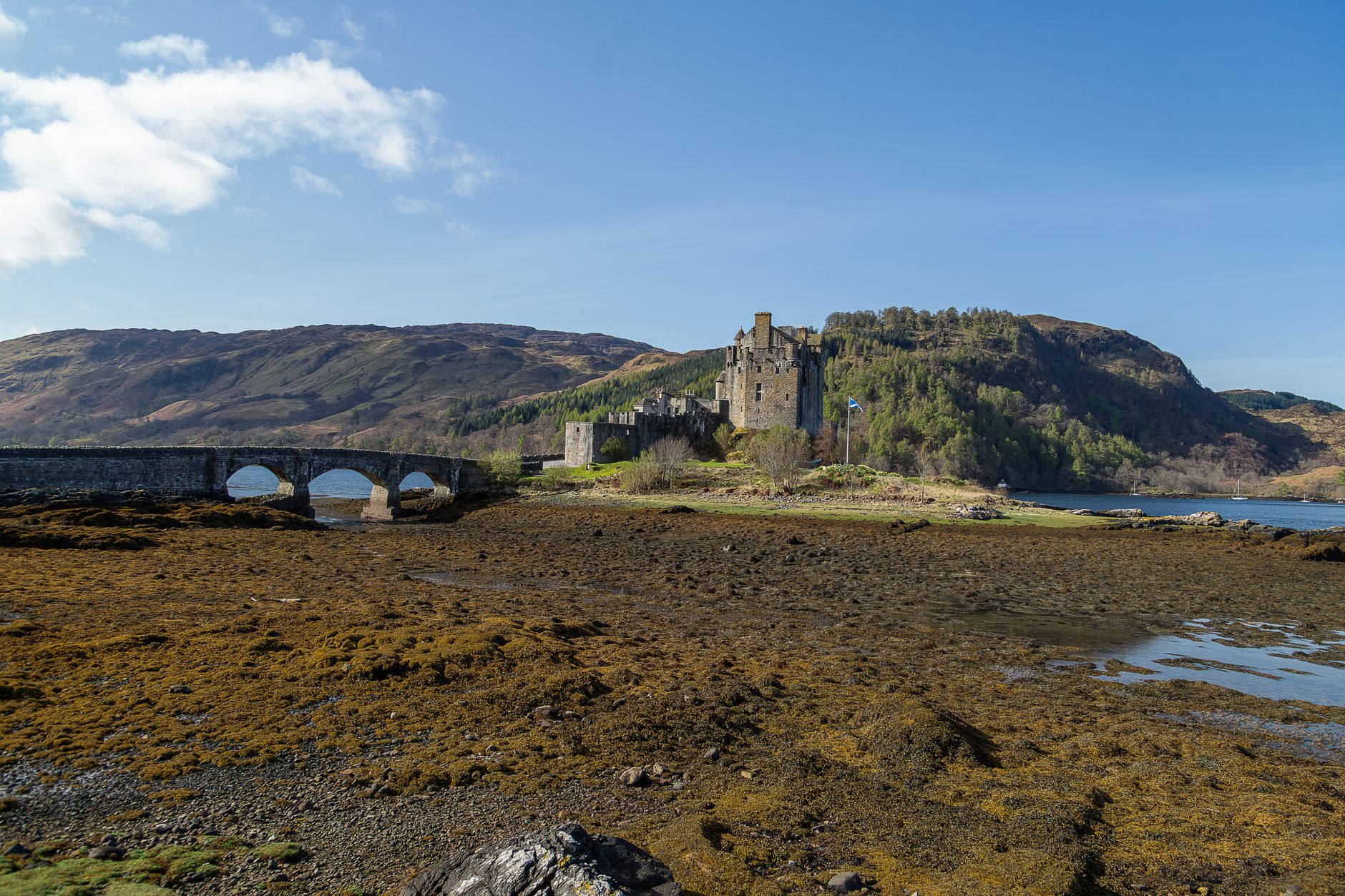
Fort William sits at the foot of Ben Nevis, the highest point in Britain, where Loch Linnhe meets the River Lochy and the mountains press close enough that cloud catches on the ridgelines most mornings. The town itself is practical rather than pretty — a grey concrete station, a pedestrianised high street, a supermarket with bus shelters out front — but that plainness is part of the honesty here.
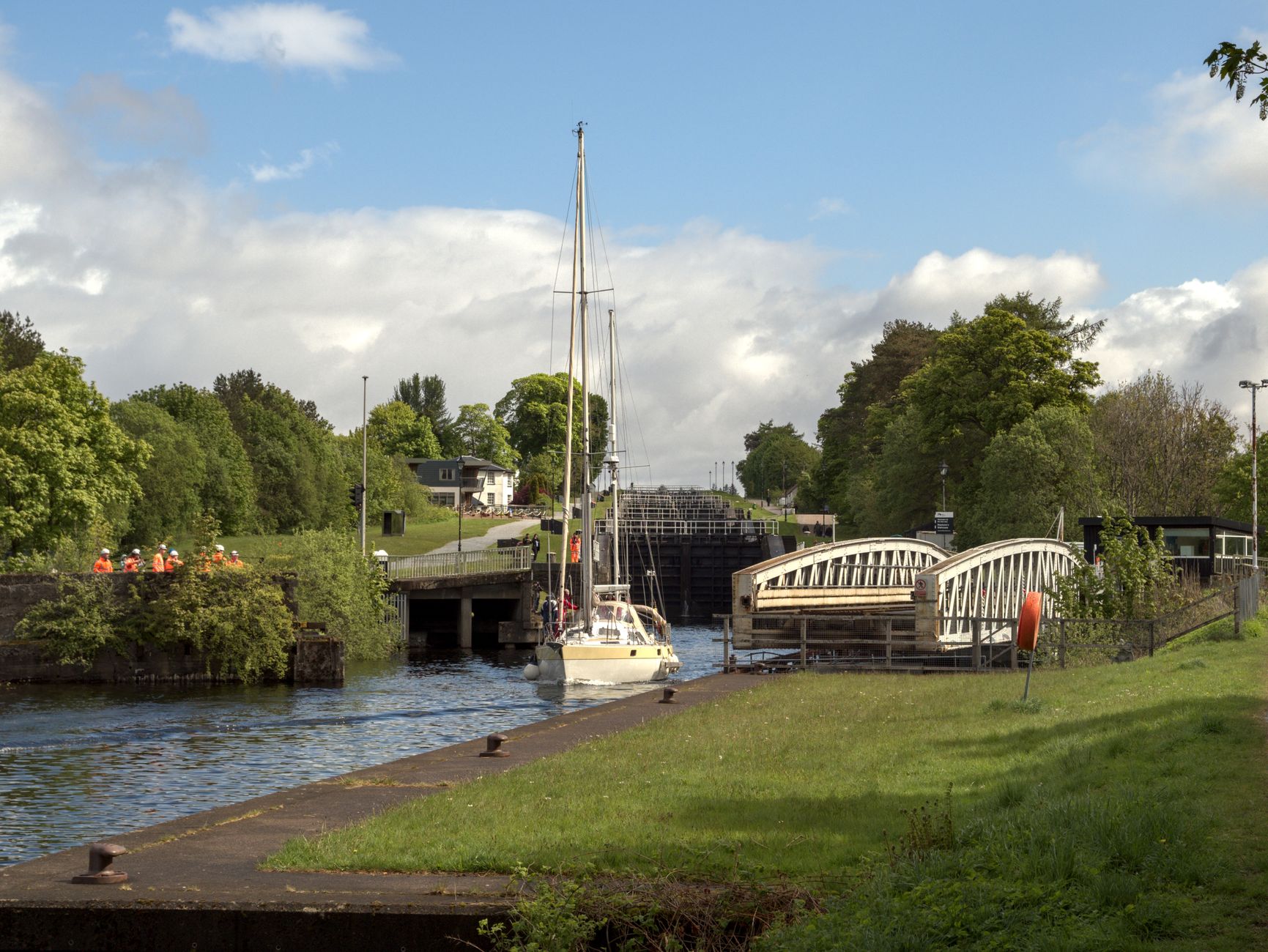
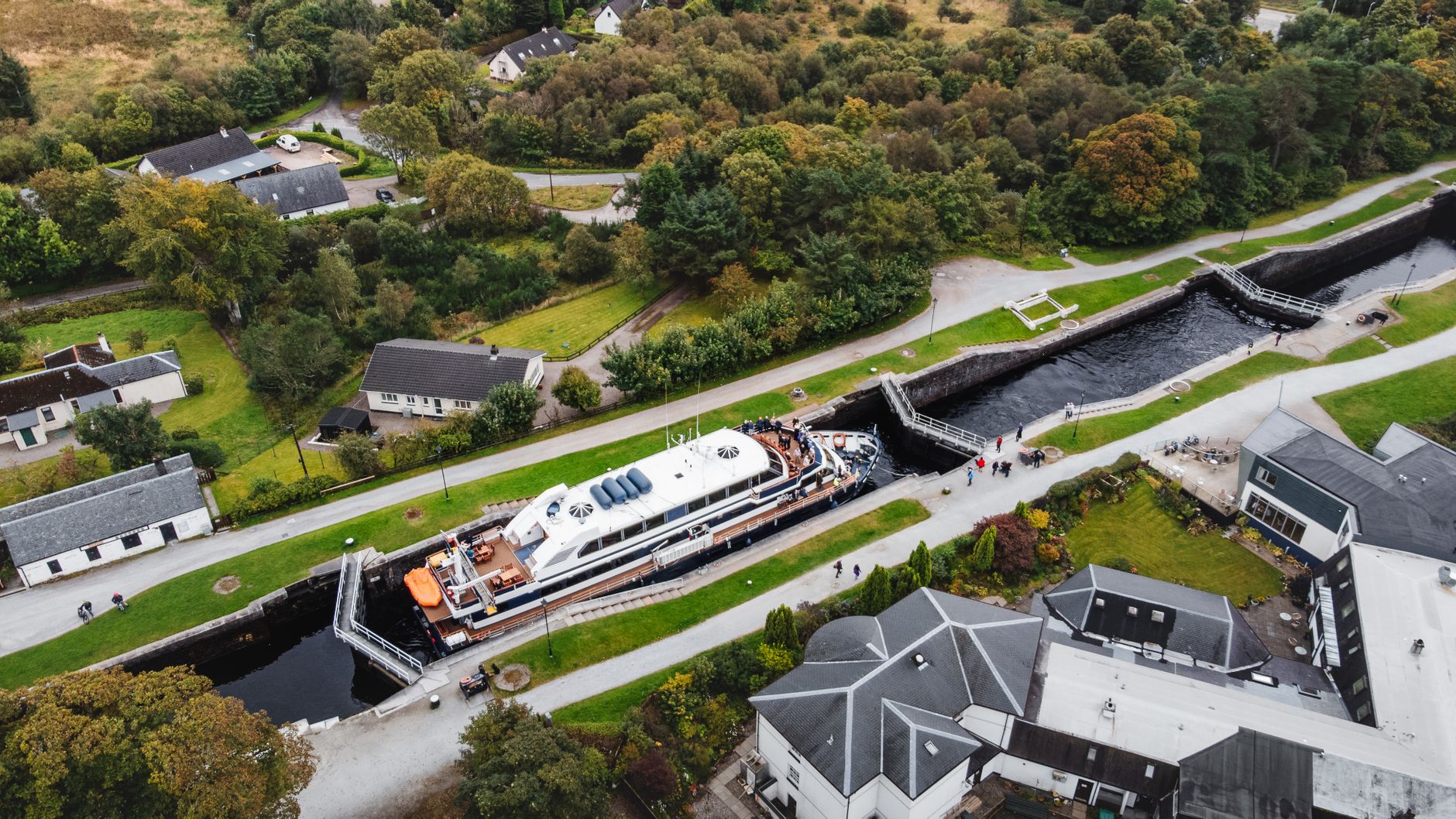
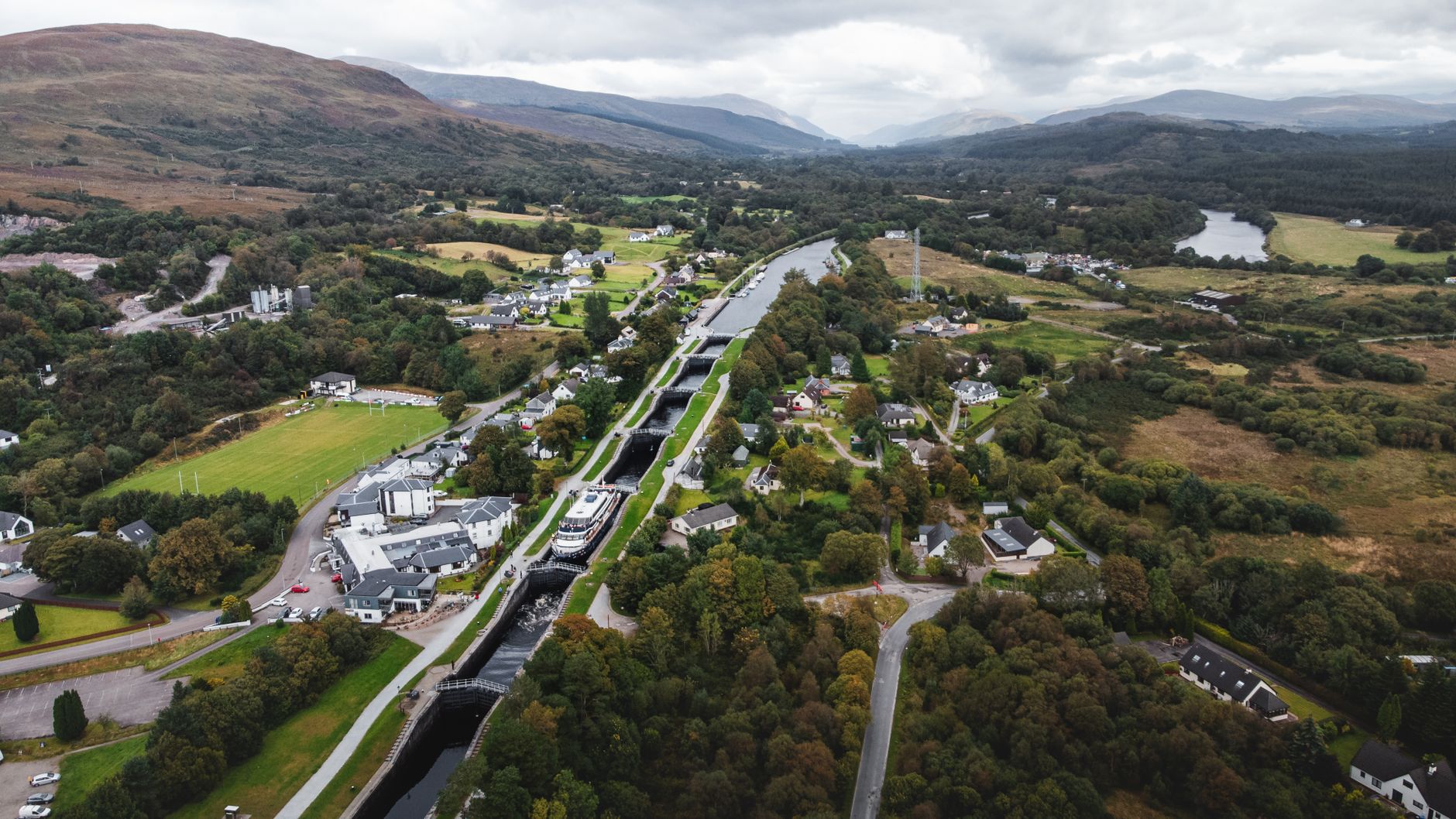
What draws people back is the specific weight of the place: a secret portrait of Bonnie Prince Charlie visible only in the reflection of a polished cylinder, a staircase of eight canal locks lifting boats 64 feet through Telford's engineering, ruins of a fort that held against a Jacobite siege while the rebellion's clock ran down.
💛 What travellers fall for
Regulars tend to mention the West Highland Museum in the same breath as the walk up to the distillery. The Secret Portrait stops most people cold — you see nothing until the mirror goes down, then a face assembles itself from smears of paint. The Caledonian Sleeper from Euston is the civilised way in: you wake up already here.
Deals in Fort William
Book directly at the provider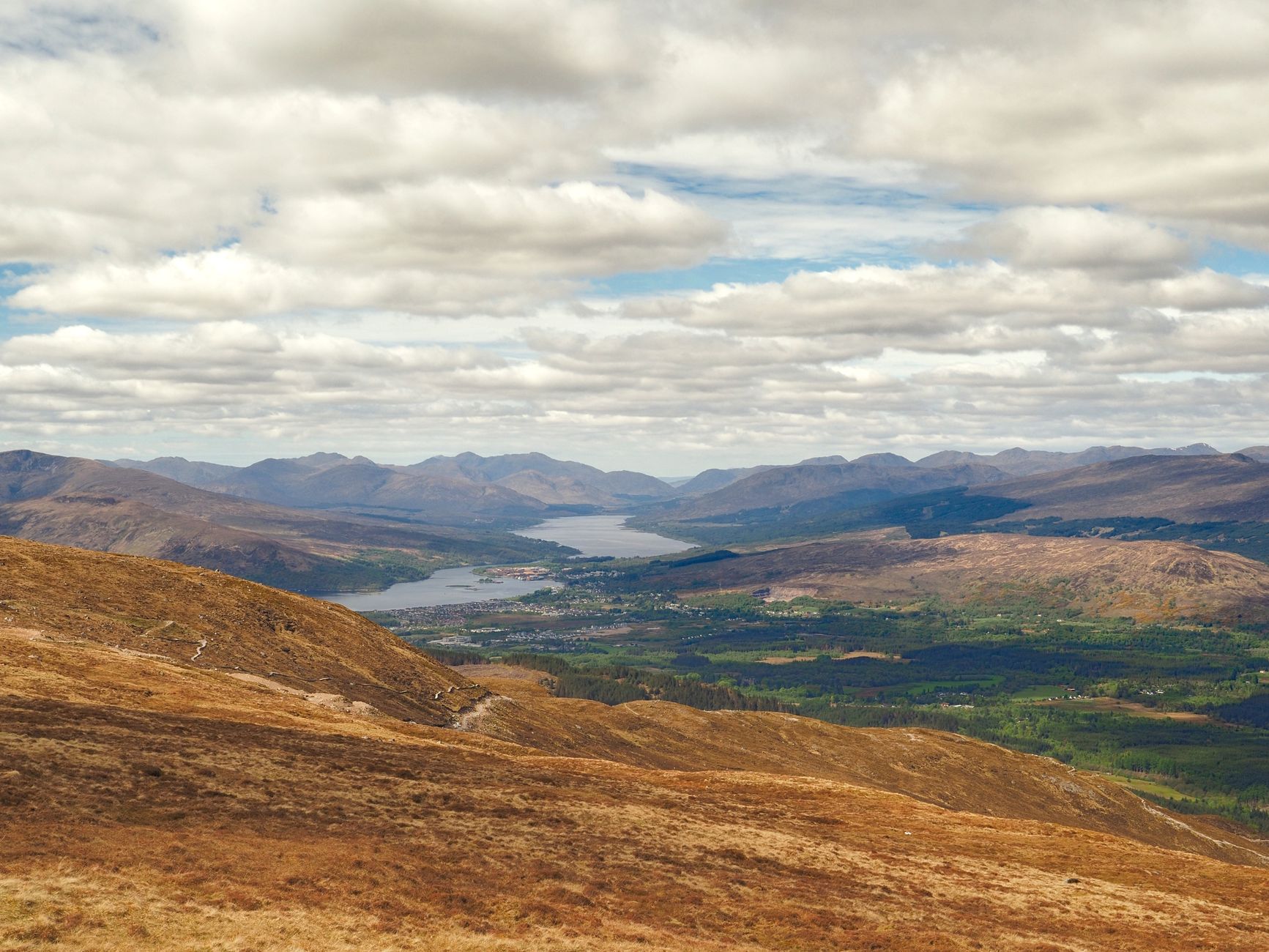

How Fort William came to be
The fort that gave the town its name started as a timber structure in 1654, built by General George Monck during Cromwell's occupation of Scotland. It was rebuilt in stone in the 1690s under William of Orange, who also supplied the name. In 1746, a thousand Jacobites besieged the garrison for three weeks; naval support on the loch kept it from falling, and two weeks after the siege lifted, Culloden ended the rising for good.
The fort survived nearly two centuries before the West Highland Railway needed its footprint. The 200-year-old fortress was dismantled in the 1890s — its archway moved stone by stone to Craigs Burial Ground — and the line opened on 7 August 1894. The original station lasted until June 1975, when it was demolished and replaced within days by the current concrete building.
Who and what shaped it
People who shaped it
Landmark buildings
See Fort William in motion
Plan your visit
On the map
When to go
Fort William is wet year-round — around 2,000 mm annually — with cool, cloudy summers peaking at 18°C in July and long, cold winters where the mountains hold snow well into spring. May offers the most reliable sunshine, averaging over six hours a day, which makes it the practical sweet spot before summer crowds arrive.
Right now
Background & history adapted from Wikipedia (CC BY-SA) · specs from Wikidata (CC0) · weather from Open-Meteo · map data © OpenStreetMap contributors · photos from Wikimedia Commons / Unsplash with per-image credit. No third-party reviews or social posts reproduced.