
Newtonmore
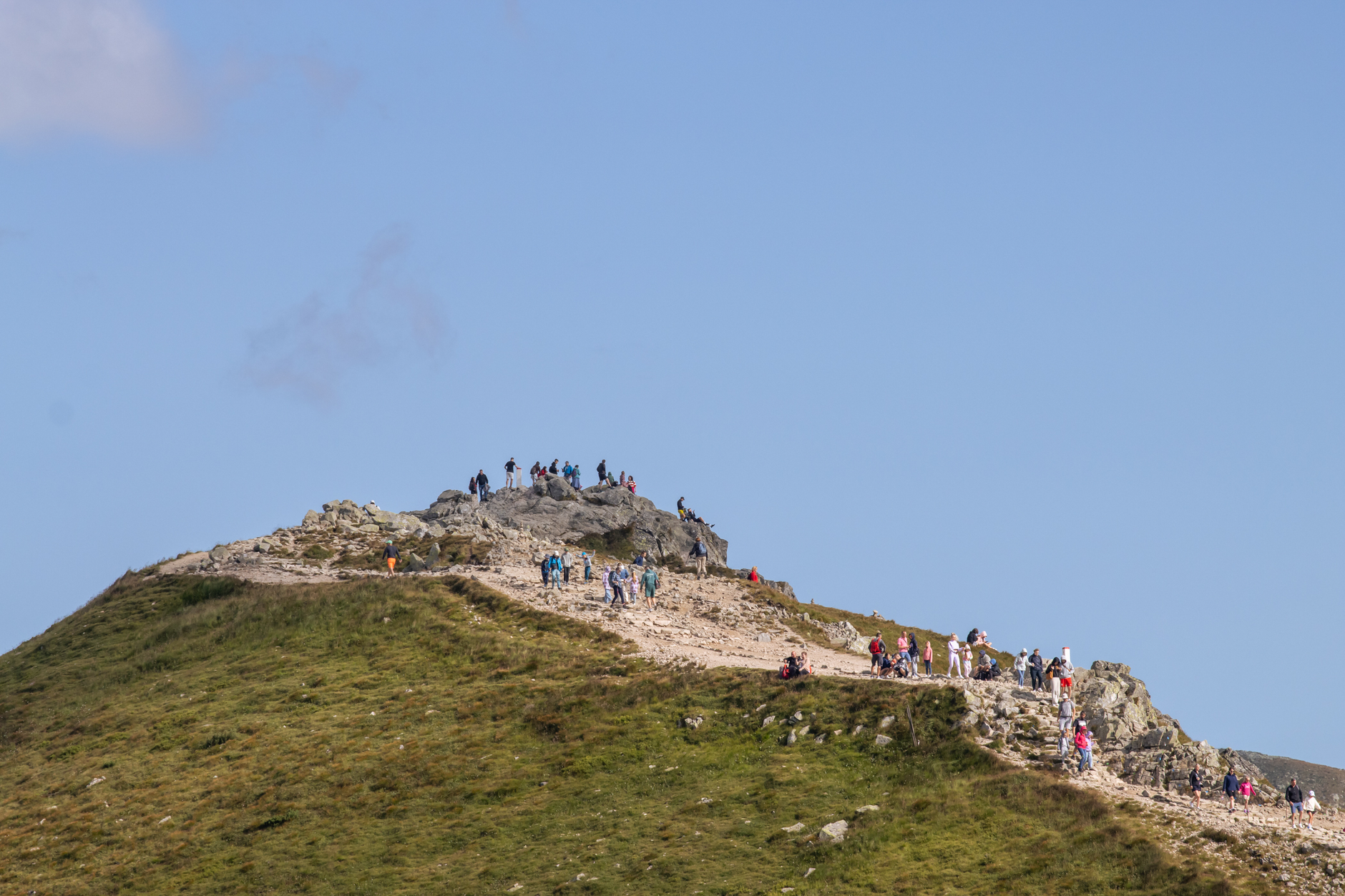
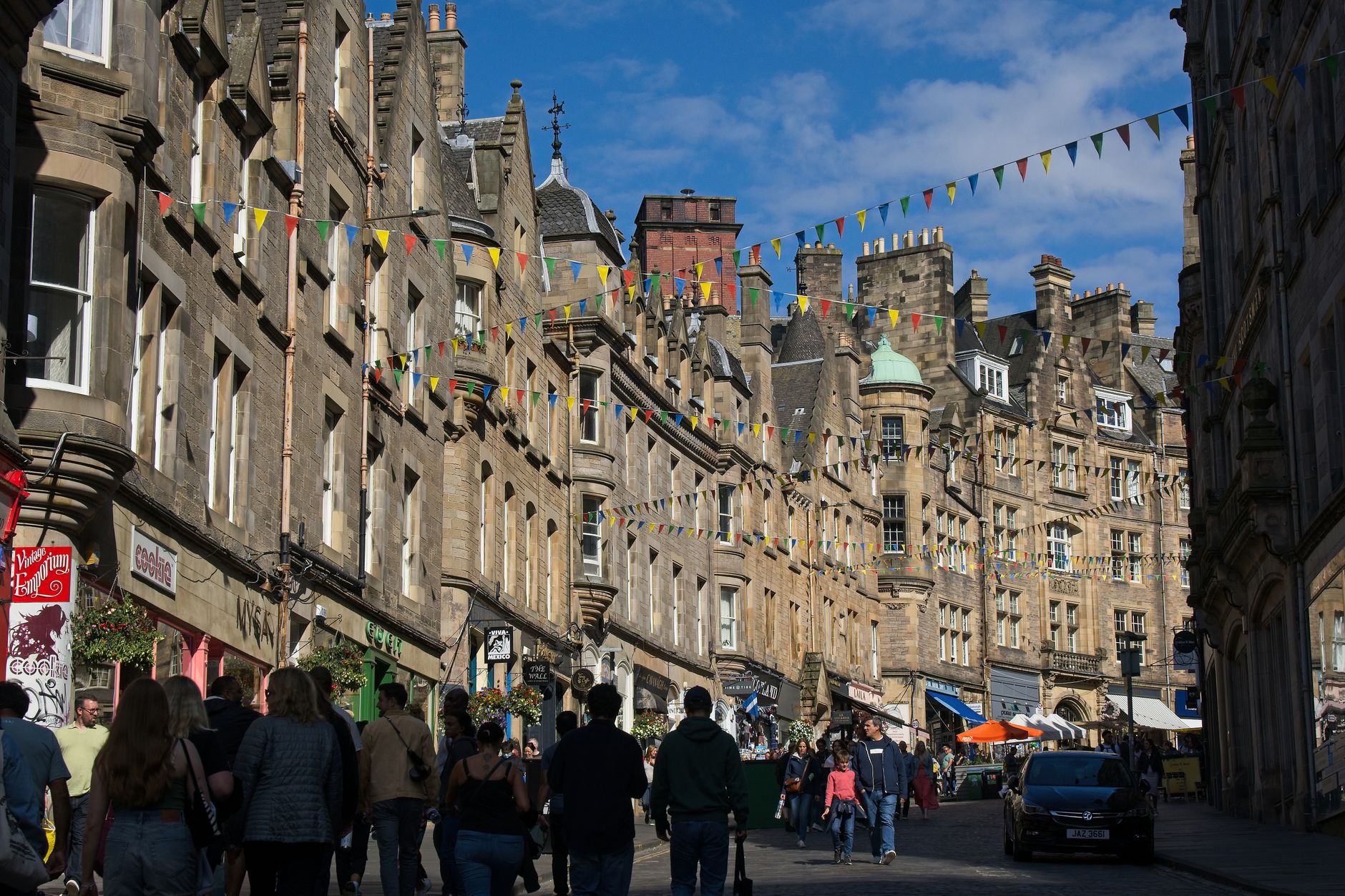
Newtonmore sits at the wide, flat floor of the Spey valley, the river running close and the Cairngorm plateau visible to the east. The village is small — a single main street, an 18-hole golf course straddling the railway line, a shinty pitch beside the River Calder — but it carries a disproportionate amount of Highland story. The Highland Folk Museum alone spreads across 80 acres of open ground, with more than 35 restored buildings you can walk through rather than peer at.
The Camanachd Cup record here is jointly held at twelve winner's medals each, a fact that tells you something about how seriously Newtonmore takes its shinty. The Eilan ground, next to the Calder, is the place to understand that.
💛 What travellers fall for
Regulars tend to mention two things: arriving on the Caledonian Sleeper, which actually stops here rather than Kingussie, and the fact that the Highland Folk Museum charges nothing. That combination — step off the train in the morning, spend three hours in living Highland history for free — makes Newtonmore an unusually easy detour to justify.
Deals in Newtonmore
Book directly at the provider


How Newtonmore came to be
The land now occupied by Newtonmore doesn't appear on William Roy's mid-18th-century military survey of Scotland — it simply didn't exist as a settlement. The village was founded after 1820, when James Macpherson of Belleville began building houses to shelter tenants displaced from elsewhere on the estate. Early records from 1823 refer to the place as 'Moor of Strone', a scattering of no more than 50 or 60 people. The name Newtonmore — literally 'new town on the moor' — replaced the earlier Benchar Village.
The railway arrived in the mid-1860s and the village grew steadily around it: 364 inhabitants by 1892, around 800 by 1929. When the A9 bypass came in 1979, Newtonmore lost its through traffic overnight. The Clan Macpherson Museum had already opened in 1959; the Highland Folk Museum's Newtonmore site followed in 1995, expanding a project that Dr Isabel F. Grant had first set in motion in 1936.
Who and what shaped it
People who shaped it
Landmark buildings
See Newtonmore in motion
Plan your visit
On the map
When to go
July is the warmest month with average highs around 17°C — comfortable for walking the folk museum grounds or watching shinty on the Eilan. Winter runs cold and wet, with February averaging just 5°C and December through February bringing rain or snow on the majority of days.
Right now
Background & history adapted from Wikipedia (CC BY-SA) · specs from Wikidata (CC0) · weather from Open-Meteo · map data © OpenStreetMap contributors · photos from Wikimedia Commons / Unsplash with per-image credit. No third-party reviews or social posts reproduced.