
Nairn
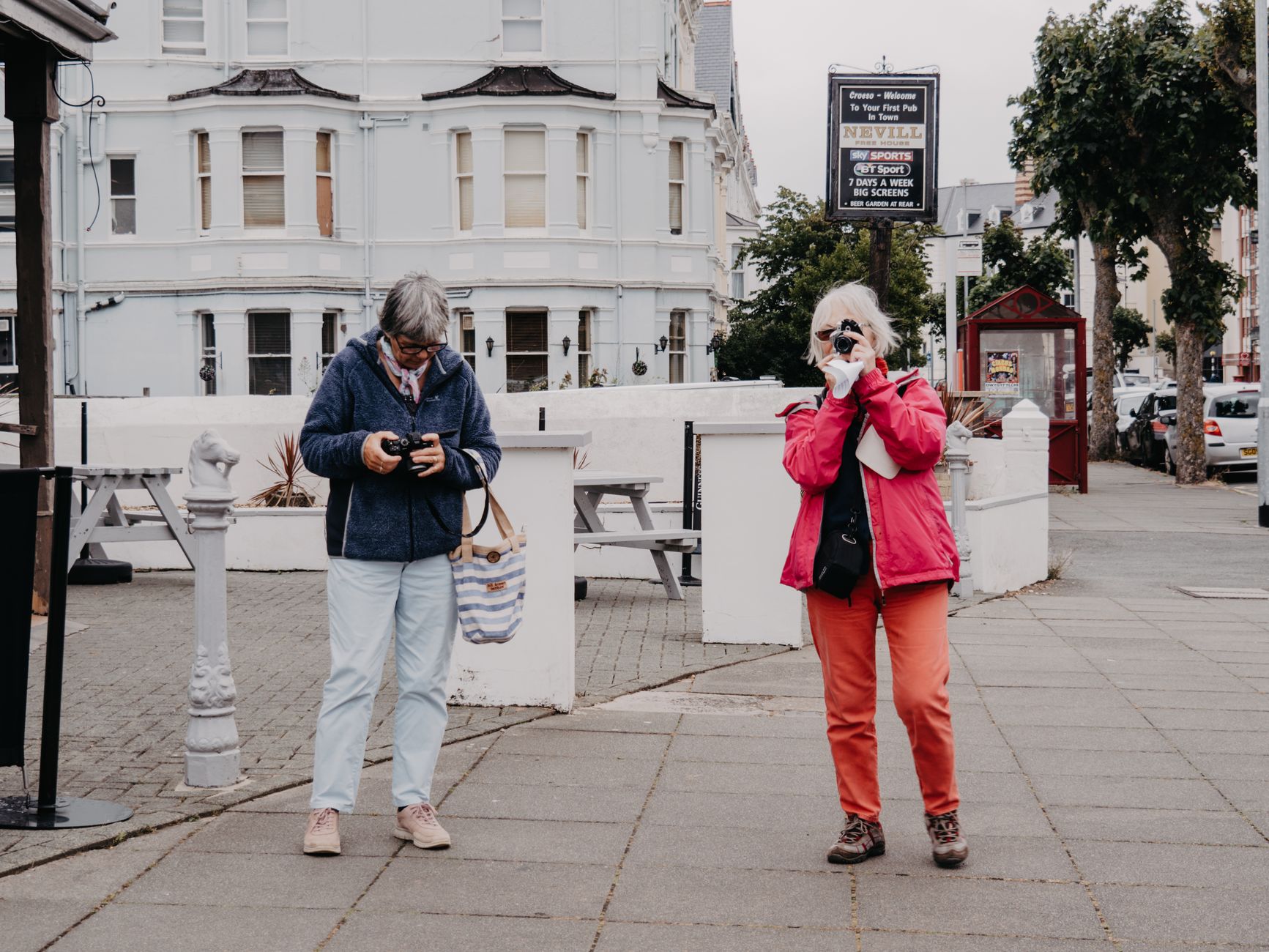

Nairn sits on the Moray Firth where the river of the same name meets the sea, and on a clear day you can watch the light change across the firth from a beach that stretches long enough to feel genuinely empty. It's the third-largest settlement in the Highlands — after Inverness and Fort William — with a population just under ten thousand, which means it has the infrastructure of a real town without the noise of a tourist centre.
Two golf courses, a Telford-built harbour, a Victorian seaside past, and a Fishertown quarter that once kept sixty boats and four hundred fishermen: Nairn carries more layers than its modest size suggests.
💛 What travellers fall for
People who come back tend to mention the same few things: the East Beach in early morning before anyone else arrives, the Fishertown Museum as a free hour well spent, and the train connection — seventeen departures each weekday means you can day-trip to Inverness or push east to Forres without touching a car.
Deals in Nairn
Book directly at the provider


How Nairn came to be
Nairn received its royal burgh charter in 1189 and took over from Auldearn as the seat of the Sheriffdom of Nairnshire in 1204, though people had been working this fertile coastal ground since the Palaeolithic. The town's modern shape came in two waves: Thomas Telford's harbour in 1820 anchored a serious fishing industry — sixty boats and four hundred fishermen by 1850 — and the arrival of the Inverness and Nairn Railway on 7 November 1855 recast the place as a Victorian seaside resort.
The Nairn Public Hall, opened with a grand ball in August 1873, captures that confident mid-Victorian moment. A century later the same building, renamed the Ballerina Ballroom, hosted Pink Floyd, Fleetwood Mac, Status Quo, and The Who. In May 1960, a pre-fame band billed as The Silver Beetles — John, Paul, George, and Stuart Sutcliffe — played the Regal Ballroom on Leopold Street as backing act for Johnny Gentle.
Who and what shaped it
People who shaped it
Landmark buildings
See Nairn in motion
Plan your visit
On the map
When to go
Summers are cool and mostly cloudy, with July averaging around 19°C; May is the pick for daylight, delivering over seven hours of sunshine a day. Winters are long and cold — December nights drop to around 2°C — so pack layers whenever you come.
Right now
Background & history adapted from Wikipedia (CC BY-SA) · specs from Wikidata (CC0) · weather from Open-Meteo · map data © OpenStreetMap contributors · photos from Wikimedia Commons / Unsplash with per-image credit. No third-party reviews or social posts reproduced.