
Beauly
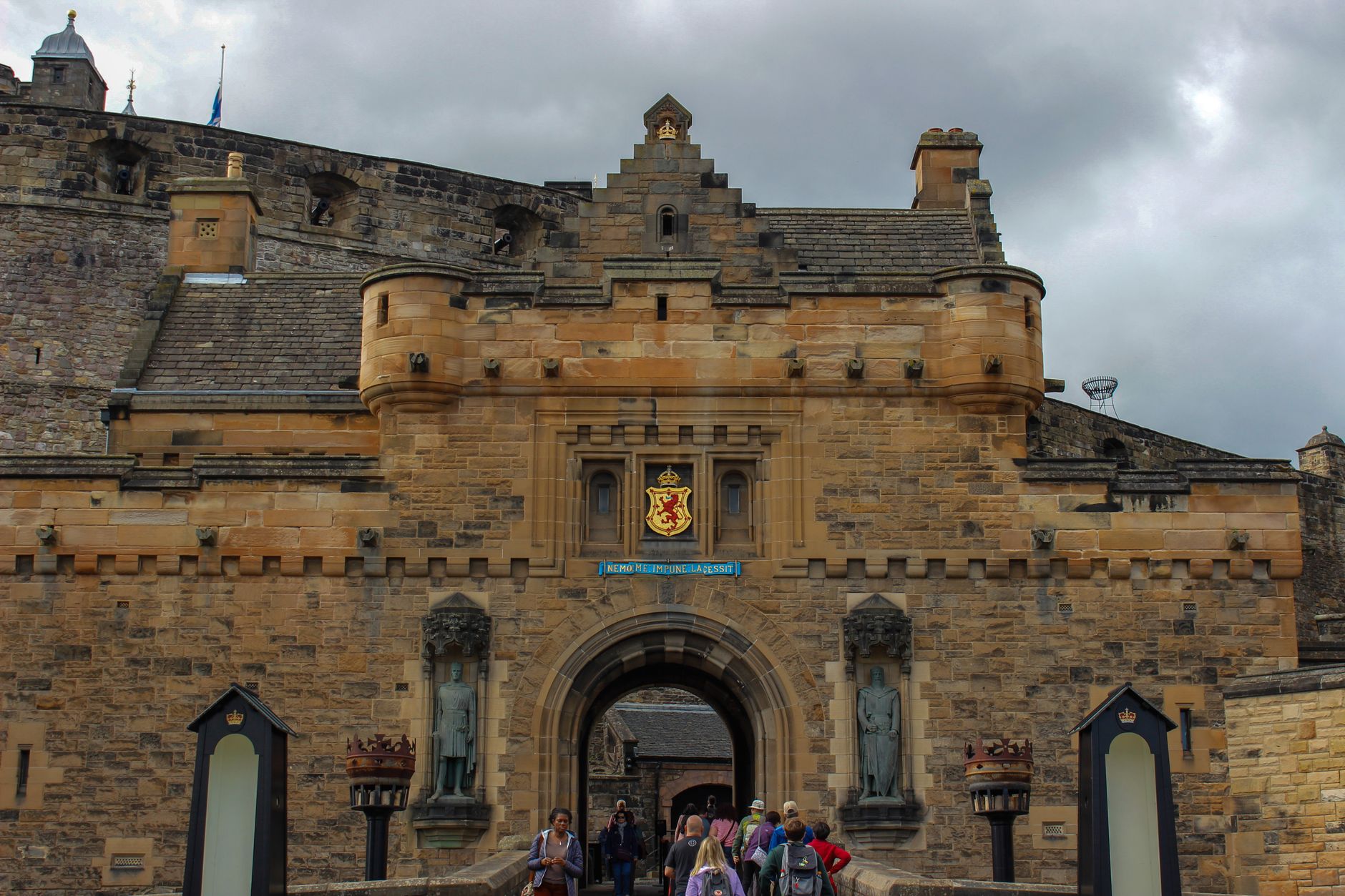
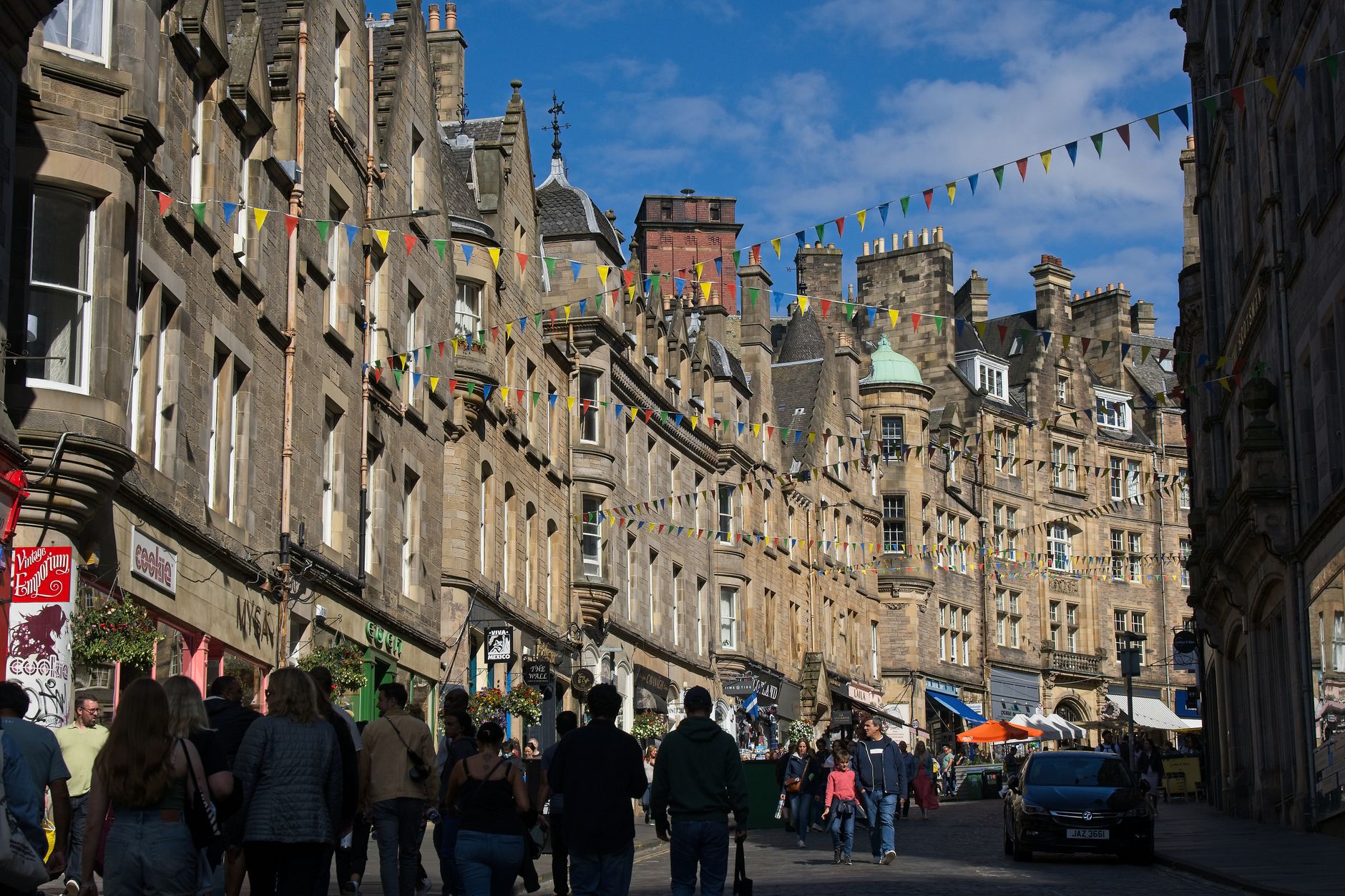
The name came first, then the legend. Beauly — from the French beau lieu, lovely spot — was already what it was called when, in 1564, Mary Queen of Scots is said to have arrived and declared exactly that. The village sits twelve miles west of Inverness along the A862, small enough that the ruined priory at its centre is genuinely central: roofless, open to the sky, its pale stone worn to the colour of old paper.
The priory church is the reason to come. Founded in 1230 for Valliscaulian monks, it stands in the kind of quiet that makes you notice the Y-tracery windows still holding their shape after eight centuries, even without glass.
💛 What travellers fall for
People who've been more than once tend to mention the same thing: check whether the gate from the square is locked before you make the walk. A sign on it tells you who holds the key. The priory is free, takes under an hour, and pairs well with a look at St Mary's red sandstone bulk on the village's north edge — Hansom's 1864 Gothic Revival, funded by the Lovats.
Experiences you don't want to miss


Deals in Beauly
Book directly at the provider

How Beauly came to be
In 1230, John Byset of the Aird brought Valliscaulian monks to this spot and founded a priory dedicated to the Blessed Virgin and John the Baptist. The church was laid out and built in one campaign, yet its stonework traces three centuries of change. By 1272 it was complete enough to receive the burial of Sir Simon Fraser of Lovat in the chancel. In the early 1500s the Valliscaulians merged into the Cistercian order, and the priory passed quietly into a new allegiance.
The Reformation undid it faster than time had. Lead stripped from the roof in 1582; stone quarried for other buildings, some reportedly carted to Inverness for Cromwell's citadel in 1652. What survives — the north transept rebuilt in 1901 as a Mackenzie mausoleum, the west front restored by Prior Robert Reid around 1541 — has been in state care since 1913.
Who and what shaped it
People who shaped it
Landmark buildings
See Beauly in motion
Plan your visit
On the map
When to go
Beauly averages around 7.4°C across the year, with just over a metre of rain annually — mild by Highland standards, but reliably damp. Summer visits in June and July offer the longest daylight for the ruins; in winter the low light is dramatic, though come prepared for cold and wet.
Right now
Background & history adapted from Wikipedia (CC BY-SA) · specs from Wikidata (CC0) · weather from Open-Meteo · map data © OpenStreetMap contributors · photos from Wikimedia Commons / Unsplash with per-image credit. No third-party reviews or social posts reproduced.