
Tain


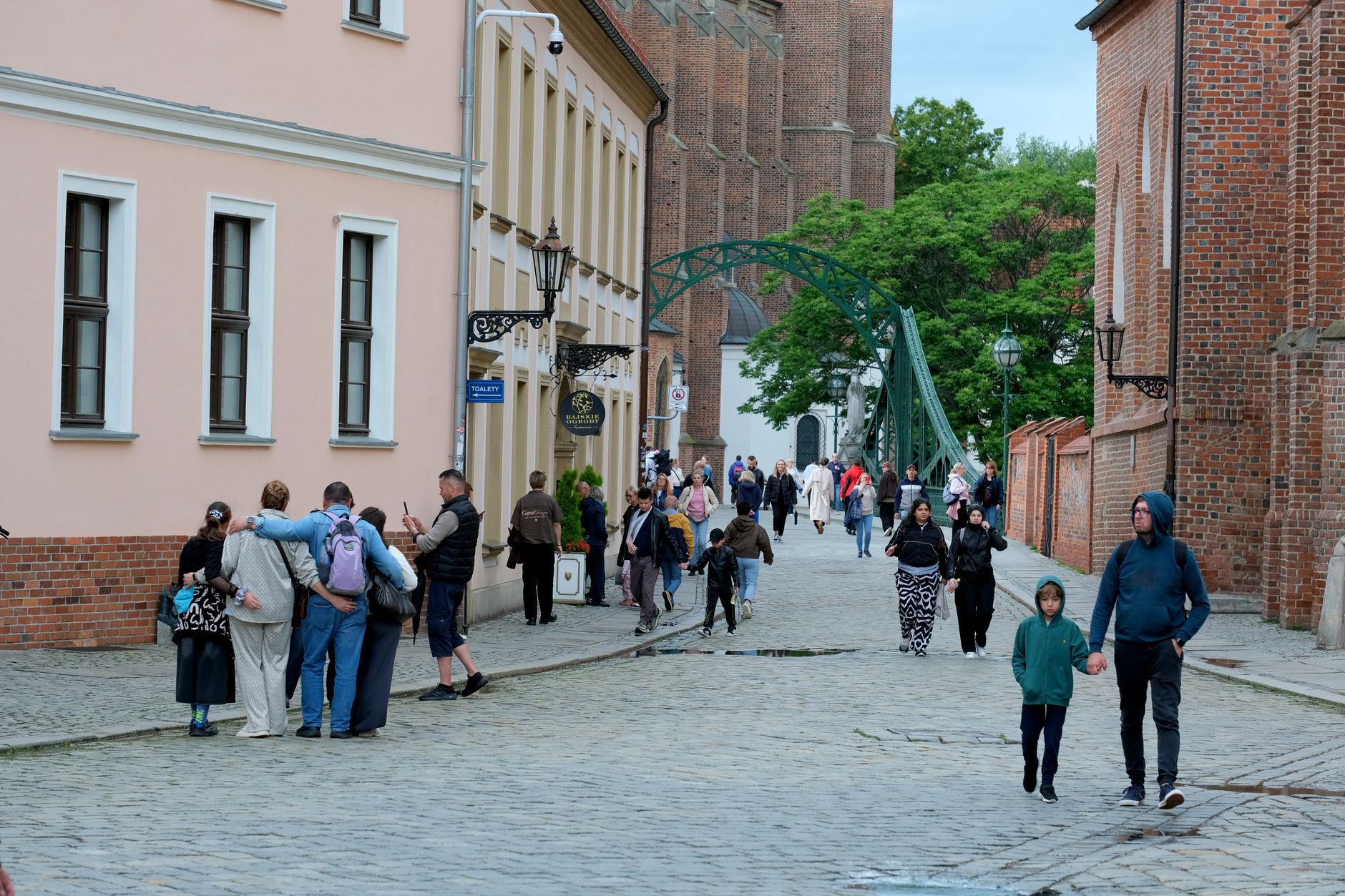

Tain sits quietly off the A9, which bypassed it in the 1980s and left the town to its own unhurried pace. Most drivers heading north miss it entirely. That's their loss. Scotland's oldest royal burgh — chartered by Malcolm III in 1066 — wears its age without fuss: a tolbooth tower rising above the high street, a medieval collegiate church, and to the north-west, a view across the Dornoch Firth and into Sutherland that stops you mid-sentence.
The town's name likely comes from the Norse *Thing*, meaning a place of assembly, and there's still something deliberate about being here — a sense that Tain has always been a place people came to on purpose, whether as medieval pilgrims or, today, as visitors who took the turning off the main road and found something worth staying for.
💛 What travellers fall for
People who've been before tend to mention the Struie road — the B9176 up over the moor to that panoramic firth view — and they mention it early, like a password. They also note the Far North Line train from Inverness: slow, scenic, and every four hours, so you plan around it rather than the other way around.
Deals in Tain
Book directly at the provider

How Tain came to be
Tain's story begins with a saint. Duthac, an early Christian figure born here around 1000, drew pilgrims long after his death — his shrine was significant enough that King Malcolm III granted the town a royal charter in 1066, making it Scotland's oldest royal burgh. A ruined 13th-century chapel still stands, and St Duthac's Collegiate Church, built in 1360, replaced an earlier structure on the same ground.
The pull of the shrine was strong enough to bring King James IV here every year for roughly two decades around 1500. The tolbooth came later — first built in 1630 to house the burgh court and collect traders' tolls, damaged by Cromwell's troops in 1656, and rebuilt from 1706, with its tower finally completed in 1733. That tower still anchors the town centre today.
Who and what shaped it
People who shaped it
Landmark buildings
See Tain in motion
Plan your visit
On the map
When to go
Tain's oceanic climate means cool summers — July averages around 14°C — and cold, windy winters. It's mostly overcast year-round, so pack layers regardless of season; April tends to be the driest month, October the wettest.
Right now
Background & history adapted from Wikipedia (CC BY-SA) · specs from Wikidata (CC0) · weather from Open-Meteo · map data © OpenStreetMap contributors · photos from Wikimedia Commons / Unsplash with per-image credit. No third-party reviews or social posts reproduced.