
Inverness
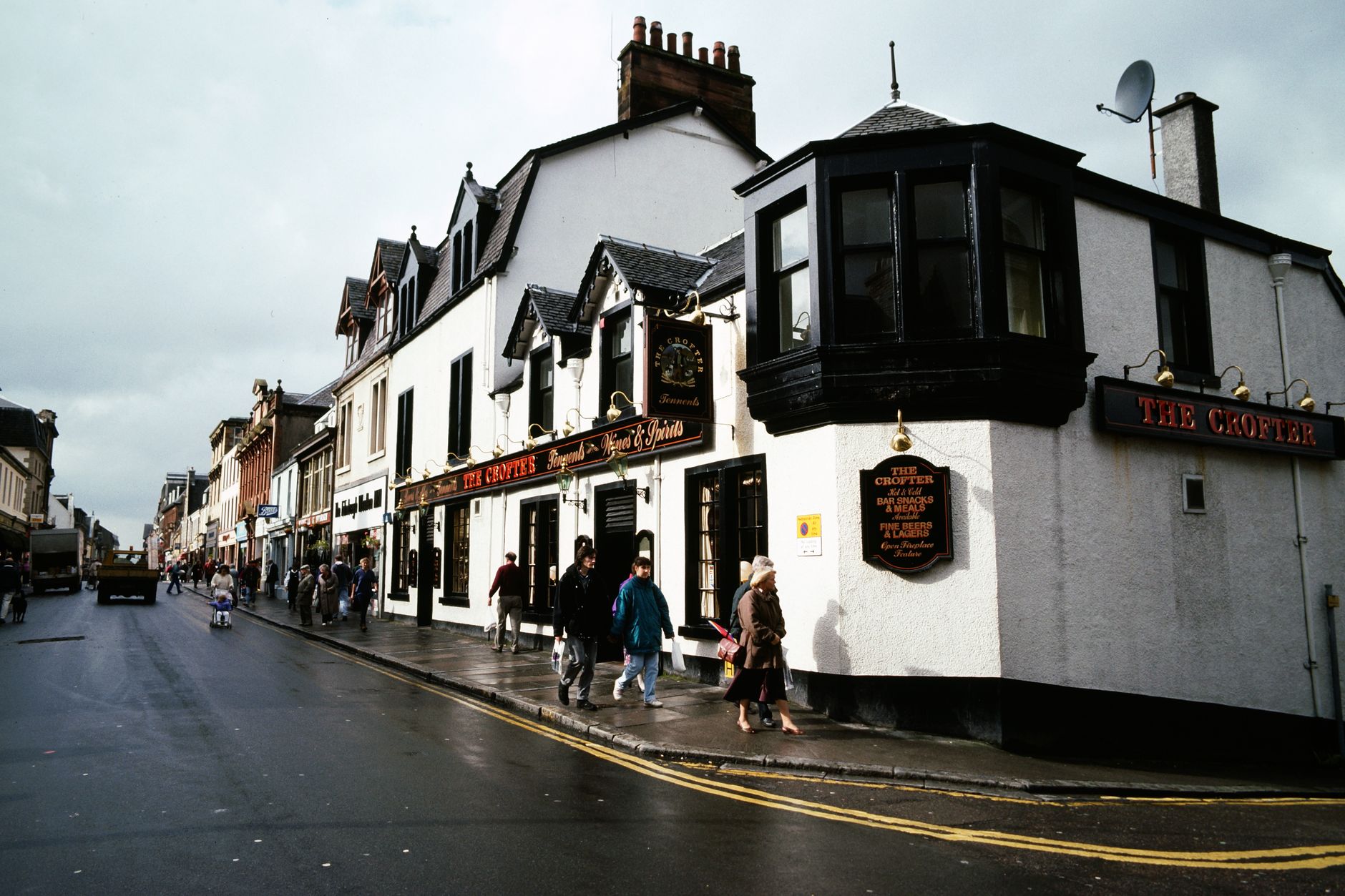
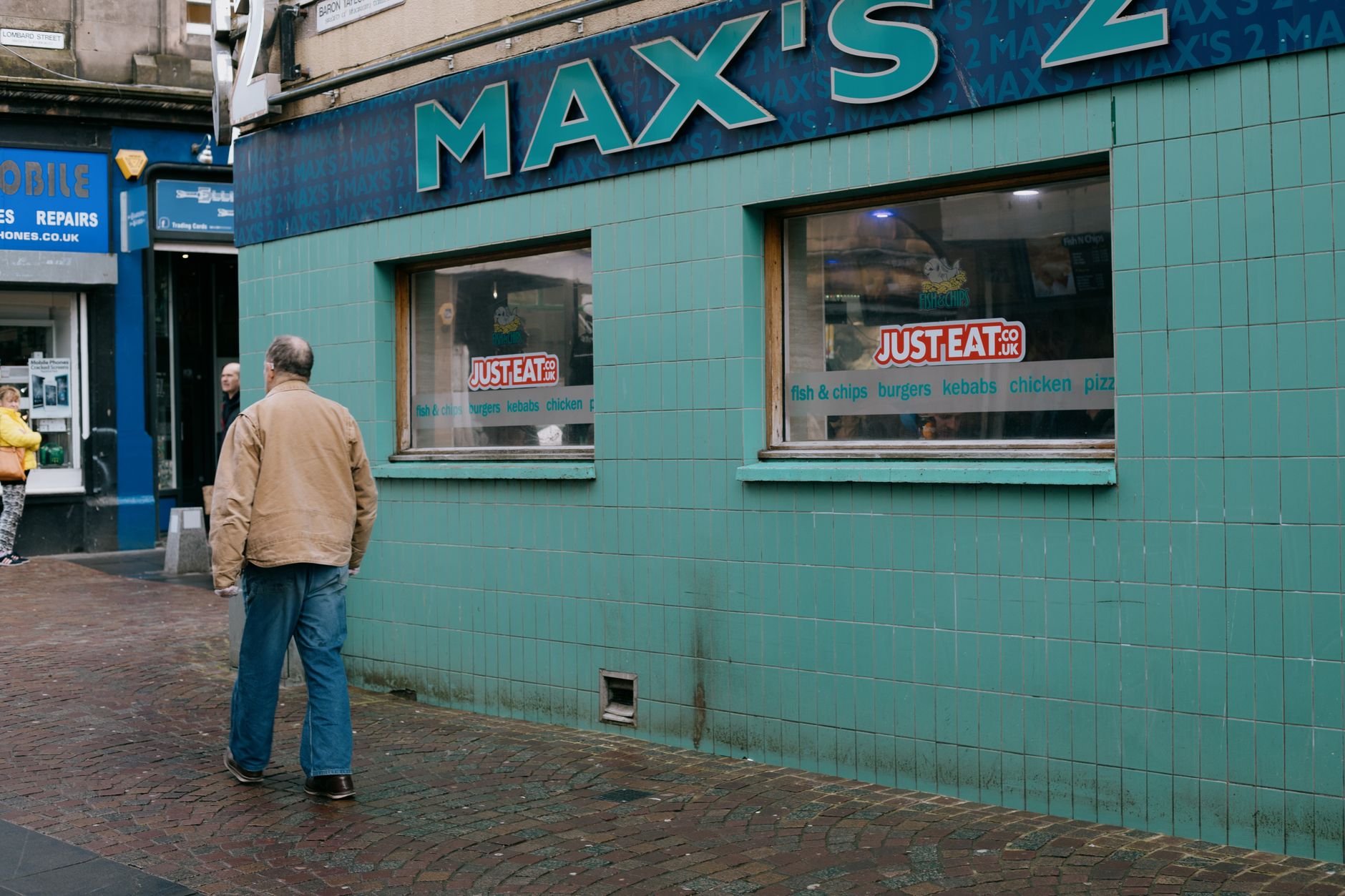
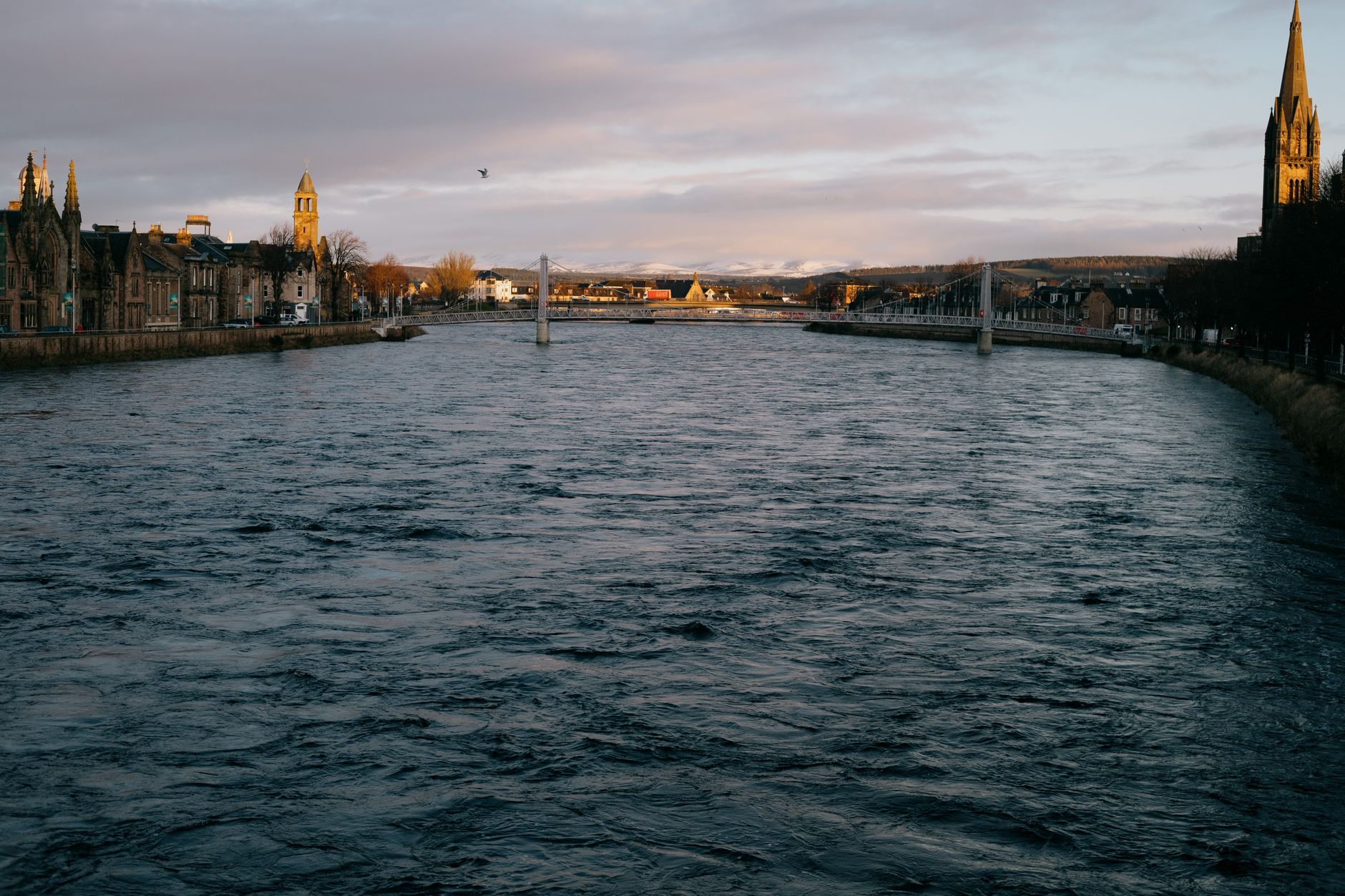
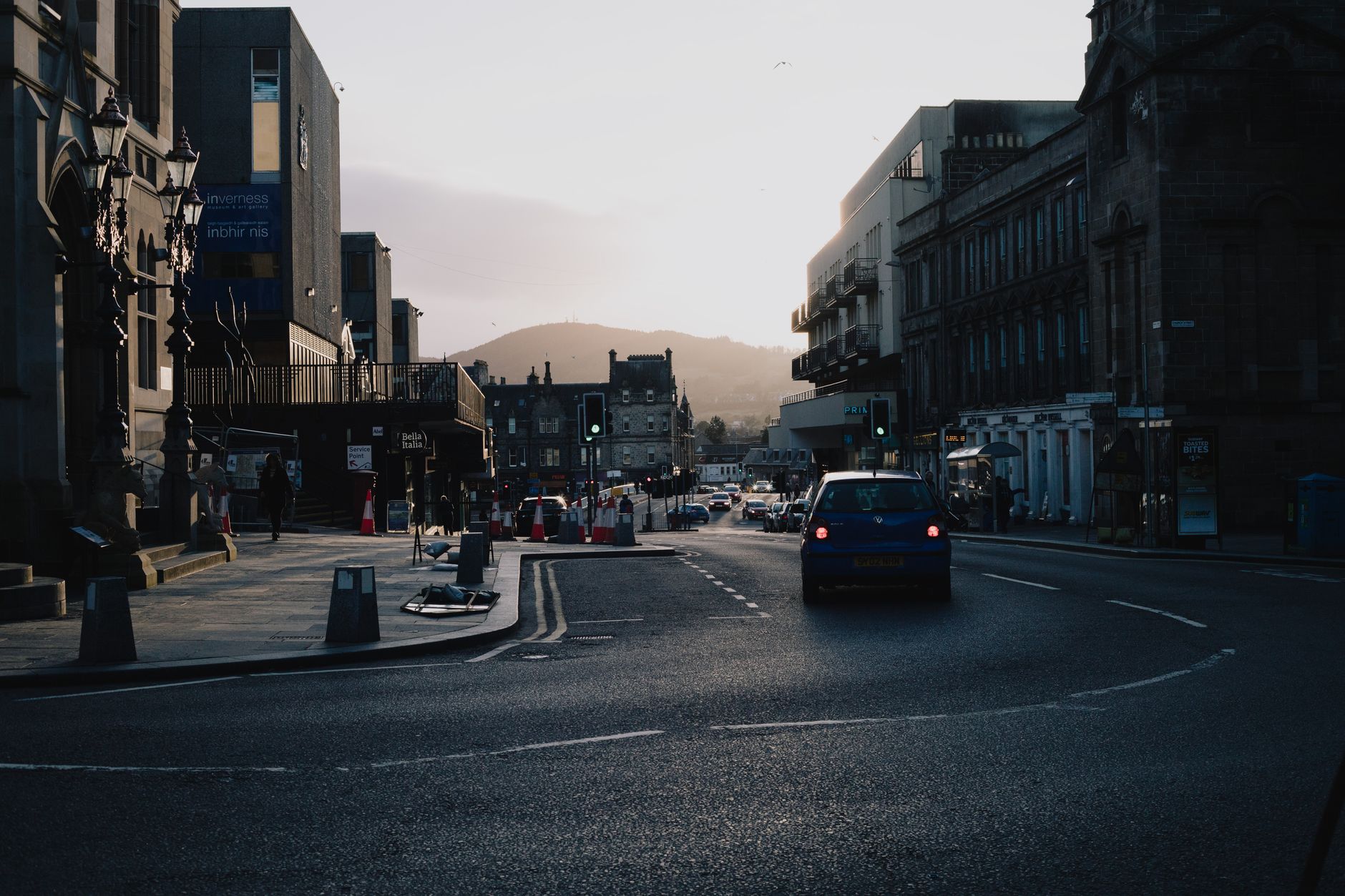
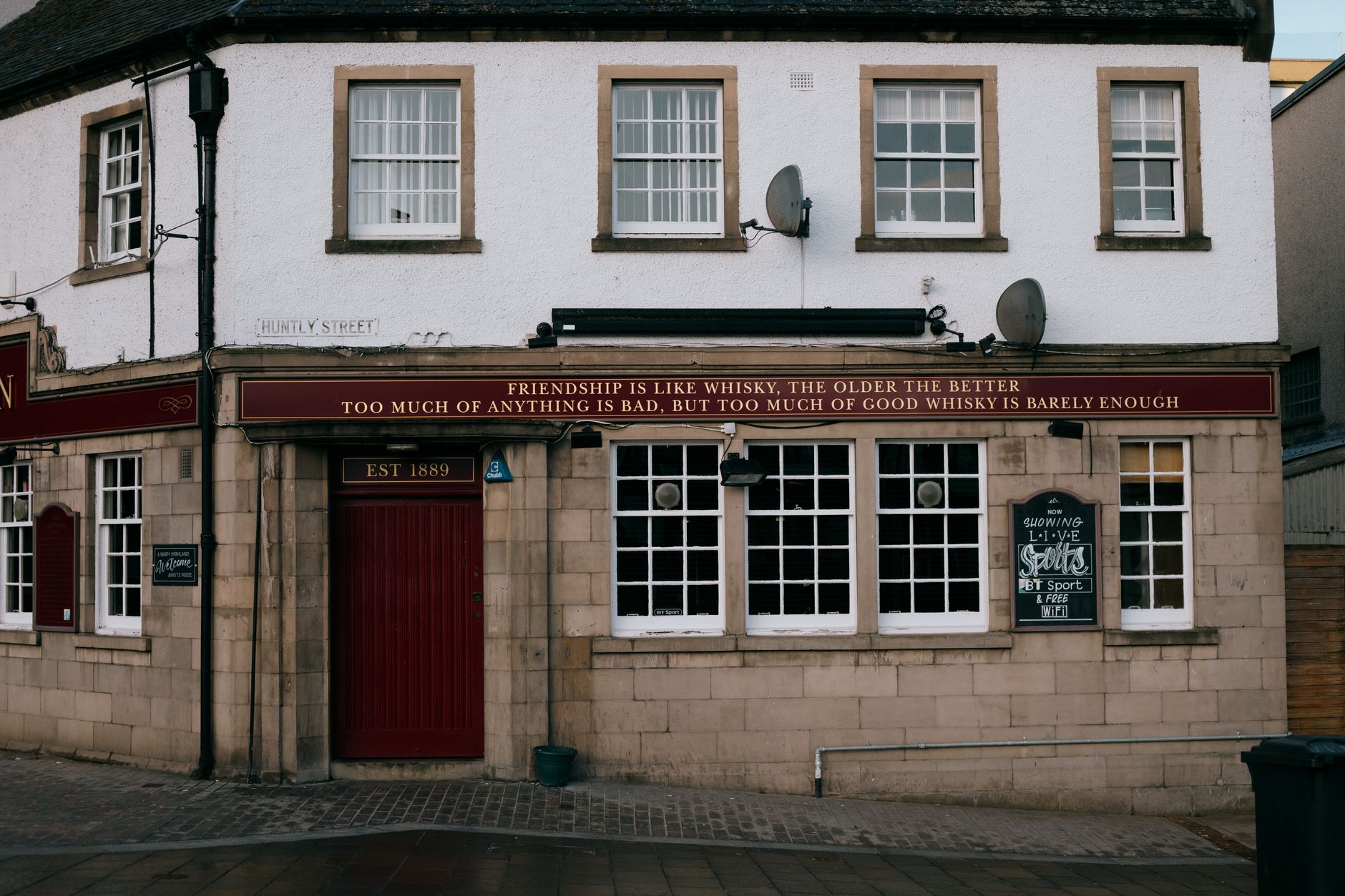
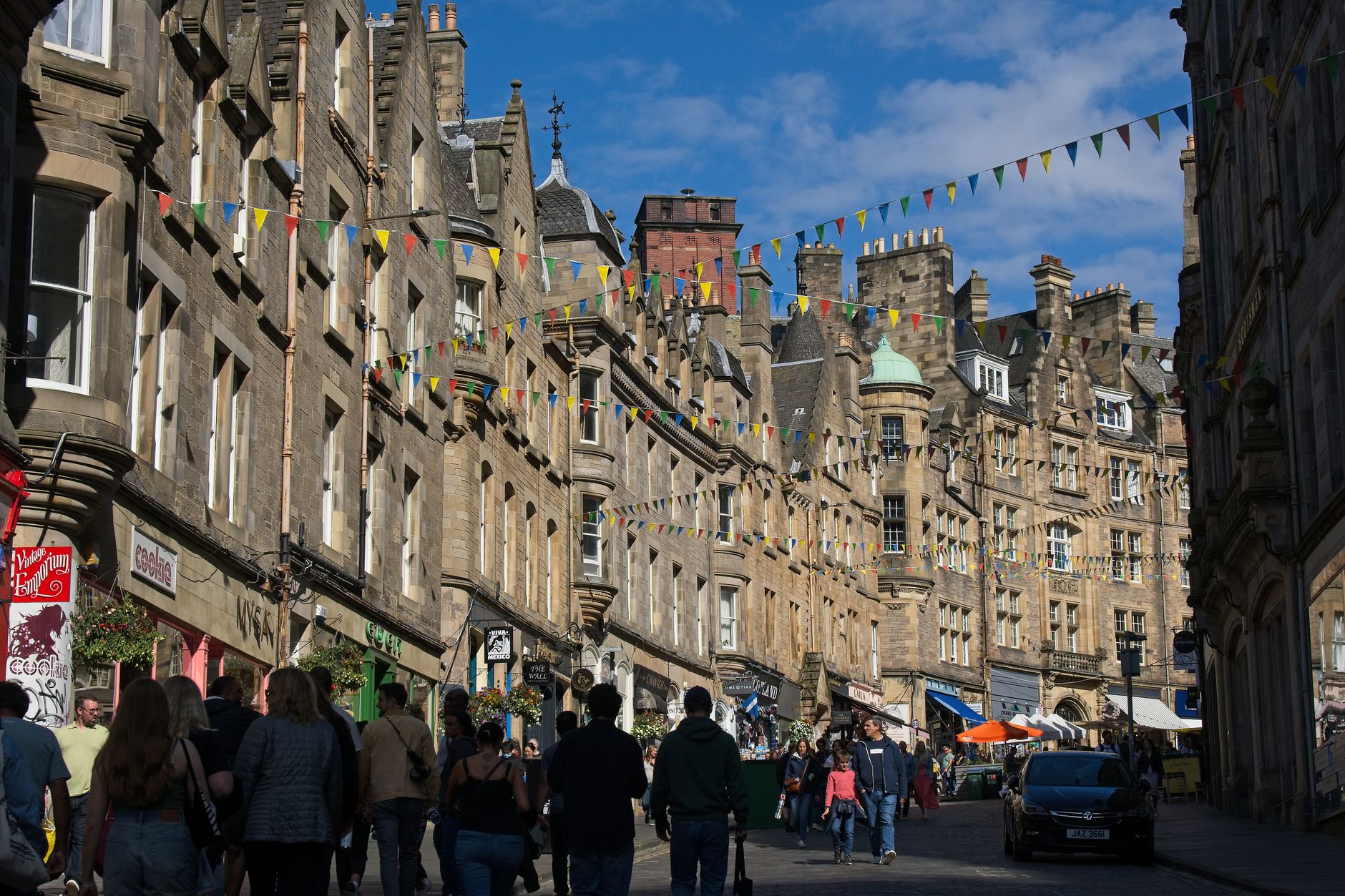
The River Ness runs right through the middle of the city, cold and fast off Loch Ness, and on a clear morning the red sandstone of the castle catches the light above it. Inverness is the northernmost city in the United Kingdom — it only became one in 2000, granted status as part of the millennium celebrations — and it carries that geography lightly. The Highlands begin here in every practical sense: the rail lines fan out toward Kyle of Lochalsh, Aberdeen, and the Far North, and the streets fill with walkers heading somewhere wilder.
What the place offers in itself is quieter than its reputation as a gateway suggests. There are 4,000-year-old burial cairns a short drive east at Clava. There is a cathedral that was supposed to have twin spires until the money ran out. The history here is long and specific, and it rewards a day or two of actual attention.
💛 What travellers fall for
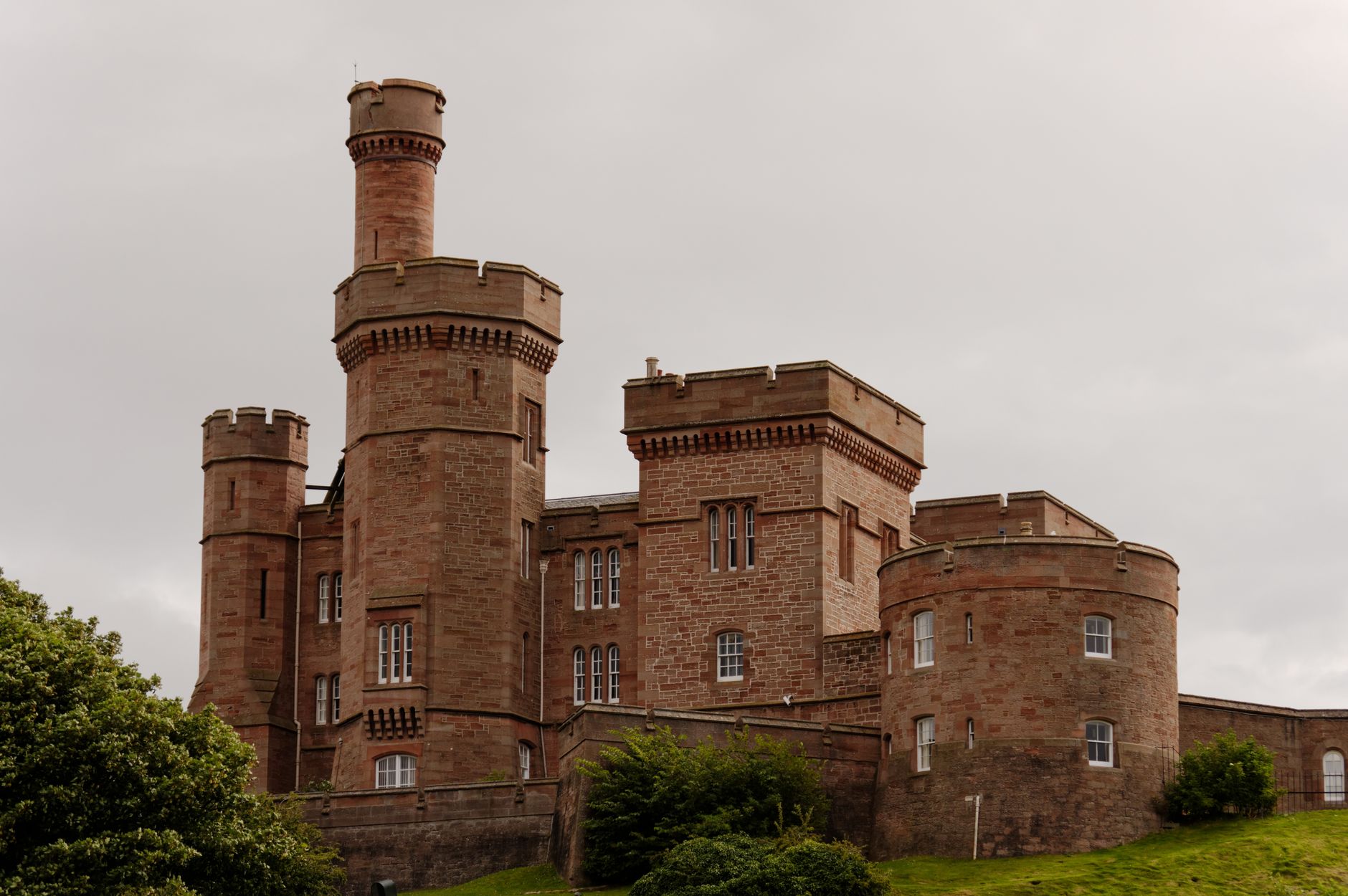
People who come back tend to mention the same walk: along the river in the early evening, past the cathedral, when the light goes low and the water turns grey-green. They also point you toward the castle viewpoint now that the Inverness Castle Experience has opened — the panorama north over the city is worth the climb regardless of the exhibition.
Deals in Inverness
Book directly at the provider
How Inverness came to be
The name means the mouth of the River Ness, and people have been living at that mouth for a very long time. Bronze Age burials were found here in the 1990s, along with evidence of iron-smithing that counts among the earliest in Scotland. The Picts made Inverness their capital, and around 565 St Columba arrived to convert King Brude. By the 12th century David I had granted it royal burgh status and built a castle on the hill that has held a fortification, in one form or another, ever since.
The present red sandstone castle was completed in 1836 to designs by William Burn, and served the Scottish courts until 2020. The Town House, a Victorian neo-Gothic building from 1883, hosted the first UK Cabinet meeting ever held outside London — Lloyd George called it in 1921 to address the crisis in Ireland, and the discussions there shaped what became the Anglo-Irish Treaty. The railway arrived in 1855, designed by engineer Joseph Mitchell, and the city's modern character followed from that.
Who and what shaped it
People who shaped it
Landmark buildings
See Inverness in motion
Plan your visit
On the map
When to go
Summers are cool and can be genuinely bright, with daylight stretching past ten at night in June and July. Winters are cold and frequently wet, with snow possible from November through March — the landscape is dramatic in those months, but pack accordingly.
Right now
Background & history adapted from Wikipedia (CC BY-SA) · specs from Wikidata (CC0) · weather from Open-Meteo · map data © OpenStreetMap contributors · photos from Wikimedia Commons / Unsplash with per-image credit. No third-party reviews or social posts reproduced.