
Pitlochry
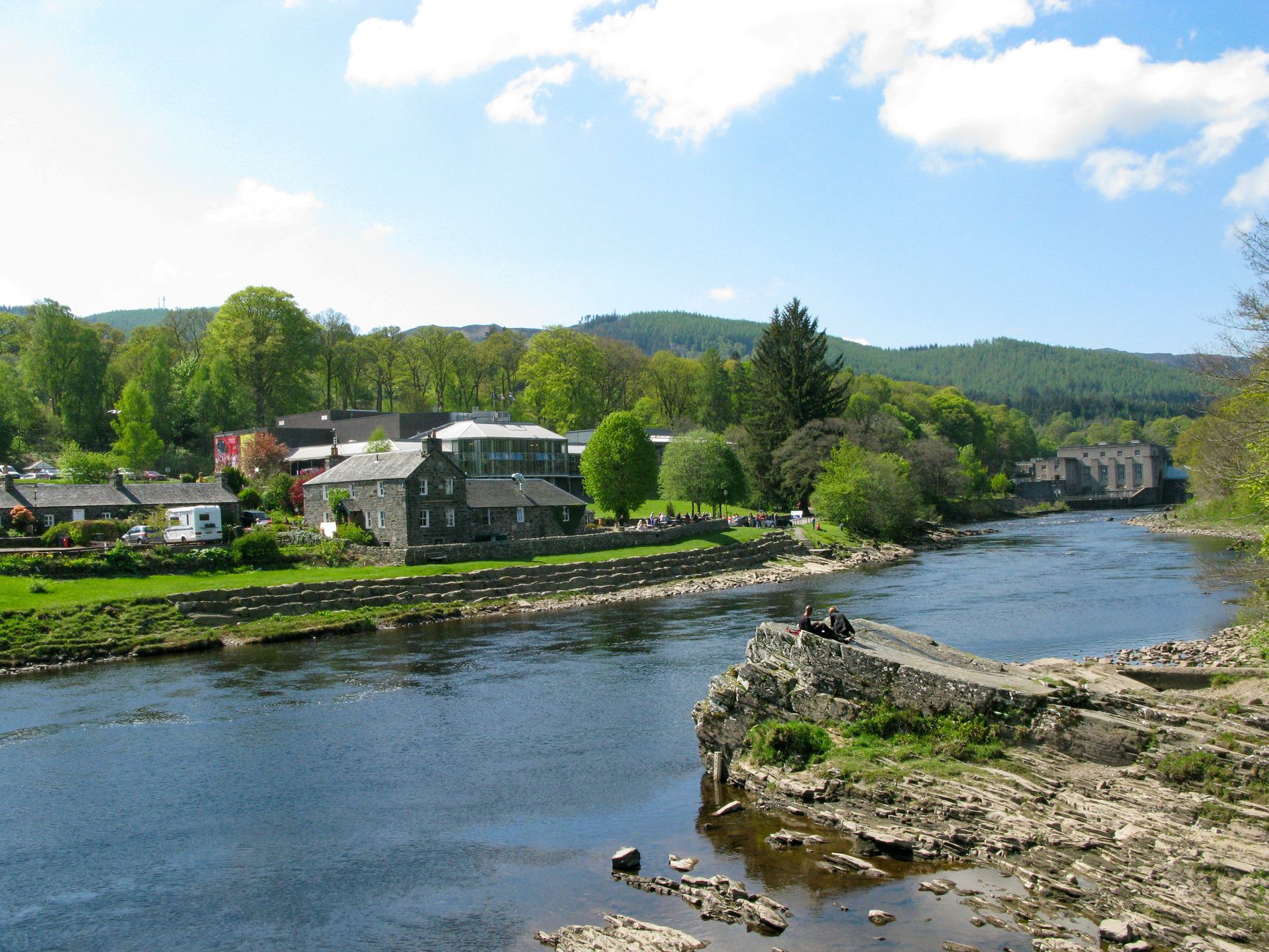
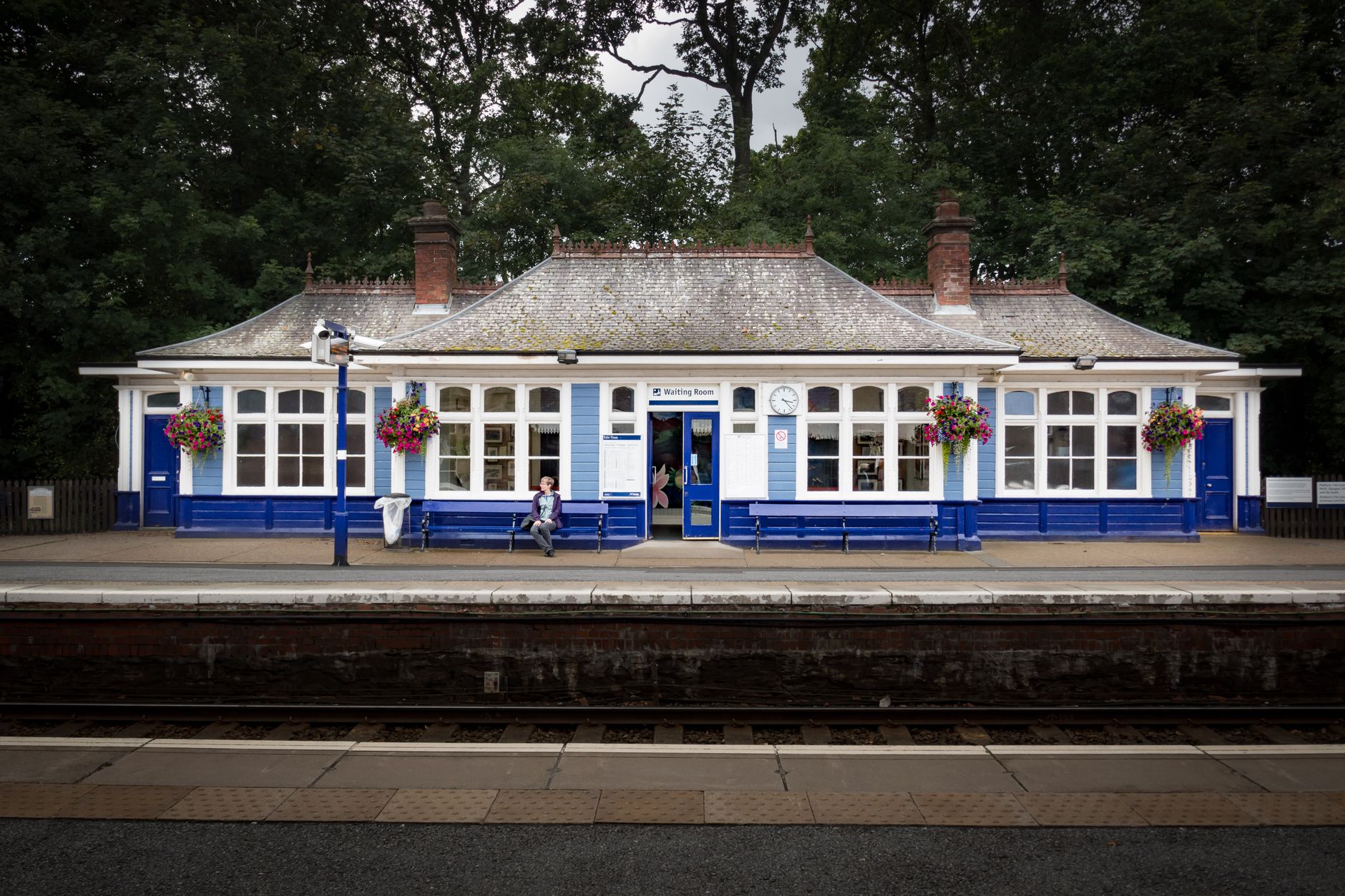
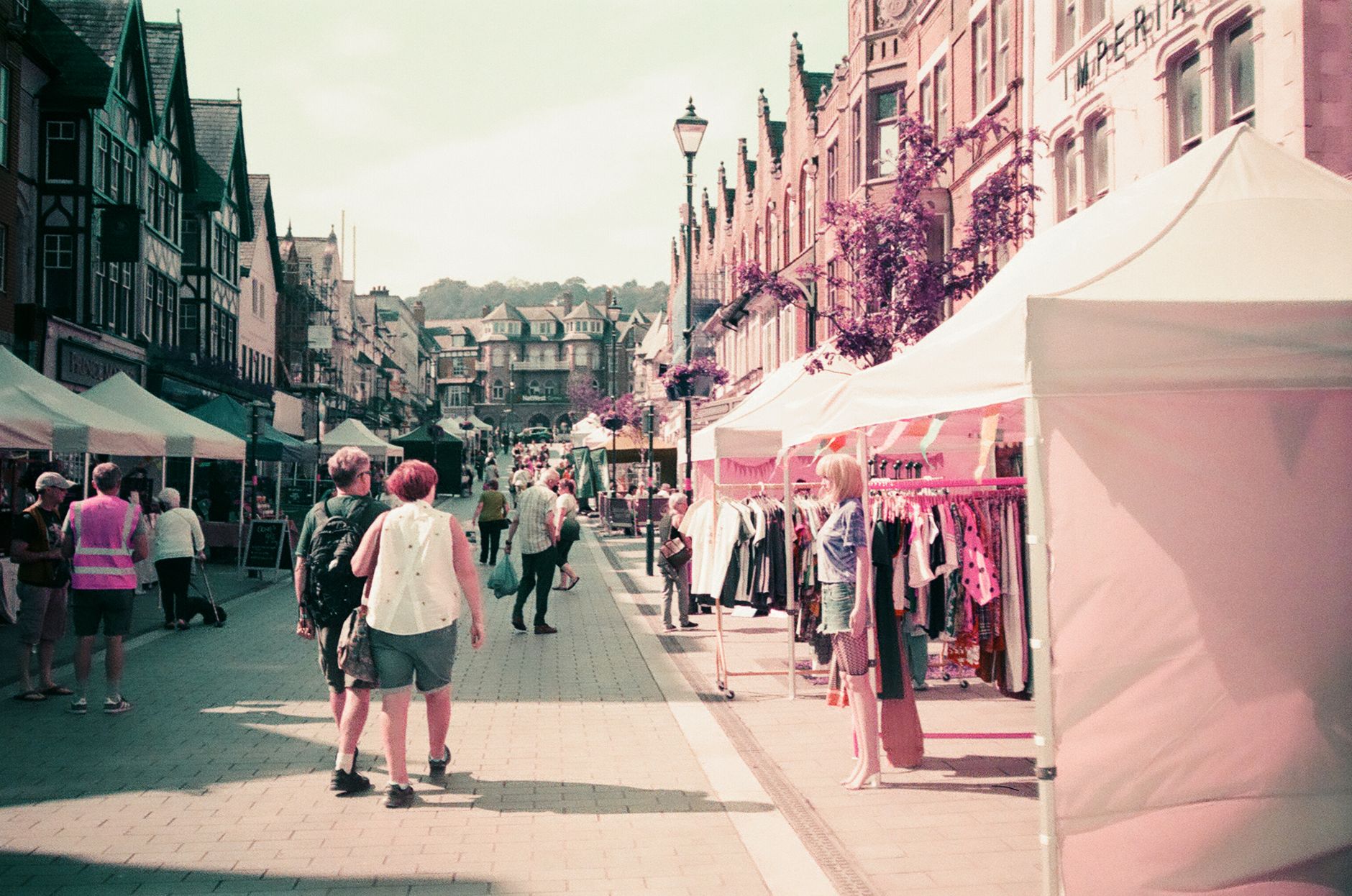
The train pulls in at the centre of Pitlochry and you step onto a platform barely a hundred metres from the main street — which is, in itself, a reasonable summary of the town's particular appeal. Everything is close, everything is walkable, and the River Tummel runs through it all on its way to Loch Faskally.
This is a Victorian resort that has never quite stopped being one. The Atholl Palace Hotel has stood in its H-plan solidity since 1878; the cast-iron canopy still shades one side of the high street; and the station bookshop, staffed by volunteers, has quietly donated over half a million pounds to charity since 2006. Pitlochry earns its visitors honestly.
💛 What travellers fall for
People who come back tend to time a visit around the Festival Theatre season — the Port-na-Craig building has a particular atmosphere on a cool evening. Others make a point of walking the fish ladder at the dam, especially in autumn when the salmon are running. The Dunfallandy Stone, a Pictish carving 1,200 years old, rewards the short detour out of town.
Deals in Pitlochry
Book directly at the provider

How Pitlochry came to be
The name comes from the Gaelic 'Pit Cloich Aire' — place of the Sentinel Stone — and Pictish settlement here goes back roughly 1,700 years, as the Dunfallandy Stone makes plain. For most of its life the town played second fiddle to the older settlement of Moulin on the hillside above. General Wade's military road through in 1728 opened a route north, but it was Queen Victoria's stay at Blair Castle in 1842 that set the real trajectory: her approval was noted, and when the railway arrived in 1863 Pitlochry became the Highland resort the Victorians had been looking for.
The twentieth century added a different kind of ambition. The Pitlochry Dam, completed 1950 to designs by Harold Tarbolton, created Loch Faskally and its 310-metre fish ladder. A year later, John Stewart founded the Festival Theatre in a tent at Knockendarroch House; the permanent building at Port-na-Craig opened in 1981 and is still running.
Who and what shaped it
People who shaped it
Landmark buildings
See Pitlochry in motion
Plan your visit
On the map
When to go
Summers are cool and mostly overcast, with long evenings that reward a walk along the river. Winters are long and genuinely cold — mean annual temperature sits at 6.6°C and rainfall tops 1,200 mm a year — so pack layers whatever month you arrive.
Right now
Background & history adapted from Wikipedia (CC BY-SA) · specs from Wikidata (CC0) · weather from Open-Meteo · map data © OpenStreetMap contributors · photos from Wikimedia Commons / Unsplash with per-image credit. No third-party reviews or social posts reproduced.