
Latina


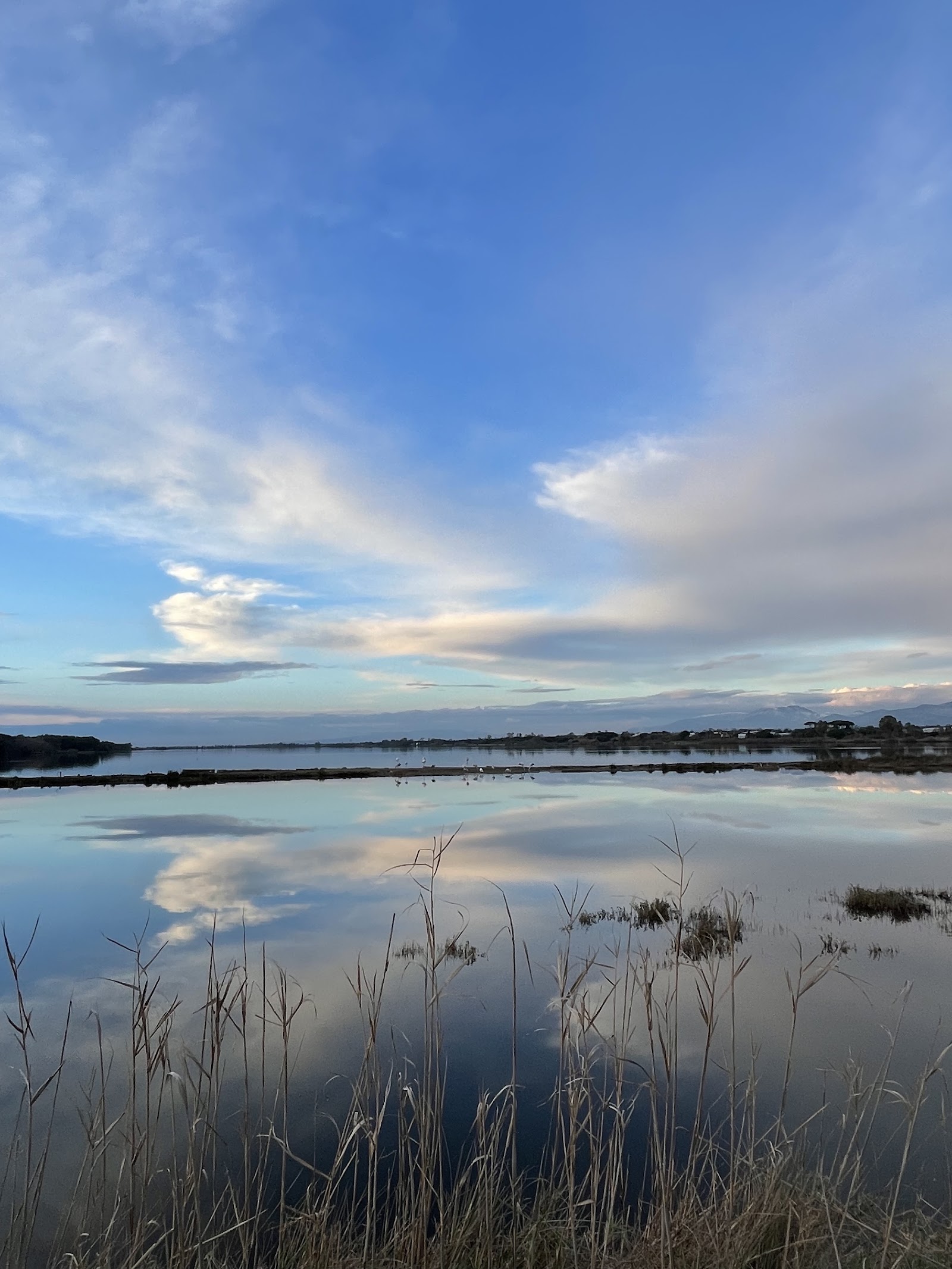
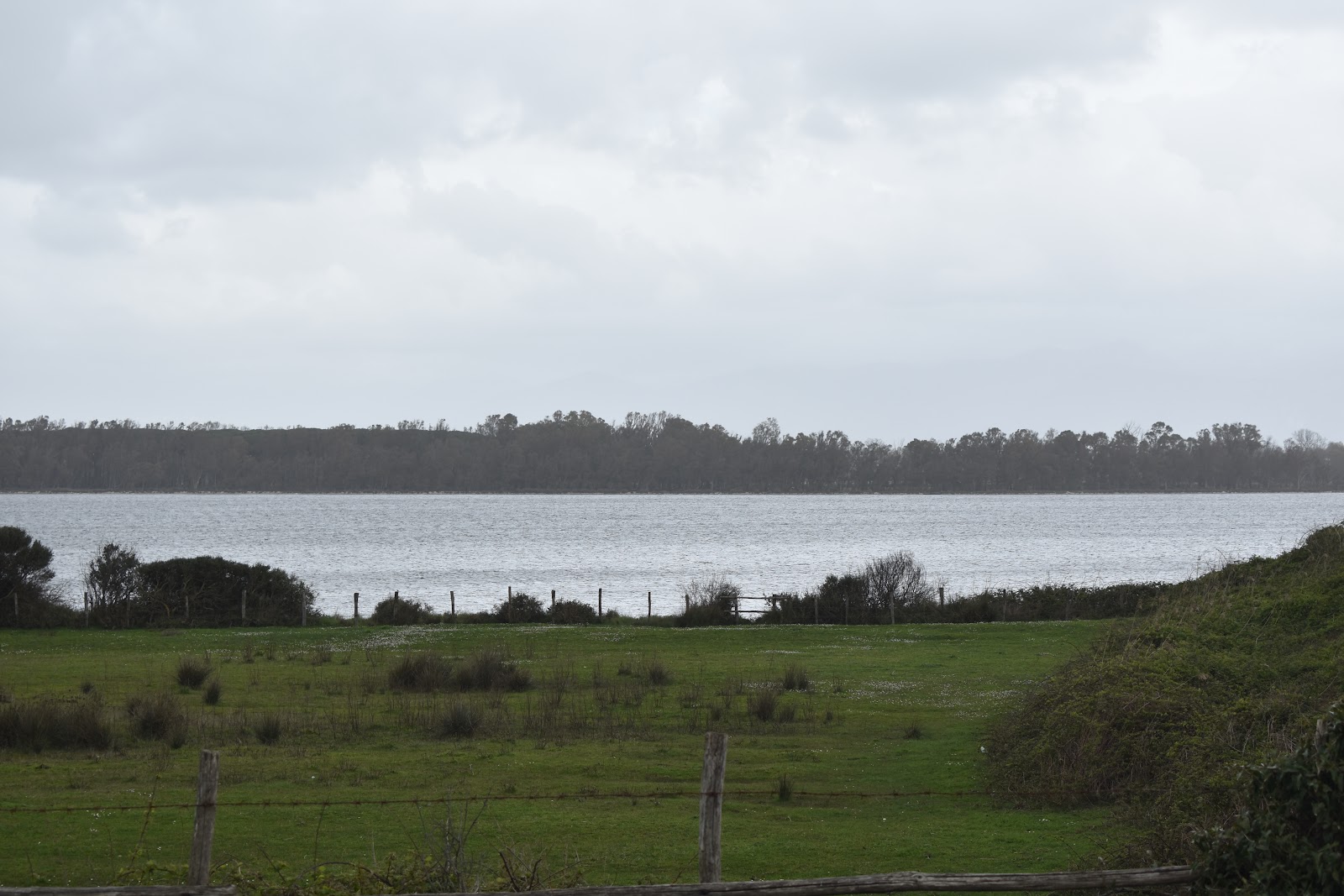
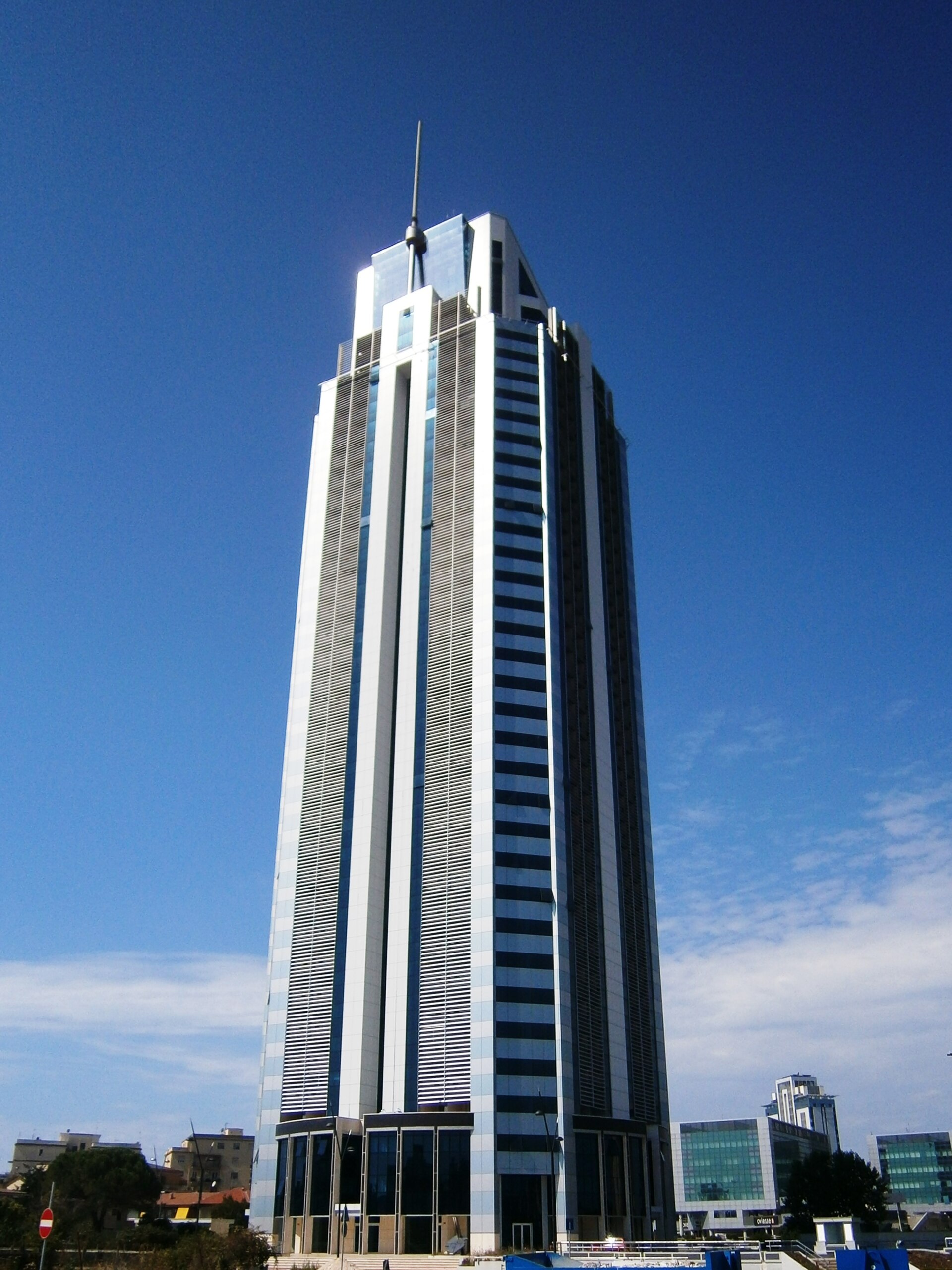
Latina is a city built in 171 days on what had been swamp since antiquity. That founding speed shows in the architecture: Piazza del Popolo's shaded arcades, the geometric avenues, the civic tower shaped like a letter — all of it arrived at once, fully formed, in the early 1930s. The coat of arms still carries the Latin phrase *Latina olim palus*, Latina, once a swamp, as if the city has never stopped reminding itself of what it replaced.
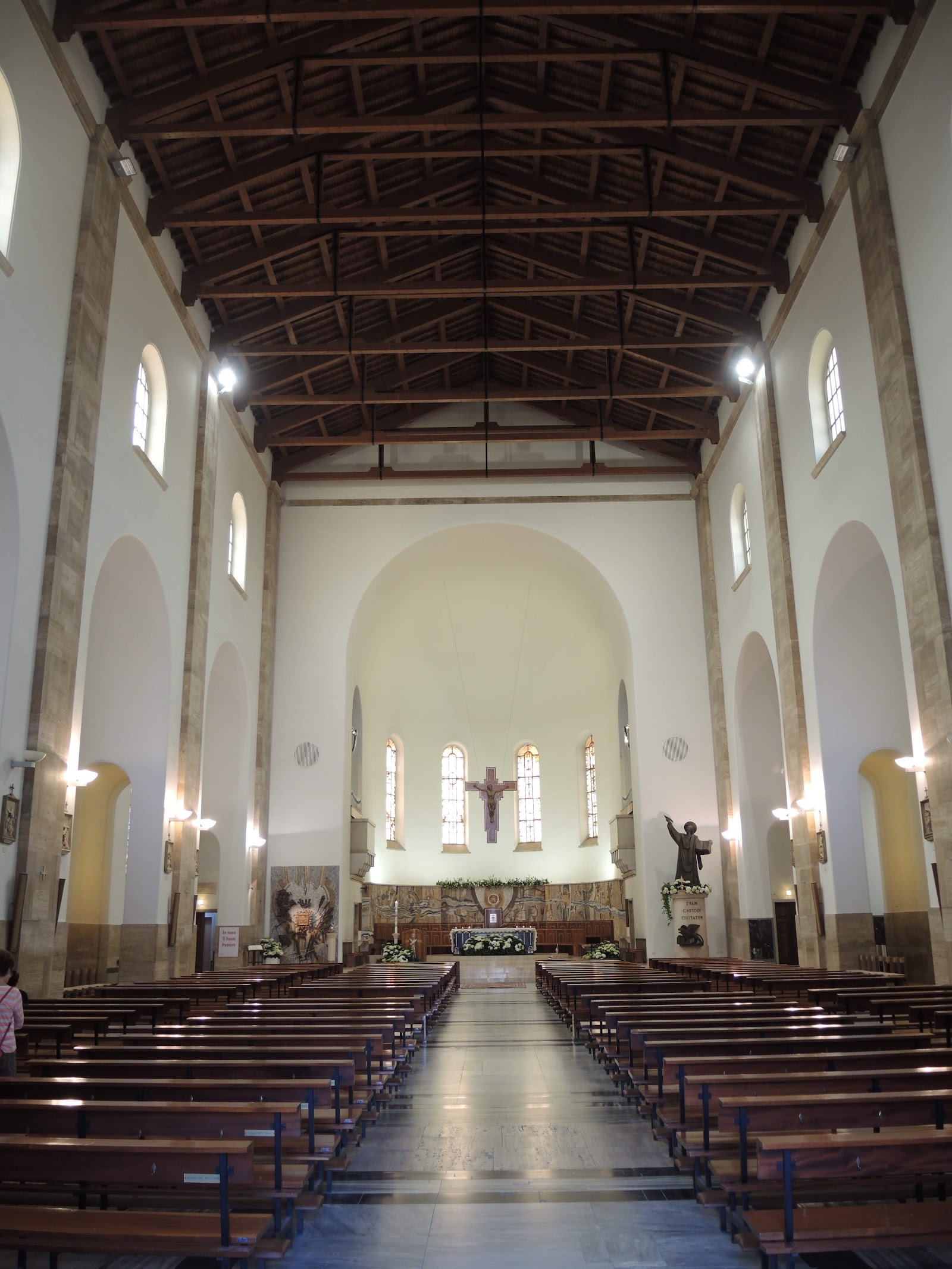
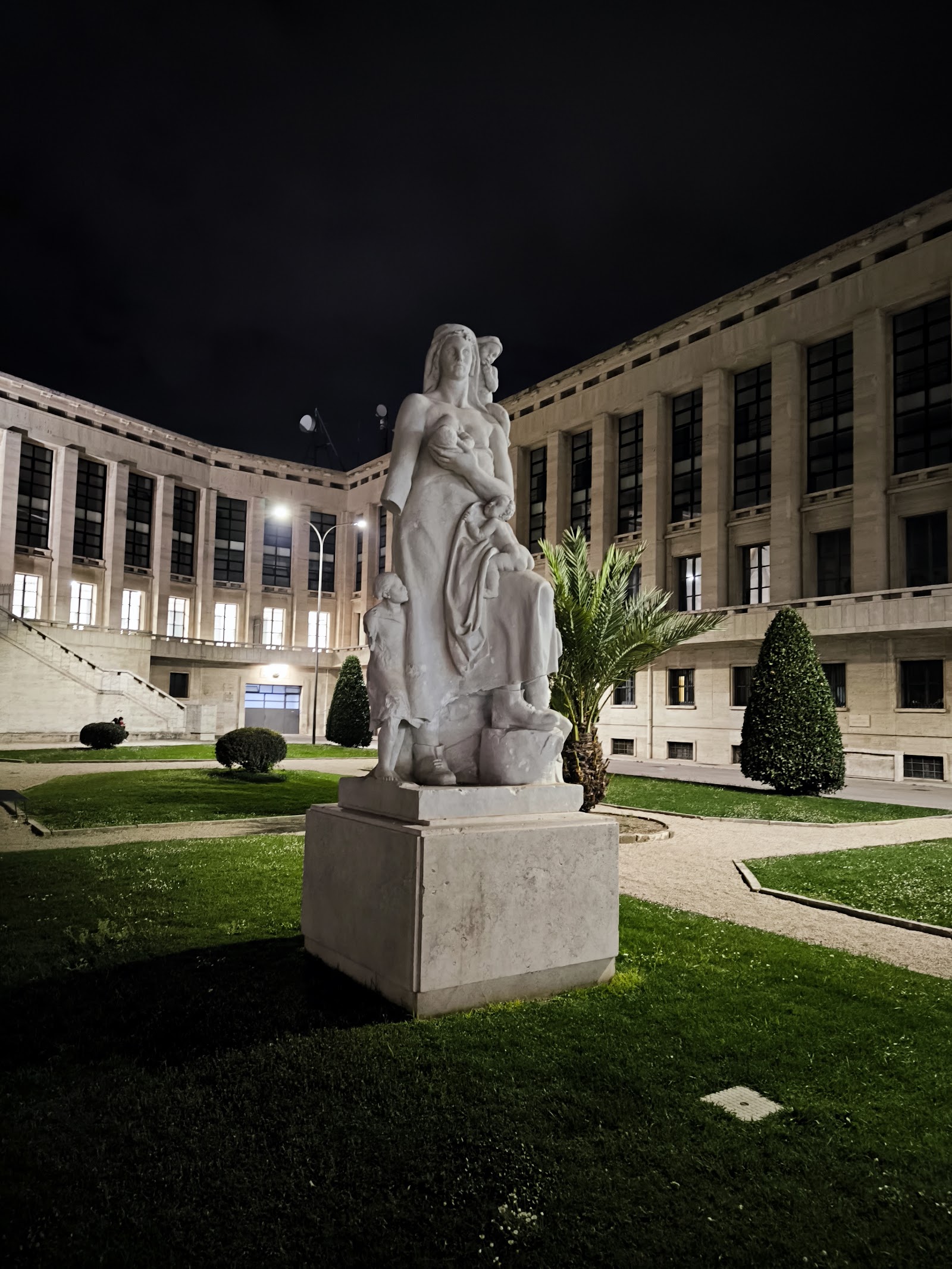
The rationalist grid is the thing to come for. Wide streets meet right-angled piazzas, and the public buildings — designed by Oriolo Frezzotti, Marcello Piacentini, and Angiolo Mazzoni — read as a near-complete period document of Italian Fascist urban planning, now lived in by an ordinary modern city that has grown up around its strange, purposeful bones.
💛 What travellers fall for
People who return tend to make time for the Museo Storico Piana delle Orme, which takes longer than expected — fifteen pavilions covering agricultural life and the Second World War. They also mention the Museo Civico Duilio Cambellotti, small and unhurried, where the decorative work rewards a slow look. Come in kiwi season if you can: the local PGI variety has an unexpectedly vivid green pulp.
Experiences you don't want to miss




Deals in Latina
Book directly at the provider


How Latina came to be
On 30 June 1932, Mussolini decreed a new city into existence on the reclaimed Pontine Marshes — land that had been malarial swamp since Roman times. Named Littoria, after the fascio littorio, it was inaugurated just 171 days later on 18 December 1932. The master plan came from architect Oriolo Frezzotti; Piacentini, Mazzoni, and the artist Duilio Cambellotti shaped its key buildings and monuments in a rationalist idiom. Settlers arrived mainly from Friuli and Veneto, forming what became known as the Venetian-Pontine community.
The city became a provincial capital in 1934. After the fall of Fascism, it was renamed Latina in 1946 — a quiet, practical renaming that left the architecture intact and largely unchanged.
Who and what shaped it
People who shaped it
Landmark buildings
See Latina in motion
Plan your visit
On the map
When to go
Latina has a Mediterranean climate: mild winters with periodic rain, especially November through January, and warm, dry summers from June to September. Snow is exceptionally rare. Spring and early autumn offer the most reliable weather for walking the city's open piazzas.
Right now
↡ Attractions

Background & history adapted from Wikipedia (CC BY-SA) · specs from Wikidata (CC0) · weather from Open-Meteo · map data © OpenStreetMap contributors · photos from Wikimedia Commons / Unsplash with per-image credit. No third-party reviews or social posts reproduced.