
Museo della Città e del Territorio di Latina
Latina is one of Italy's youngest cities — founded from scratch in the early 1930s on reclaimed Pontine Marshes — and the Museo della Città e del Territorio holds the evidence of that compressed, unusual history. Maps, photographs, and objects trace how a landscape of standing water and malarial risk became a functioning city within years, a story that has no real parallel elsewhere in Lazio.
The museum sits at the intersection of urban memory and territorial identity, gathering material that spans the pre-existing communities, the land-reclamation works, and the town that grew around them. For anyone already drawn to Palazzo M or the Cattedrale di San Marco a few streets away, this is where the architectural logic of those buildings finds its context.
💛 What travellers fall for
People who return tend to say the same thing: the archival photographs are the reason to linger. The before-and-after images of the Pontine landscape — water, then fields, then streets — do more explanatory work than any panel of text. Give yourself time with those before moving on to the scale models.
The story behind Museo della Città e del Territorio di Latina
Latina — called Littoria at its founding — was established in 1932 as part of the Fascist-era Agro Pontino reclamation programme, one of several new towns built on drained marshland south of Rome. The museum exists to document that origin and the longer territorial history that preceded it, including the communities and land uses the reclamation displaced or transformed.
As a civic institution dedicated to a city barely a century old, its collection is necessarily focused on the modern period, though the "territorio" in its name signals attention to the broader landscape — the coastal lakes, the agricultural grid, the infrastructure — that shaped what Latina became.
Good to know
The nearest bus stop is Murillo-Carrara, about two minutes on foot, and Latina train station is a 14-minute walk with regional connections to Rome and Naples. Verify current opening hours directly with the museum before visiting, as schedules for civic collections in smaller Italian cities shift seasonally.
Where is Museo della Città e del Territorio di Latina?
More tickets & tours for Museo della Città e del Territorio di Latina
Book directly at the provider
What travellers say about Museo della Città e del Territorio di Latina
Almost by chance, while visiting Cori, we discovered this museum. The guide led us with empathy and professionalism on a historical and artistic journey that immersed us in the city's centuries-old grandeur. I recommend everyone book a visit to the museum to admire not only the Augustinian convent but also the artifacts. The adjacent church of Santa Oliva is also worth a visit.
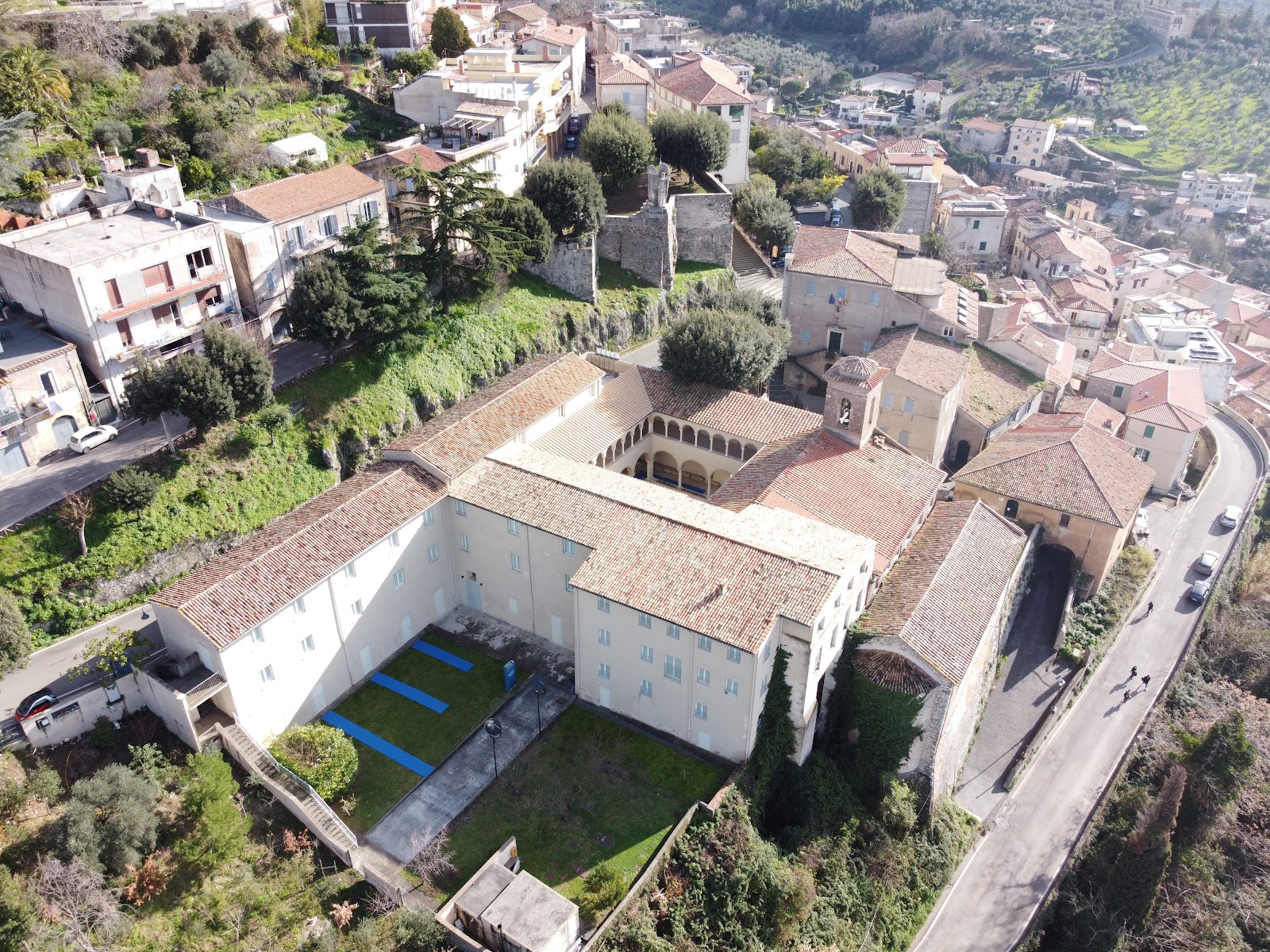
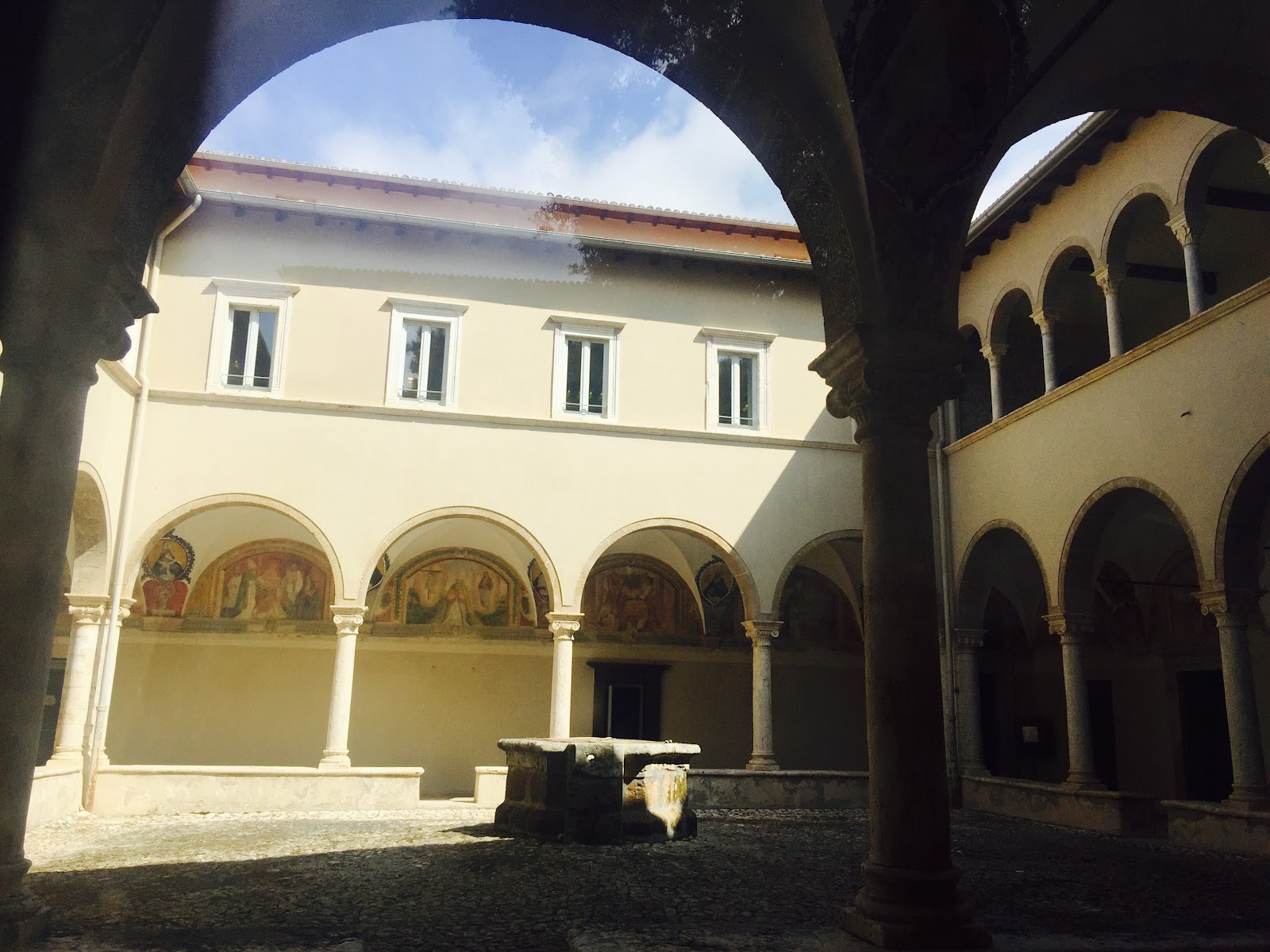
The 15th-century Augustinian Convent next to the Church of Sant'Oliva features a central well for collecting rainwater and frescoes depicting stories from the lives of the saints. On the upper floor is a loggia with 27 capitals depicting images and symbols.
Please note: starting in May, it's open daily; before that, only on weekends. I haven't been able to visit and judge it, but the cloister already looks very beautiful.
A museum worthy of the town's monumental lineage, with spectacular Roman artifacts, earthenware fragments, and comprehensive illustrations, not least the renowned cycle of Piranesi views. The surrounding cloister, with its late-15th-century portico and loggia (note the historiated capitals), adds the finishing touch.
We thoroughly enjoyed our visit to the Cori Museum. The very knowledgeable guide welcomed us and pointed out the main points of interest, particularly the column capitals in the beautiful cloister. He also offered us the opportunity to visit the evocative Church of Sant'Oliva. A truly wonderful experience.
More of Latina
Discover where to stay, what to do and the best deals for your trip.
Explore Latina →More attractions in Latina
All of Latina →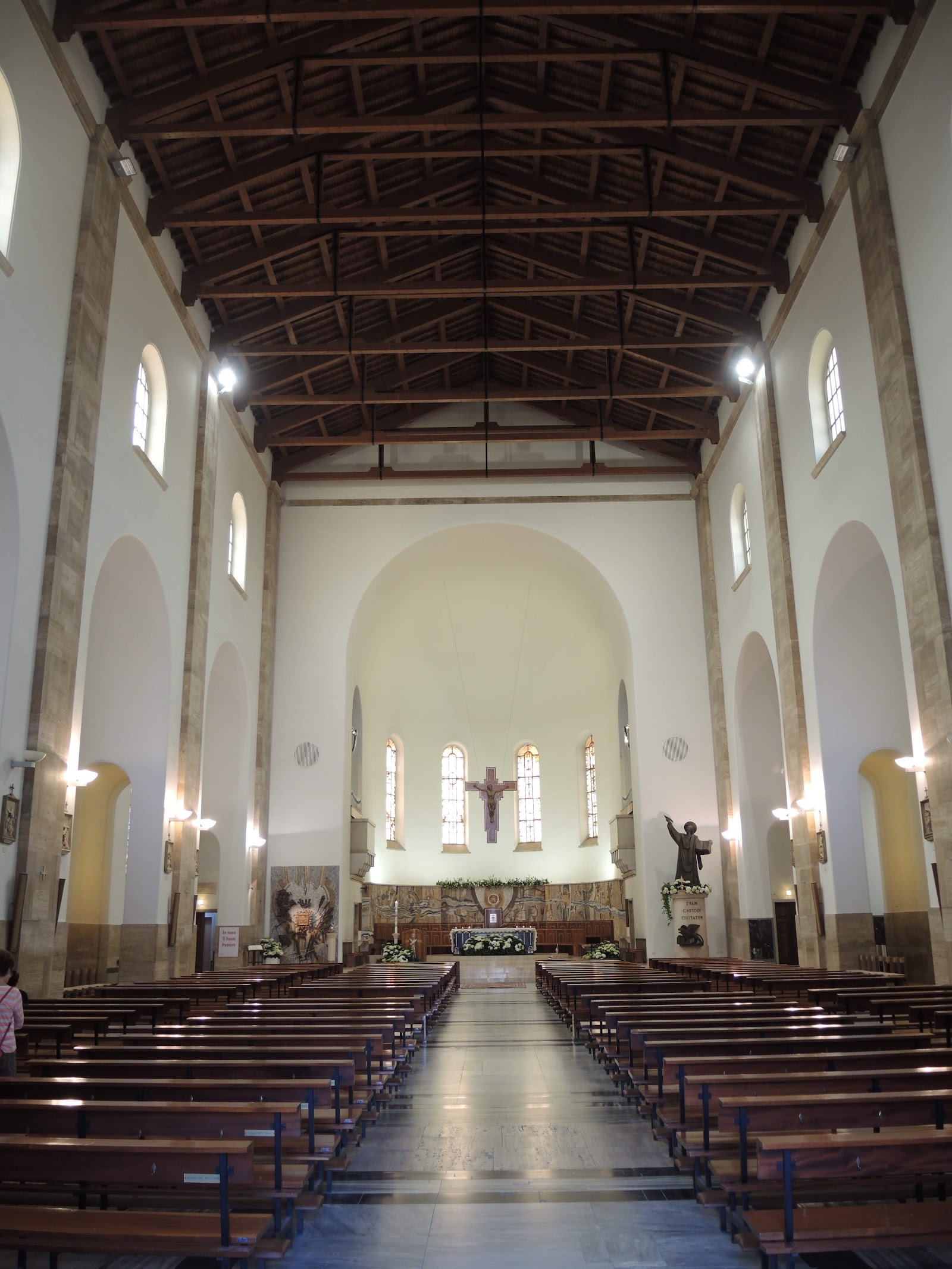

Background adapted from Wikipedia (CC BY-SA) · map data © OpenStreetMap contributors · ratings & place photos via Google · other photos with per-image credit. Ticket links may earn us a commission at no extra cost to you.