Region

Lazio

Lazio
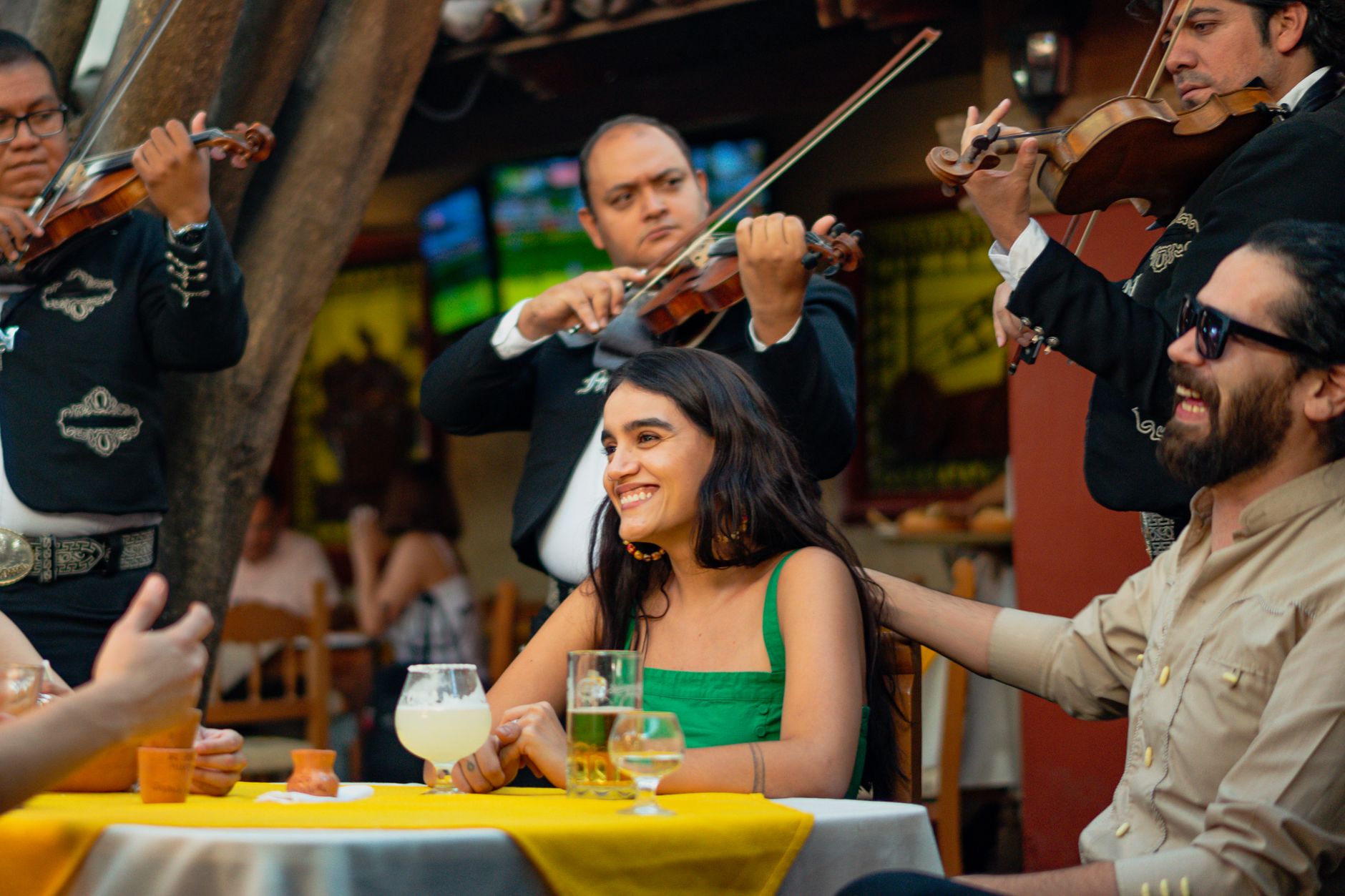
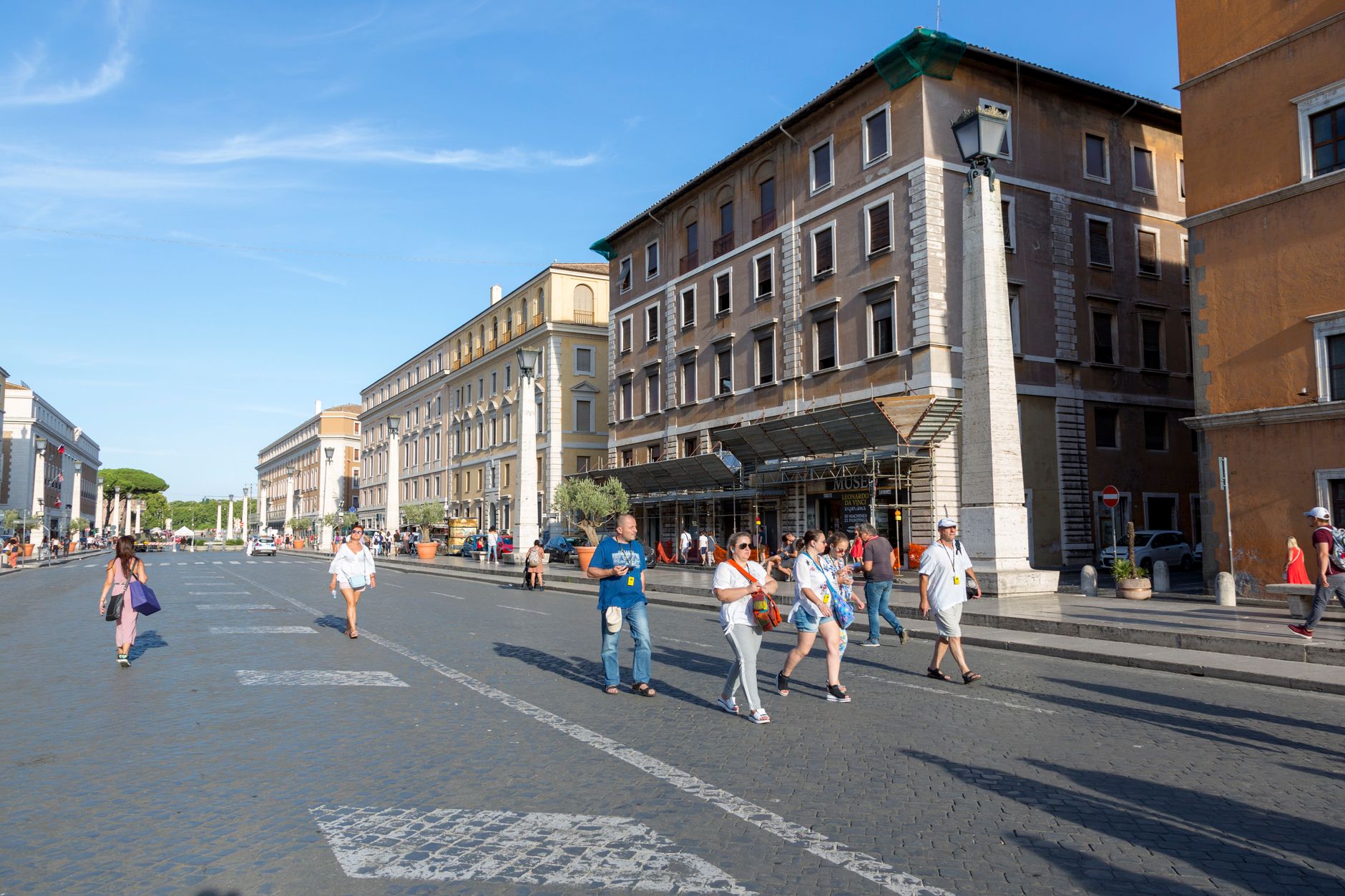
Photo by Valentin Ivantsov on Pexels
Lazio
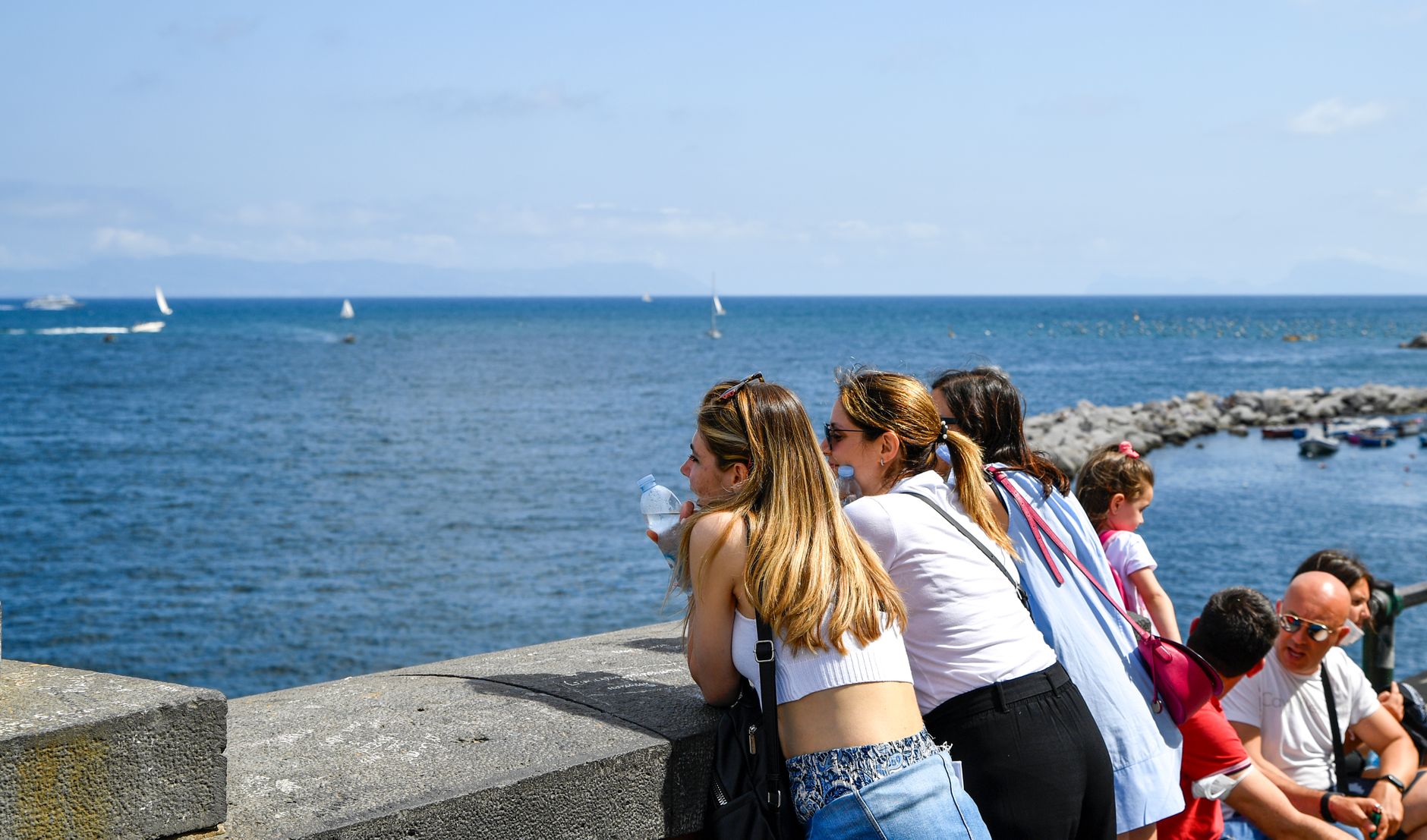
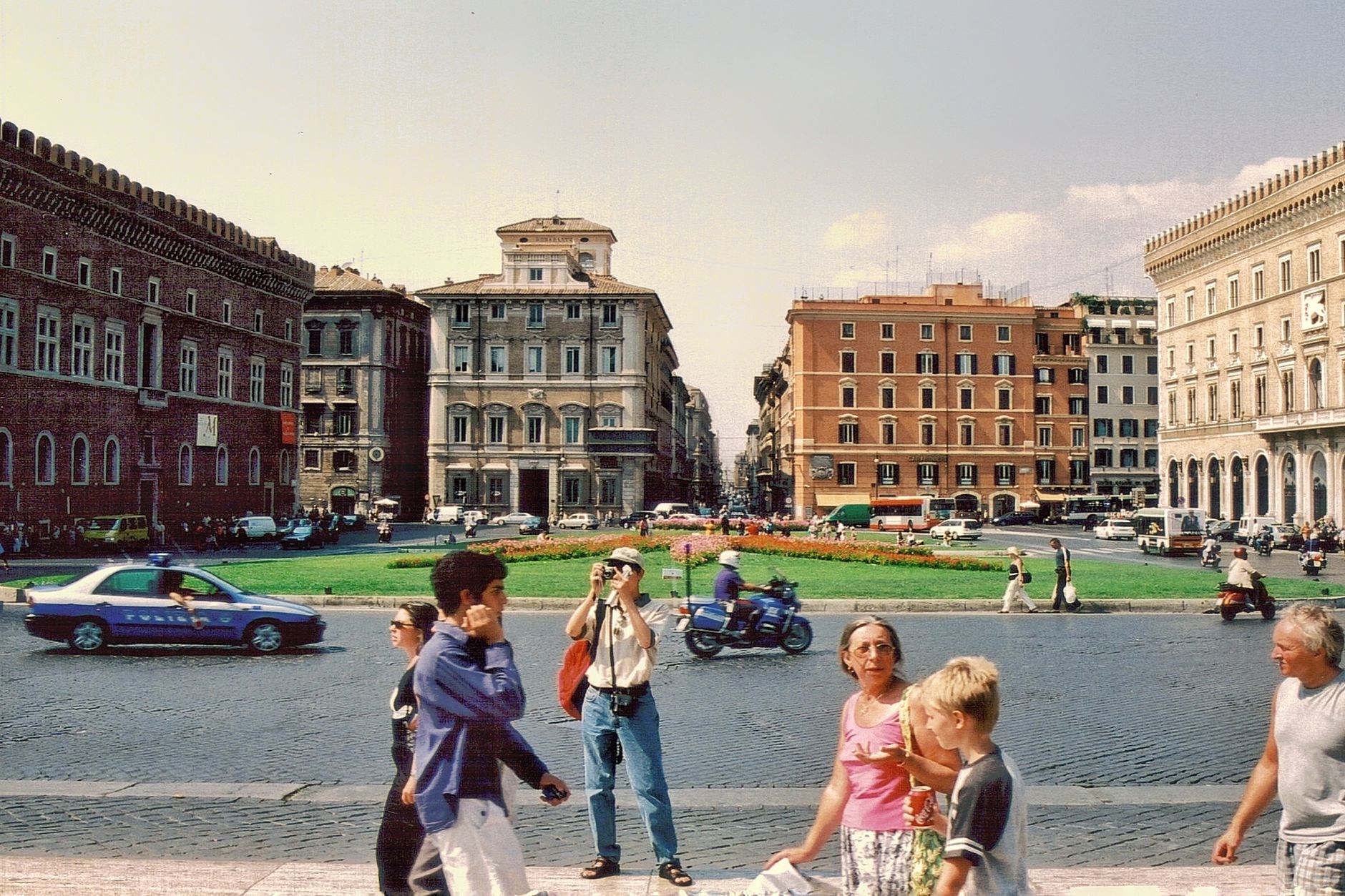
Photo by Ryszard Zaleski on Pexels
Lazio
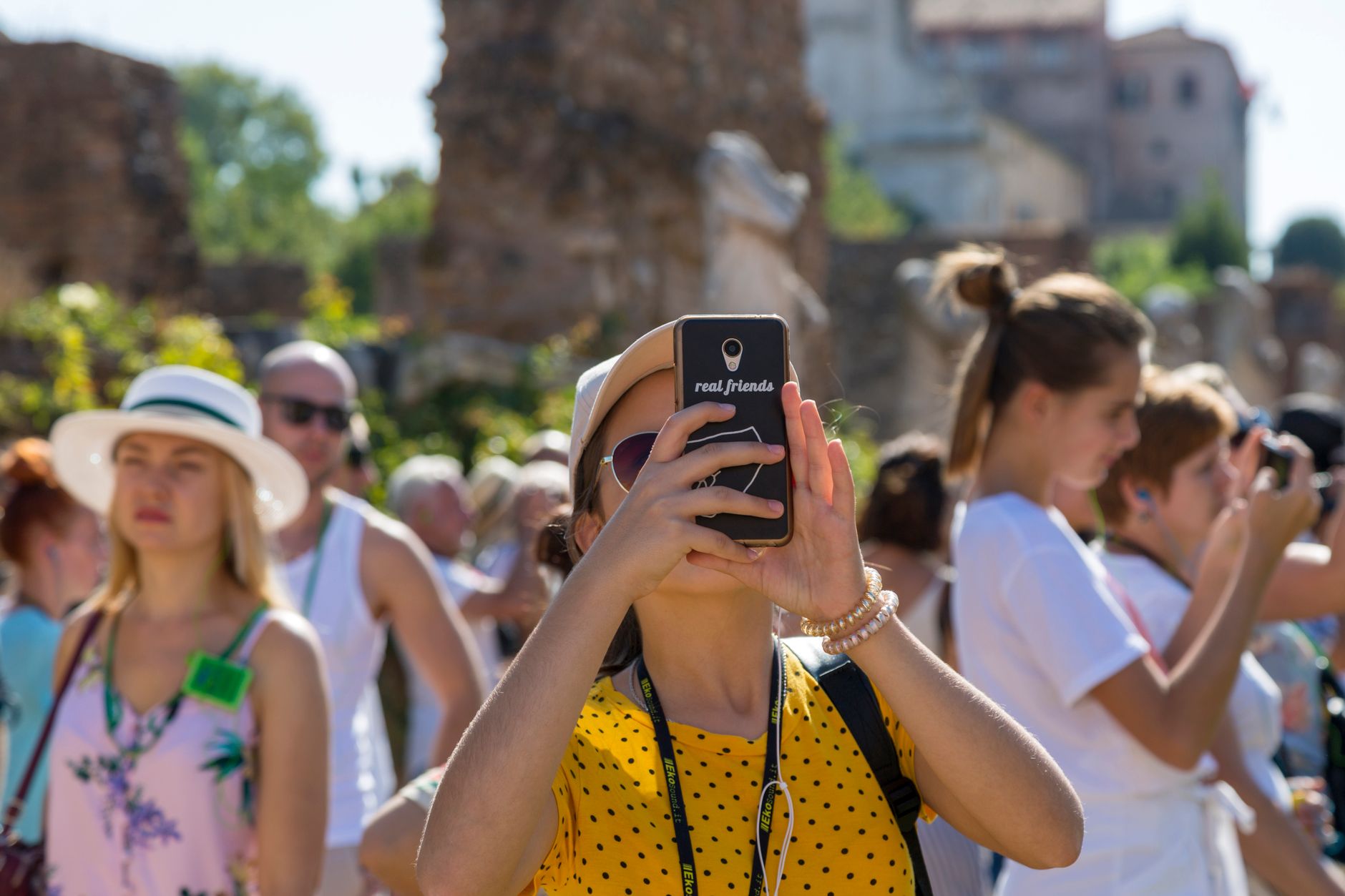
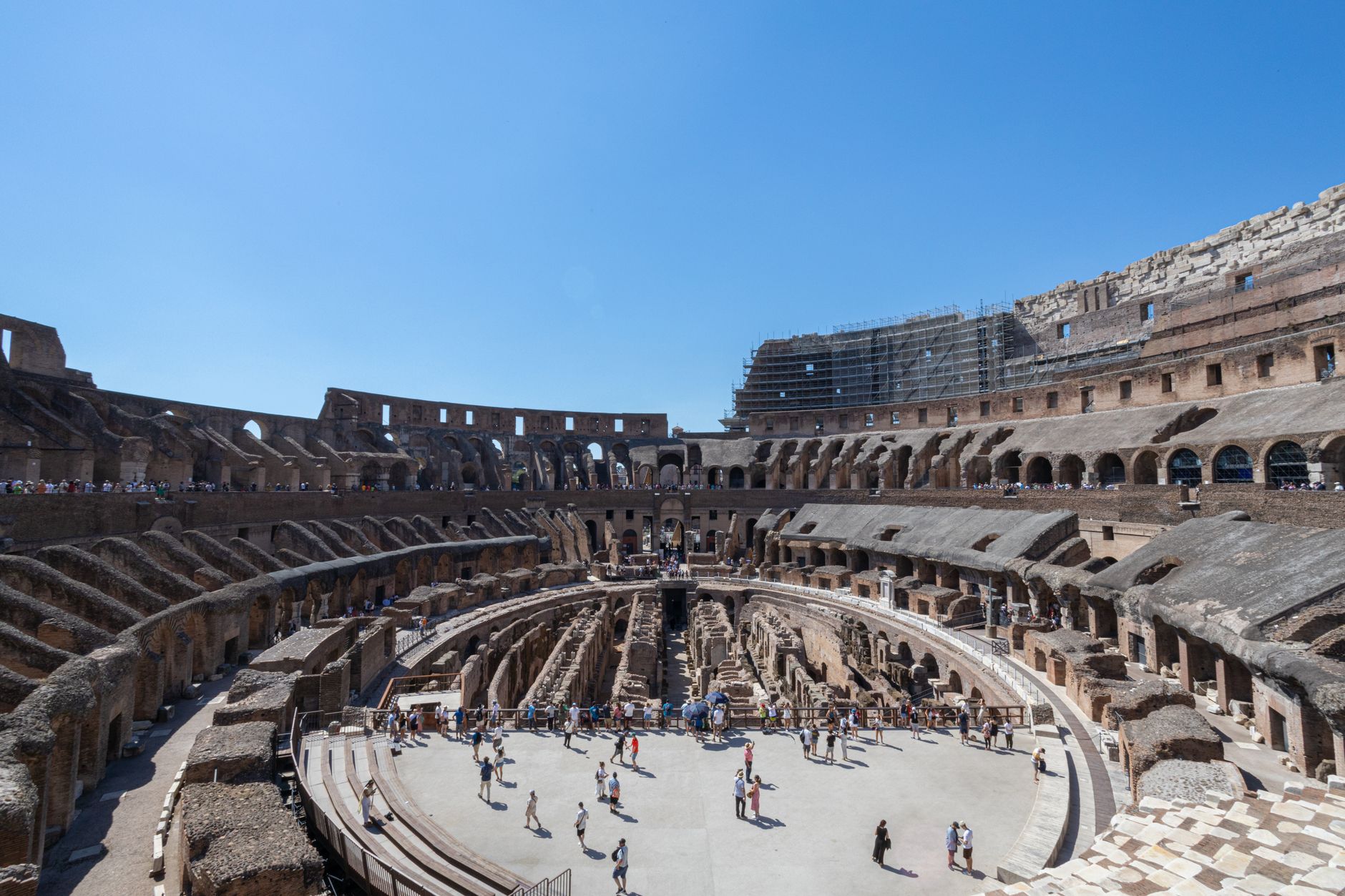
Photo by Rafael Nicida on Pexels
Lazio
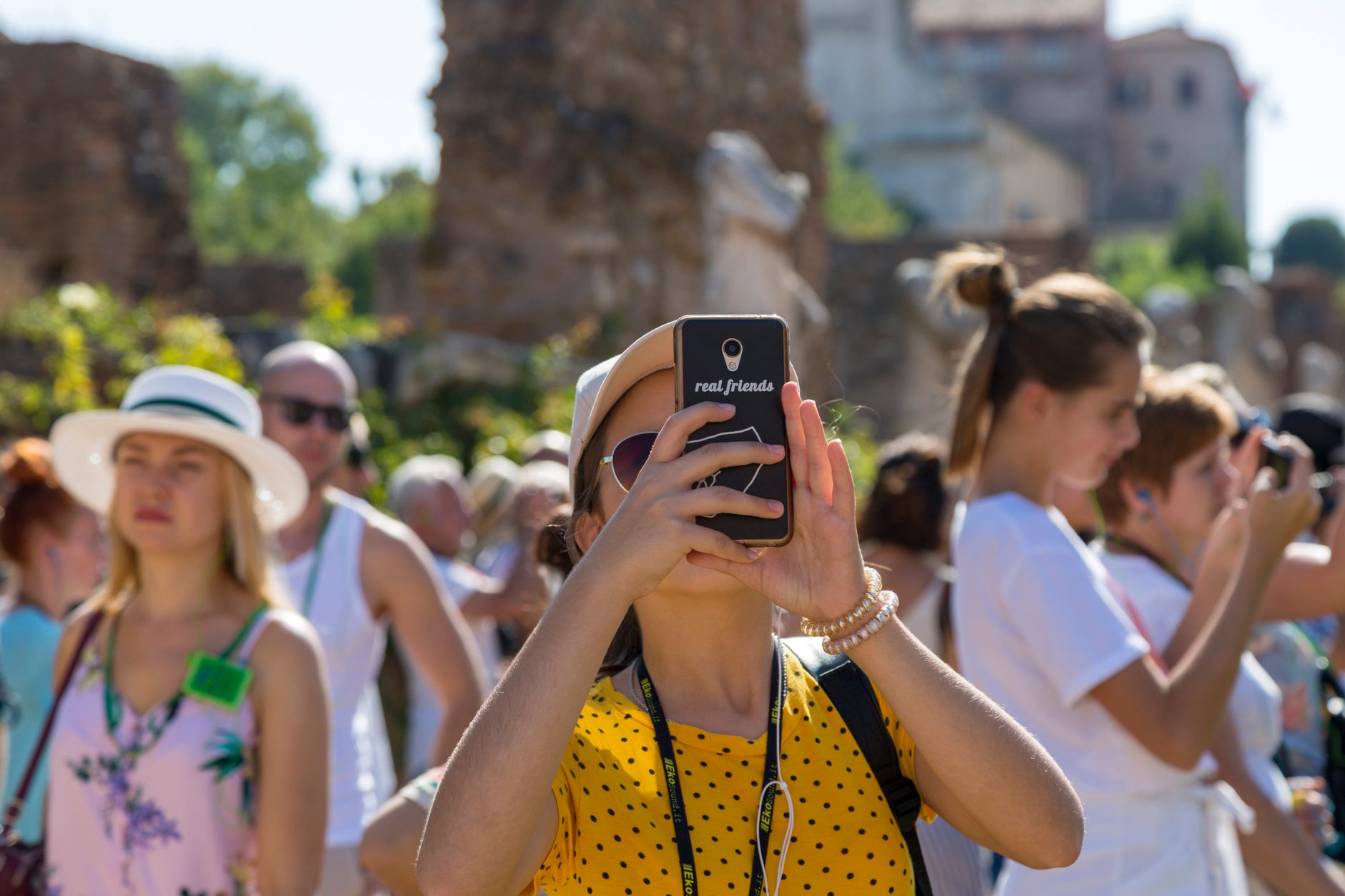
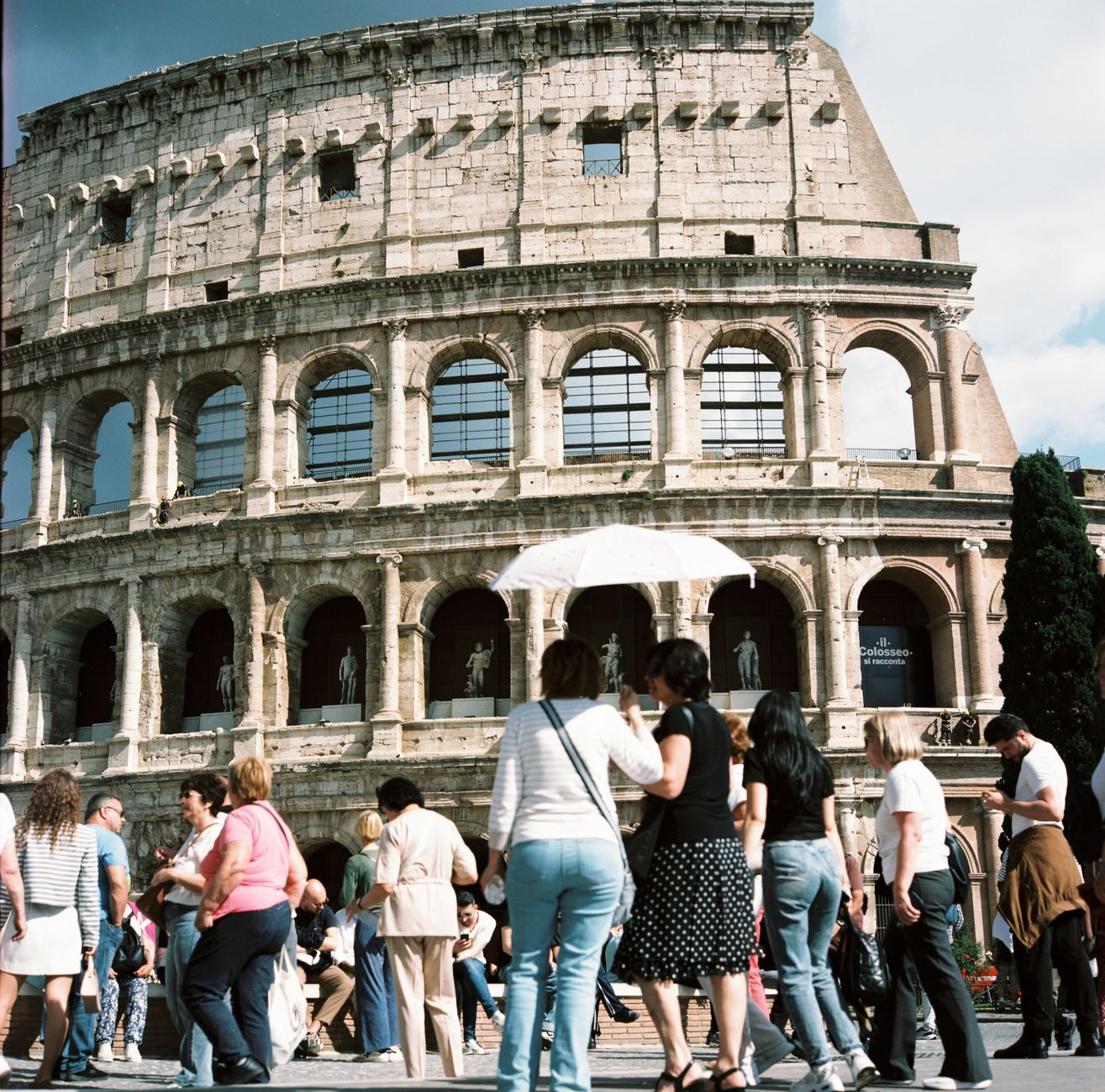
Photo by Efe Ersoy on Pexels
Lazio
Photo by Camila Carneiro on Pexels
Lazio
Photo by Irina Balashova on Pexels
City break Culture & history Food & drink Romantic getaway

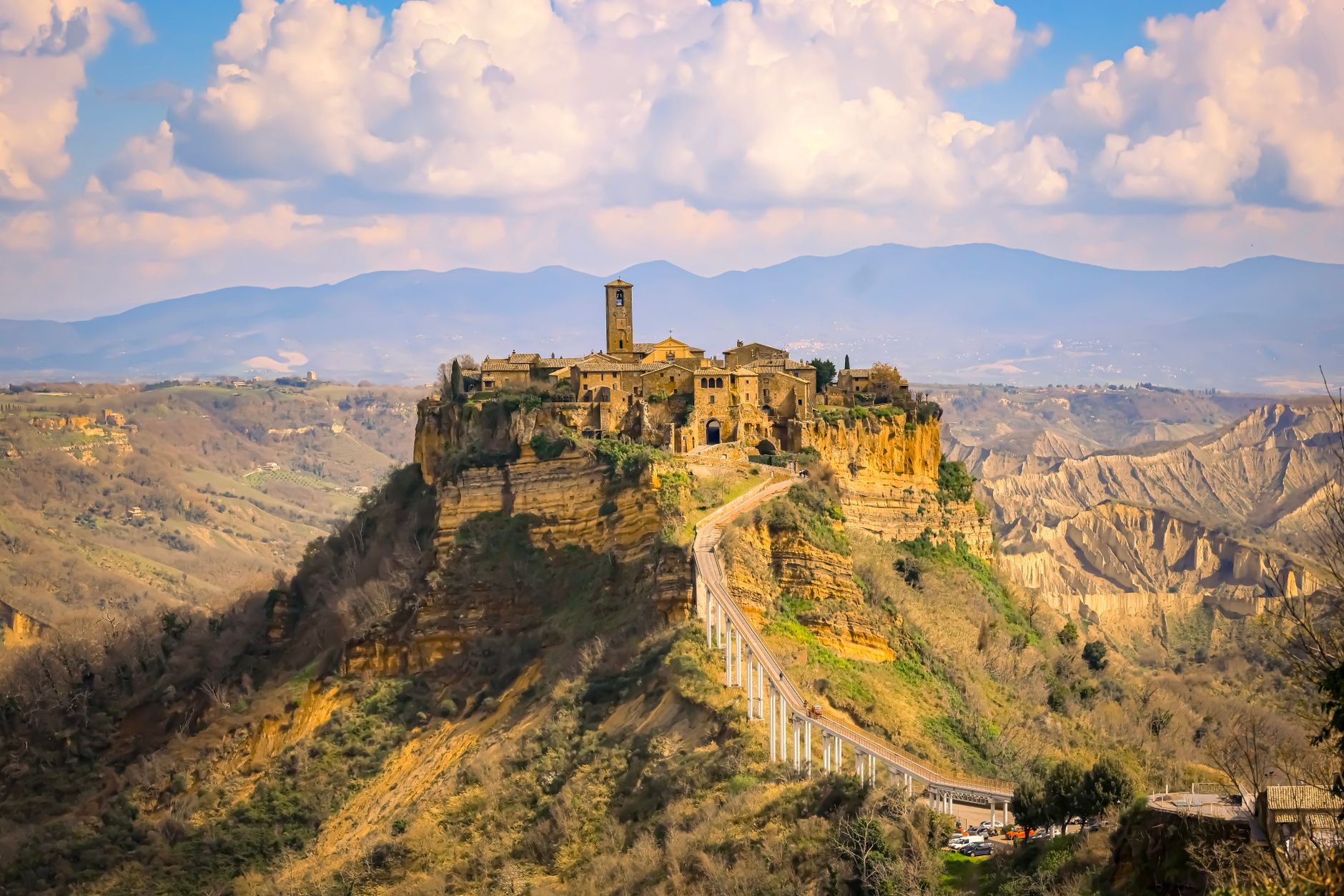
Lazio is the region that contains Rome, which means it carries an almost unreasonable weight of history — but step outside the capital and the pressure lifts. You find painted Etruscan tombs at Tarquinia, a tuff-rock town called Civita di Bagnoregio that is slowly dissolving into the valley below it, and a Renaissance garden at Tivoli where water still runs through channels Hadrian's engineers imagined two thousand years ago.

This is a region that has been at the centre of things for so long that the ordinary and the extraordinary sit side by side without ceremony. A rationalist city built on drained swampland in 1932. A necropolis older than Rome itself. The fountains of Villa d'Este still running.

Good to know
Fiumicino (Leonardo da Vinci) is the main international gateway; Ciampino handles low-cost routes. Trenitalia's regional trains reach Viterbo, Tivoli, and other towns. Spring and autumn are the most comfortable seasons for moving around. Rome itself is covered separately on Yeppa.
Tips

Experiences you don't want to miss
All tips →
The story

How Lazio came to be

Long before Rome existed, the Etruscans buried their dead in vast necropolises at Cerveteri and Tarquinia — cities of the dead that now sprawl across 20 hectares of UNESCO-listed ground. Rome grew from a cluster of settlements on seven hills above the Tiber around 753 BCE, and from there absorbed the region, the peninsula, and eventually most of the known world. Augustus divided Italy into administrative regions; the southern part of modern Lazio became Region I, Latium et Campania.

After empire came papacy. The Donation of Sutri in 728 gave the Church its first territorial foothold beyond Rome, and for much of the medieval period Viterbo — not Rome — served as the papal seat. Italian unification arrived on 20 September 1870, when troops entered Rome during the reign of Pius IX, and Lazio joined the Kingdom of Italy. The region's current shape was fixed in 1927, when territory from Umbria and Abruzzo, including the province of Rieti, was folded in.

People & landmarks

Who and what shaped it

People who shaped it

Marcus Agrippa
Roman statesman and architect who built the Aqua Virgo aqueduct and first public bath house in Rome.
Emperor Hadrian
Built Villa Adriana in Tivoli in the early second century AD, showcasing Greek, Egyptian, and Roman styles across 99 acres.
Massimiliano Fuskas
Contemporary architect of major buildings throughout Rome and Europe.
Angiolo Mazzoni
Designed Latina's rationalist architecture and geometric urban planning in the 1930s.

Landmark buildings

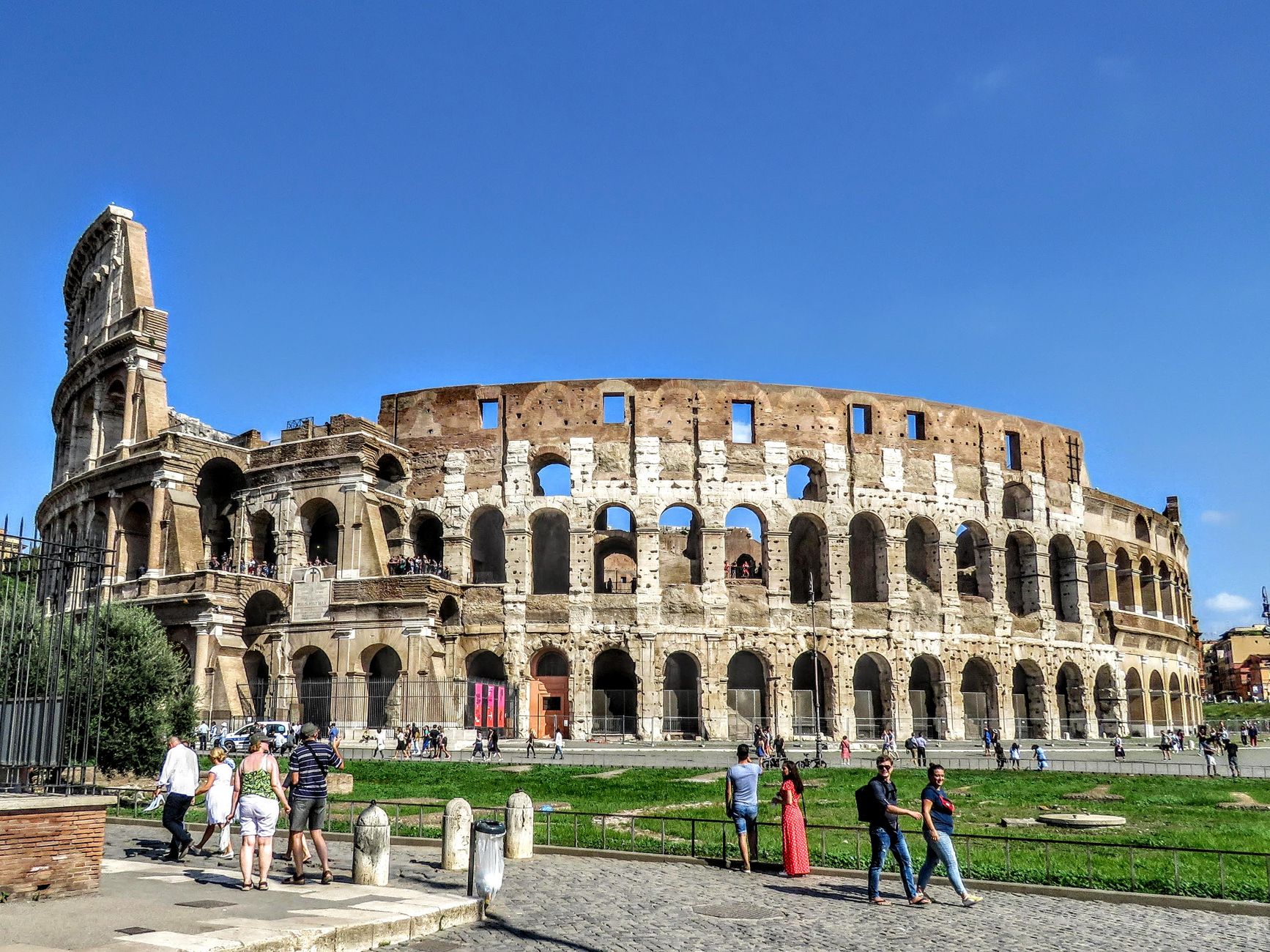
The Colosseum
Ancient Roman amphitheater built to hold 50,000 spectators; the largest and most impressive monument of Antique Rome.
The Pantheon
Important religious monument of ancient Rome built during Augustus's reign and dedicated to all deities.
St. Peter's Basilica
One of the largest and most beautiful churches in the world, with magnificent 16th-century facade in Vatican City.
Trevi Fountain
The largest well in Rome and world's most famous fountain, measuring 50m wide by 26m high.
Villa Adriana (Hadrian's Villa)
Second-century AD imperial retreat in Tivoli spanning 99 acres with Greek, Egyptian, and Roman architectural styles.
Villa d'Este
Renaissance garden in Tivoli featuring flowing fountains and opulent Mannerist-style palace.
Imperial Fora
Series of monumental piazzas built between 46 BCE and 113 AD in Rome.
Altare della Patria (Monument to Victor Emmanuel II)
Monument in Piazza Venezia designed by sculptor Angelo Zanelli and architect Giuseppe Sacconi.
Banditaccia Necropolis
UNESCO World Heritage Etruscan funerary complex near Cerveteri covering 20 hectares, dating 8th–2nd century BC.
Necropolis at Tarquinia
Etruscan site with over 6,000 graves and 200+ painted tombs featuring complex frescoes.
Rocca Albornoz (National Etruscan Museum)
Fortress in Viterbo built in 1354 by Cardinal Gil Alvarez Carrillo de Albornoz, now housing Etruscan collections.
Civita di Bagnoregio
Medieval hilltop town in Viterbo area slowly eroding on a tuff-rock outcrop, known as the 'dying city'.
Sacred Wood of Bomarzo
Natural park in Viterbo province adorned with 16th-century basalt sculptures of monsters, deities, and mythological animals.
Latina
Rationalist city founded in 1932 as Littoria on drained swampland, officially opened December 18, 1932.
Watch

See Lazio in motion

Practical

Plan your visit

On the map

When to go

Summers in Lazio are hot and dry, particularly in Rome and the low-lying plains — inland hill towns offer some relief. Spring (April–May) and autumn (September–October) bring mild temperatures and lower crowds, making them the most practical windows for covering ground across the region. Winters are cool and occasionally wet but rarely severe.

Right now

26°C
Partly cloudy
Fri
39°
25°
Sat
🌧️
35°
26°
Sun
34°
23°
Mon
🌫️
34°
22°
Weather data: Open-Meteo
Theme

↡ Cities

No places match these filters.


Background & history adapted from Wikipedia (CC BY-SA) · specs from Wikidata (CC0) · weather from Open-Meteo · map data © OpenStreetMap contributors · photos from Wikimedia Commons / Unsplash with per-image credit. No third-party reviews or social posts reproduced.

Top