
Civitavecchia
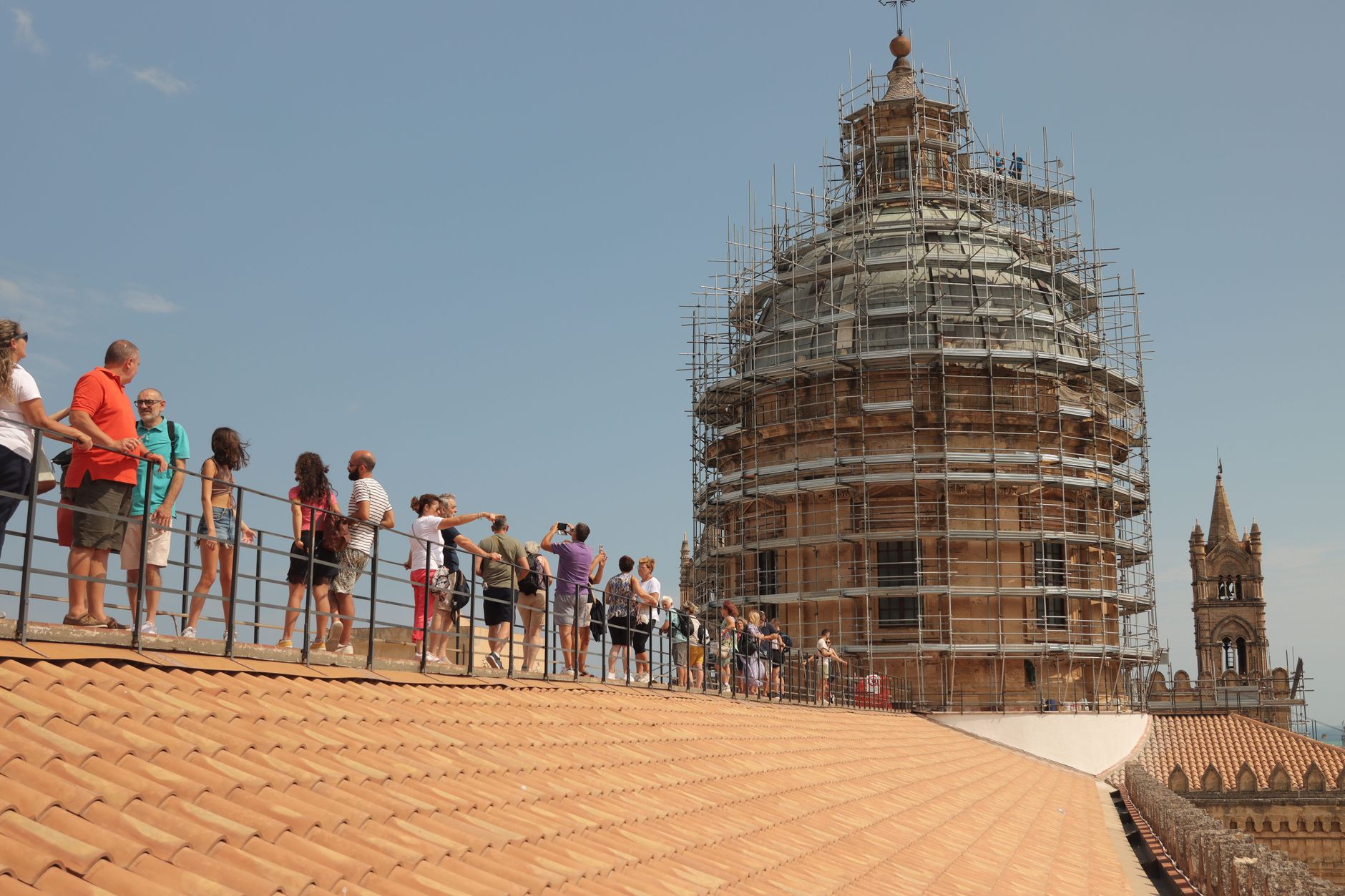
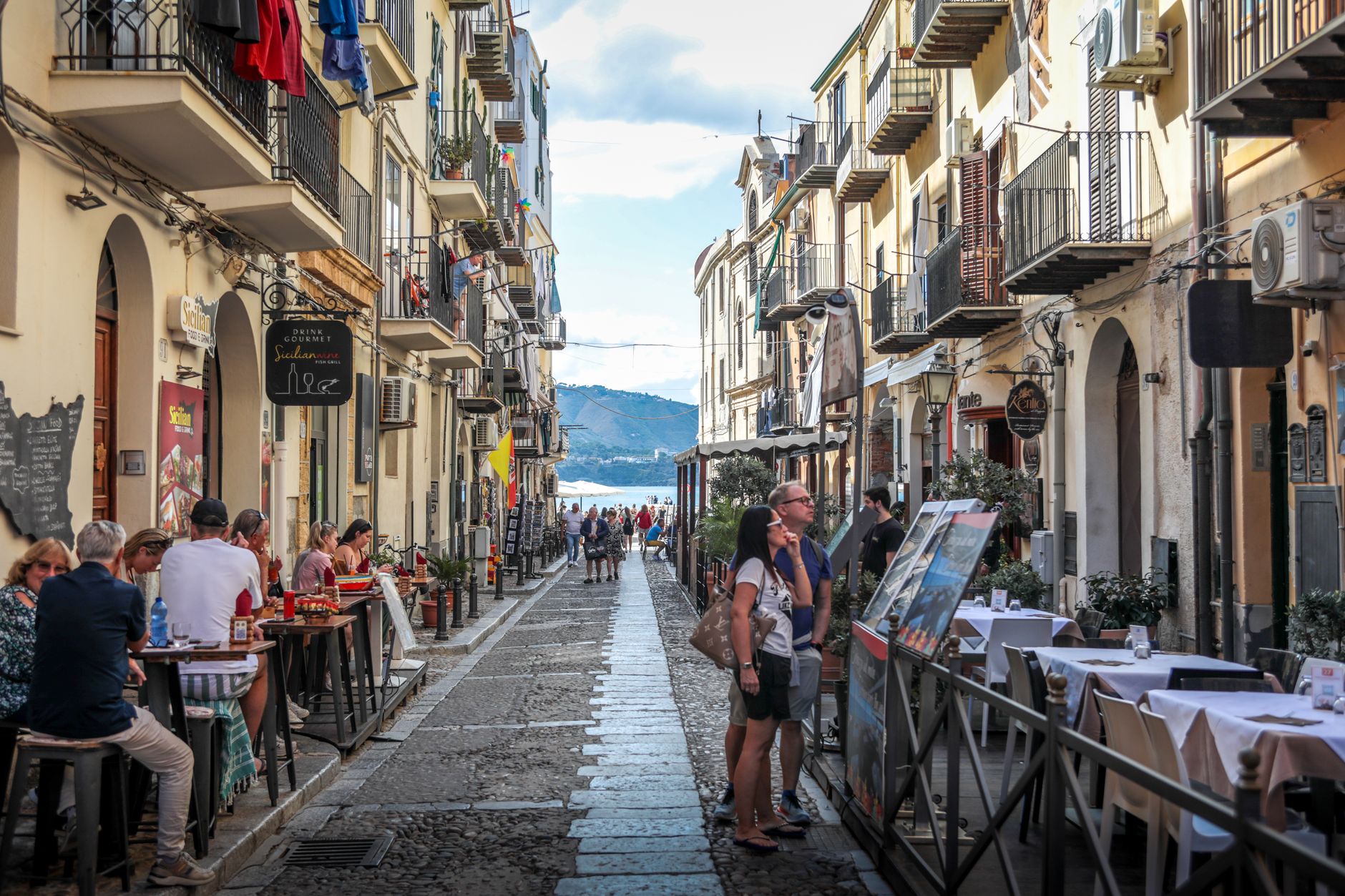
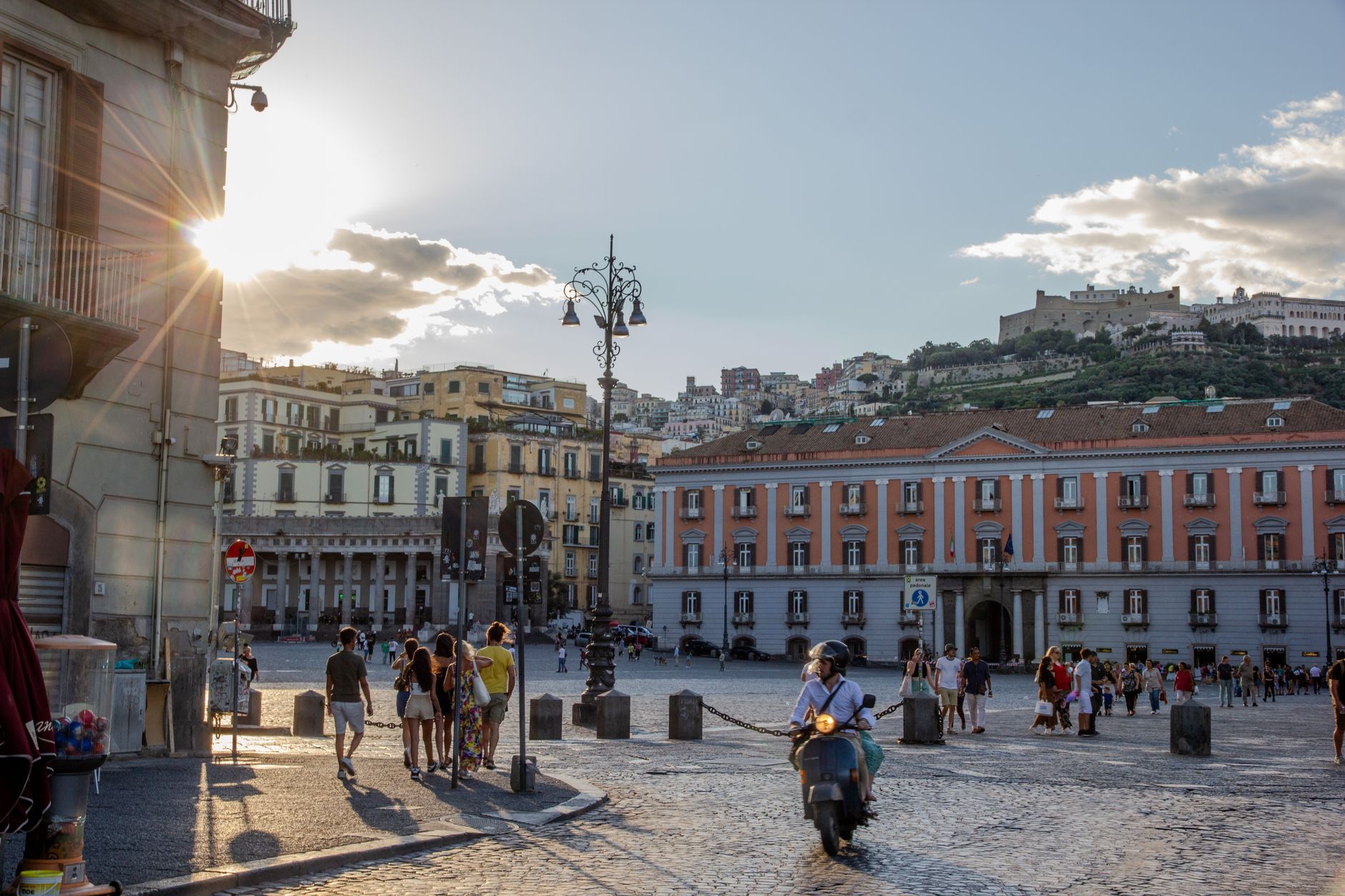
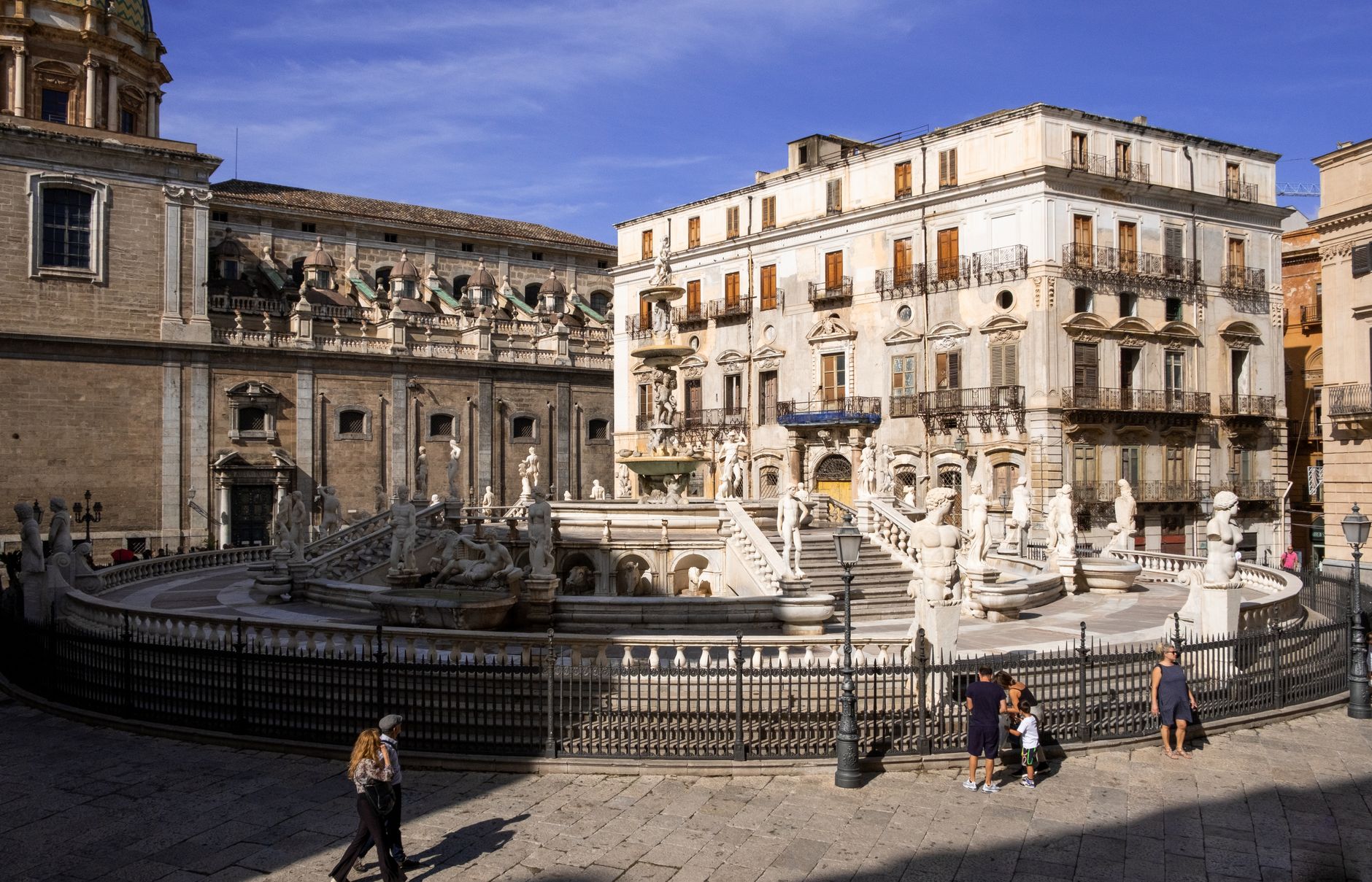
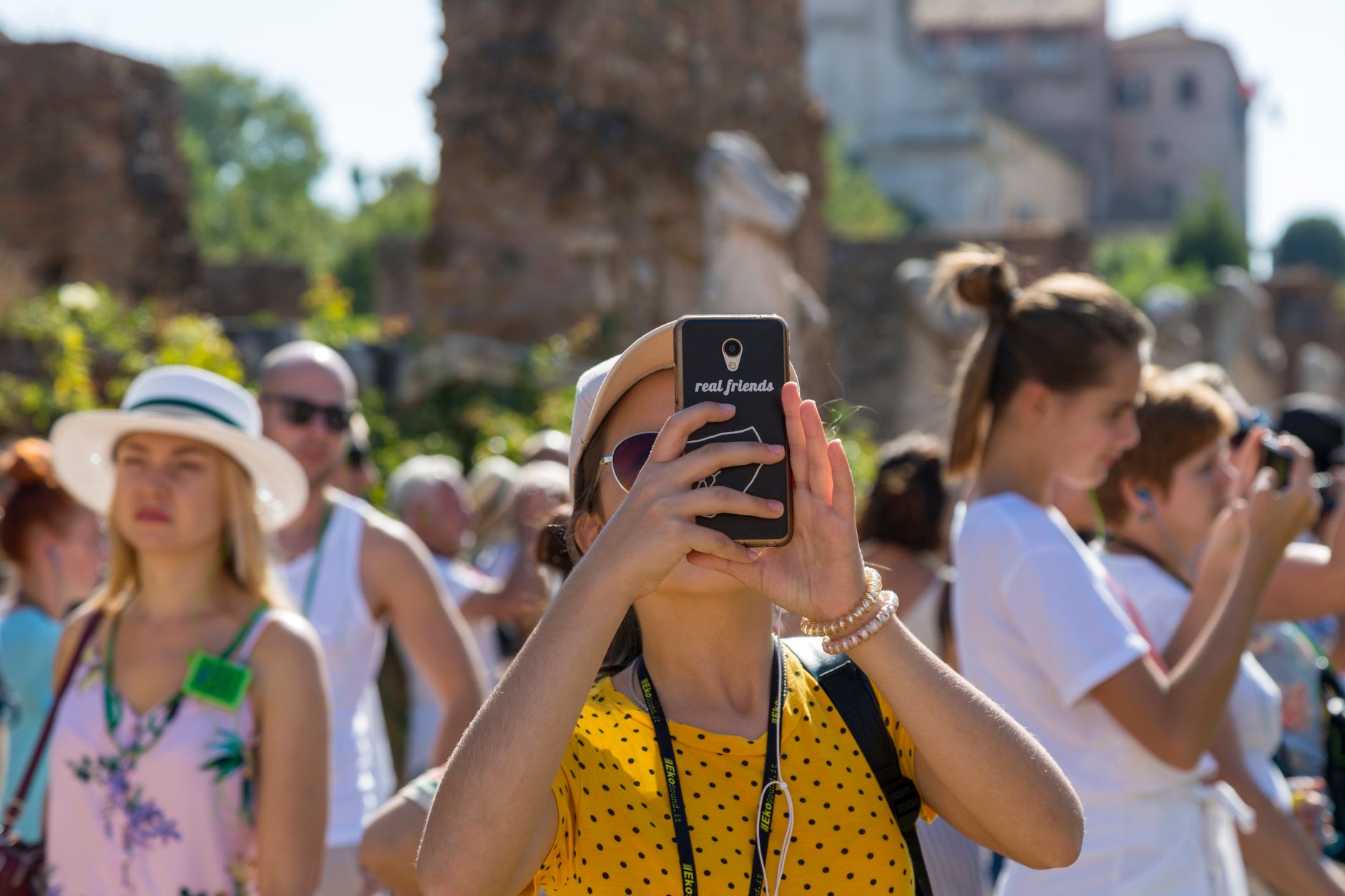
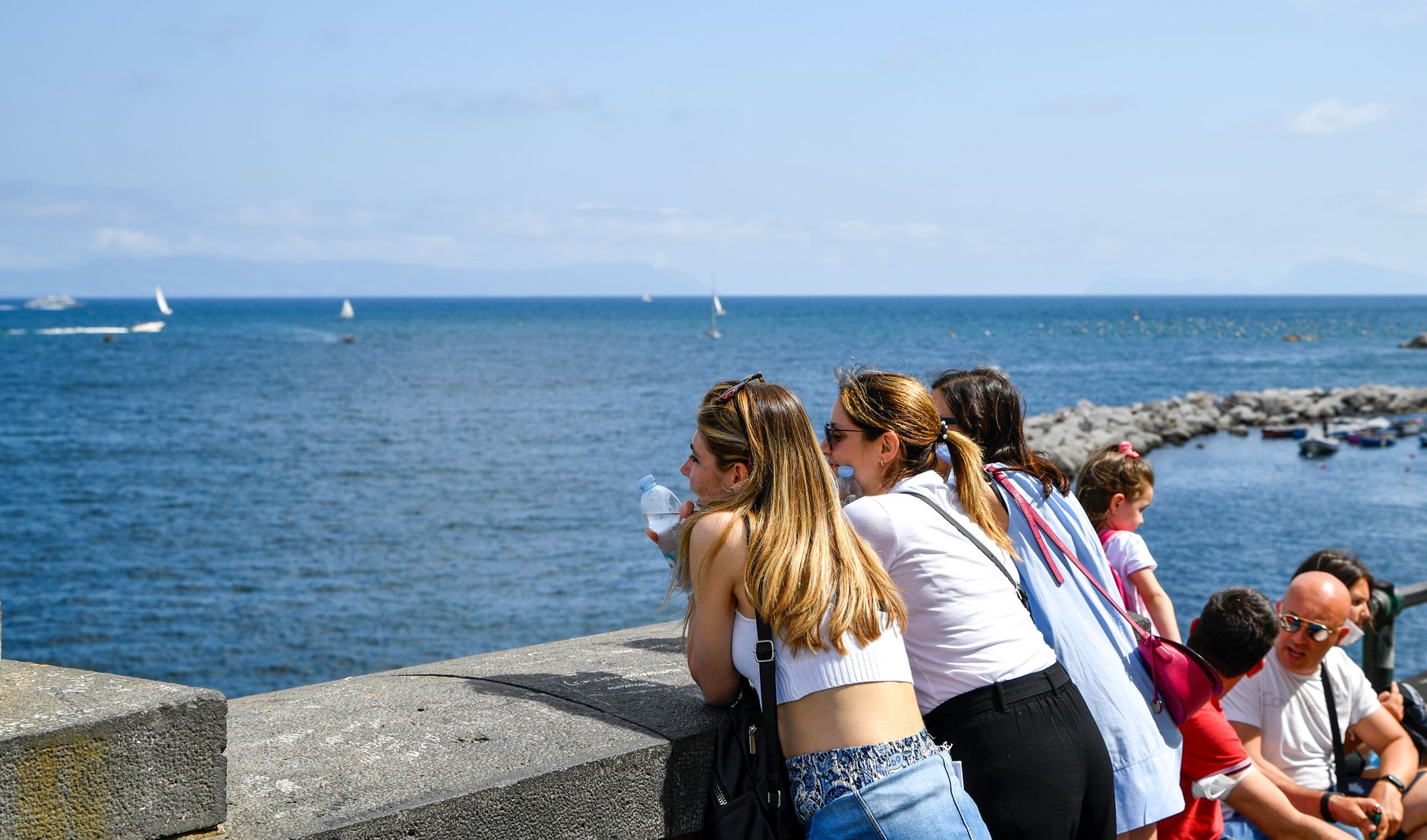
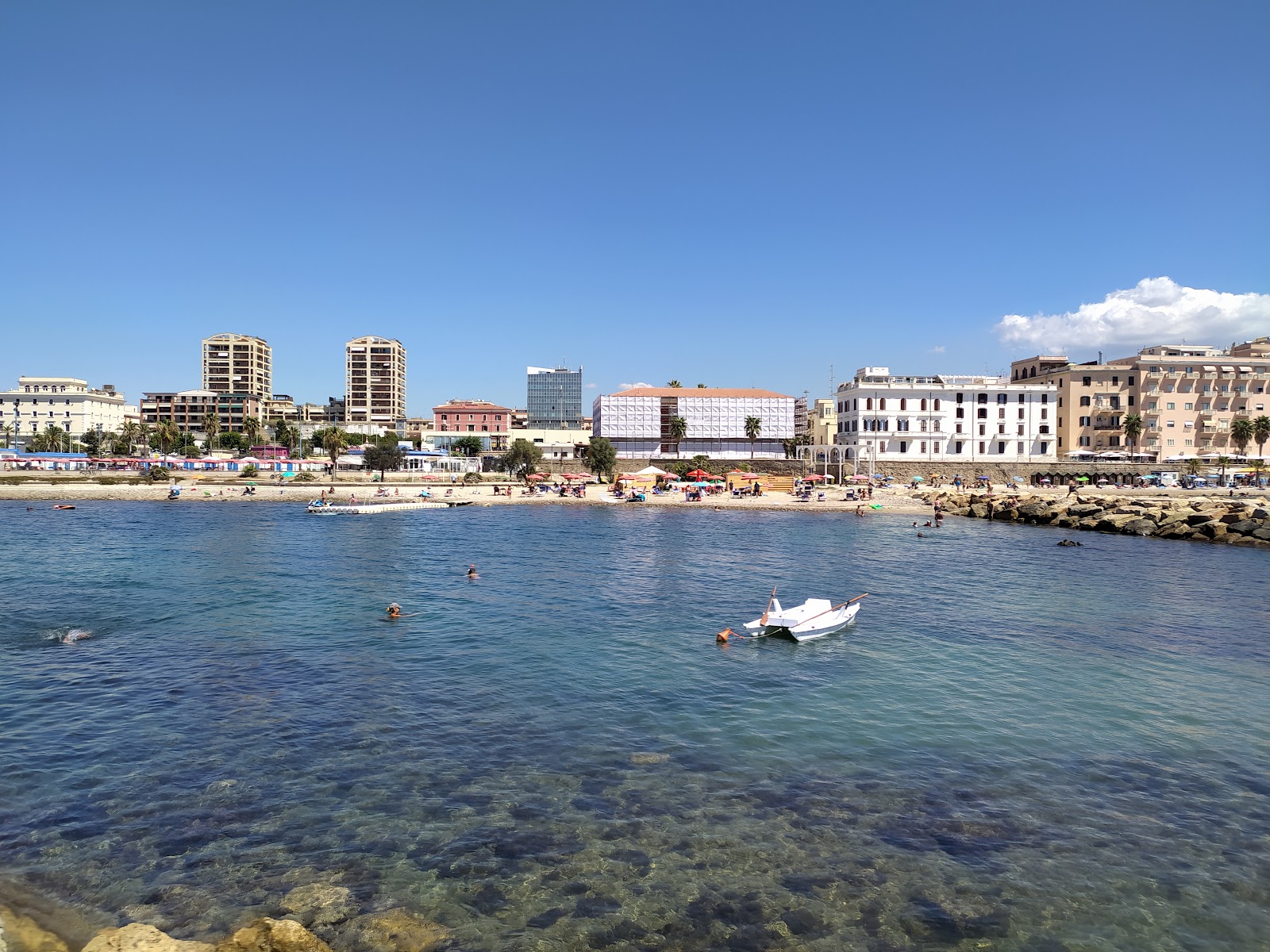
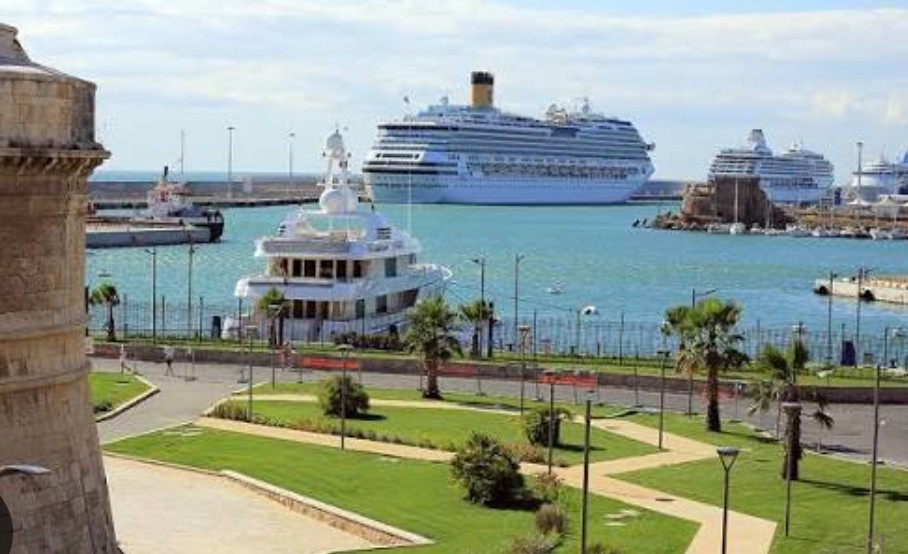
Most people see Civitavecchia from the deck of a cruise ship, then leave for Rome on a coach. That's a reasonable choice, but it skips a port whose bones go back to Emperor Trajan, who had Apollodorus of Damascus design the harbour around 107 AD — the same architect behind the Forum of Trajan in Rome. The inner basin still follows that original shape.
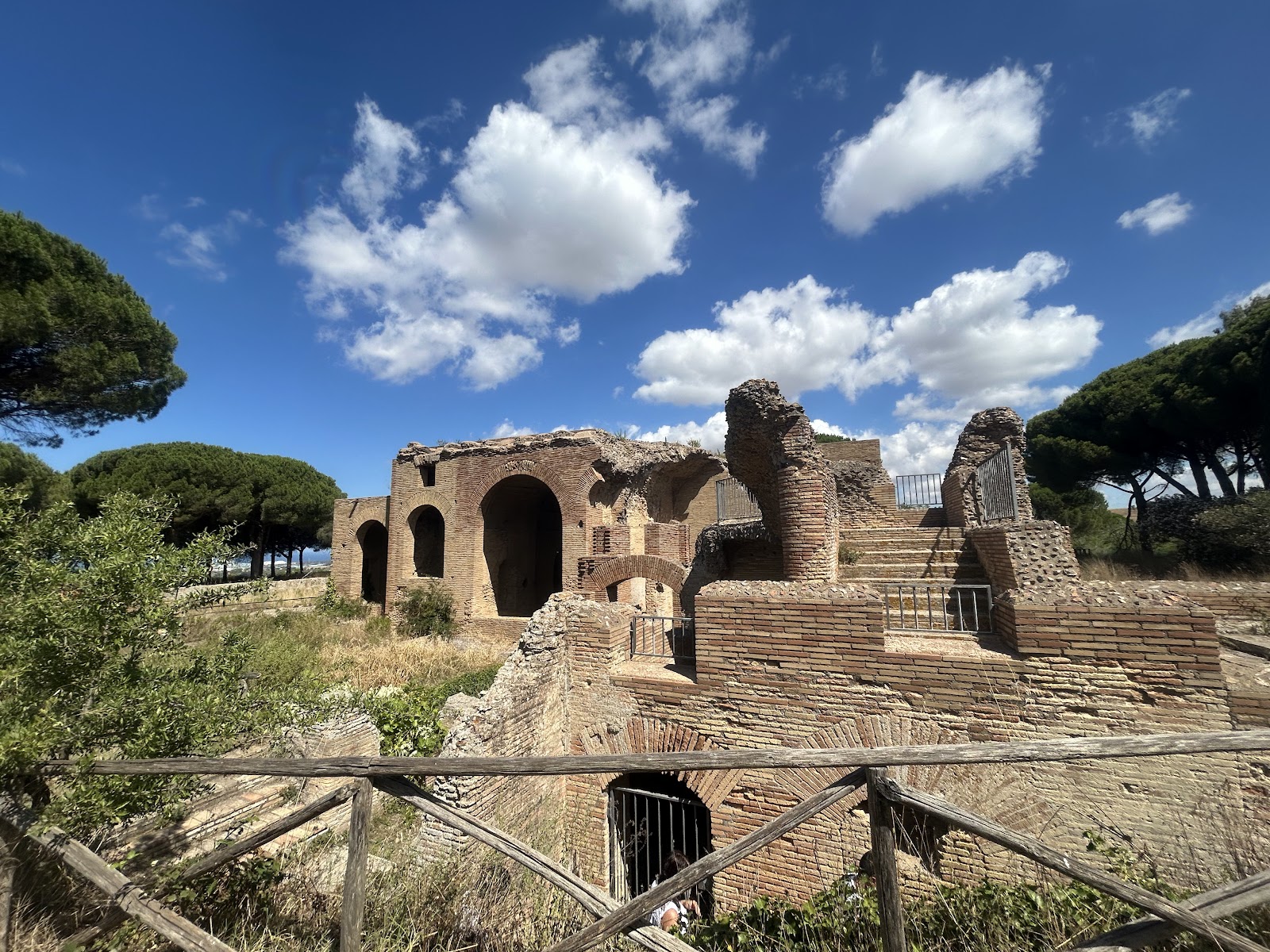
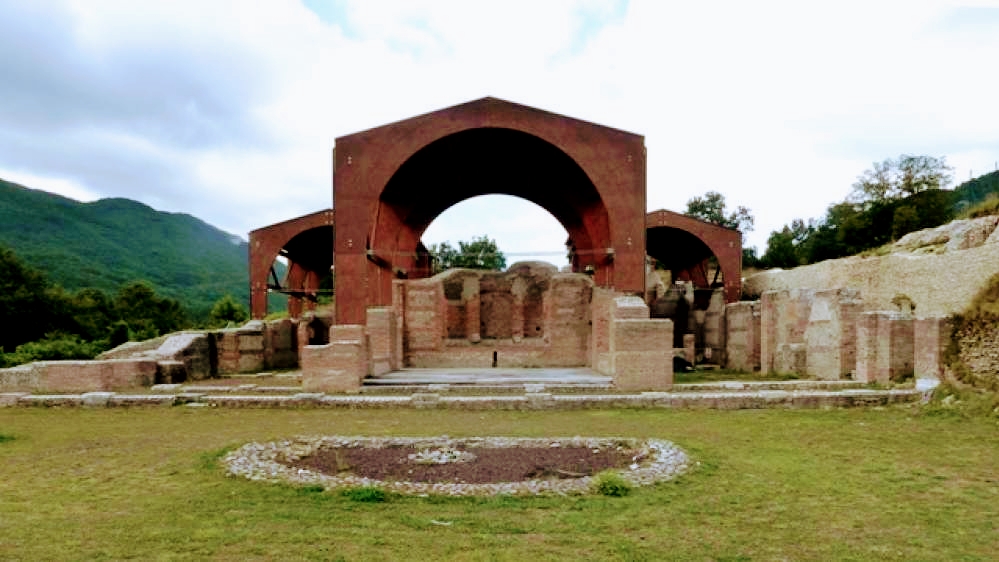
The city took a brutal hit in World War II, losing three-quarters of its buildings, so the streetscape is largely postwar. But the waterfront fortress, the Roman baths outside town, and the particular quiet of a working port city that tourists pass through rather than stop in — that combination is its own kind of reward.
💛 What travellers fall for
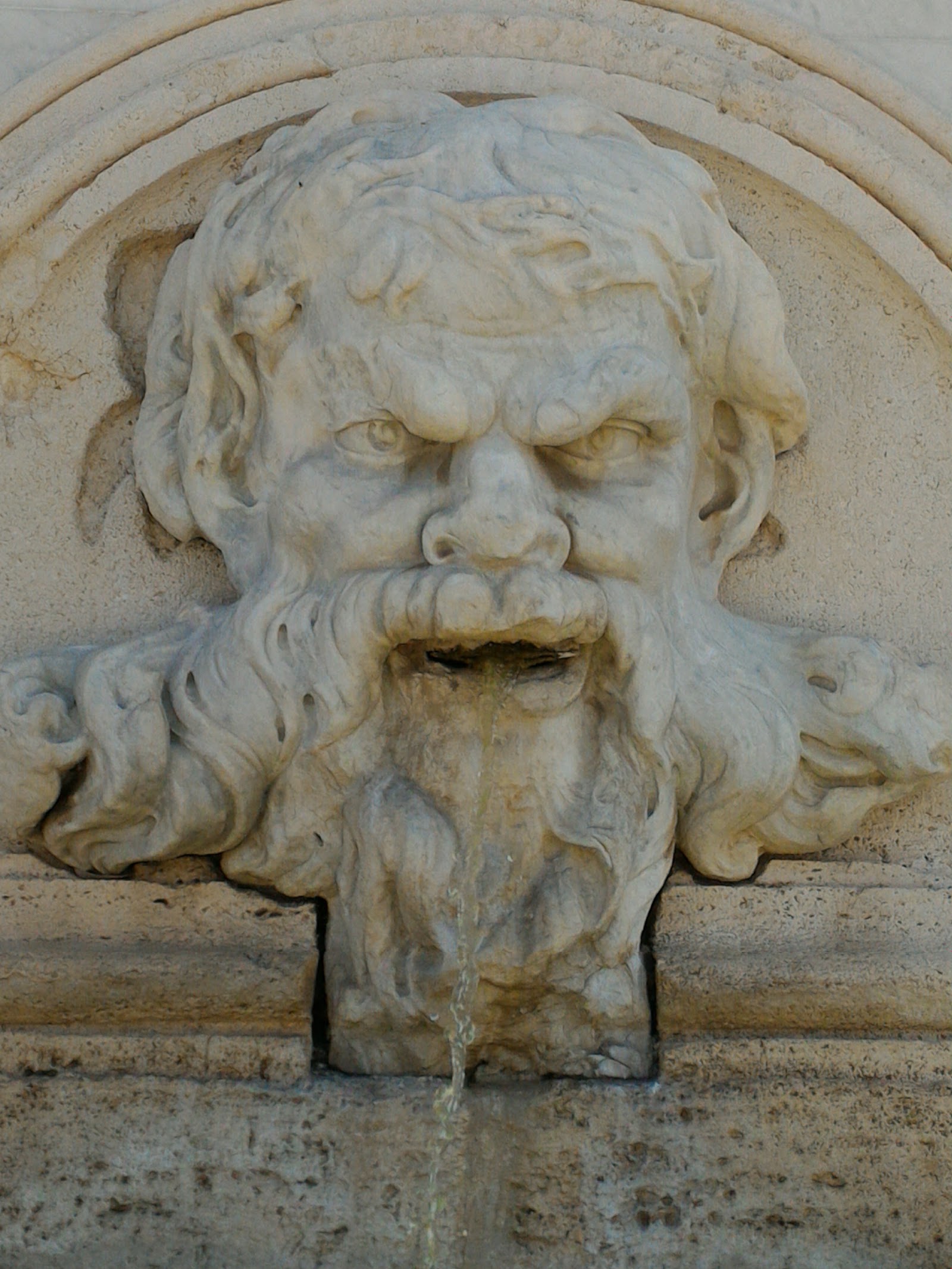
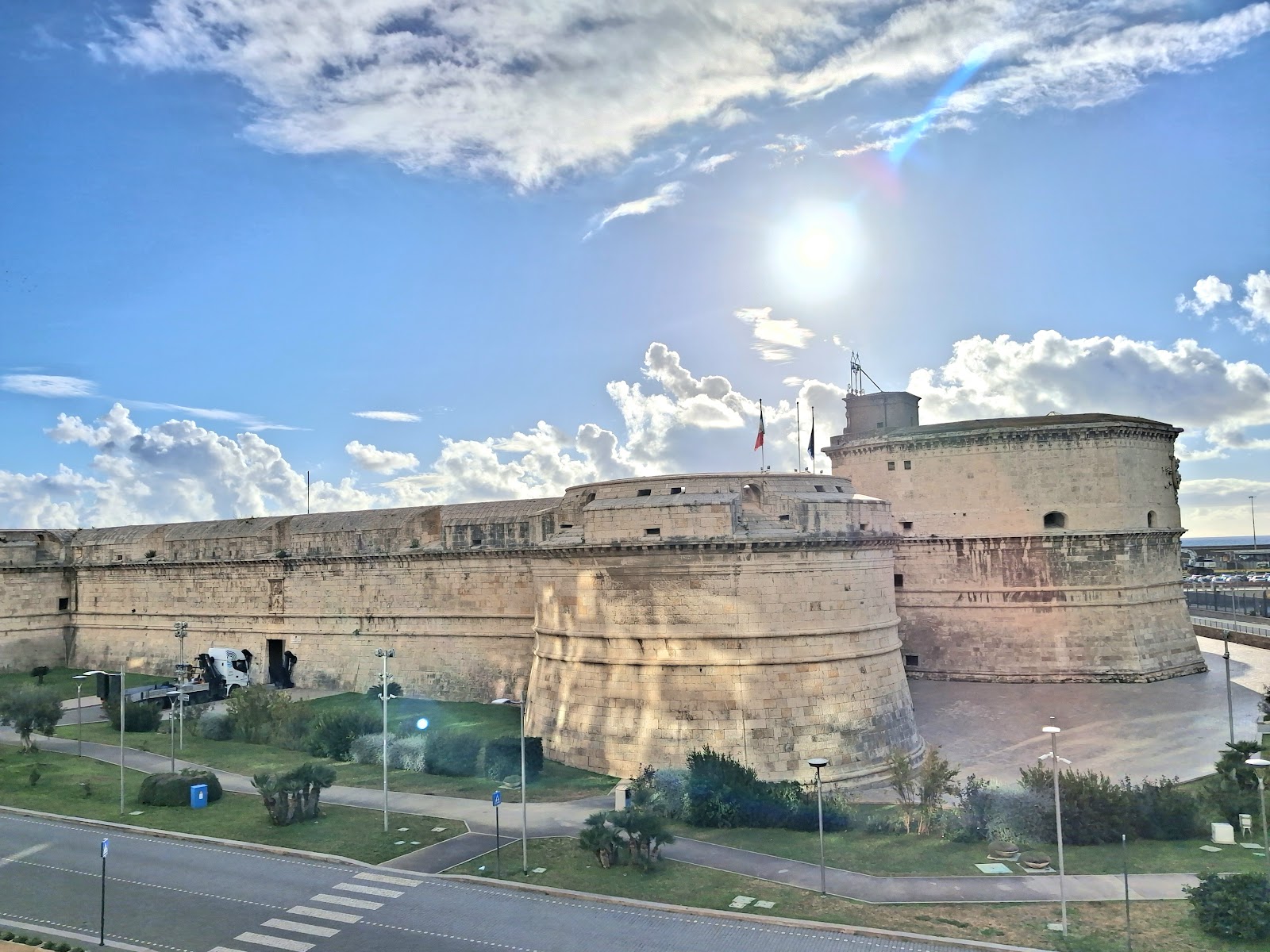
People who linger tend to agree on a few things: walk the ramparts of Forte Michelangelo early, before the cruise crowds clear passport control. Then head to the Vanvitelli Fountain on a weekday morning — travertine, a bearded faun, and almost no one else. Save Terme Taurine for the afternoon, when the light is lower and the mosaics read better.
Experiences you don't want to miss




Deals in Civitavecchia
Book directly at the provider
How Civitavecchia came to be
Etruscans were here first — a necropolis at Mattonara dates to the 7th–6th century BC — but the town's defining moment came when Trajan expanded the port around 107 AD, turning it into Centum Cellae, a major imperial harbour. The Terme Taurine, decorated with friezes, mosaics and marble, were already standing before 70 BC.
The Vandals raided, the Saracens destroyed the place in 828, and the population retreated to the Allumiere Mountains. When they came back, they called their rebuilt home Civitavecchia — 'old city.' Pope Julius II commissioned Bramante to begin Forte Michelangelo in 1508; the octagonal tower known as the Maschio was completed in 1537 and is attributed by local tradition to Michelangelo himself. Stendhal arrived as French consul in 1831 and spent much of the following decade writing here, finding in this provincial port city something that apparently suited him.
Who and what shaped it
People who shaped it
Landmark buildings
See Civitavecchia in motion
Plan your visit
On the map
When to go
Summers are hot and dry — July averages around 25–26°C with virtually no rain, and daytime highs push close to 30°C. Spring and October bring milder temperatures and the occasional shower, which makes walking the archaeological sites and the waterfront considerably more pleasant.
Right now
↡ Attractions


Background & history adapted from Wikipedia (CC BY-SA) · specs from Wikidata (CC0) · weather from Open-Meteo · map data © OpenStreetMap contributors · photos from Wikimedia Commons / Unsplash with per-image credit. No third-party reviews or social posts reproduced.