
Museo Nazionale Archeologico di Civitavecchia

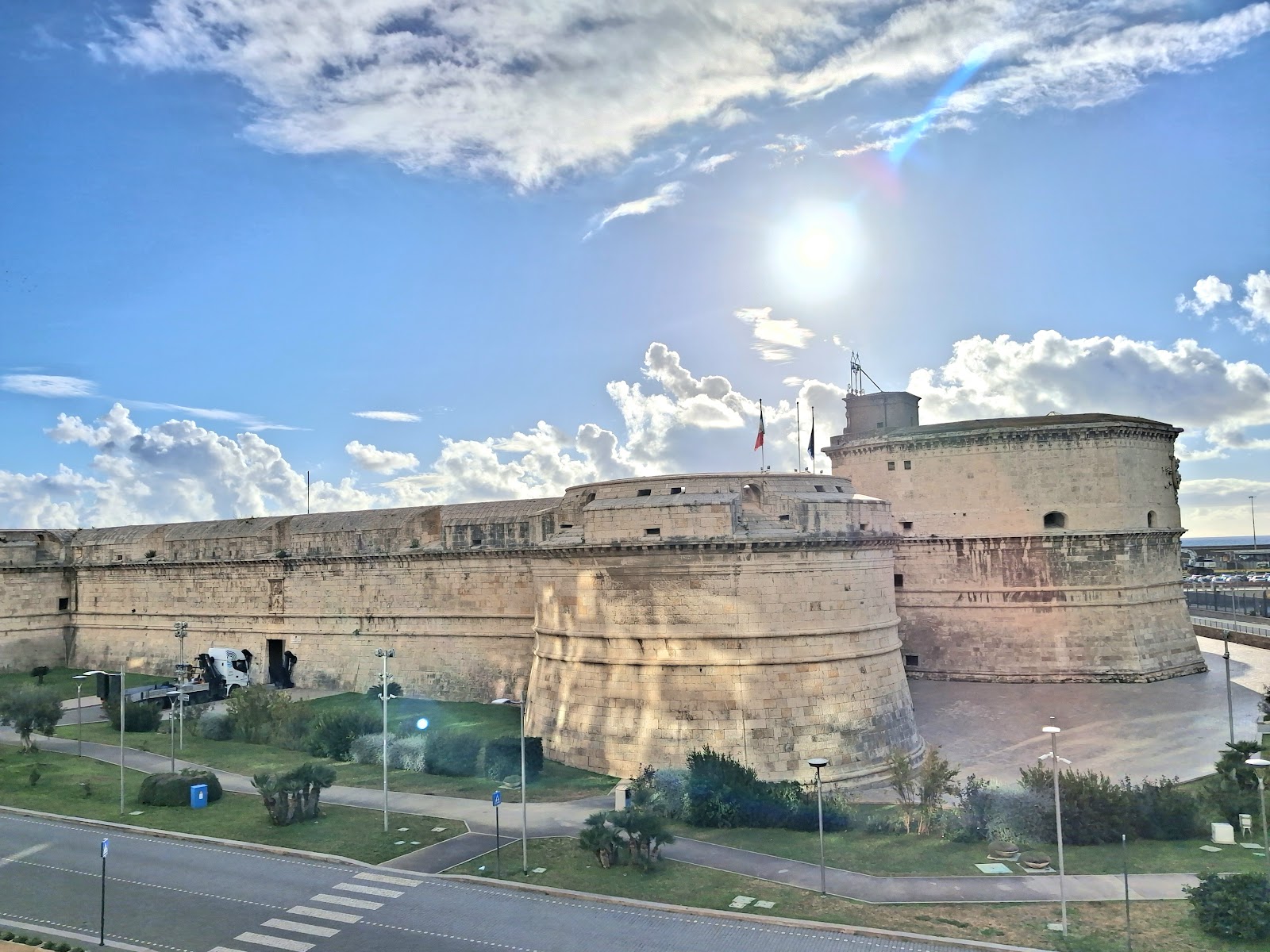
The Apollo that greets you on the ground floor is two metres tall and has been standing — more or less — since the first century AD. Pulled from the earth at Villa Simonetti in Santa Marinella in 1959, he arrived here long before the museum did. The building itself came first: an 18th-century palazzo commissioned in 1764 by Pope Clement XIII, a few steps from the harbour walls of Forte Michelangelo.
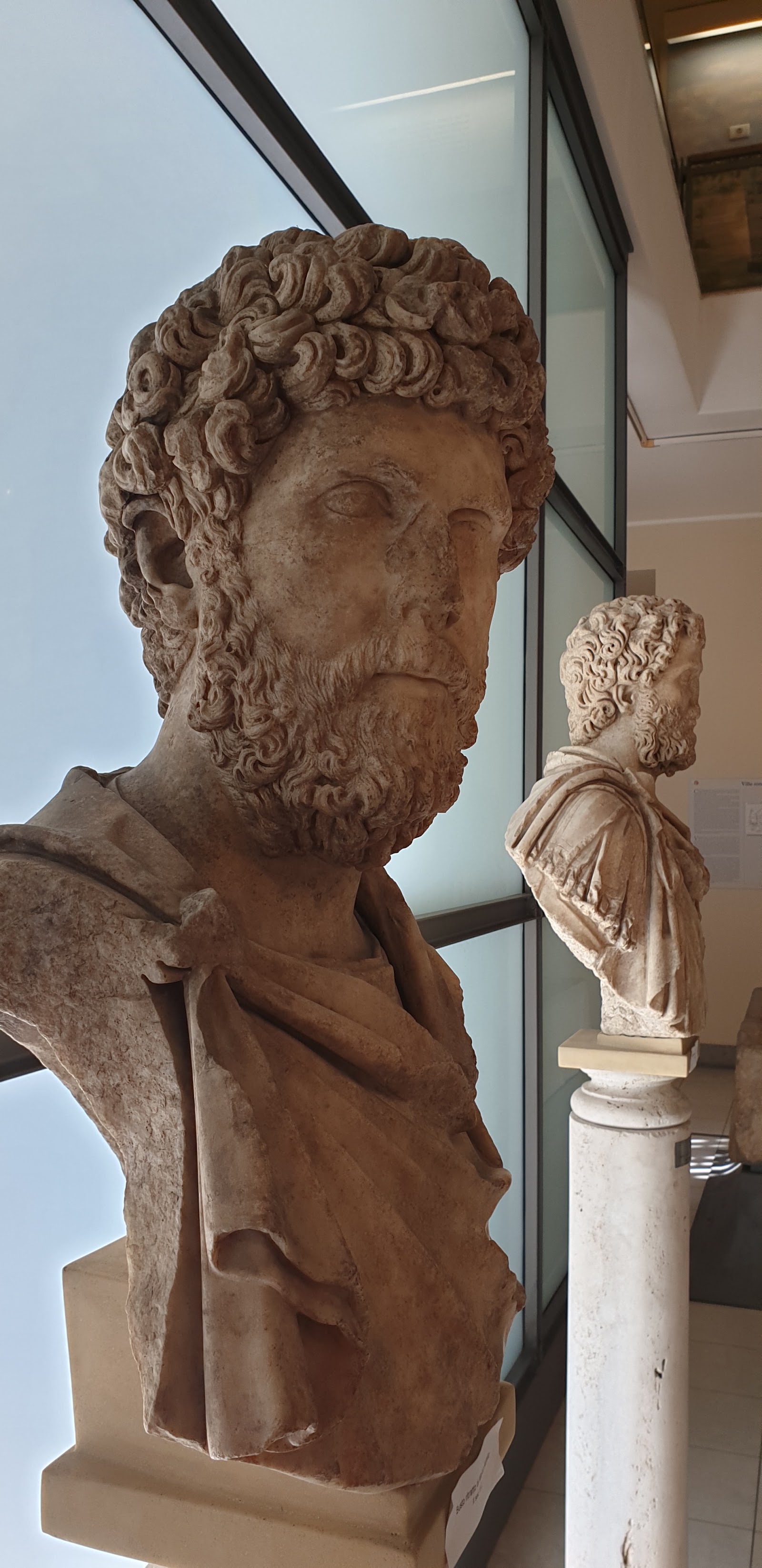
What the collection holds is the archaeology of a coast that kept accumulating things — Etruscan bucchero, Greek black-figure pottery, Villanovan ceramics from the Monti della Tolfa, Roman glass and lamps from sites scattered across the territory Trajan built his port to serve. Three floors of material that rarely makes it into the headline itineraries, which is exactly why it repays attention.
💛 What travellers fall for
People who come back tend to linger on the second floor, where the finds from accidental and clandestine digs sit together — objects without clean provenance that somehow feel more candid for it. The bronze ornaments in particular. Check the current exhibition schedule before you go; the museum has been running focused temporary shows alongside the permanent collection.
The story behind Museo Nazionale Archeologico di Civitavecchia
Pope Clement XIII Rezzonico commissioned architect Francesco Navone in January 1763, and the palazzo was complete by 1764 — one of several papal investments in Civitavecchia's civic fabric during the 18th century. For two centuries the building served other purposes before the museum was formally established in the 1970s to house materials transferred from the former Museo Civico.
The collection draws on a wide territorial sweep: coastal digs, chance finds, and excavations in the Mignone basin and Monti della Tolfa have all contributed. The 1959 discovery of the Apollo statue at Santa Marinella — now the museum's centrepiece — predates the institution itself, a reminder that much of what ended up here was found before anyone had decided where to put it.

Good to know
Closed Mondays; standard hours 8:30–19:30. As of mid-2026 only the third floor is open, with a temporary exhibition on Etruscan funerary urns — check ahead for full reopening. Admission is €3 full price, free the first Sunday of each month. Reachable by bus lines B, C and COTRAL, or a short walk from the FL5 train station.
Where is Museo Nazionale Archeologico di Civitavecchia?
More tickets & tours for Museo Nazionale Archeologico di Civitavecchia
Book directly at the provider
What travellers say about Museo Nazionale Archeologico di Civitavecchia
Here in March 2026, found that museum is undergoing renovation. Not such a surprise, as the entire port city has a "low season" vibe. However, hats off to the docents and curators for posting such a clear notice on their door that by the start of May, opening afresh is planned. Best of luck with the reno project. Oddly, unable to post a notice photo.
It’s a small museum but everything displayed is interesting nevertheless. Recommended if you have some time to spare.
The small museum contained in the Clemente XIII palace , collects the most important statuary discovery in the archaeological excavations in this part of Taurine Bath, La Mattonara Necropolis, Punta del Pecoraro and others archeological excavations was an important work experience of Centumcellae Association, the most remarkable works can be seen immediately in the first room, ground floor: -sarcophagus of an urban factory with a clypeus image of the defined supported by vitorie and hunting posts of the II-III Century AD, -the wonderful statue of Apollo (I century), Apollo delivered people from epidemics, yet he is also a god who could bring ill-health and deadly plague with his arrows. As the god of Mousike (art of Muses), Apollo presides over all music, songs, dance and poetry. He is the inventor of string-music, and the frequent companion of the Muses, functioning as their chorus leader in celebrations. The lyre is a common attribute of Apollo. -Athena Parthenos of Phidia, There have been many replicas and works inspired by the statue, in both ancient and modern times. Athena was the Greek goddess of wisdom. A Statue also exhibited in the Louvre Museum. Among the local guides Andrea Romanet did an excellent job on cataloging all the finds. A different visit of the city in a short time you can admire the olms of the Ancient Port of Rome and finds found in the surrounding areas of Civitavecchia. For people in ♿️ ask the staff inside and they will let you in through the suitable entrance. The museum is equipped with 🚾 and an elevator to go up to the second floor.
Fascinating displays and very interesting! Especially enjoyed the history on some of the ancient headstones. Very friendly staff.
If you are around, I recommend stopping and visiting the museum.
More of Civitavecchia
Discover where to stay, what to do and the best deals for your trip.
Explore Civitavecchia →More attractions in Civitavecchia
All of Civitavecchia →
Background adapted from Wikipedia (CC BY-SA) · map data © OpenStreetMap contributors · ratings & place photos via Google · other photos with per-image credit. Ticket links may earn us a commission at no extra cost to you.