
Porto di Civitavecchia
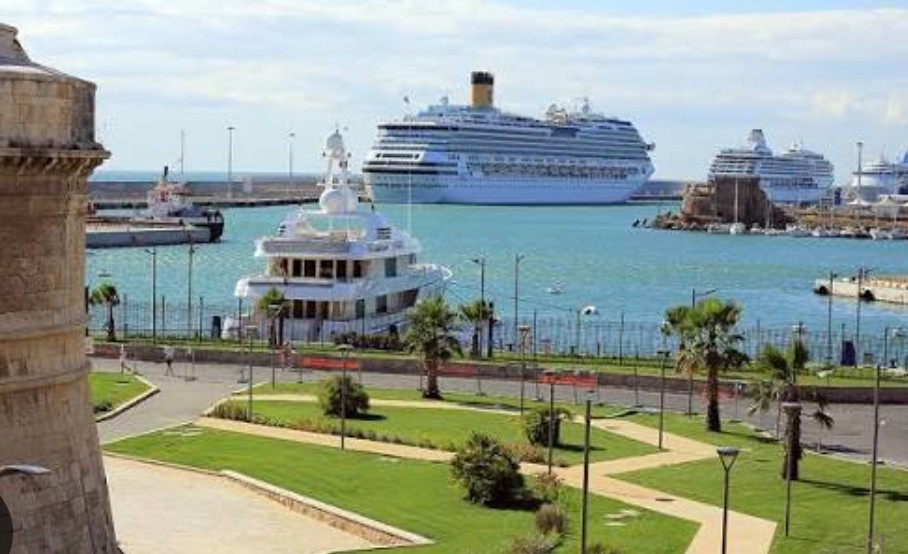
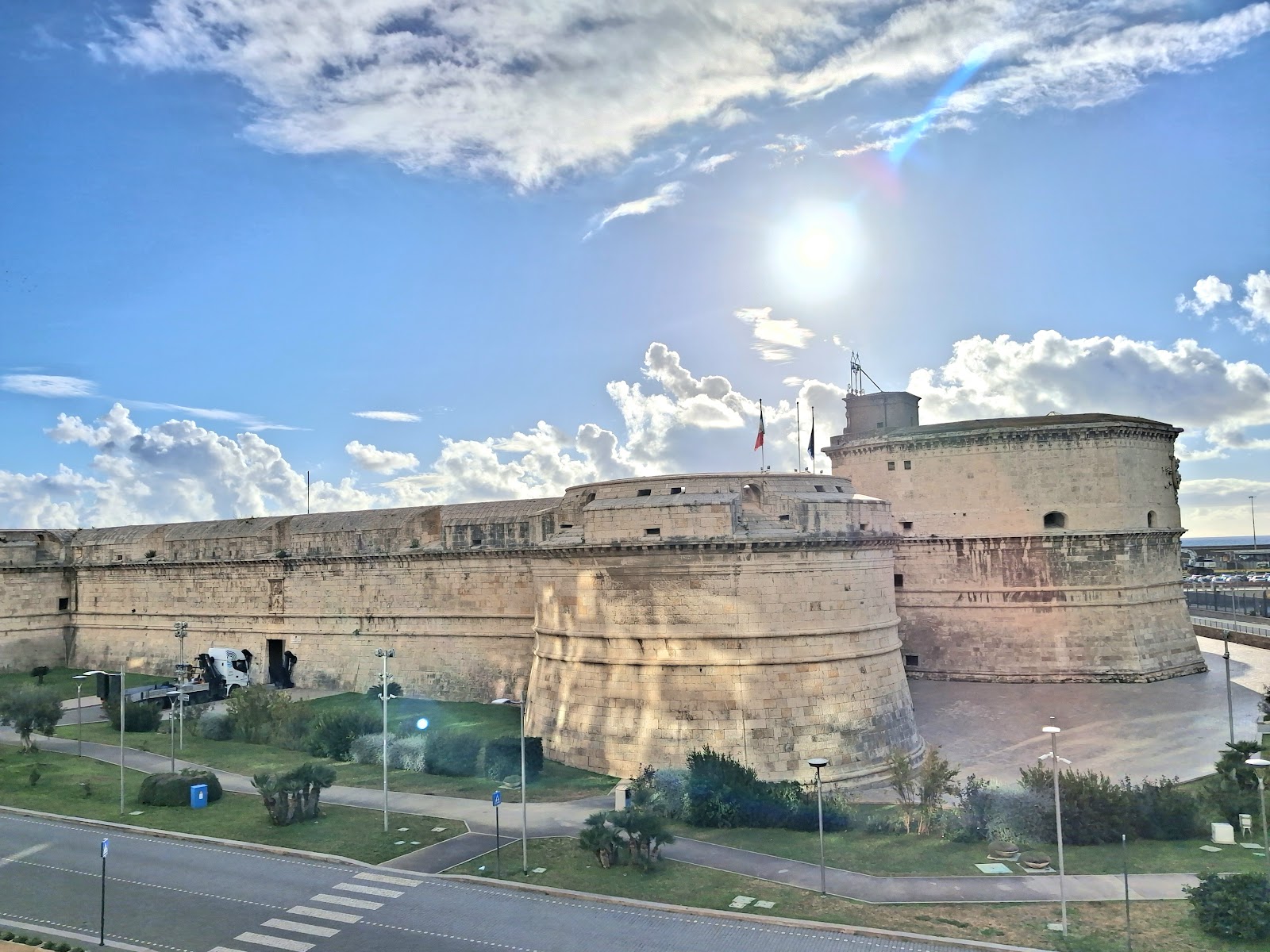
The first thing you notice is the scale. Trajan's port at Civitavecchia was engineered around 106 AD to move the weight of an empire — grain, marble, soldiers — and even now, standing at the waterfront, the ambition of the original circular basin reads in the bones of the place. Forte Michelangelo anchors the harbour's edge in travertine, its octagonal tower rising 23 metres, a reminder that every century since Rome has left something here.
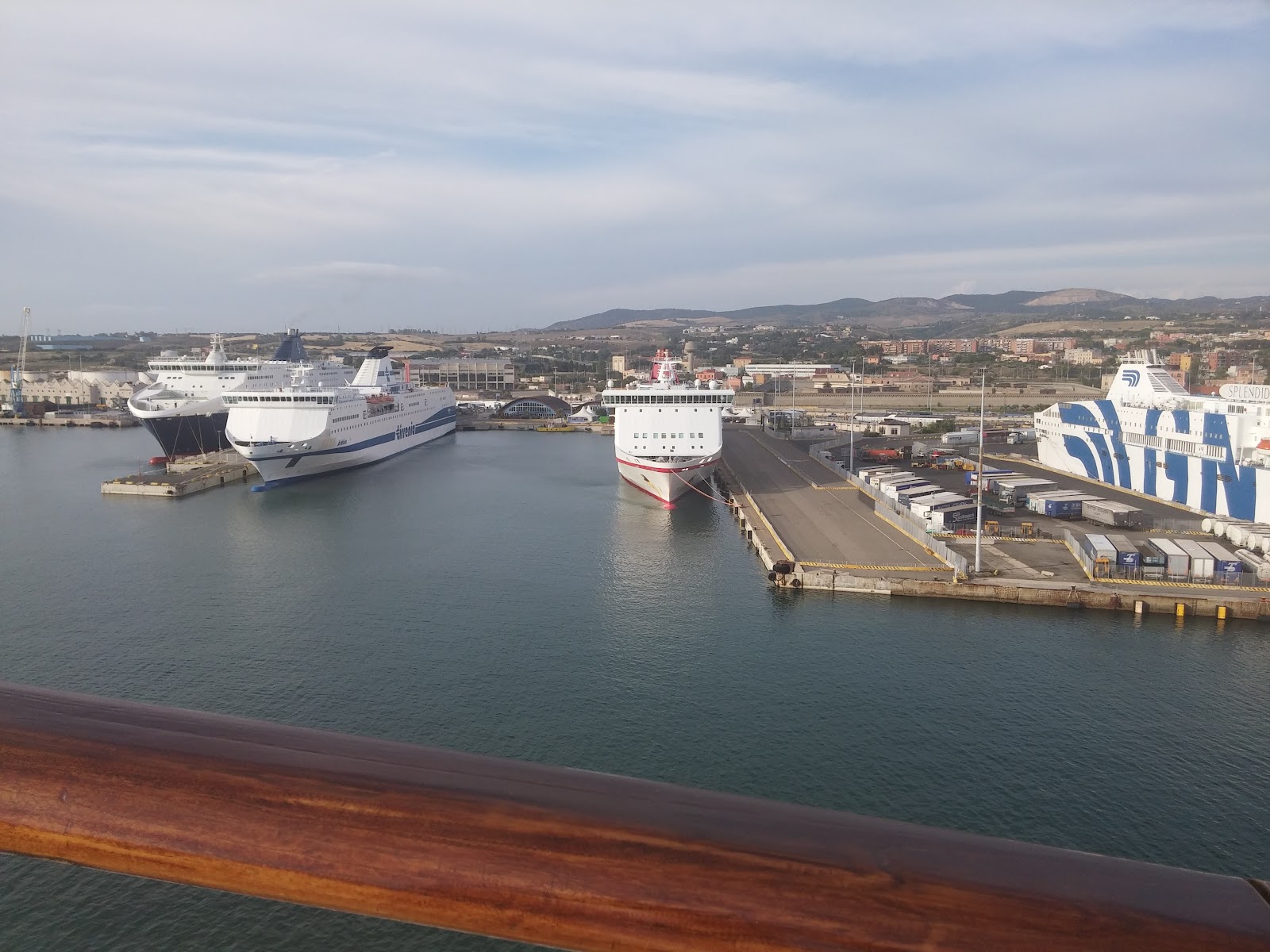
Today the port handles cruise ships and ferries to Sardinia and Sicily, which means the quayside can shift from near-empty at dawn to genuinely crowded by mid-morning. Come early, or linger after the ships have gone.
💛 What travellers fall for
People who return tend to time their arrival for the hour before the cruise passengers disembark — the light on the water is better, the fort's facade catches it cleanly, and the Bicchiere and Lazzaretto towers are easier to photograph without a crowd framing them. The €5 entry to Forte Michelangelo is worth budgeting for separately.
The story behind Porto di Civitavecchia
Emperor Trajan chose this stretch of Lazio coastline in 106 AD and commissioned Apollodorus of Damascus — the same architect behind Trajan's Column in Rome — to design a port for the city he called Centumcellae. The plan was precise: a large circular basin roughly 500 metres across, two long piers, and an artificial island acting as a breakwater. It became one of the ancient world's significant transport hubs.
After centuries of decline, papal Rome reclaimed the port. In 1508, Pope Julius II gave Donato Bramante the commission to fortify it; by 1537, Michelangelo had contributed the central octagonal tower that gives Forte Michelangelo its name. Gian Lorenzo Bernini designed the arsenal — its first stone laid on 26 November 1659. Allied bombing in 1943 destroyed much of what had accumulated since antiquity, which is why the port you see today reads as a layering of fragments rather than a continuous whole.
Good to know
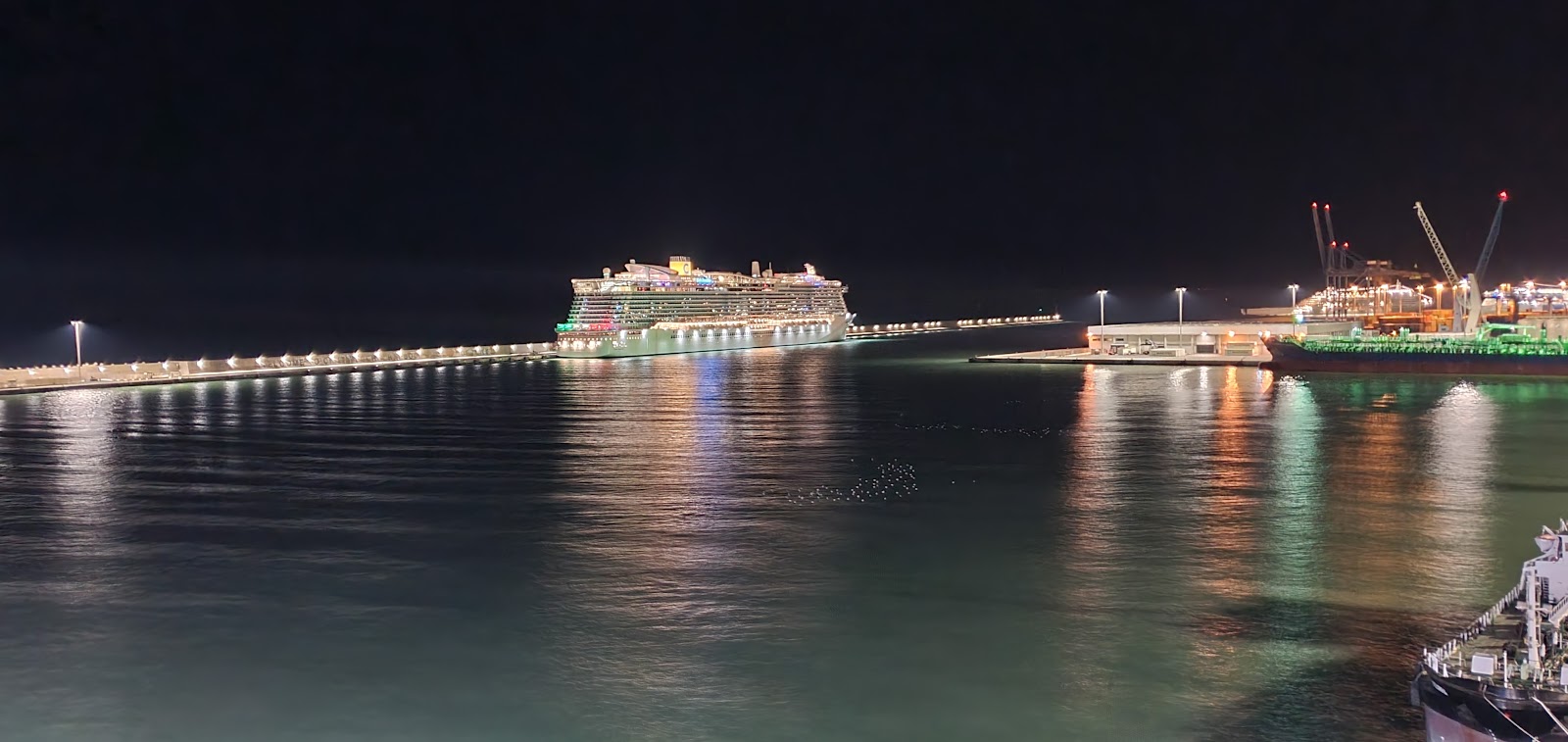
The port is open year-round, around the clock. Cruise ships typically dock between 5 and 9 am and leave by 8 pm, so the waterfront peaks mid-morning. General access is free; Fort Michelangelo charges €5 with senior and child discounts. Trains from Rome Termini reach Civitavecchia in roughly an hour.
Summer brings reliable heat and strong sun off the water; the harbour offers little shade, so mornings are far more comfortable than midday. Spring and autumn are the most pleasant seasons for walking the waterfront — mild temperatures, manageable crowds, and clearer light for photography. Winter can be breezy and grey but the port remains fully active.
Where is Porto di Civitavecchia?
More tickets & tours for Porto di Civitavecchia
Book directly at the provider
What travellers say about Porto di Civitavecchia
Civitavecchia is a coastal town northwest of Rome, in Italy. Built in the 2nd century, the Port of Civitavecchia still retains some of its original features, like the Roman Dock. The port area also includes the 16th-century Michelangelo Fort. Nearby, the National Archaeological Museum displays bronze and ceramic artifacts.
A very easy and quick cruise terminal. The connection to Rome is easy
Our Princess Cruise was out of this port. The ship terminal is well organized and we're had a smooth process of dropping our luggage and getting onboard. The return trip was business but our bus trip was uneventful. The port is managed well and there was good vehicle flow so it was not a long wait to get to the highway. The traffic was managed by someone from the port directing traffic.
The Port of Civitavecchia - Italy’s leading tourist port and a vital hub for cargo traffic - functions as a truly multi-functional facility. For management purposes, it has been divided into two macro-areas characterized by distinct market dynamics: the southern sector is dedicated to tourism, recreational boating, and cruise operations; the northern sector is reserved for commercial trade, fishing, and coastal shipping. Today, the port boasts approximately 2,000,000 square meters of quayside space, 16 kilometers of linear berthing frontage, and 34 operational berths ranging from 100 to 400 meters in length. The availability of over 5 million square meters of hinterland areas has paved the way for a proposed logistics terminal project (known as "Distripark"); a feasibility study for this initiative has already been launched by the "Research Center for Transport and Logistics" at Sapienza University of Rome. The Port of Civitavecchia - along with Fiumicino and Gaeta, the other ports within the "Ports of Rome and Lazio" network - lies at the very heart of the logistics system connecting Rome and Central Italy to the rest of the world. Beyond serving the Lazio region - and specifically the Rome metropolitan area, home to over three million people - this network acts as a pivotal gateway linking other Italian regions to their respective markets, while also providing access to Italy’s premier tourist destinations and the major cruise routes of the Mediterranean. The Port of Civitavecchia concluded 2025 by setting a historic record for both domestic and European cruise traffic, recording a total of 3,556,559 transit passengers and 862 ship calls. When accounting for the port's entire operational volume (encompassing cruises, ferries, and local transfers), the facility surpassed the threshold of 5.1 million total passengers, thereby sharing the distinction of being Europe’s leading passenger port with the Port of Barcelona.
Beautiful Italian port. The transportation takes a little getting used to if you watch a few YouTube videos it makes a lot easier.
More of Civitavecchia
Discover where to stay, what to do and the best deals for your trip.
Explore Civitavecchia →More attractions in Civitavecchia
All of Civitavecchia →
Background adapted from Wikipedia (CC BY-SA) · map data © OpenStreetMap contributors · ratings & place photos via Google · other photos with per-image credit. Ticket links may earn us a commission at no extra cost to you.