
Cassino
Cassino sits at the foot of a mountain that has been destroyed and rebuilt so many times that reconstruction itself has become part of its identity. The Abbey of Monte Cassino — founded by St. Benedict in 529, bombed to rubble in 1944, and painstakingly restored stone by stone under the principle *Com'era, dov'era* (how it was, where it was) — watches over a city that knows exactly what it means to start again.
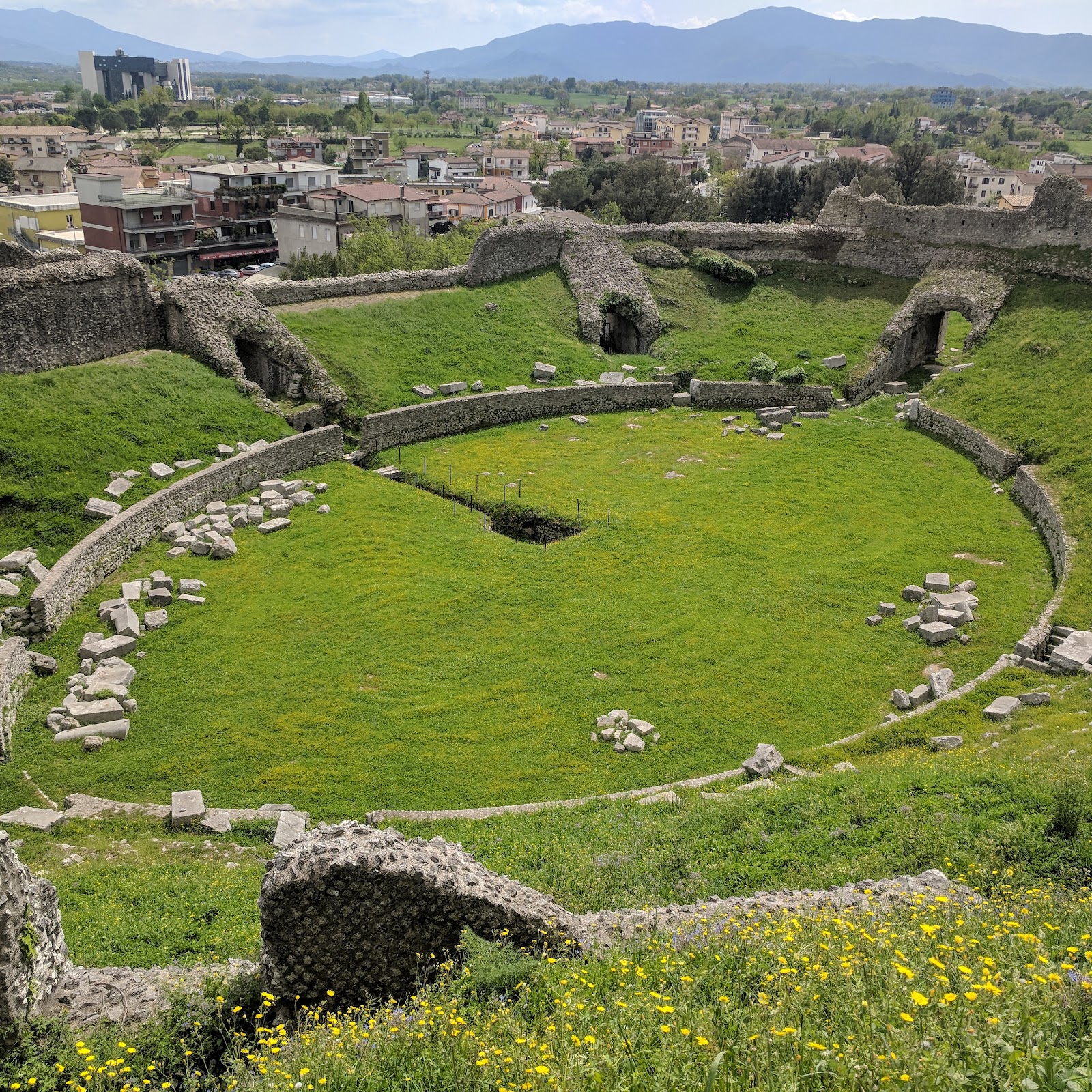
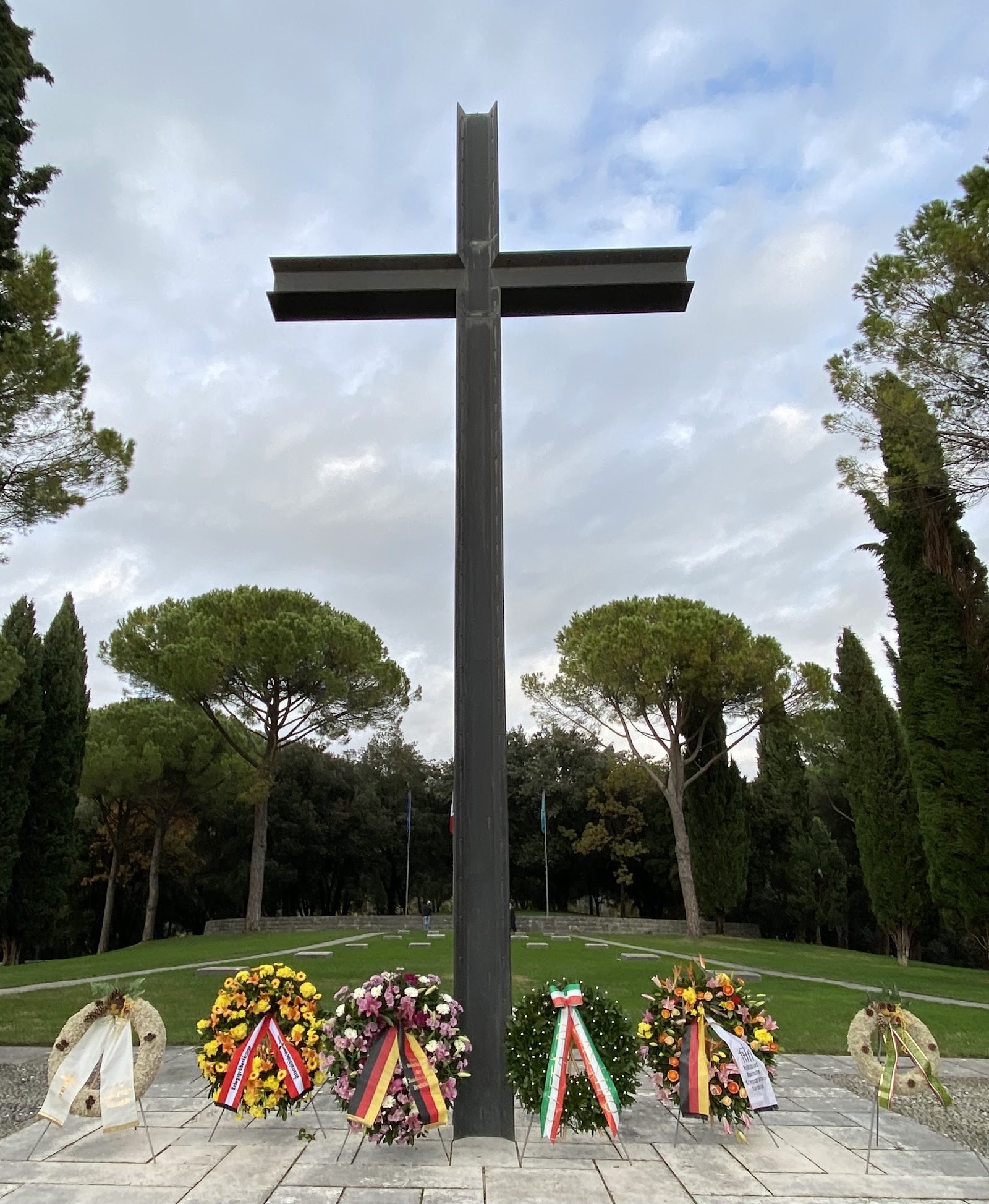
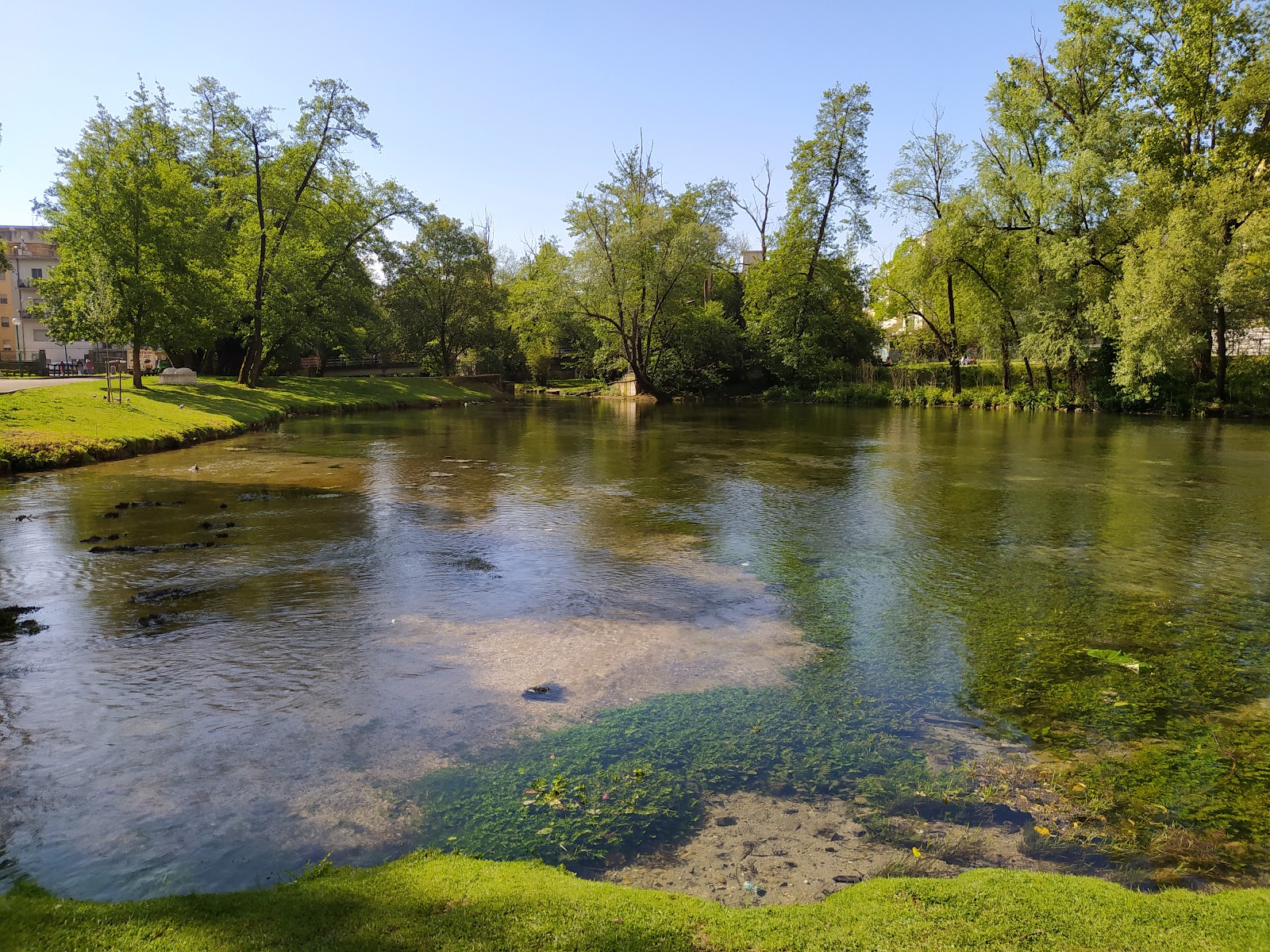
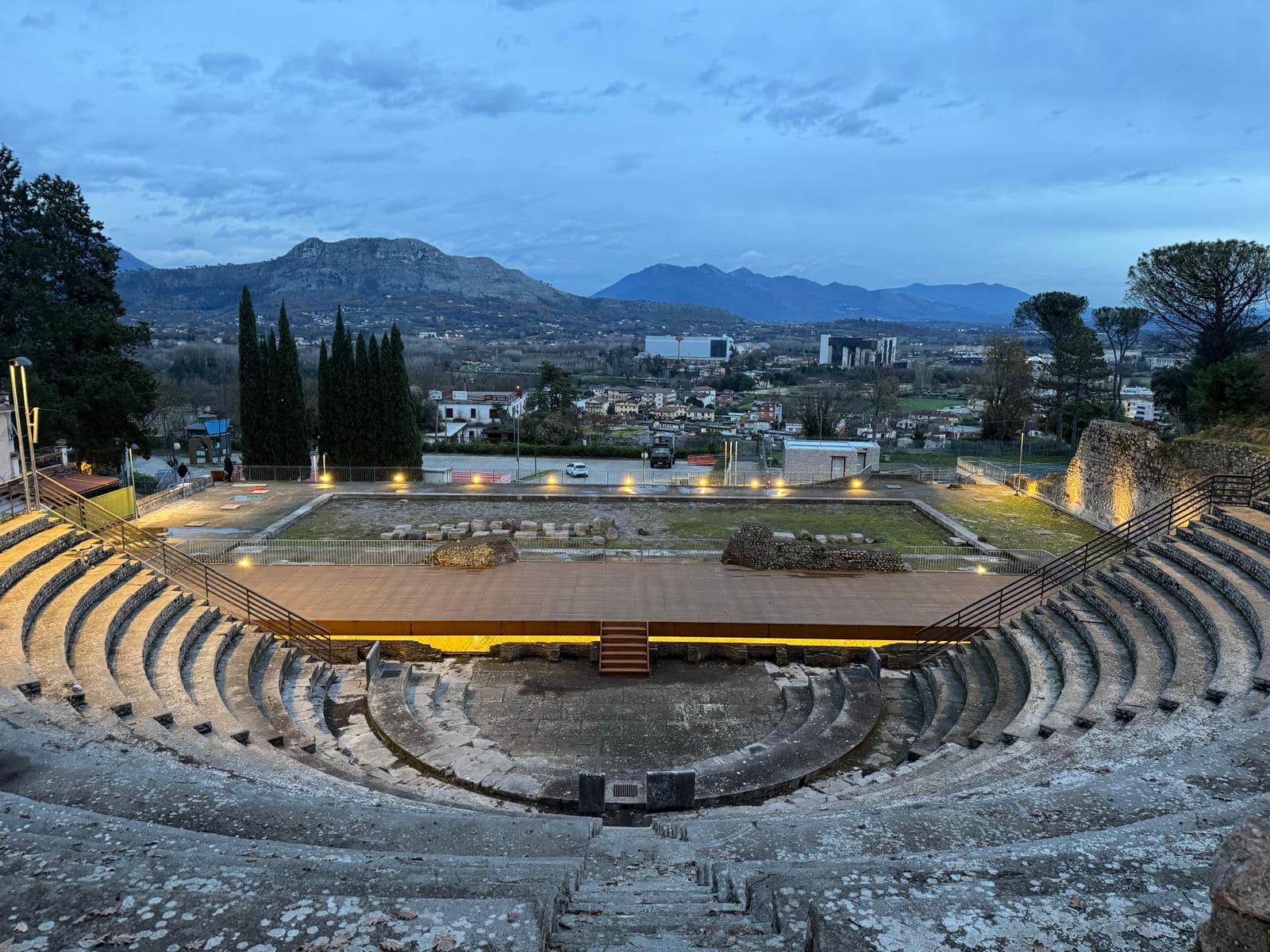
Below the abbey, the town is quiet and functional, shaped more by postwar concrete than by medieval lanes. But the weight of what happened here — the three war cemeteries, the Roman theatre still in use, the Rapido River that runs through it all — gives Cassino a gravity that stays with you long after the bus back to the station.
💛 What travellers fall for
People who return tend to time the abbey visit around mass rather than avoiding it. The church closes to tourists during the service, but you're welcome to stay and attend — and the silence inside, broken only by plainchant, is a different experience entirely from the standard tour. Afterwards, the MC006 bus back gives you the full view down the valley.
Experiences you don't want to miss


Deals in Cassino
Book directly at the provider

How Cassino came to be
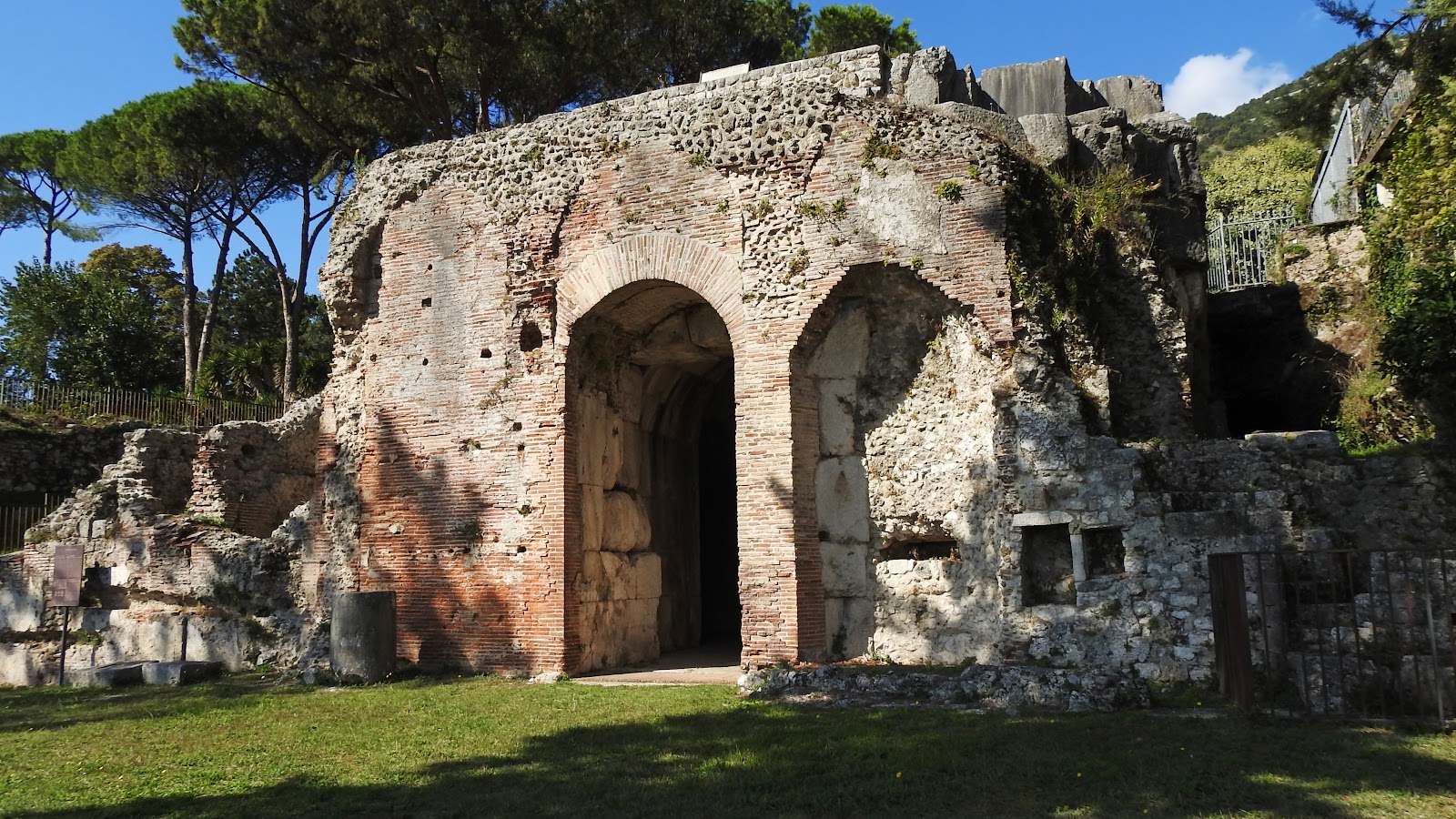
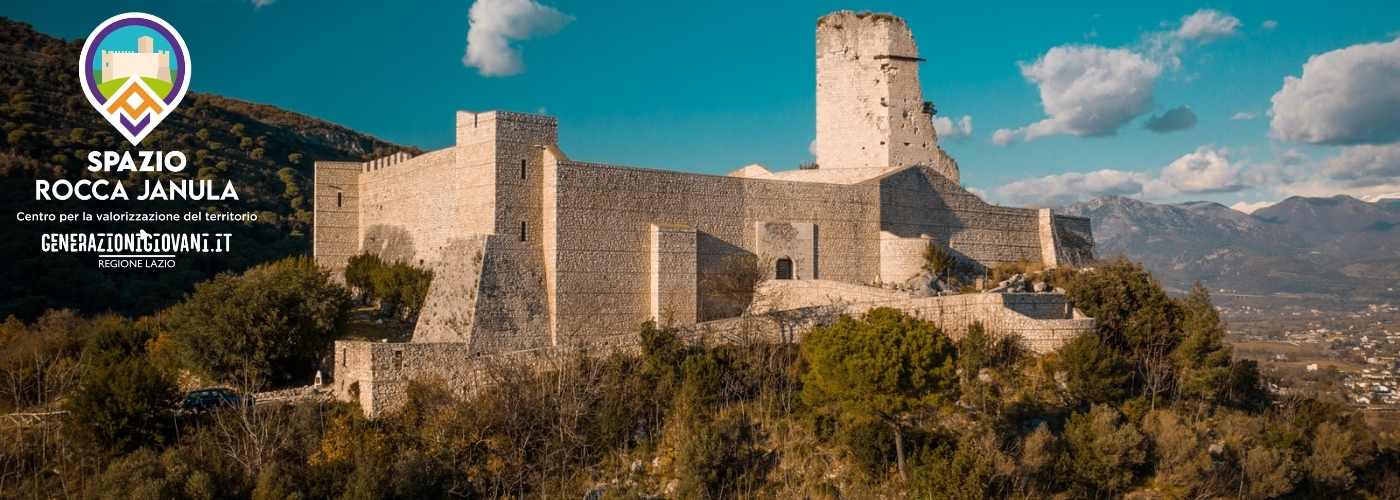
The Volsci settled this valley in the fifth century BC; the Romans defeated them in 312 BC and renamed the place Casinum, raising a temple to Apollo on the citadel above. After centuries of use and slow decline, the remaining inhabitants abandoned the lower site around 866 and moved to higher ground — a place that would eventually be called San Germano, and then, since 1871, Cassino.
The modern city carries the deepest scar from March 1944, when Allied bombardment and artillery fire razed it entirely. Of a population of 20,000, more than 2,000 civilians were killed. The abbey on the mountain — already a ruin by then — was rebuilt over the following decades and reconsecrated by Pope Paul VI in 1964. The town itself was reconstructed through the 1960s, piece by piece.
Who and what shaped it
People who shaped it
Landmark buildings
See Cassino in motion
Plan your visit
On the map
When to go
Summers run warm and sunny, with July averaging over nine hours of daylight and temperatures reaching 29°C — comfortable for walking the hillside up to the abbey. Winter is mild but genuinely wet; November is the rainiest month, and January can dip to around 11°C. Spring and early autumn offer the most balanced conditions.
Right now
↡ Attractions





Background & history adapted from Wikipedia (CC BY-SA) · specs from Wikidata (CC0) · weather from Open-Meteo · map data © OpenStreetMap contributors · photos from Wikimedia Commons / Unsplash with per-image credit. No third-party reviews or social posts reproduced.