
Mausoleo di Ummidia Quadratilla
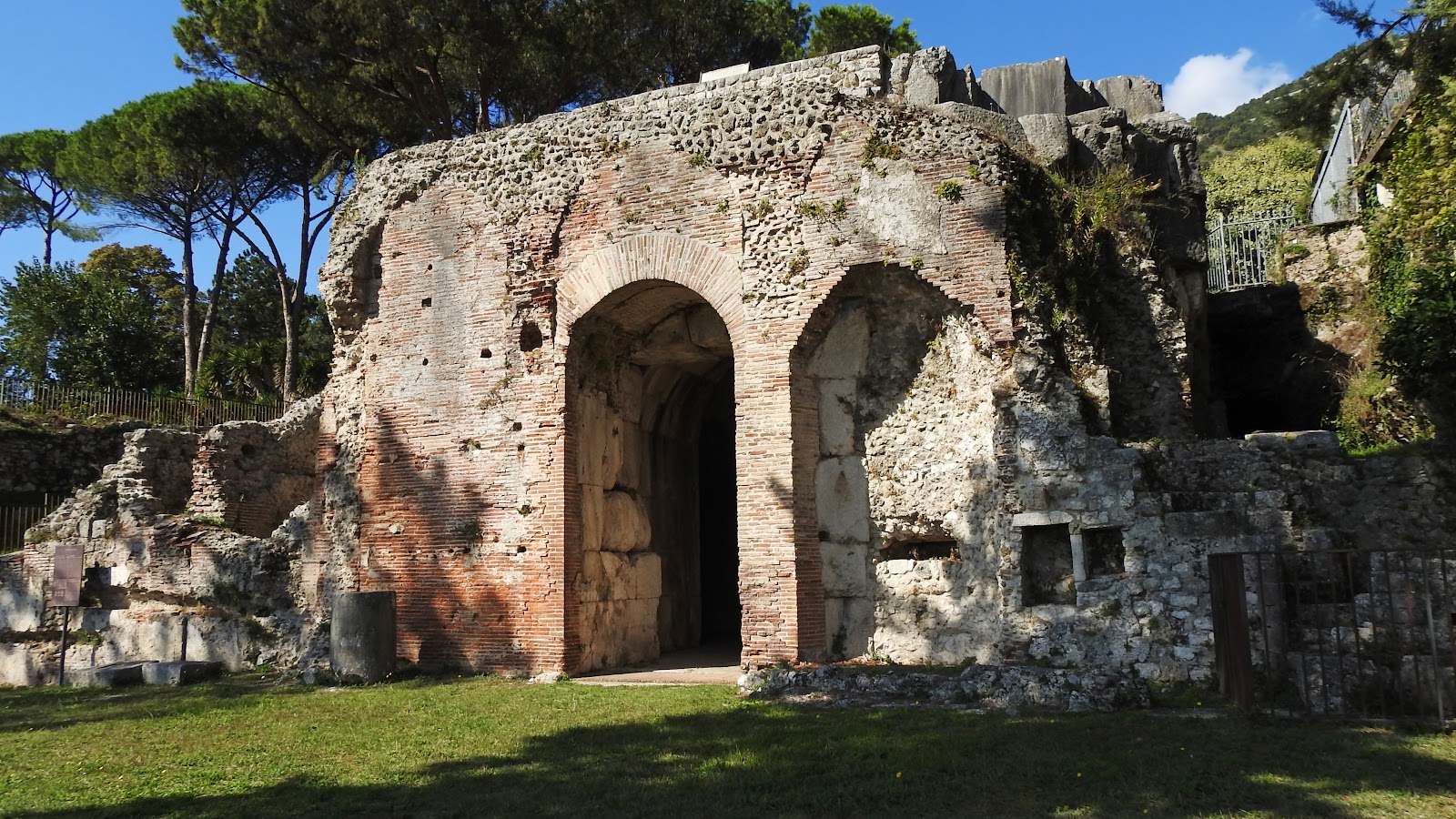
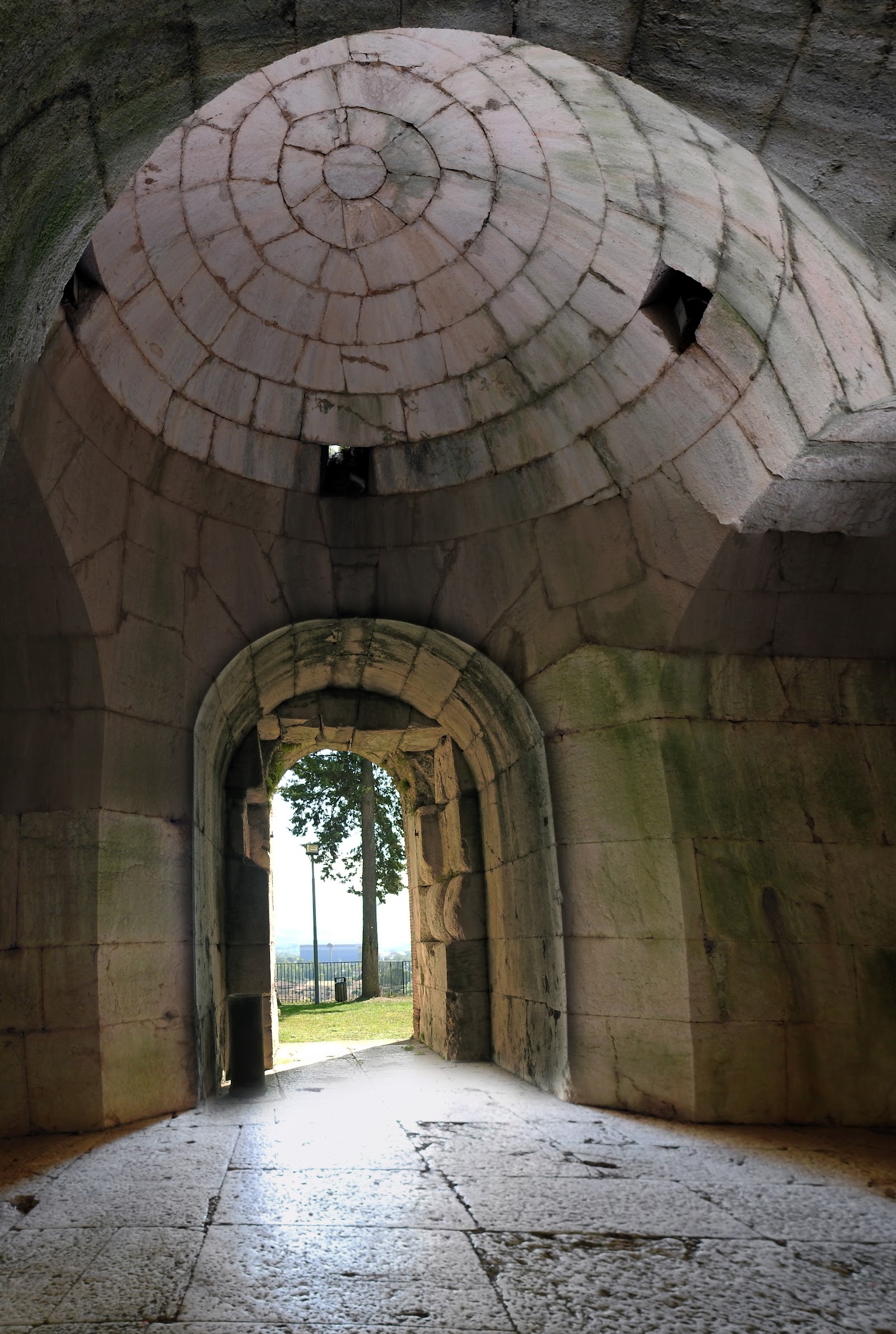
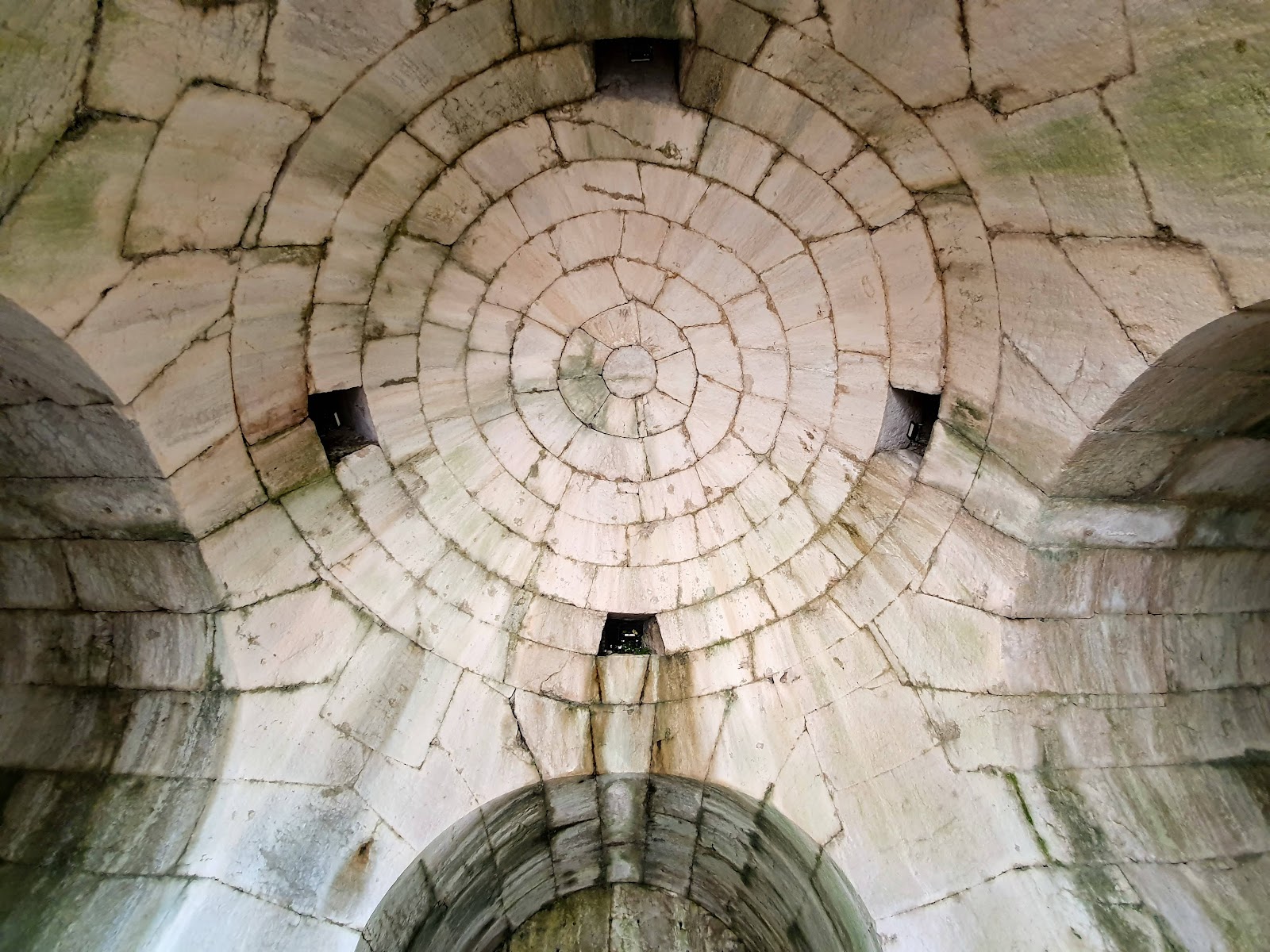
On the south-eastern slopes of Montecassino, a compact Roman tomb stands in large, dry-laid stone blocks — no mortar, just lead brackets holding the whole thing together across two thousand years. The Greek-cross plan, its four arms each barely three metres wide, opens into a perfectly circular vault rising eight and a half metres above your head. Four narrow openings let in just enough light to make the geometry legible.
For most of its life this was not just a mausoleum. Around the year 1000 it became a church dedicated to San Nicola di Bari, then gained Baroque decoration in the seventeenth century. Allied bombing in the Second World War stripped away those later layers. What you see now is the Roman core, cleaned back to itself.
💛 What travellers fall for
People who make the effort to find it — and the signage will test you — tend to linger longer than expected inside that domed chamber, tracing the geometry. Combine the visit with the Archaeological Museum 130 metres up the road; the staff there can point you toward the entrance and add context that the site itself doesn't provide.
The story behind Mausoleo di Ummidia Quadratilla
Ummidia Quadratilla was a Roman noblewoman of senatorial rank from Casinum, born around 28 AD and living to nearly eighty. She funded the town's amphitheatre and temple at her own expense, restored the local theatre, and hosted a public banquet for decurions and citizens upon its rededication. An inscription found in 1757 records her generosity directly. The mausoleum in the archaeological zone is attributed to her family, though some scholars have proposed other candidates and the attribution remains debated.
By around 1000 CE the structure had been folded into a church dedicated to San Nicola di Bari, later renamed for the Cross — a nod, perhaps, to the building's own Greek-cross plan. Baroque embellishments followed in the seventeenth century. The wartime bombardments that reshaped Cassino destroyed the church overlay; frescoes were salvaged and taken to Montecassino. The Roman shell survived intact.
Good to know
Access is through the Cassino Archaeological Museum, and the mausoleum is included in the museum ticket. Signage on the ground is poor, so ask at the museum before heading out. May through October gives the most comfortable temperatures for walking the archaeological zone. From Cassino station, the site is reachable on foot.
May through October is the practical window — temperatures sit between 21 and 29°C and the site gets genuine afternoon sun. July and August are dry but can be hot; if you visit then, go in the morning. November through February brings the heaviest rain and as little as three hours of daylight sun.
Where is Mausoleo di Ummidia Quadratilla?
More tickets & tours for Mausoleo di Ummidia Quadratilla
Book directly at the provider
What travellers say about Mausoleo di Ummidia Quadratilla
Included in the museum entry fee. Not so well maintained but worth a visit.
Small tomb with domed roof, entry through the archeological museum
An element included in the visit to the Cassino Archaeological Museum. The Mausoleum of Ummidia Quadratilia is a monumental tomb from the 1st century AD dedicated to a wealthy Roman matron. A perfect example of a perfectly preserved Roman tomb, it testifies to the importance of the Ummidia family in Cassino.
It is a small mausoleum from the 1st century AD, with a square plan, built on the Via Latina to Ummidia Quadratilla. The exterior of the structure is made of red brick, while inside there are three chambers and a large dome on the ceiling. The entire structure is covered with large limestone blocks. In the Middle Ages, it was converted into a church. This excellent building can be visited with a ticket provided by the archaeological museum.
I was speechless by the beauty of this mausoleum. It's worth a visit.
More of Cassino
Discover where to stay, what to do and the best deals for your trip.
Explore Cassino →More attractions in Cassino
All of Cassino →


Background adapted from Wikipedia (CC BY-SA) · map data © OpenStreetMap contributors · ratings & place photos via Google · other photos with per-image credit. Ticket links may earn us a commission at no extra cost to you.