
Rocca Janula
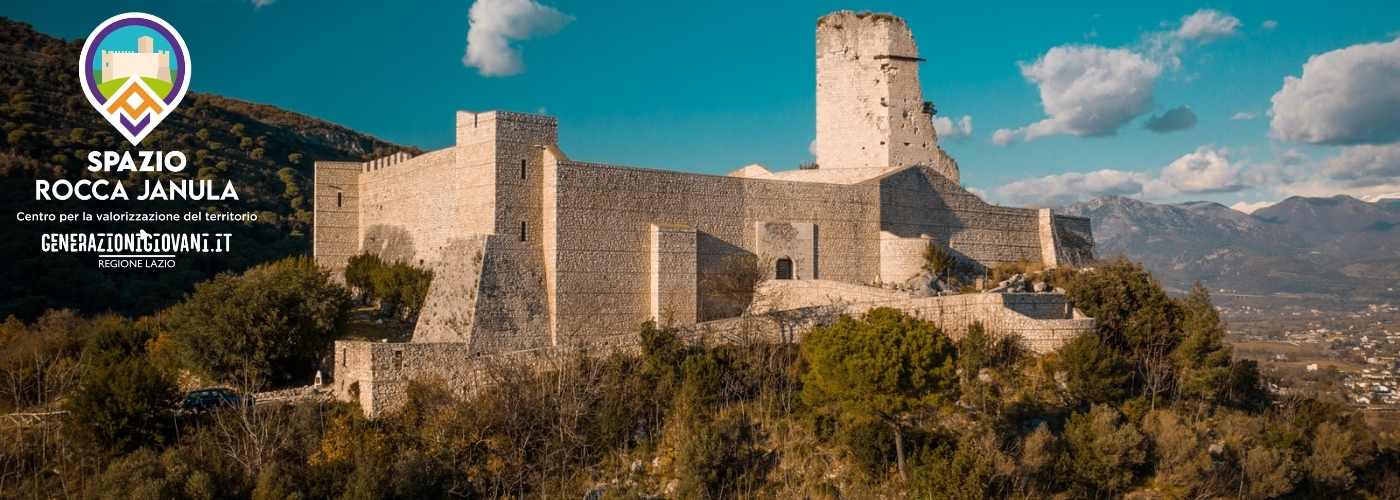
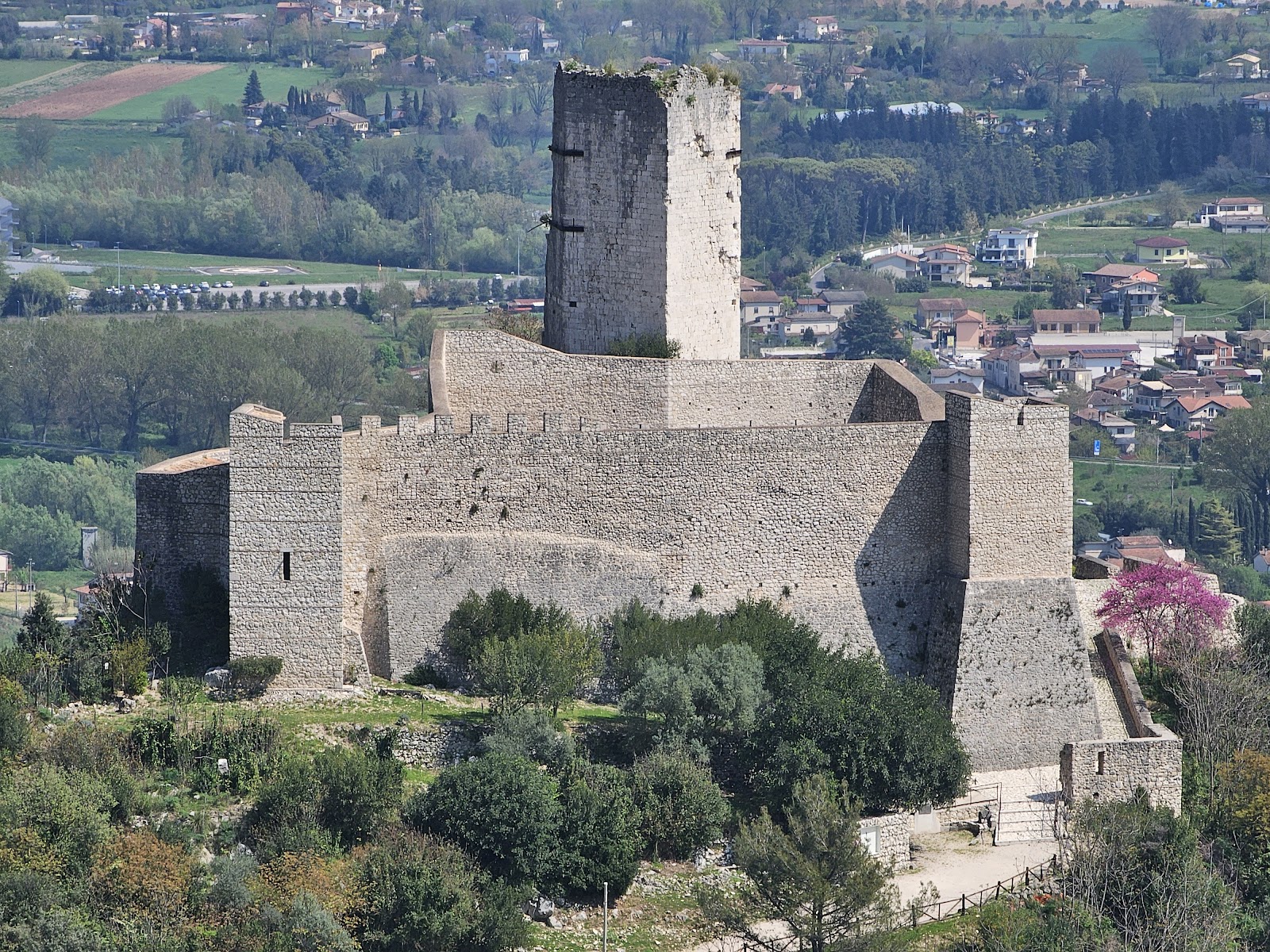
At 187 metres above the Liri Valley, Rocca Janula sits on its limestone spur with the quiet authority of something that has outlasted almost everything around it. The pentagonal tower — 20 metres of Swabian stonework — is the most legible survivor: built by Benedictine abbots, demolished by Frederick II, rebuilt by Frederick II, then half-erased again by the Second World War.
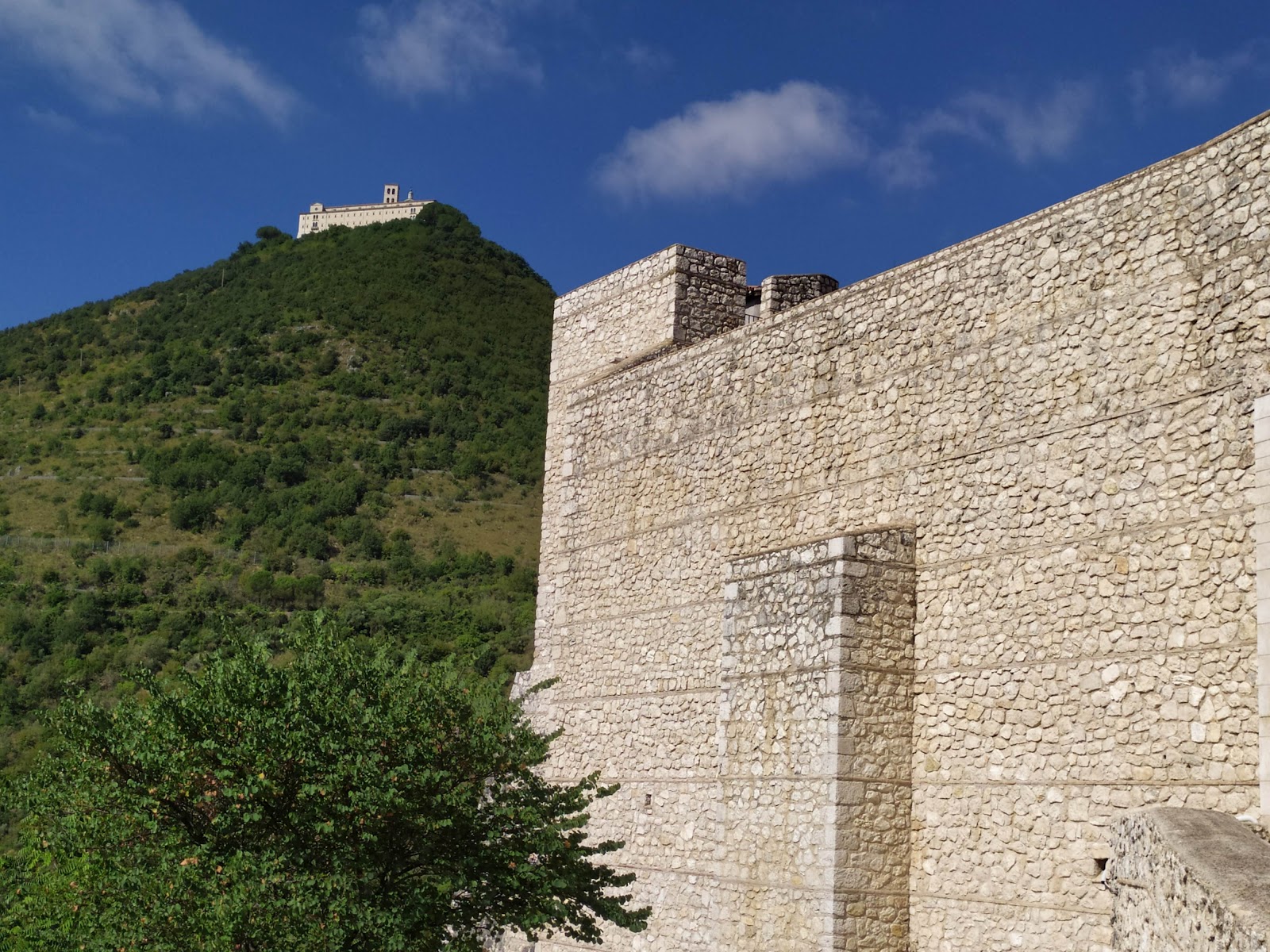
What remains is more fragment than fortress, but the fragments are good ones. Medieval patrol walkways still trace the walls, the Church of Santissima Maria dell'Annunziata occupies the great courtyard, and a preserved rainwater cistern recalls the blunt arithmetic of siege survival. The views across to the Abruzzo mountains are unobstructed and genuinely wide.
💛 What travellers fall for
People who come back tend to time it for late afternoon, when the stone catches the low light and the valley below goes gold. The guided tour runs about ninety minutes and the guides — connected to the Corvi di Giano historical association that keeps the place running — tend to know the layers of the masonry personally. Wear proper shoes; the terrain earns that advice.
The story behind Rocca Janula
Abbot Aligerno ordered the fortress built around the mid-tenth century to protect the Abbey of Montecassino and the settlement below, then called San Germano. His successor Mansone reinforced the walls before a 1004 earthquake brought significant ruin. A century later, Abbot Gerardo retook the site from local rebels and rebuilt it properly — adding the pentagonal tower and a chapel in the central courtyard. Abbot Roffredo de Insula later ringed the lower settlement with moats and an outer wall circuit.
Frederick II demolished the whole complex in 1221, then rebuilt it in 1229; the Swabian masonry from that reconstruction is still readable in the stonework. The fortress passed eventually to the Bourbon crown, and the Second World War left it severely damaged. A restoration running from 1996 to 2013, funded by the Italian Ministries for Cultural Heritage and Tourism, brought it back to public use; it reopened on 25 September 2015.
Good to know
Free entry, with voluntary donations. From Cassino centre, follow Via Montecassino (SR149) for about 3.4 km — ten minutes by car to the gate. Summer hours run daily 10:00–18:30; the rest of the year, weekends only. Confirm hours before going, as events occasionally shift the schedule.
Spring and autumn offer the most forgiving conditions for the climb — mild temperatures and clear sightlines across the valley. Summer mornings are manageable, but the exposed hilltop turns punishing by midday; go early or late. Winter weekends can be cool and quiet, with the stone looking its most austere.
Where is Rocca Janula?
More tickets & tours for Rocca Janula
Book directly at the provider
What travellers say about Rocca Janula
Amazing impromptu stopoff on our way up to Montecassino. Our guide Fortunato was so well informed, friendly and perfect in every way, it really made our day.
Walked up in evening when shut. Beautiful views but difficult to get to, loads of fly-tipping everywhere. Enjoyable walk though.
A good historical site, kids loved it too.
Breathtaking
Under construction but not closed
More of Cassino
Discover where to stay, what to do and the best deals for your trip.
Explore Cassino →More attractions in Cassino
All of Cassino →


Background adapted from Wikipedia (CC BY-SA) · map data © OpenStreetMap contributors · ratings & place photos via Google · other photos with per-image credit. Ticket links may earn us a commission at no extra cost to you.