
Rieti
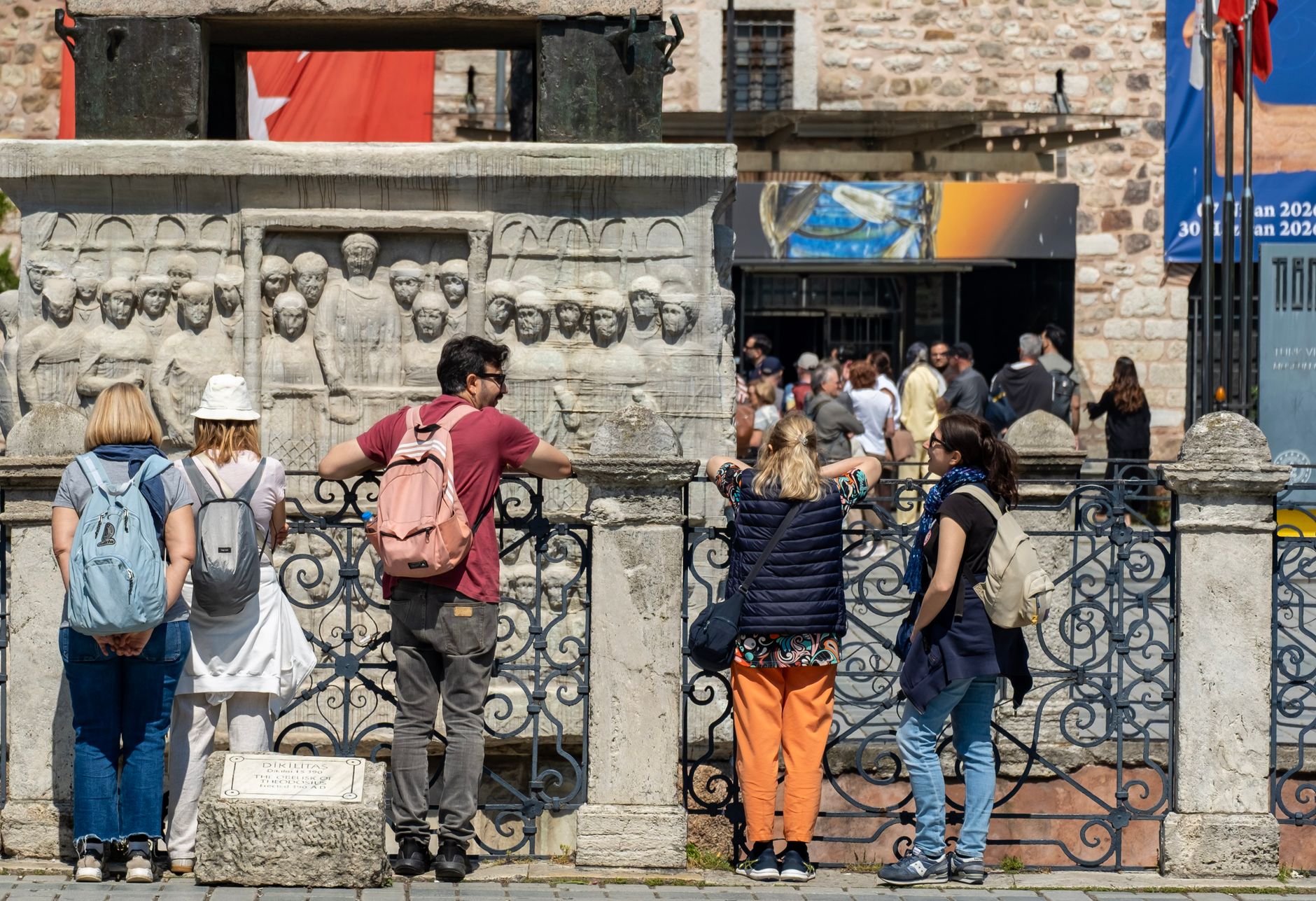
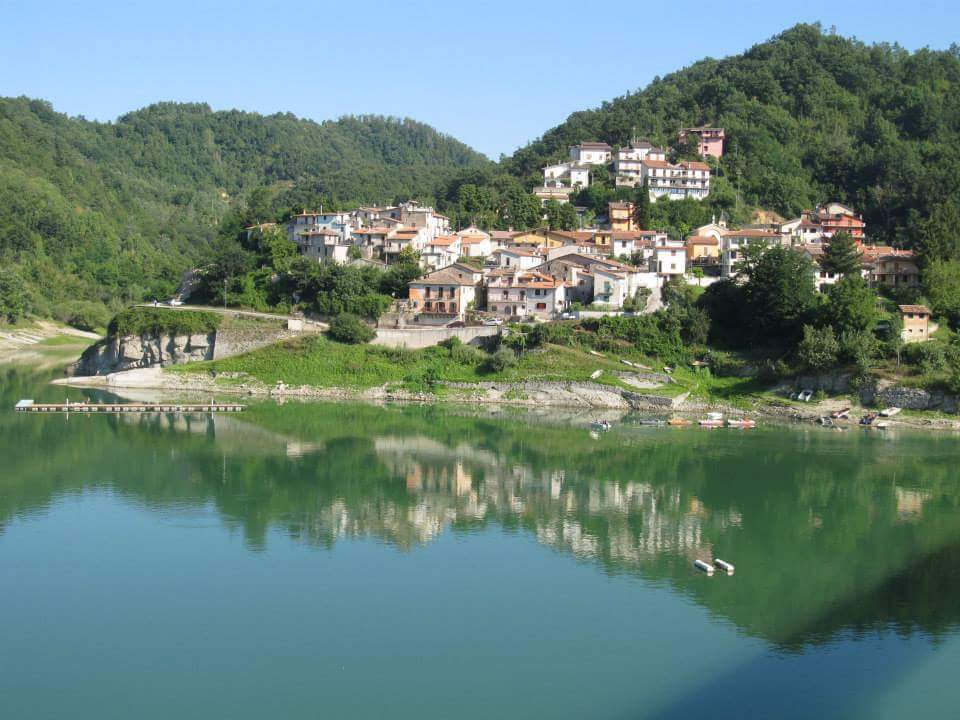
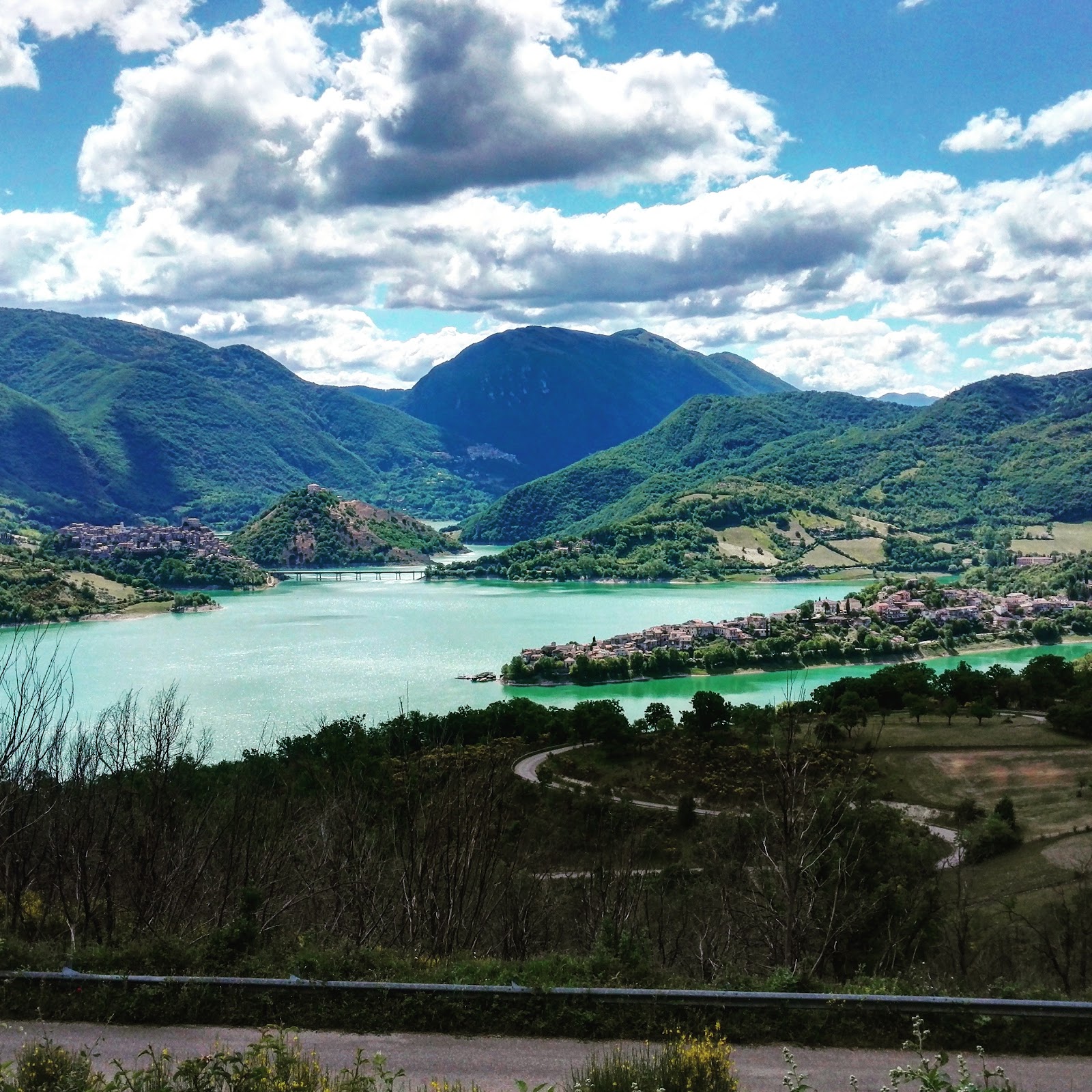
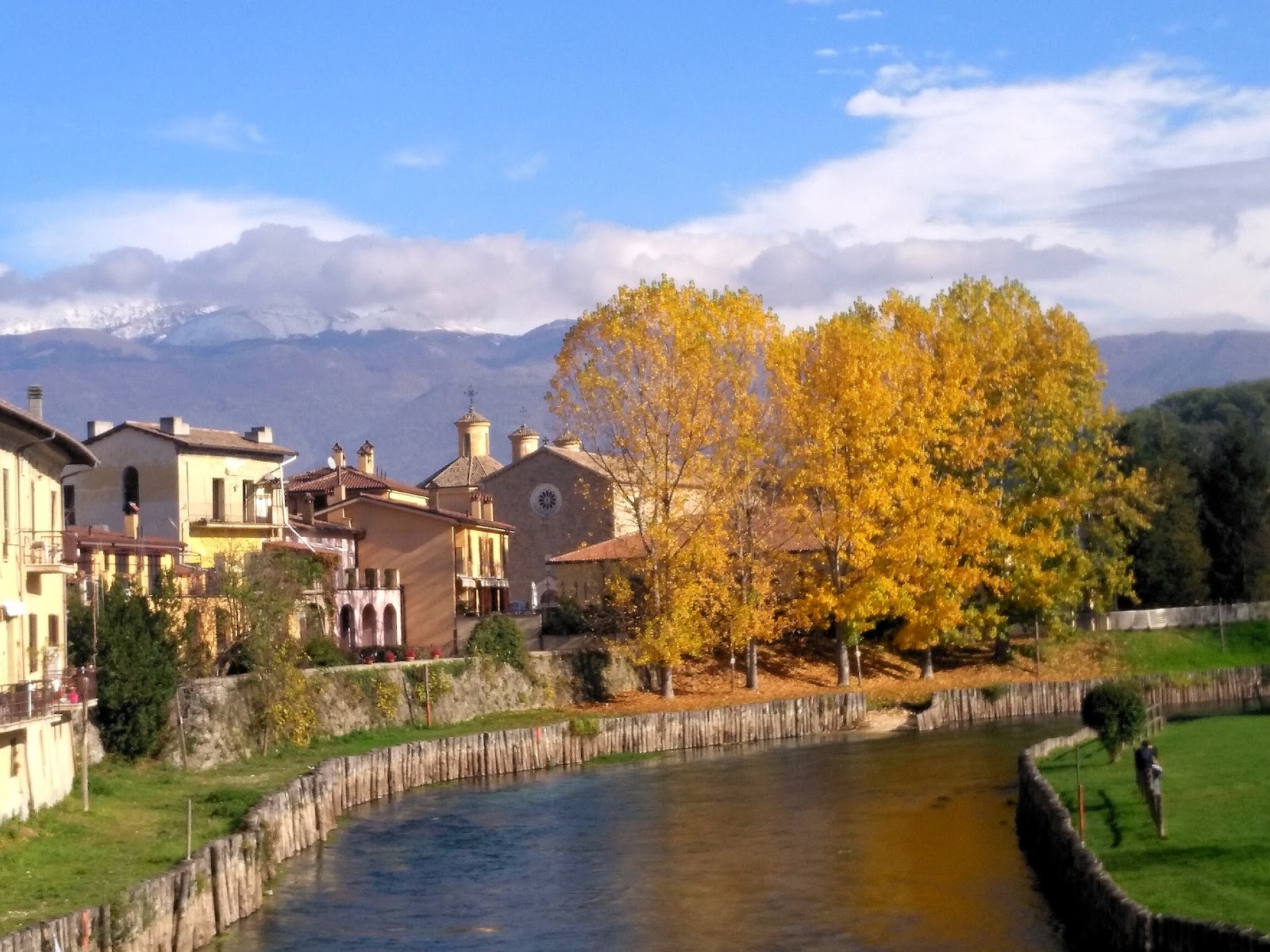
Rieti sits at what Romans called the geographical centre of Italy — a claim the town takes seriously enough to have marked the spot. The Velino river cuts through the valley below the old walls, a valley that only exists because a Roman consul named Manius Curius Dentatus drained a lake here in 290 BC, diverting the Velino into the Nera and turning marshland into farmable plain. That act of hydraulic ambition still shapes everything you see from the city's edge.
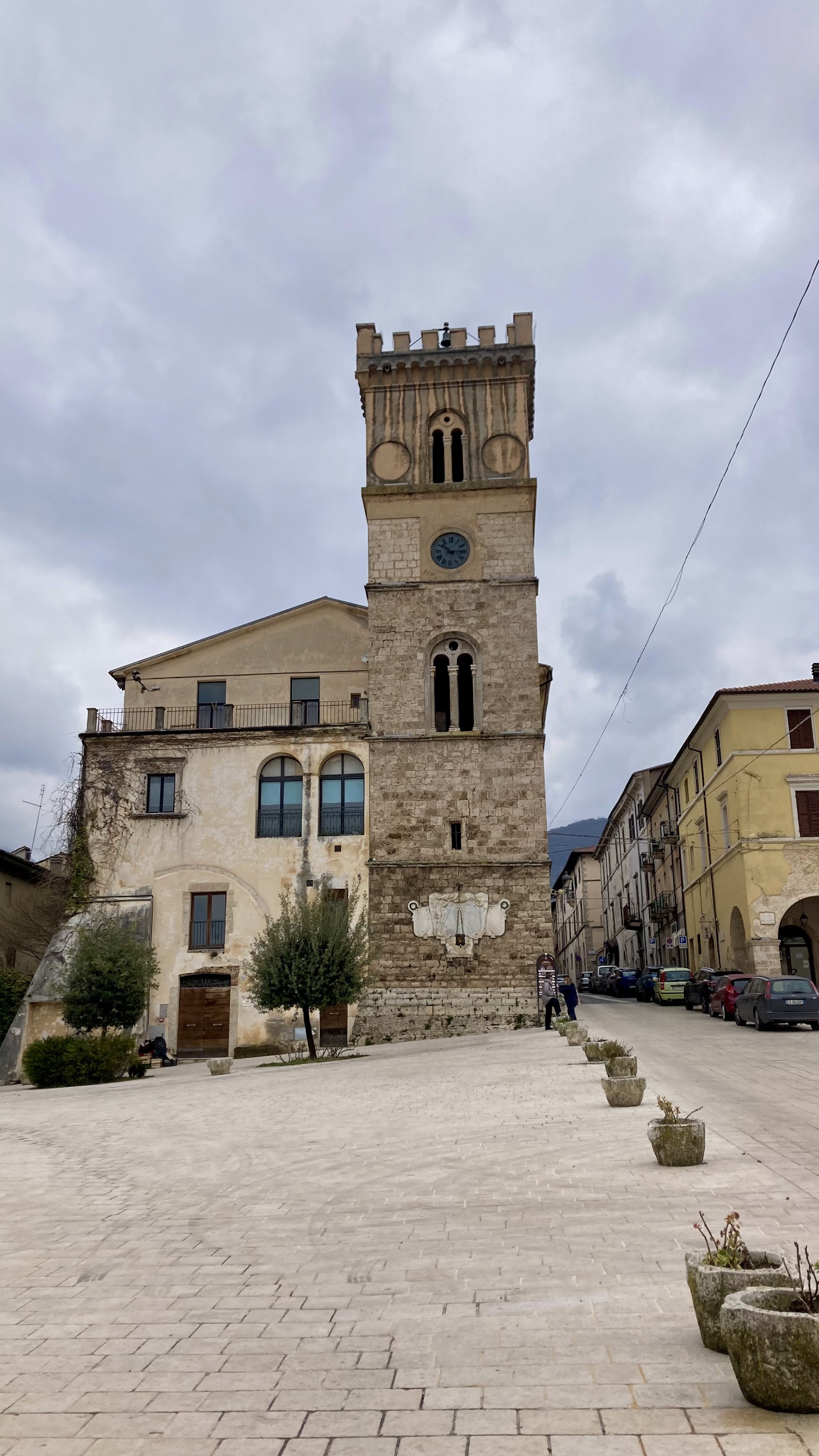
The historic centre is compact and largely intact inside its 13th-century walls, with a cathedral that took over five centuries to complete and a town square sitting directly on top of the old Roman forum. Kobe Bryant grew up here. Marcus Terentius Varro was born here. The place accumulates lives in unexpected ways.
💛 What travellers fall for
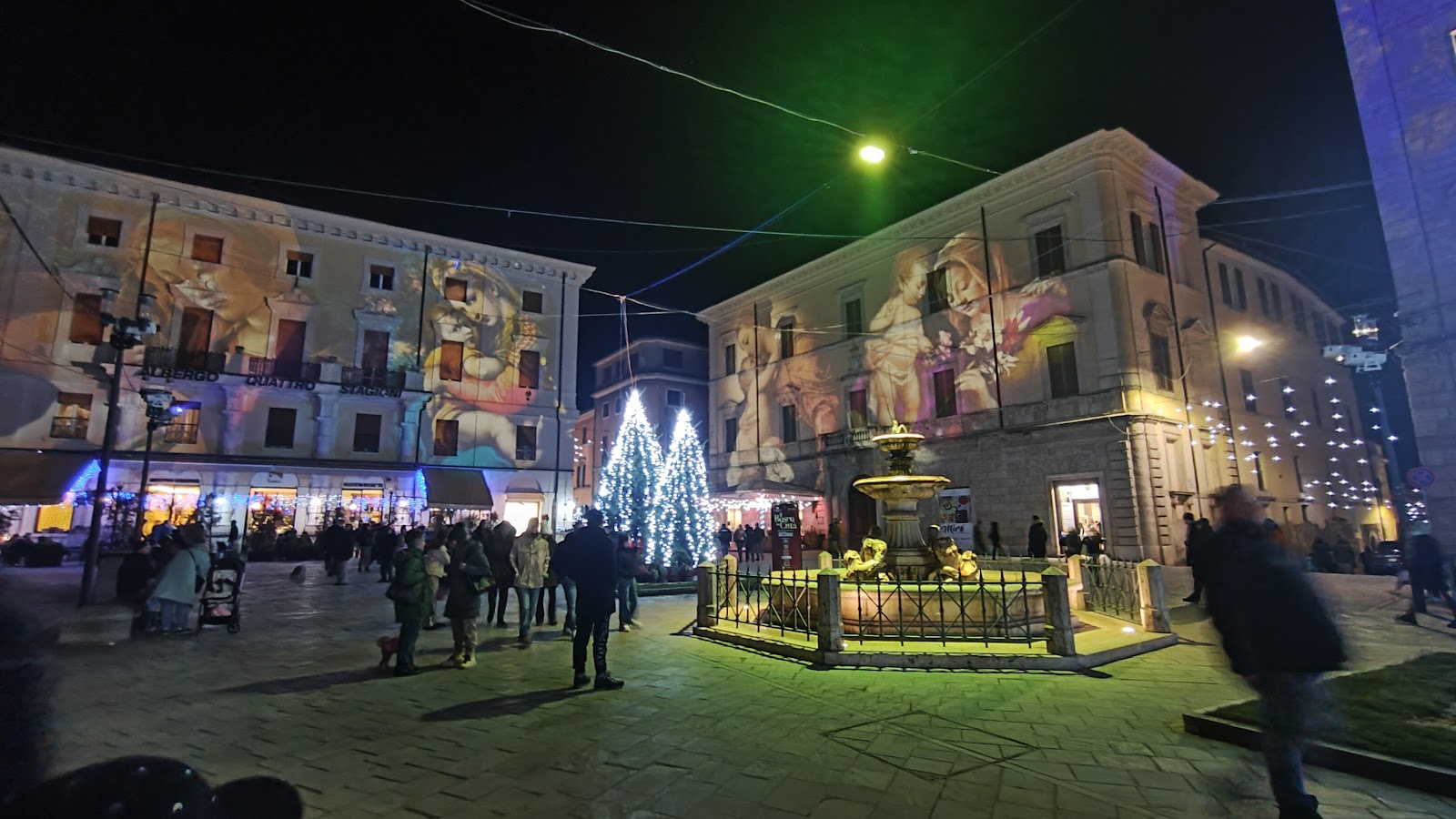
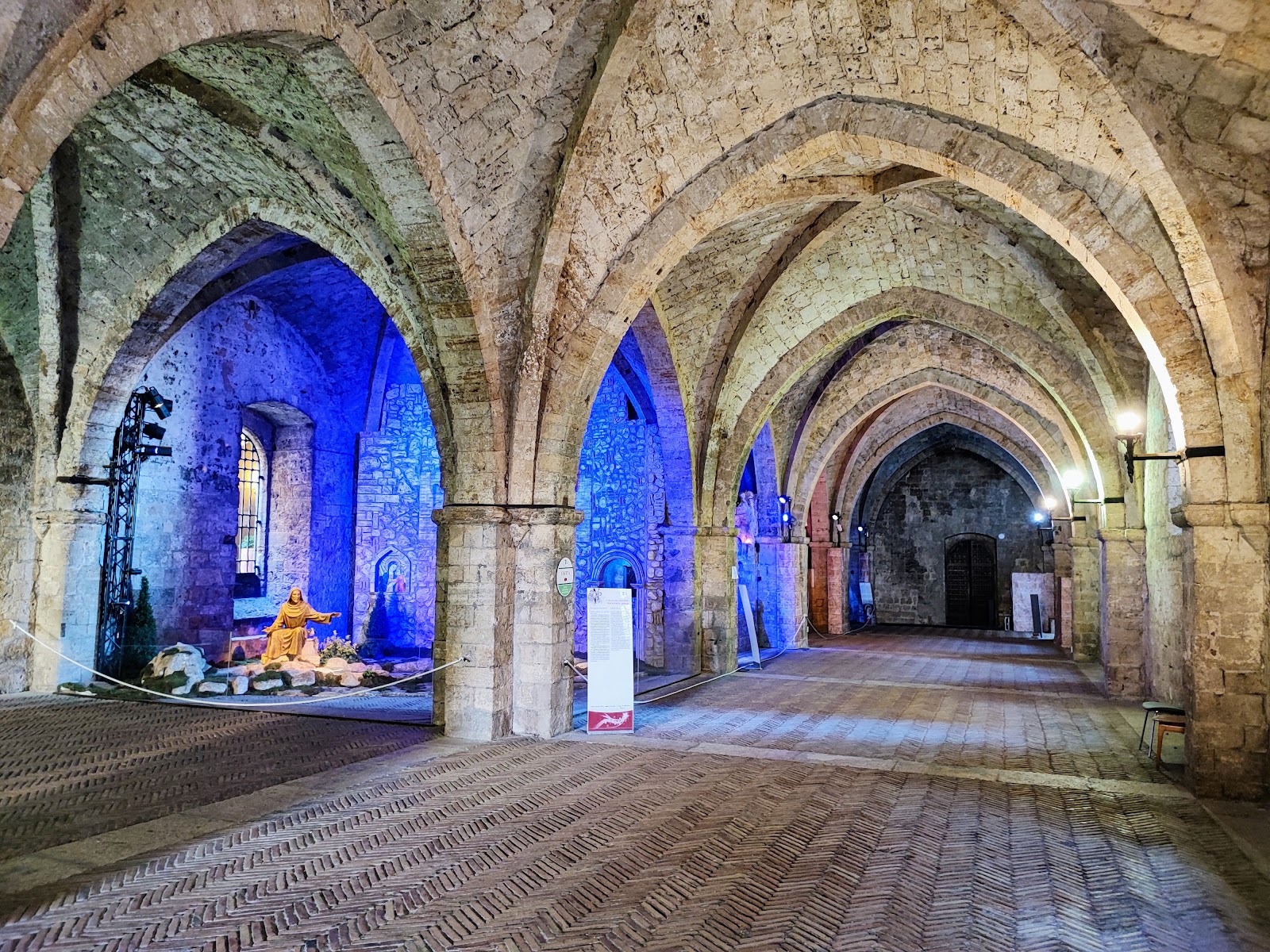
People who come back tend to mention the same sequence: coffee on Piazza Vittorio Emanuele II in the morning, then down into Rieti Sotterranea for the guided tunnel walk before the heat builds, and a long afternoon along the Velino near the Ponte Romano. The underground tour books up — sort it before you arrive.
Experiences you don't want to miss



Deals in Rieti
Book directly at the provider


How Rieti came to be
The site was Sabine territory long before Rome took notice — inhabited first by the Umbri, then the Aborigines, then the Sabines, who gave the surrounding hills their particular character. Rome's final conquest came in 290 BC under Manius Curius Dentatus, who not only secured the town but reshaped its geography, draining the Lacus Velinus and opening the plain to settlement. Rieti became a node on the Via Salaria, the old salt road running to the Adriatic.
Through the medieval period it passed into the Lombard Duchy of Spoleto, then into the Papal States, serving as a provincial capital from 1816 until Italian unification in 1860. It entered Lazio only in 1923, having briefly belonged to Umbria — a jurisdictional footnote that still surfaces in local conversations about identity.
Who and what shaped it
People who shaped it
Landmark buildings
See Rieti in motion
Plan your visit
On the map
When to go
Summers in Rieti run warm and dry, with temperatures regularly reaching the mid-30s Celsius in July and August. Spring and autumn are milder and more comfortable for walking the walls and the riverside; winters are cool and occasionally wet, but the city stays quiet and unhurried.
Right now
↡ Attractions

Background & history adapted from Wikipedia (CC BY-SA) · specs from Wikidata (CC0) · weather from Open-Meteo · map data © OpenStreetMap contributors · photos from Wikimedia Commons / Unsplash with per-image credit. No third-party reviews or social posts reproduced.