
Museo Civico di Rieti
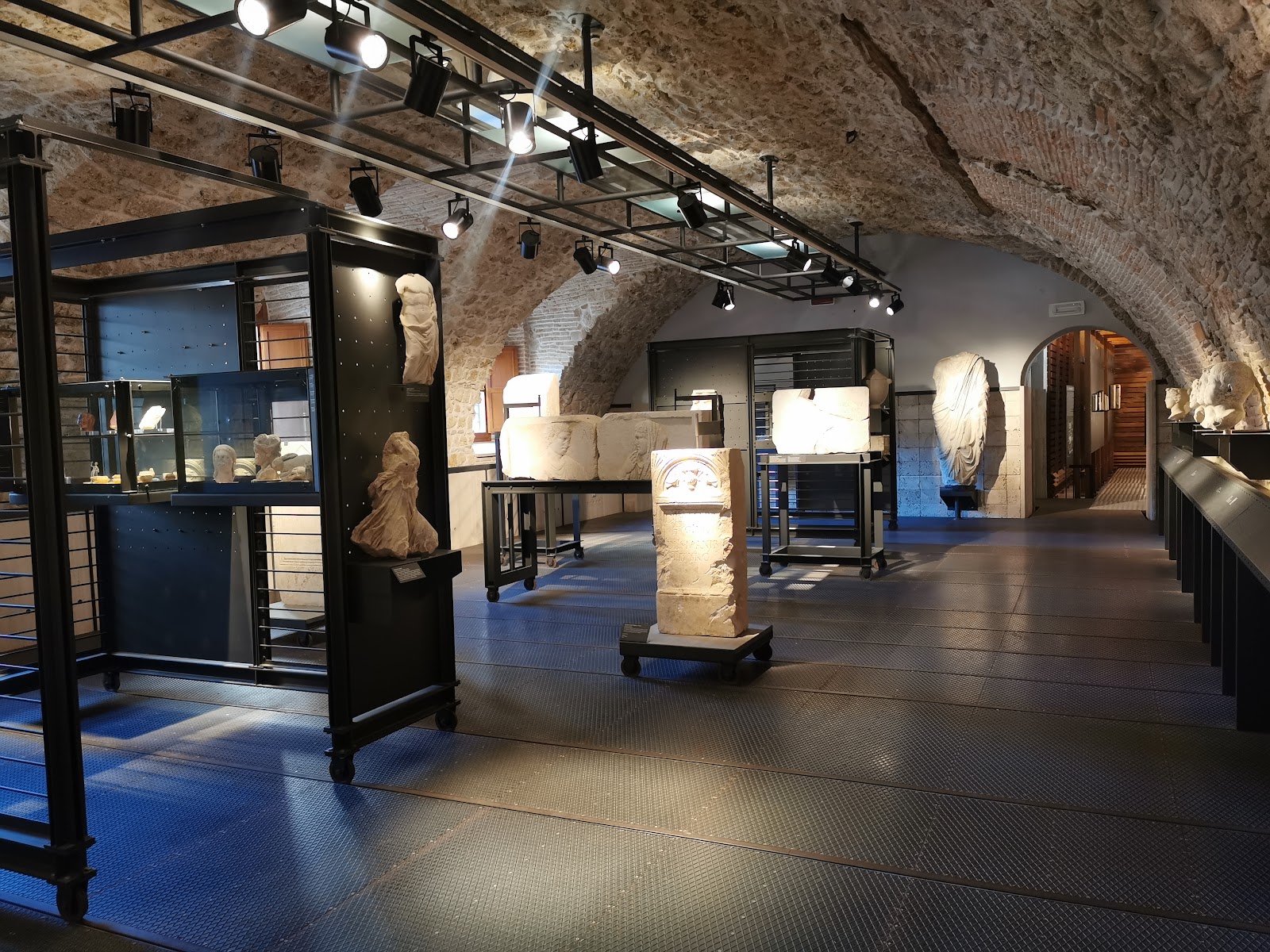
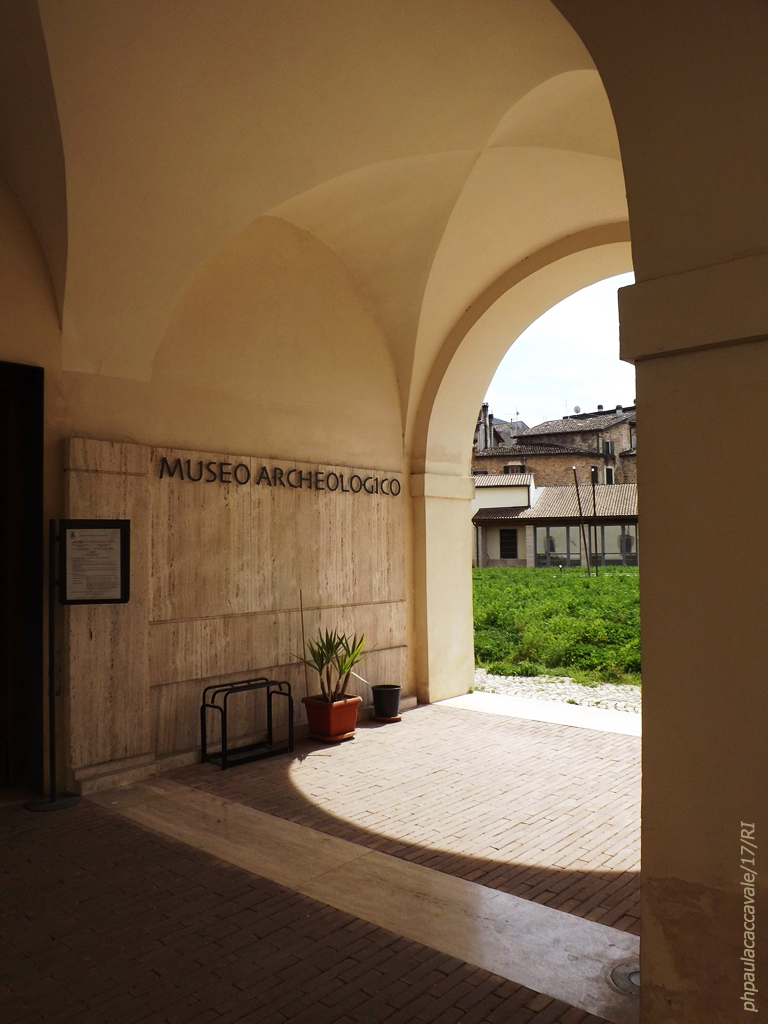
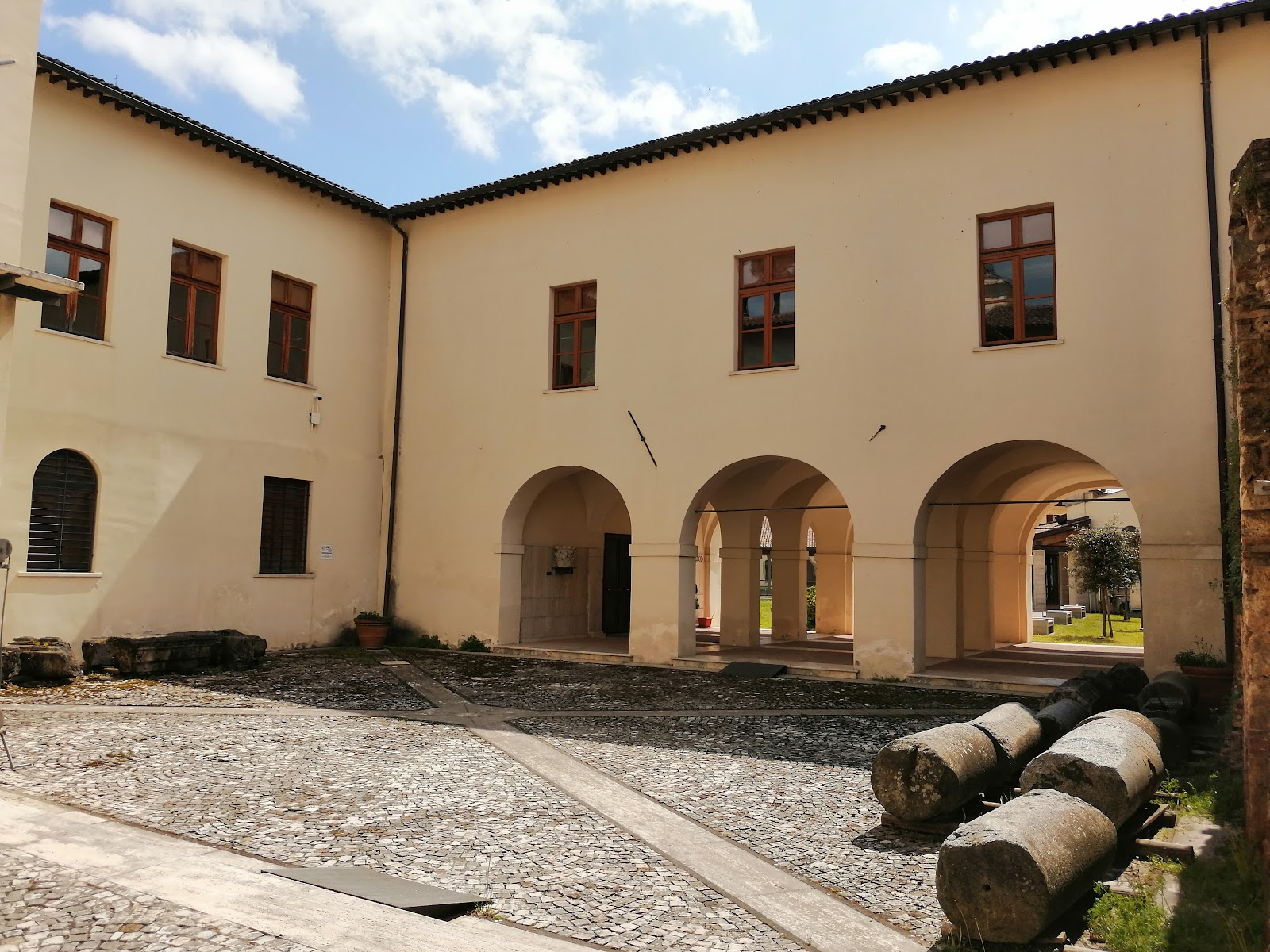
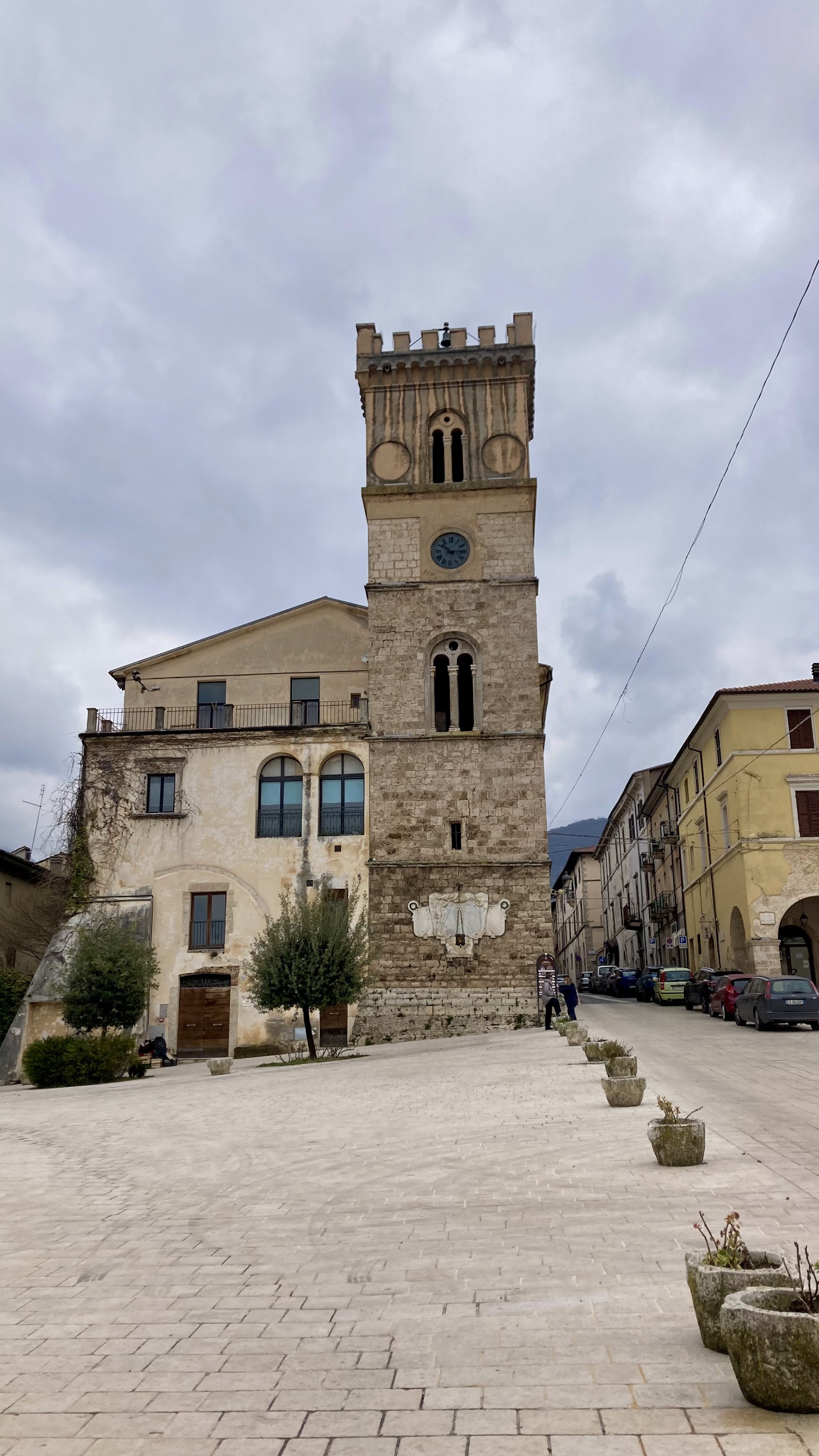
The Museo Civico di Rieti splits itself across two addresses, which tells you something about how it grew — not by design, but by accumulation. The Storico-Artistica section occupies the fourth floor of the Palazzo Comunale on Piazza Vittorio Emanuele II, while the Archeologica section keeps its Roman reliefs and necropolis finds in a former monastery on Via S. Anna.
What you find inside is the collected residue of a provincial city's long self-regard: medieval panels by Zanino di Pietro and Luca di Tommè, a plaster Ebe that Canova made before the marble, and room after room of paintings bequeathed by people who clearly loved this place enough to leave it everything they had.
💛 What travellers fall for
People who come back tend to linger in the Ala dei Sabini section — inaugurated in 2007, it houses the archaeological finds and feels less visited than the painting galleries upstairs. The Canova plaster is the other thing worth slowing down for: seeing the working model rather than the finished marble is its own kind of education.
The story behind Museo Civico di Rieti
The impulse to collect started in the nineteenth century, when ancient inscriptions began piling up at the town hall. After 1862, when a Royal Decree triggered the expropriation of ecclesiastical property across Italy, artworks flooded in. They were first exhibited in 1865 in the Convent of Sant'Agostino, then moved to the town hall in 1909 under the patronage of Umberto Gnoli, Superintendent of Galleries of Umbria, and restorer Giuseppe Colarieti Tosti. The museum was formally instituted and opened to the public in 1911.
What followed was a slow layering of private generosity. Canonico Vincenzo Boschi brought his antiquities collection in 1912. Painter Antonino Calcagnadoro left around a hundred paintings, engravings and sketches in 1935. Scholar Angelo Sacchetti Sassetti added paintings, furniture and writings in 1958. Francesco Palmegiani donated Napoleonic memorabilia and coins in 1952. The Ala dei Sabini, the archaeological wing, opened last of all, in 2007.
Good to know
The museum keeps a winter schedule (mid-September through mid-May): Tuesday through Saturday mornings, Friday afternoons, and the first Sunday of each month. Confirm current admission prices by phone before visiting — figures in circulation online are outdated. Both sections are closed Mondays.
Where is Museo Civico di Rieti?
More tickets & tours for Museo Civico di Rieti
Book directly at the provider
What travellers say about Museo Civico di Rieti
I had an amazing experience at Museo Civico in Rieti! The museum is well-organized and filled with fascinating exhibits that showcase the rich history and culture of the region. The staff were incredibly welcoming, knowledgeable, and always ready to provide insights about the collections. Their passion and dedication truly made my visit memorable. I highly recommend this museum to anyone visiting Rieti!
The Archaeological Museum of Rieti is housed in the 13th-century Convent of Santa Lucia, an evocative setting for reconstructing the city's past. The exhibition rooms recount life in ancient Sabina and the subsequent process of Romanization. The museum collection displays funerary objects, cinerary urns, bronze artifacts, and sculptural fragments.
The Civic Museum is rich in artifacts from the Sabine and Roman periods, many of which date back to the 1st century AD, the reign of Emperor Vespasian, a native of Rieti. Admission is three euros. The staff is very friendly and informative.
The entire region is fantastic: the enchanting beauty of the ancient Sabina landscape, rich in significant history and abbeys, museums, and medieval villages, nestled in the typical Umbrian-Lazio Apennine landscape. The local cuisine and wines are unparalleled, "Topo the Top." You shouldn't rush or make well-defined plans in advance. I recommend arriving and navigating the area "Easy Goin." Once there, develop daily plans based on direct information online. The Proloco Inform.Turistiche services are excellent, offering free books and well-written paper guides. The online information about museums and cultural heritage sites is excellent. Sometimes, discovering a medieval fresco and a local dish is worth the trip, as happened to me, an old wanderer.
A museum absolutely worth visiting, well organised, with competent staff and an exceptional collection.
More of Rieti
Discover where to stay, what to do and the best deals for your trip.
Explore Rieti →More attractions in Rieti
All of Rieti →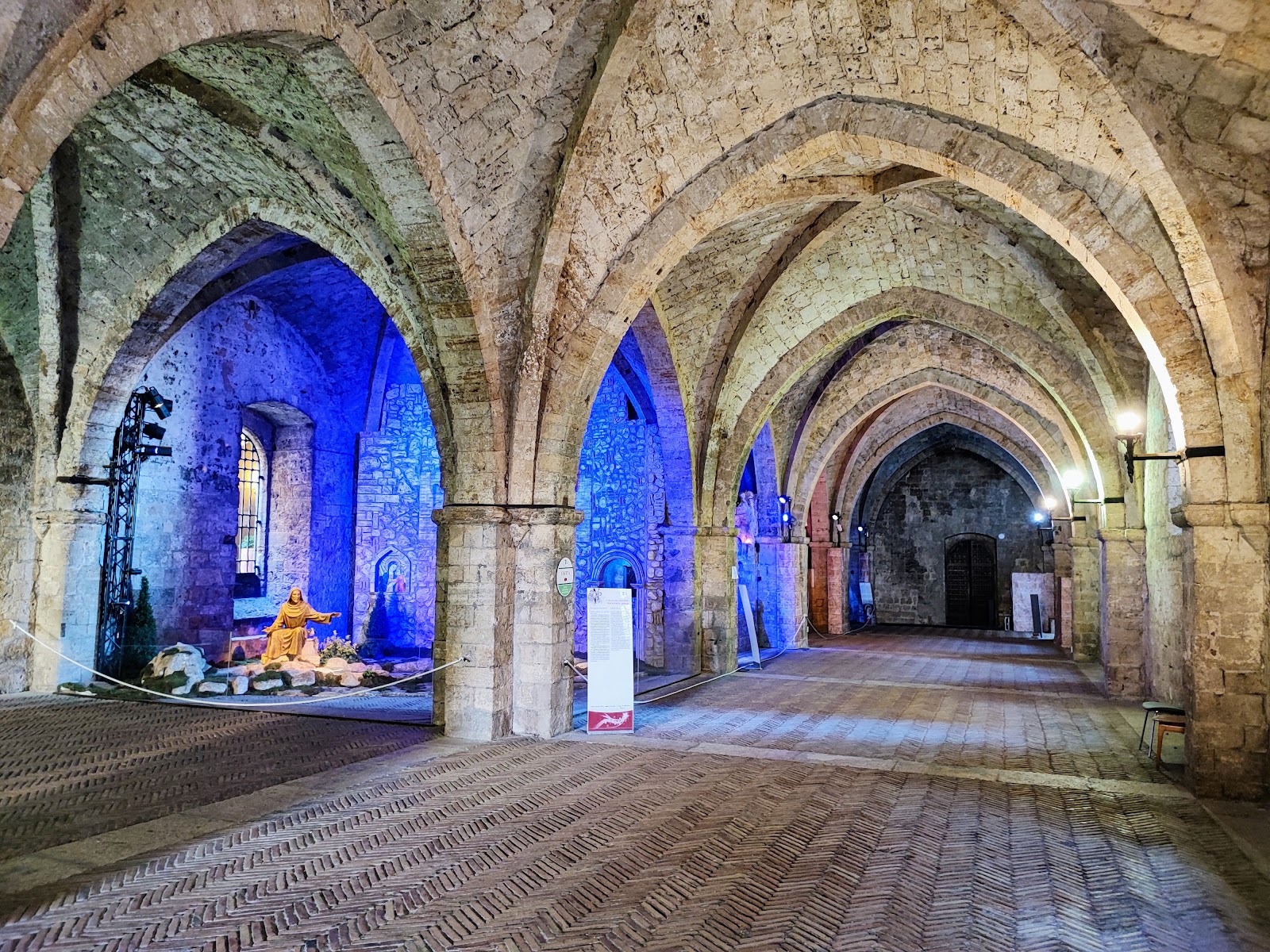

Background adapted from Wikipedia (CC BY-SA) · map data © OpenStreetMap contributors · ratings & place photos via Google · other photos with per-image credit. Ticket links may earn us a commission at no extra cost to you.