
Frosinone
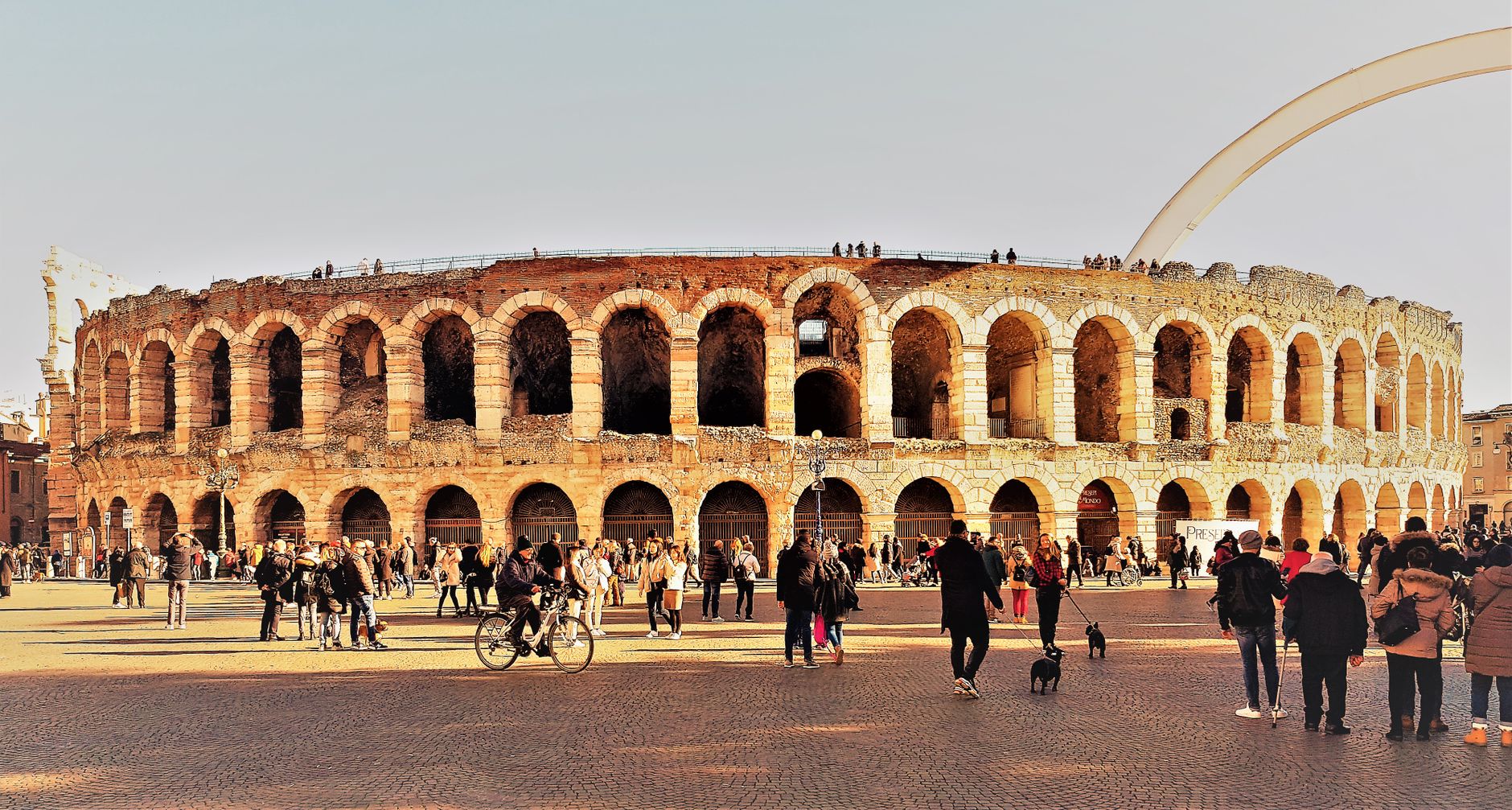
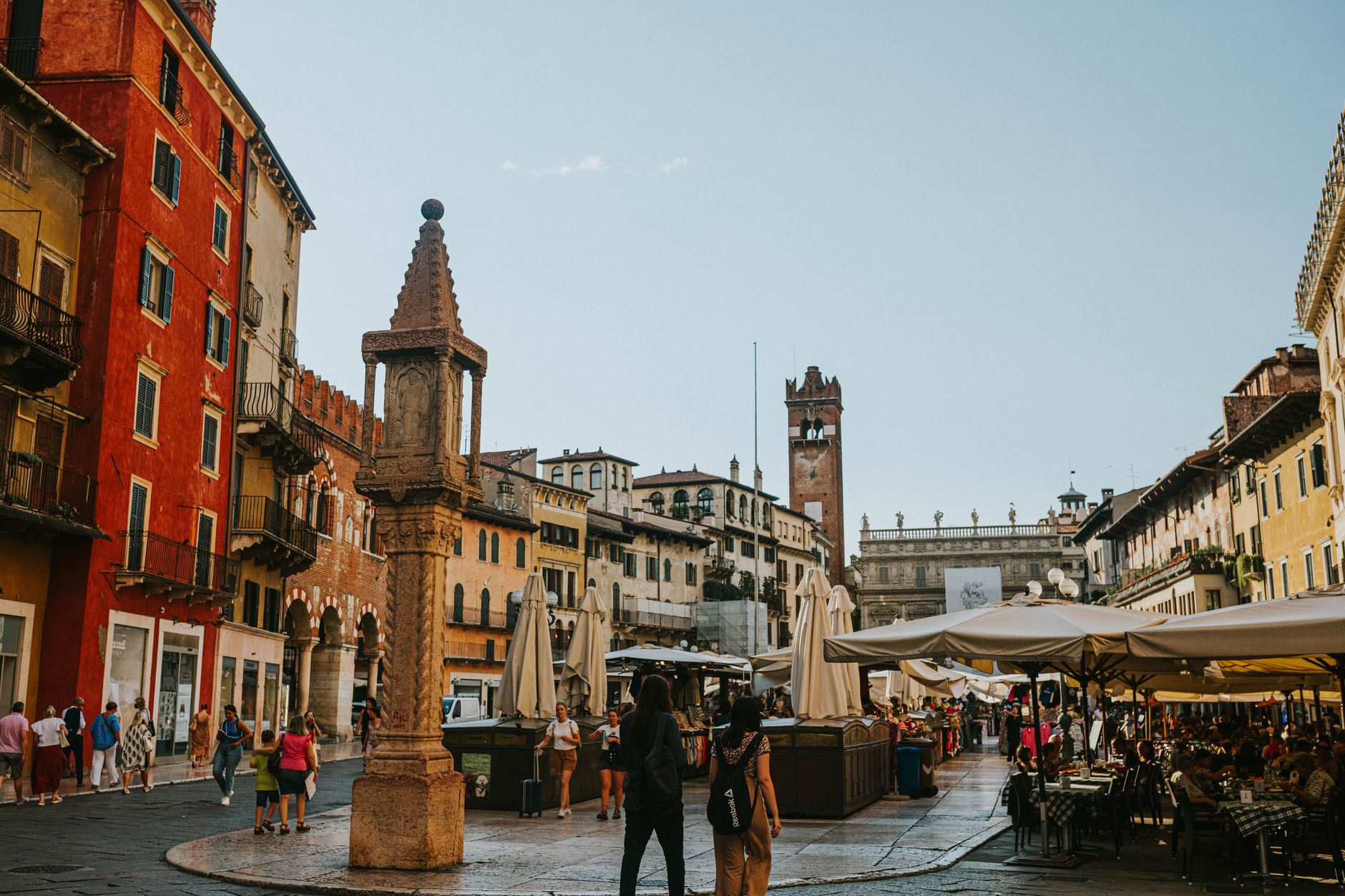
Frosinone sits on a ridge above the Sacco Valley, and the first thing you notice is the light — morning sun catching the old stone lanes of the upper citadel while the valley floor is still in shadow. This is a working Ciociaria town, not a postcard, and that's precisely what makes it worth your time.
The Romans gave it colony status and legionaries their land here. The 1943 Allied bombing campaign hit it 56 times. When Canadian troops arrived in 1944 they found it empty and ruined. What you walk through today was built back, layer by layer, over centuries of earthquake, war and reinvention.
💛 What travellers fall for
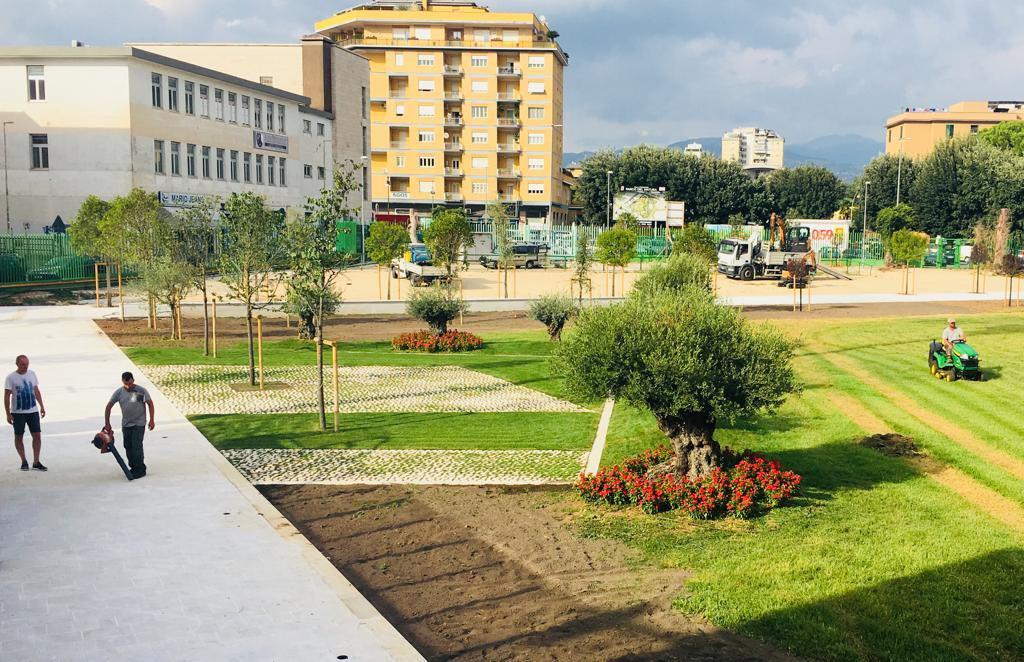
People who come back tend to head straight for the Prefecture terrace on the old Rocca site — the ridge-top view across the Sacco Valley toward the Ernici Mountains is clearest in the early morning before haze builds. The Villa Comunale, spread across several levels of the historic center, is the quieter version of the same panorama, with shade.
Experiences you don't want to miss


Deals in Frosinone
Book directly at the provider

How Frosinone came to be
The Volsci founded this settlement in the 6th century BC — they called it Fruscìno, a forward position facing the stronghold of Alatri. Rome absorbed it, granted citizenship rights, and eventually distributed land here to retiring legionaries. A catastrophic earthquake in September 1349 reshaped it, and the following centuries brought waves of destruction from German, Spanish and French armies, leaving the population repeatedly rebuilding within the medieval citadel walls.
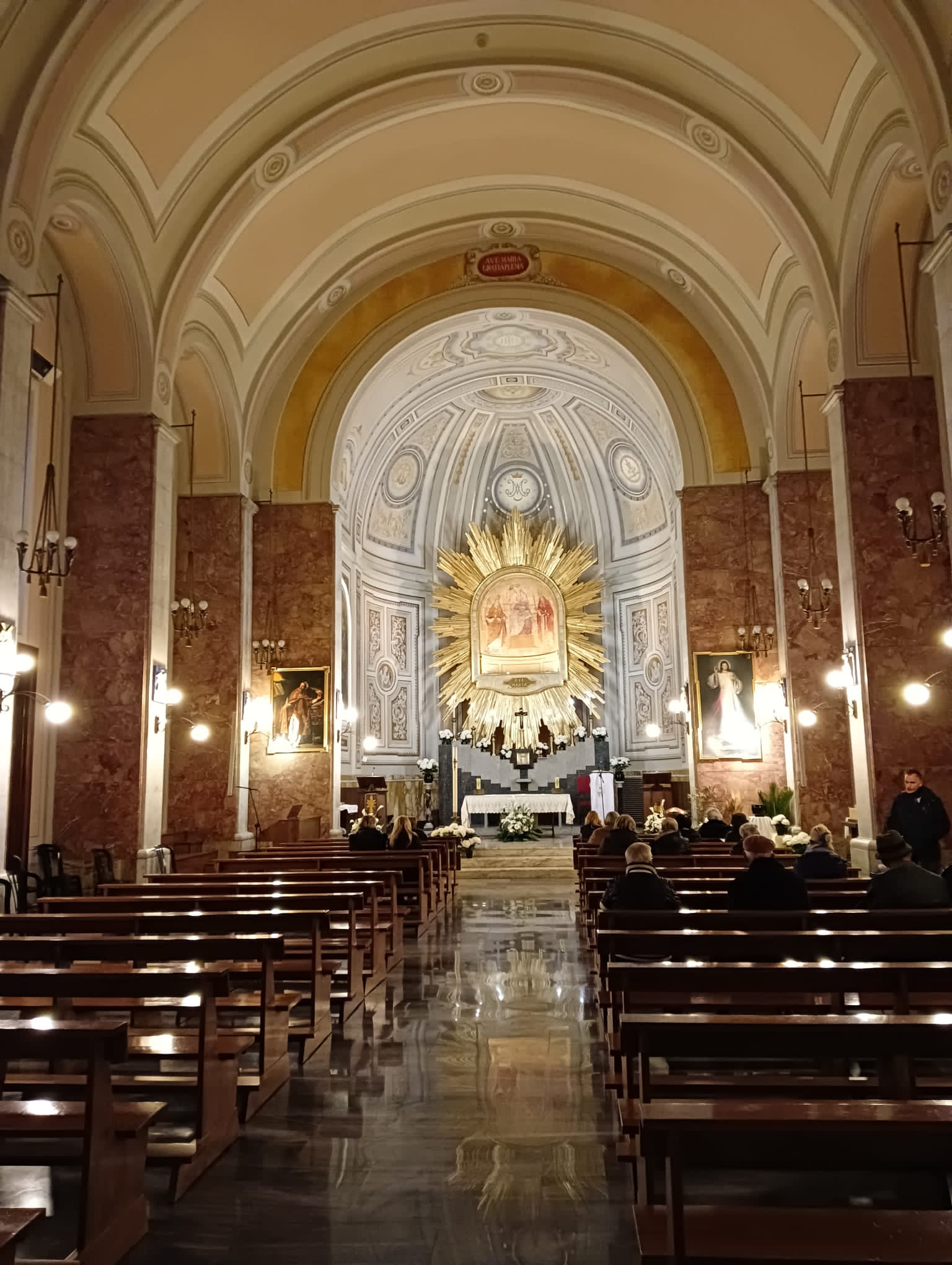
The modern province of Frosinone was only drawn in 1926, by royal decree, stitching together territories from the old provinces of Rome and Caserta. Then came 1943 and 56 Allied bombing raids. The Church of San Benedetto is one of the very few structures that came through intact — a fact the city has not forgotten.
Who and what shaped it
People who shaped it
Landmark buildings
See Frosinone in motion
Plan your visit
On the map
When to go
Summers run hot and dry, touching 30°C in August with clear skies; winters are long and cold, dropping to around 10°C in February with significant rainfall and occasional snow. The sweet spot is May through October, when temperatures sit between 20°C and 30°C and the valley views are at their sharpest.
Right now
↡ Attractions


Background & history adapted from Wikipedia (CC BY-SA) · specs from Wikidata (CC0) · weather from Open-Meteo · map data © OpenStreetMap contributors · photos from Wikimedia Commons / Unsplash with per-image credit. No third-party reviews or social posts reproduced.