
Nettuno
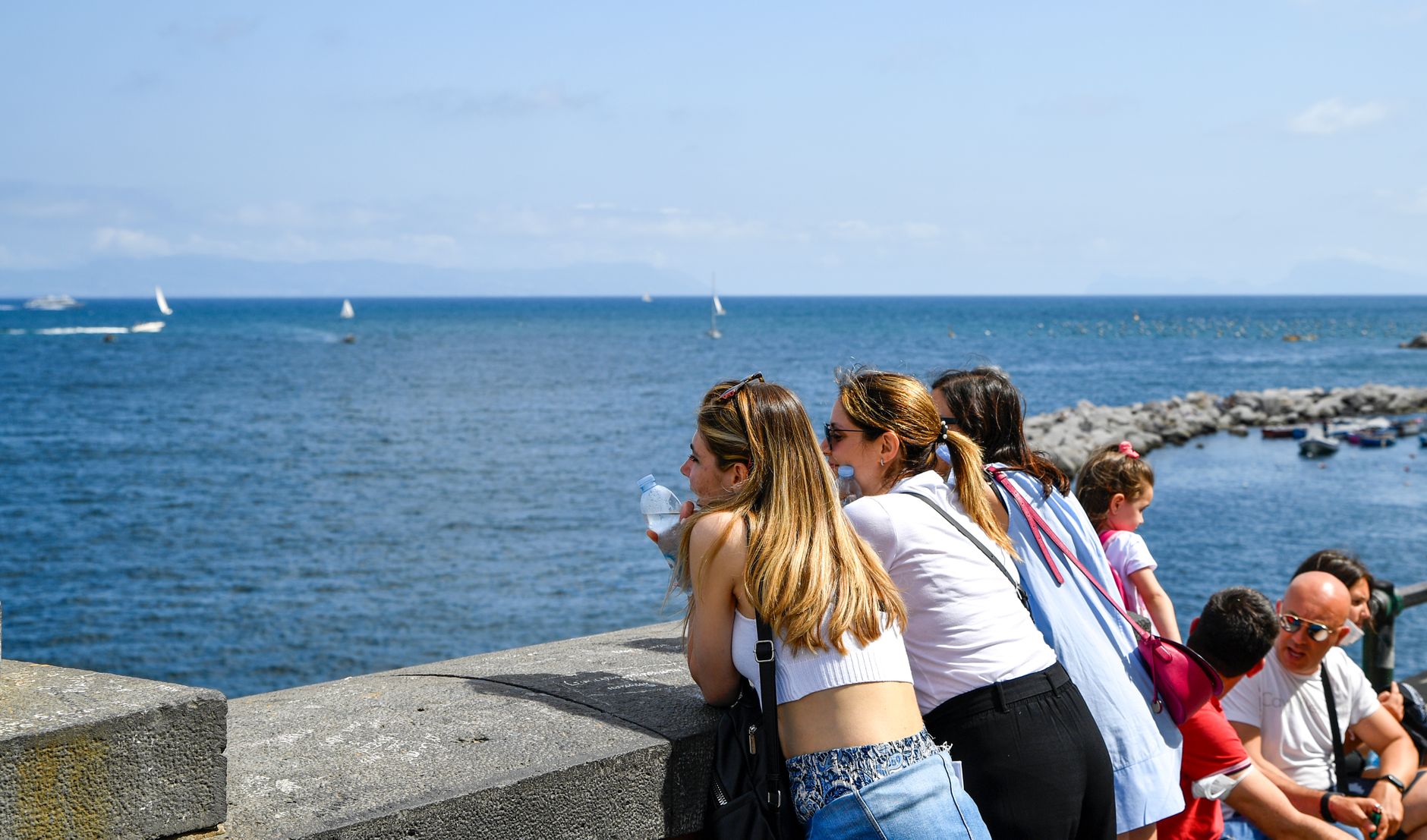

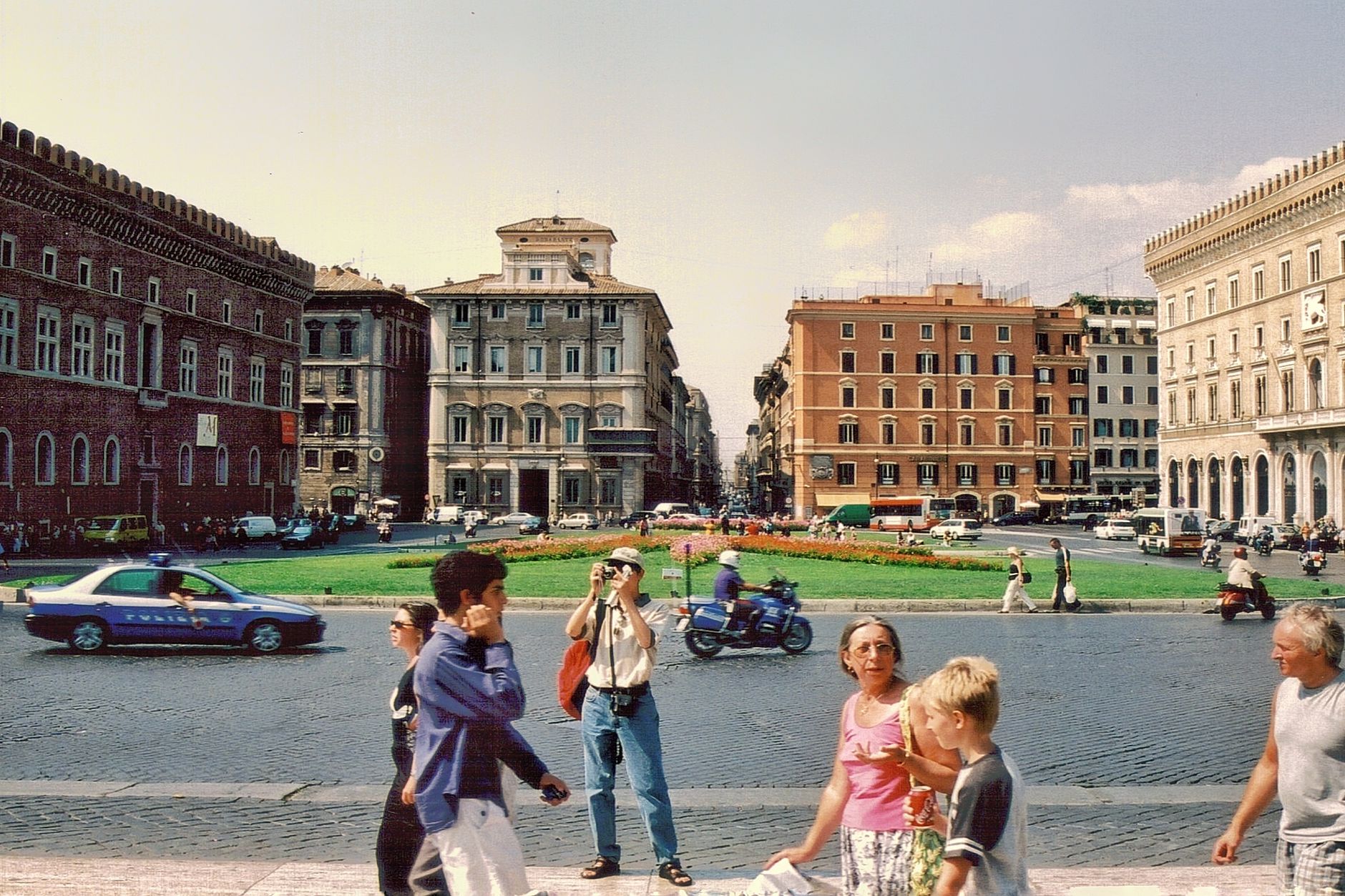
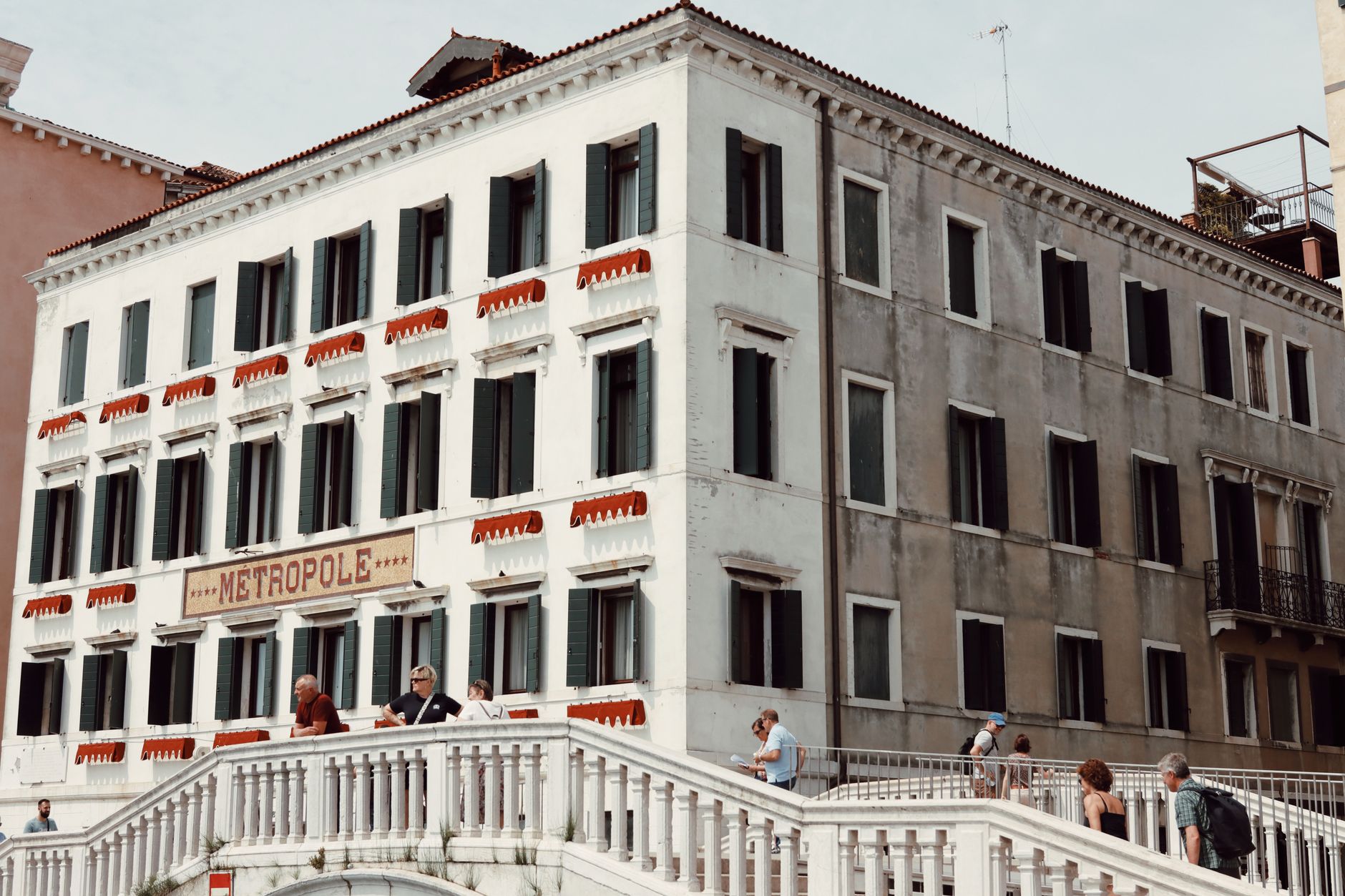
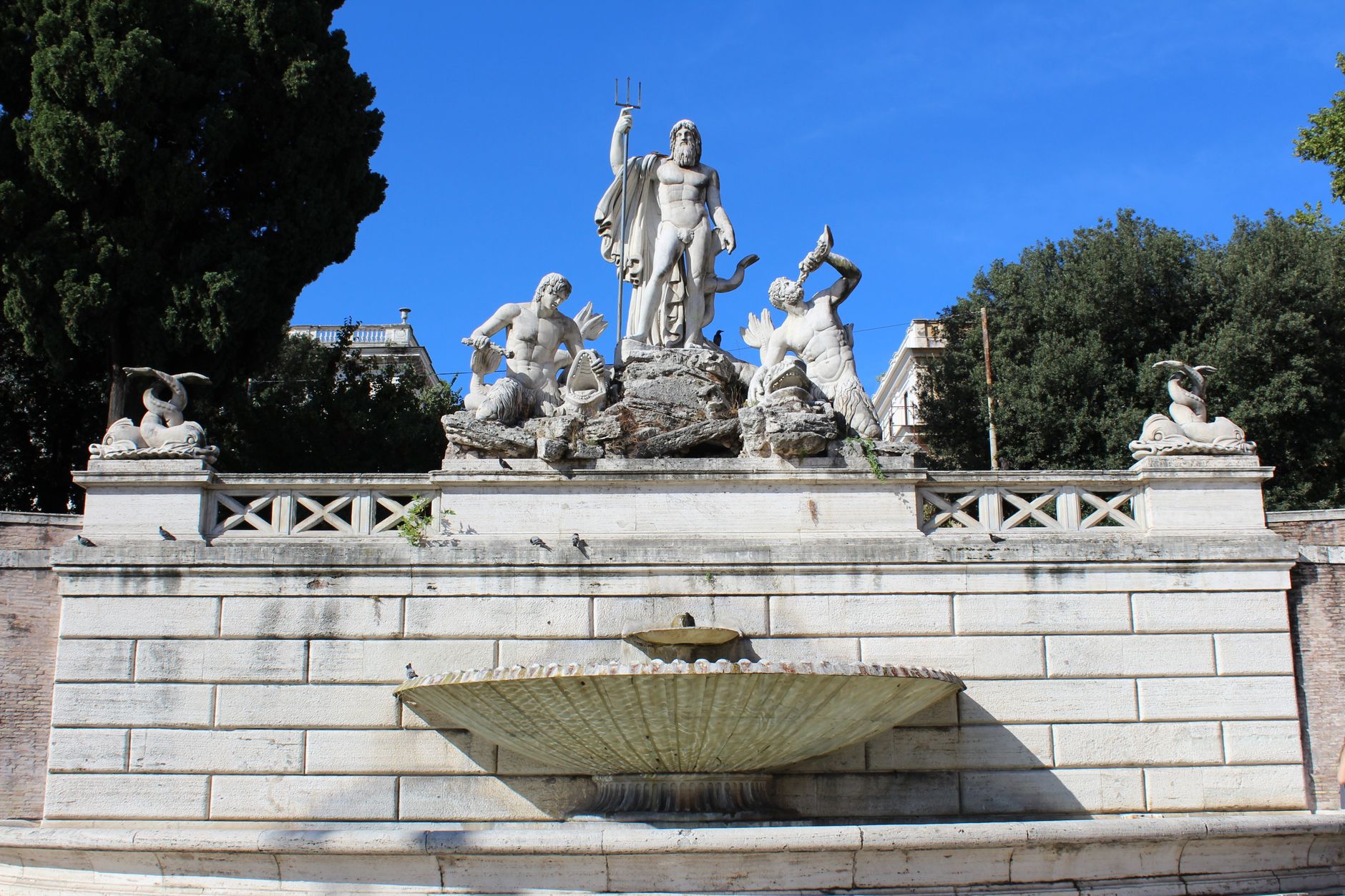
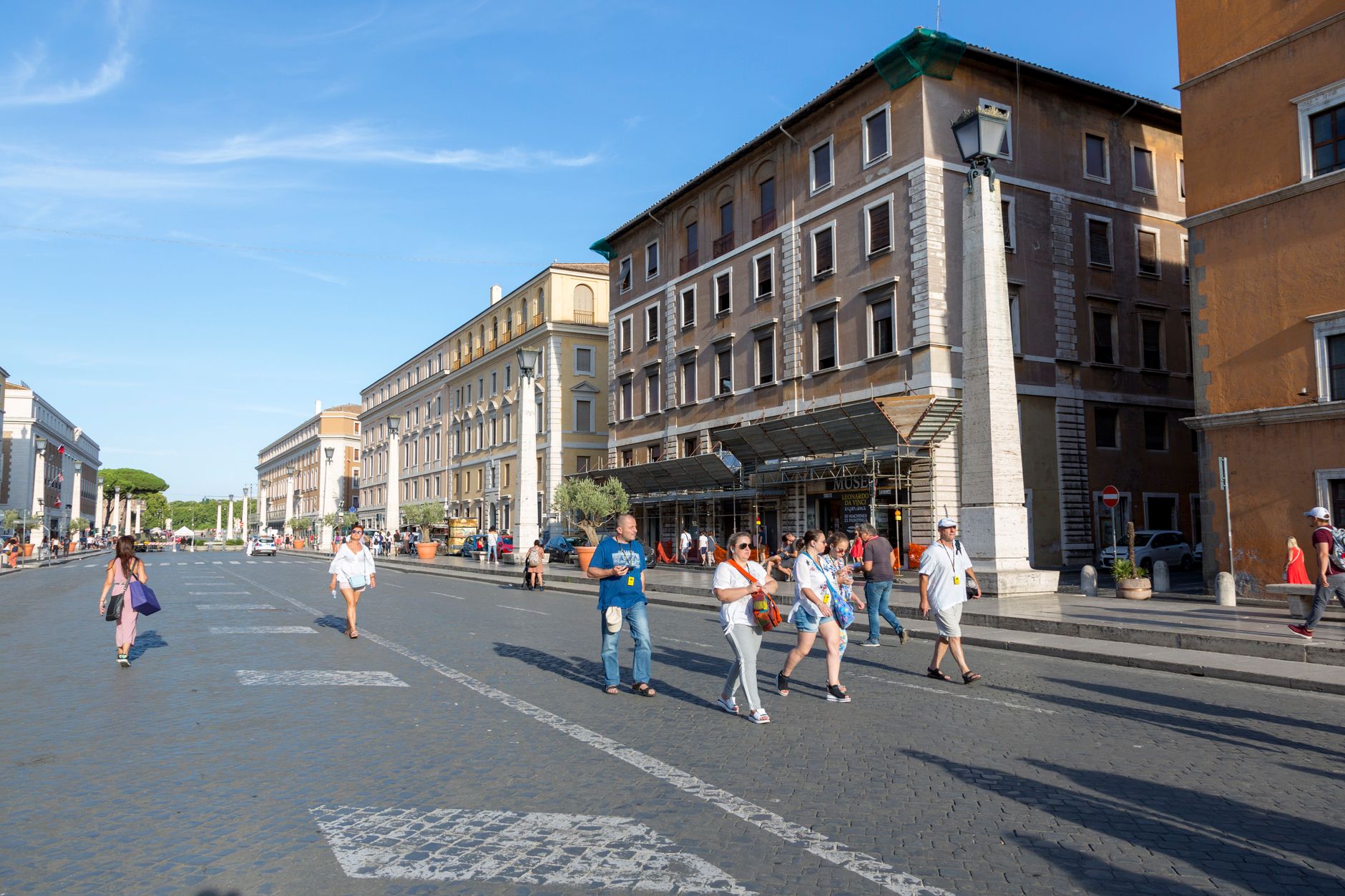
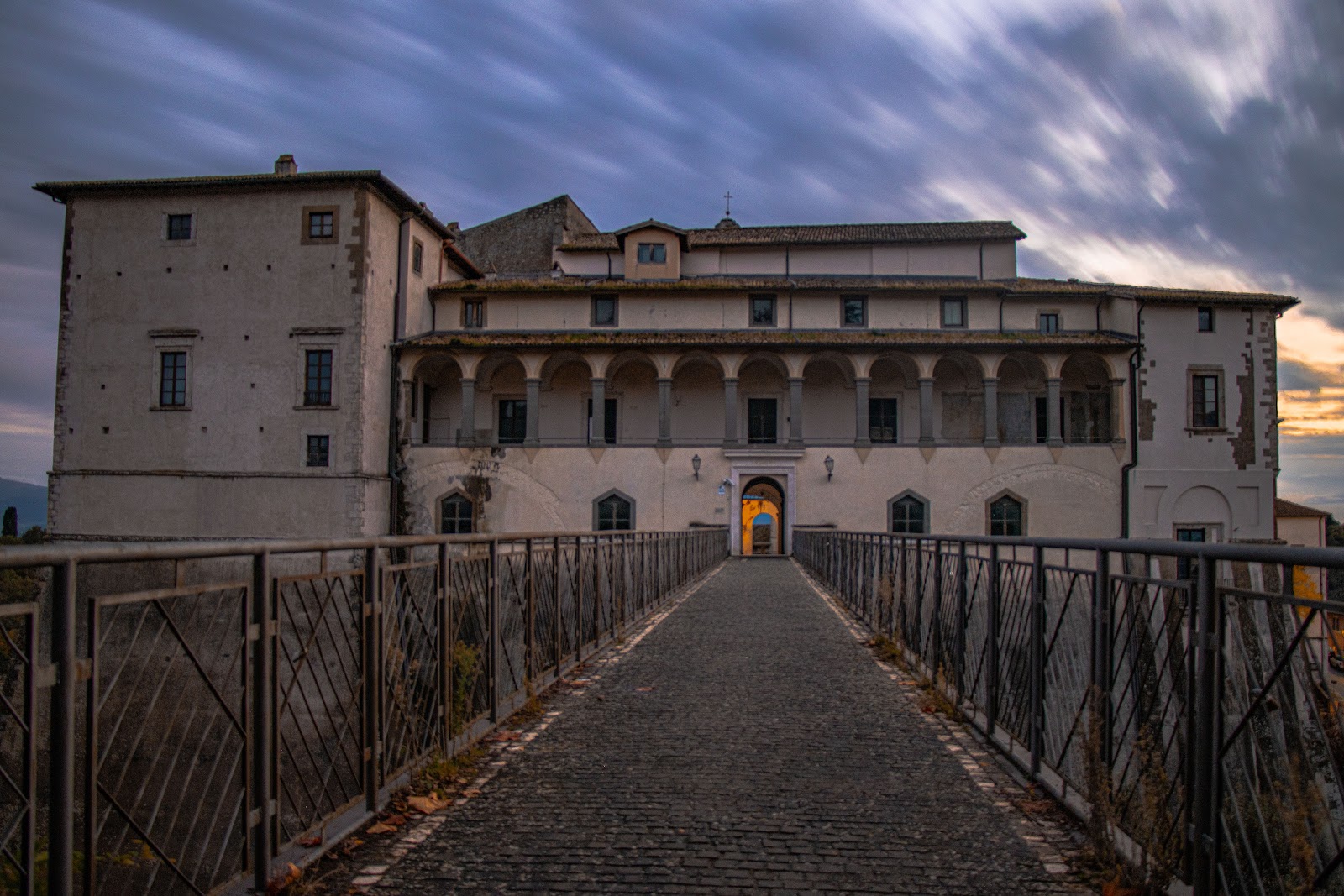
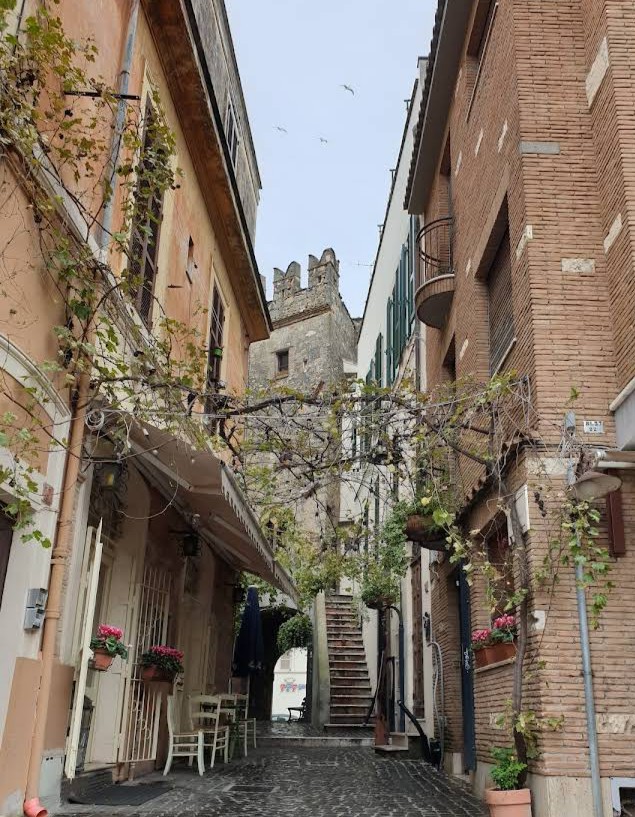
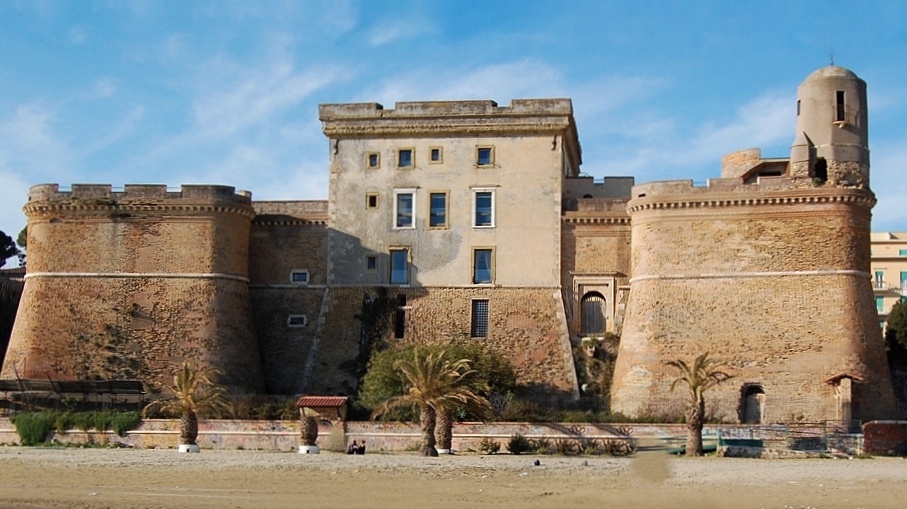
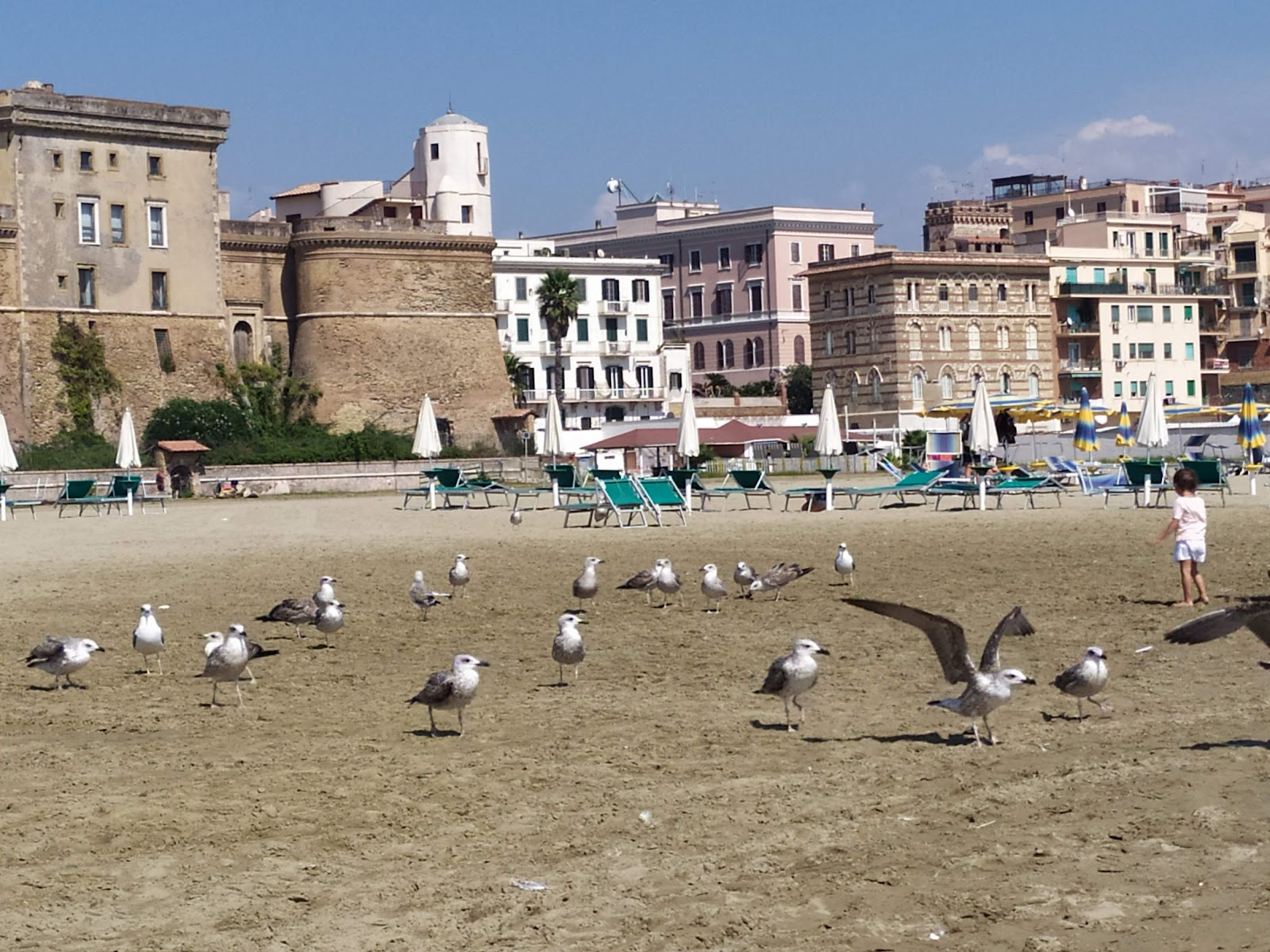
Stand at the seaward face of Forte Sangallo and the arithmetic of Nettuno becomes clear: a Renaissance fortress built in two years by Antonio da Sangallo the Elder, a medieval borgo behind it with cylindrical towers from the 1300s, and beyond both, the flat Tyrrhenian horizon. The town earned its gravity the hard way — Allied forces came ashore here on 22 January 1944, and the Sicily–Rome American Cemetery still occupies a quiet corner of its outskirts.
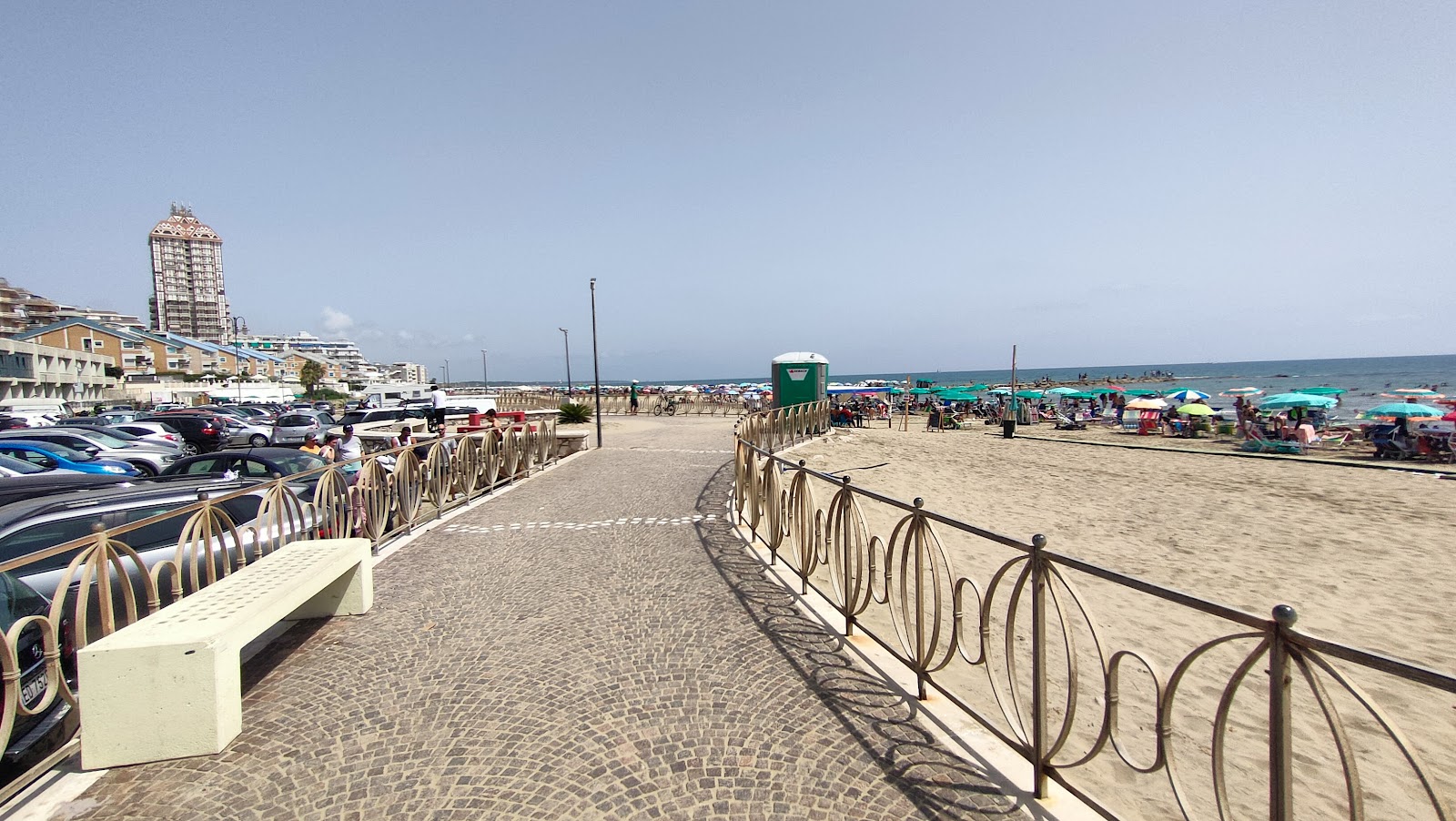
Nettuno sits just south of Anzio on the Lazio coast, an hour and eleven minutes by direct train from Roma Termini. It draws pilgrims as well as beachgoers — the incorrupt body of Saint Maria Goretti, martyred near here in 1902 and canonized in 1950, rests in a crypt beneath the basilica that bears her name.
💛 What travellers fall for
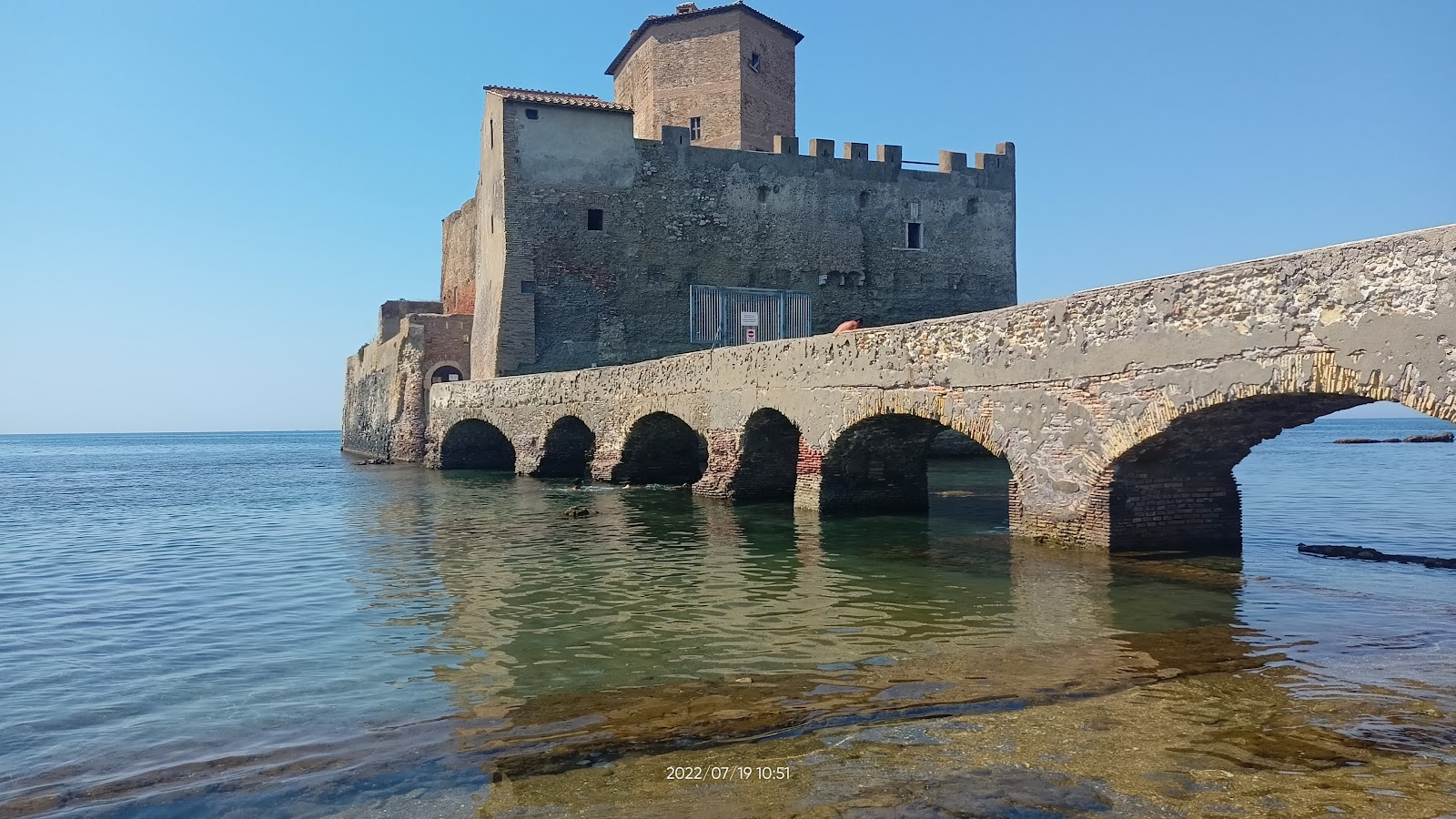
People who come back tend to time it around August 16, when the feast of San Rocco fills the medieval streets with processions and fireworks. Torre Astura — the waterborne fortress on ancient Roman ruins, connected to shore by a masonry arch — is the detail most return visitors mention first when asked what they underestimated on the initial visit.
Experiences you don't want to miss


Deals in Nettuno
Book directly at the provider

How Nettuno came to be
Nettuno's ground was Roman before it was anything else — its territory overlapped with ancient Antium, the coastal resort and port that is now its neighbour Anzio. The medieval town that grew here acquired its distinctive cylindrical towers by the 1300s, and in 1420 the Colonna family took it as a fief. The Borgias held it briefly in the early sixteenth century, long enough to commission Forte Sangallo (completed 1503), then the Colonna reclaimed it until 1594, when it passed to the Church.
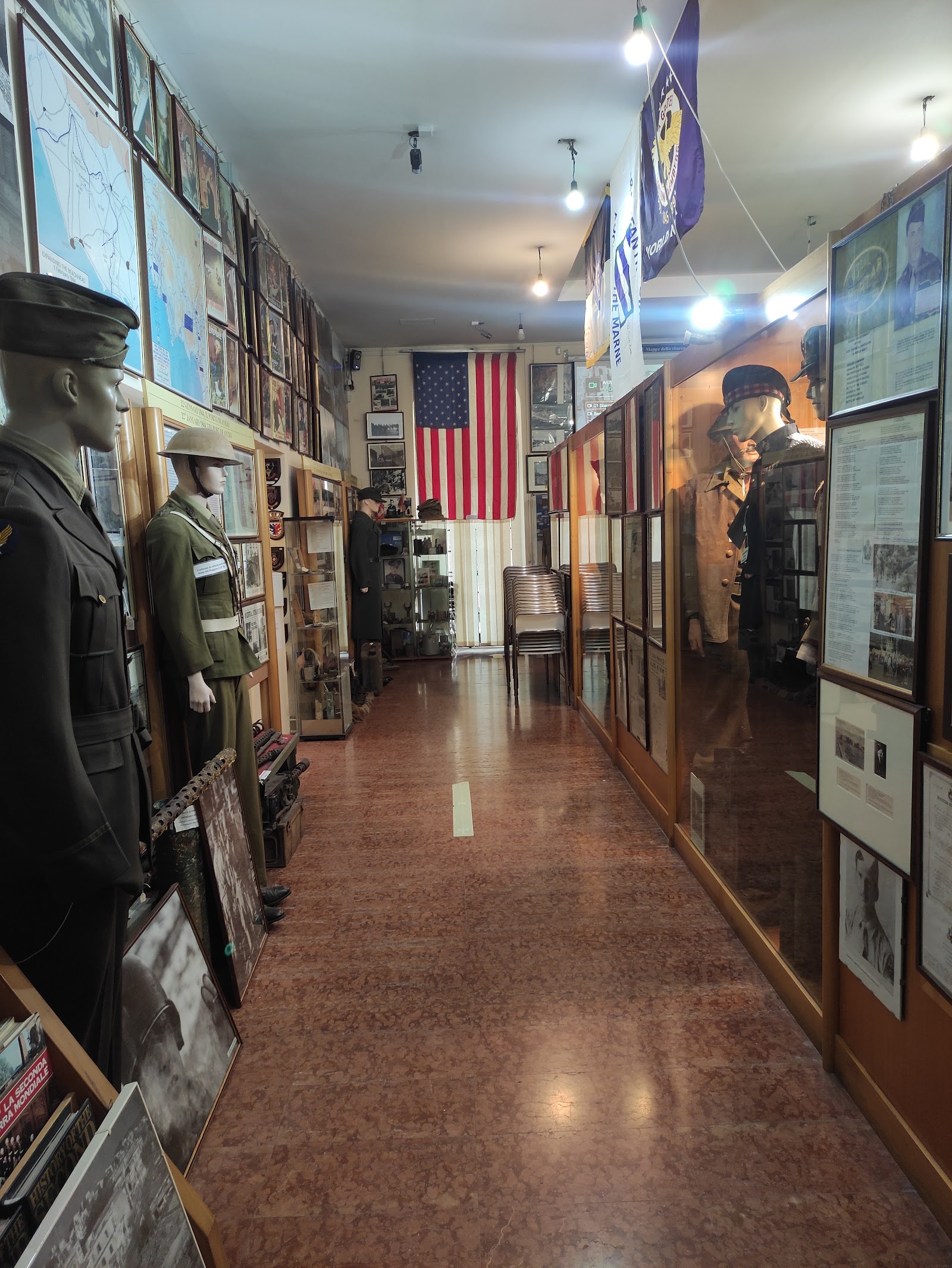
For five years during the Second World War, Nettuno and Anzio were merged into a single comune called Nettunia. That administrative footnote dissolved after 1945, but the weight of January 1944 — Operation Shingle, the Allied landing, the grinding Battle of Anzio — remains written into the landscape through the American Cemetery and the museum inside the old fort.
Who and what shaped it
People who shaped it
Landmark buildings
See Nettuno in motion
Plan your visit
On the map
When to go
Summers run warm to hot with reliable sun, making the coast genuinely swimmable from June through September; July sits at the hotter end without being punishing. Winter is mild rather than cold — January averages hover around 8–12°C — and spring arrives gently, with May days reaching a comfortable 20°C.
Right now
↡ Attractions



Background & history adapted from Wikipedia (CC BY-SA) · specs from Wikidata (CC0) · weather from Open-Meteo · map data © OpenStreetMap contributors · photos from Wikimedia Commons / Unsplash with per-image credit. No third-party reviews or social posts reproduced.