
Anzio
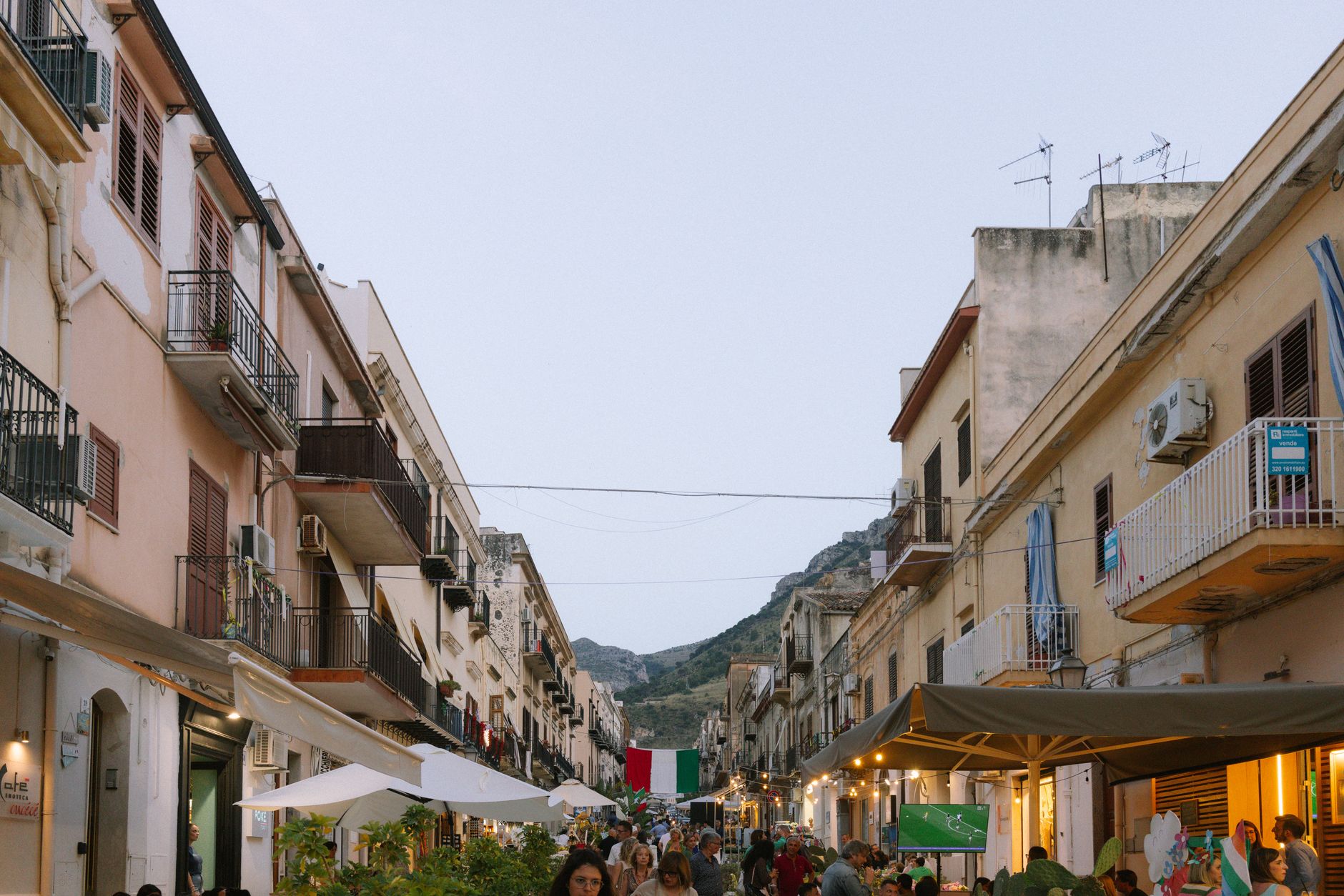
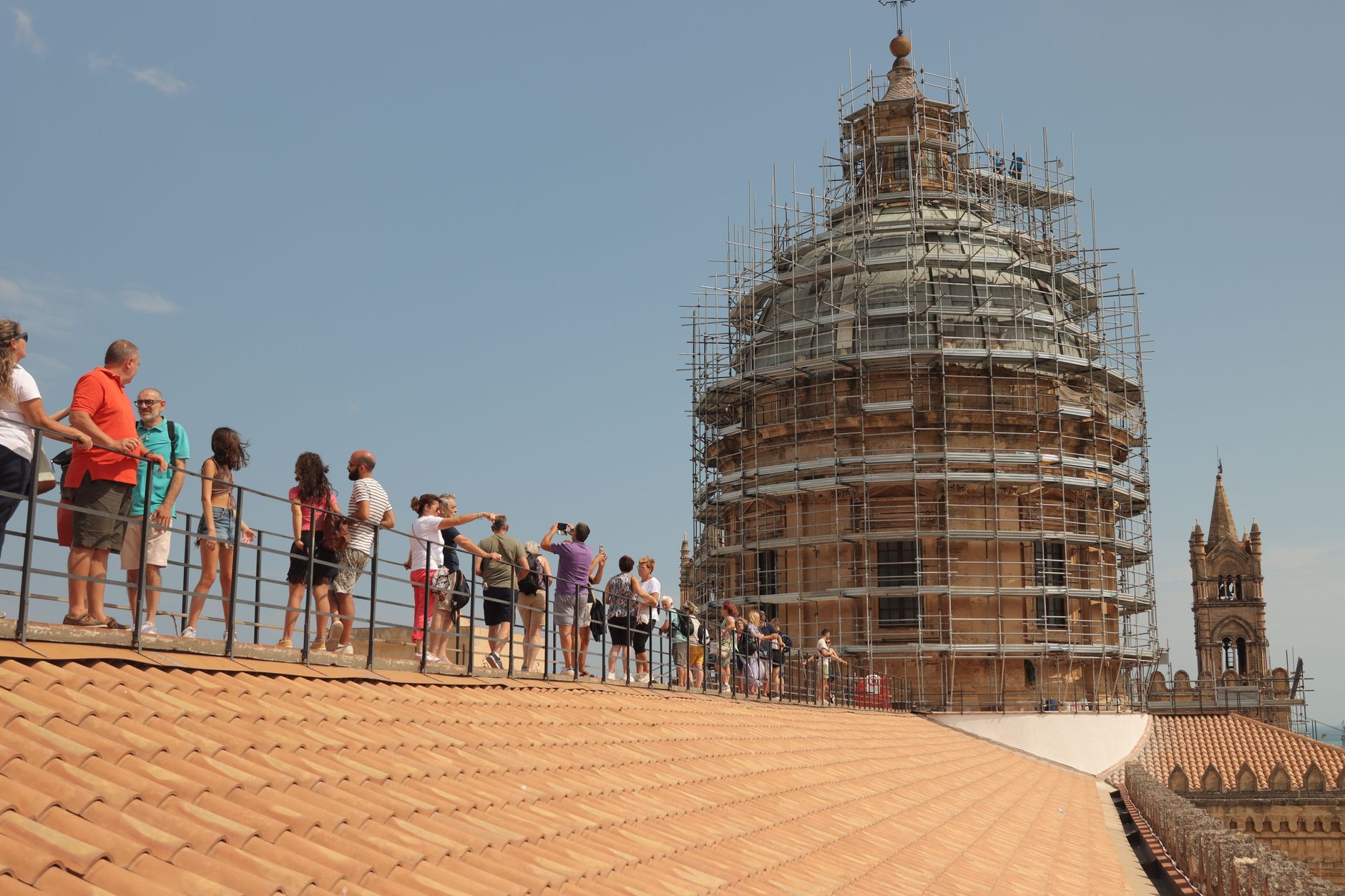
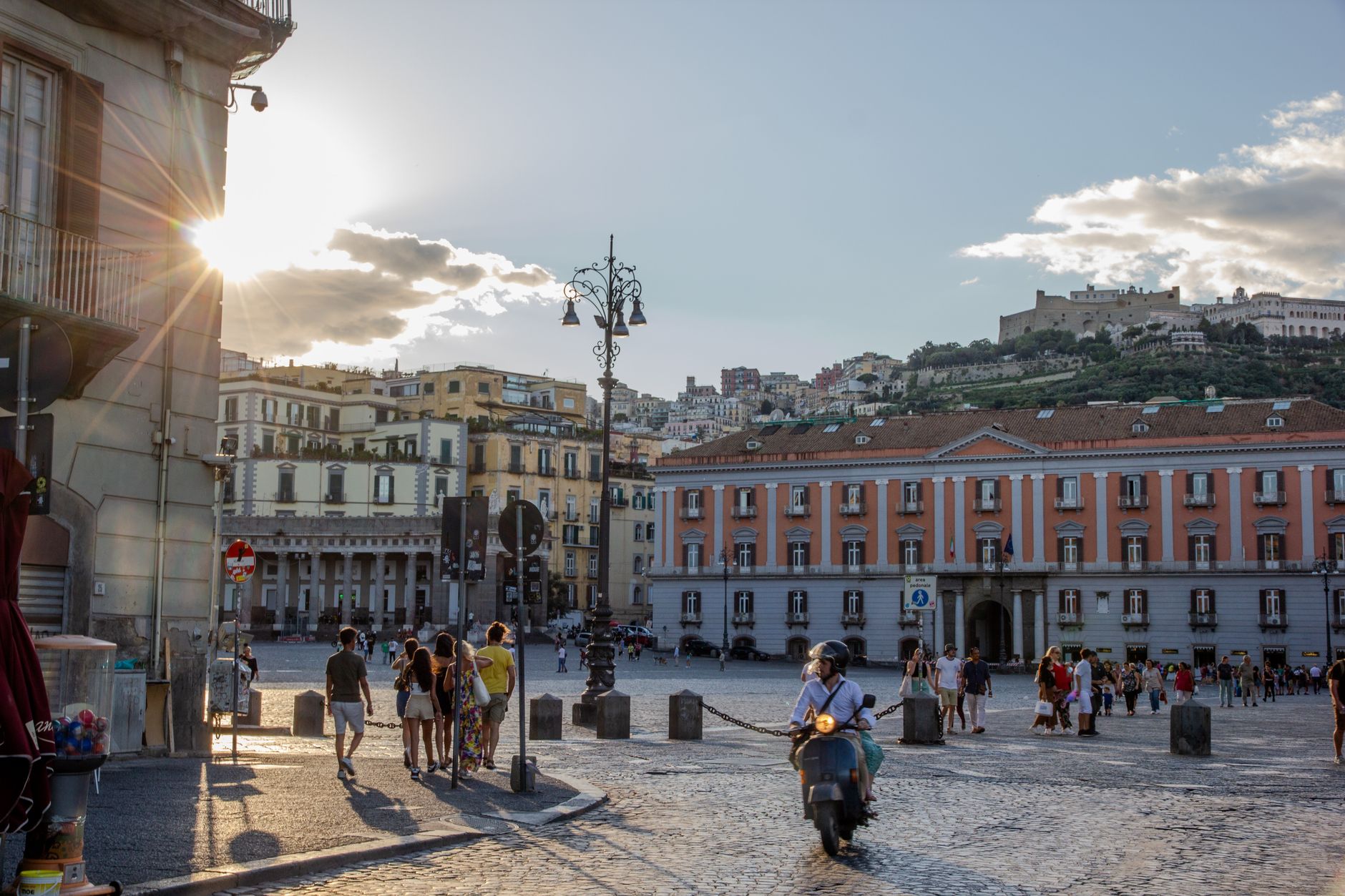
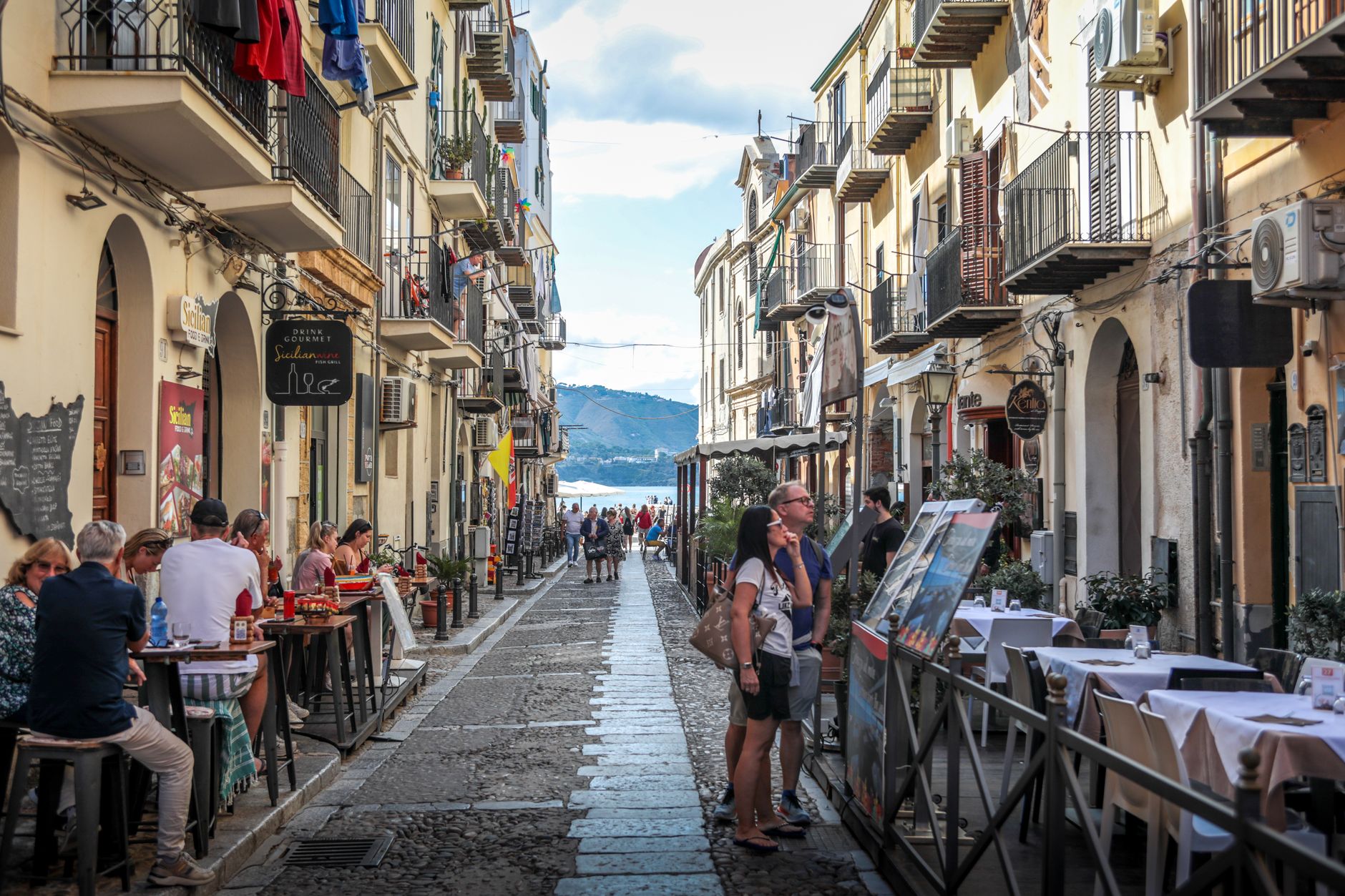

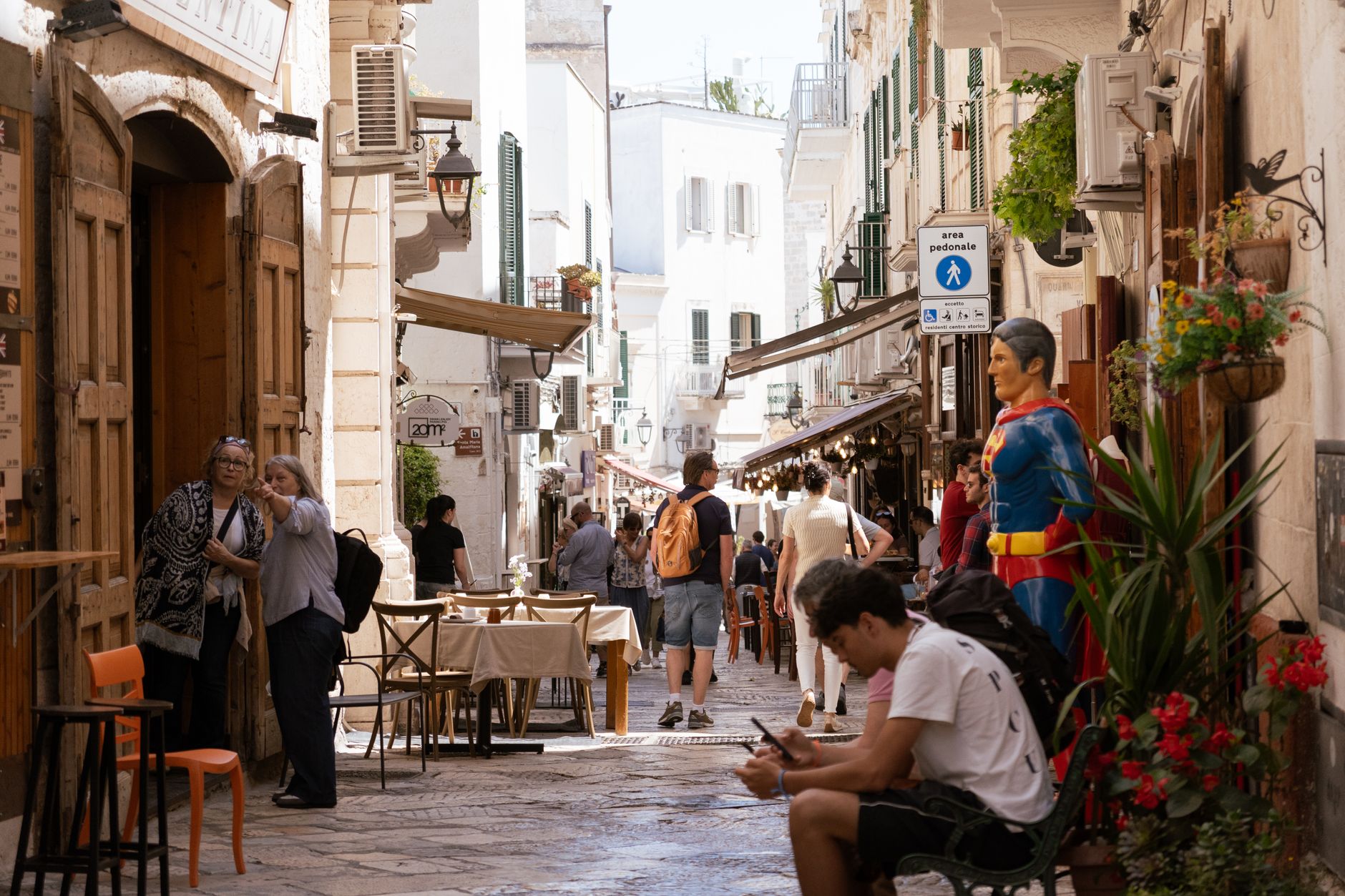
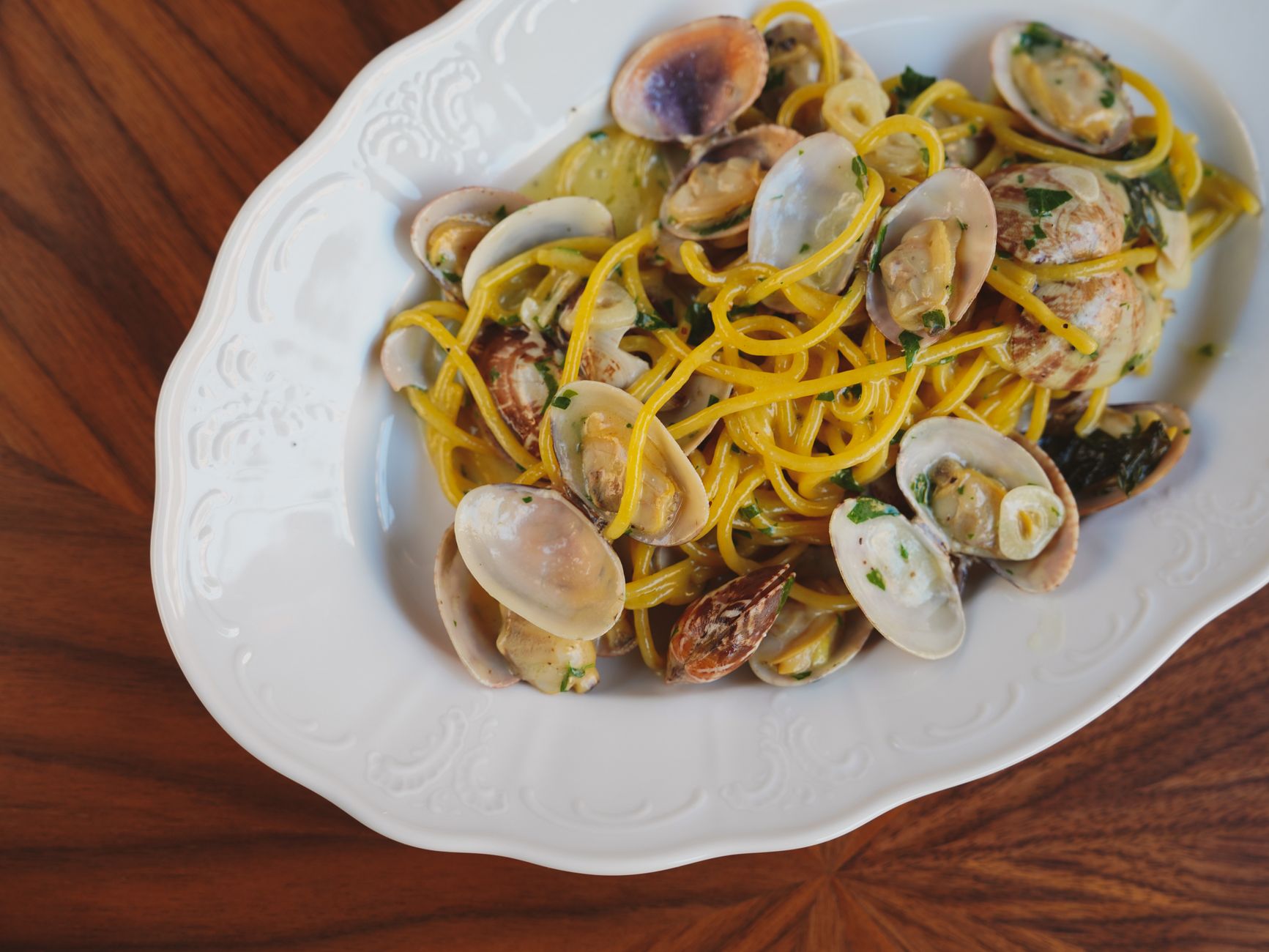
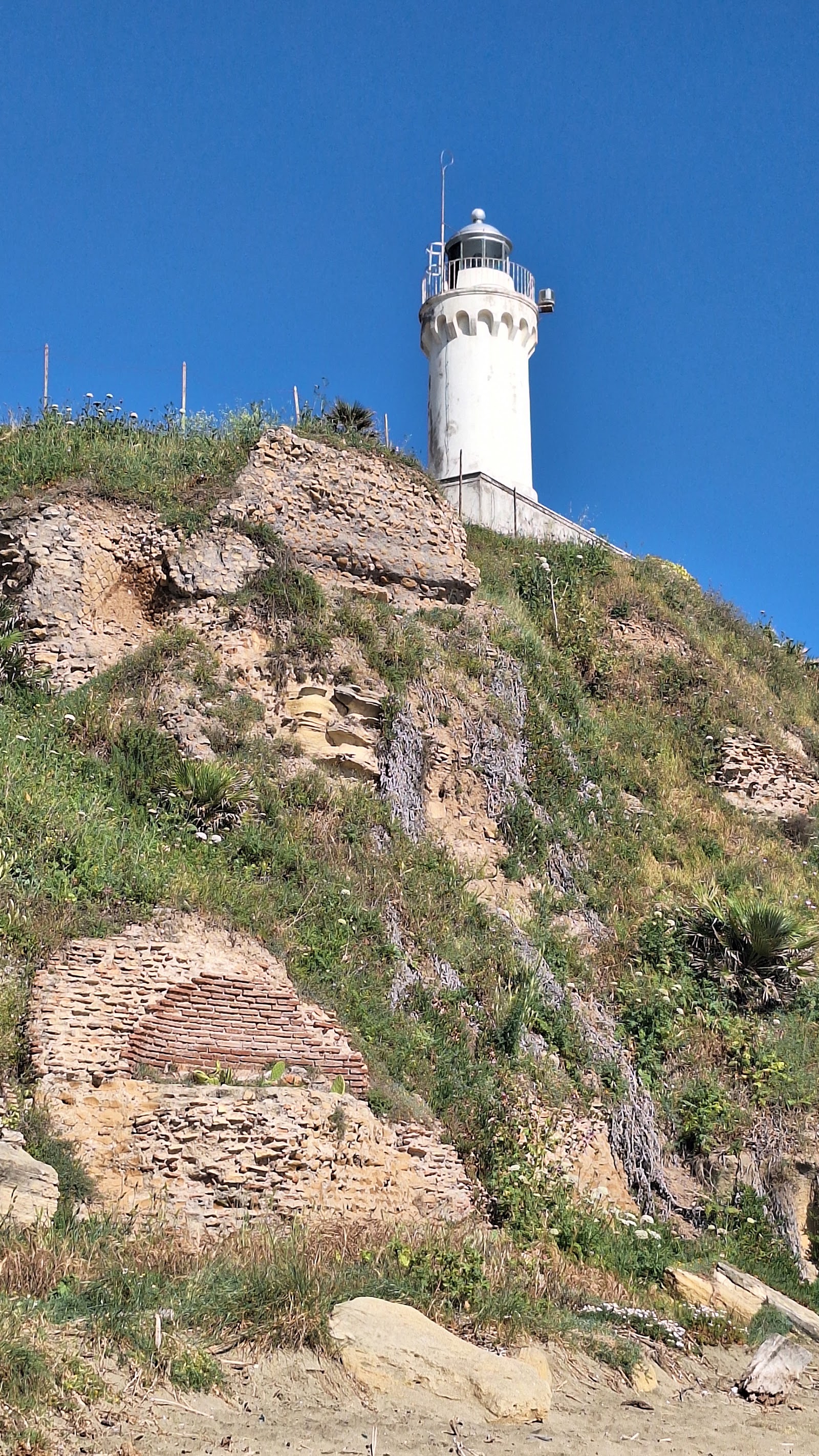
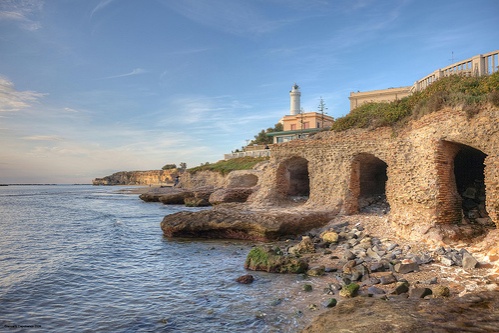
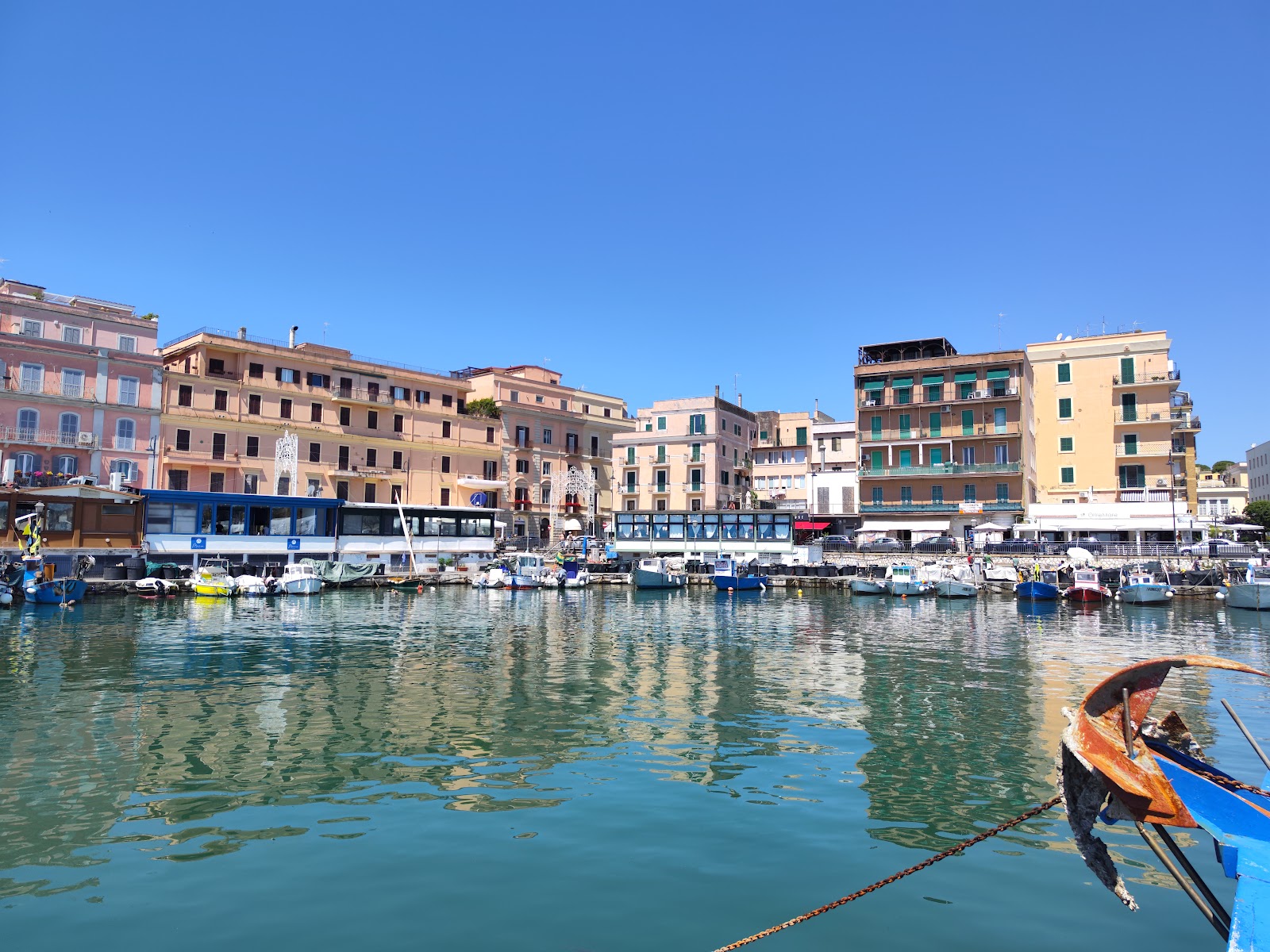
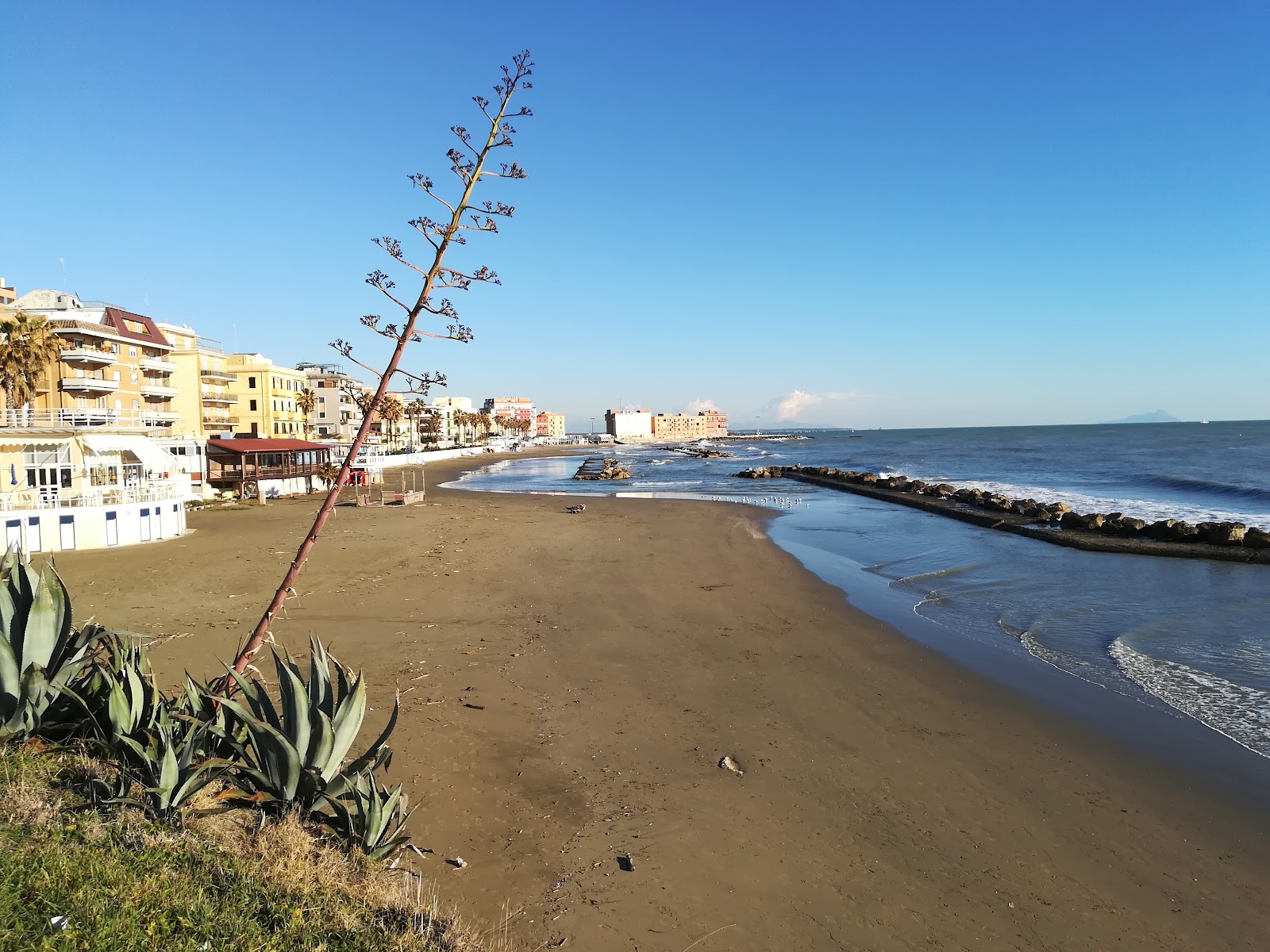
The fishing boats come back before the tourists are up, which tells you something about what Anzio still is. Clams pulled from the Tyrrhenian overnight end up in spaghetti alle vongole by lunchtime at the port-side trattorias — white wine, garlic, parsley, and not much else. The harbour faces southeast, the water turns a particular shade of green in summer, and the low coastline at three metres above sea level is lined with the rubble of Roman villas that once belonged to emperors.
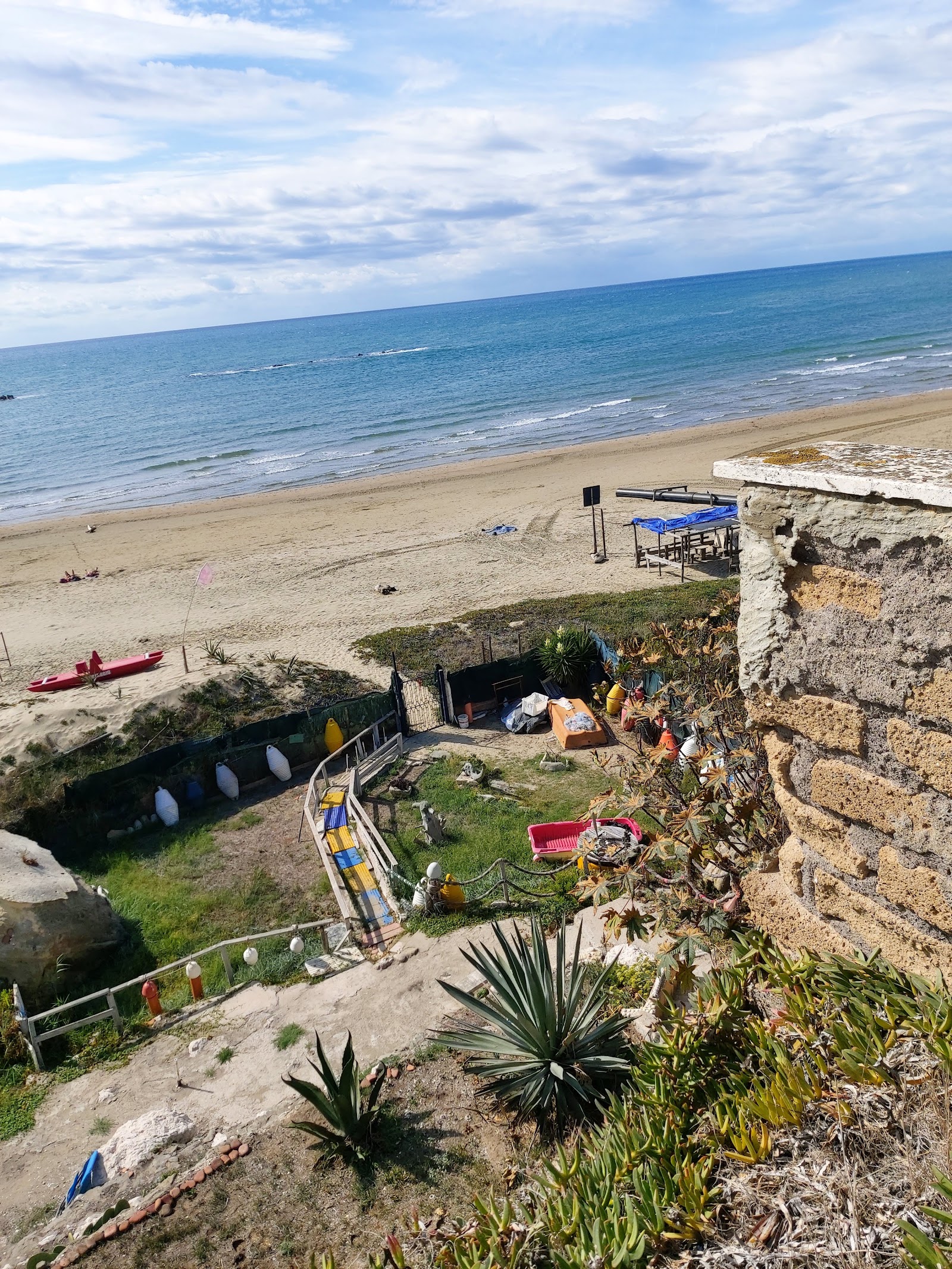
Anzio carries a lot of history quietly. Nero was born here in 37 AD. Allied forces landed on this beach in January 1944 with 36,000 troops. The town absorbed both facts and kept going, which is perhaps why it feels less like a monument and more like a place where people actually live.
💛 What travellers fall for
People who come back tend to time the ferry to Ponza carefully — services are infrequent and thin out fast after summer. They also know to walk the slope above the port where Liberty-style villas sit behind pine groves, and to find zuppa di pesce rather than defaulting to the tourist menus nearest the water.
Experiences you don't want to miss



Deals in Anzio
Book directly at the provider

How Anzio came to be
Antium, as Anzio was called, began as the capital of the Volsci people and passed into Roman hands in 468 BC. After a final failed revolt, Rome razed the city in 338 BC and took the bronze rams from its warships to decorate the Rostra in the Forum — a humiliation made permanent in stone. What followed was centuries of imperial favour: Cicero, Maecenas, Augustus and Nero all built summer residences here, and it was in the ruins of Nero's villa that the Apollo Belvedere was eventually found.
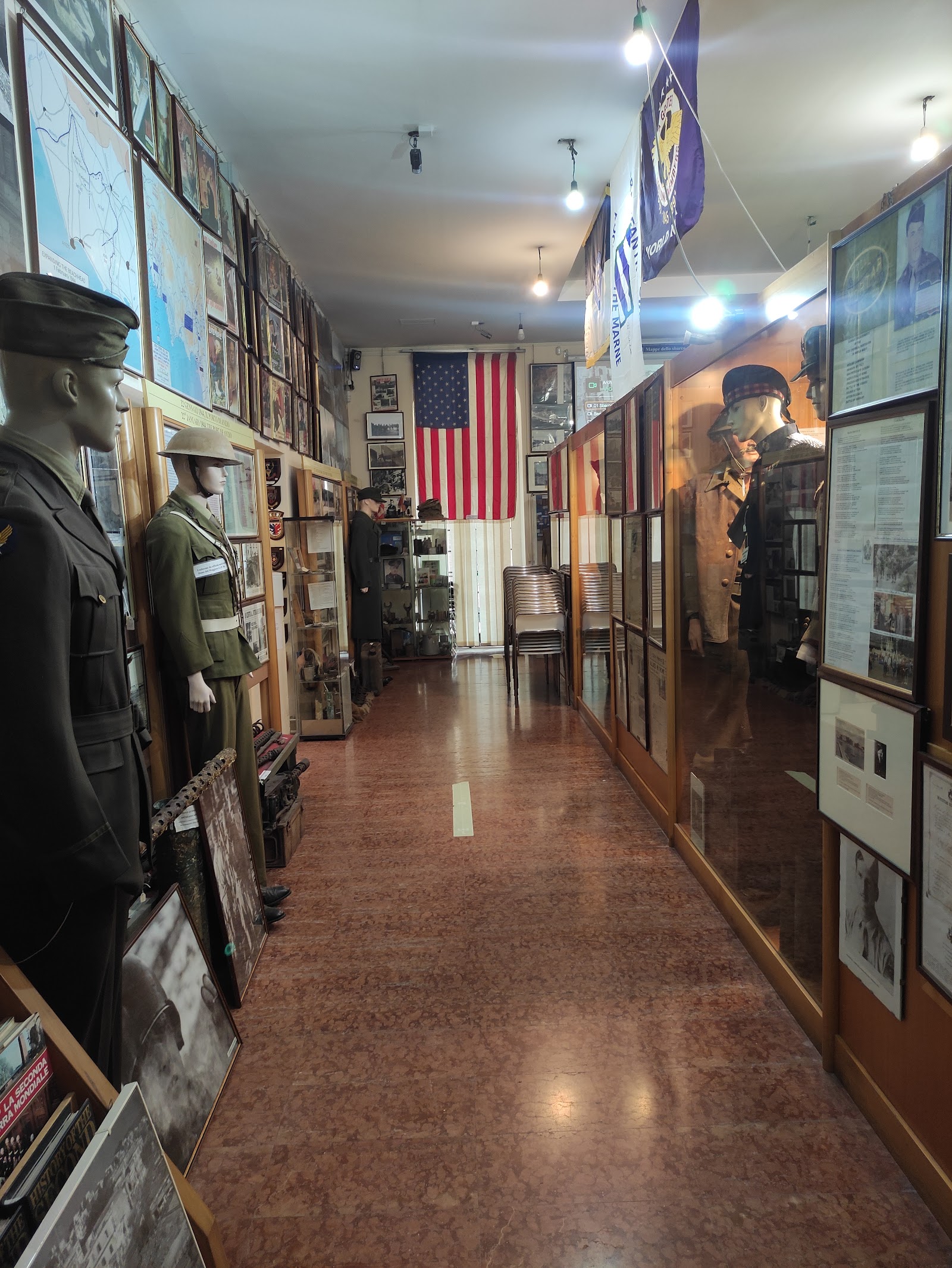
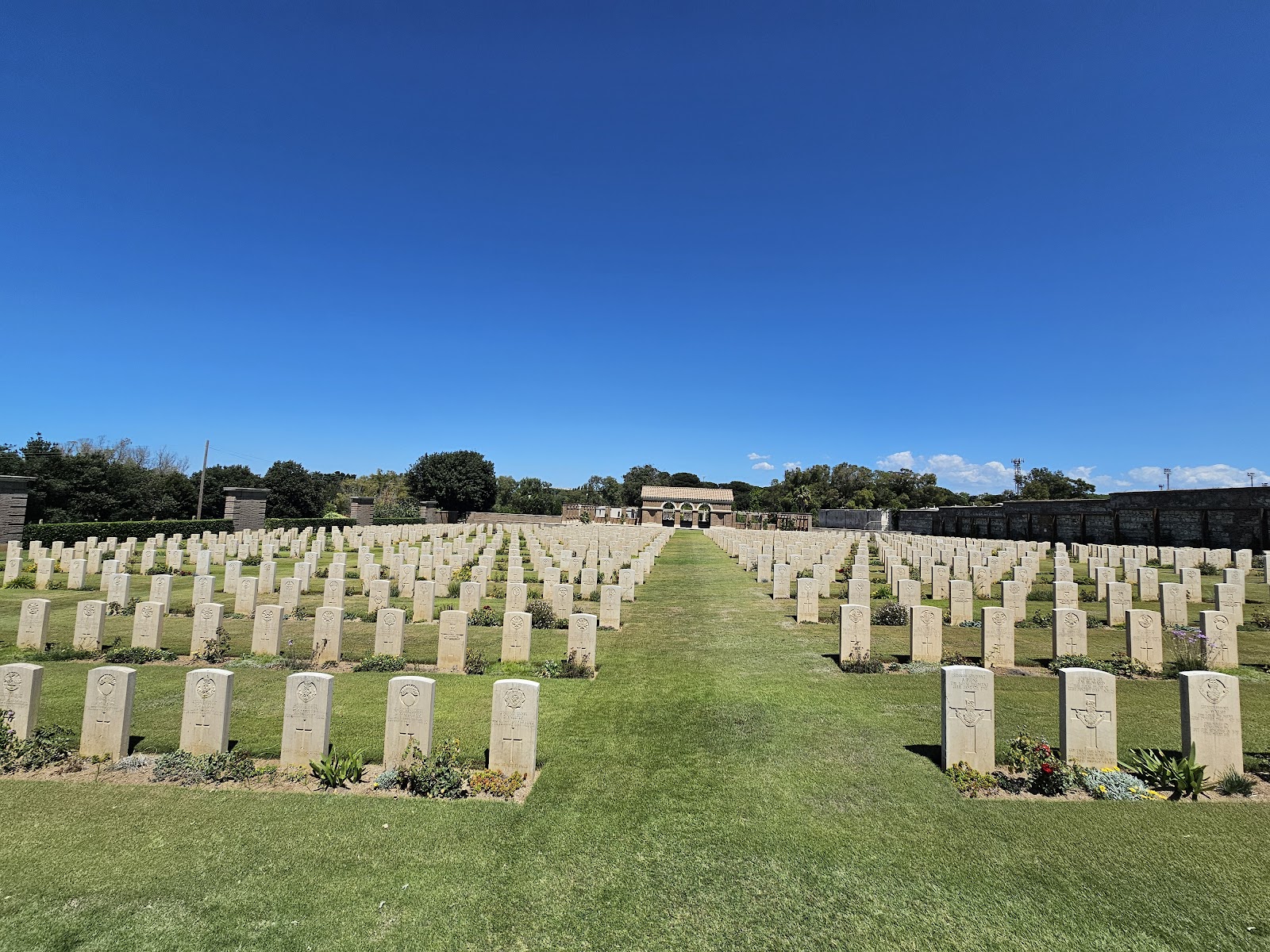
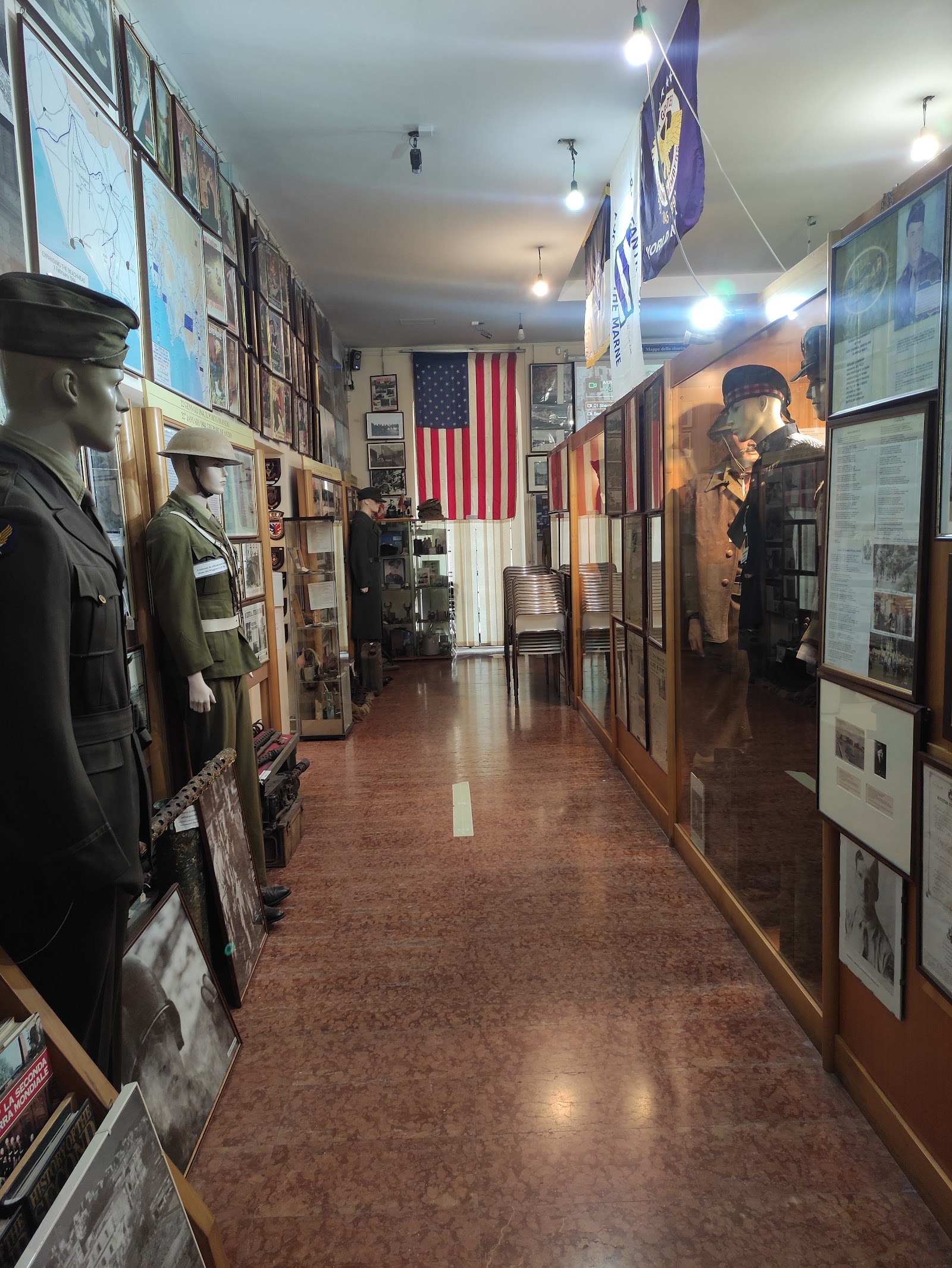
The modern town emerged from papal ambition. Pope Innocent XII ordered a new port completed in 1700, and Pope Pius IX formally established the municipality in 1857 — it was called Porto d'Anzio until 1885. On 22 January 1944, Operation Shingle brought Allied forces ashore here, 37 miles south of Rome, in one of the war's most costly coastal landings. Two war cemeteries remain.
Who and what shaped it
People who shaped it
Landmark buildings
See Anzio in motion
Plan your visit
On the map
When to go
Summer runs warm and dry — August averages 25°C with water temperatures to match, and July sees almost no rain. Spring and autumn (May, June, September, October) give you 20–26°C without the peak-season crowds; January and February are quiet to the point of emptiness, with November the wettest month by some distance.
Right now
↡ Attractions


Background & history adapted from Wikipedia (CC BY-SA) · specs from Wikidata (CC0) · weather from Open-Meteo · map data © OpenStreetMap contributors · photos from Wikimedia Commons / Unsplash with per-image credit. No third-party reviews or social posts reproduced.