
Viterbo
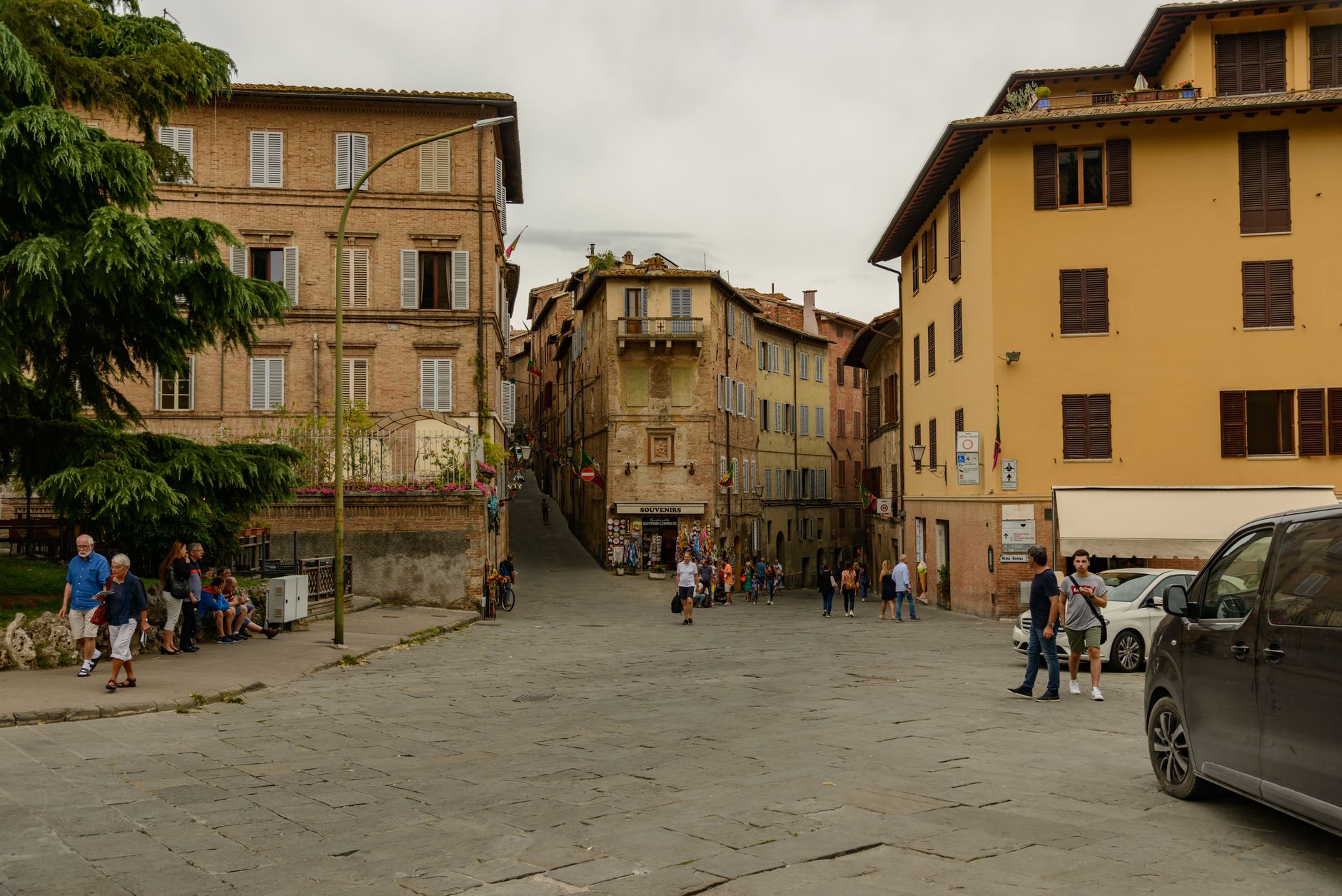
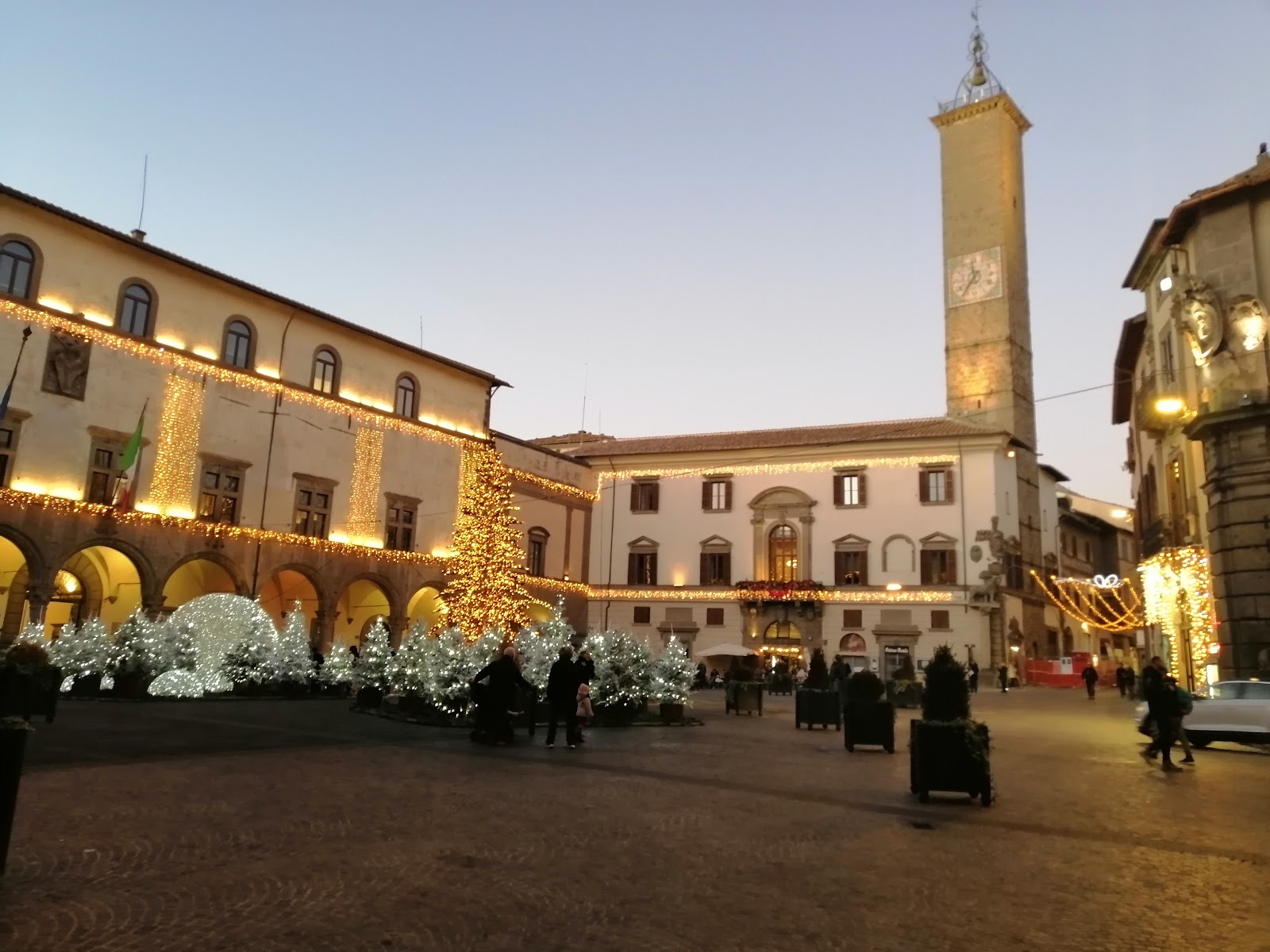
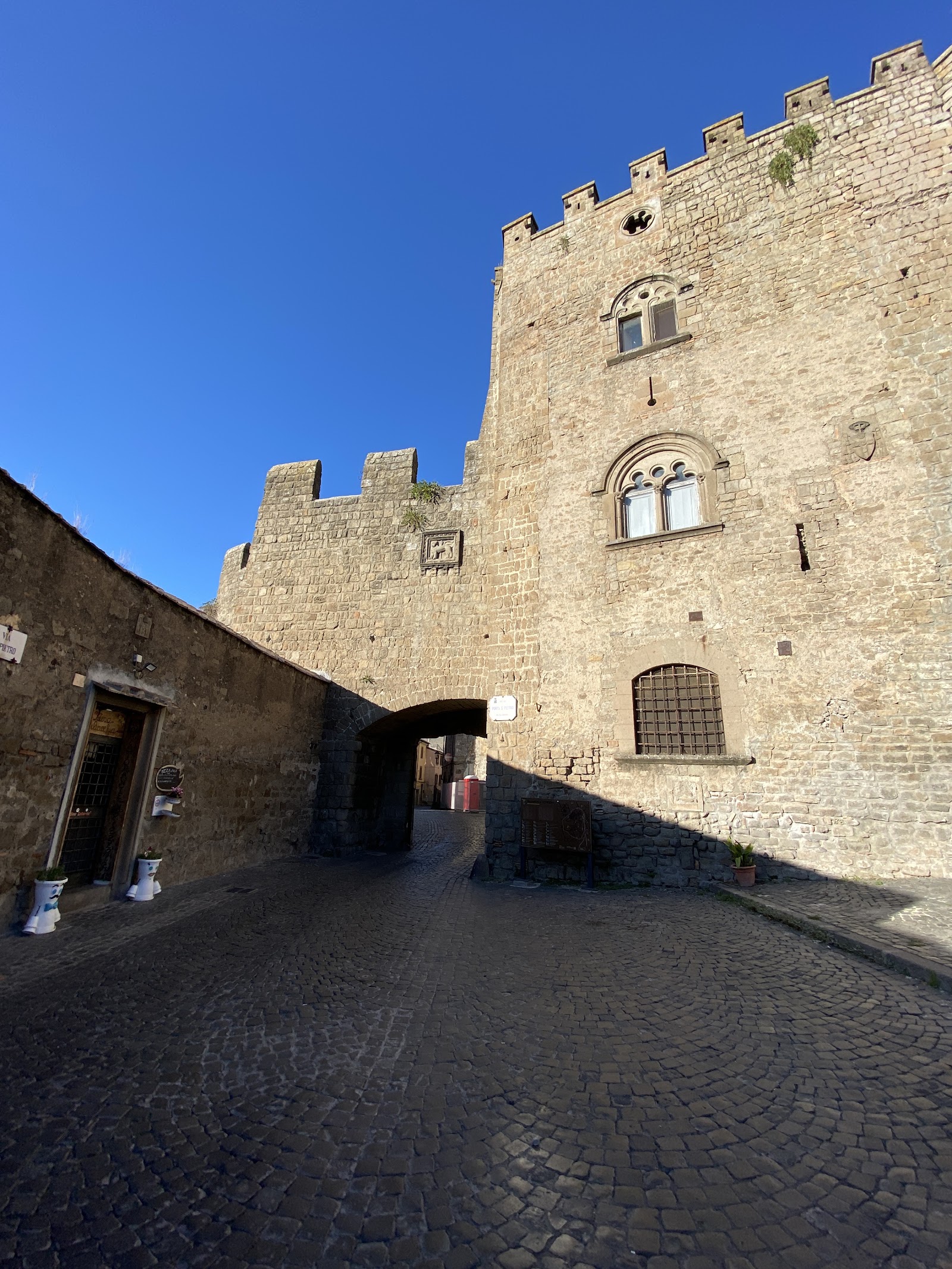
The street that stops you in San Pellegrino isn't any one monument — it's the cumulative weight of a neighbourhood where the barrel vaults, external staircases called profferli, and stone loggias have barely shifted in seven centuries. Viterbo sits in northern Lazio on a volcanic plateau, an hour's train ride north of Rome, and it carries its medieval fabric more intact than almost anywhere in the region.
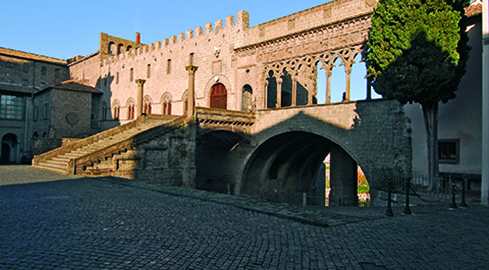
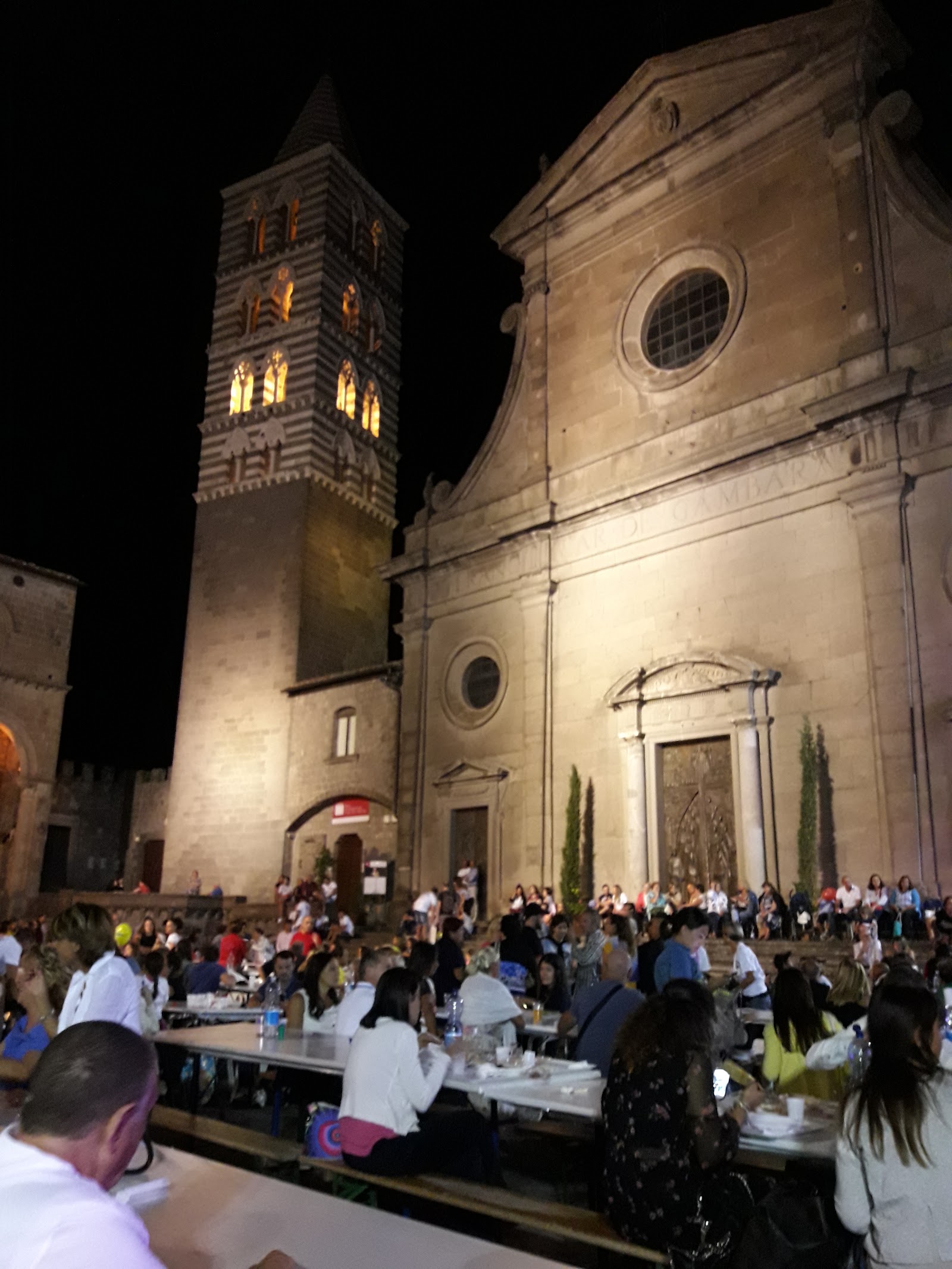
The city's defining moment came in the 13th century, when the papacy relocated here from Rome and the Palazzo dei Papi rose on the Colle del Duomo. The word 'conclave' — cum claves, with keys — entered the political vocabulary of the Western world in this building.
💛 What travellers fall for
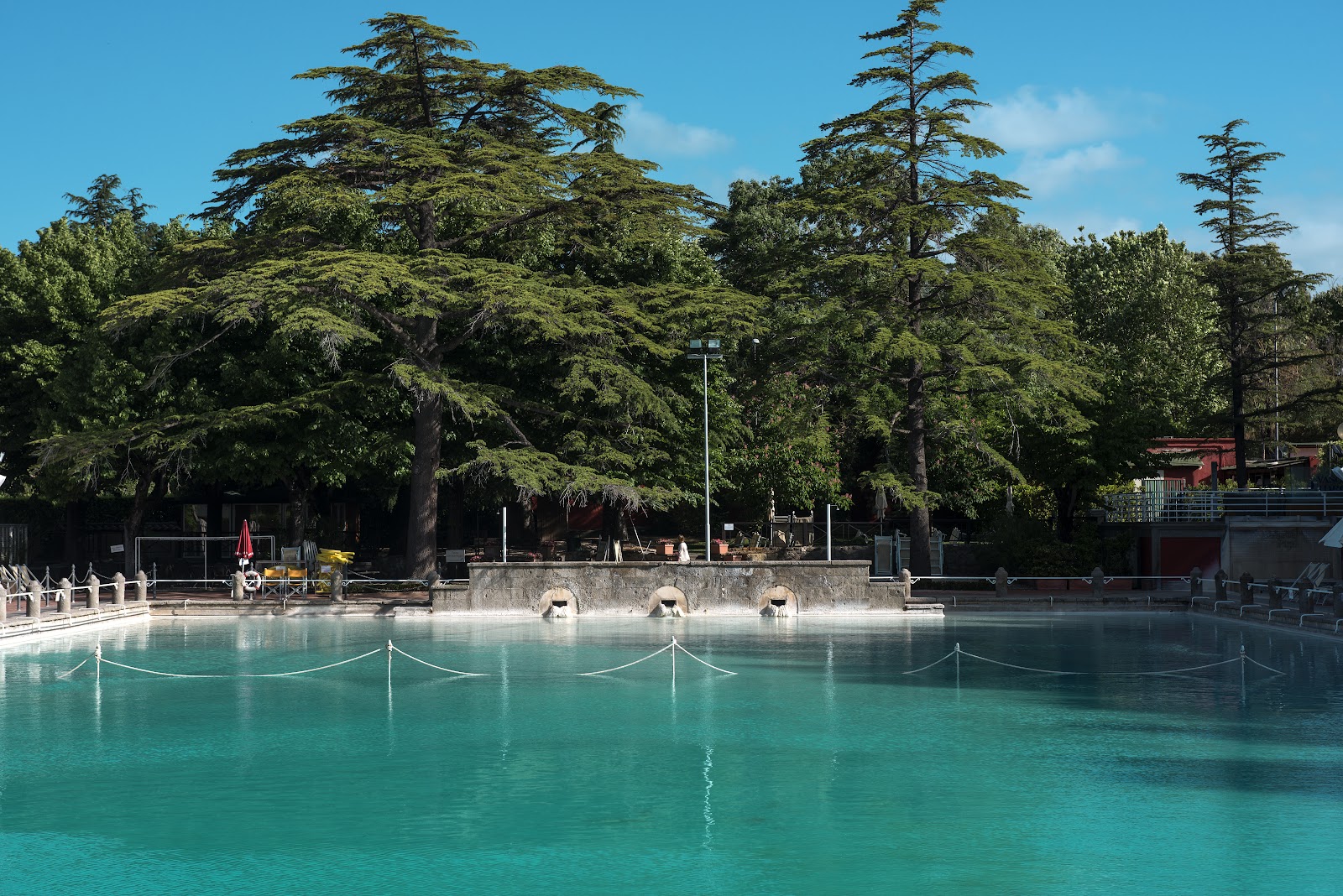
People who come back tend to go straight to the Terme dei Papi before anything else, then walk the walls in the afternoon when the light flattens across the plateau. The train from Rome's Tiburtina station runs hourly on weekdays and costs €4.50 — cheap enough that a second visit barely needs justifying.
Experiences you don't want to miss



Deals in Viterbo
Book directly at the provider
How Viterbo came to be
Etruscan in origin, Roman by around 310 BCE, and Lombard by the early medieval period, Viterbo passed to papal control through a gift from Matilda of Tuscany in the 11th century. Frederick Barbarossa made it the seat of antipope Paschal III in 1164 and formally called it a city three years later. In 1257 the papacy itself moved here from Rome, and for half a century Viterbo rivaled the Eternal City as the centre of Western Christendom.
When the papacy decamped to Avignon in 1309, the city's influence contracted. It became a formal papal possession in 1396 and remained a provincial backwater — which is largely why the medieval fabric survived. The Second World War nearly ended that: more than twenty Allied bombing raids between 1943 and 1944 killed 1,017 civilians and damaged or destroyed a third of the city. Viterbo was among the first Italian towns to complete postwar reconstruction.
Who and what shaped it
People who shaped it
Landmark buildings
See Viterbo in motion
Plan your visit
On the map
When to go
Viterbo has a hot-summer Mediterranean climate: July and August push above 24°C and can feel fierce on the exposed hilltop streets, while January averages around 6°C with real chill. Spring and early autumn — roughly April–May and September–October — give you mild temperatures and the lower crowds that a city of this scale suits best.
Right now
↡ Attractions



Background & history adapted from Wikipedia (CC BY-SA) · specs from Wikidata (CC0) · weather from Open-Meteo · map data © OpenStreetMap contributors · photos from Wikimedia Commons / Unsplash with per-image credit. No third-party reviews or social posts reproduced.