
Lago di Caprolace
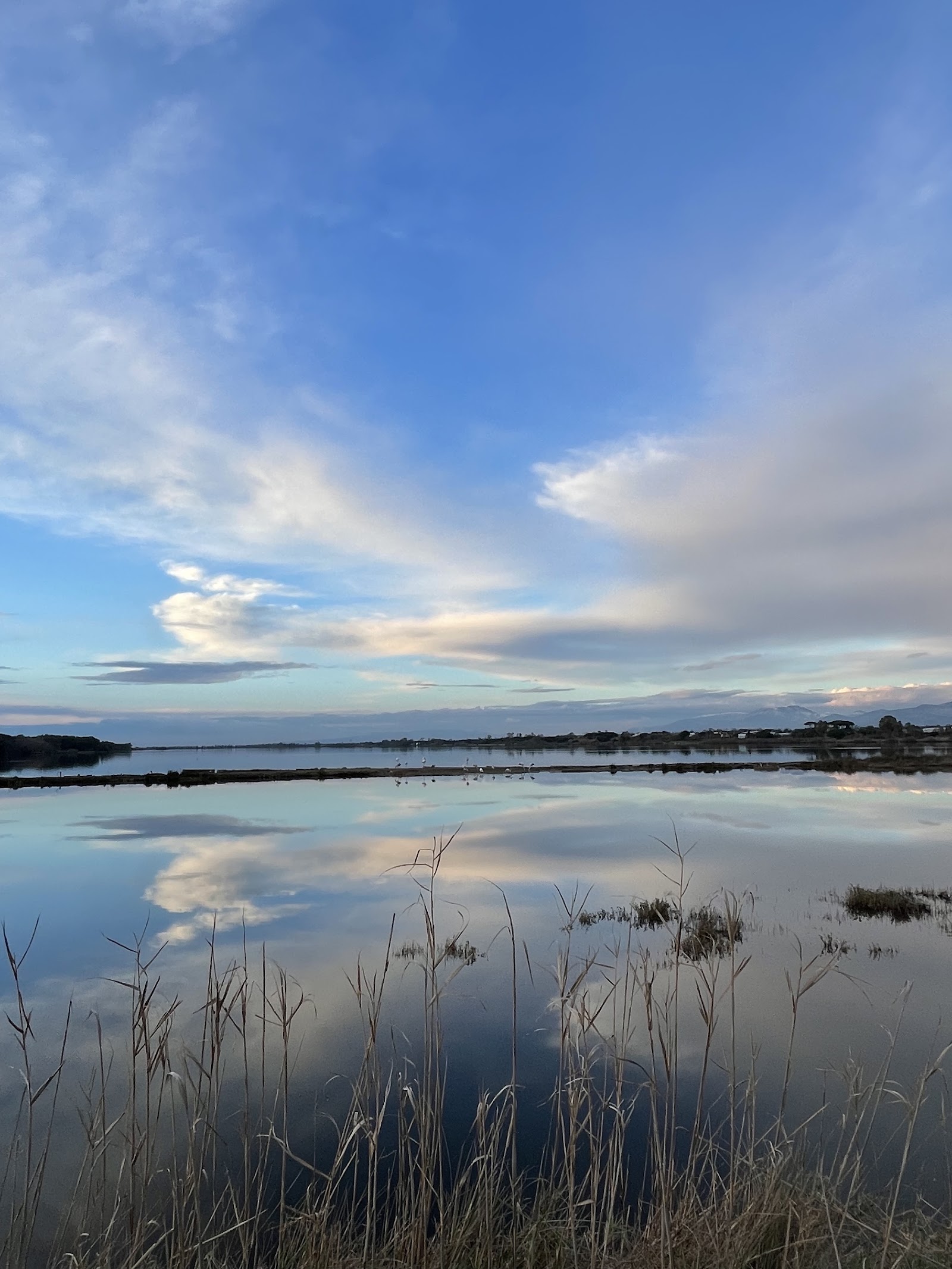
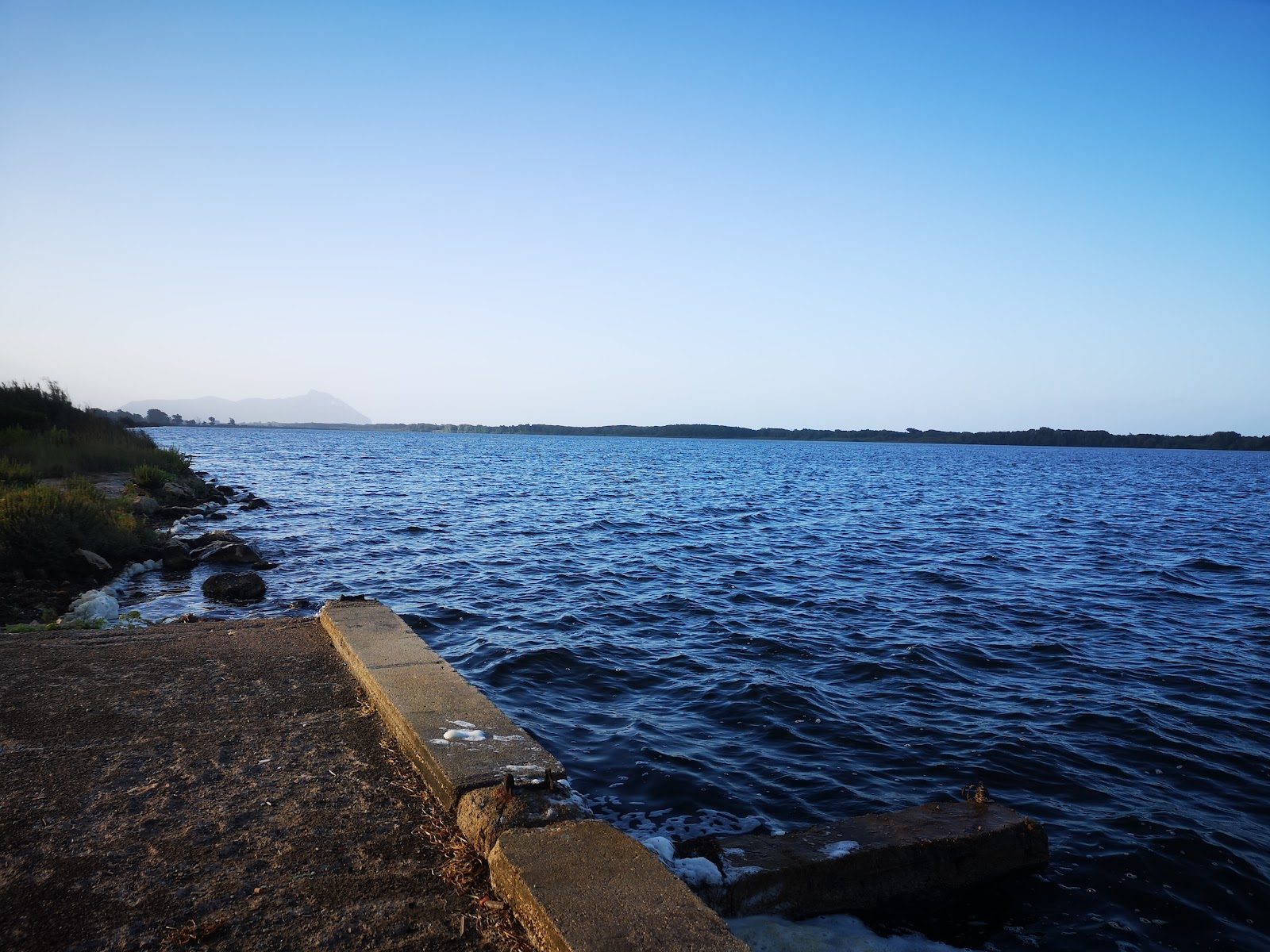
Lago di Caprolace sits just one metre above sea level, a shallow brackish lagoon separated from the Tyrrhenian Sea by nothing more than a line of dunes and reed beds. Its rectangular outline gives it away — the lake was reshaped during the Pontine Plain reclamation works of the 1930s and 40s, its banks straightened, its depth reduced to a maximum of three metres.
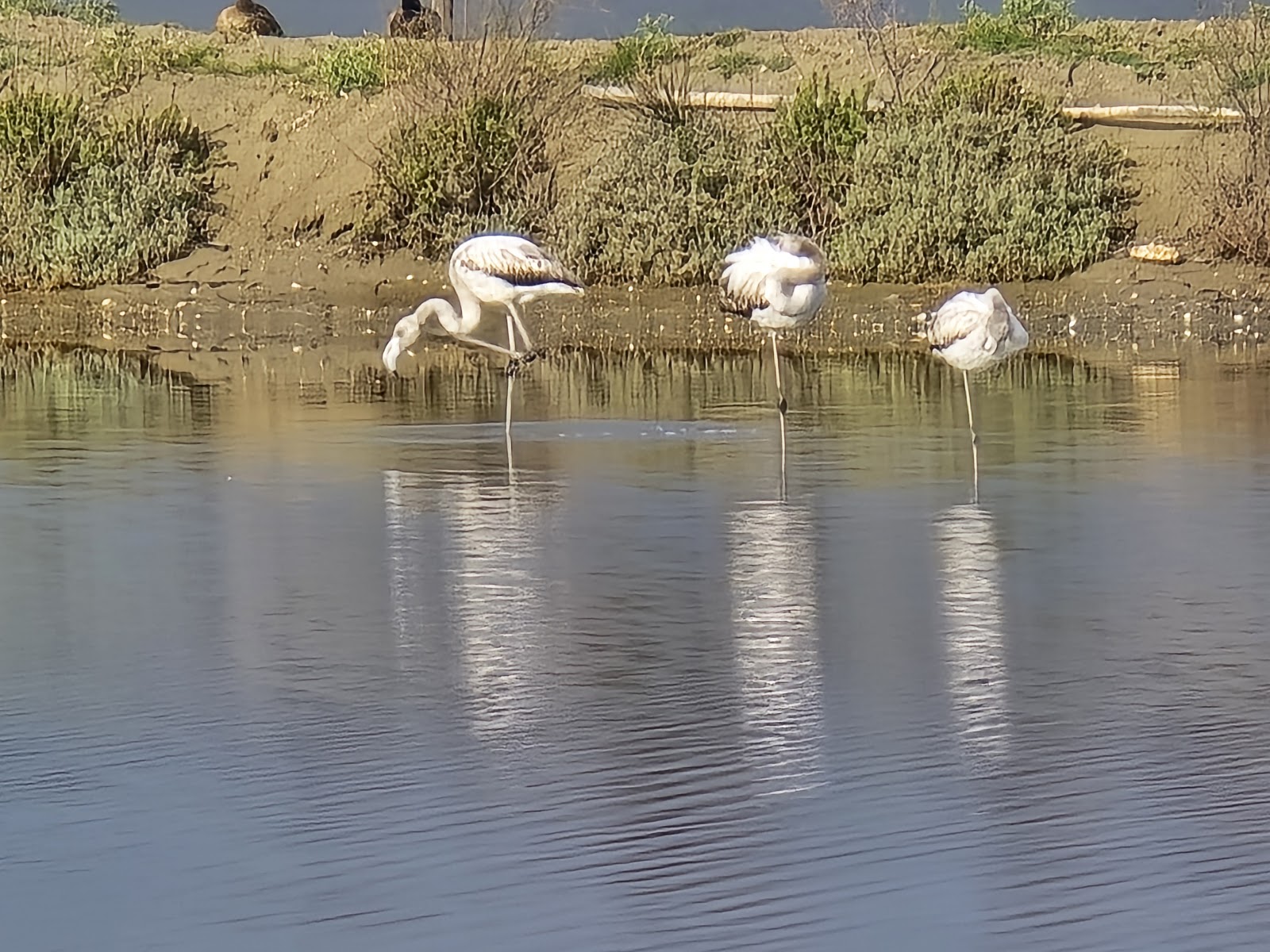
What the engineers left behind, the birds claimed. The majority of the roughly 250 species recorded across Parco Nazionale del Circeo live here: cormorants drying their wings on low branches, black-winged stilts picking through the shallows, flamingos moving in loose pink formations across the northern end.
💛 What travellers fall for
People who return tend to time it carefully. The walk in along Strada Sacramento, then left on Strada Diversivo Nocchia, rewards patience — early morning, before the light gets flat, is when the herons are most active along the eastern shore. Bring binoculars and expect the 8 km perimeter to take longer than you plan.
The story behind Lago di Caprolace
Before the 1930s reclamation, the Pontine Plain was malarial marshland the Italian state had long considered ungovernable. The drainage works that remade the plain between 1930 and 1940 also altered Caprolace — straightening its shape, reducing its depth, connecting it to Lago di Sabaudia via the Fossa Augusta canal.
The lake's older history surfaced in 2017, when archaeologists from the Groningen Institute of Archaeology and Tor Vergata University of Rome excavated two small islands in the northern lagoon. They found evidence of Middle Bronze Age salt production using the briquetage technique — ceramic moulds used to evaporate brine — alongside Bronze Age and Roman pottery recovered along the eastern shore. The site was designated a Ramsar wetland in December 1976, with the 229-hectare area entering the Convention's official list in 1978.
Good to know
No entrance fee, no opening hours — arrive during daylight. Park on the Lungomare di Sabaudia and walk in; it's the least accessible of the coastal lakes by design. Stay on marked paths, especially in spring when nesting restrictions may apply to certain sections. September and October offer good weather and fewer visitors than summer.
The lake sits in a Mediterranean climate with hot, dry summers and mild, wetter winters. July is the driest month, August the warmest at around 25°C; if you're coming for birds rather than sun, May, September or October give you comfortable temperatures and better light without the summer haze.
Where is Lago di Caprolace?
More tickets & tours for Lago di Caprolace
Book directly at the provider
What travellers say about Lago di Caprolace
Best birding in this area, but the birds are too exposed to disturbance
A good spot for spotting waders and various marsh birds. There is no hide; people generally stay in their cars and wait for sightings.
I haven't had the chance to explore, but from what I could see it's a remnant of the reclaimed Pontine Marshes.
A classic lake close to the sea, we go there every now and then to see the flamingos live
For nature lovers, Very beautiful
More of Latina
Discover where to stay, what to do and the best deals for your trip.
Explore Latina →More attractions in Latina
All of Latina →

Background adapted from Wikipedia (CC BY-SA) · map data © OpenStreetMap contributors · ratings & place photos via Google · other photos with per-image credit. Ticket links may earn us a commission at no extra cost to you.