
Cotswolds
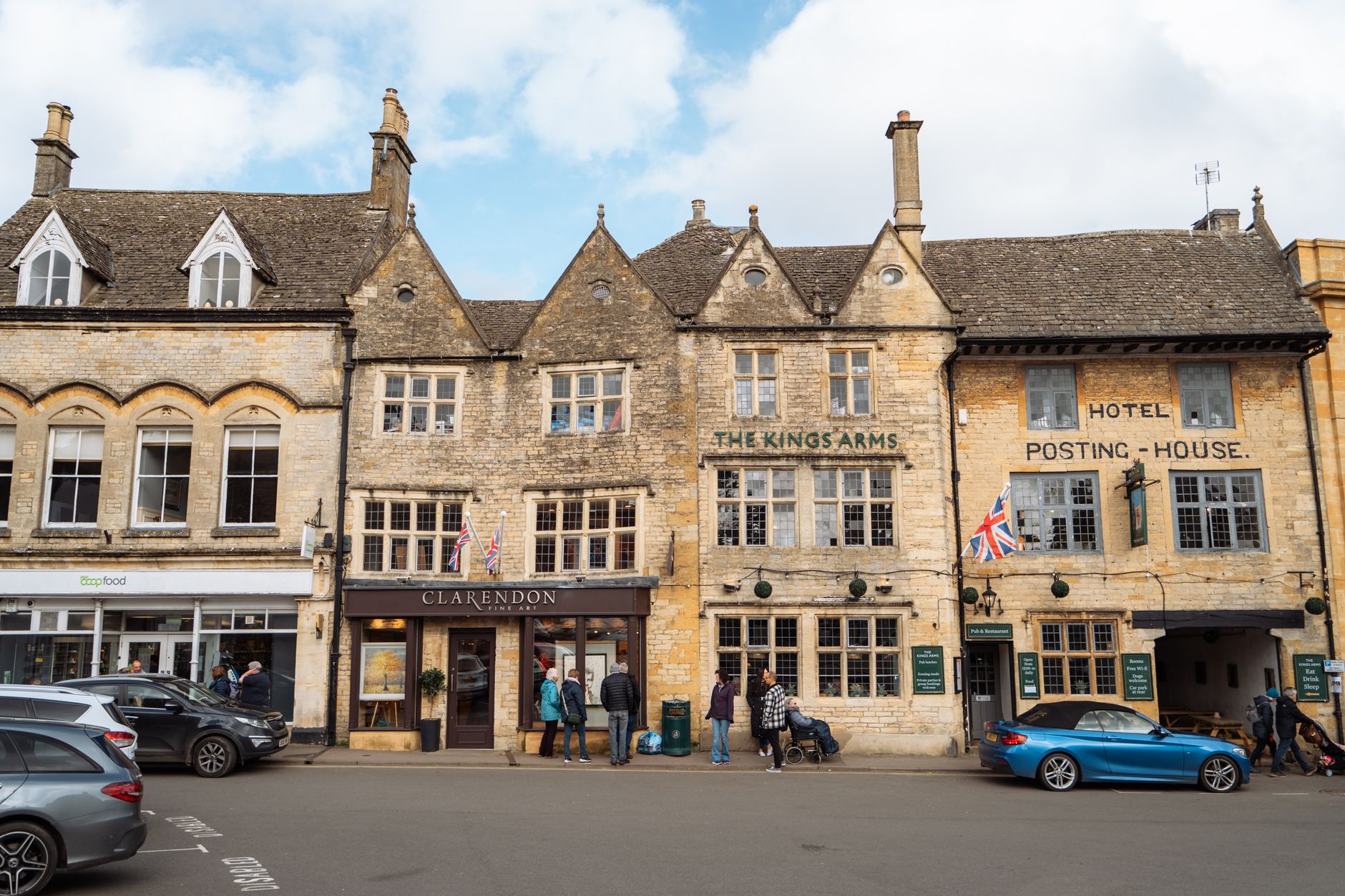
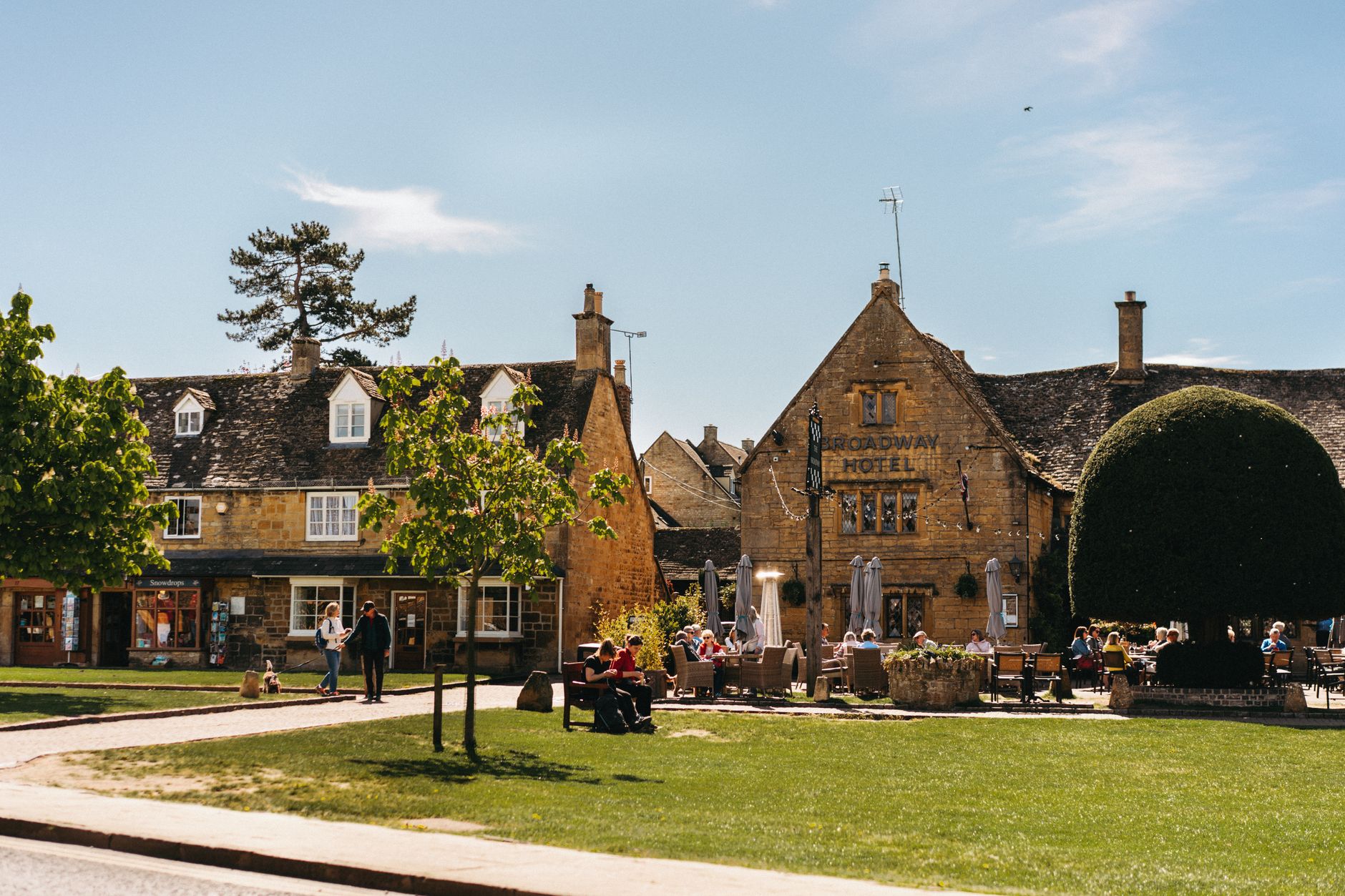
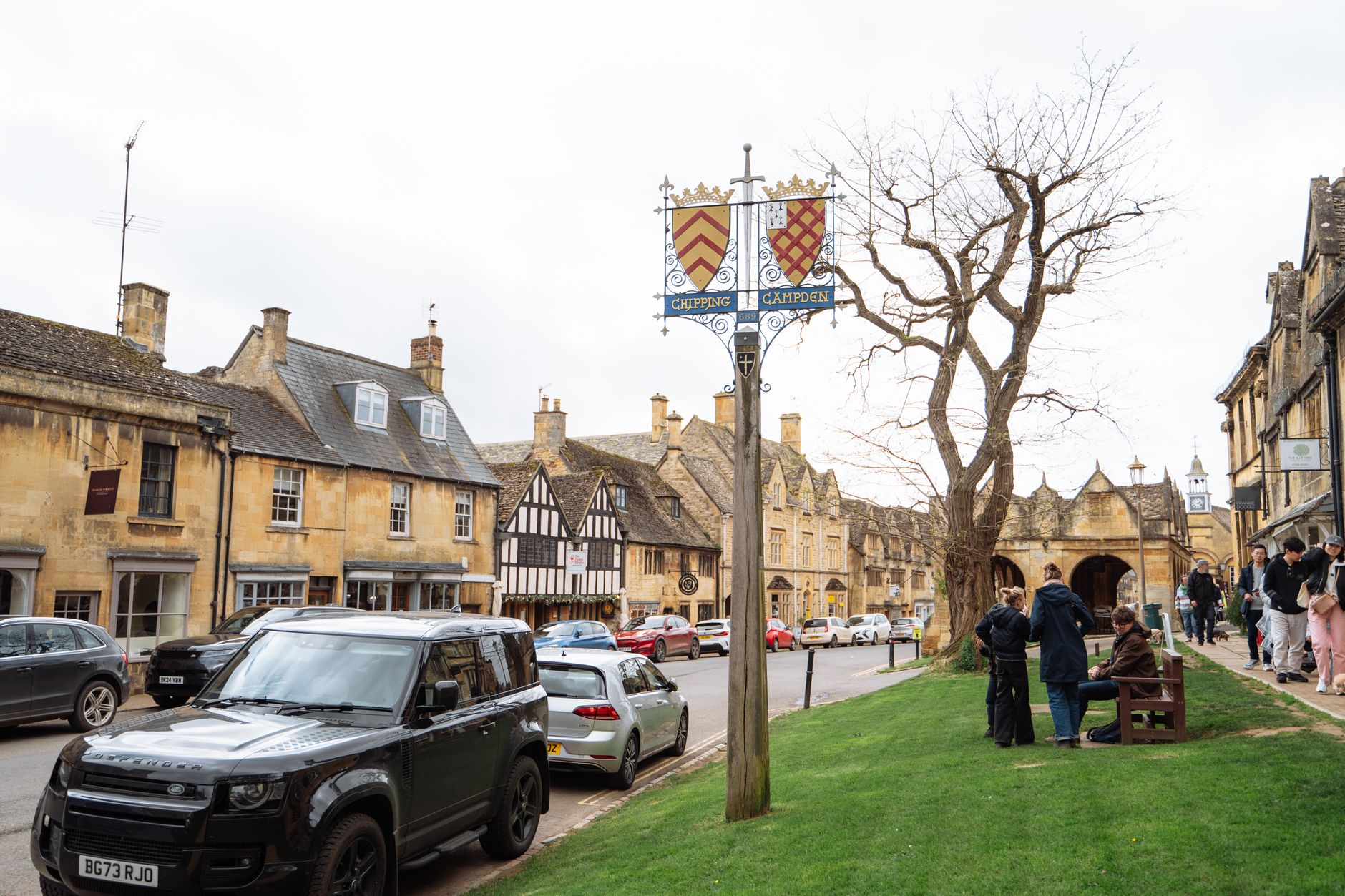
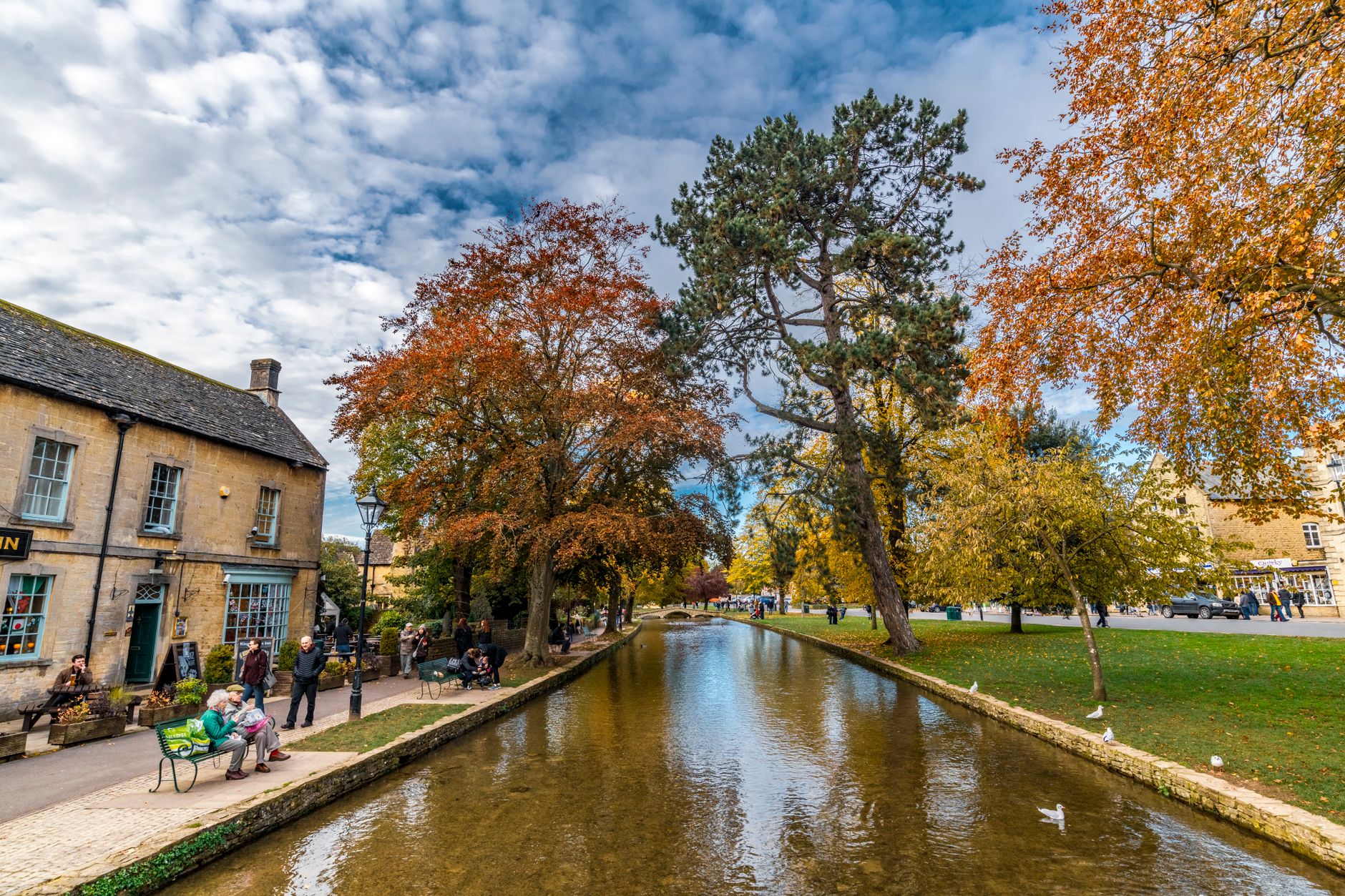
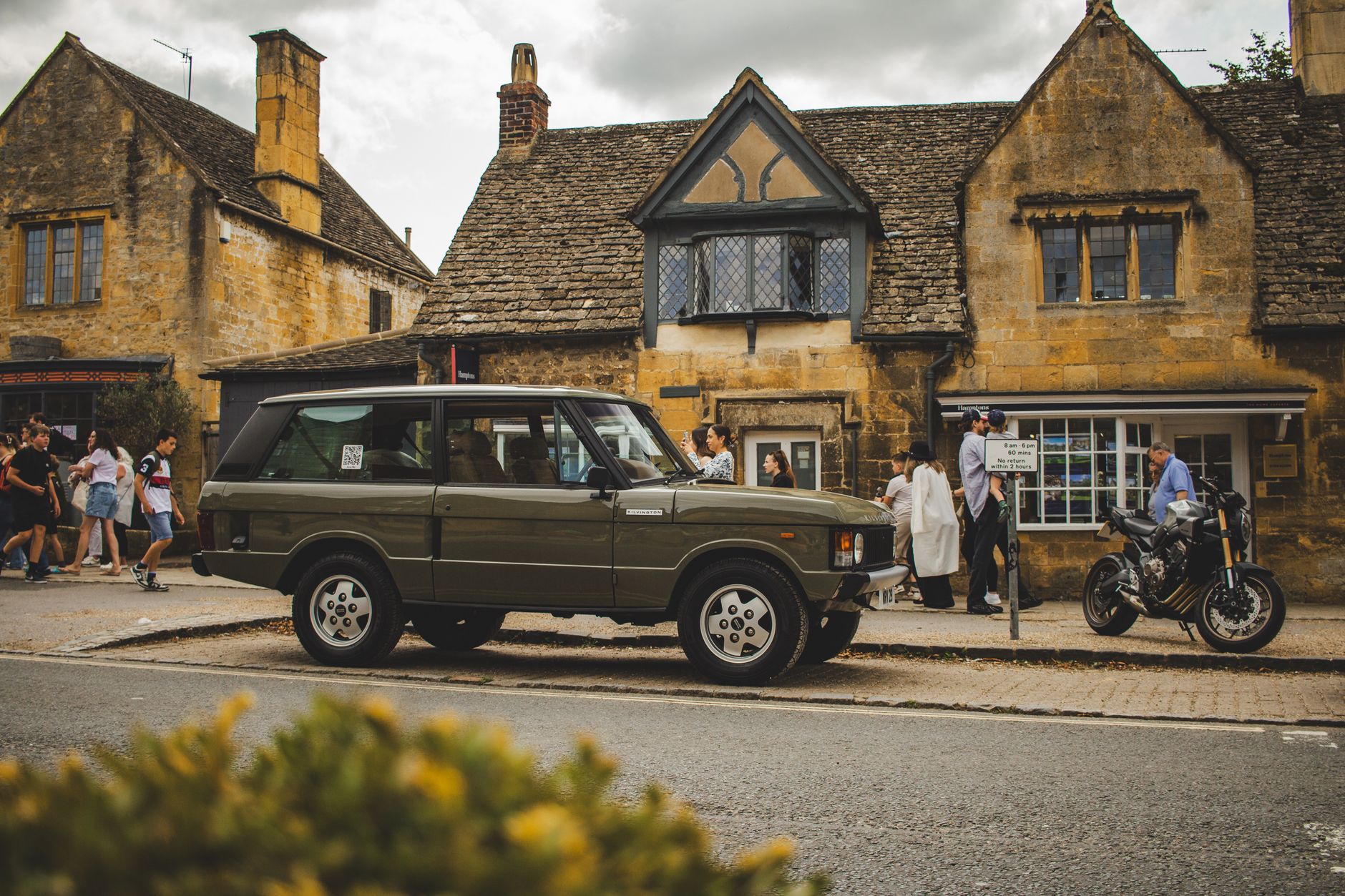
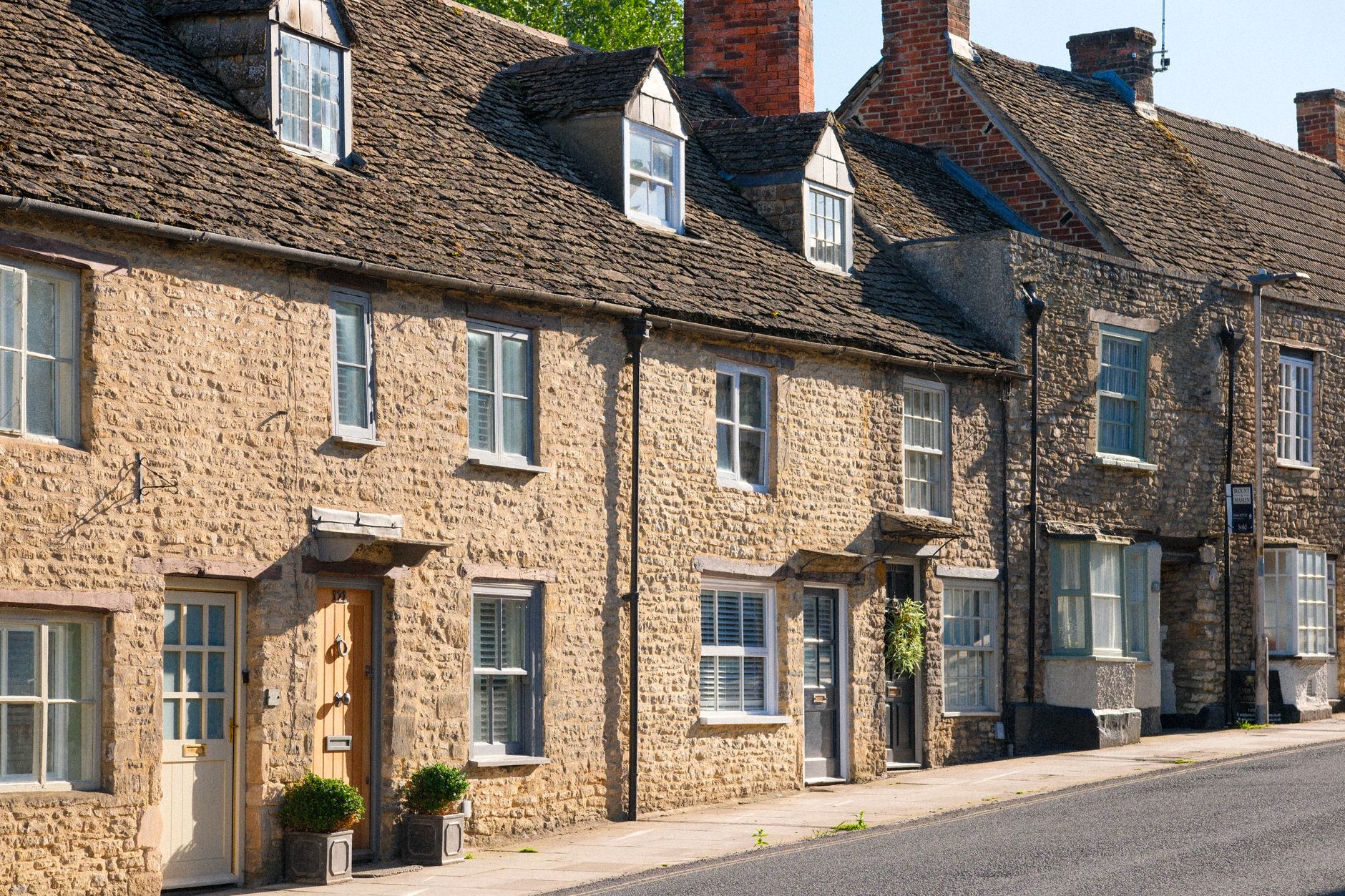
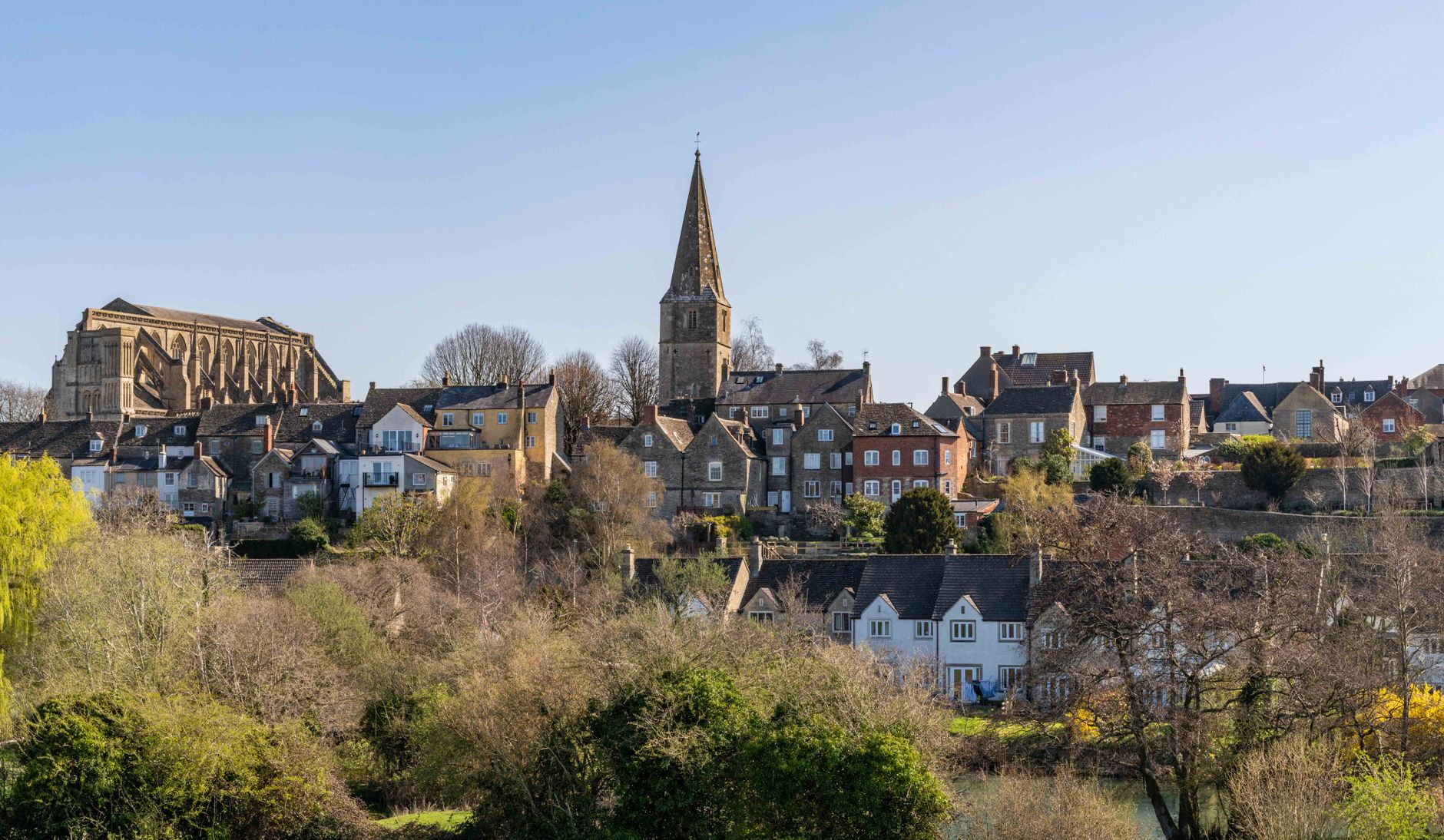
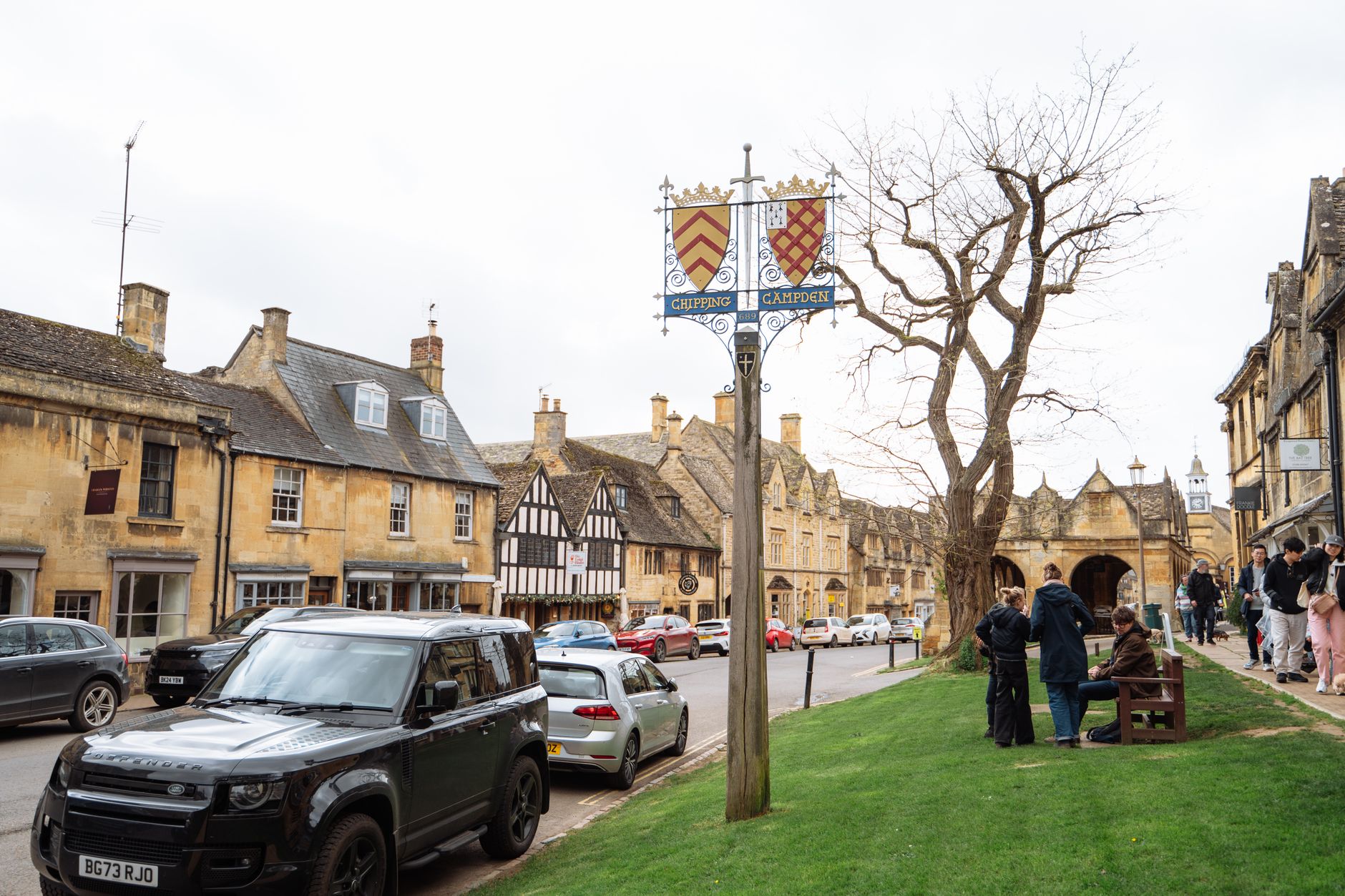
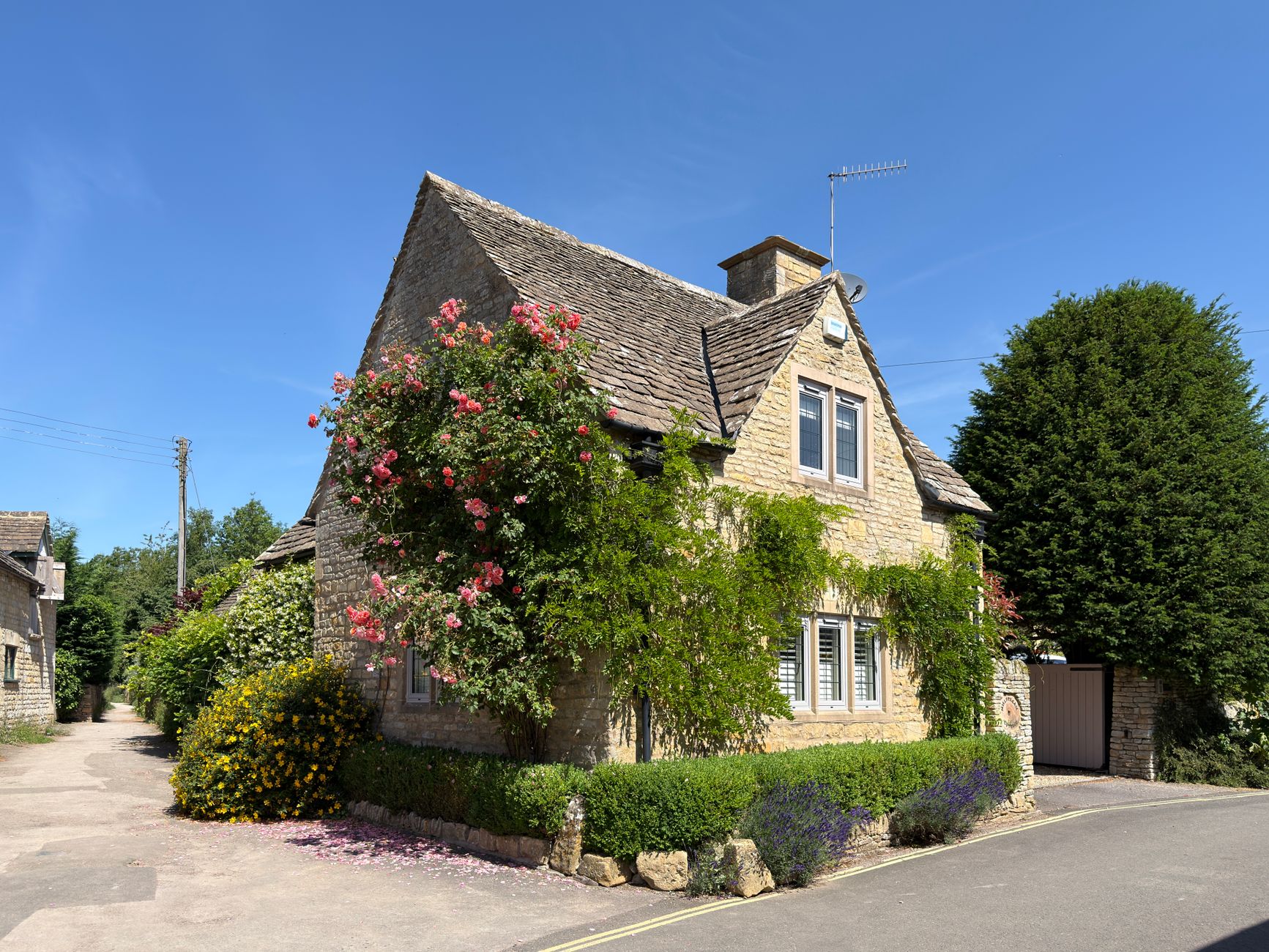
The name probably comes from the Old English for sheep pens and rolling hills, and that etymology tells you nearly everything: the Cotswolds is a landscape shaped by wool. The honey-coloured limestone that gives every village its particular glow was quarried from the same ground the Cotswold Lion sheep grazed for centuries, and the money those sheep generated built the churches, market halls and manor houses that still stand today.
Spread across 2,038 square kilometres of Oxfordshire, Gloucestershire, Wiltshire and beyond, this is a region you move through slowly — on foot along drover's paths, by car on lanes barely wide enough for two vehicles, or by train into market towns where the weekly rhythm hasn't entirely changed.
Popular cities in Cotswolds


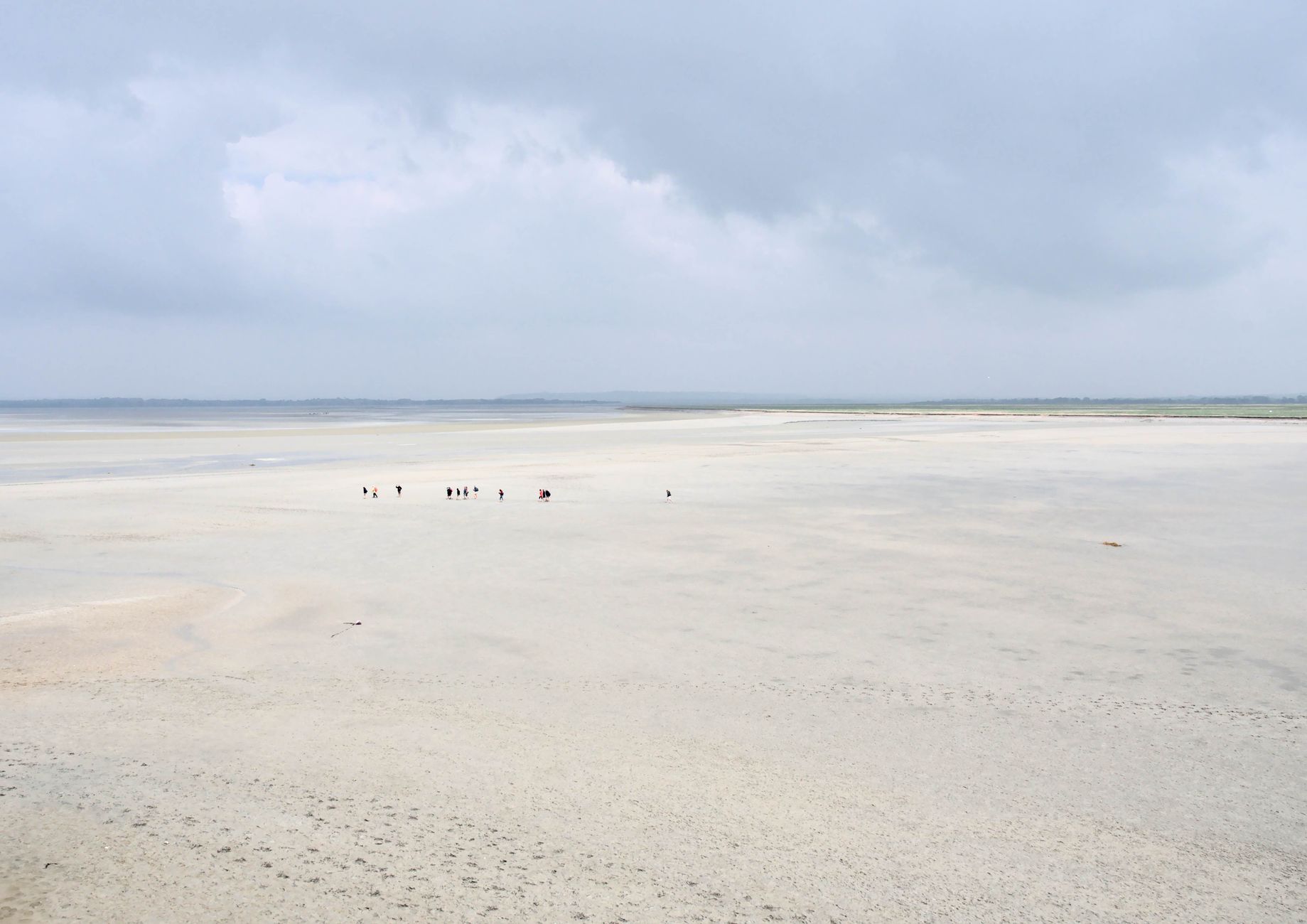


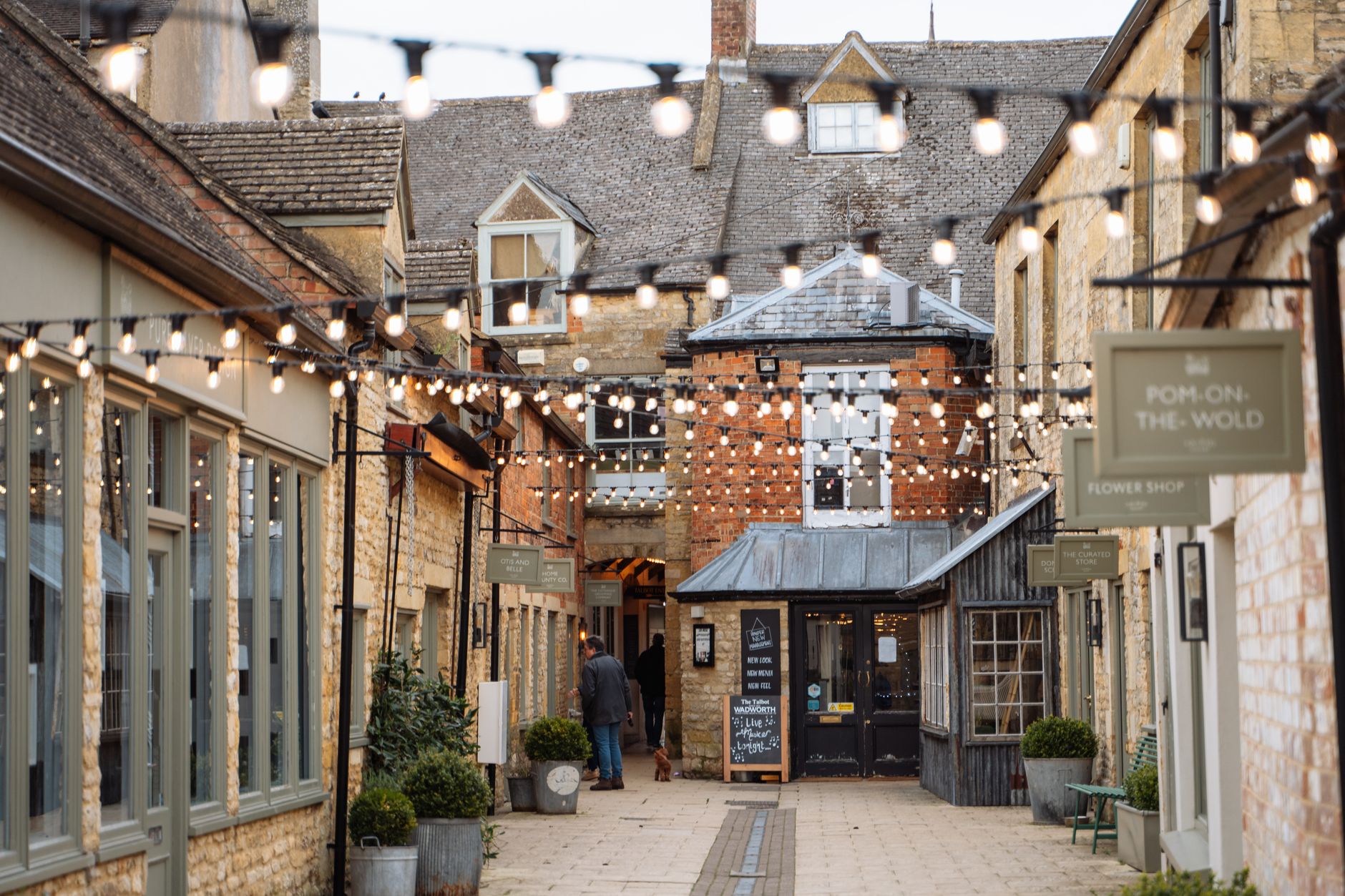
💛 What travellers fall for
People who keep coming back tend to arrive mid-week, out of season, when the coach parties are gone. They'll tell you to base yourself somewhere with a kitchen — Burford and Tetbury have good rental stock — and to pick one long walk rather than ticking villages. Arlington Row in Bibury on a Tuesday morning in October is a different place from Arlington Row on a Saturday in July.
How Cotswolds came to be
The Cotswolds has been continuously inhabited since the Neolithic, when people raised the long barrows of the Cotswold-Severn Group around 5,000 years ago. The Romans arrived in 43 AD, made Cirencester the second-largest town in Britain, and introduced the Cotswold Lion sheep — a breed whose wool, sold largely to Italian merchants, would define the region's economy for over a millennium. Between 1250 and 1350, Cotswold wool was considered the finest in Europe.
The Dissolution of the Monasteries in the 1530s shifted the great sheep flocks from monastic to private hands, and over a hundred wool mills eventually followed. When the Industrial Revolution relocated textile production northward in the 1700s, the Cotswolds were left largely unaltered — which is precisely why so much of it still looks the way it does.
Who and what shaped it
People who shaped it
Landmark buildings
See Cotswolds in motion
Plan your visit
On the map
When to go
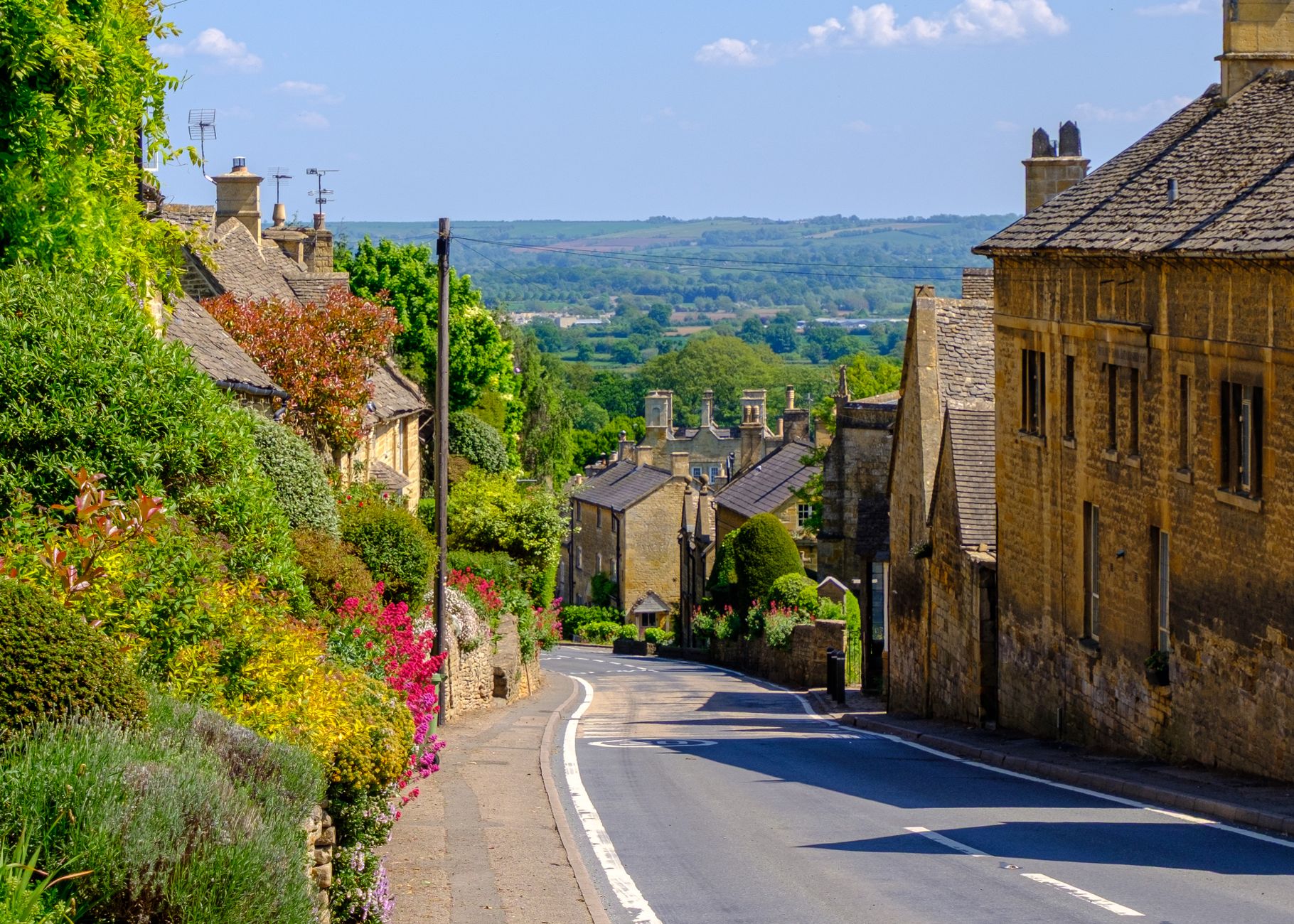
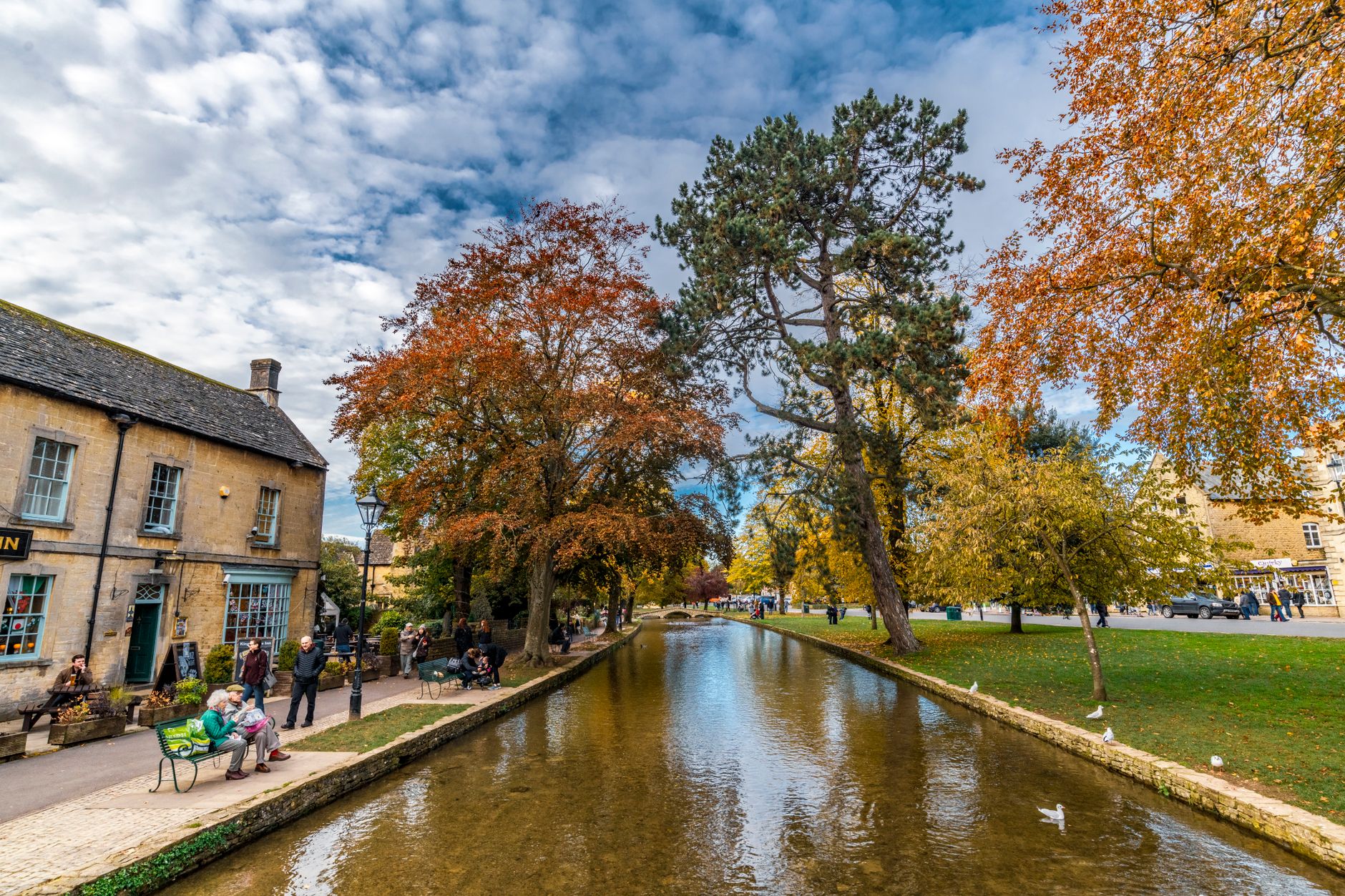
Summers are mild and green but draw the heaviest visitor numbers, particularly July and August. Spring brings blossom and manageable crowds; autumn turns the stone villages amber in a way that photographs can't quite capture. Winters are cold and occasionally frosty, but the landscape empties out almost entirely.
Right now
↡ Cities


Background & history adapted from Wikipedia (CC BY-SA) · specs from Wikidata (CC0) · weather from Open-Meteo · map data © OpenStreetMap contributors · photos from Wikimedia Commons / Unsplash with per-image credit. No third-party reviews or social posts reproduced.