
Burford
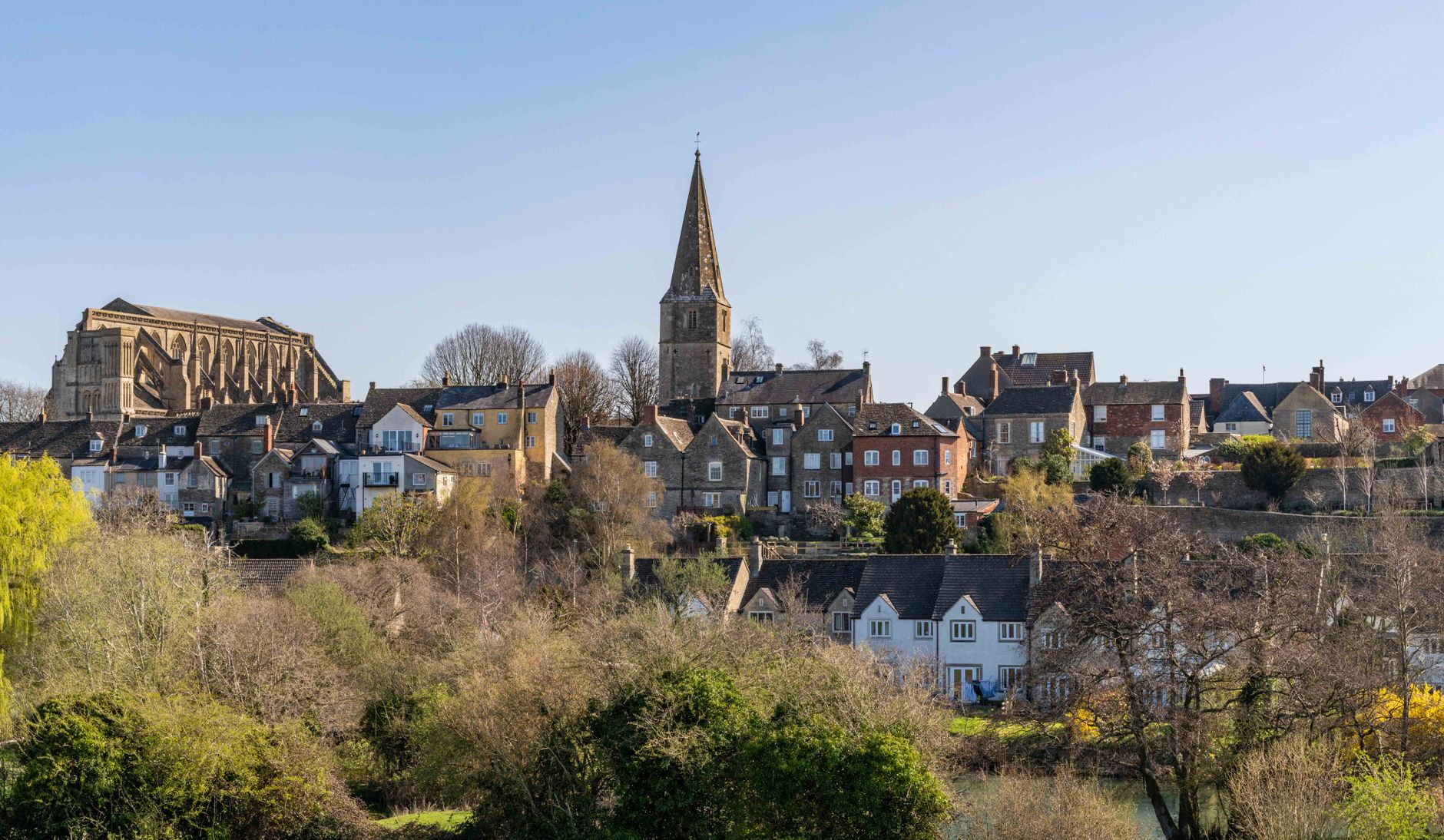
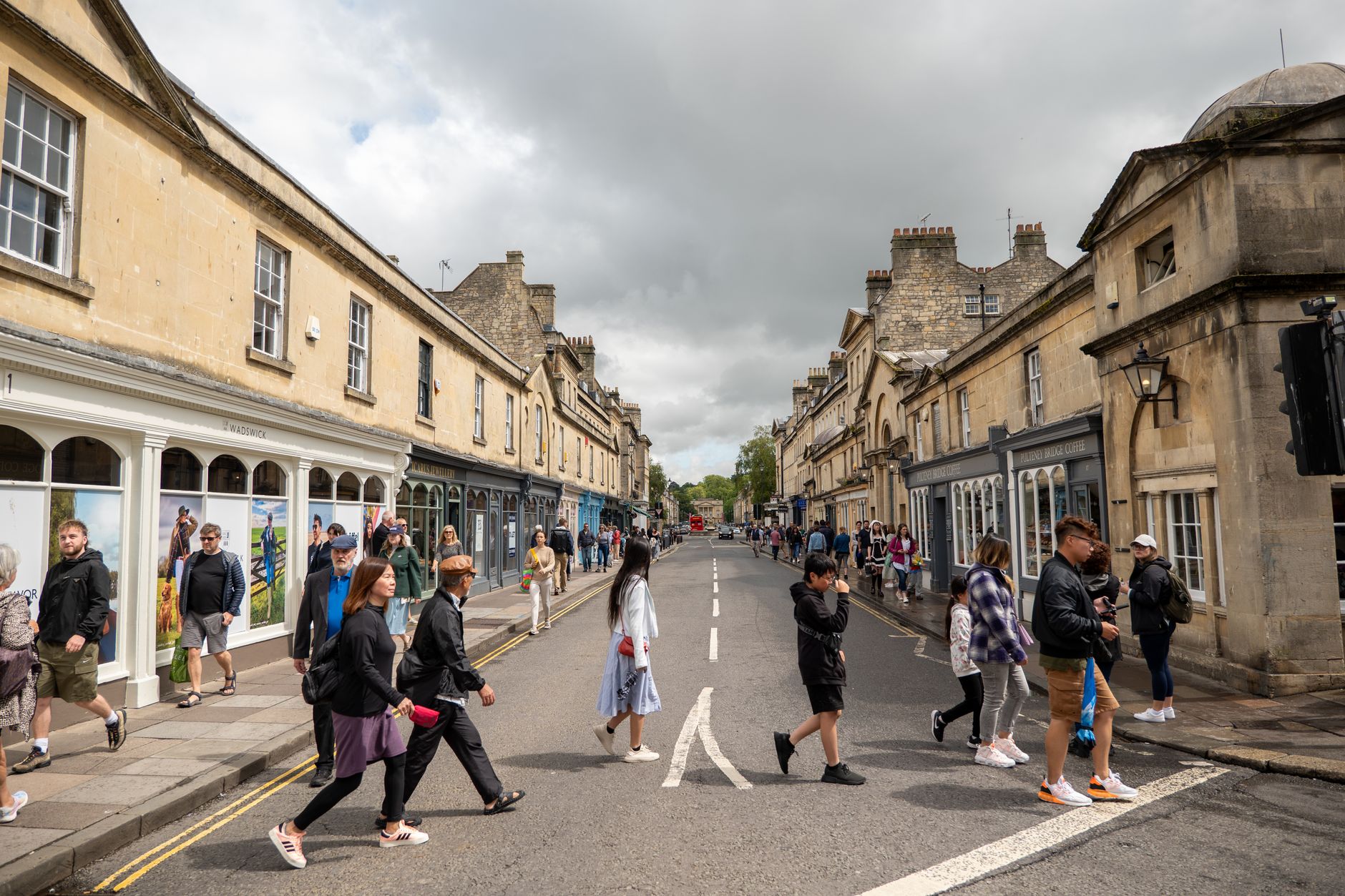
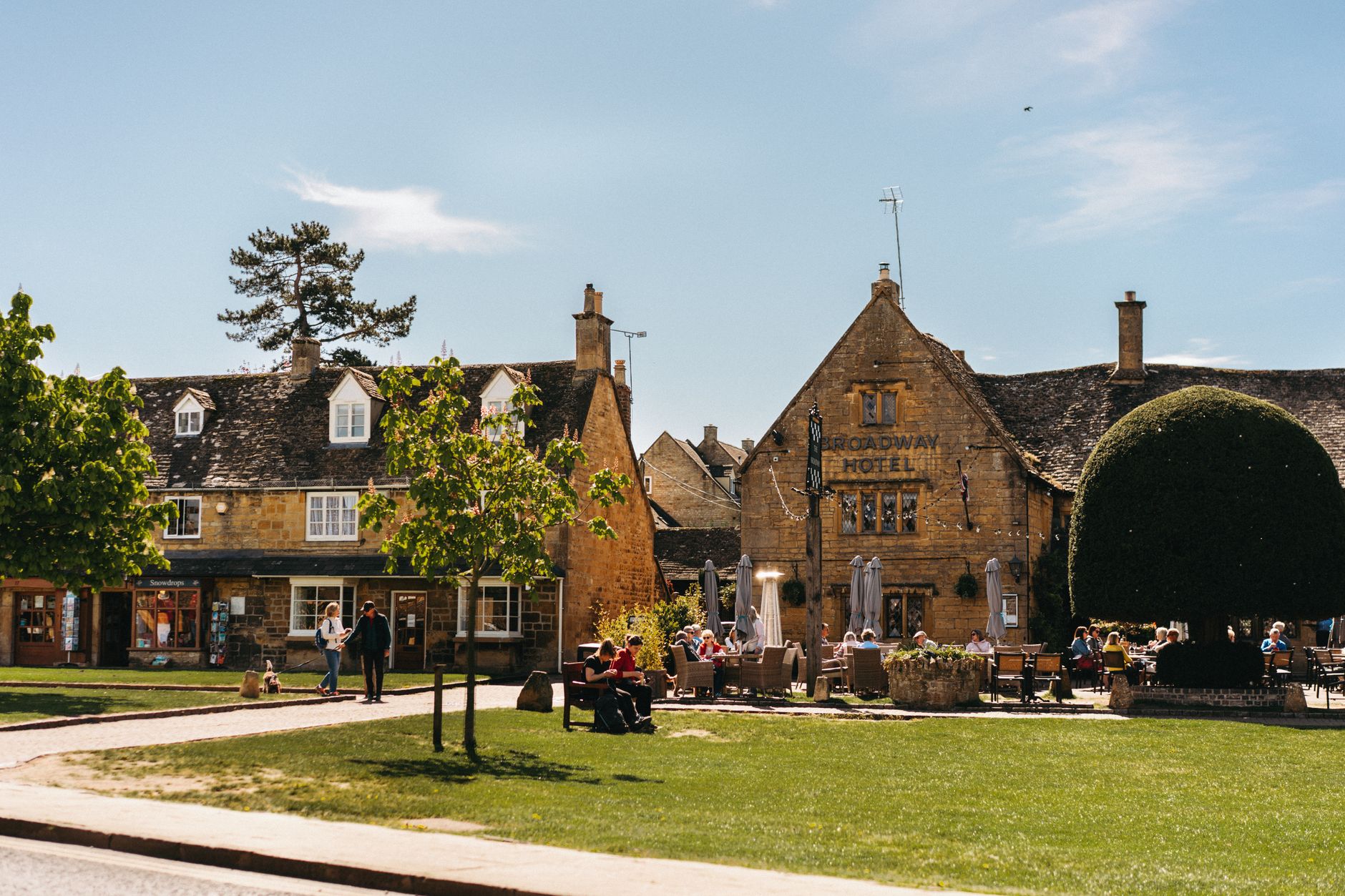
Stand at the top of Burford's High Street and the whole town lays itself out below you — a long, unhurried slope of honey-coloured limestone, mullioned windows, and crooked gables falling toward a stone bridge over the River Windrush. It's a view that has barely changed in outline since wool merchants were the wealthiest people for miles around.
Burford earned its independence early. A market charter granted around 1090 by Robert Fitzhamon freed its residents from the feudal system at a time when such a thing was almost unheard of. That early self-sufficiency left a town that built well and kept what it built — the church alone took four centuries of wool money to complete.
💛 What travellers fall for
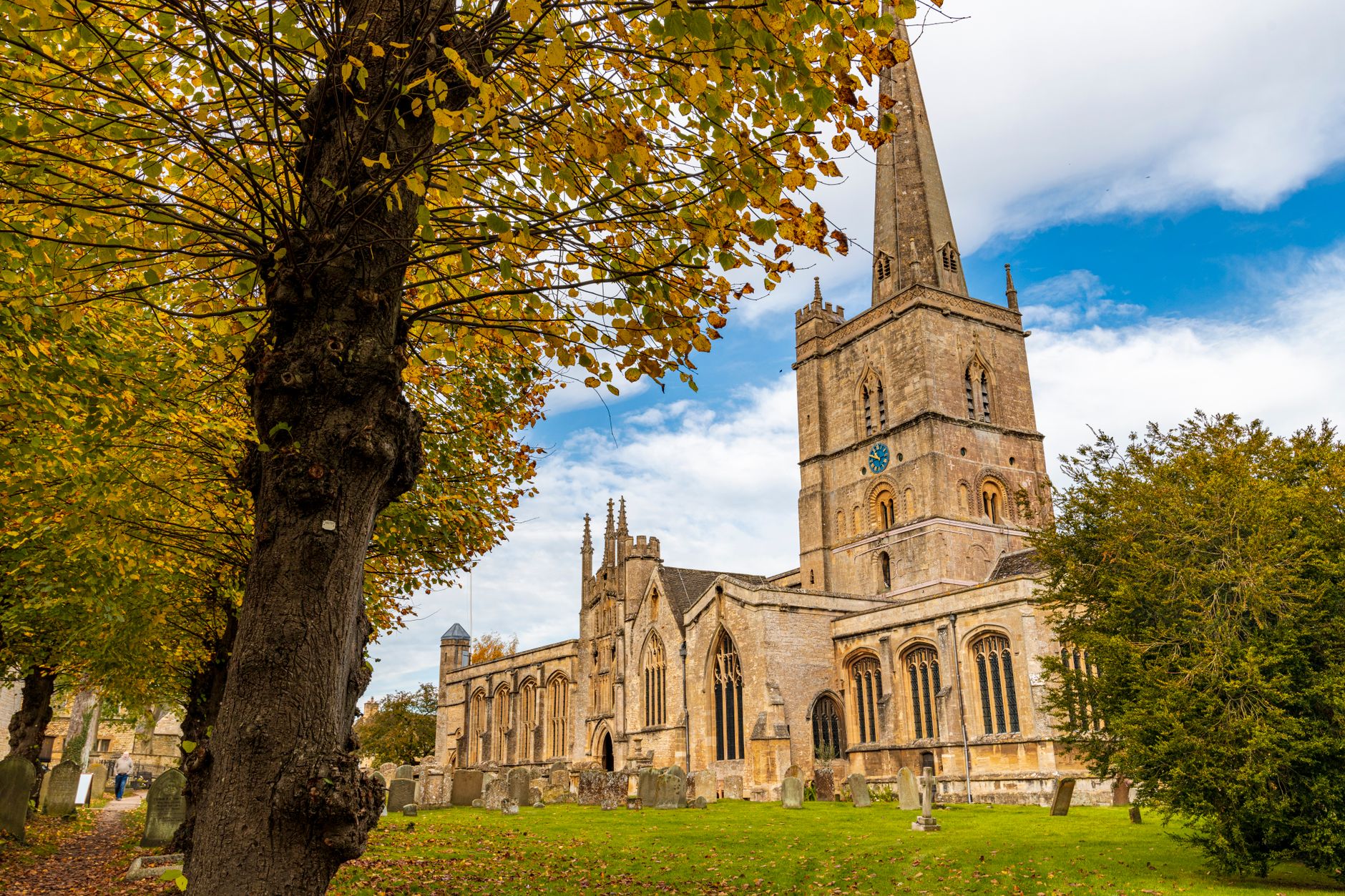
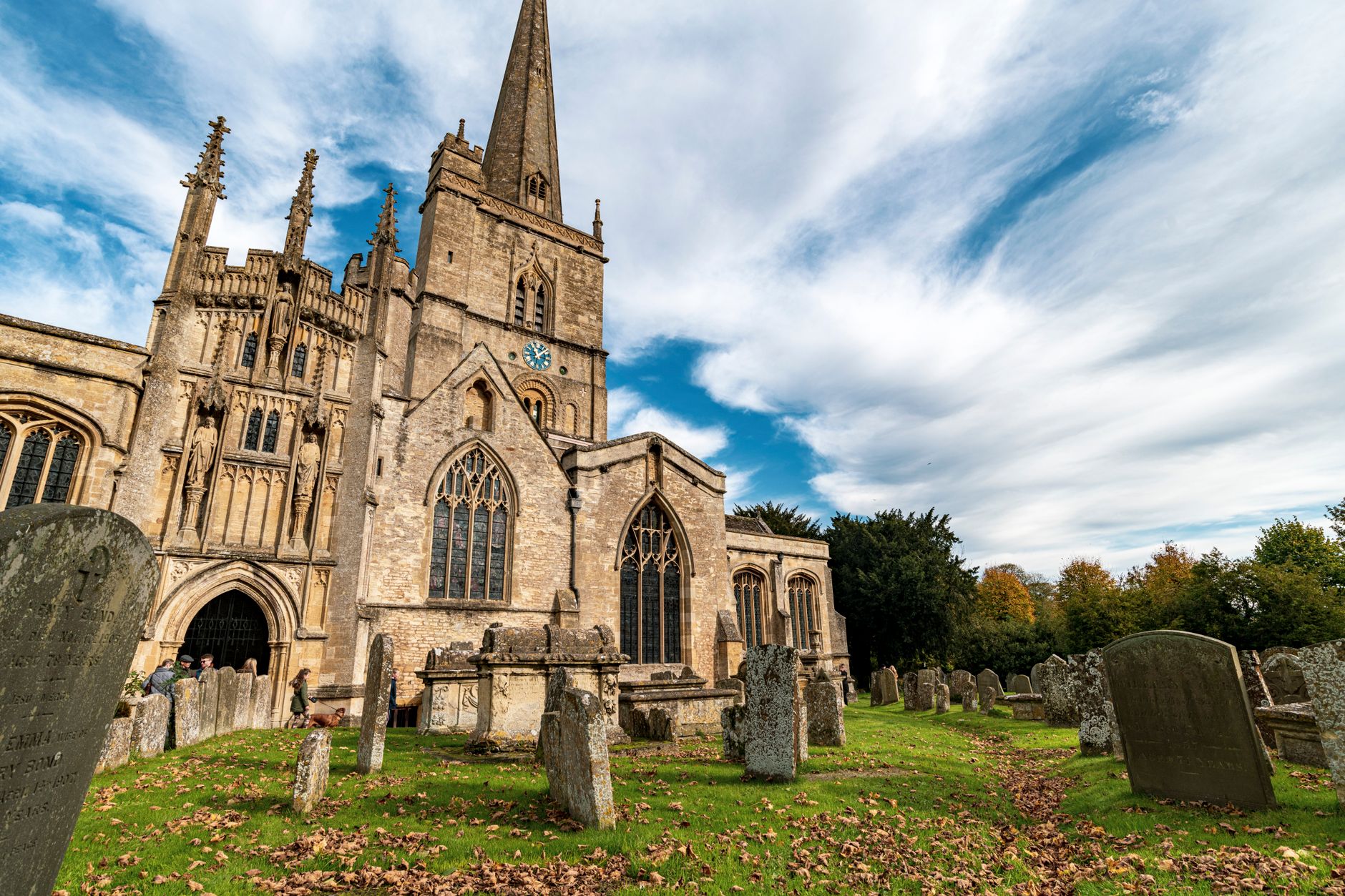
People who come back tend to go straight to Burford Hill in the morning, before the shadow falls across the cottages. They'll tell you the Tolsey Museum is easy to underestimate and easy to love, and that the Church of St John the Baptist rewards a slow circuit — look for the graffiti scratched into the font by Leveller soldiers imprisoned there in 1649.
Experiences you don't want to miss


Deals in Burford
Book directly at the provider
How Burford came to be
Burford's roots go back to the middle Saxon period, and it appears in the Domesday Book of 1086. The charter granted c.1090 by Robert Fitzhamon — one of the earliest in England — gave the town market rights and cut its people loose from the feudal obligations that bound most of medieval England. For the next few centuries, wool was everything: the Church of St John the Baptist, founded in 1175 and enlarged continuously through the 1500s, is essentially a ledger of that prosperity in stone.
By the 18th century the trade had shifted to tanning and brewing. The railway bypassed the town when it was routed through Charlbury, which stalled things for a generation, but motor traffic eventually brought Burford back. William Morris passed through in 1876, was appalled by the stripping of medieval decoration from the church, and went home to found the Society for the Preservation of Ancient Buildings.
Who and what shaped it
People who shaped it
Landmark buildings
See Burford in motion
Plan your visit
On the map
When to go
June through September is the most comfortable time to visit, with temperatures between 19–22°C and around seven hours of sunshine a day in July. Winters are long and grey, often cold enough at night to approach freezing, with October the wettest month — bring a layer regardless of the forecast.
Right now
Background & history adapted from Wikipedia (CC BY-SA) · specs from Wikidata (CC0) · weather from Open-Meteo · map data © OpenStreetMap contributors · photos from Wikimedia Commons / Unsplash with per-image credit. No third-party reviews or social posts reproduced.