





I had a wonderful stay at The Broadway Hotel and was impressed by the overall experience. The hotel offers clean, comfortable, and well-maintained rooms with all the essential amenities needed for a relaxing stay. The staff were welcoming, courteous, and always willing to help, making the entire visit smooth and enjoyable. The location is excellent, with easy access to nearby attractions, restaurants, and public transport, making it convenient for both business and leisure travelers. The breakfast was fresh and offered a good variety of options to suit different tastes. The hotel maintained high standards of cleanliness throughout the property, creating a pleasant and comfortable atmosphere. The check-in and check-out process was quick and hassle-free, adding to the convenience. Overall, The Broadway Hotel provides excellent value for money with quality service, a great location, and a comfortable environment. I would happily stay here again and highly recommend it to anyone visiting the area.
Broadway
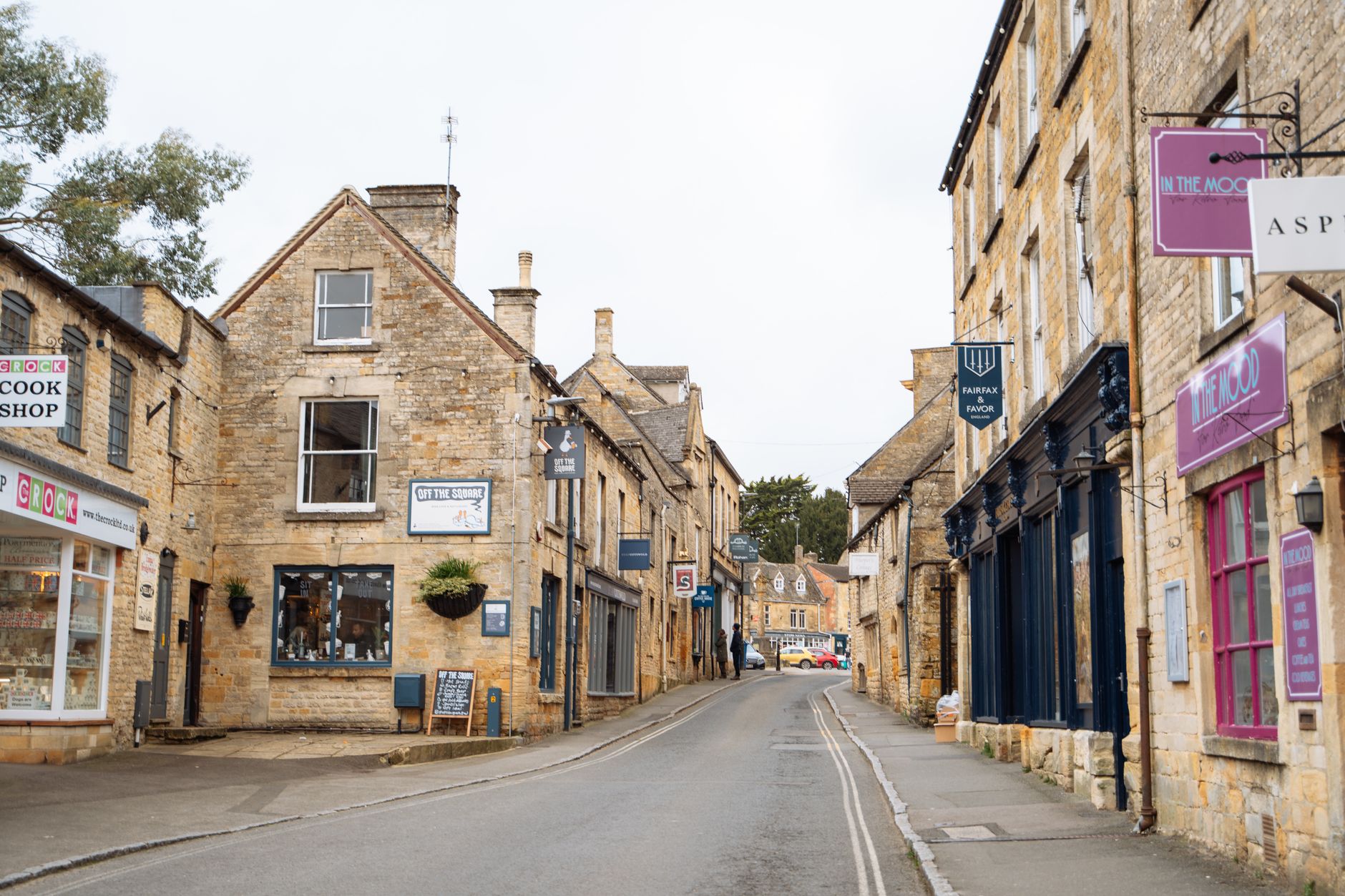
Broadway's High Street is one of the longest village streets in England, and the first thing you notice is that it's genuinely wide — wide enough that the red chestnut trees lining the central green don't feel crowded, and the honey-coloured limestone facades have room to breathe. This is a place that was built for volume: stagecoaches, wool merchants, travellers stopping to change horses before the long haul up Fish Hill.
Up on that hill, visible for miles across the Vale of Evesham, Broadway Tower stands on the second-highest point in the Cotswolds. Below it, the village moves at a pace that makes the 33 pubs it once had feel almost believable.
💛 What travellers fall for
People who keep coming back tend to walk up to St Eadburgha Church before anything else — it's the older of the two parish churches, only open in summer, and the field path to it is quiet in a way the High Street rarely is. The Gordon Russell Design Museum is easy to underestimate and worth at least an hour.
Experiences you don't want to miss
Deals in Broadway
Book directly at the providerHow Broadway came to be
Broadway's story runs deeper than its photogenic surface suggests. Mesolithic flints found during 2004 excavations point to hunter-gatherer activity here thousands of years before the Beaker people settled around 1900 BCE, and Roman occupation followed. The name itself — from the Old English Bradsetena Gamere, meaning 'broad village' — appears in a royal charter of 972, when King Edgar granted land to the Benedictine Monastery at Pershore.
Wool made Broadway prosperous in the Middle Ages; the wide street was built to accommodate the trade. By 1600, it was a busy staging post on the Worcester–London road, once counting 33 public houses. The toll road formalised in 1728, the railway that arrived in 1904 and closed by 1960, and eventually the motor car each reshaped the village in turn — leaving behind the Lygon Arms (first recorded 1532) and a High Street that still reads like a palimpsest of every era.
Who and what shaped it
People who shaped it
Landmark buildings
See Broadway in motion
Plan your visit
On the map
When to go
The Cotswold hills make for changeable weather year-round; summers are mild and green, though July and August bring the most visitors. Spring arrives gently here, with clear light good for the limestone, and autumn can be sharp and golden — bring a layer regardless of the season.
Right now
What travellers say about Broadway
We've been to Broadway a few times never stayed at The Broadway before. Excellent location right next to the green in the heart of the village. We booked a snug room, it was very sizeable, with a large bed , table, a couple of chairs, a full size wardrobe and a full bathroom. We had a gorgeous private patio and was more like a little cottage, I loved it. The only downside was the carpet which was of an outdoor mat material and very painful to walk on. There is a beautiful residents only garden in the rear of the hotel which is a peaceful, tranquil oasis Breakfast was absolutely delicious, an international selection with locally sourced produce . I can recommend the scrambled egg on Sourdough. Service is excellent with polite, friendly and efficient staff. Resident's receive a 15% discount on food! Highly recommend
Top location, good food and drinks. This used to be my favourite spot to eat in Broadwa. Since the restaurant changed hands, they seem to be a bit short staffed, and staff usually looks quite stressed. Very rigid and contained kitchen capacity, makes waits a bit long. Once they even stopped taking orders half way through our large table, leaving half the table with no food.
A fantastic hotel. The star for eggs. This place is so stylish. The food is great. The whole thing is so professional. What a wonderful place to stay. I stay in hotels all around the world. I’ll tell you what this one’s up there with the best the very best. Also really good it’s three star rather than five star because the price is a brilliant. Come stay here when you’re in Broadway. Or anywhere near Broadway for that matter in fact drive 20 minutes where you have to go from here. Such a good place.
The room was nice, but definitely on the pricey side. I just can’t get over how terrible the dinner was. Very overpriced and underwhelming. £19 for two tiny sides, lacked seasoning and sauce. Most reviews I read spoke of slow service and that’s why there were lower ratings, not the case for me, service was fine, slow when we wanted to leave only. In a hotel like this you expect expensive, but expensive is okay when you get the full experience. They need someone with passion for good food! The only redeeming part was a good breakfast. I also notice that there is no one commenting or thanking for people’s reviews, this to me is sign that they are checked out or poorly managed. Reviews matter!
Background & history adapted from Wikipedia (CC BY-SA) · specs from Wikidata (CC0) · weather from Open-Meteo · map data © OpenStreetMap contributors · photos from Wikimedia Commons / Unsplash with per-image credit. No third-party reviews or social posts reproduced.