
Bourton-on-the-Hill
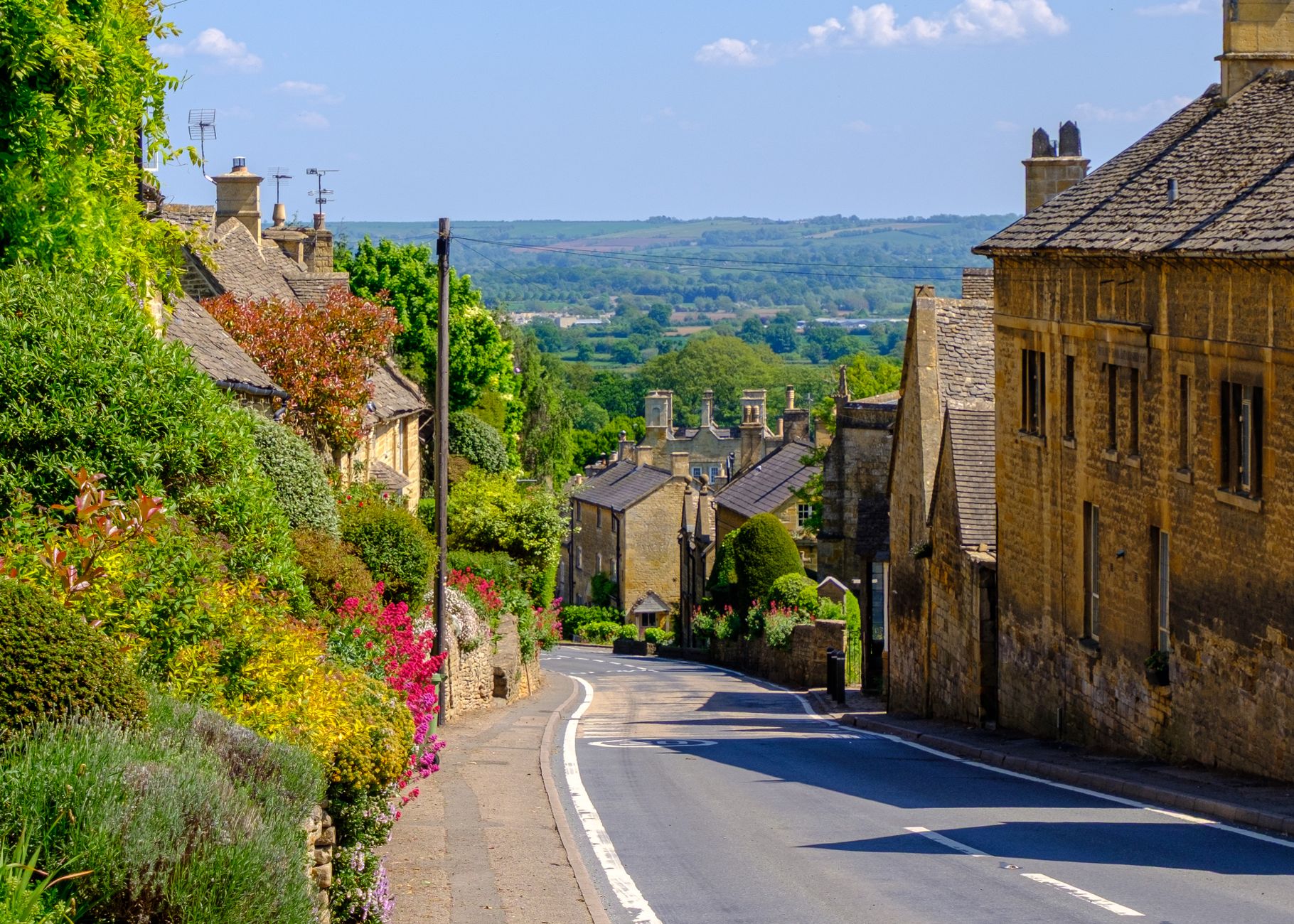
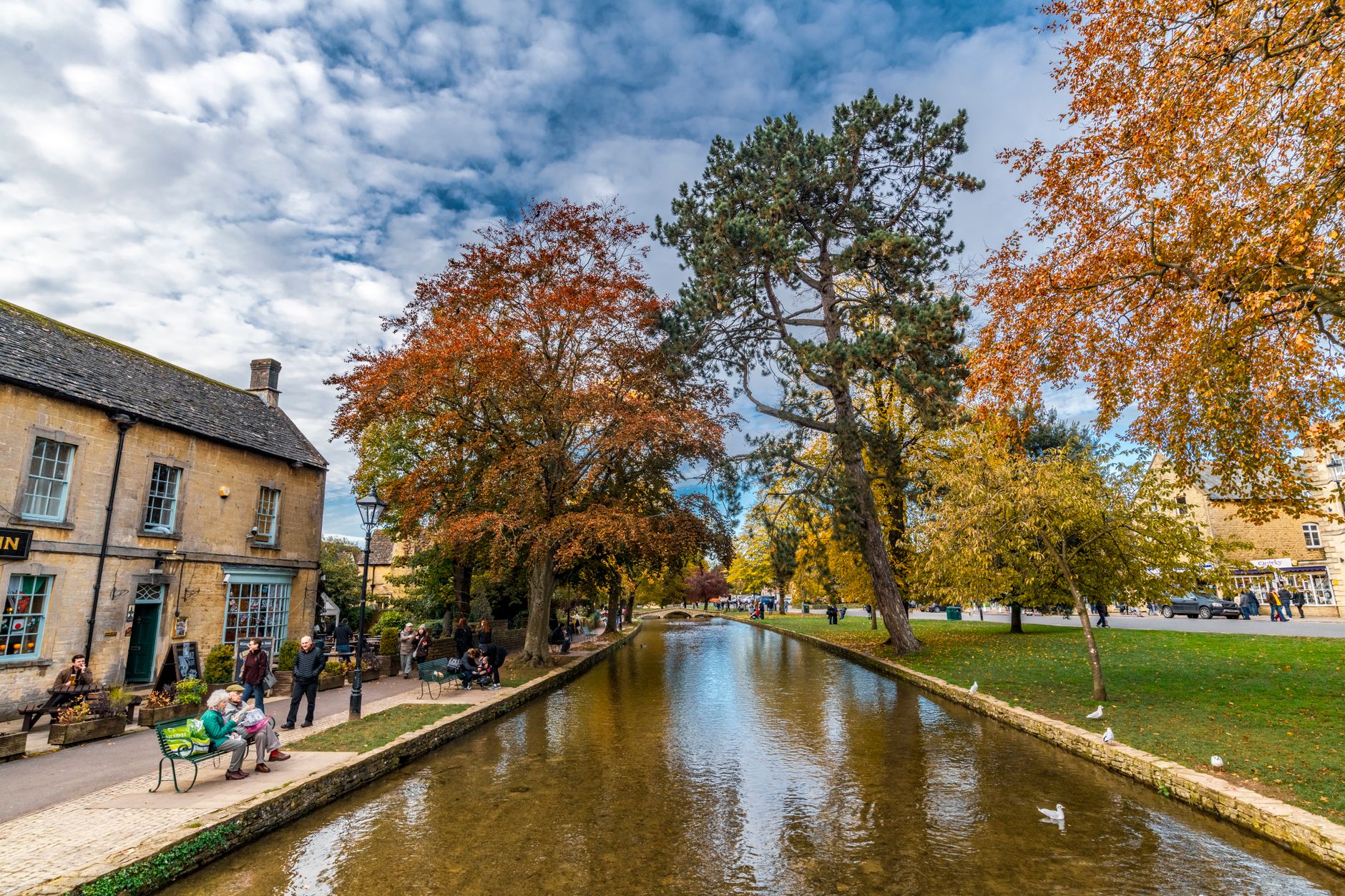
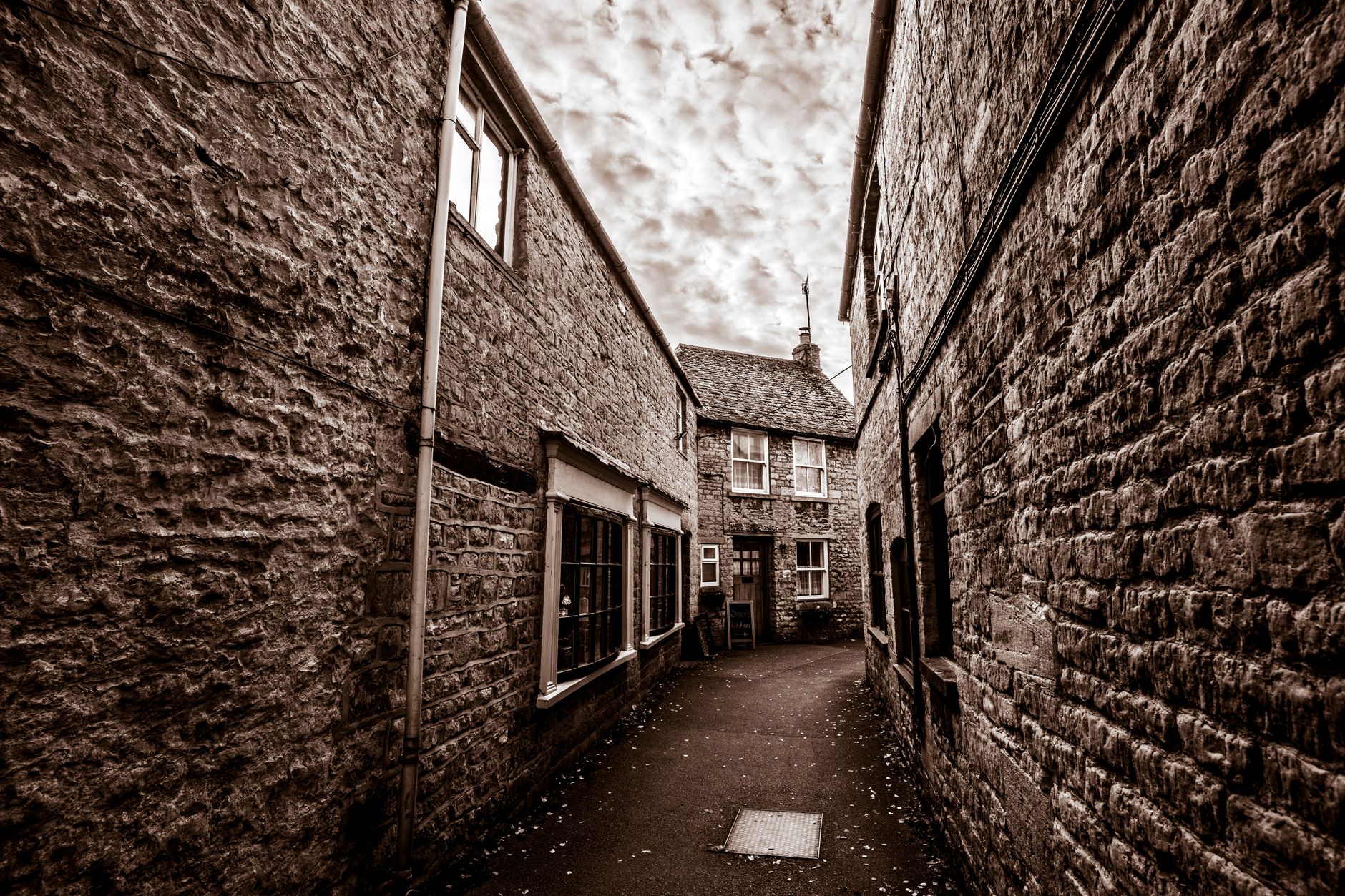
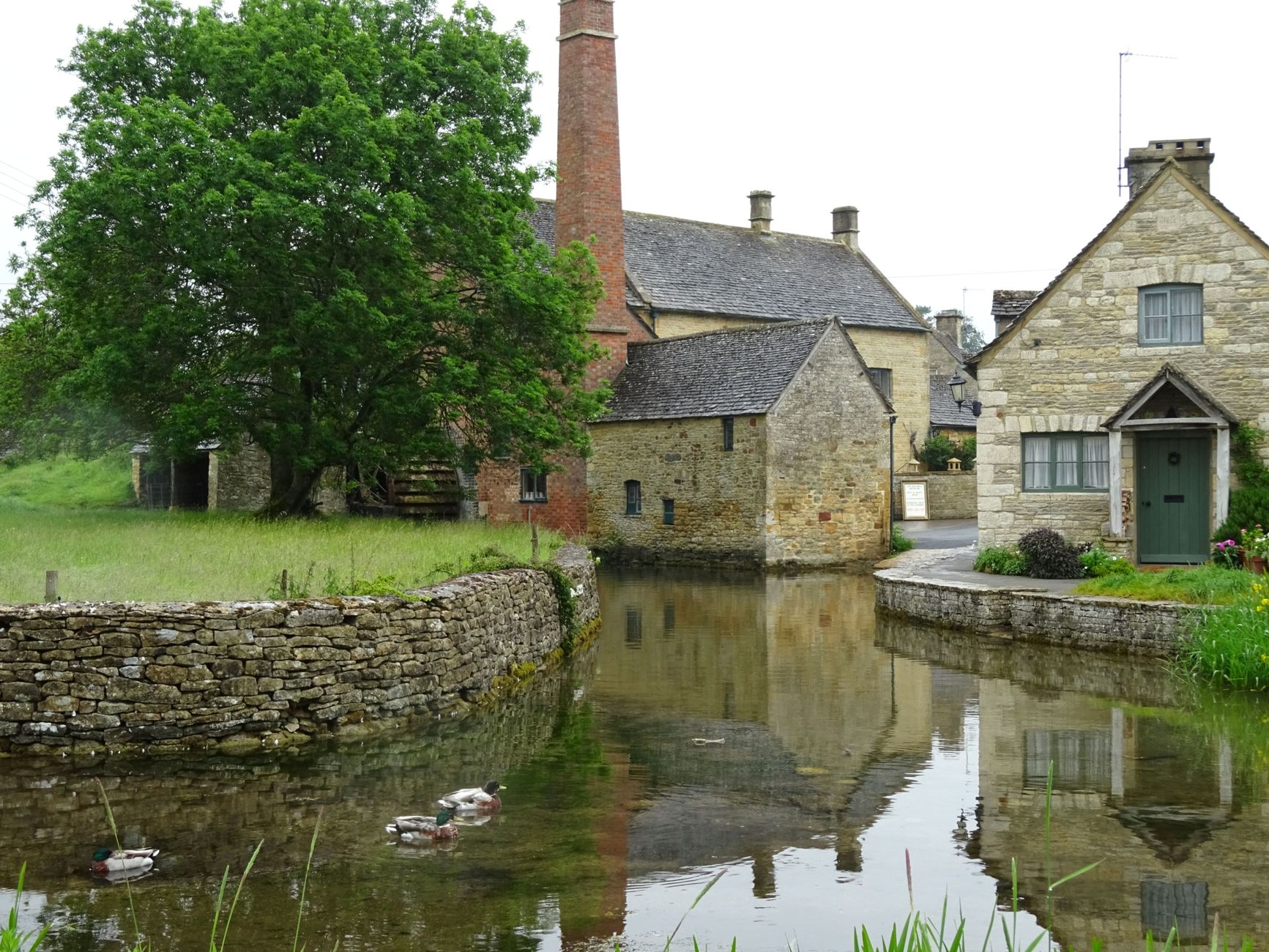
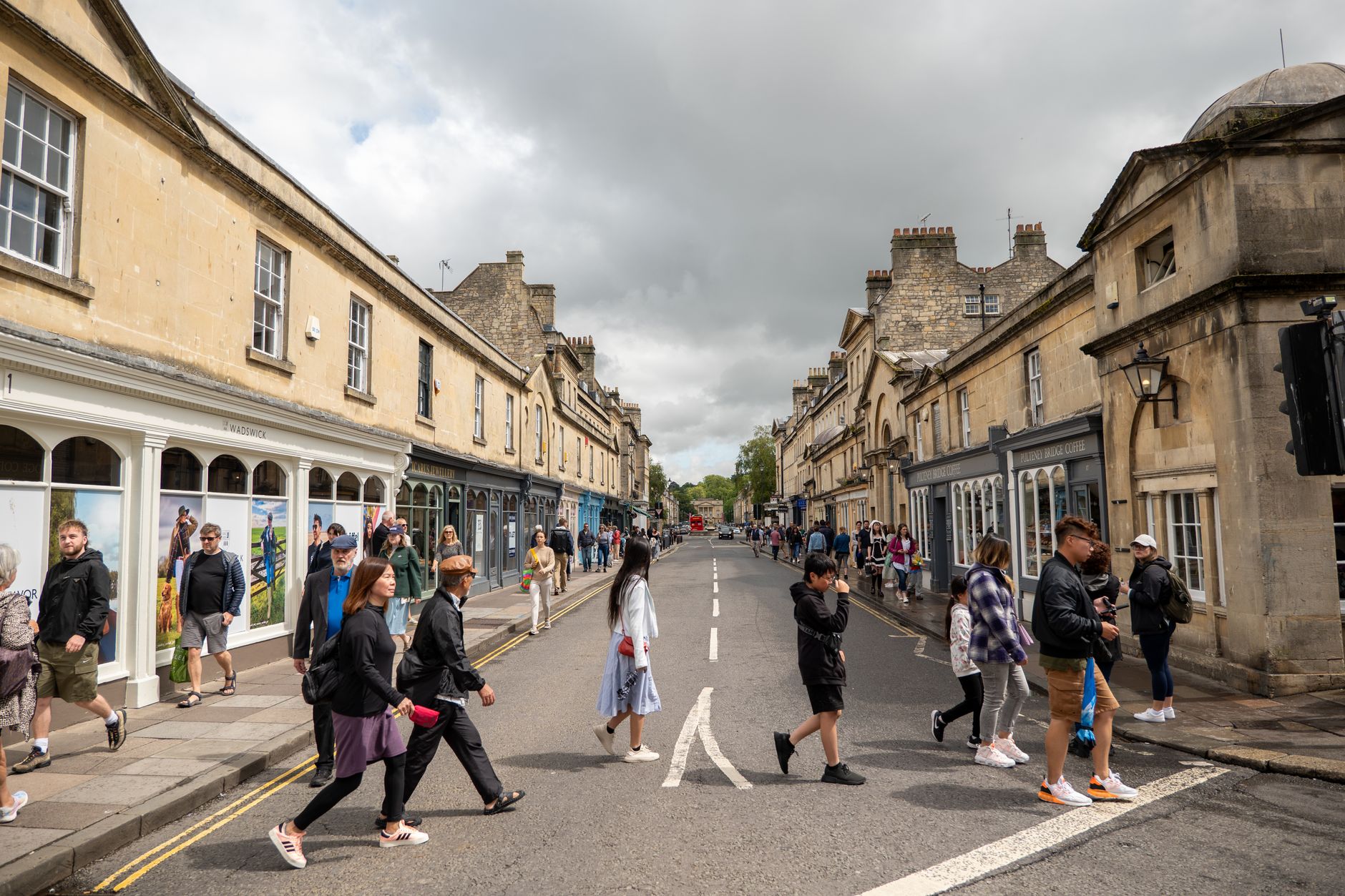
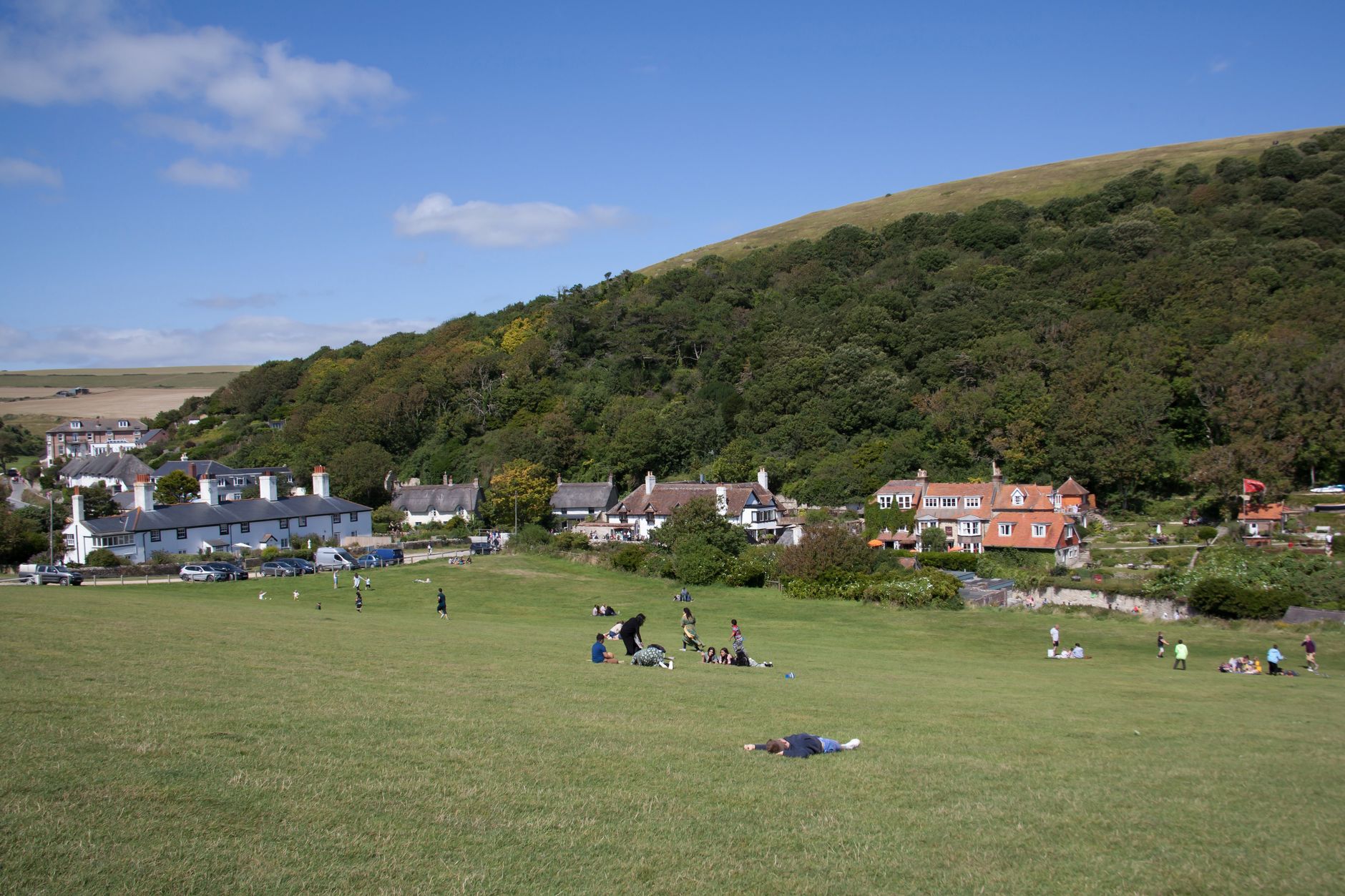
The A44 climbs steeply through Bourton-on-the-Hill, and the village arranges itself along that gradient in the unhurried way of a place that has always had somewhere else to be — the road once carried traffic between London and Worcester, and the stone cottages, the tithe barn, the pub at the top of the rise all grew up around that fact. With a population of around 340, this is a village where the landmarks are countable on one hand.
What makes it worth the detour is the layering: a 12th-century church sitting between a Georgian manor house and a pub that has been pouring drinks since the 1700s, all within a ten-minute walk of each other on a single street.
💛 What travellers fall for
People who come back tend to time it for when Bourton House's gardens are open — April through October — and pair that with lunch at the Horse and Groom, which sits at the upper end of the village and has a car park if you're driving in from Moreton-in-Marsh. The church is usually unlocked; the font alone, octagonal and 15th century, is worth a few quiet minutes.
Experiences you don't want to miss


Deals in Bourton-on-the-Hill
Book directly at the providerHow Bourton-on-the-Hill came to be
The 'on-the-Hill' suffix dates from the 15th century, added to distinguish the village from Bourton-on-the-Water to the south. Its shape — manor house at each end, parish church in the middle — reflects a settlement that grew along the road rather than around a green. The tithe barn within Bourton House's grounds carries a dedication stone dated 1570 with the initials RP for Richard Palmer, whose family had already rebuilt an earlier medieval house on the site. In 1598, Sir Nicholas Overbury raised a foursquare Jacobean house there; by the early 18th century, Alexander Popham — grandson of a Cromwellian general — had rebuilt it again.
The village's administrative life shifted repeatedly: absorbed into the Shipston-on-Stour Poor Law Union in 1835, passing through several rural district reorganisations before settling into the North Cotswold Rural District in 1935. The church of St Lawrence retains a 14th-century stone screen salvaged from Moreton-in-Marsh and bells whose oldest member was cast in 1677.
Who and what shaped it
People who shaped it
Landmark buildings
See Bourton-on-the-Hill in motion
Plan your visit
On the map
When to go
The Cotswolds sit at modest elevation and the hill adds a degree of exposure — expect the kind of English weather that can turn sharp even in summer, with wind picking up along the A44. Spring and early autumn tend to offer the clearest light and the most manageable crowds.
Right now
Background & history adapted from Wikipedia (CC BY-SA) · specs from Wikidata (CC0) · weather from Open-Meteo · map data © OpenStreetMap contributors · photos from Wikimedia Commons / Unsplash with per-image credit. No third-party reviews or social posts reproduced.