
Northleach
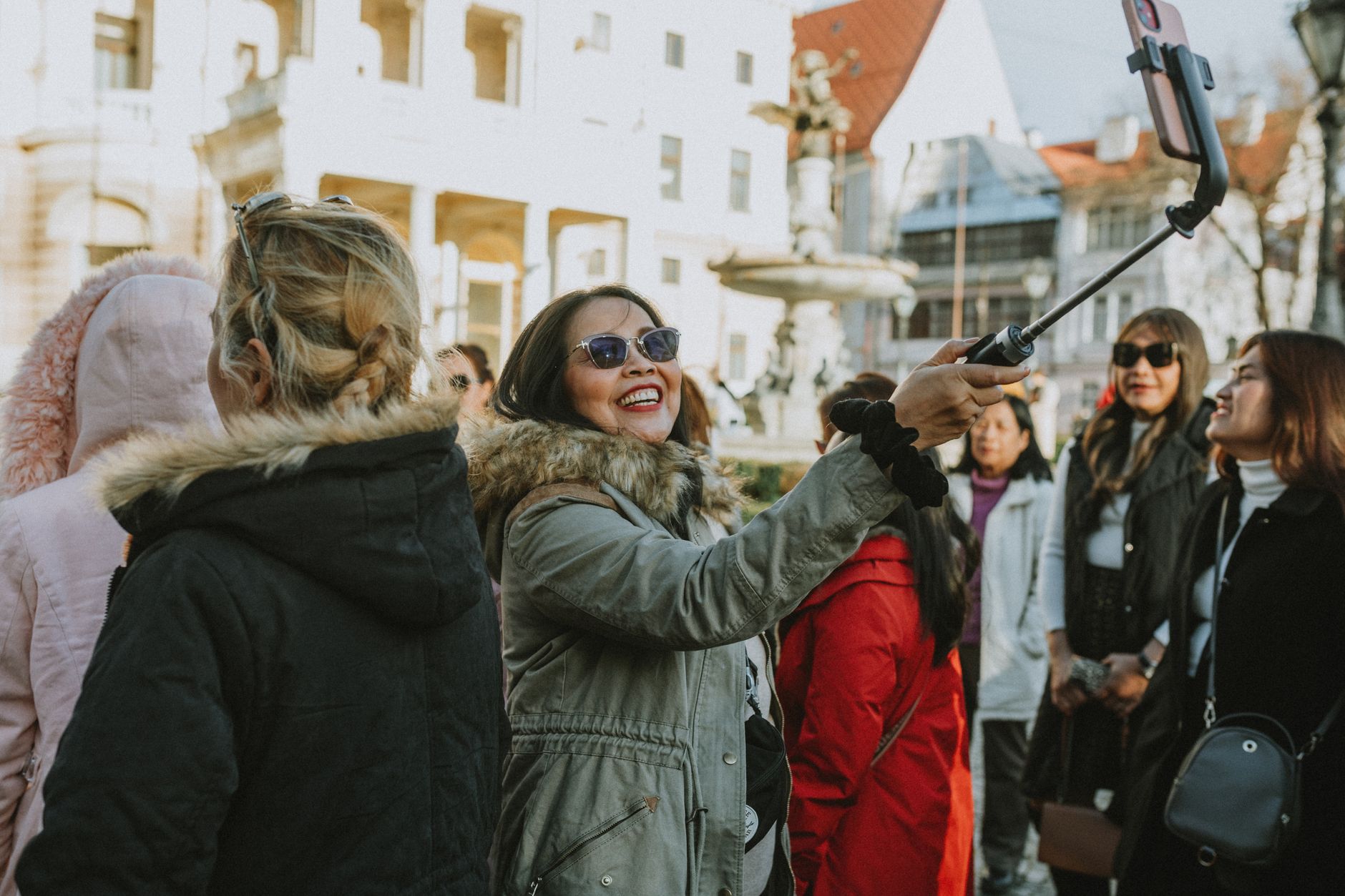
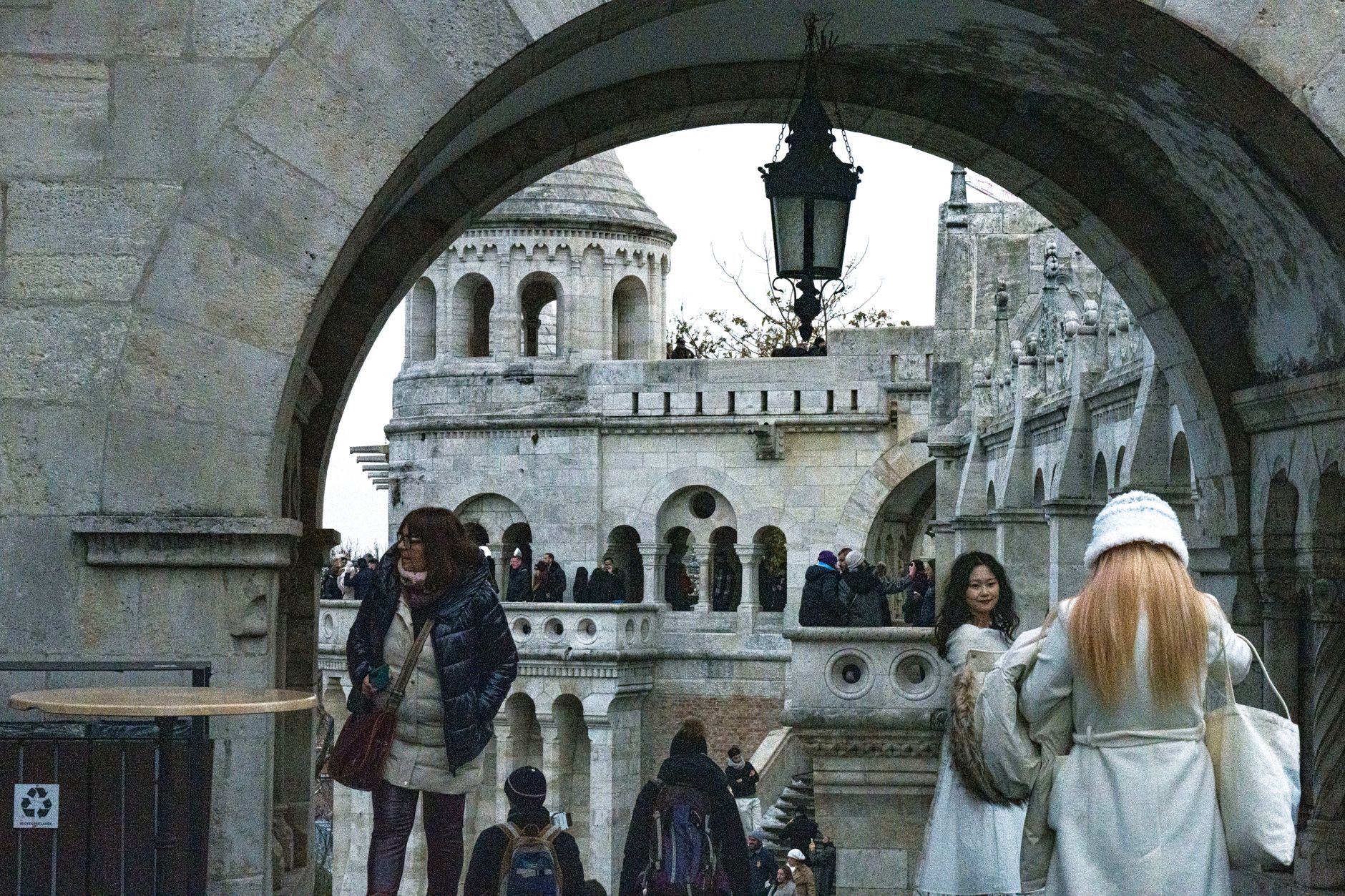
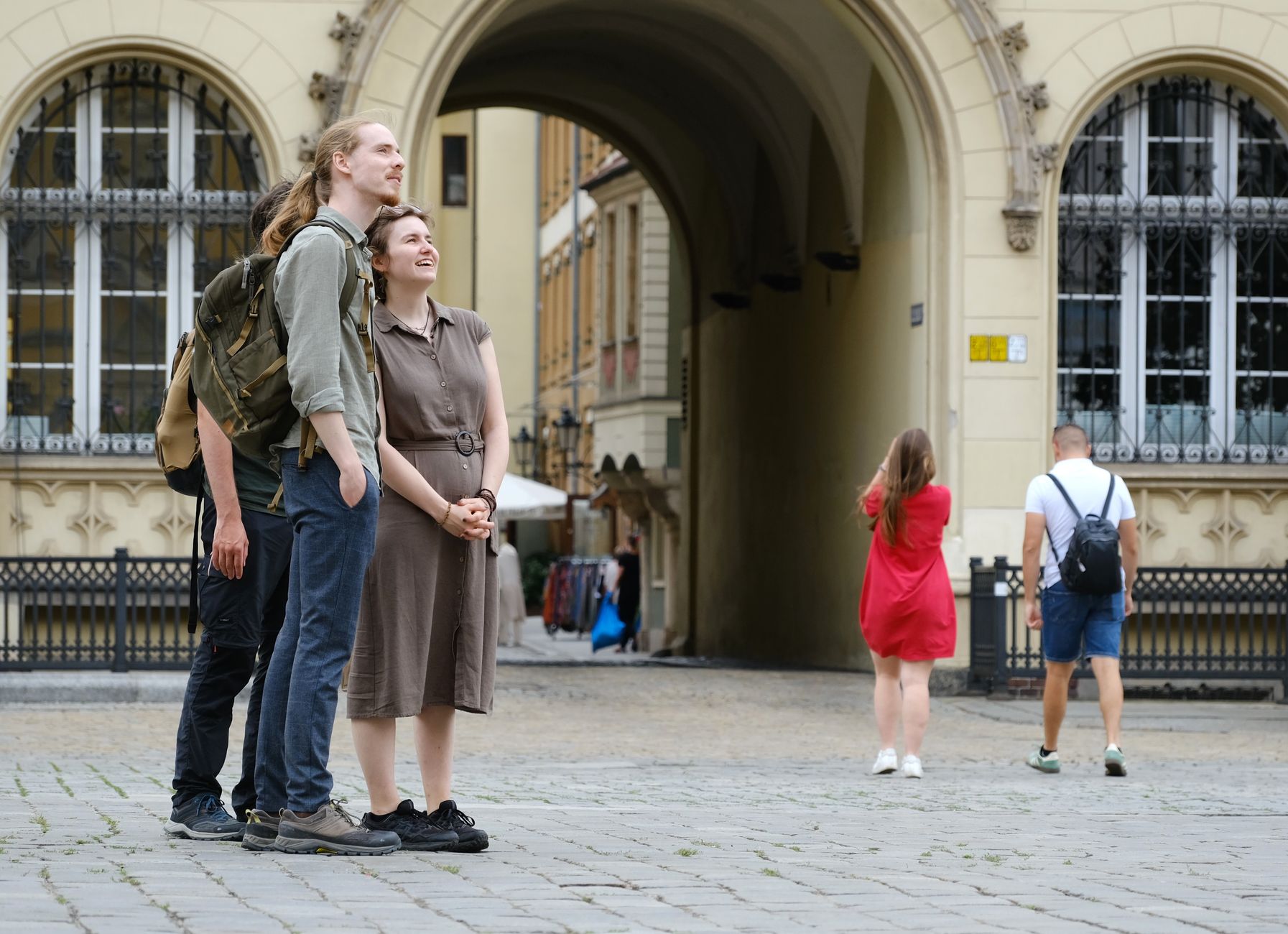

Northleach sits at a crossroads it has occupied since the thirteenth century, small enough to walk end to end in twenty minutes, yet with a market square whose proportions suggest it once had serious ambitions. The Y-shaped street plan that Gloucester Abbey laid out around 1220 is still legible underfoot, and the wool merchants' houses lining it are built from the same honey-coloured limestone as everywhere else in the Cotswolds — except here they haven't been polished for tourism.
The Church of St Peter and St Paul dominates the skyline with a hundred-foot Perpendicular tower begun around 1380, paid for largely by wool money. The Old Prison on the western edge of town, conceived by Sir George Onesipherous Paul around 1790, is now a museum. Between those two buildings, most of what Northleach has to say about itself is already said.
💛 What travellers fall for
People who come back tend to arrive on foot from the A40 layby, spend longer than expected in the church reading the brass memorial inscriptions to the wool merchants, then sit in the market square with something to eat. The almshouses on the central lane — built by Thomas Dutton in 1616, for women only — are easy to walk past and worth doubling back for.
Deals in Northleach
Book directly at the provider

How Northleach came to be
Northleach traces its origins to around AD 780, when land here was granted to Gloucester Abbey. The Abbey formalised it as a borough around 1220, and in 1227 Henry III granted a charter for a weekly market and annual fair tied to the feast of St Peter and St Paul. For roughly two centuries from 1340, the town prospered on the export of raw fleeces from Cotswold Lion sheep — wool merchants like William Midwinter, Thomas and John Fortey, and John Tayler funded the near-total rebuilding of the church in Perpendicular Gothic.
When Parliament banned raw fleece exports in the early sixteenth century, Northleach lacked the river power to pivot to cloth milling and quietly stalled. Coaching trade revived it briefly in the eighteenth century; the railway bypassed it entirely, as did the motorway era once a bypass was built in the 1980s. That sequence of booms and quiet forgettings is, in large part, why the market square still looks the way it does.
Who and what shaped it
People who shaped it
Landmark buildings
See Northleach in motion
Plan your visit
On the map
When to go
The Cotswolds run cool and damp through autumn and winter, with frost common from November into March. Summer days are mild rather than warm — late May through September gives the most reliable light for the limestone to do what it does best.
Right now
Background & history adapted from Wikipedia (CC BY-SA) · specs from Wikidata (CC0) · weather from Open-Meteo · map data © OpenStreetMap contributors · photos from Wikimedia Commons / Unsplash with per-image credit. No third-party reviews or social posts reproduced.