
Cheltenham
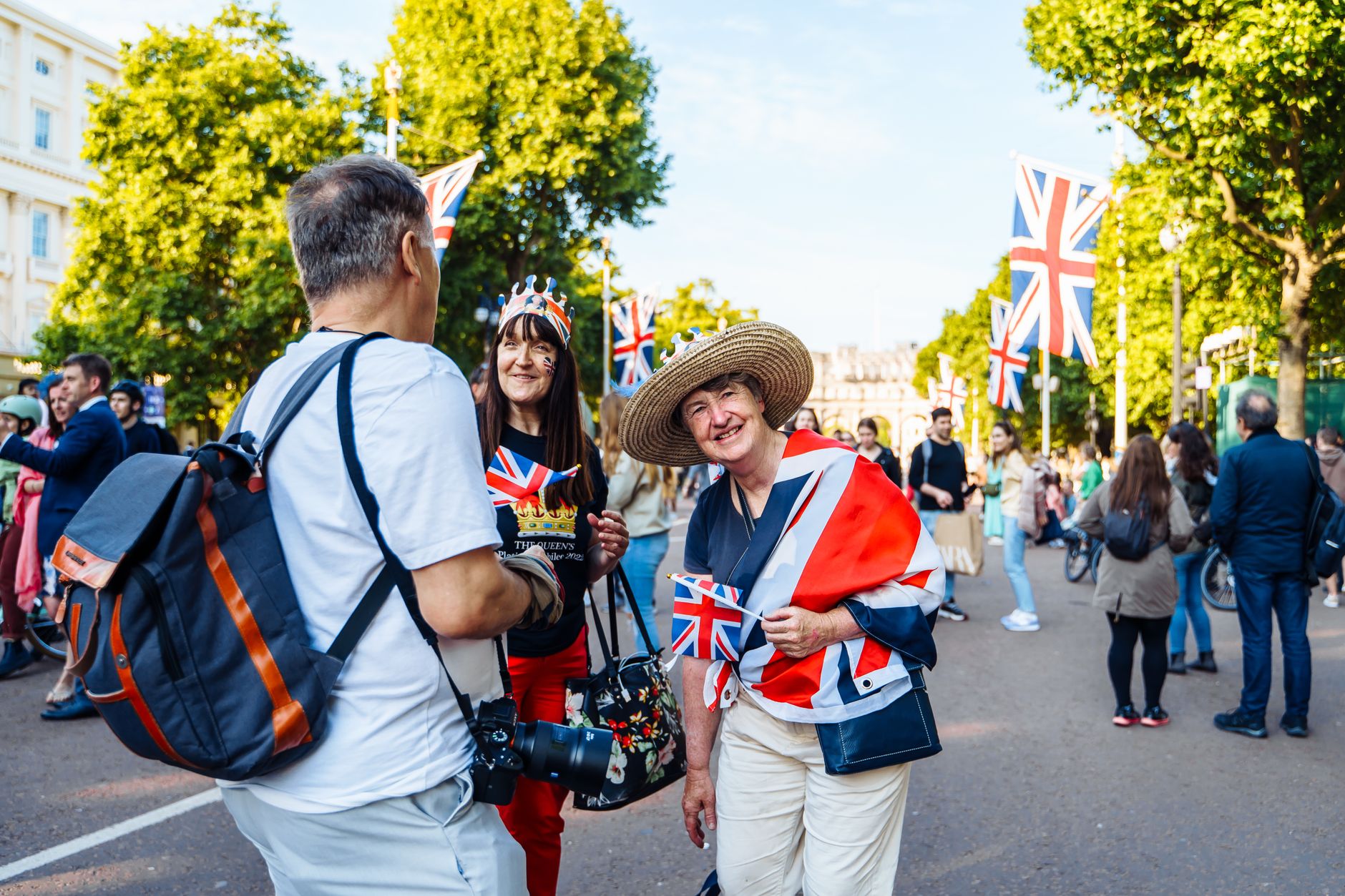

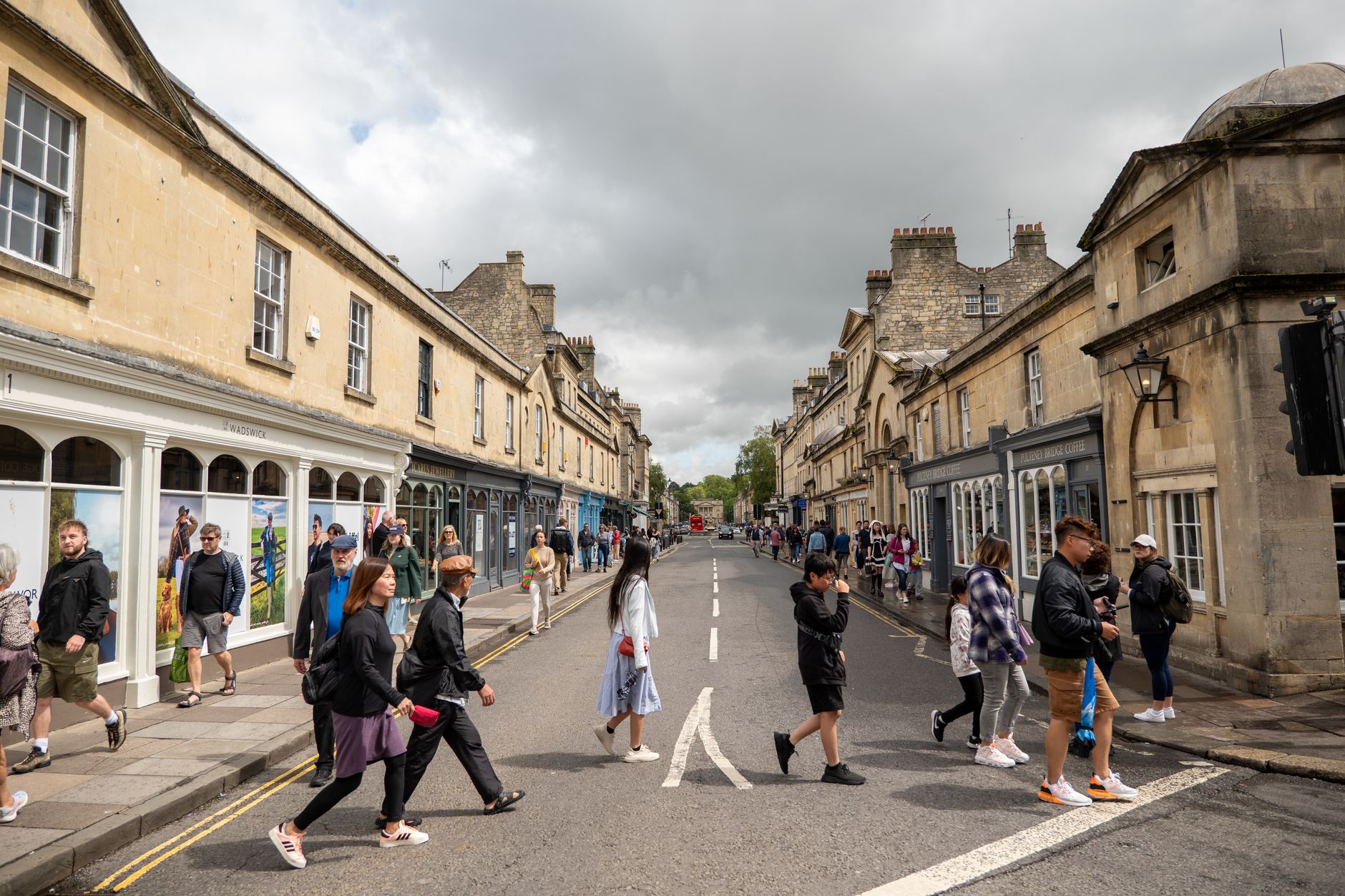
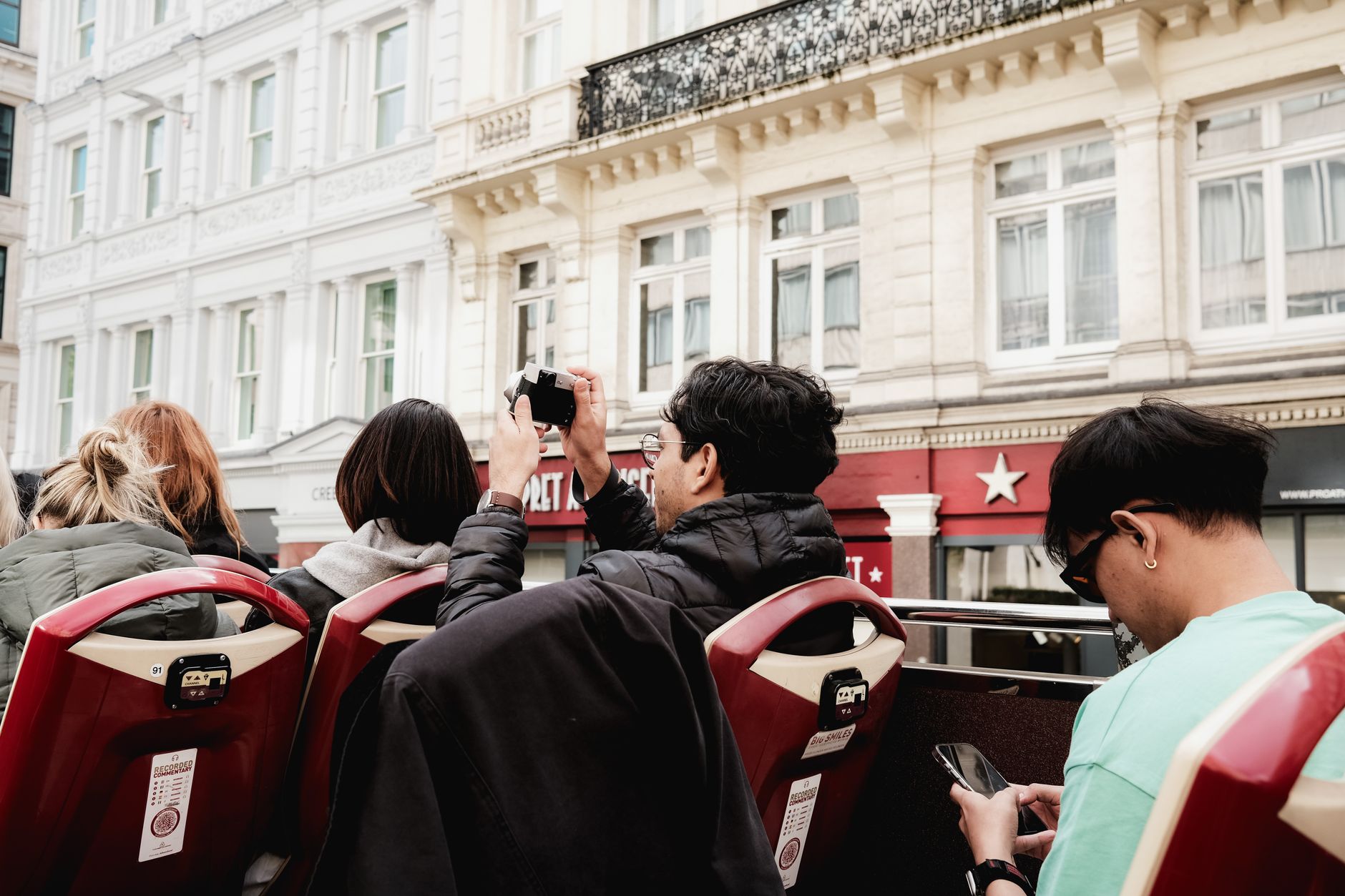
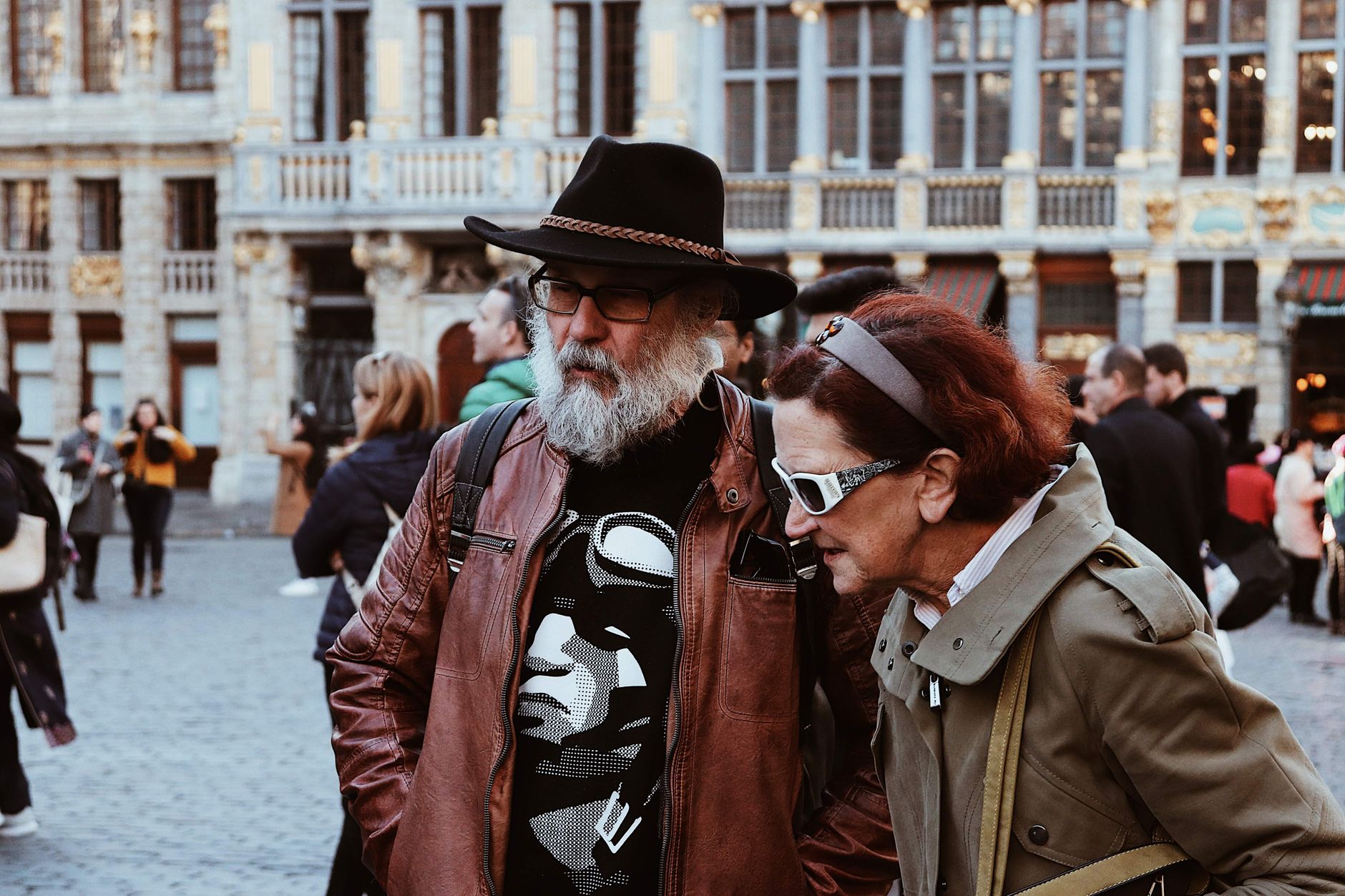

The thing that stops you on The Promenade is the scale of it — a tree-lined boulevard laid out in 1818 and built up through the 1820s, flanked by Regency terraces so uniform and so white they look like a stage set that somehow stayed standing. Cheltenham is routinely called the most complete Regency town in England, and walking it, you believe it.
It grew fast and with purpose. Three mineral springs discovered in 1716, a pump room by 1738, and then George III arrived for five weeks in 1788 to drink the waters — and that was that. A market town of 3,000 became a fashionable spa city of 35,000 within fifty years.
💛 What travellers fall for
People who return tend to anchor on the Pittville Pump Room — not just to look at John Forbes's colonnade from the outside, but to walk through Pittville Park on a weekday morning when the paths are quiet. The Sandford Parks Lido comes up constantly in summer, particularly the 50-metre main pool. Worth knowing: Heritage Open Days unlock buildings — including Cheltenham Ladies' College — that are otherwise closed.
Deals in Cheltenham
Book directly at the provider

How Cheltenham came to be
A church stood at Cheltenham by 803, and the town appears in records by 1223 with rights to markets and fairs. St. Mary's, the only medieval building still standing, is thought to occupy the site of that original Saxon church and was upgraded to a minster in 2013 — nearly 900 years of continuous use on the same ground.
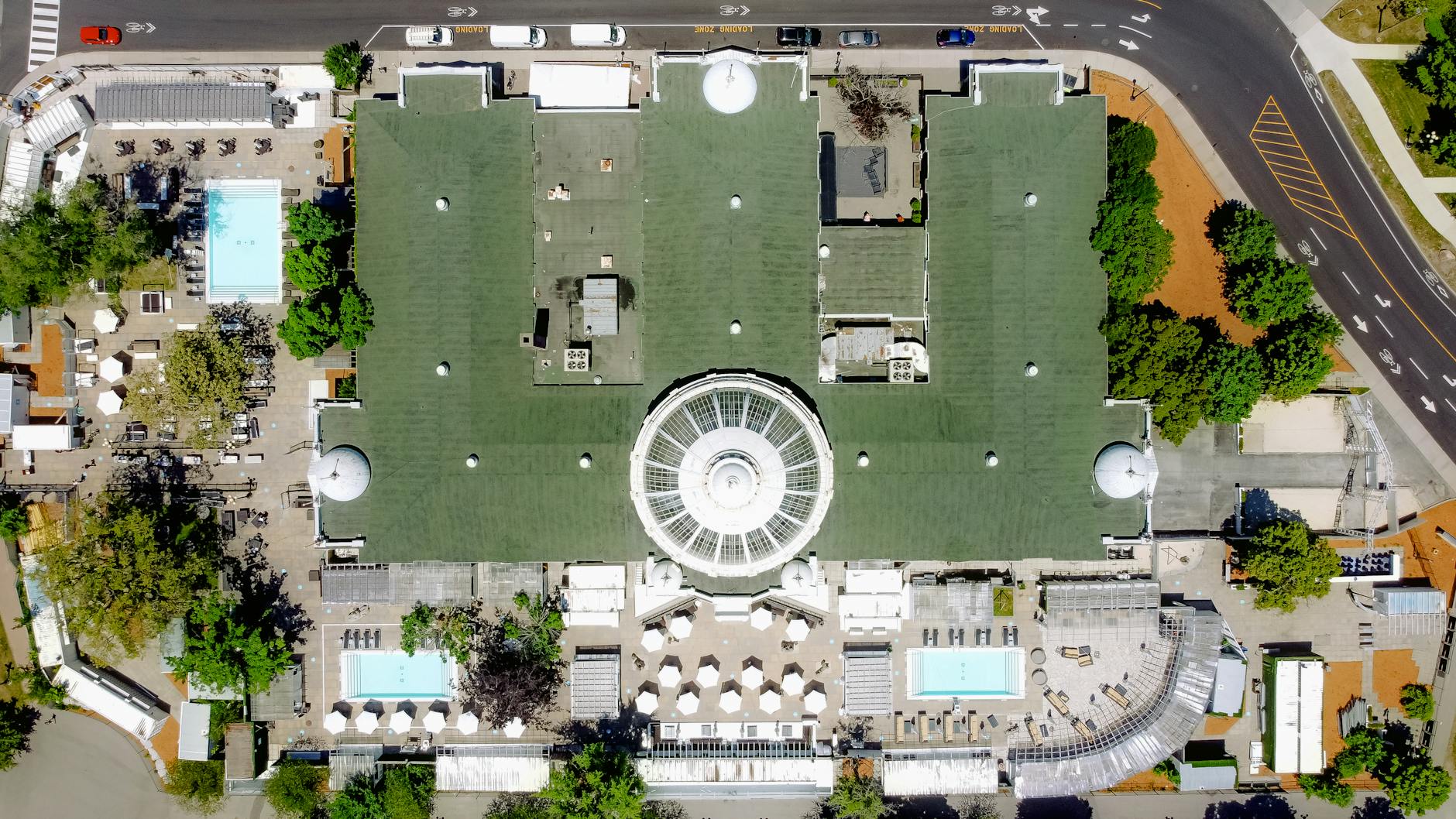
The modern city is a product of water and royal endorsement. The mineral springs drew attention from 1716, but it was George III's five-week stay in 1788 that confirmed Cheltenham's status. Wellington, Byron, Austen and Victoria all followed. The building boom that resulted — Royal Crescent completed 1806–10, Pittville Pump Room finished 1830, the colleges founded through the mid-19th century — left a townscape that is still largely intact.
Who and what shaped it
People who shaped it
Landmark buildings
See Cheltenham in motion
Plan your visit
On the map
When to go
Summers run warm rather than hot, with July averaging around 22°C and over eight hours of daily sunshine — good conditions for the lido and the parks. Winters are mild by British standards, rarely dropping hard below freezing, but with around 139 rainy days spread across the year, a layer and a compact umbrella earn their place in any bag.
Right now
Background & history adapted from Wikipedia (CC BY-SA) · specs from Wikidata (CC0) · weather from Open-Meteo · map data © OpenStreetMap contributors · photos from Wikimedia Commons / Unsplash with per-image credit. No third-party reviews or social posts reproduced.