
Painswick

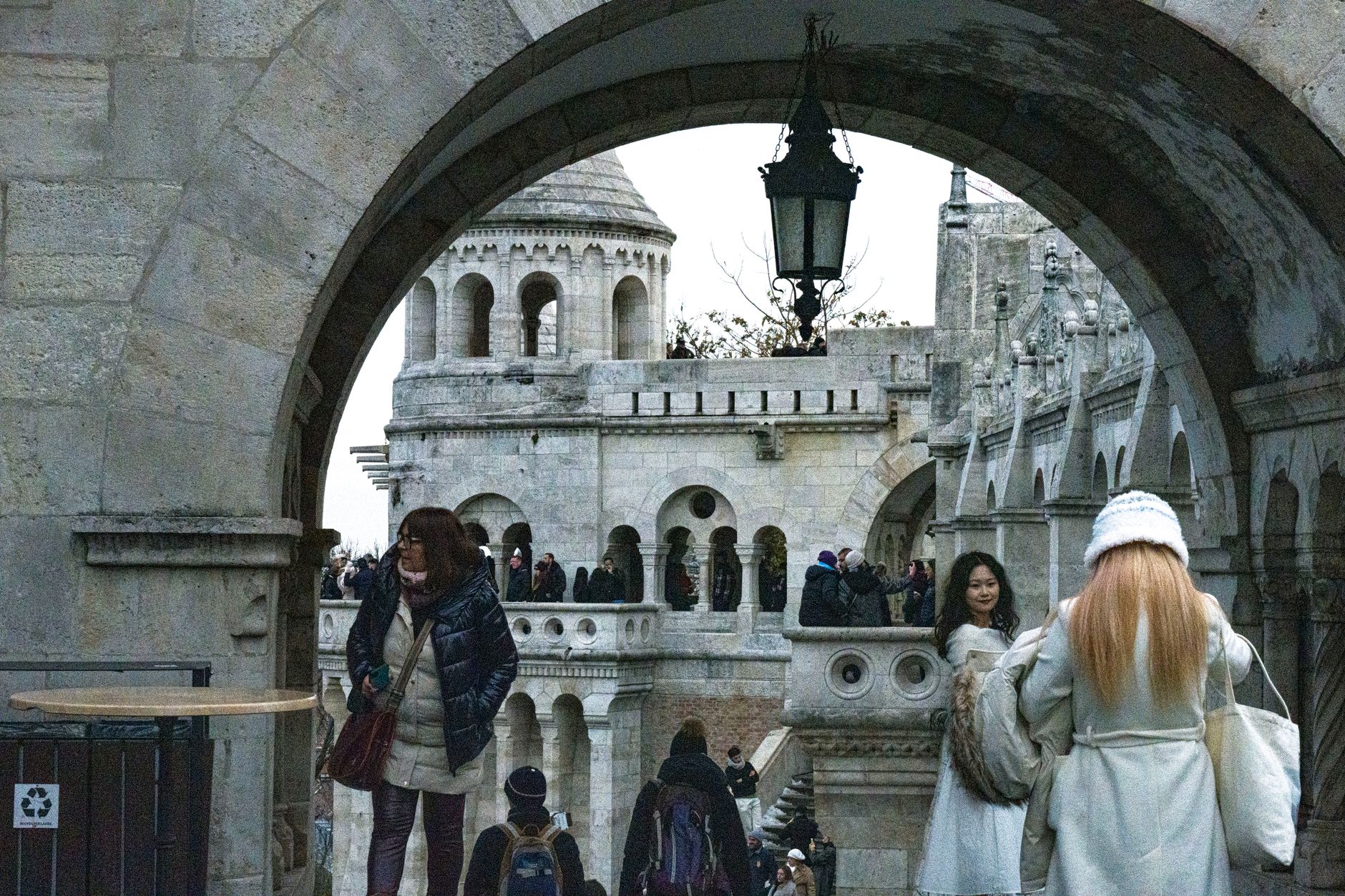
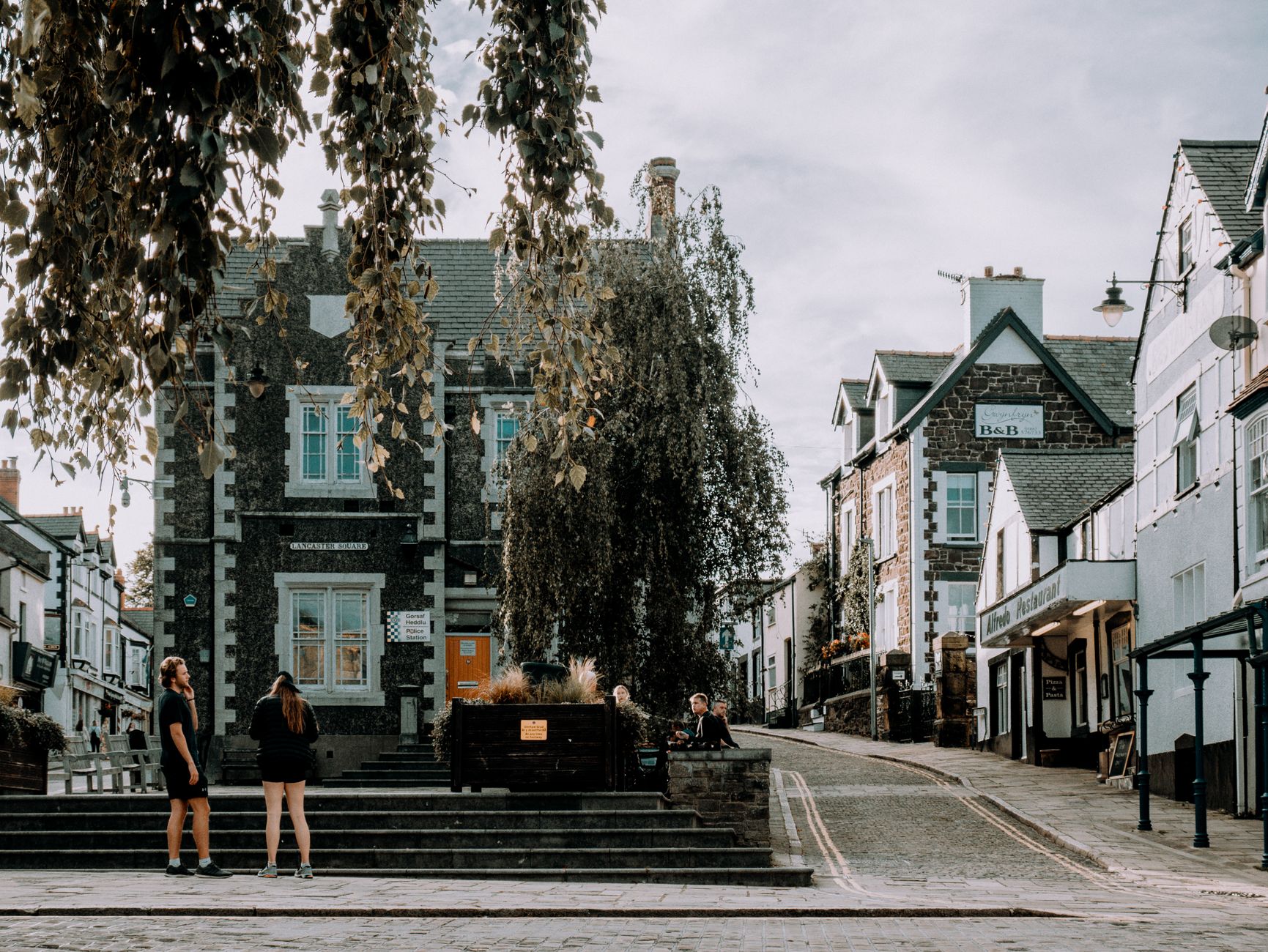

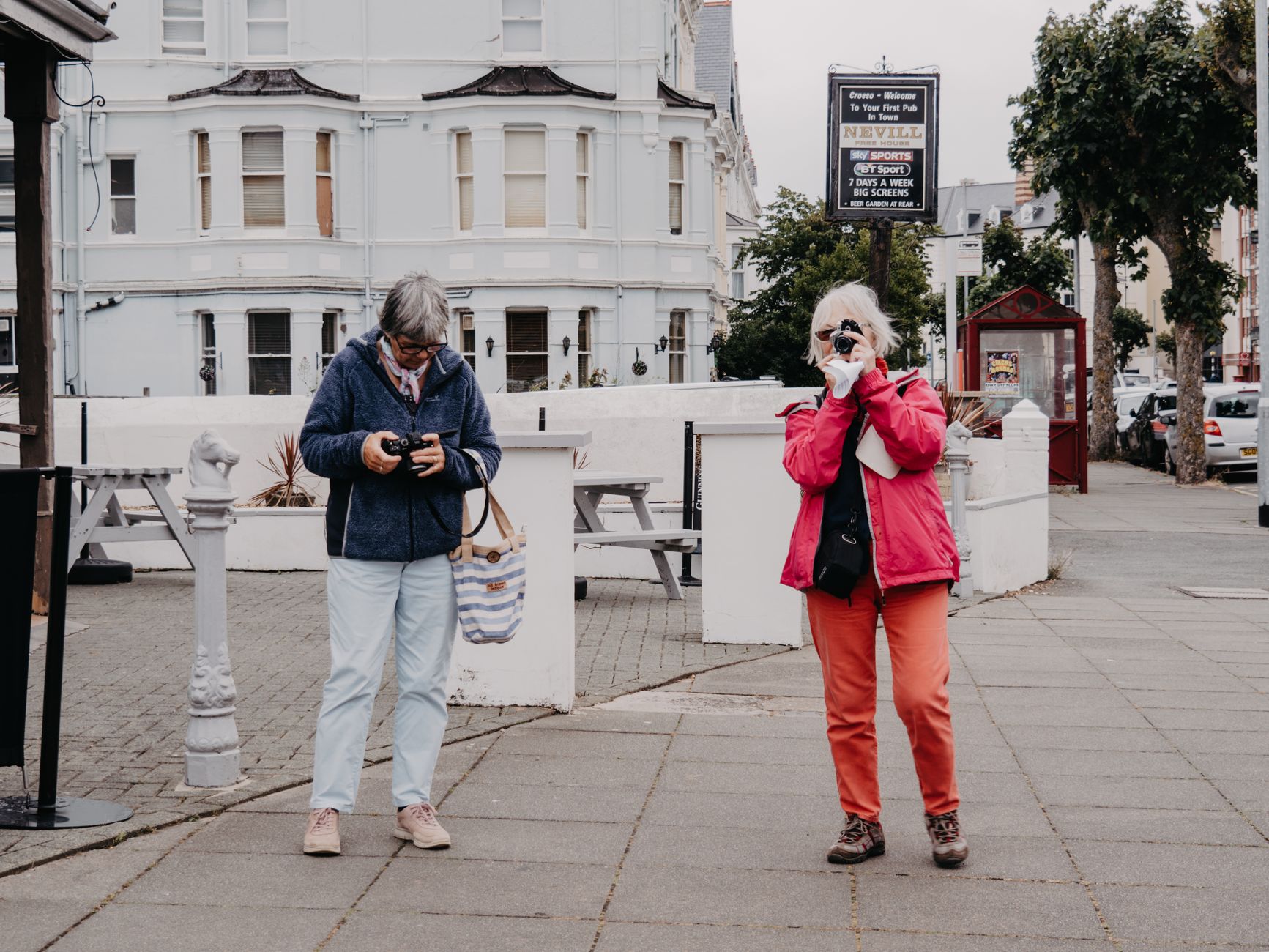
The thing you notice first in Painswick is the yew trees — ninety-nine of them, clipped into dark, sculptural shapes across the churchyard of St Mary's, planted in 1792 and trailing a legend that says the devil himself prevents a hundredth from taking root. The limestone town around them is the colour of old honey, and the streets are quiet enough that you can hear your own footsteps.
This is a Cotswold town that earned its keep from wool, lost it to the northern mills, and was left largely alone as a result — which is partly why so much of it survives intact. The Rococo Garden, the medieval church, a post office building from 1478: Painswick carries its centuries lightly.
💛 What travellers fall for
People who come back tend to time it for January or February, when the snowdrops carpet the Rococo Garden — the season it was designed to be seen in. They'll also tell you to walk up to Painswick Beacon, 283 metres above the valley, where the Iron Age hill fort earthworks are still legible underfoot and the views reach further than you expect.
Deals in Painswick
Book directly at the provider

How Painswick came to be
The name goes back to a Norman lord: Pain Fitzjohn, who died in 1137, held the manor, and by 1237 the settlement was recorded as Painswik. The Domesday Book of 1086 knew it simply as Wiche — a dairy farm. A Roman villa stood just to the north, and Prinknash Abbey was established nearby in the 11th century.
The town's real prosperity came from wool. A market charter granted in 1253 set the commercial foundation, and cloth trade money built the church — its tower went up in 1430, the nave in 1480 — and later funded the Rococo Garden, laid out in the 1740s by Benjamin Hyett at Painswick House. By the 1830s the mills had closed, undercut by mechanised production in the north, and the population that had peaked at over 4,000 in 1831 quietly contracted. That economic stillness left the architecture almost undisturbed.
Who and what shaped it
People who shaped it
Landmark buildings
See Painswick in motion
Plan your visit
On the map
When to go
June through September brings the most settled, comfortable weather for walking the beacon and the garden. Winter visits — particularly January and February — have their own reward: the Rococo Garden was designed with that season in mind, and the snowdrops are worth the cold.
Right now
Background & history adapted from Wikipedia (CC BY-SA) · specs from Wikidata (CC0) · weather from Open-Meteo · map data © OpenStreetMap contributors · photos from Wikimedia Commons / Unsplash with per-image credit. No third-party reviews or social posts reproduced.