
Bourton-on-the-Water
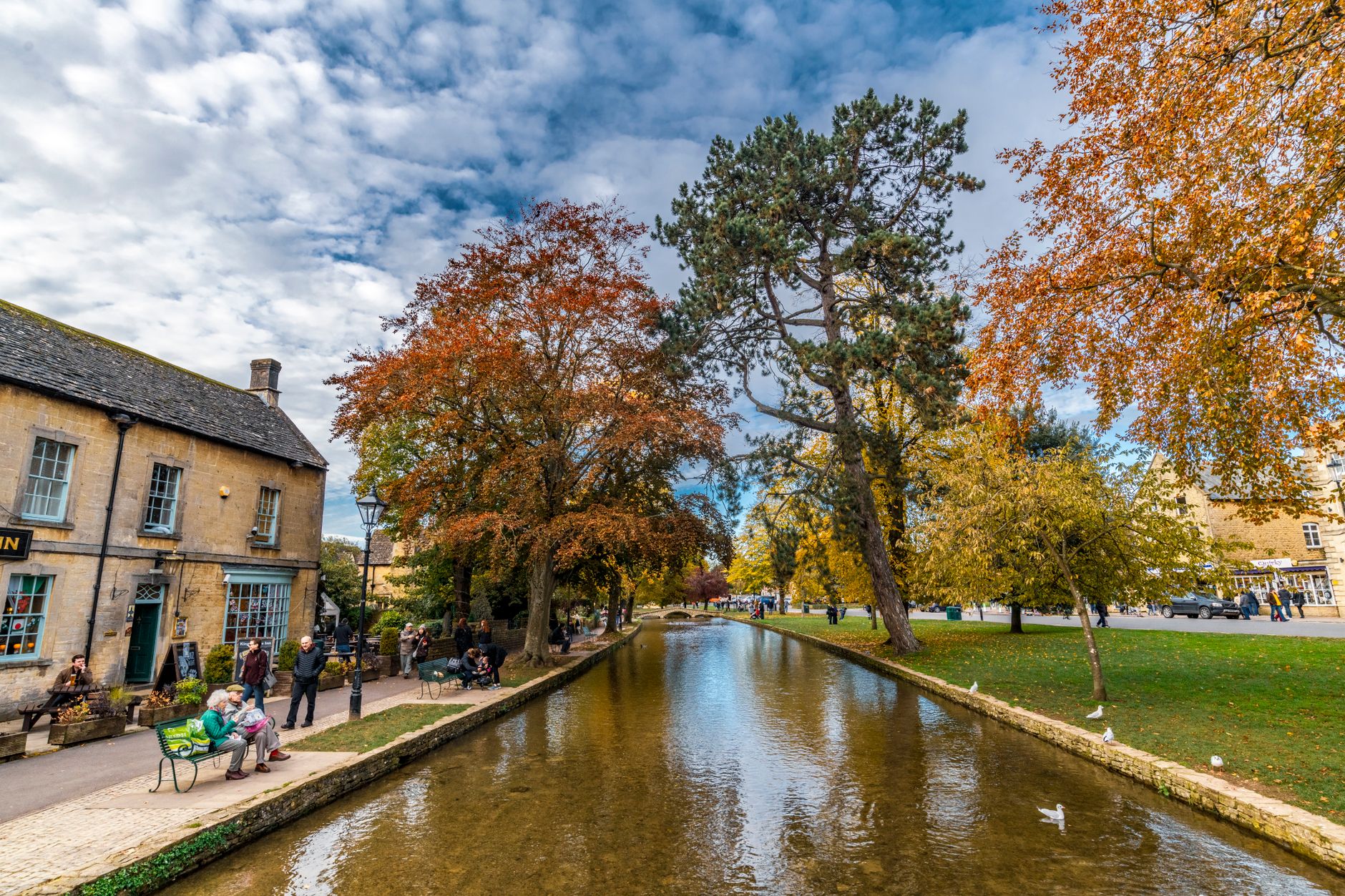
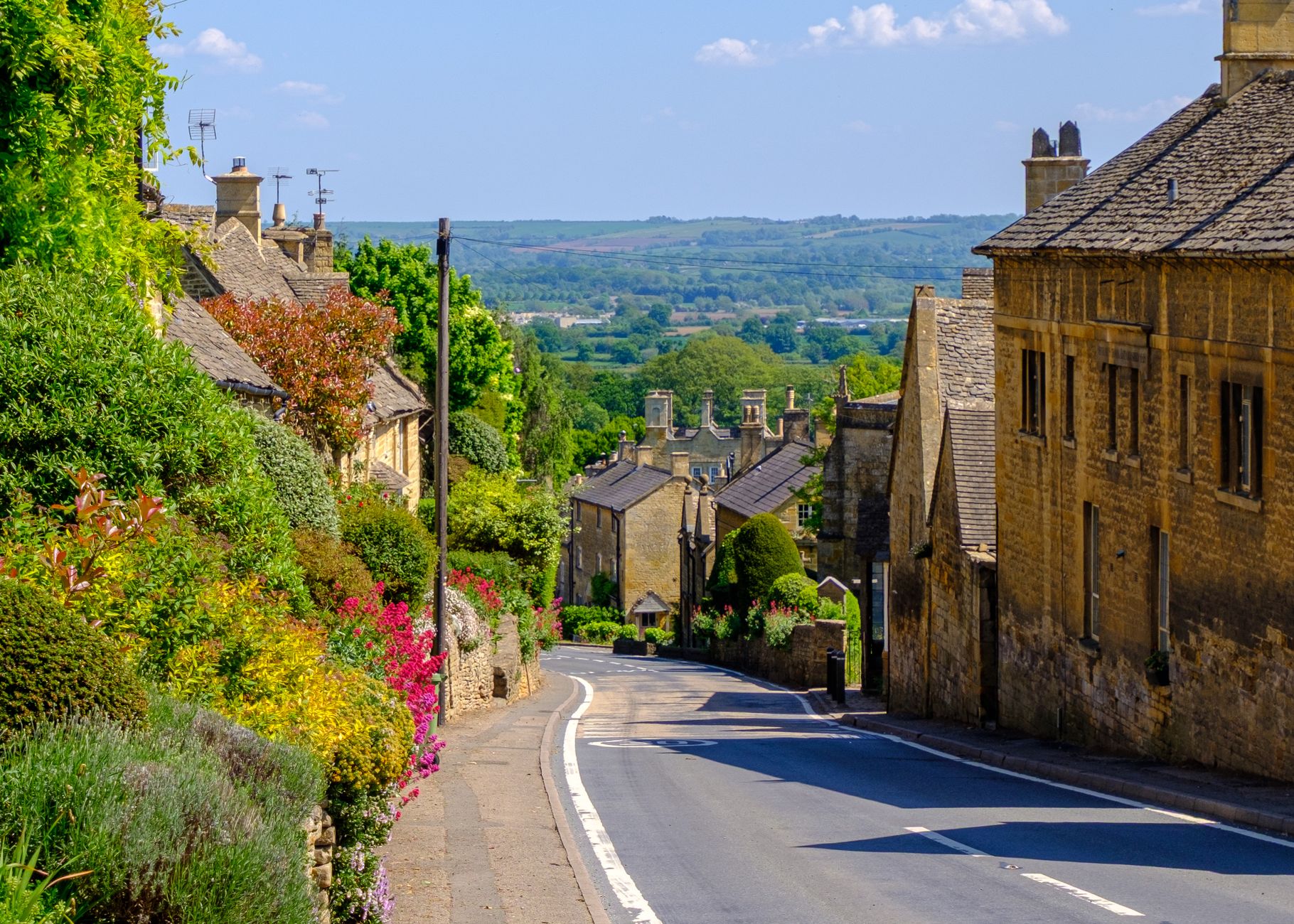
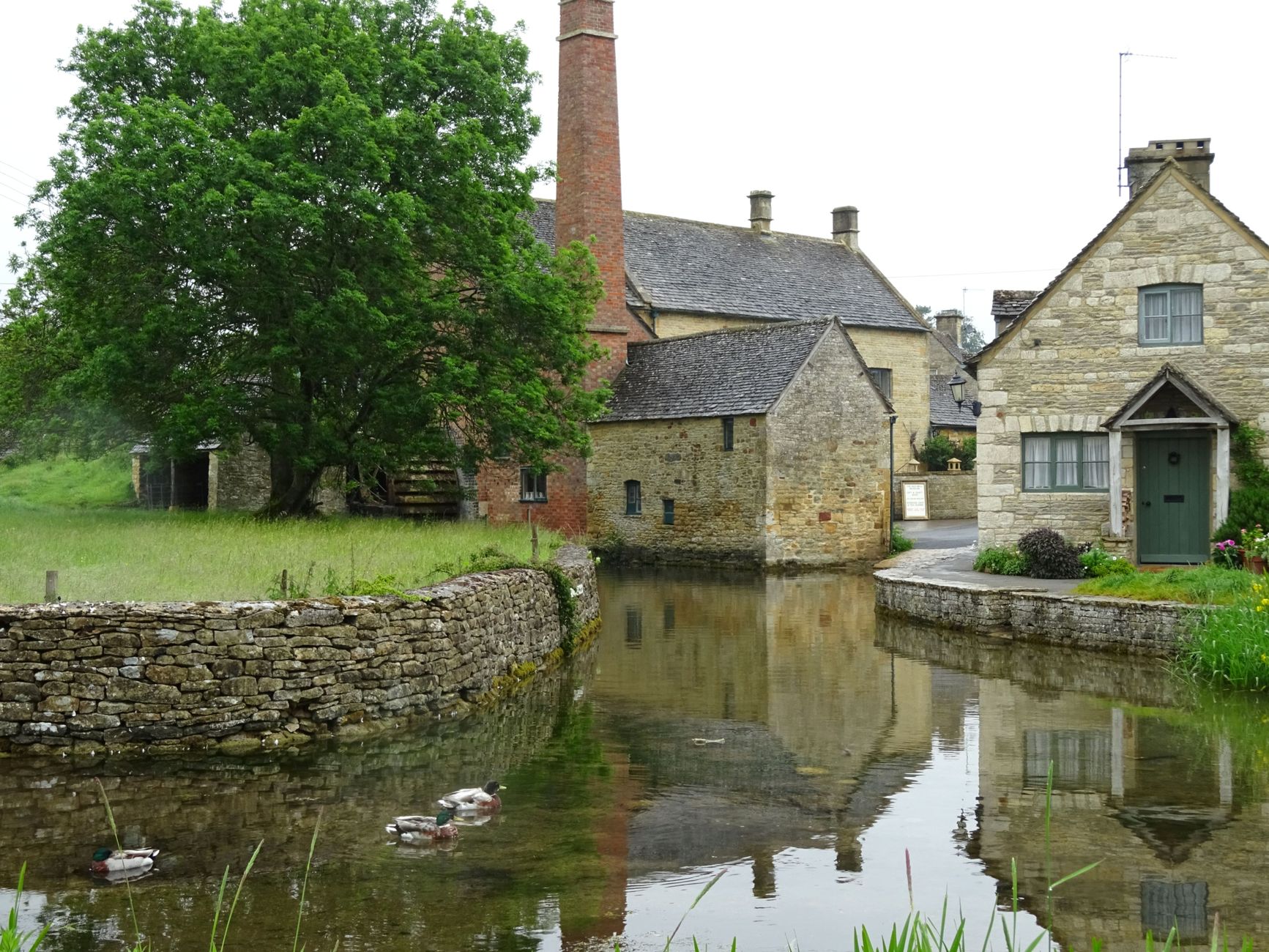
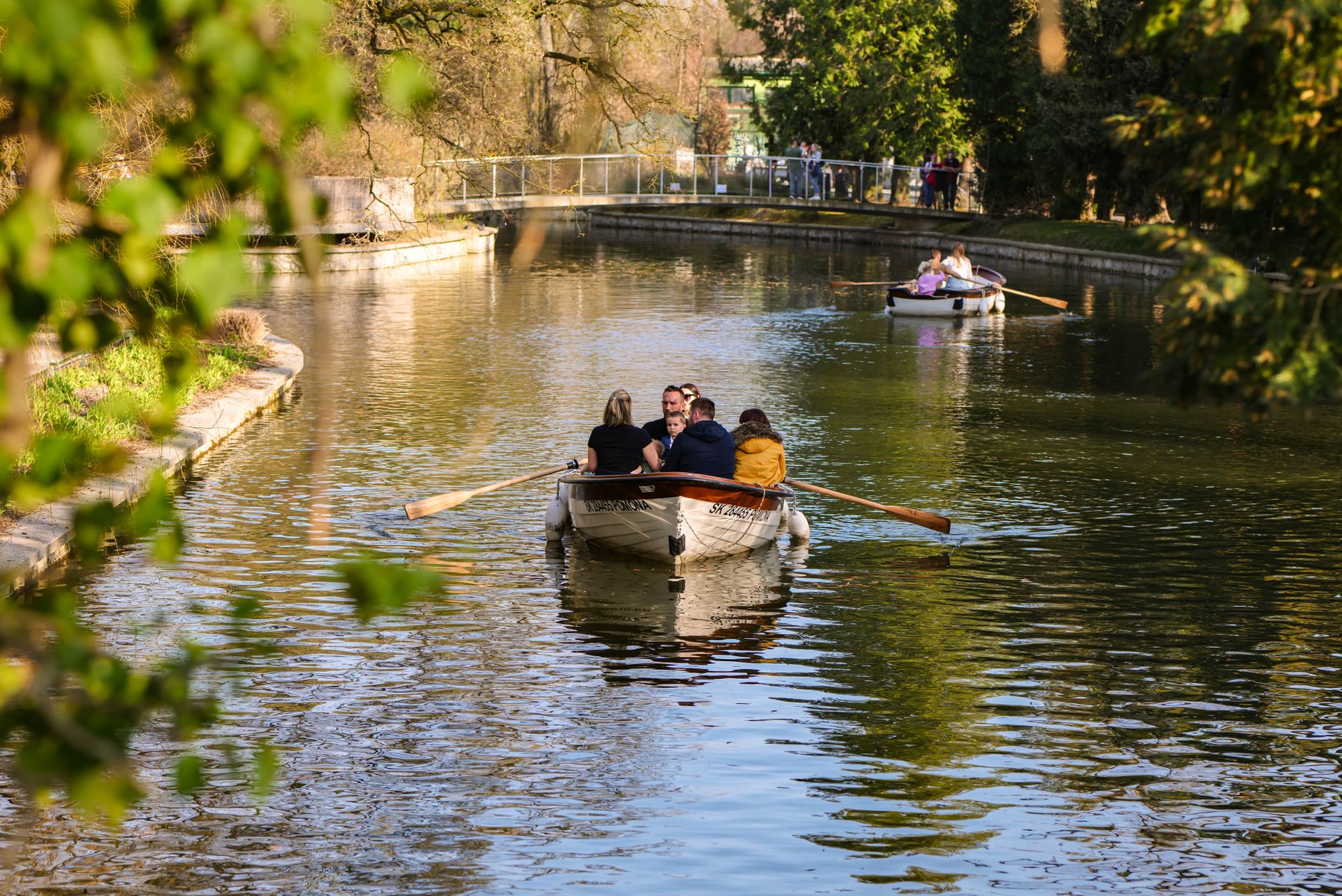

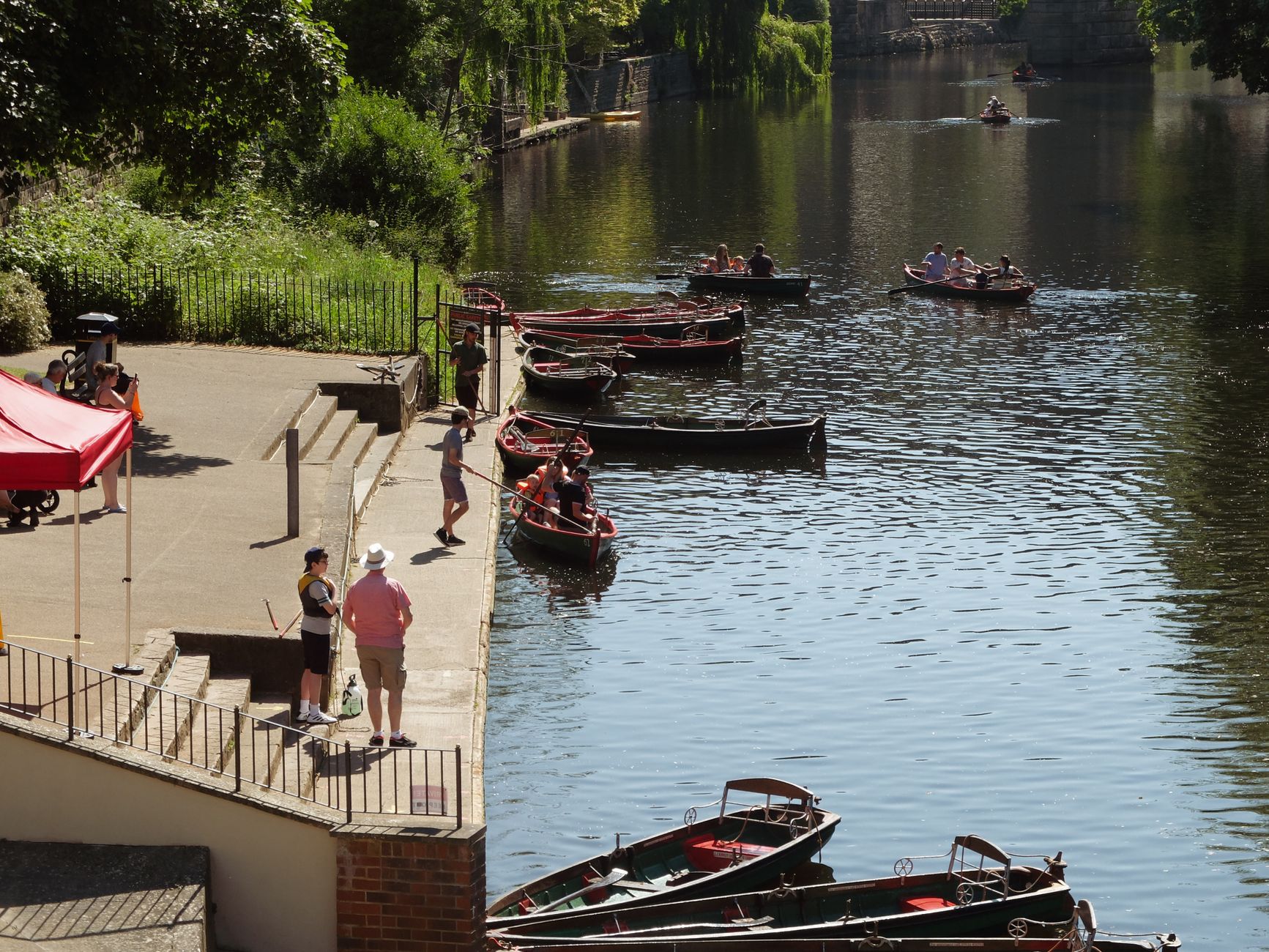
The River Windrush runs so shallow through the centre of Bourton-on-the-Water that children wade across it without a second thought, watched from the banks by day-trippers eating ice cream on the grass. Five low bridges — the oldest dating to 1654, the most-photographed to 1756 — cross the water in the space of a short walk, and the whole scene has a slightly theatrical quality, as if a Cotswold village were performing its own greatest hits.
That theatricality turns out to be literal: in the garden of the New Inn, a landlord named C A Morris built a one-ninth-scale replica of the village between 1936 and 1940, and it has been drawing curious visitors ever since. Bourton rewards the curious more than the hurried.
💛 What travellers fall for
People who return tend to arrive midweek and out of season — October light on the Windrush is something else. The Cotswold Motoring Museum, in the Old Mill, is a reliable rainy-day anchor: the collection runs from genuine rarities to Brum, the yellow car from the 1990s children's TV series, which tells you something useful about the village's sense of itself.
Experiences you don't want to miss


Deals in Bourton-on-the-Water
Book directly at the provider


How Bourton-on-the-Water came to be
People have been stopping here for a long time. Neolithic pottery found at Slaughter Bridge dates to around 4000 BC, and Salmonsbury Camp shows near-continuous habitation through the Bronze Age and into the Roman period. The Roman road Icknield Street began at Bourton, heading north to South Yorkshire — this was a junction, not a backwater.
A Saxon timber church stood on the site of an old Roman temple around AD 708; the name Bourton itself is Saxon, from 'burgh' (fortification) and 'ton' (settlement). The chancel of St Lawrence Church was built in 1328 by Walter de Burhton, and the building has been modified and added to ever since, earning Grade II listed status. The village's shape along the Windrush has changed relatively little since the Norman period.
Who and what shaped it
People who shaped it
Landmark buildings
See Bourton-on-the-Water in motion
Plan your visit
On the map
When to go
The Cotswolds deal in mild, damp and overcast more than any real extreme — spring and autumn give you the best light and the thinnest crowds. Summer is warm enough to make the riverbank appealing, but plan for the possibility of a grey afternoon at any time of year.
Right now
Background & history adapted from Wikipedia (CC BY-SA) · specs from Wikidata (CC0) · weather from Open-Meteo · map data © OpenStreetMap contributors · photos from Wikimedia Commons / Unsplash with per-image credit. No third-party reviews or social posts reproduced.