
Stow-on-the-Wold
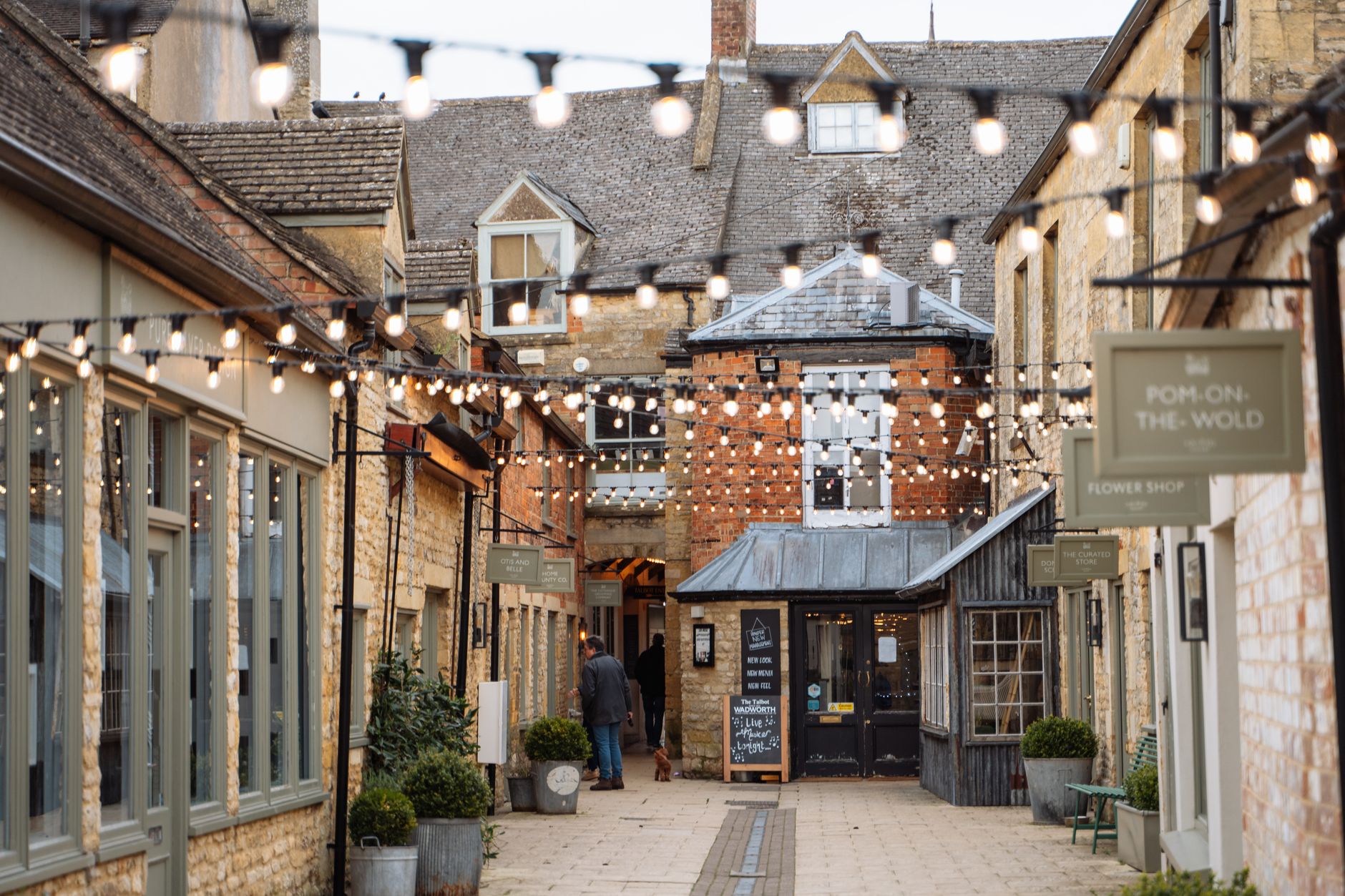
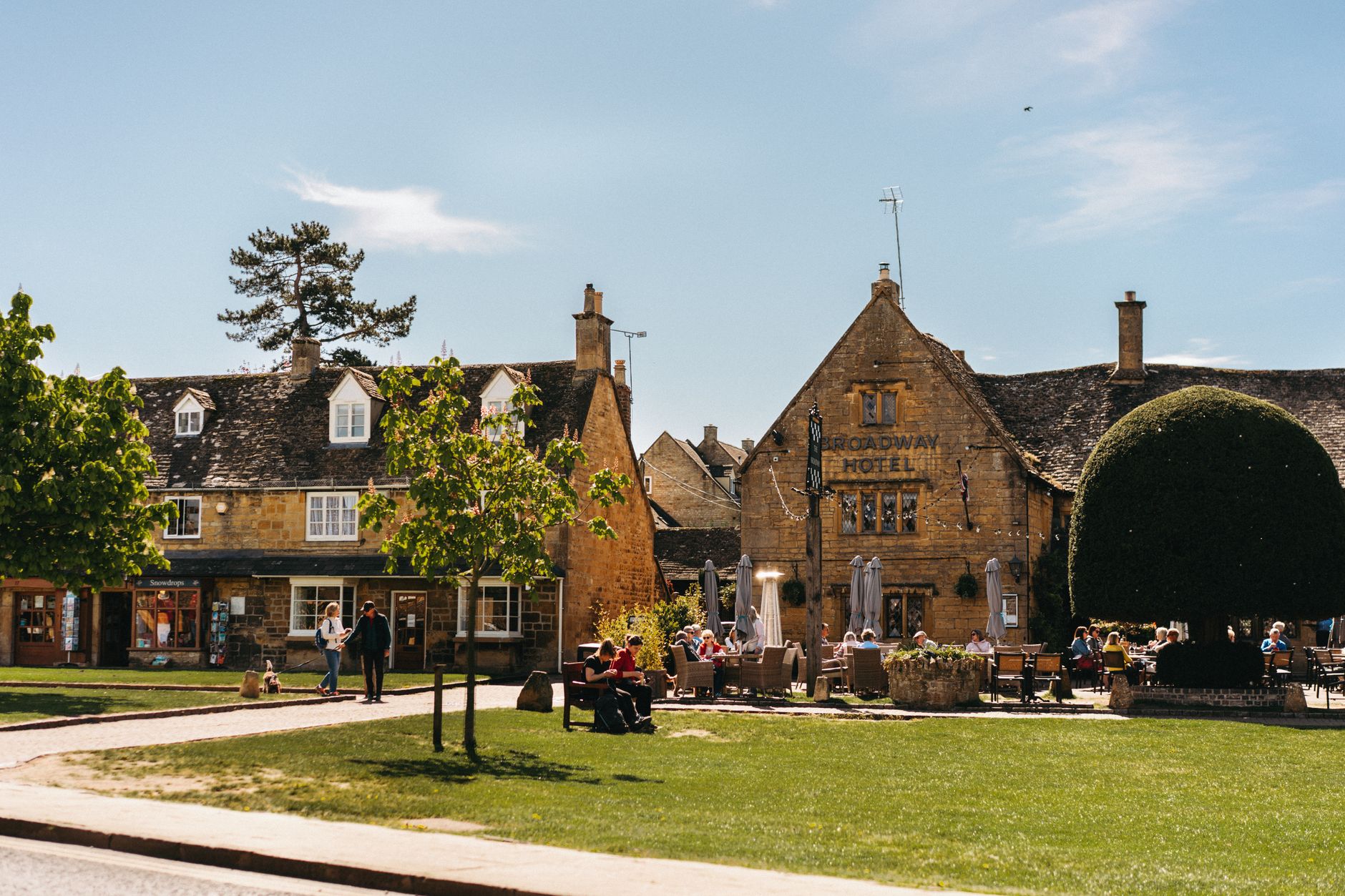
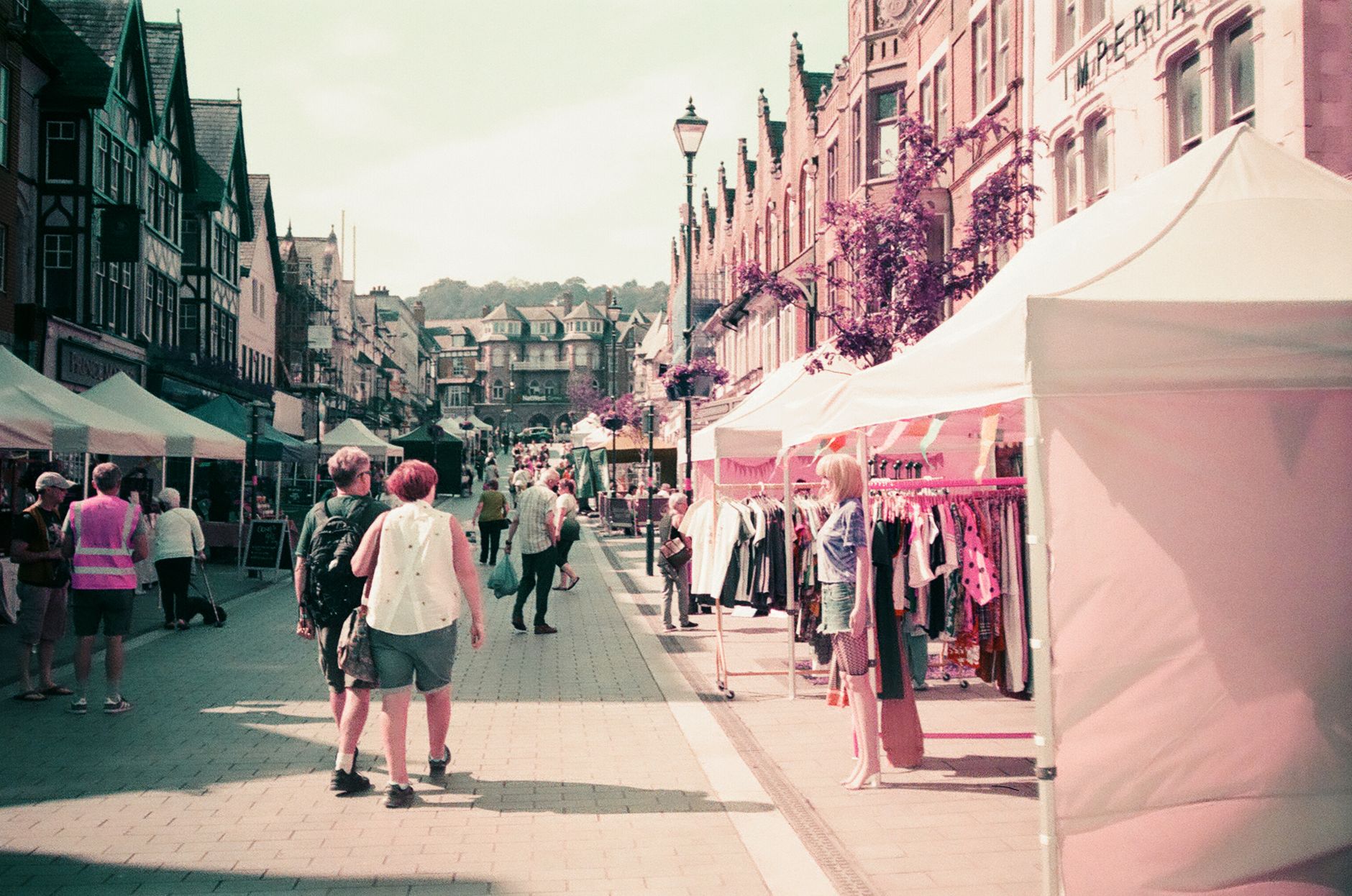
Stow-on-the-Wold sits at 800 feet on a bare limestone hill, the highest town in the Cotswolds, and the wind across the Market Square reminds you of that fact in any season. Eight roads converge here — a geometry that made the town's fortune for centuries — and the golden-stone buildings ringing the square still carry the proportions of a place that once moved serious money in wool and livestock.
The square is the whole point. Antique dealers and art galleries occupy what were once trading houses, the medieval stocks stand at one end (currently away for repair), the Market Cross at the other. Thursday brings a weekly market; the horse fair in May and October draws a different crowd entirely.
💛 What travellers fall for
People who come back tend to time it for a Thursday farmers' market and arrive early enough to claim a bench in the square before the coaches do. The north door of St Edward's Church — framed by two ancient yews, said to have inspired Tolkien's Doors of Durin — is quieter in the late afternoon, when the light through the trees is worth the walk.
Deals in Stow-on-the-Wold
Book directly at the provider


How Stow-on-the-Wold came to be
The hill was occupied long before the Normans arrived — an Iron Age fort stood here first, commanding views across the wold in every direction. The town's original name was Edwardstow, after its patron saint Edward, most likely Edward the Martyr. A royal charter from Henry I in 1107 formalised the market and fixed the name we use today; a second charter in 1330 added the fairs that still run.
For centuries Stow was one of the great sheep markets of England — Daniel Defoe recorded 20,000 animals sold in a single day. Then, on 21 March 1646, Sir Jacob Astley's Royalist forces were defeated here in what proved to be the final battle of the English Civil War. Hundreds of prisoners were held in St Edward's Church. The railway arrived in 1881 and left again in 1962, and the town has been car- and coach-dependent ever since.
Who and what shaped it
People who shaped it
Landmark buildings
See Stow-on-the-Wold in motion
Plan your visit
On the map
When to go
Summers are mild but the elevation means a persistent breeze even in July; bring a layer. Winter mornings on the square can be sharp and grey, but the stone takes on a particular warmth when the low sun catches it — and the crowds are thin.
Right now
Background & history adapted from Wikipedia (CC BY-SA) · specs from Wikidata (CC0) · weather from Open-Meteo · map data © OpenStreetMap contributors · photos from Wikimedia Commons / Unsplash with per-image credit. No third-party reviews or social posts reproduced.