
Stroud
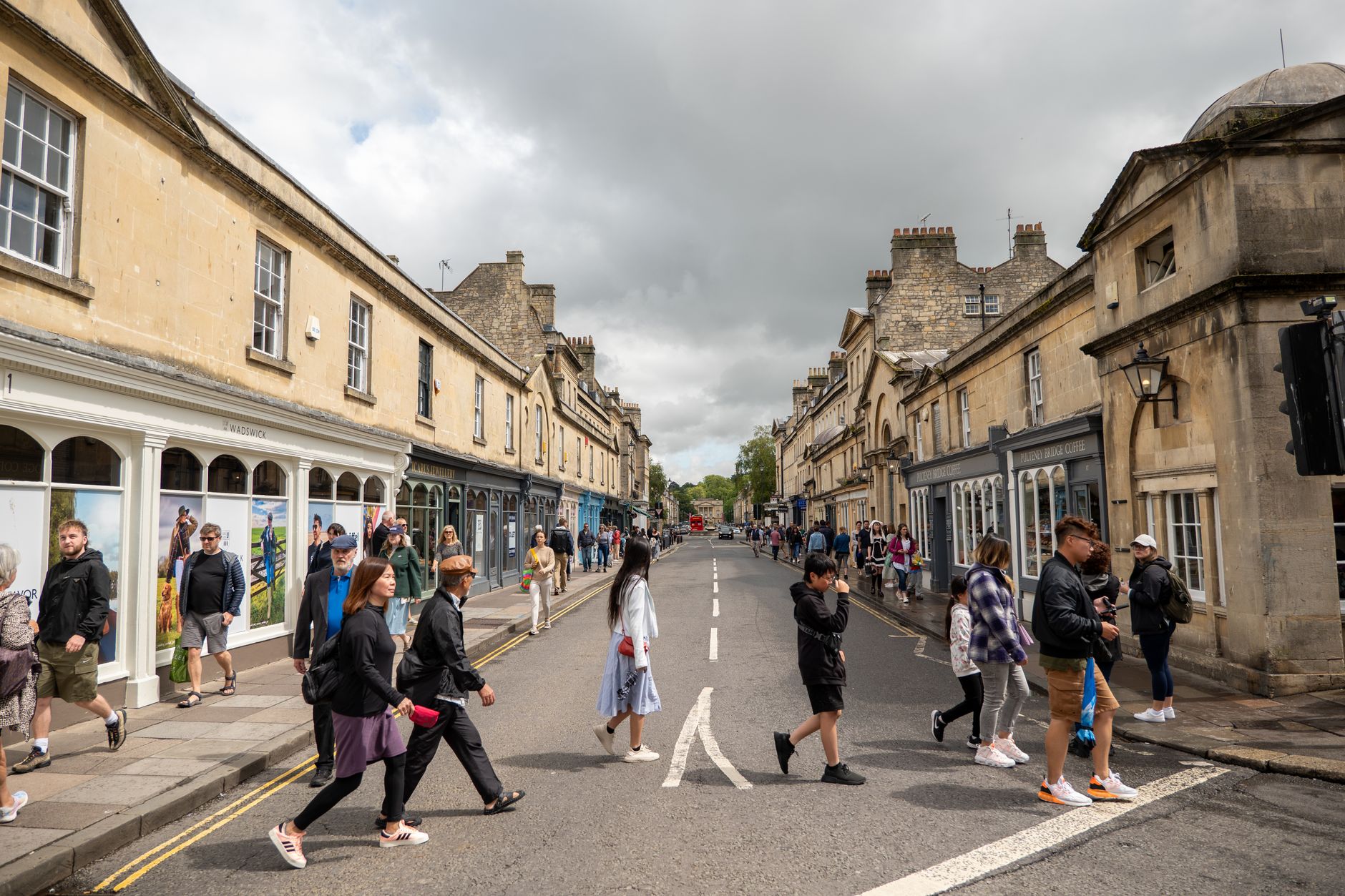
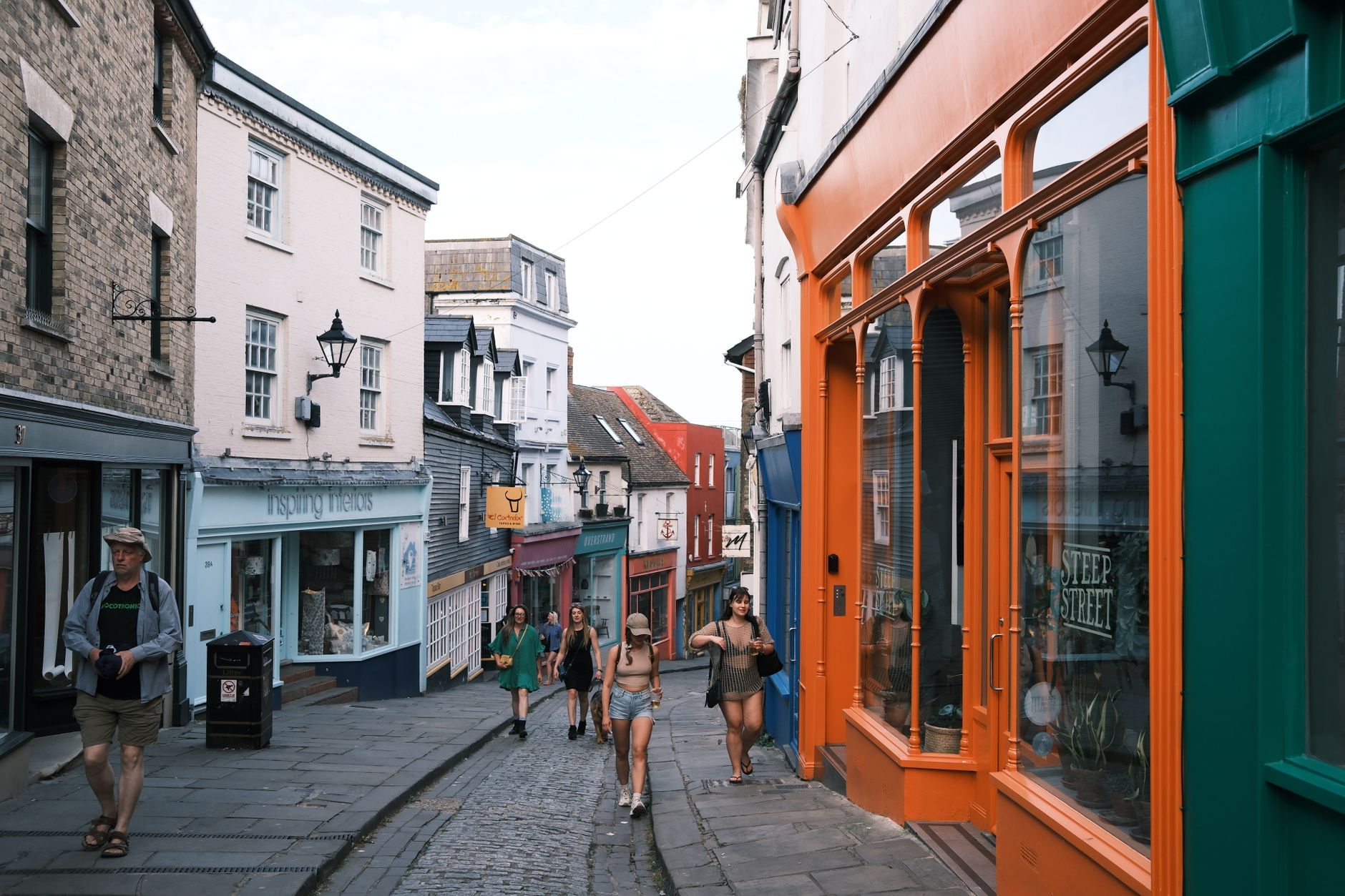
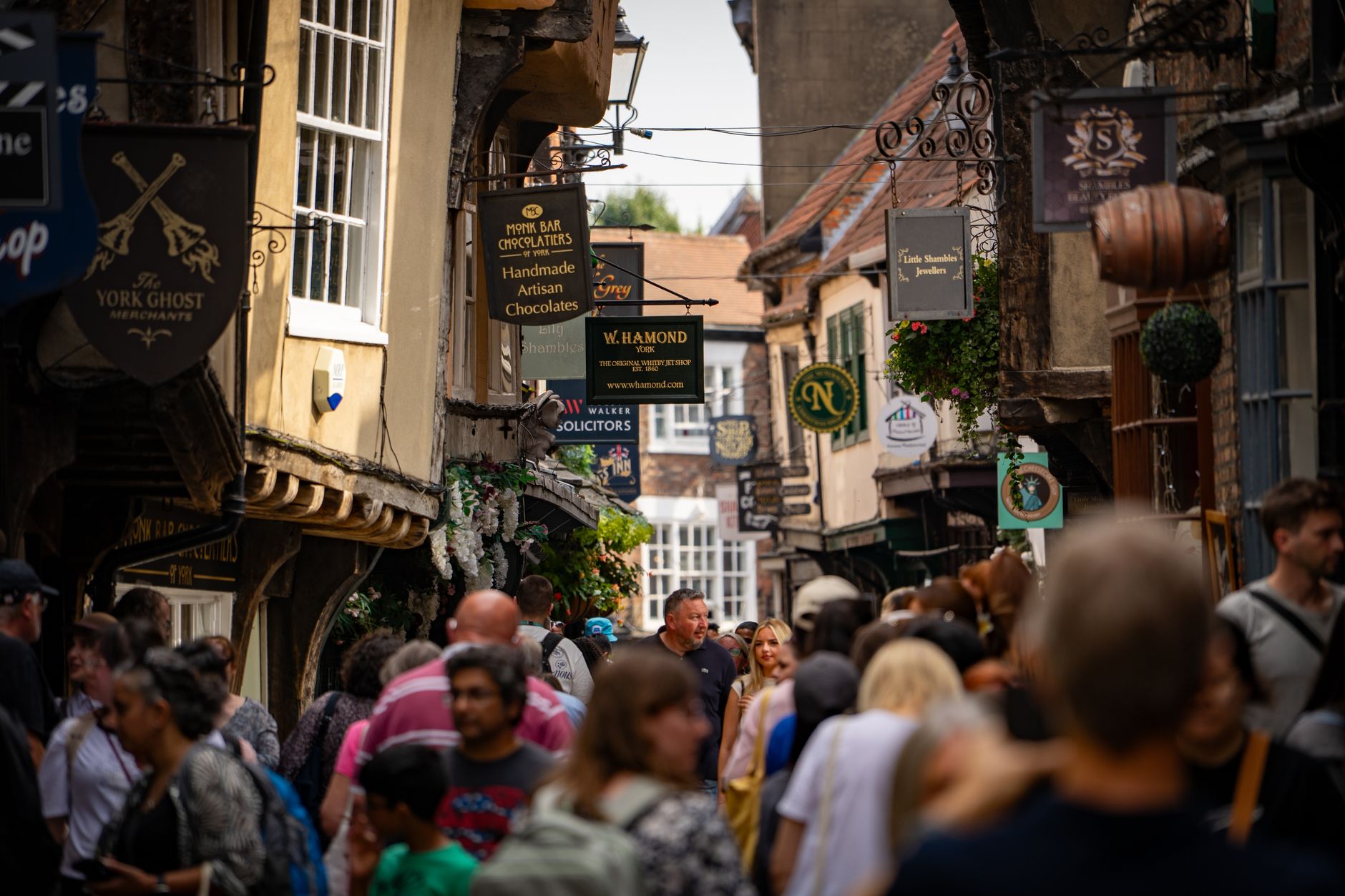

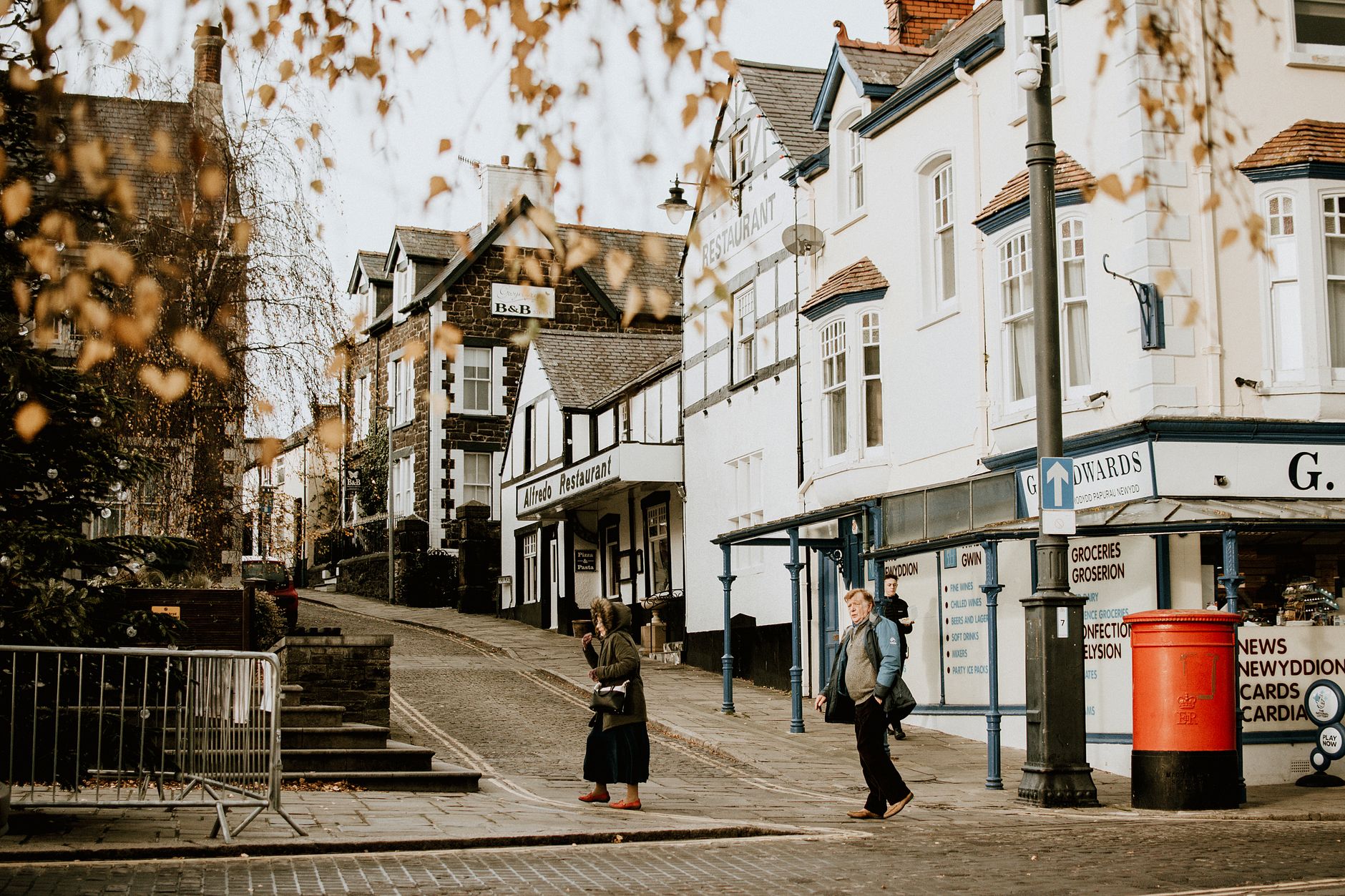

Stroud sits in a fold of five converging valleys where the River Frome meets the Slad Brook, and it has always been a working town rather than a decorative one. The mills that made its scarlet and fine broadcloth famous across Europe are quieter now, but the bones of that industrial confidence are still visible — in the 1833 Subscription Rooms, in Brunel's railway station, in the Old Town Hall that has stood on the same spot since 1596.
What draws people here now is a particular kind of creative stubbornness. The Saturday farmers' market, launched in 1999, became a template for dozens of others across the country. Independent traders, textile workshops, and a music scene that punches well above its size give Stroud a texture you won't find in the more polished Cotswold towns nearby.
💛 What travellers fall for
People who come back tend to mention the same few things: arriving by train on the Golden Valley Line as the valley opens up around you, spending longer than planned at the Museum in the Park in Stratford Park, and discovering that the Subscription Rooms has something on almost any night of the week worth staying for.
Deals in Stroud
Book directly at the provider

How Stroud came to be
The name comes from 'La Strode' — the marshy ground at the valley confluence — first recorded in 1221, when Stroud was still a corner of Bisley parish. A church was built by 1279 and granted parochial rights in 1304, the date usually given as the town's founding. By the early 17th century there was a market and a fair, and the wool trade was already shaping the landscape of the Five Valleys.
The canals changed everything: the link to the Severn in 1779 and to the Thames in 1789 opened national and then international markets for Stroud's cloth. When Brunel's railway arrived on 12 May 1845, the town's position was confirmed. Parliament had already recognised it in 1832 by making Stroud the centre of its own parliamentary borough — an acknowledgement that this was no village, but the engine of a region.
Who and what shaped it
People who shaped it
Landmark buildings
See Stroud in motion
Plan your visit
On the map
When to go
Summers are mild and rarely oppressive — July averages around 22°C in the day — while winters are cool and damp rather than harsh, with February lows around 2°C at night. October is the wettest month, so if you're planning to walk the valley paths, spring and early summer give you the best of the light and the greenery.
Right now
Background & history adapted from Wikipedia (CC BY-SA) · specs from Wikidata (CC0) · weather from Open-Meteo · map data © OpenStreetMap contributors · photos from Wikimedia Commons / Unsplash with per-image credit. No third-party reviews or social posts reproduced.