
Chipping Norton
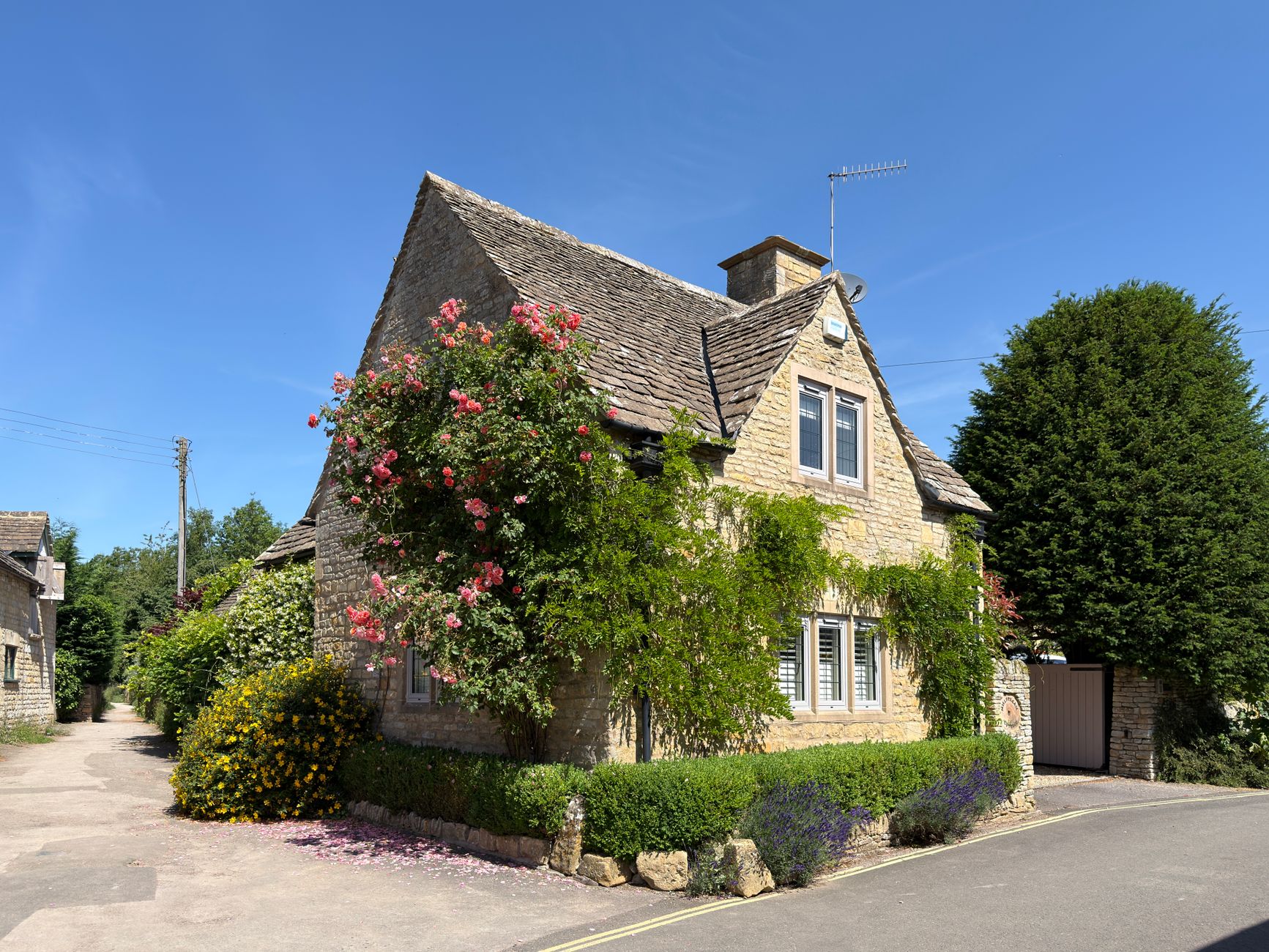
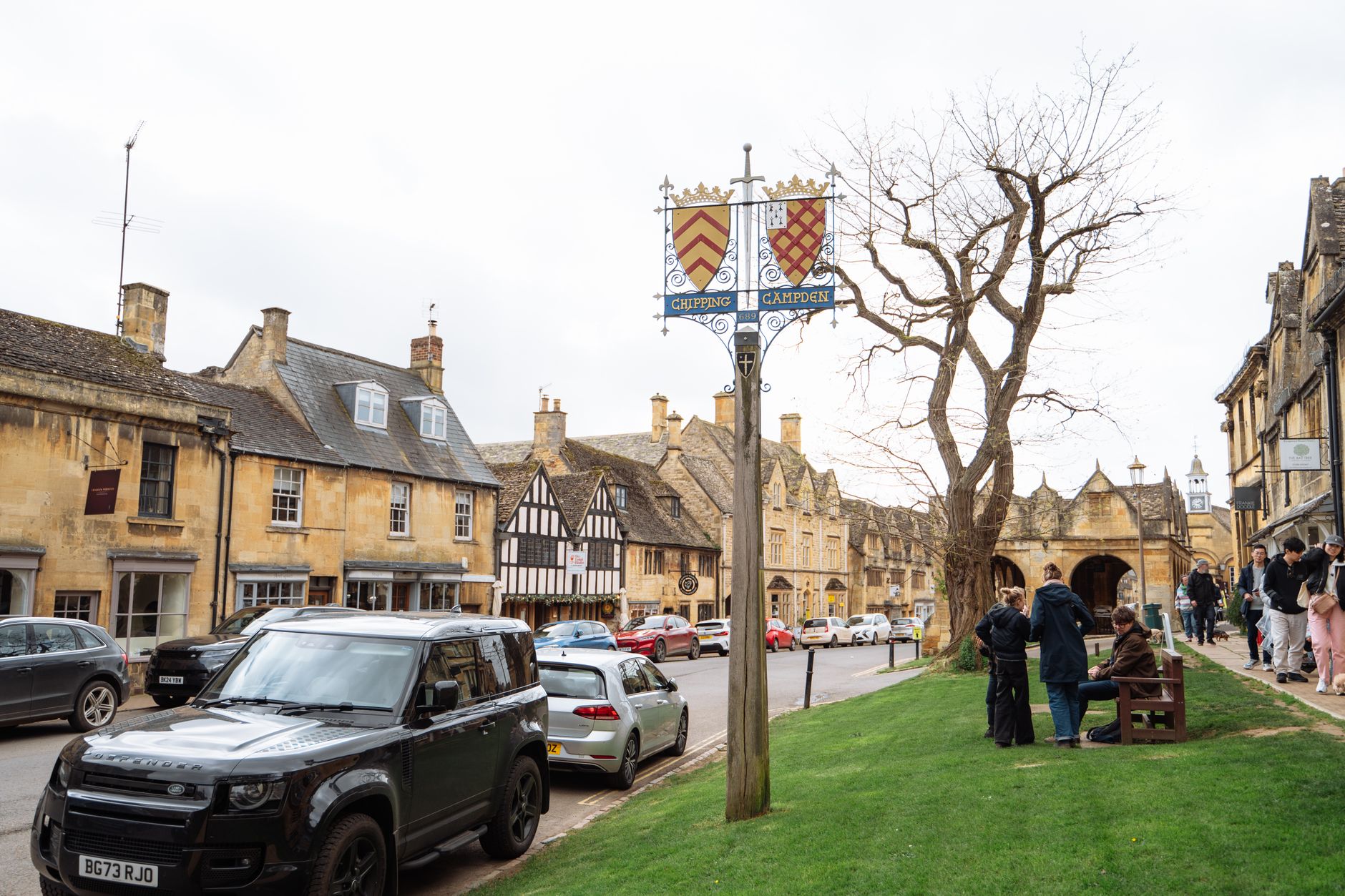
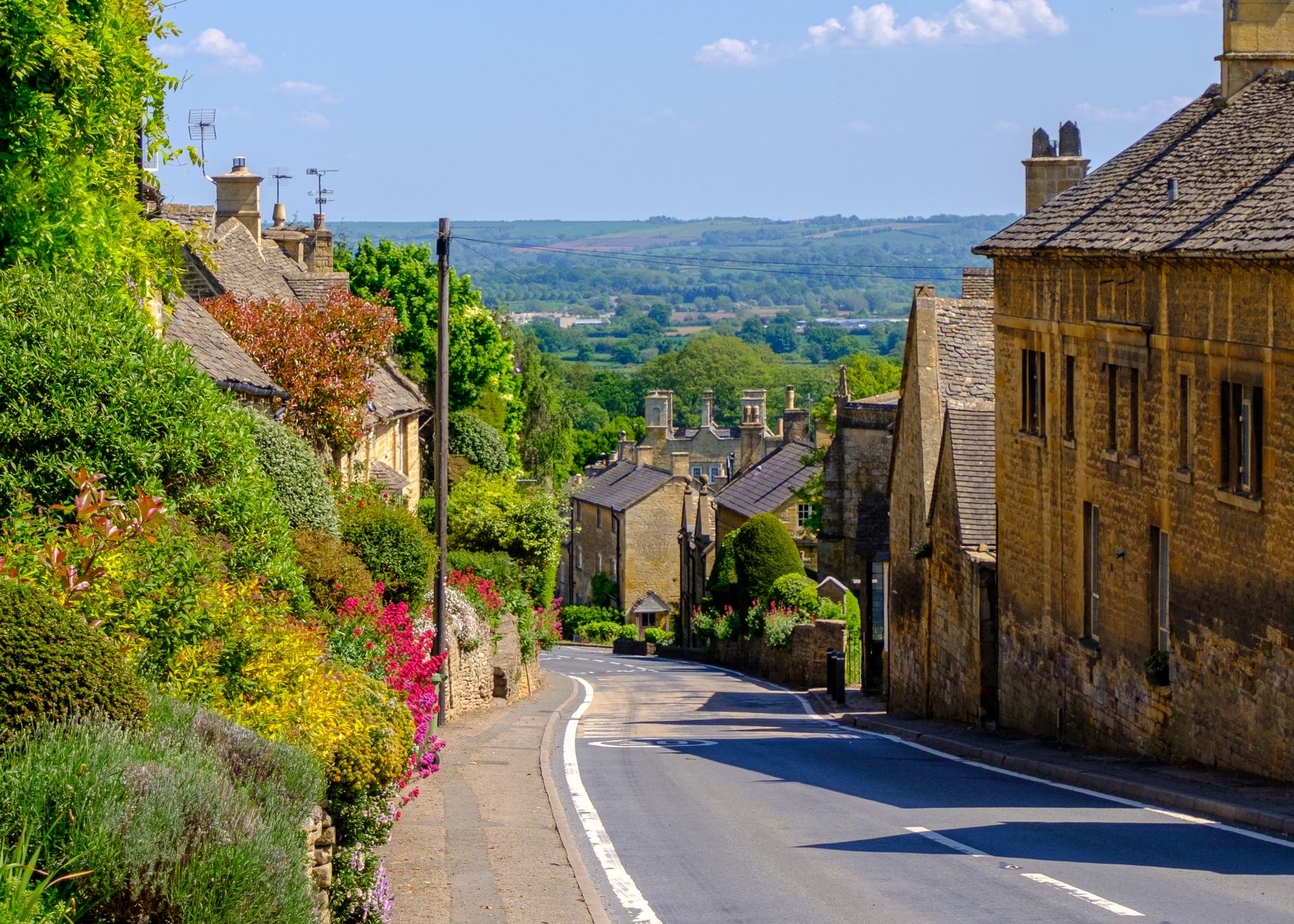
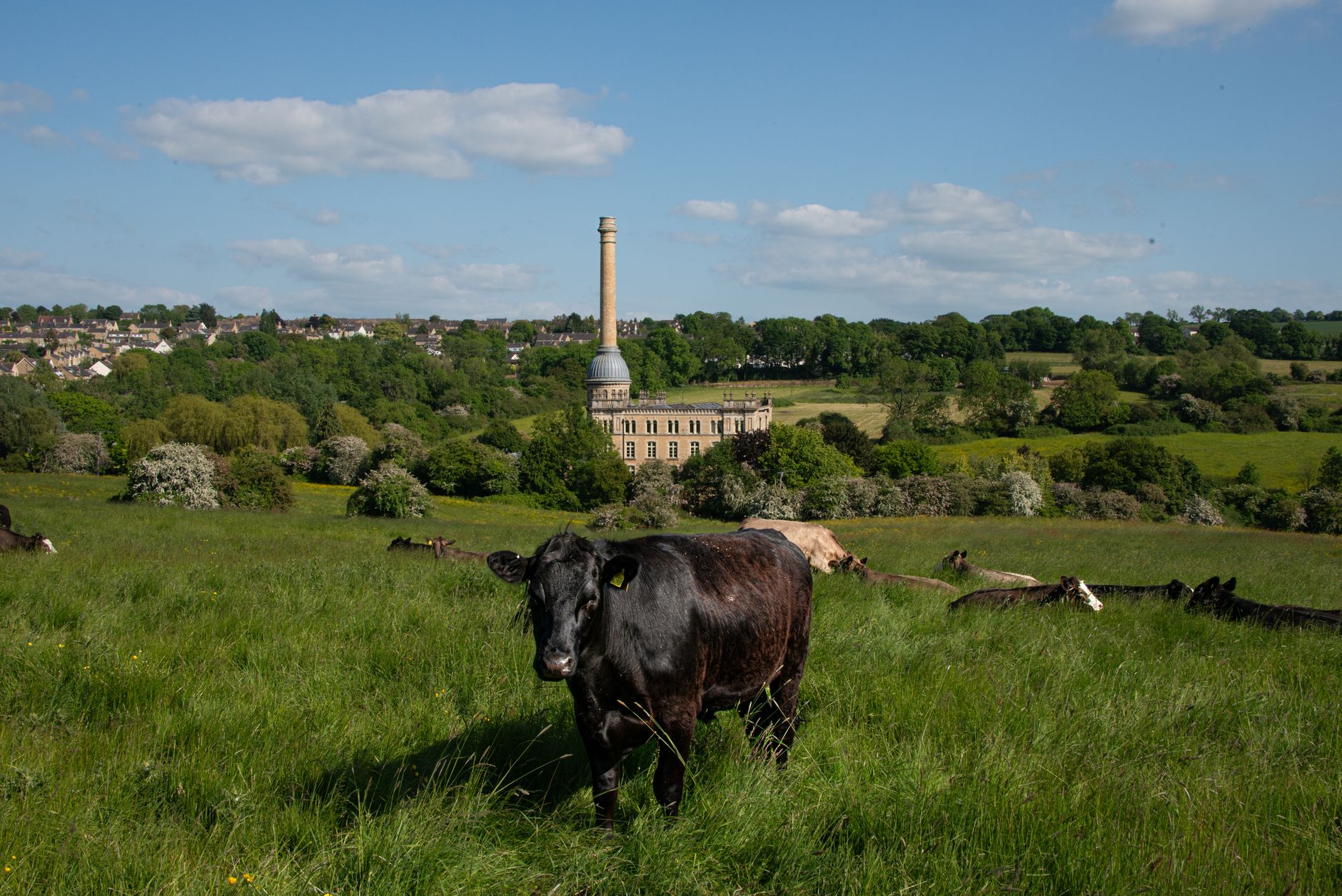
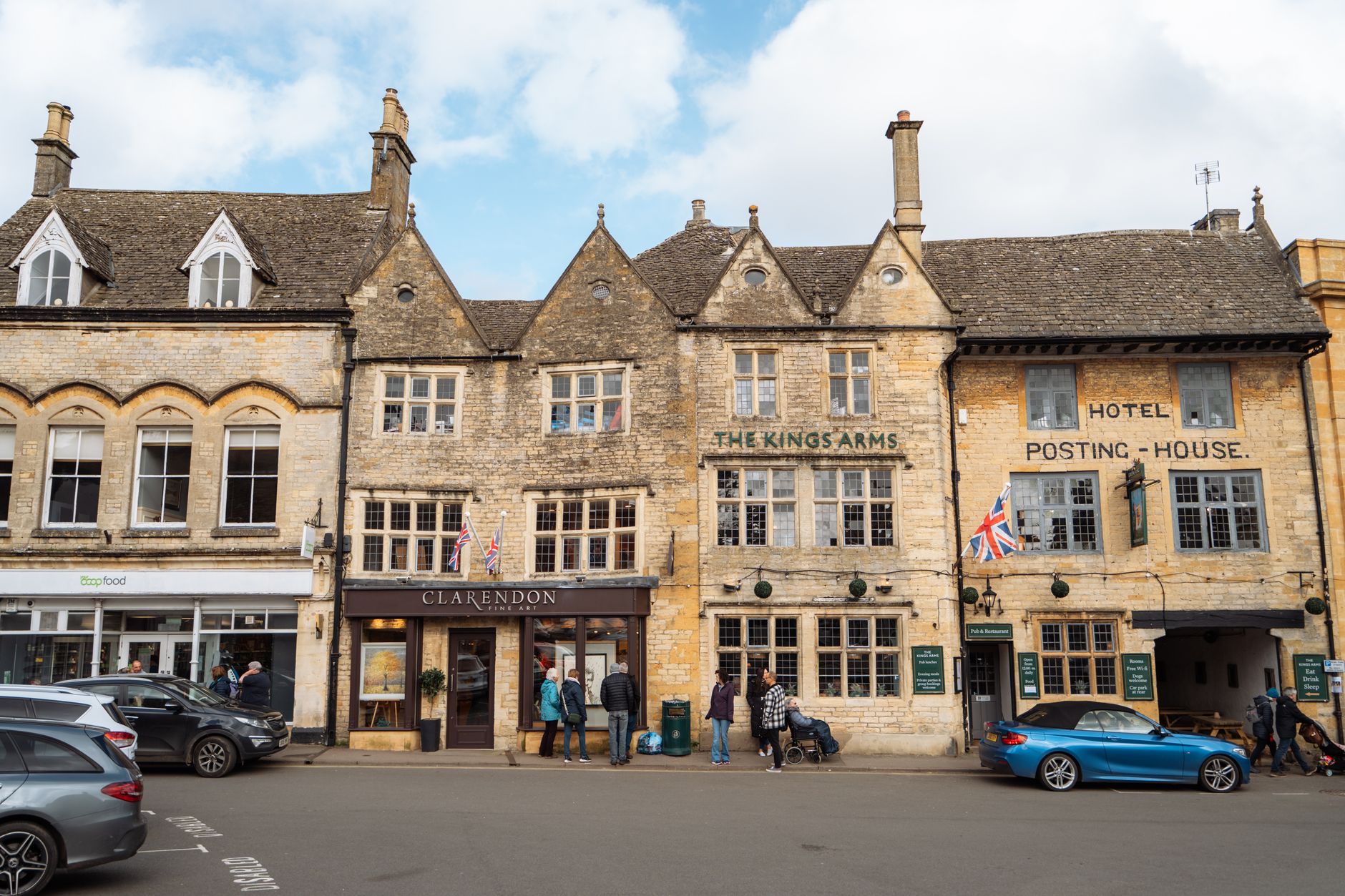
The highest market town in the Cotswolds, Chipping Norton sits on a hill with a frankness the lower villages lack — no river to pose beside, no famous bridge to photograph, just a broad market square and a town that has been getting on with things since 1205. The Georgian façades around that square hide medieval bones, and a short walk away, a Victorian textile mill with a chimney growing out of a dome stands against the skyline like something a child drew from memory.
This is a working town with a theatre, a proper butcher, and a history of people doing unexpected things — a vicar hanged from his own church tower, a clergyman who quietly discovered aspirin.
💛 What travellers fall for
Return visitors tend to time a visit around the Thursday market, then walk up to St Mary the Virgin before the coach parties from Bourton-on-the-Water arrive. The theatre on Spring Street — started life as a Salvation Army citadel — programmes better than you'd expect for a town this size. Worth checking the listings before you book anywhere to stay.
Deals in Chipping Norton
Book directly at the provider

How Chipping Norton came to be
The name gives the game away: Old English cēping means market, and a royal writ of 1244 confirmed what the layout of the upper hill already showed — this was a place built around commerce. Wool wealth shaped it through the Middle Ages, and when that faded, Georgian money arrived to reface the old houses without replacing them.
The 19th century added two contradictions: a neoclassical Town Hall completed in 1842, and in 1872 the Bliss Tweed Mill — designed by George Woodhouse with a chimney rising from a dome, as if a Derbyshire mill had been given Baroque ambitions. The millworkers struck for eight months in 1913–14. The mill closed in 1980 and is now flats. Earlier, in 1763, a local clergyman named Edward Stone sent the Royal Society a report on willow bark that would eventually underpin the chemistry of aspirin.
Who and what shaped it
People who shaped it
Landmark buildings
See Chipping Norton in motion
Plan your visit
On the map
When to go
The Cotswold plateau means Chipping Norton runs cooler and wetter than the valleys below it, even in summer. Winter mornings can be sharp enough to empty the market square quickly; April and October tend to offer the most honest version of the place.
Right now
Background & history adapted from Wikipedia (CC BY-SA) · specs from Wikidata (CC0) · weather from Open-Meteo · map data © OpenStreetMap contributors · photos from Wikimedia Commons / Unsplash with per-image credit. No third-party reviews or social posts reproduced.