
Chipping Campden
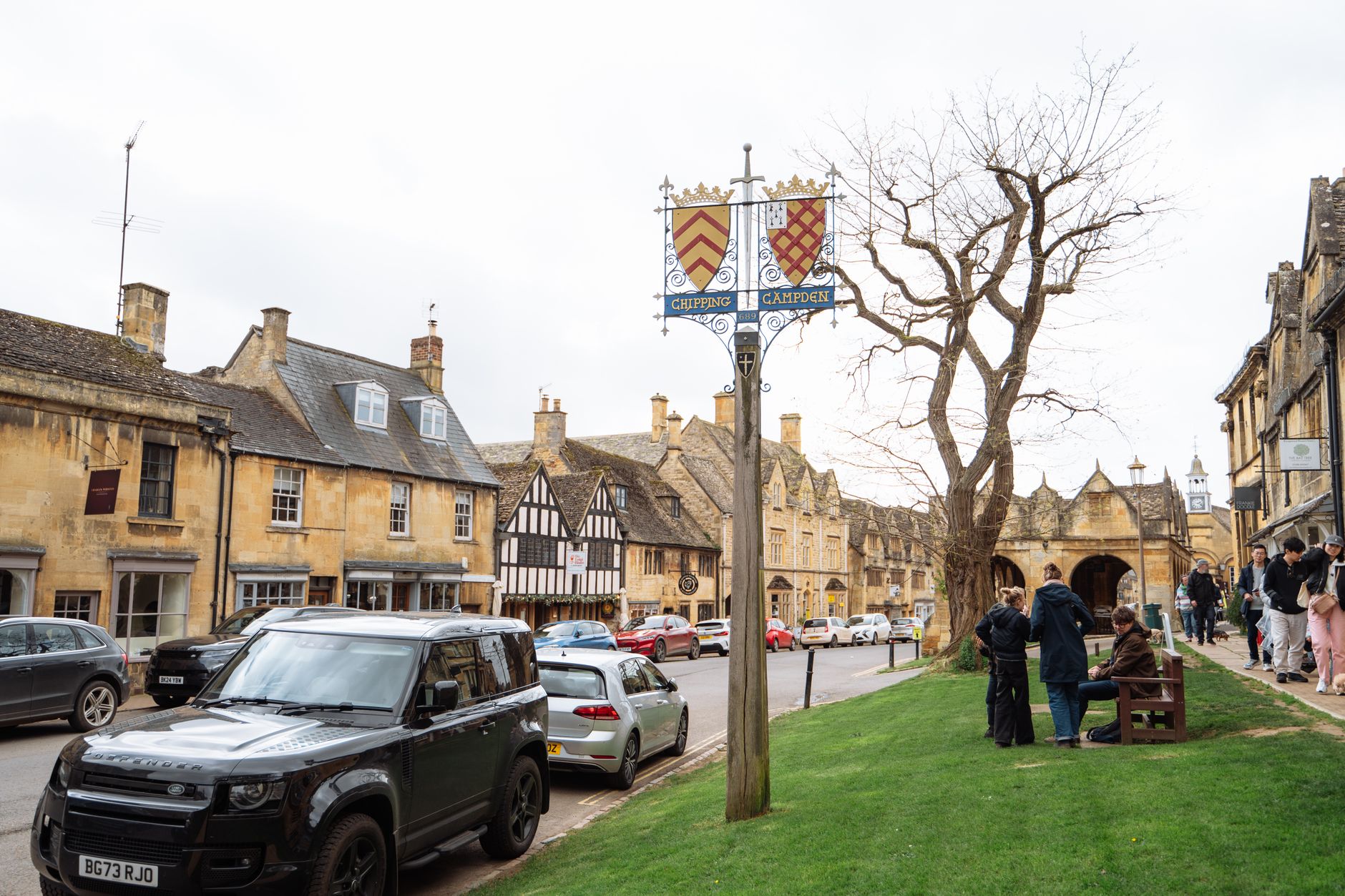
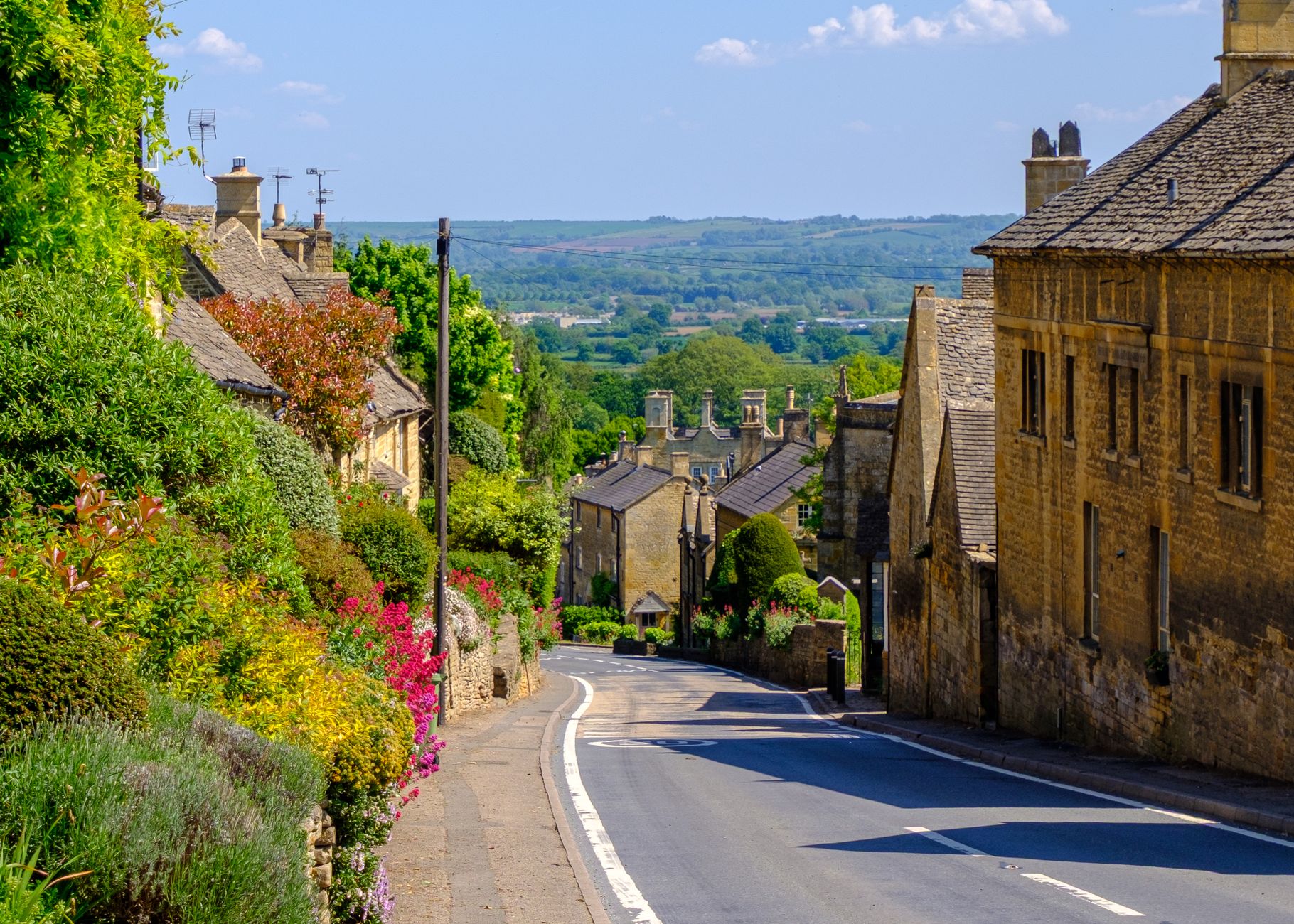
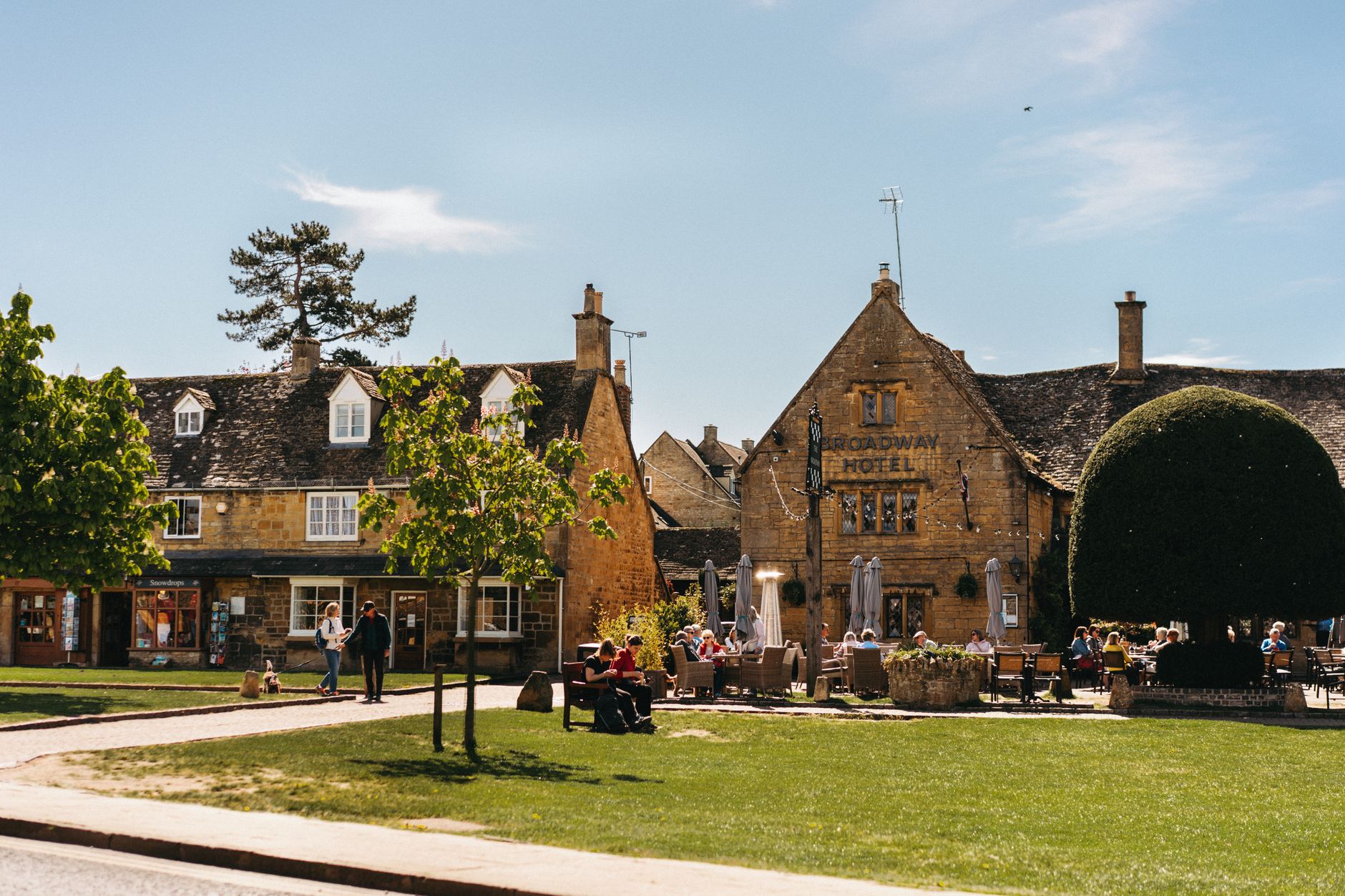
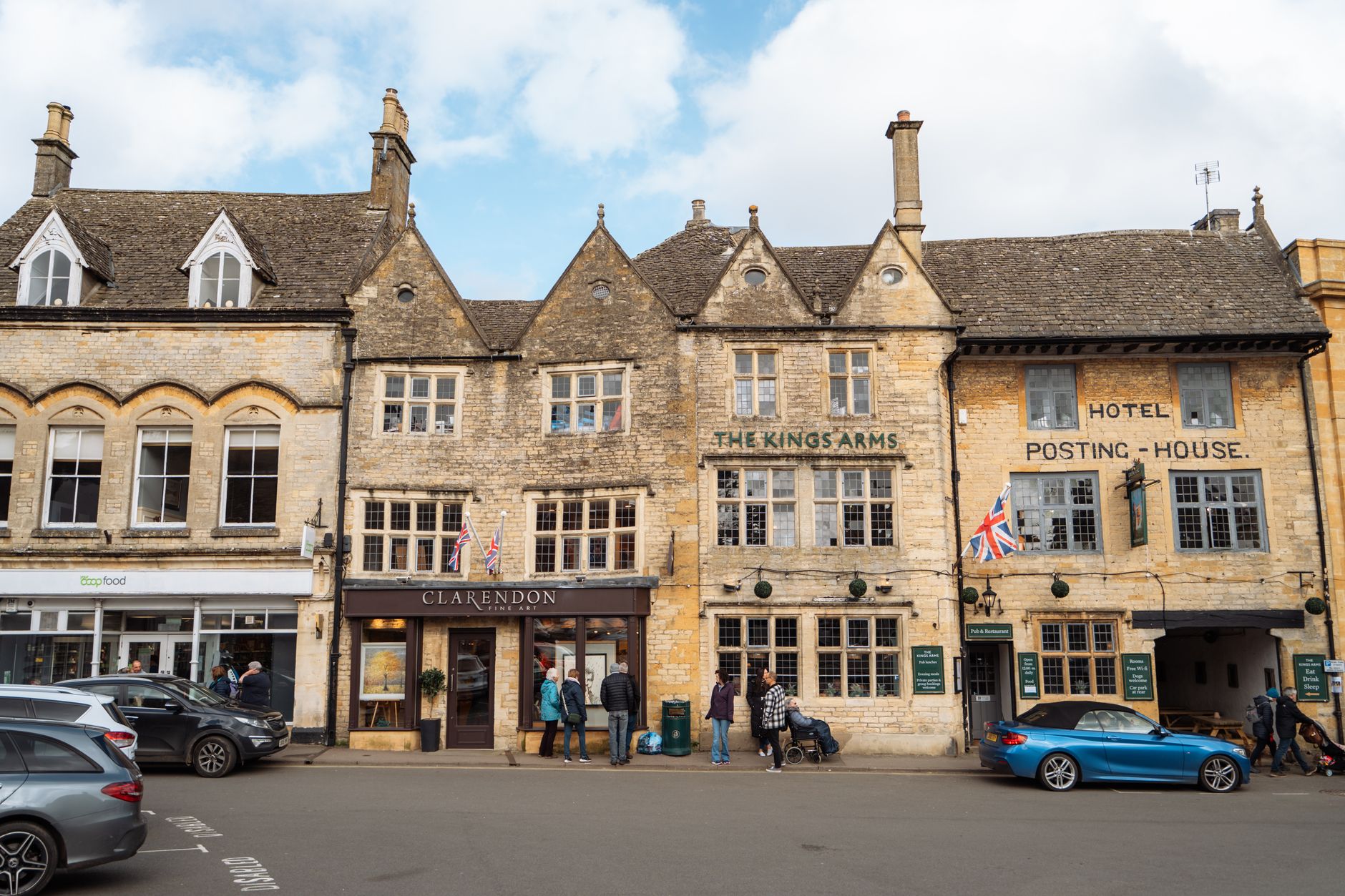
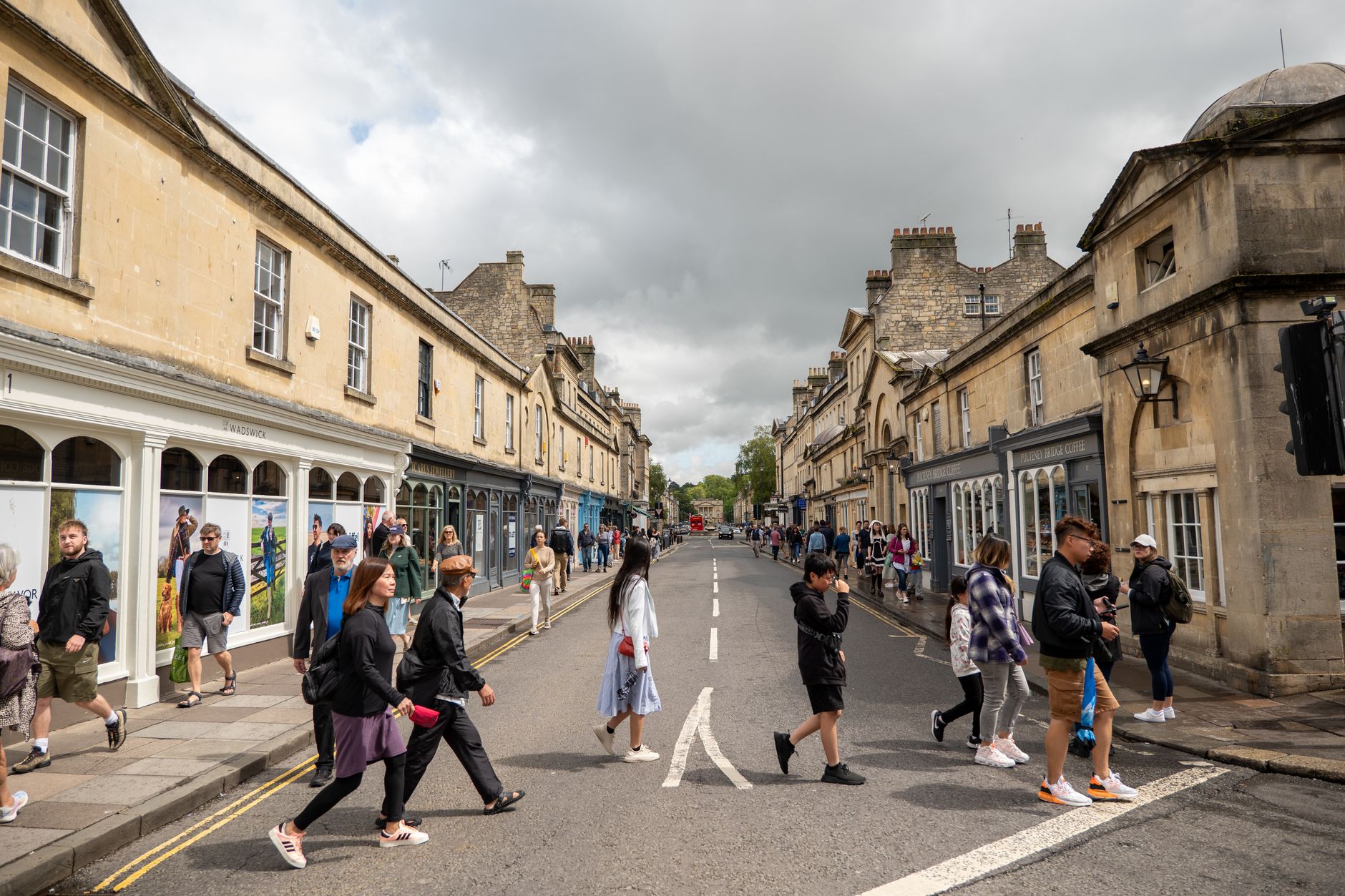
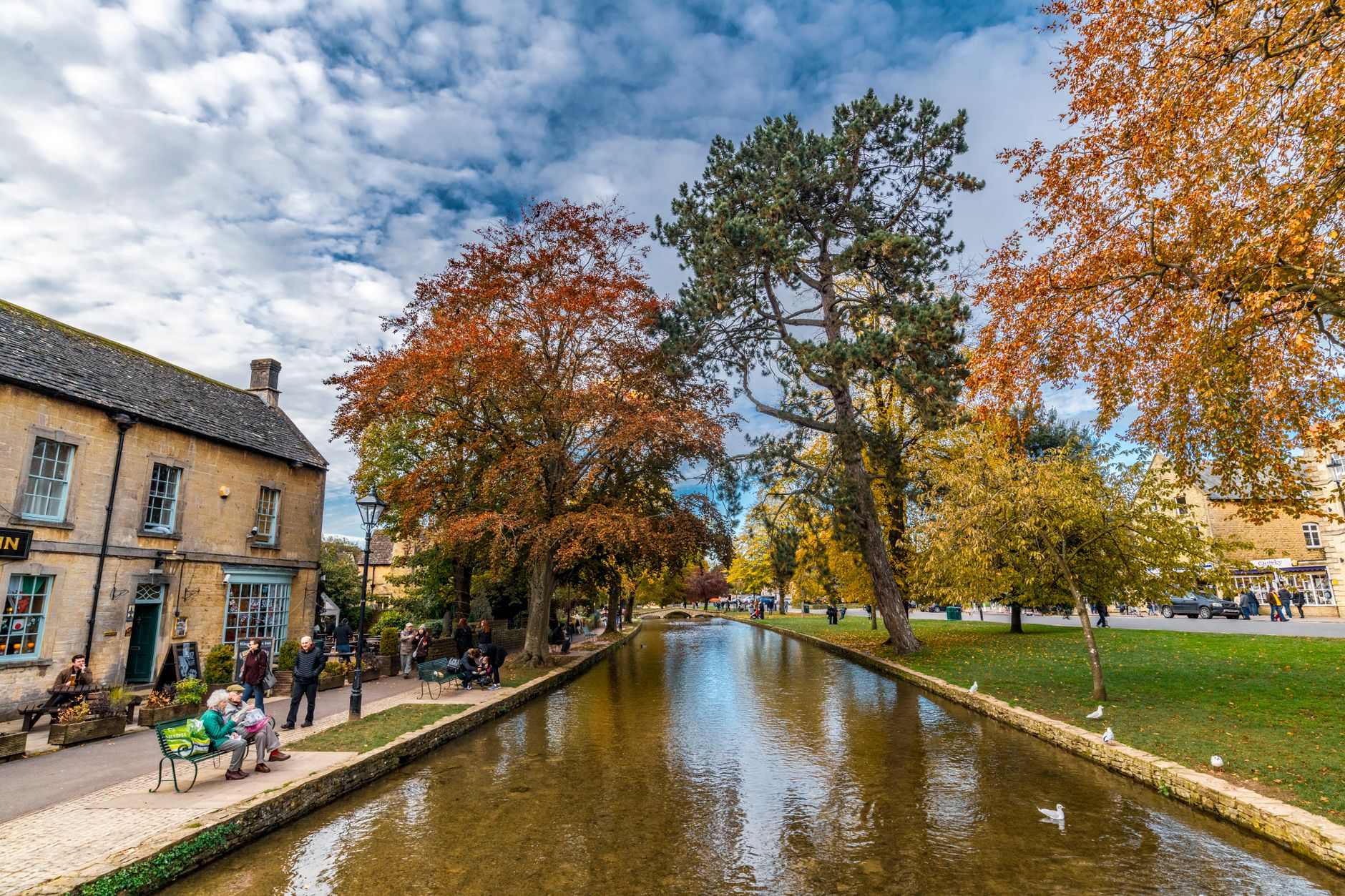
The High Street in Chipping Campden is made almost entirely of oolitic limestone — the same warm, honey-coloured stone quarried locally for centuries — and walking its length, past more than 170 listed buildings, you start to understand why the conservation order came in 1970 and why people keep coming back. This is a wool town that got rich in the 14th century and then, crucially, stayed still long enough to keep what it built.
The Market Hall has stood open-sided in the middle of the street since 1627, built by Sir Baptist Hicks for the sale of cheese, butter and poultry. The Church of St James, with its 160-foot spire, holds one of the largest collections of monumental brasses in England. The bones of the place are genuinely old, and largely intact.
💛 What travellers fall for
People who return reliably mention the same few things: arriving on a weekday rather than a summer weekend, when the High Street belongs mostly to locals; walking up to Dover's Hill before the coach parties arrive; and finding the Old Silk Mill, where working craftspeople still occupy the space Charles Ashbee's Guild of Handicraft moved into in 1902.
Deals in Chipping Campden
Book directly at the provider

How Chipping Campden came to be
Chipping Campden received its market charter from Henry II in 1185, and by the mid-13th century it had grown into a functioning planned town with burgage plots, shops and a population approaching 600. The real money came later, through wool. Cotswold fleece was among the most prized in medieval Europe, and merchants like William Grevel — who built Grevel House around 1380 and is buried in St James — accumulated fortunes that funded the architecture you see today.
Sir Baptist Hicks added the Almshouses in 1612, the Banqueting House in 1613, and the Market Hall in 1627, leaving an outsized mark on the streetscape. Three centuries later, in 1902, the Arts and Crafts designer Charles Robert Ashbee relocated his Guild of Handicraft from London's East End to the Old Silk Mill, bringing a different kind of idealism to a town already shaped by craft. The Guild dissolved in 1910, but the etcher F.L. Griggs arrived in 1904, stayed, and spent decades quietly protecting what remained — forming the Campden Trust in 1929.
Who and what shaped it
People who shaped it
Landmark buildings
See Chipping Campden in motion
Plan your visit
On the map
When to go
The Cotswolds sit at modest elevation and catch their share of Atlantic rain; spring and autumn bring cool, clear days that suit walking, while summer is warm but can be overcast. Winter mornings, with frost on the limestone, have their own appeal — and far fewer people.
Right now
Background & history adapted from Wikipedia (CC BY-SA) · specs from Wikidata (CC0) · weather from Open-Meteo · map data © OpenStreetMap contributors · photos from Wikimedia Commons / Unsplash with per-image credit. No third-party reviews or social posts reproduced.