
Beijing, China
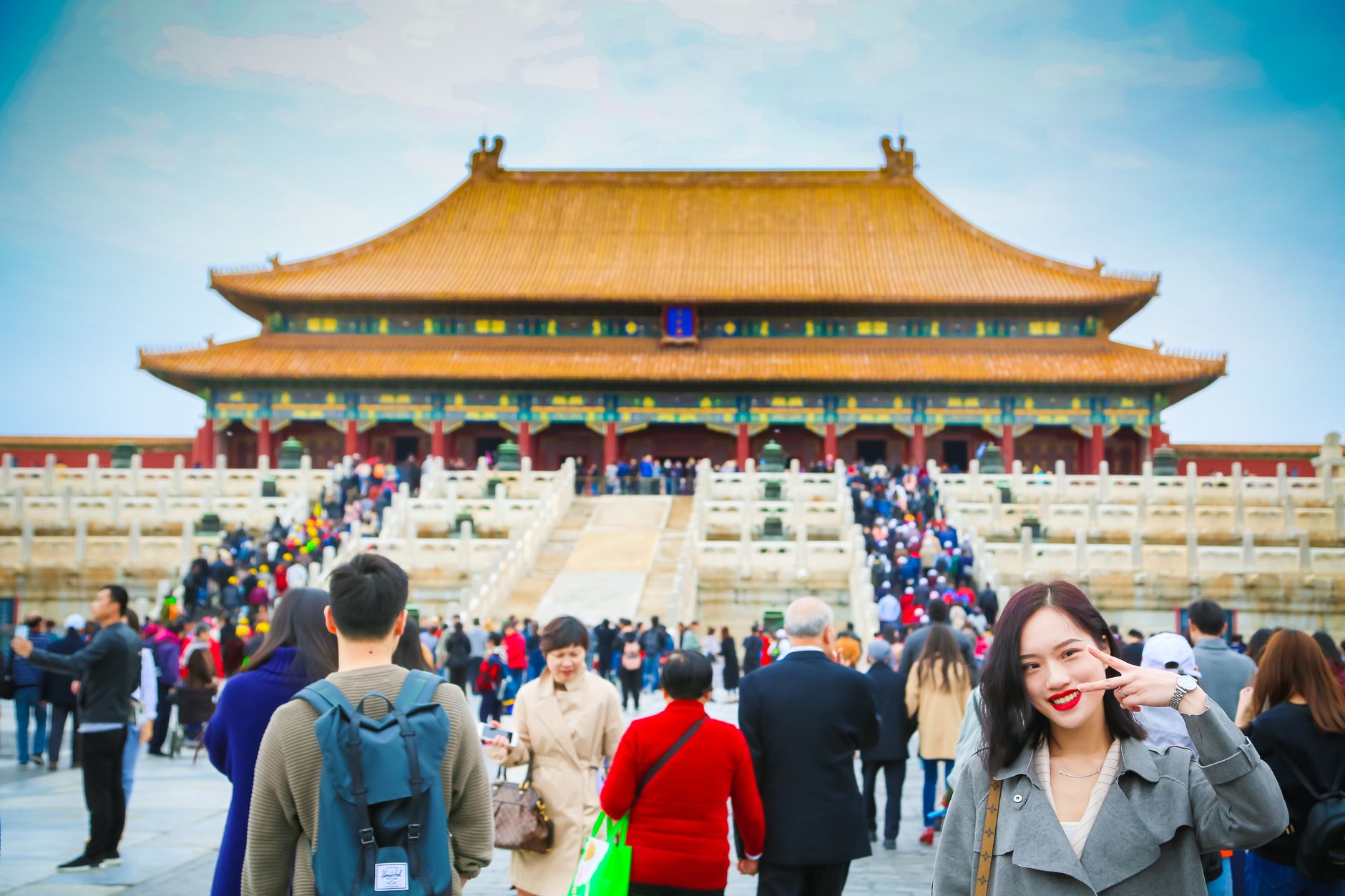
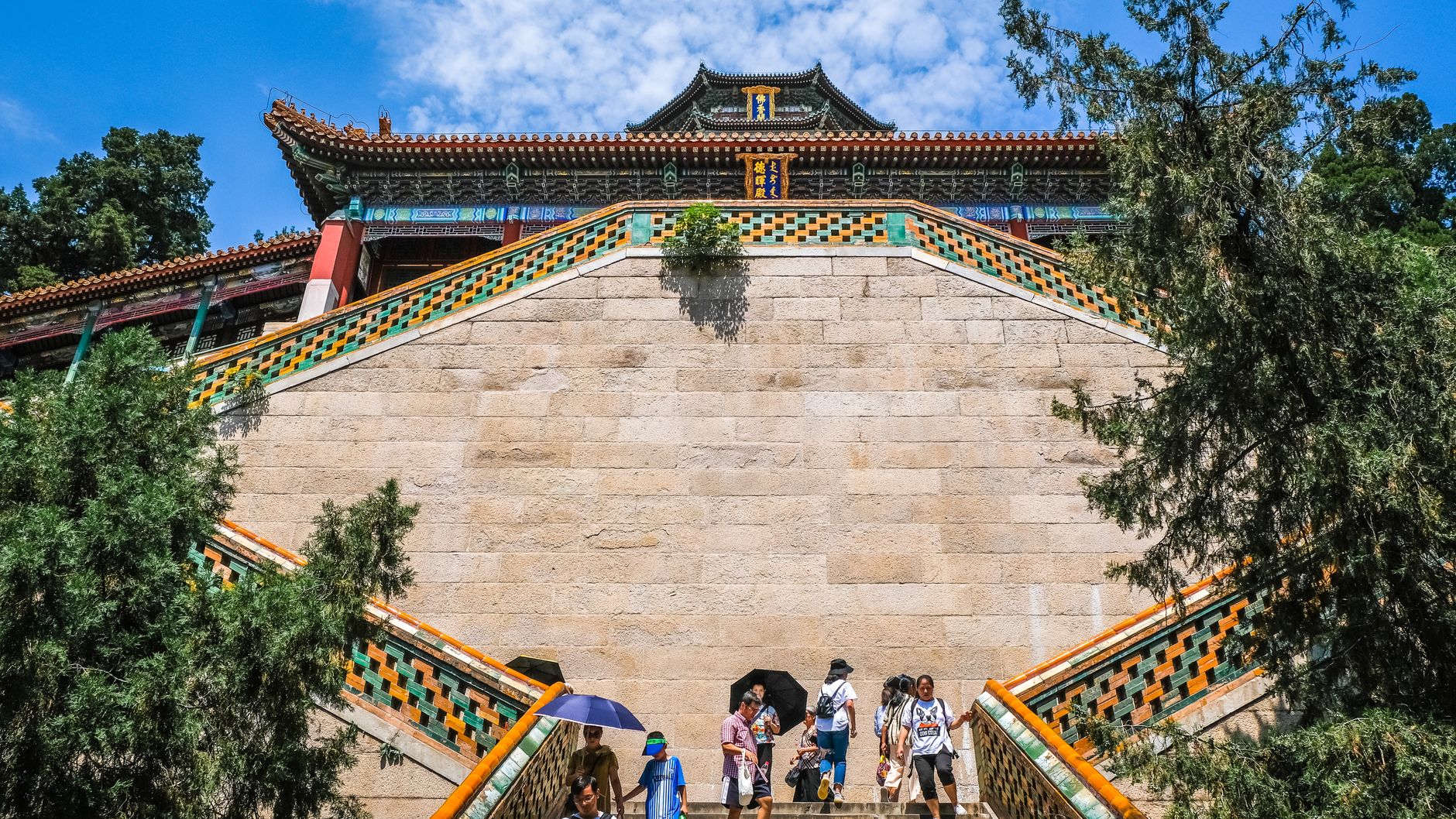
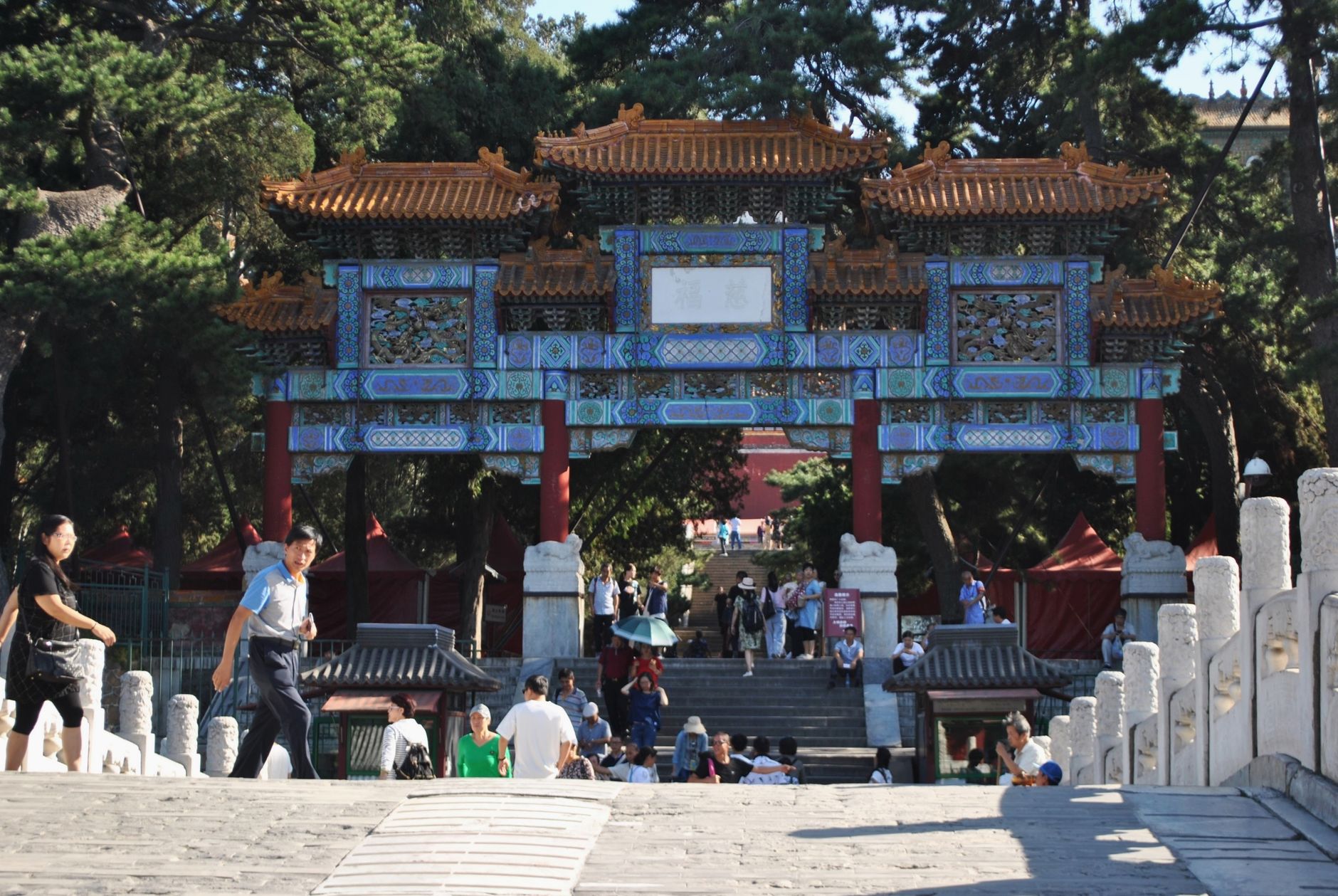
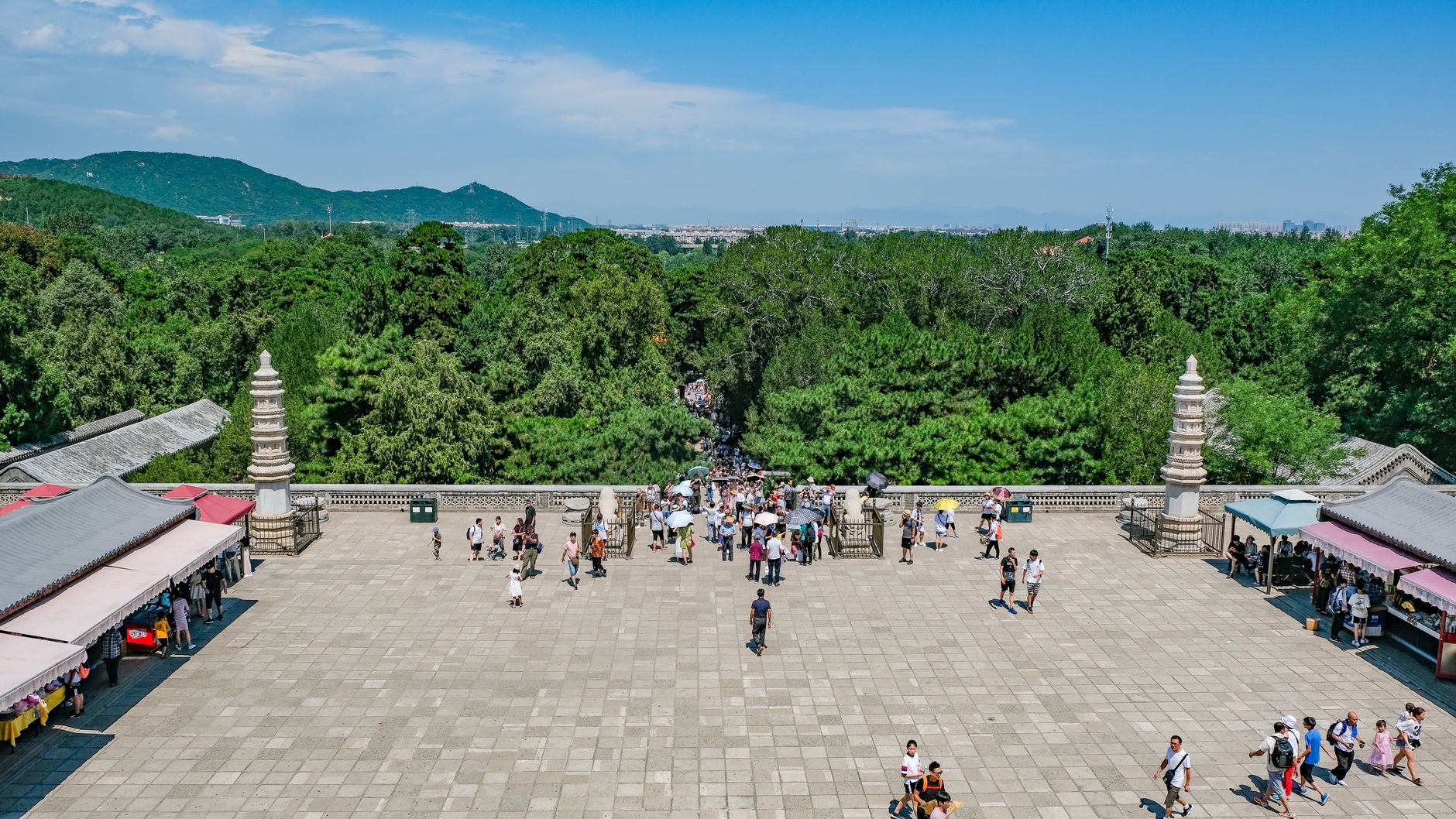
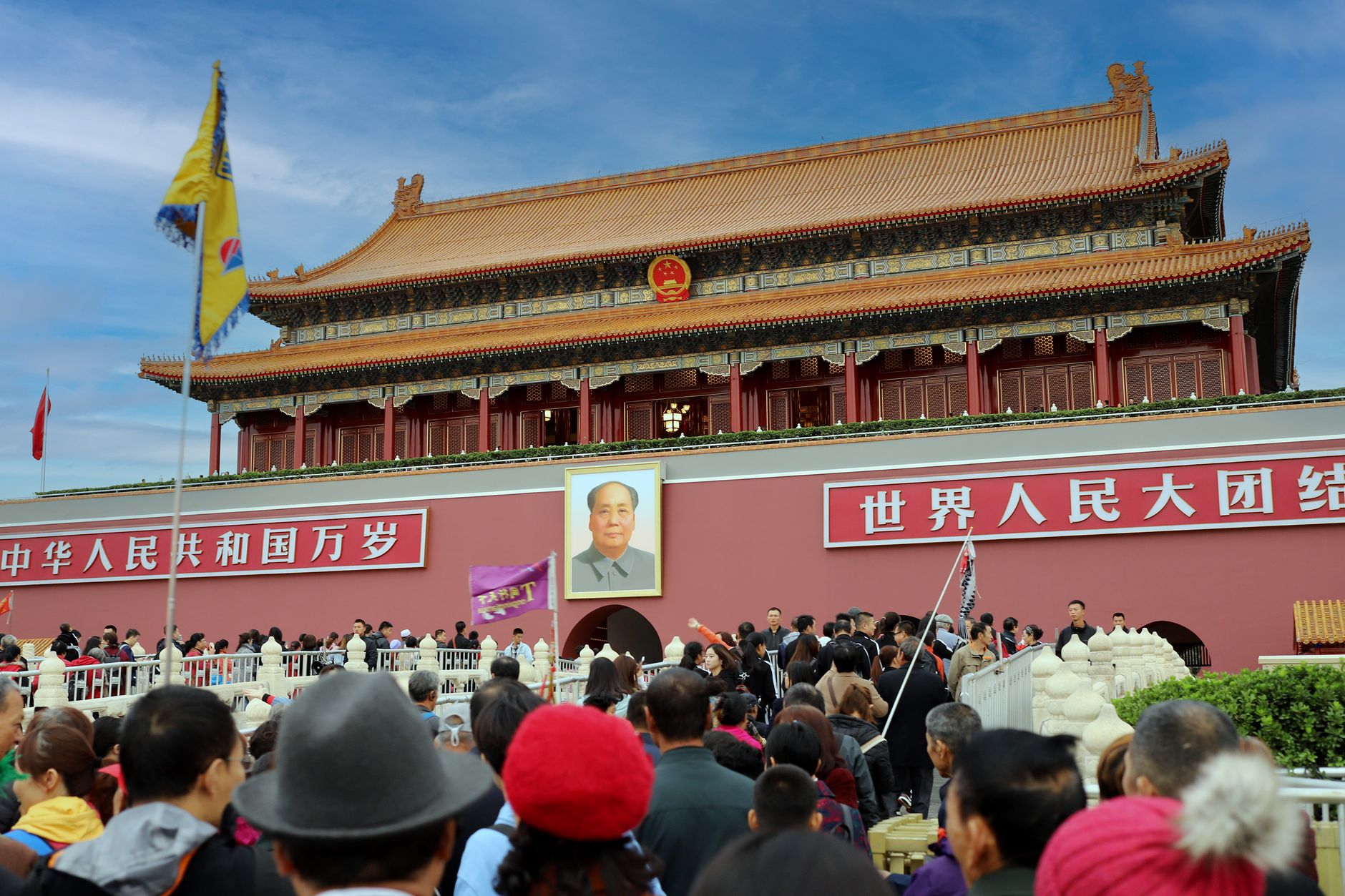
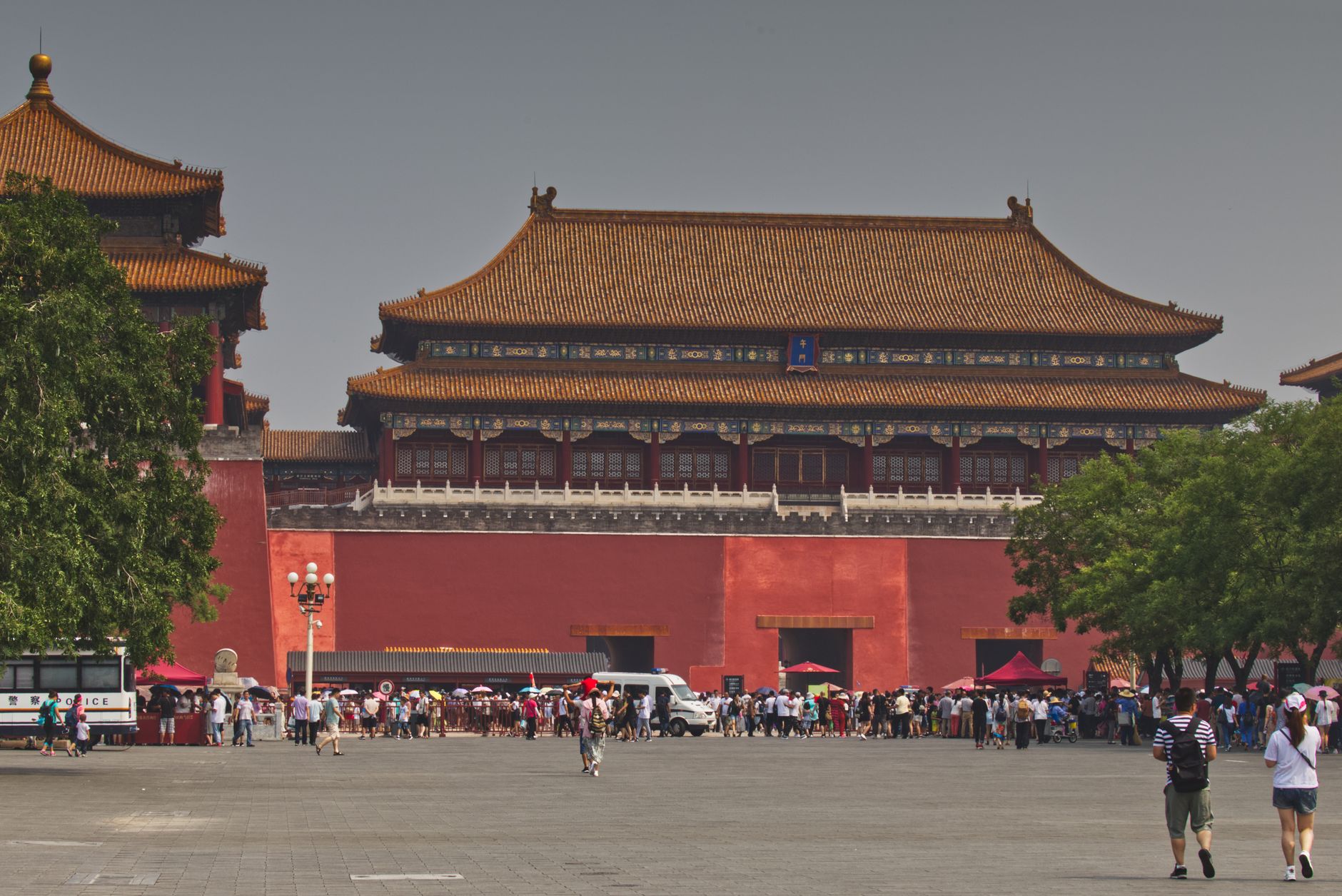
Beijing rewards the specific look. Stand at the south gate of the Forbidden City and count the rooflines stacking toward the horizon — 980 buildings, 9,999 bays of rooms, all oriented to the same axis that has organized this city for six centuries. Then turn around: Tiananmen Square, the Great Hall of the People, the wide boulevard of Chang'an Avenue. Two Beijings face each other across that threshold, imperial and revolutionary, and the city has never quite resolved the tension between them.
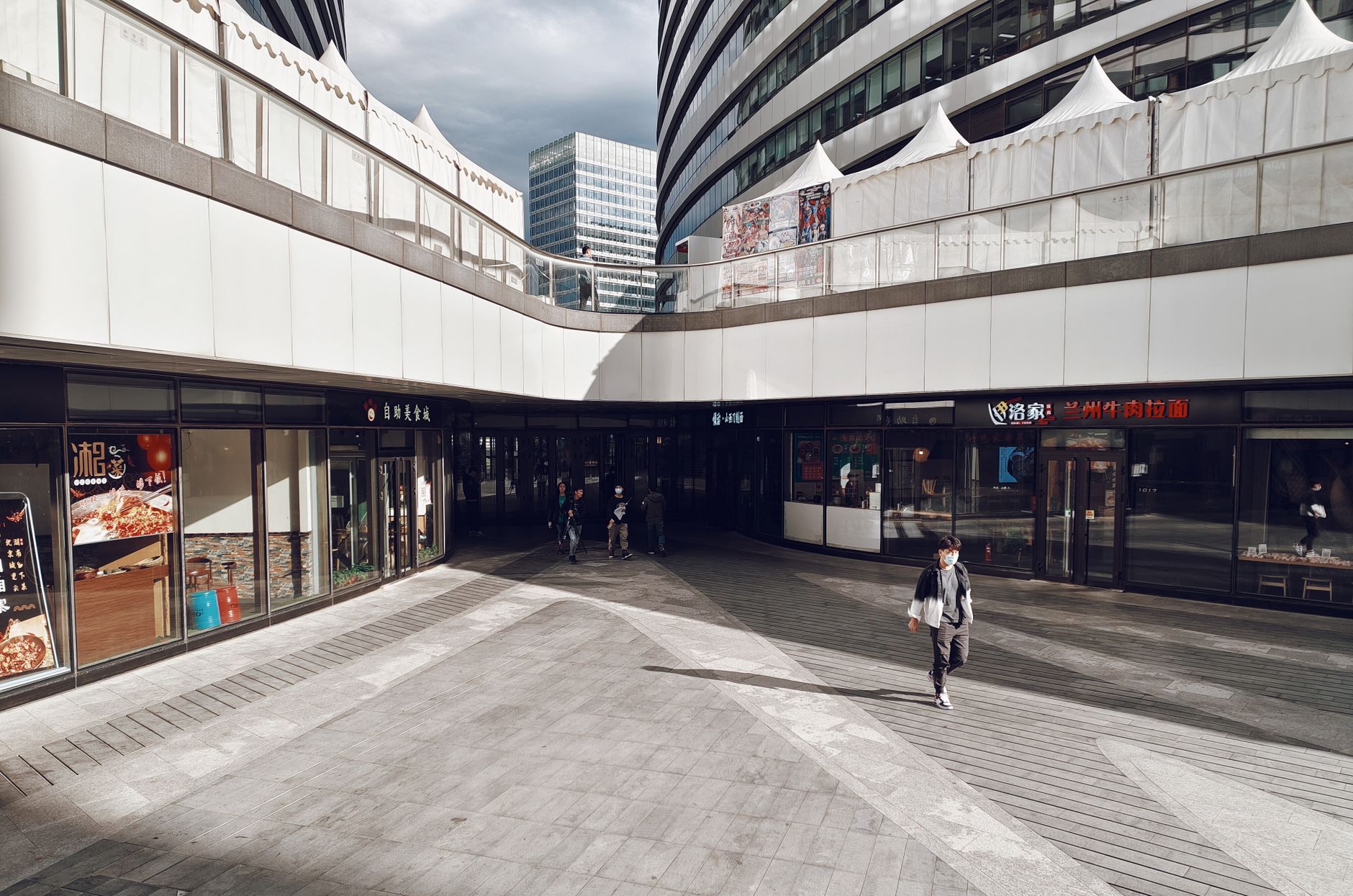
This is China's capital and its most layered metropolis — a place where a Yuan-dynasty drum tower stands a few streets from a Zaha Hadid office complex, and where the subway will carry you between them faster than you'd expect.
Popular cities in Beijing, China
💛 What travellers fall for
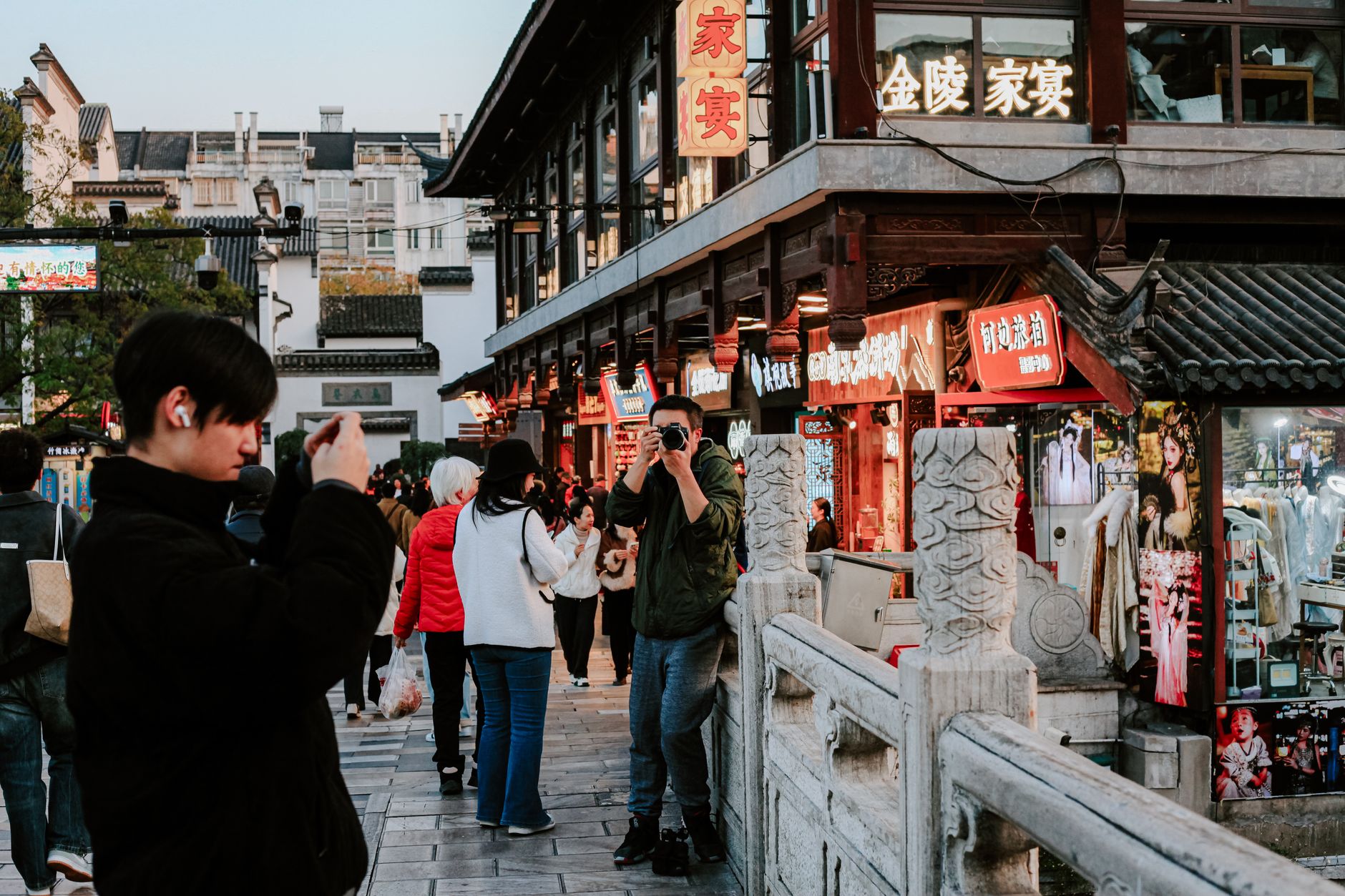
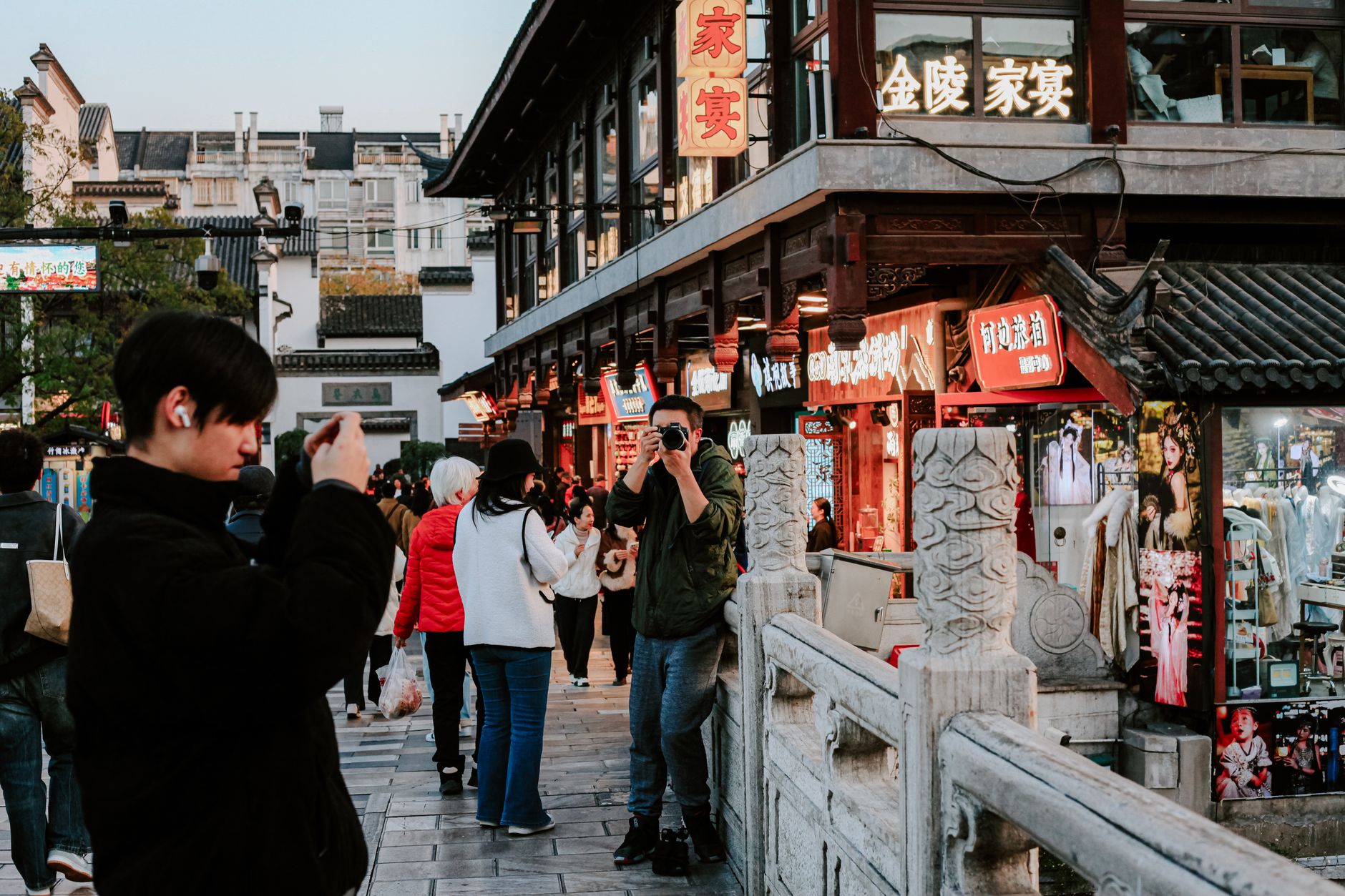
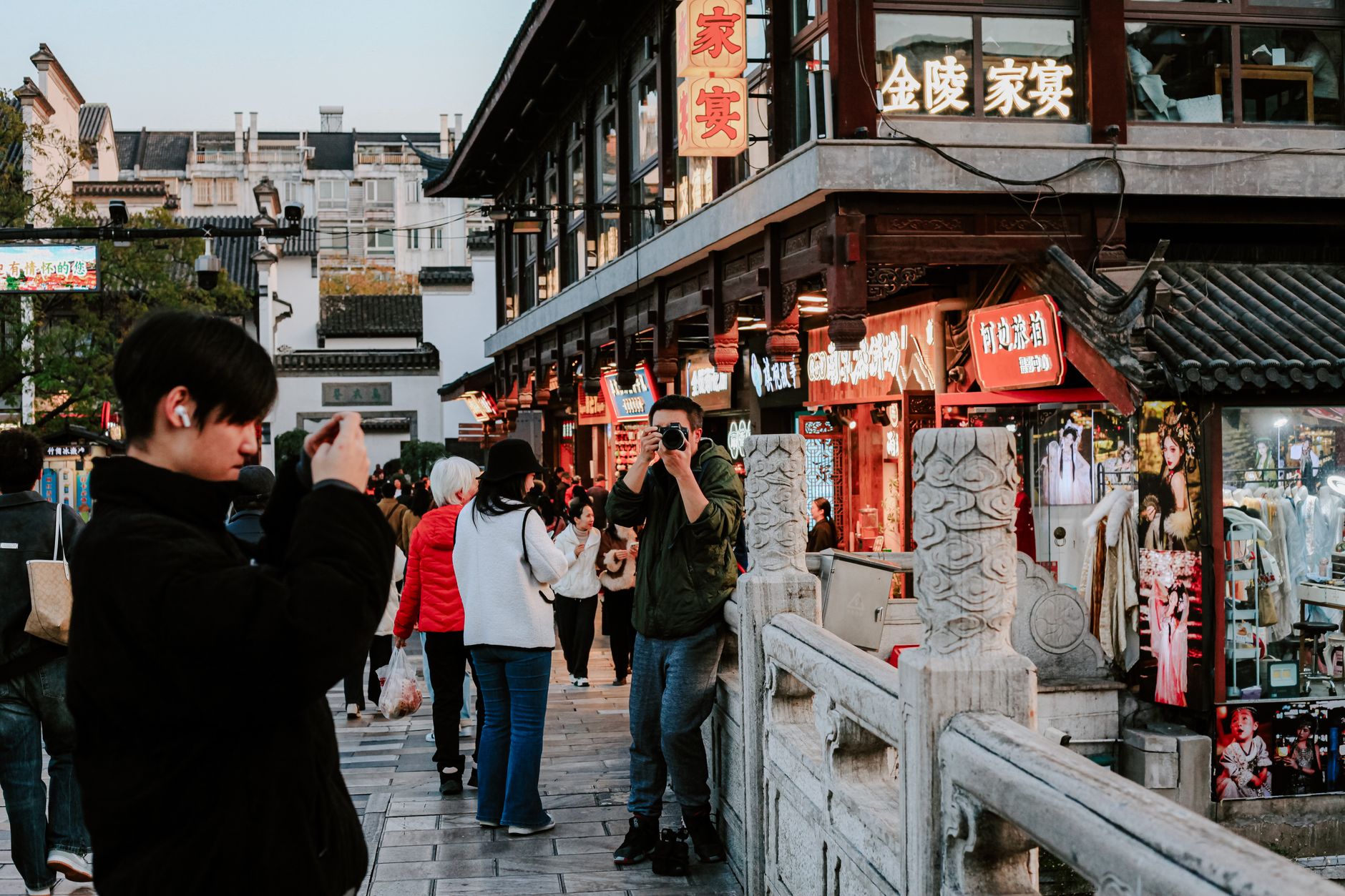
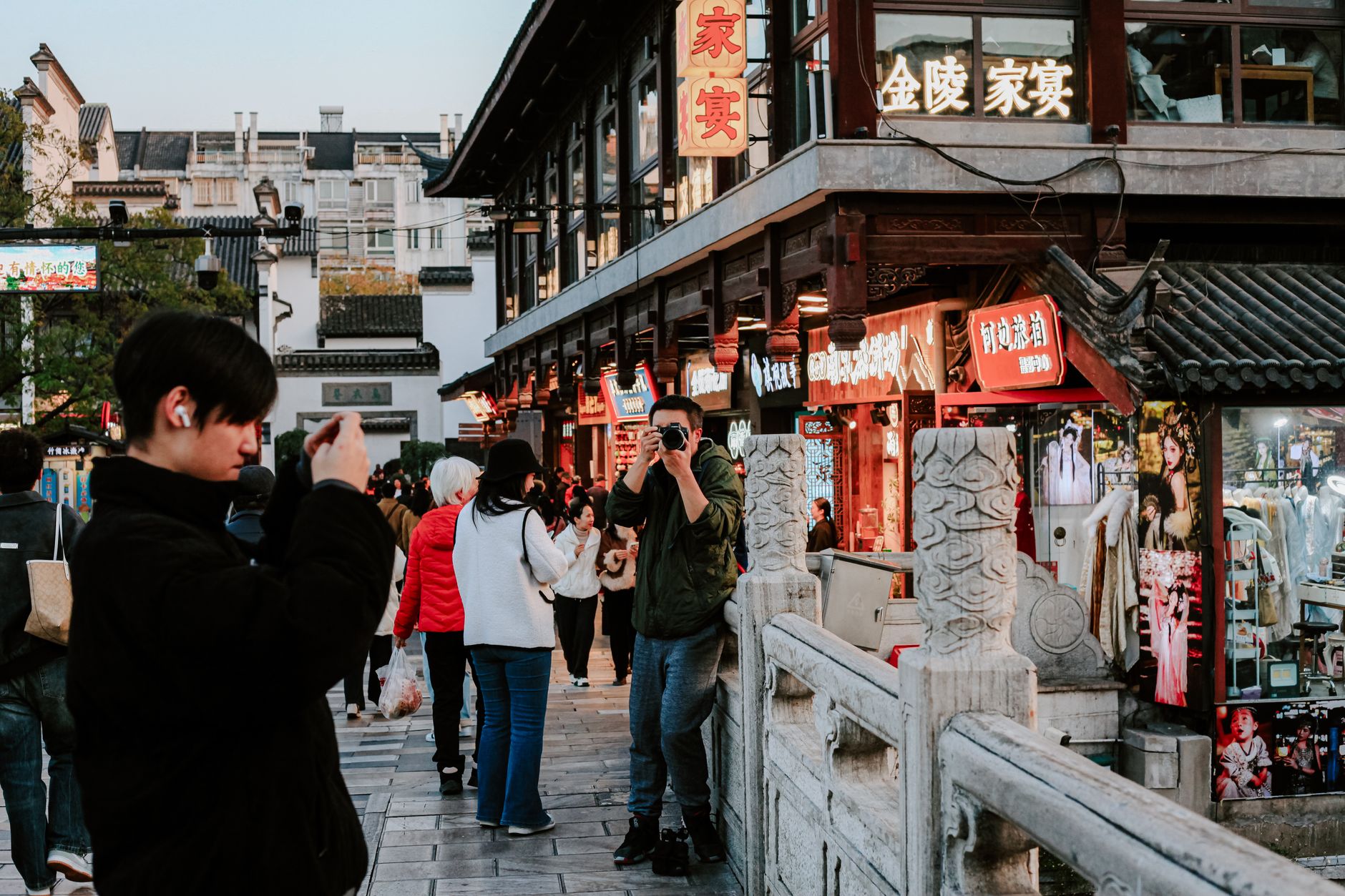
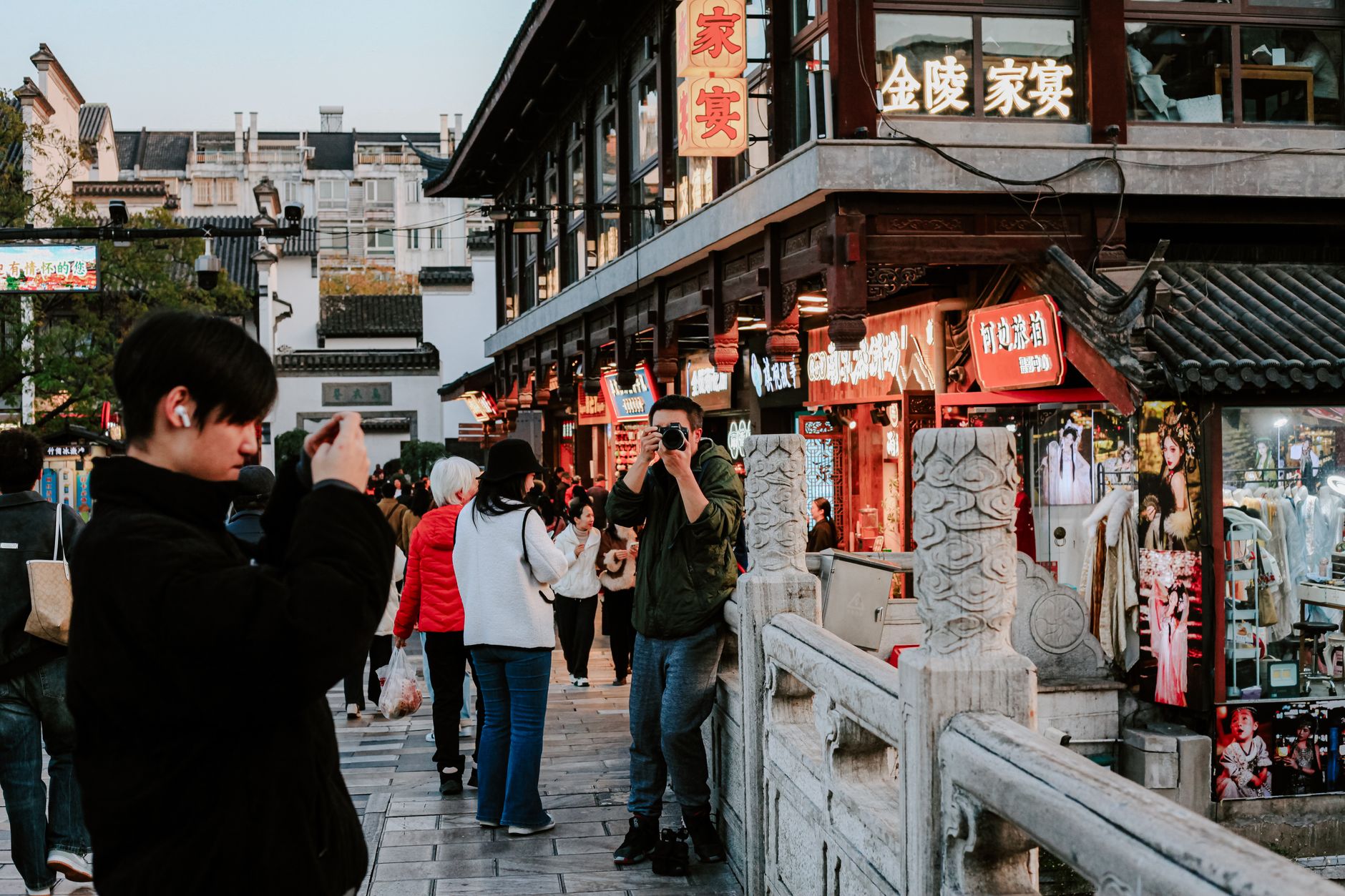
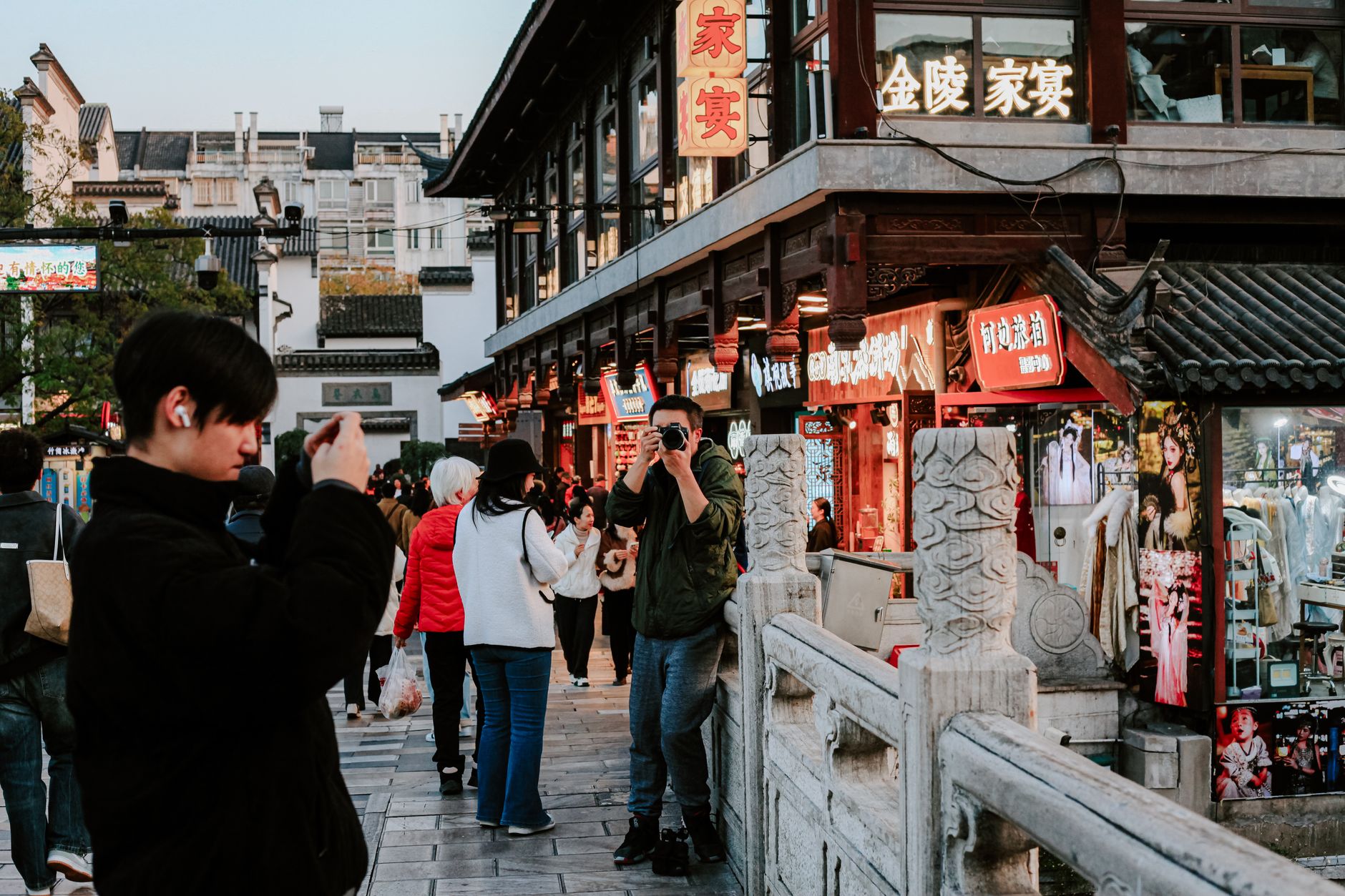
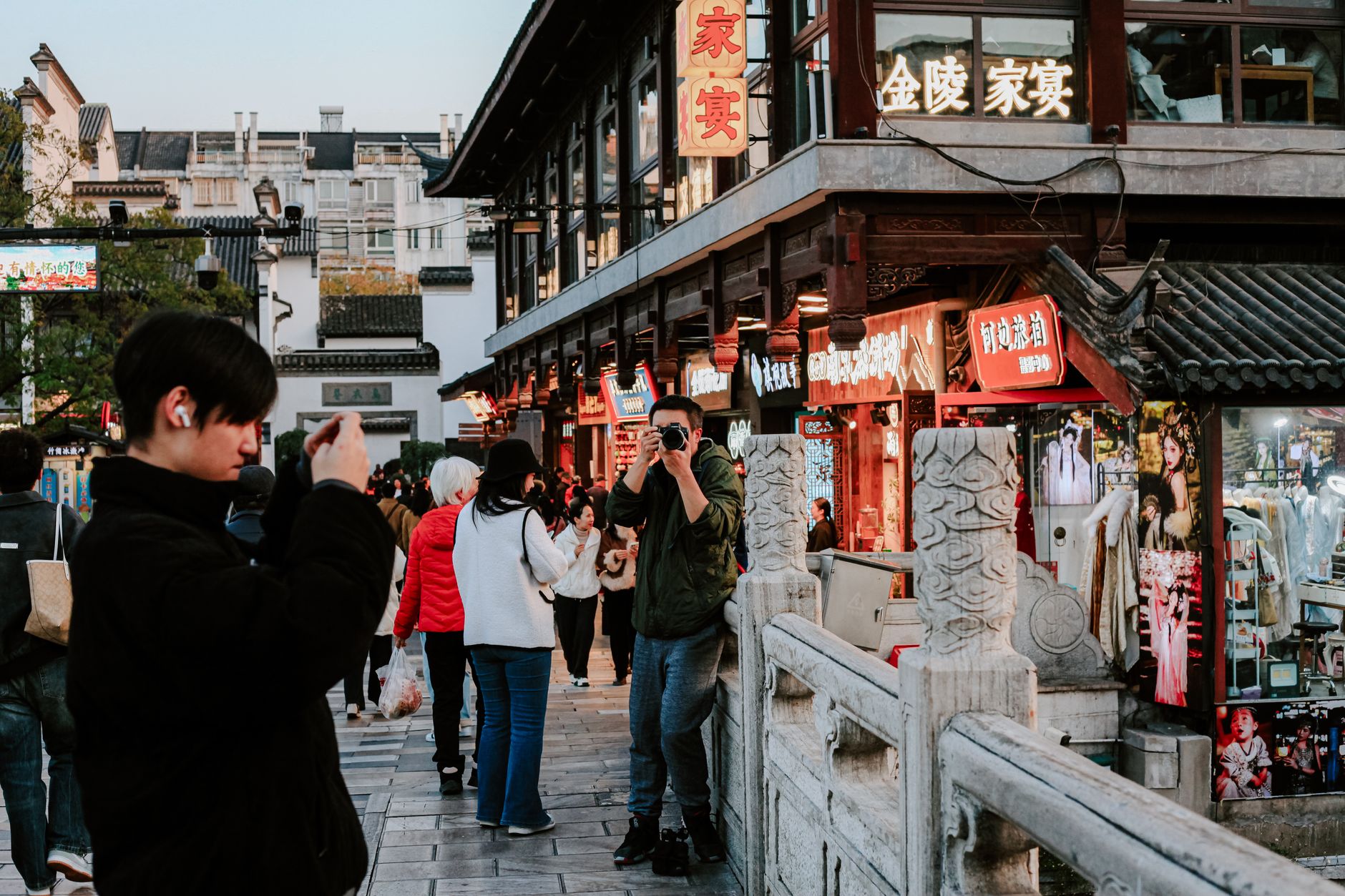
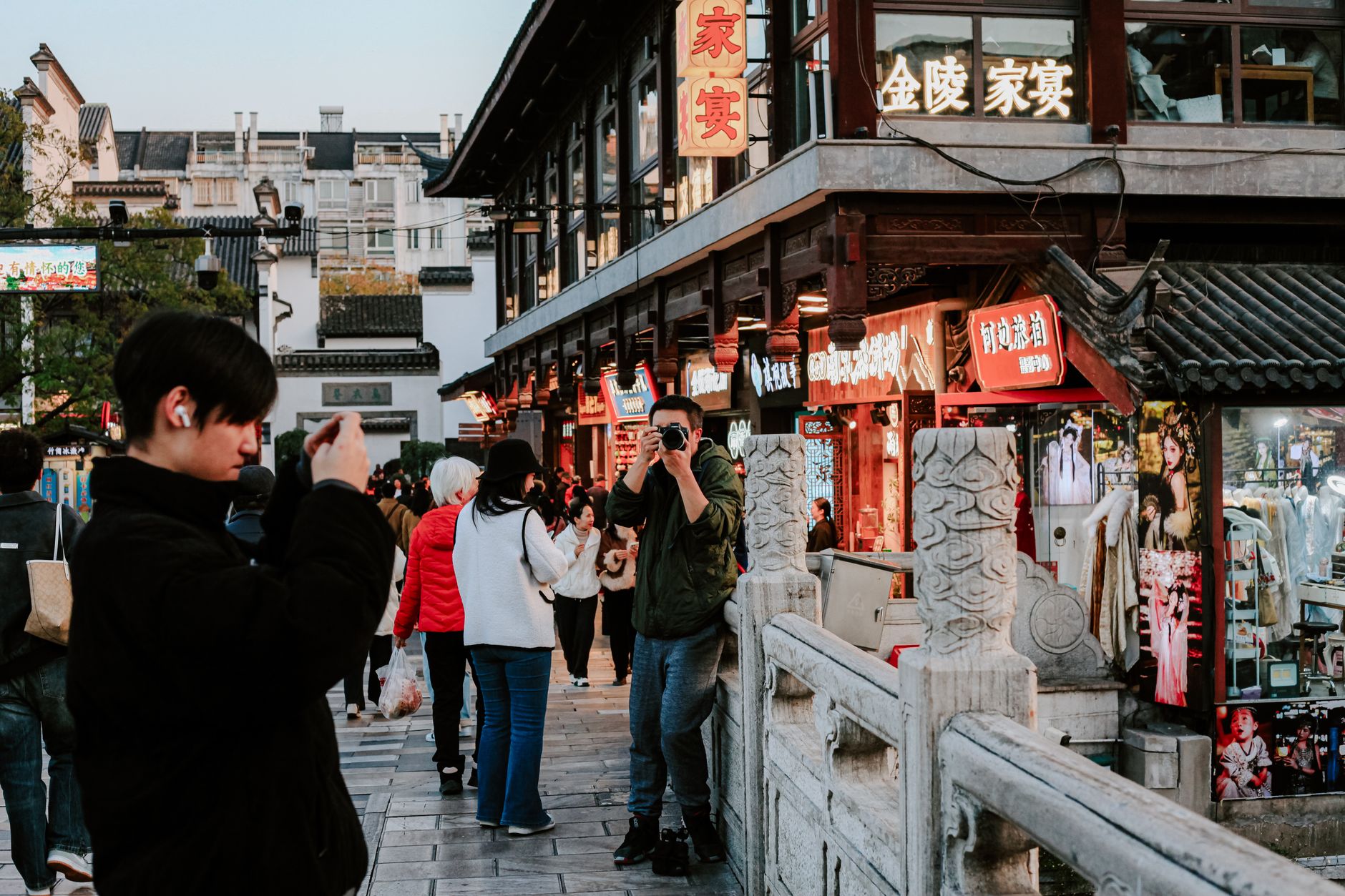
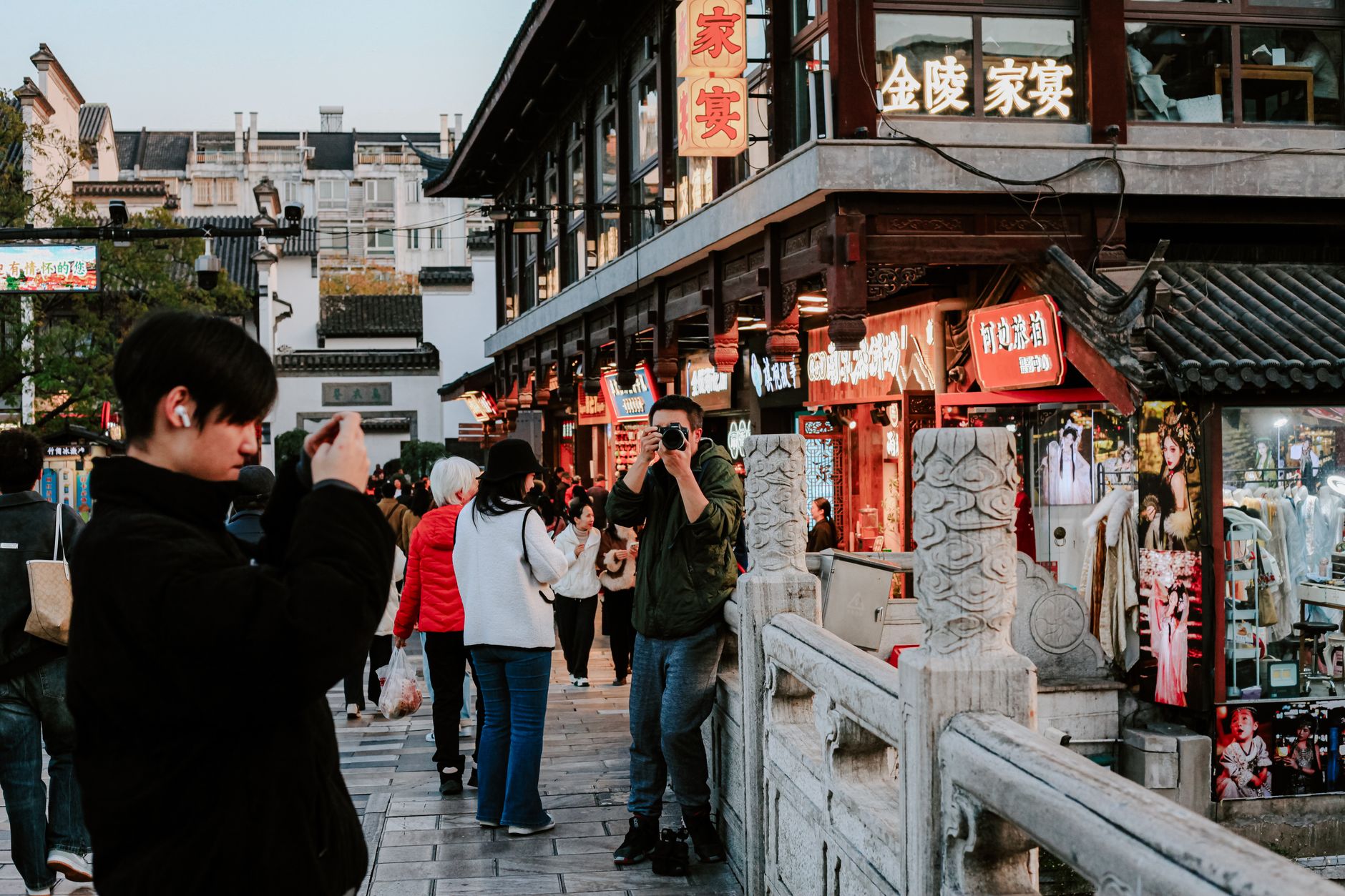
People who come back tend to spend less time at the marquee sites and more time in the hutong lanes north of the Drum Tower, where the old courtyard city is still legible. The Guozijian street, leading to the former Imperial Academy, is quieter than most and gives a cleaner sense of Ming-era urban scale than anywhere near Tiananmen.
How Beijing, China came to be
The city's origins trace to Ji, founded around 1045 BC as the capital of the State of Yan. Over the following millennia it passed through successive dynasties — Liao, Jin, Yuan — each renaming and rebuilding it. Genghis Khan's forces razed the Jin capital Zhongdu in 1215; his grandson Kublai Khan raised a new city on its ruins, calling it Dadu, 'Great Capital,' in 1272.
The name Beijing — 'Northern Capital' — dates to 1403, when the Ming emperor Yongle shifted the imperial seat northward from Nanjing and ordered the construction of the Forbidden City, completed in 1420. It remained the imperial capital through the Qing dynasty until 1911. On October 1, 1949, Mao Zedong proclaimed the People's Republic from the rostrum at Tiananmen Square, and the city entered its most recent chapter.
Who and what shaped it
People who shaped it
Landmark buildings
See Beijing, China in motion
Plan your visit
On the map
When to go
Spring and autumn are the most comfortable seasons — mild temperatures, lower humidity, and clearer skies. Summer (June–August) brings heat and rainfall alongside the year's worst air quality; winter is dry and cold, with temperatures regularly dropping below freezing.
Right now
↡ Cities

Background & history adapted from Wikipedia (CC BY-SA) · specs from Wikidata (CC0) · weather from Open-Meteo · map data © OpenStreetMap contributors · photos from Wikimedia Commons / Unsplash with per-image credit. No third-party reviews or social posts reproduced.