
Xicheng District
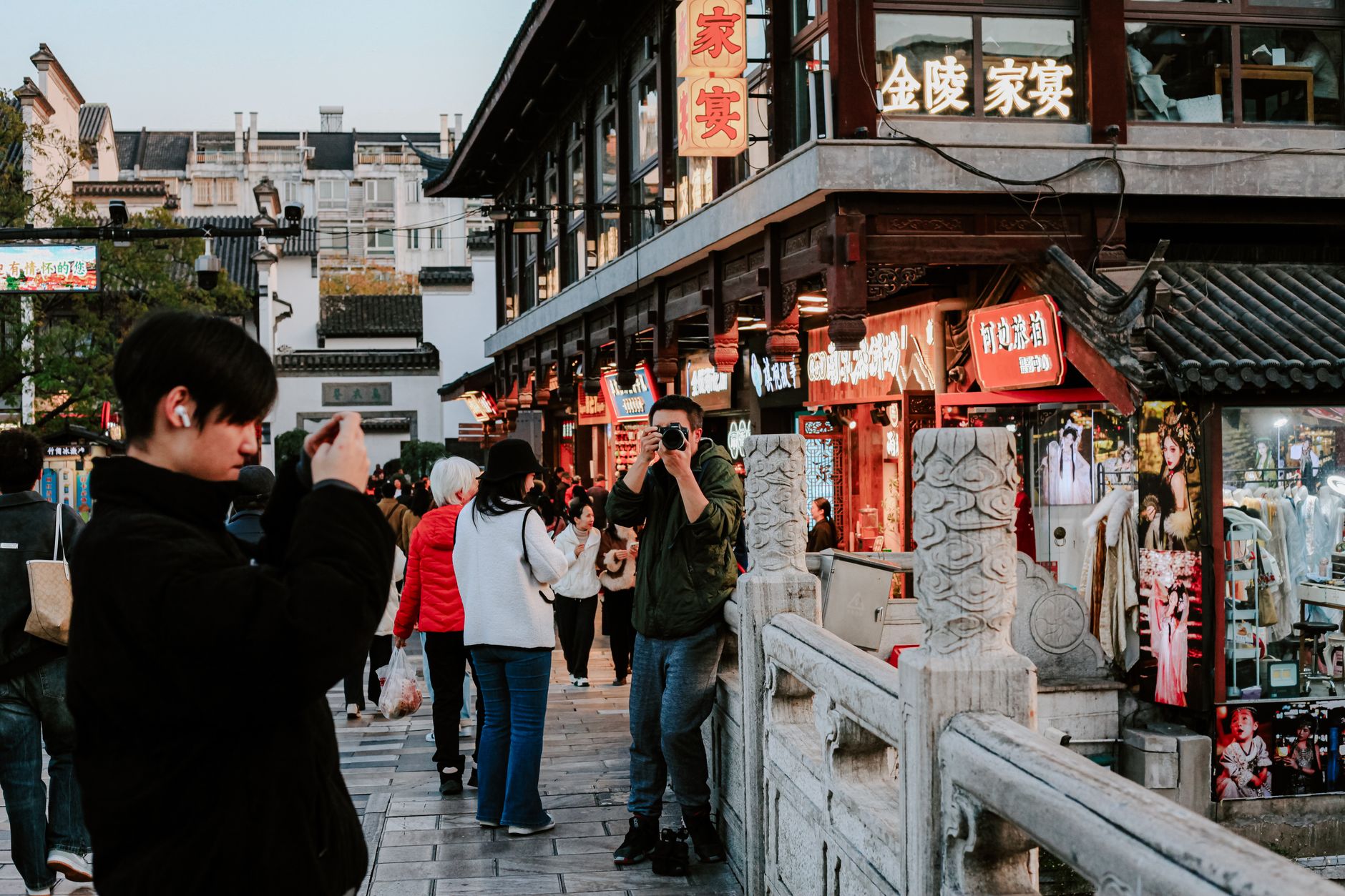
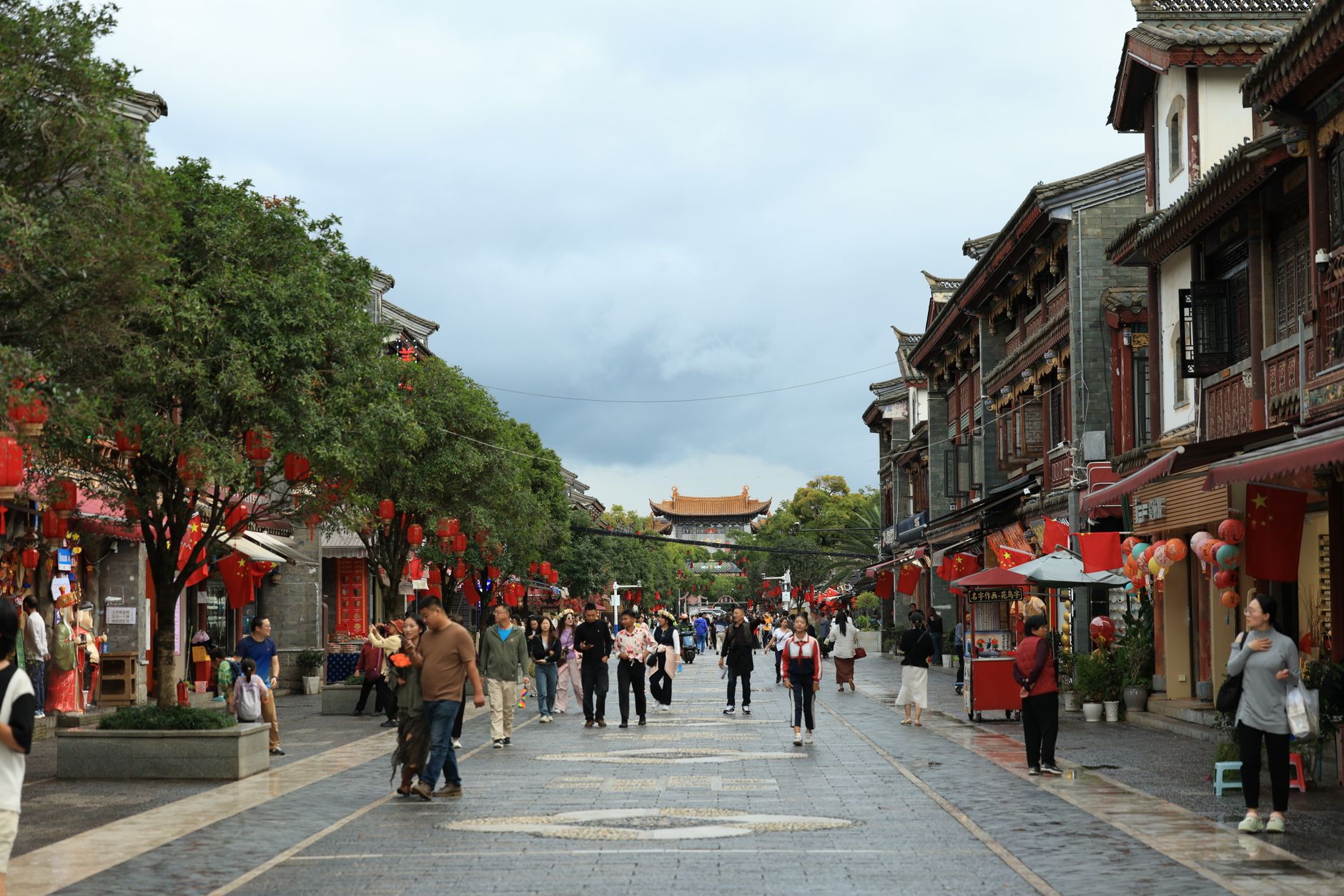
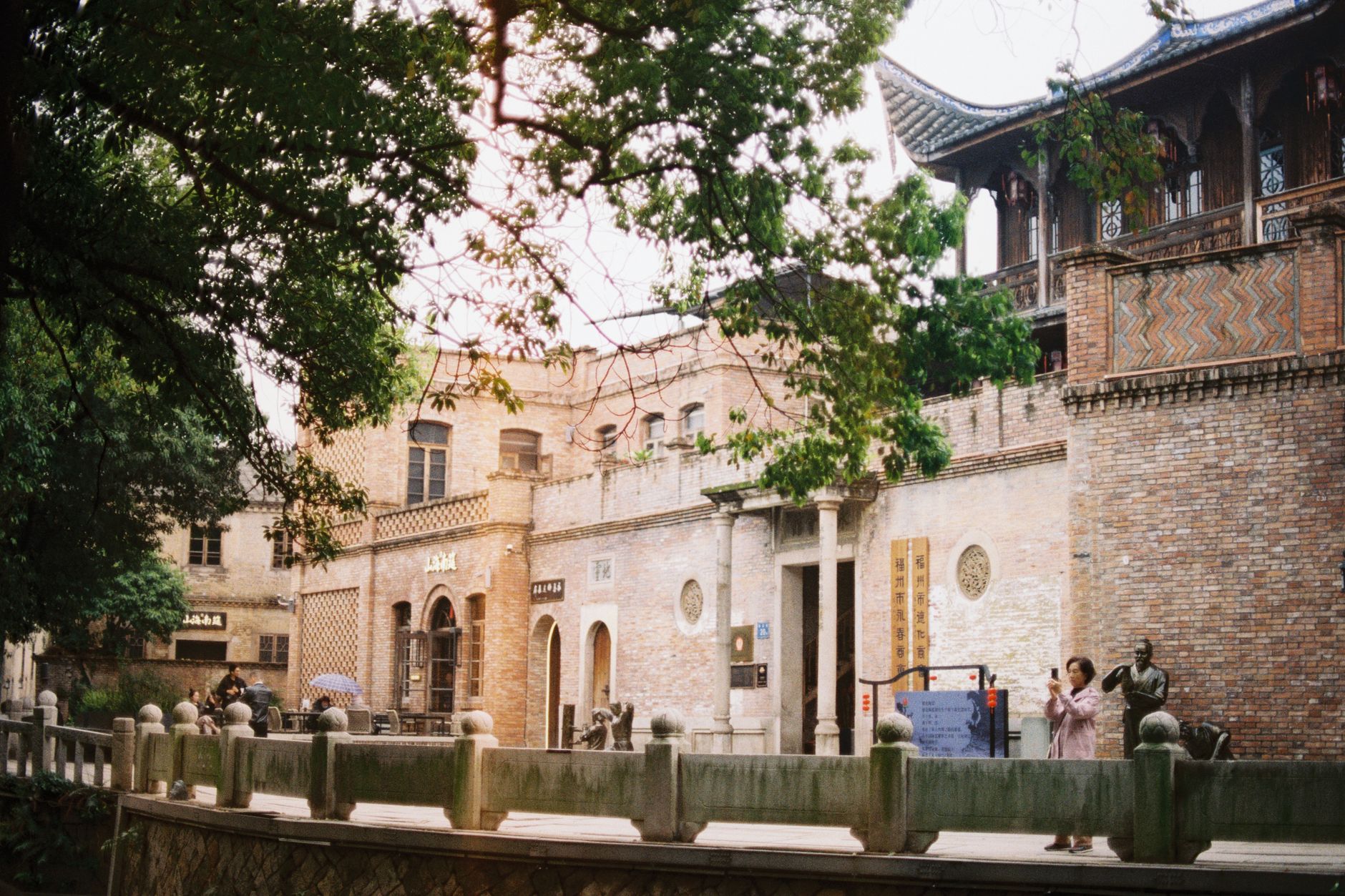
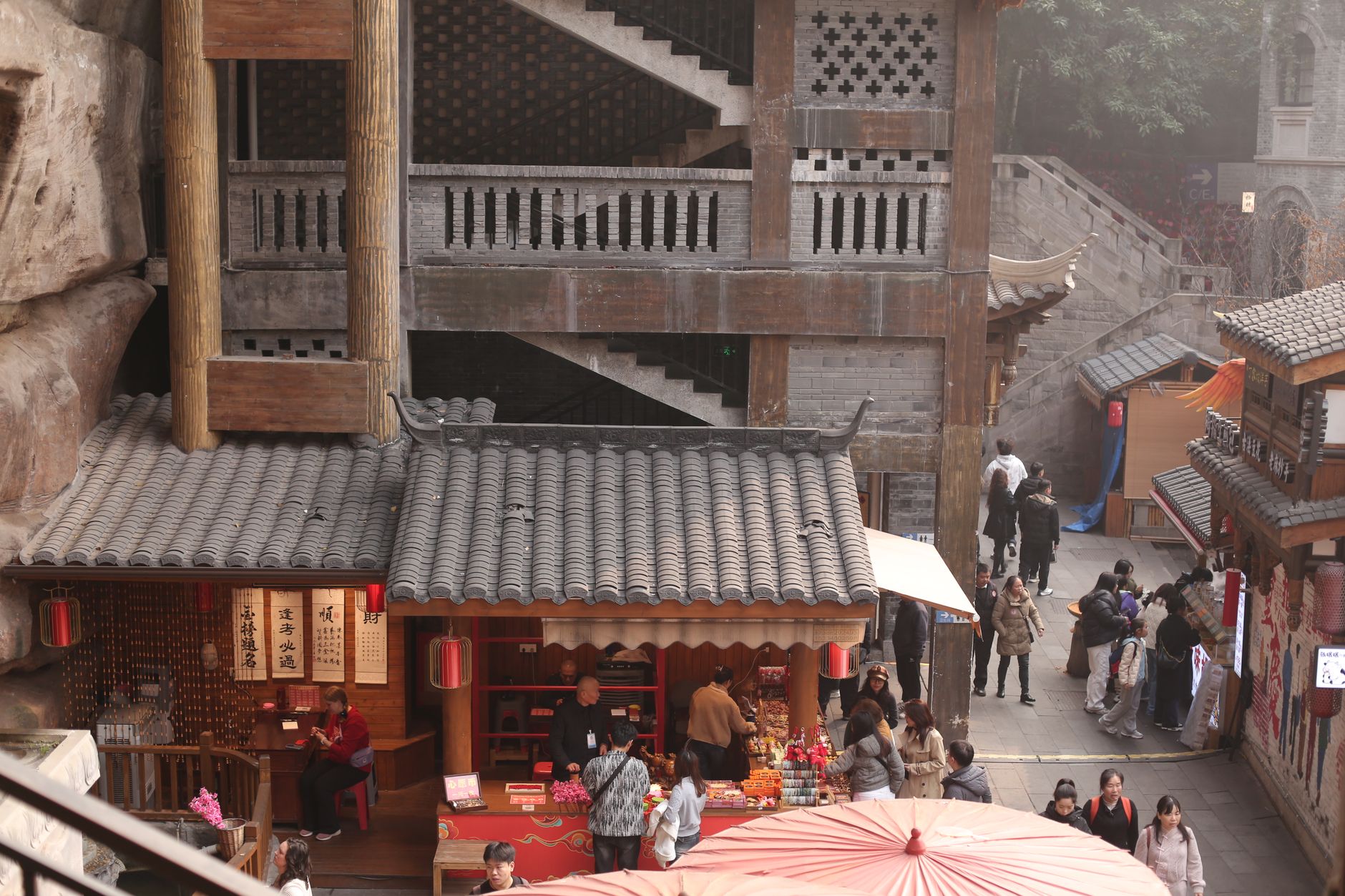
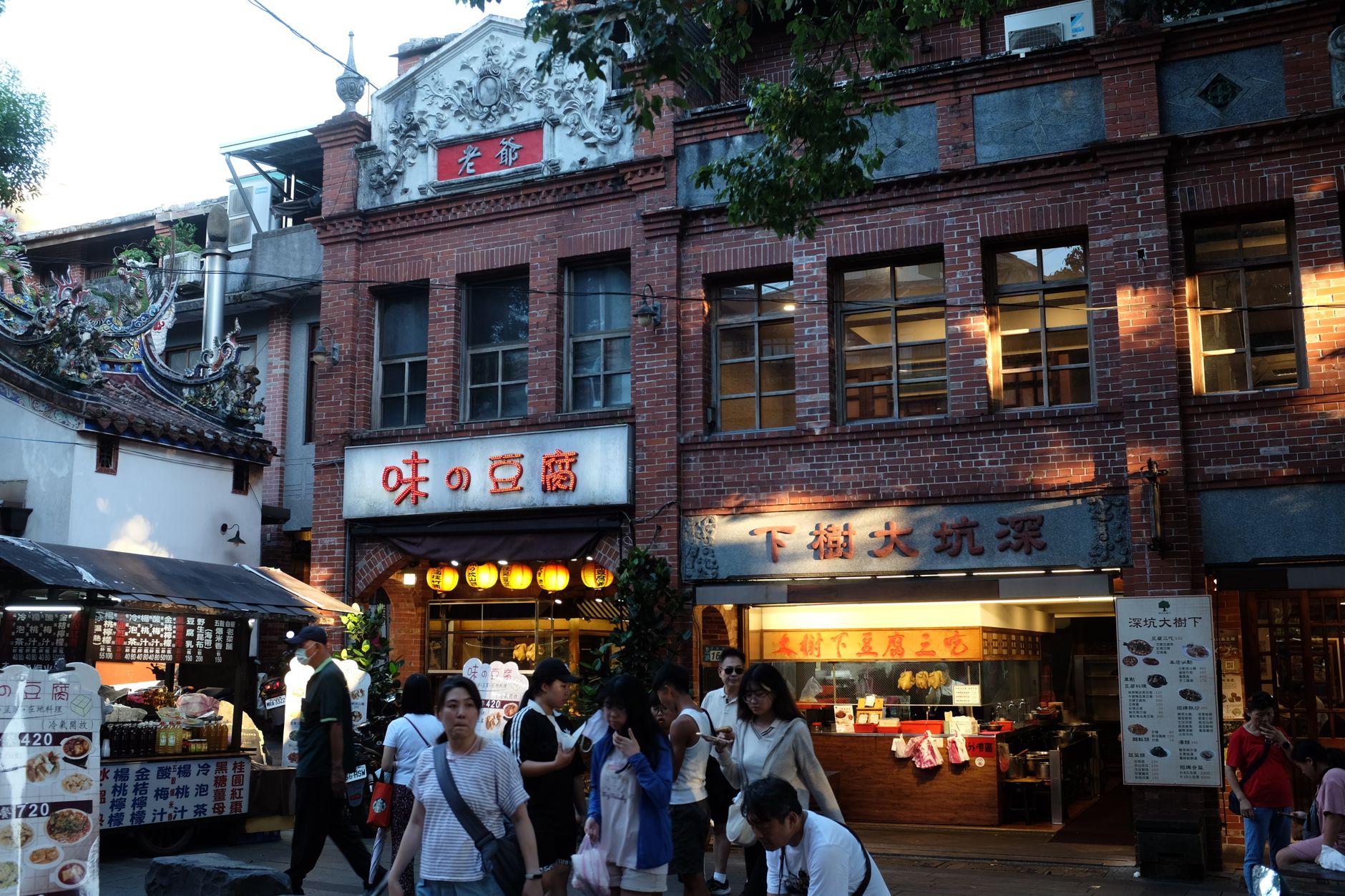
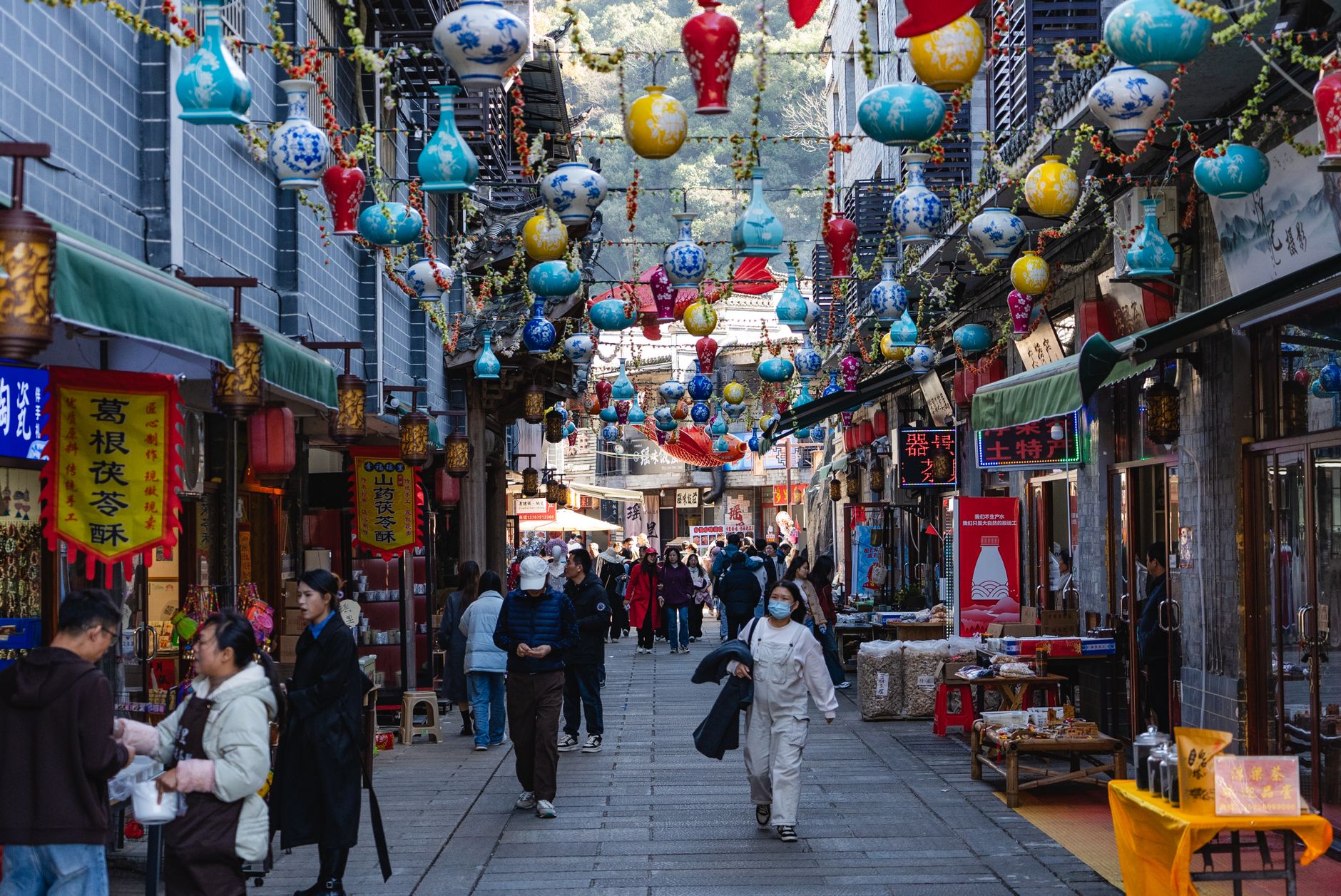
The oldest parts of Beijing's story are told in Xicheng. This is where Ji City stood in the Western Zhou period, where Kublai Khan centred his Yuan capital of Dadu, and where a 996 mosque and a 1605 Catholic church still hold their ground within a few kilometres of each other. The district runs from the financial towers of Jinrong Street west of Tiananmen all the way north to the willow-edged lakes of Shichahai, taking in imperial gardens, aristocratic mansions, and a titanium ellipsoid that Parisians would recognise as the work of Paul Andreu.
Xicheng is also the city's cultural weight-bearing wall. The National Centre for the Performing Arts sits on its eastern edge; the Huguang Huiguan theatre, whose building dates to 1830, still runs shows in the south. Between those two poles, hutong alleys thread past courtyard guesthouses and the former homes of people who shaped modern China.
💛 What travellers fall for
People who return to Xicheng tend to land at Beihai Park early, before the tour groups arrive, and walk out to the island to look back at the white 17th-century pagoda reflected in the lake. They also learn quickly: buy the all-inclusive park ticket, or you'll pay an extra ¥20 at every gate inside.
Deals in Xicheng District
Book directly at the provider


How Xicheng District came to be
The ground under Xicheng has been politically significant for roughly three thousand years. Ji City, one of the earliest settlements that would grow into Beijing, stood here during the Western Zhou dynasty; a commemorative column in Binhe Park near Guang'anmen marks the spot. In the 12th century the Jin dynasty made the territory part of its capital Zhongdu and began shaping what would become Beihai Park. Then in 1267, Kublai Khan broke ground on Dadu, the Yuan dynasty's new imperial capital, anchored in what is now Xicheng and neighbouring Dongcheng.
The modern administrative district took its current shape in stages — formed from the merger of Xidan and Xisi in 1958, expanded with part of Chaoyang in 1987, and enlarged again in 2010 when the State Council merged Xicheng with the adjacent Xuanwu District, bringing the historic Niujie mosque quarter and the Huguang Huiguan theatre firmly within its boundaries.
Who and what shaped it
People who shaped it
Landmark buildings
See Xicheng District in motion
Plan your visit
On the map
When to go
Summers are hot and humid, with most of Beijing's annual rain falling between June and August — Beihai's willows look their best then, but the heat is real. Spring and autumn are the most comfortable seasons for walking the hutong and the parks; winters are cold and dry, with clear skies that make the white pagoda stand out sharply against blue.
Right now
Background & history adapted from Wikipedia (CC BY-SA) · specs from Wikidata (CC0) · weather from Open-Meteo · map data © OpenStreetMap contributors · photos from Wikimedia Commons / Unsplash with per-image credit. No third-party reviews or social posts reproduced.