
Chaoyang District
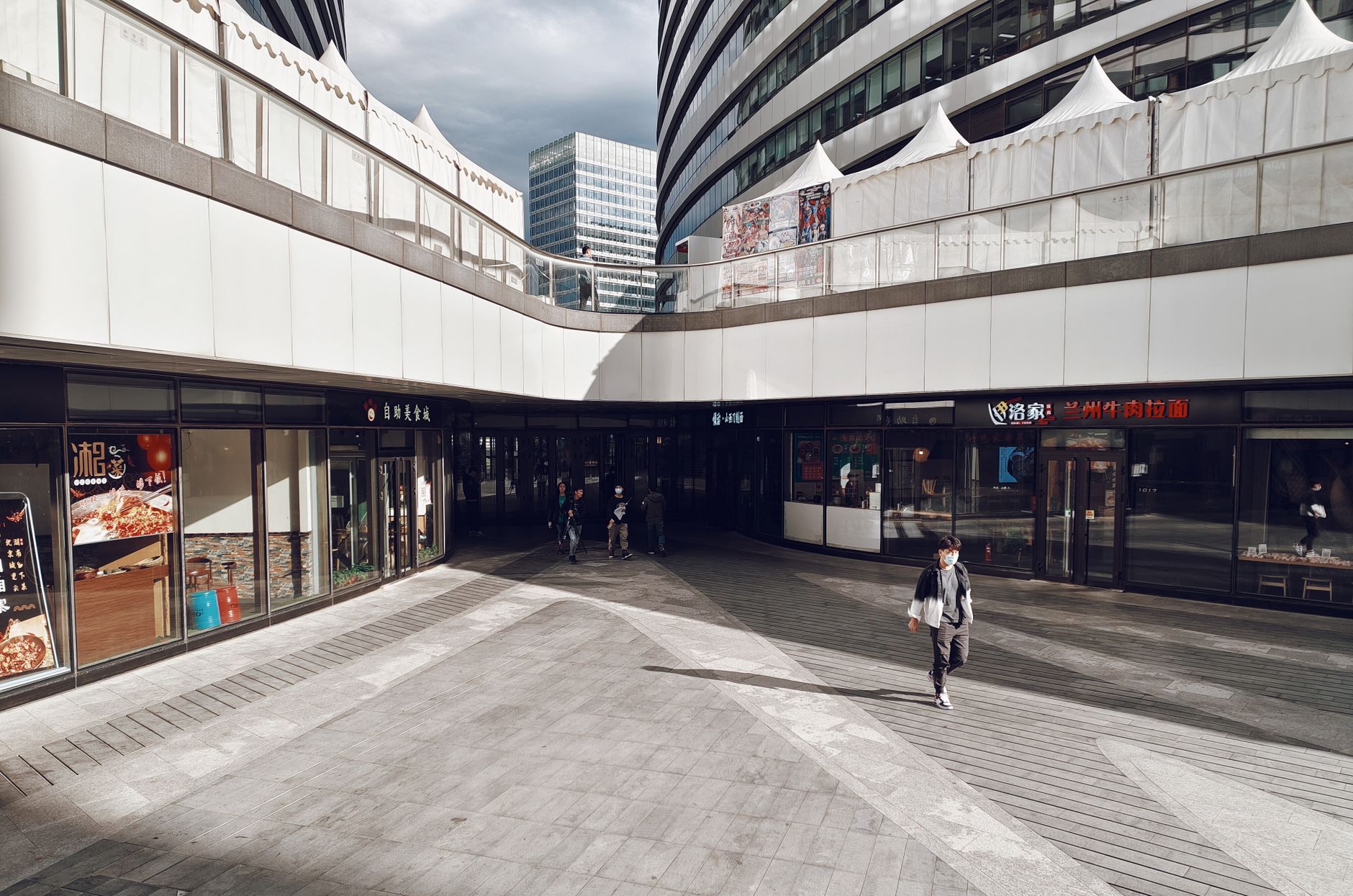
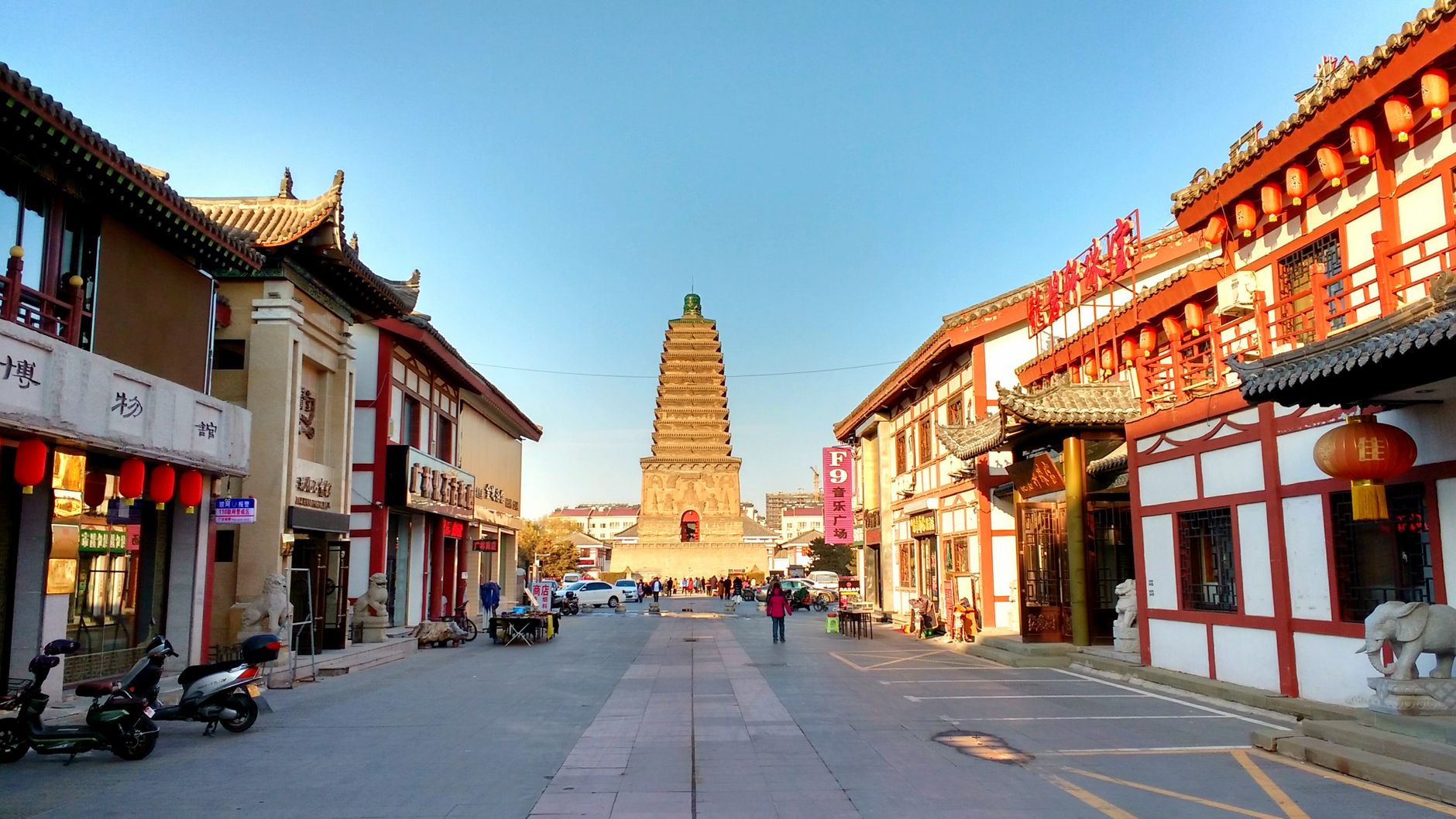
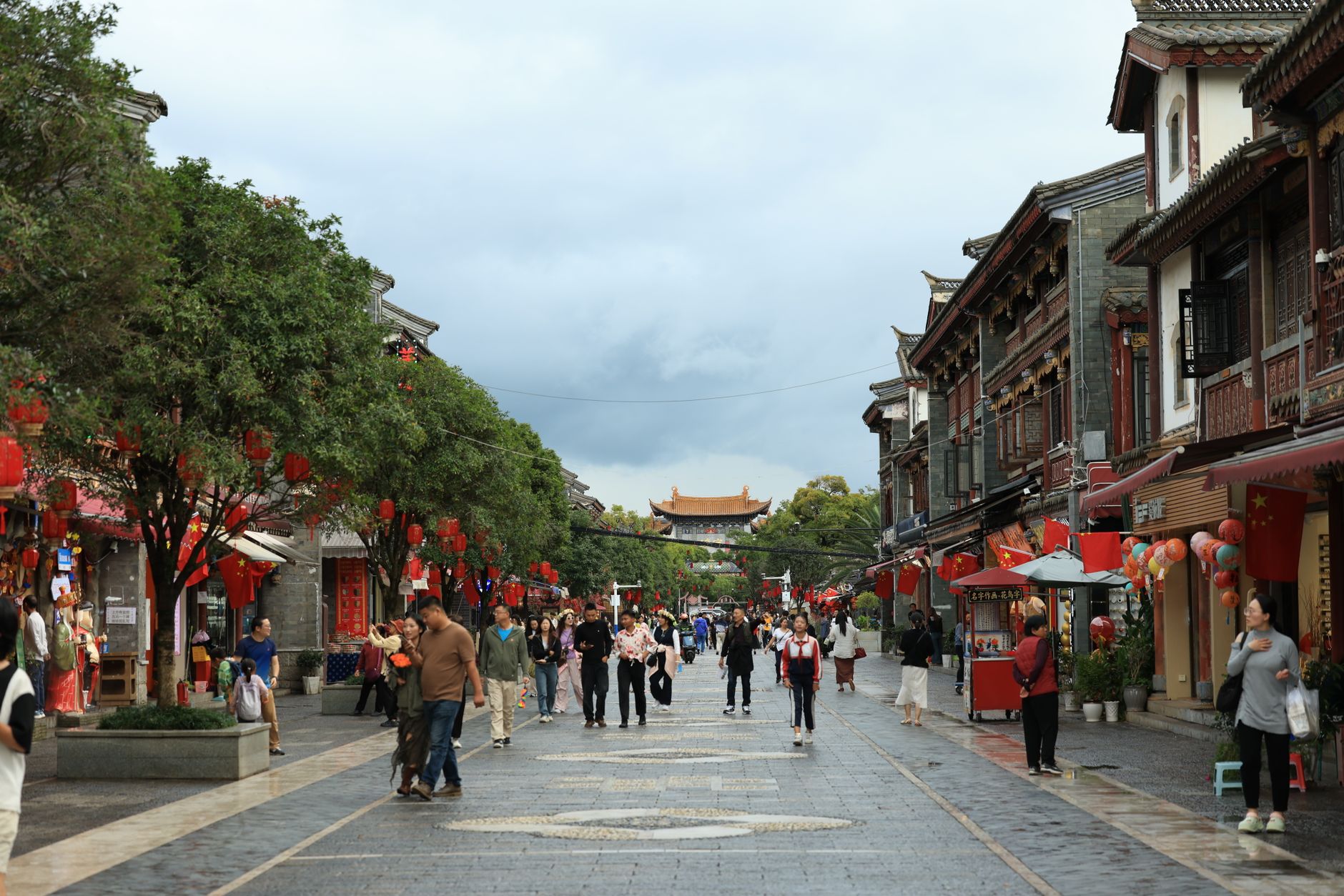
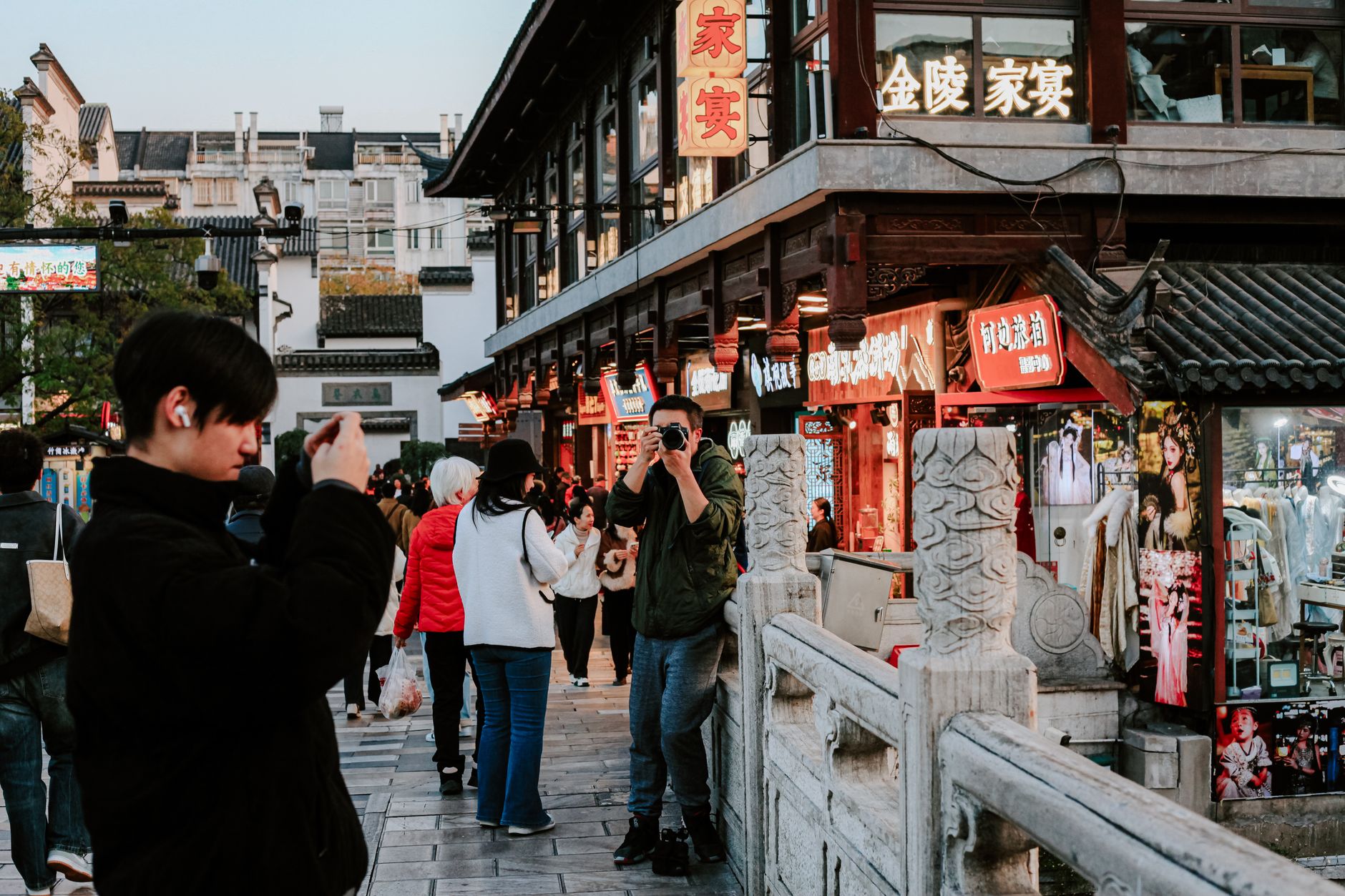
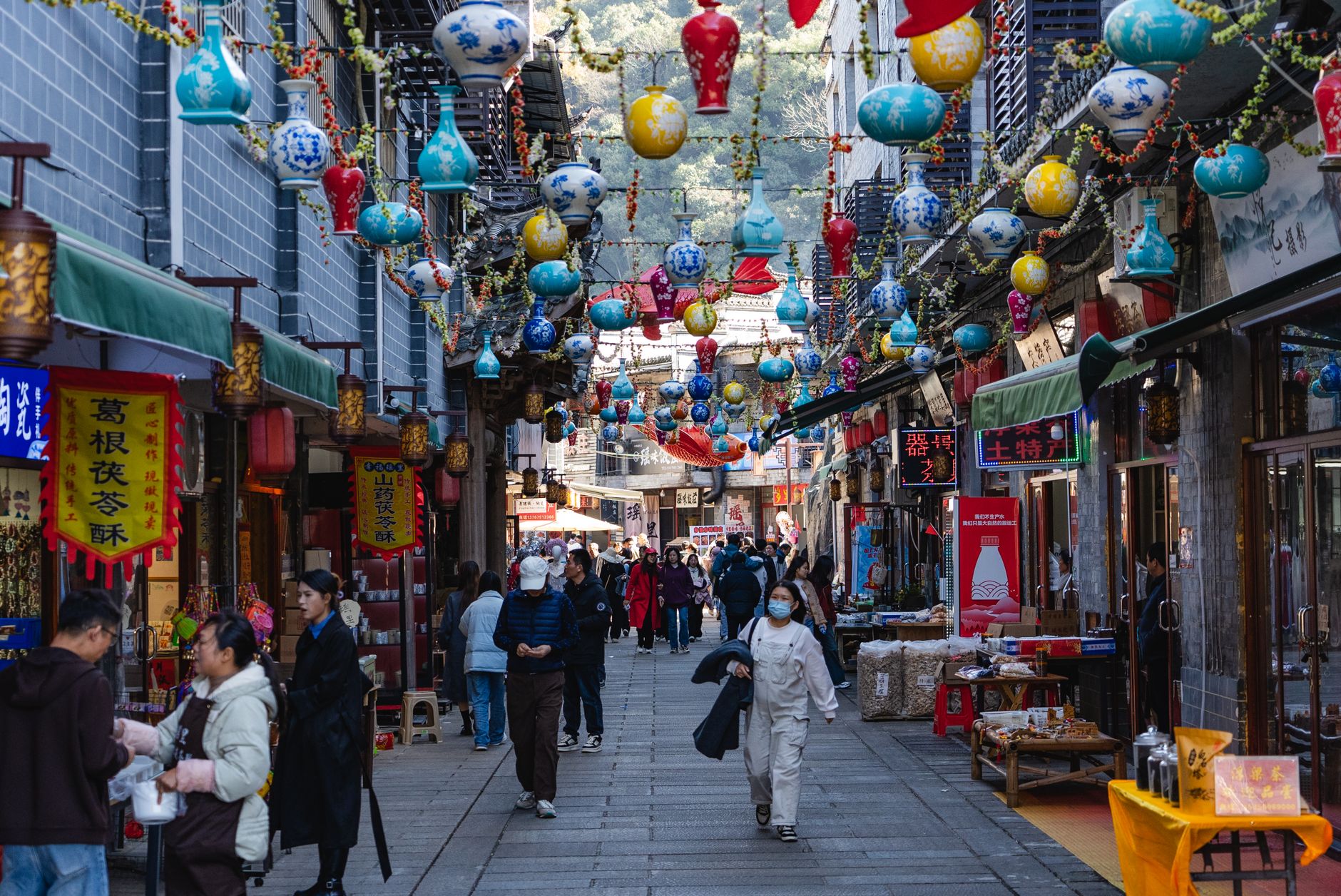
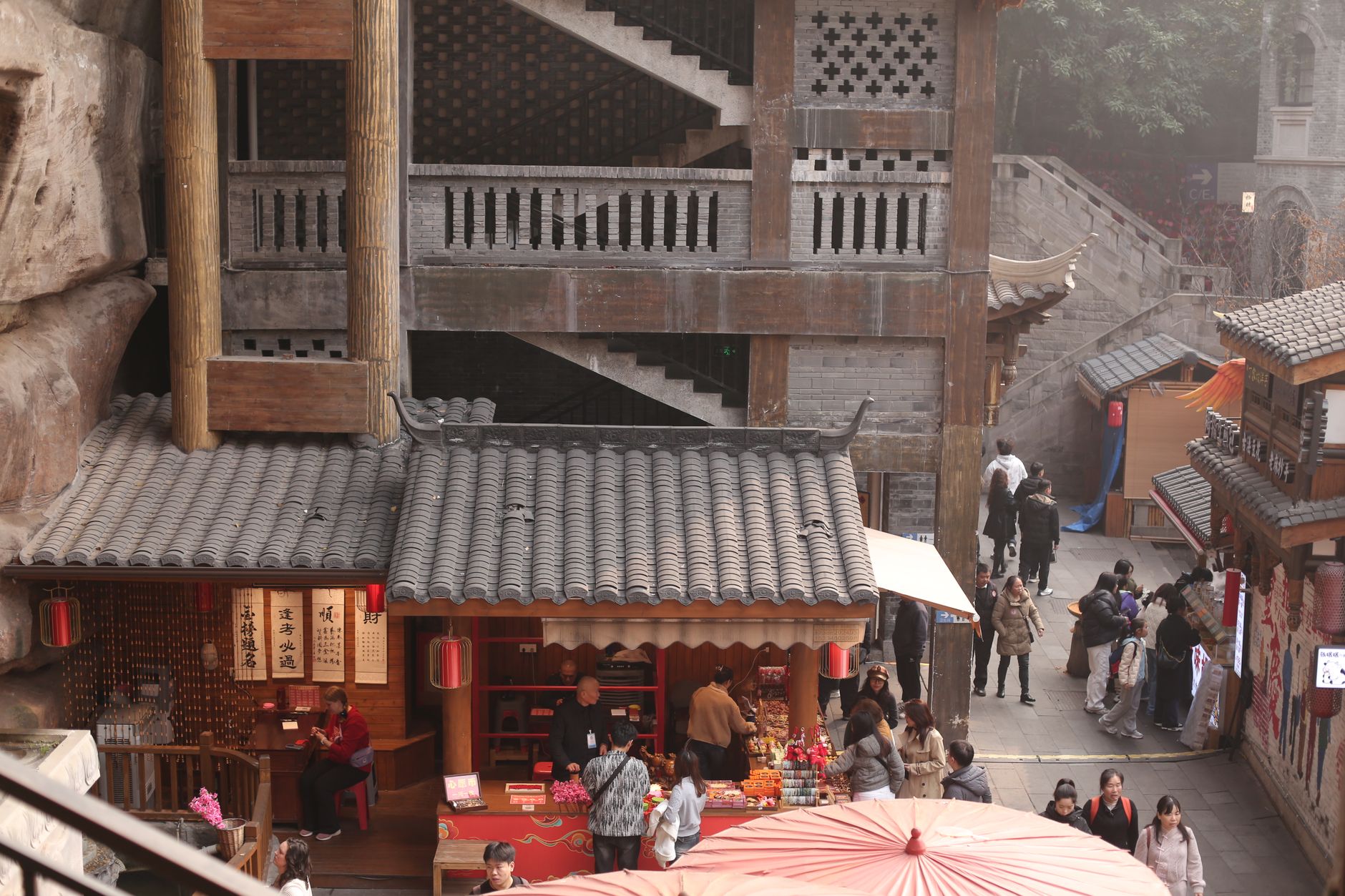
The name means 'facing the sunrise' — a Ming-era gate pointed toward Tongzhou gave Chaoyang its identity before the district itself existed. That eastward orientation still holds. This is the part of Beijing where the city keeps building toward the horizon: Soviet-era factory blocks that became contemporary art galleries, a CBD skyline anchored by a loop of steel that looks like it landed from another planet, Olympic stadiums that host ice shows between major events.
Chaoyang is Beijing's largest urban district, and it resists a single read. Diplomatic missions, fashion malls, Taoist temples founded in 1319, a 30-metre Ming pagoda standing in a park — they all share the same postal code.
💛 What travellers fall for
People who keep coming back tend to anchor their days differently. The 798 Art District rewards a Tuesday morning when the galleries are quiet. Dongyue Temple's plaster figures — hundreds of them, life-size — get more interesting the longer you stand there. The LED canopy at The Place is genuinely worth a detour after dark, no context required.
Deals in Chaoyang District
Book directly at the provider


How Chaoyang District came to be
The name Chaoyang entered the map during the Jiajing period of the Ming Dynasty, when Beijing extended its outer city and a gate facing Tongzhou was christened 'Chaoyang' — facing the sunrise, full of vitality. For centuries the land east of the walls was agricultural and industrial fringe. In 1952 it was formally constituted as an administrative division under the name 'Eastern Suburbs.'
The First Five-Year Plan transformed it. Between 1953 and 1957, Soviet-aided industrial projects arrived in sequence: a thermal power plant, an electron tube factory, a radio equipment complex. Post-1978 reforms brought urbanisation at speed — new building stock rose over 40% in the initial decades. By the mid-1990s a 3.99 km² patch had been designated the Central Business District, and the 2008 Olympics anchored the Olympic Green in the district's north, leaving behind the Bird's Nest and the Water Cube as permanent fixtures.
Who and what shaped it
People who shaped it
Landmark buildings
See Chaoyang District in motion
Plan your visit
On the map
When to go
Summers run hot and humid, with July and August bringing the bulk of Beijing's rain. Winters are dry and cold, often below freezing from December through February. April–May and September–October offer the clearest skies and the most comfortable temperatures for walking between sites.
Right now
Background & history adapted from Wikipedia (CC BY-SA) · specs from Wikidata (CC0) · weather from Open-Meteo · map data © OpenStreetMap contributors · photos from Wikimedia Commons / Unsplash with per-image credit. No third-party reviews or social posts reproduced.