
Haidian District
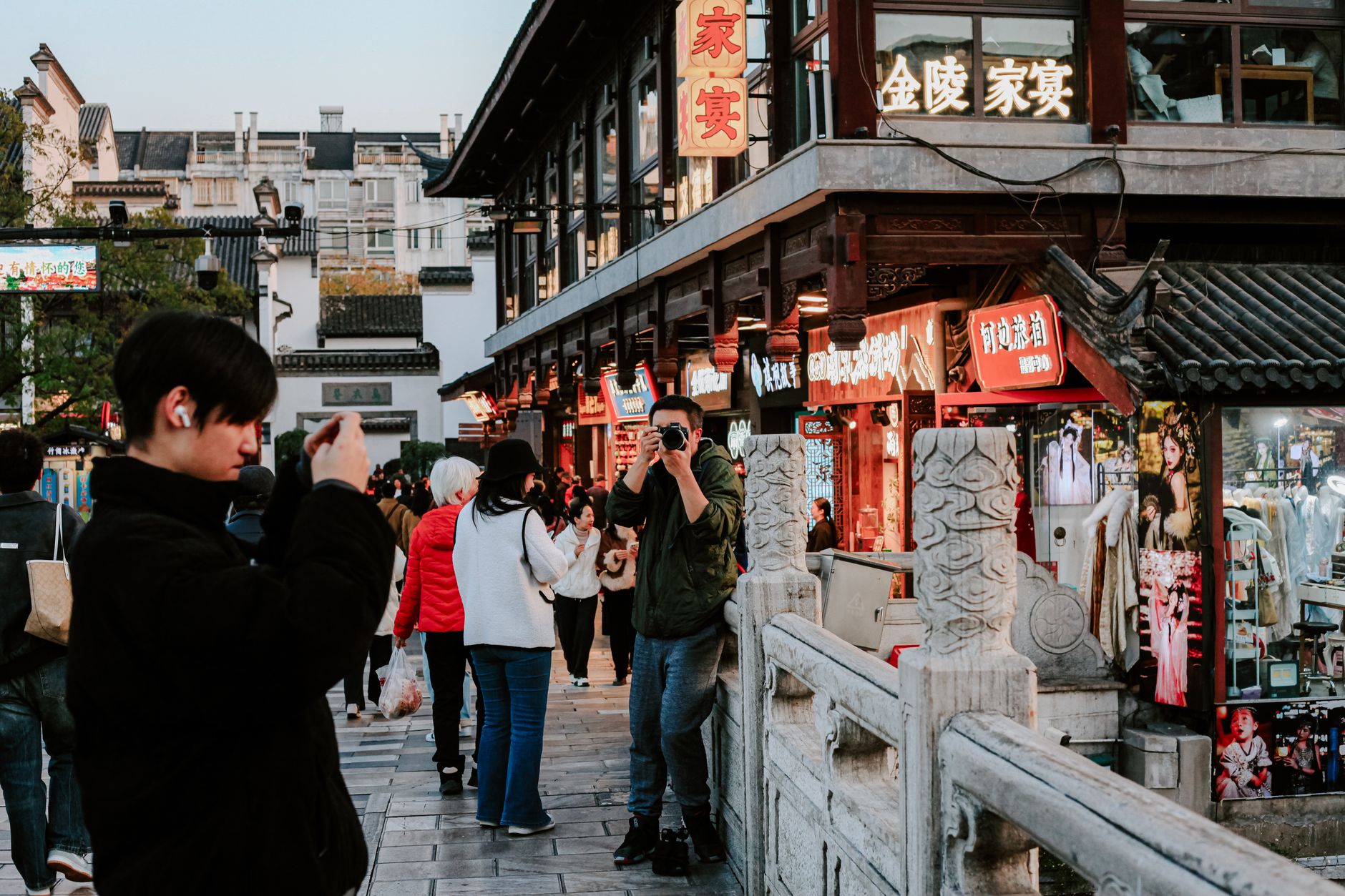
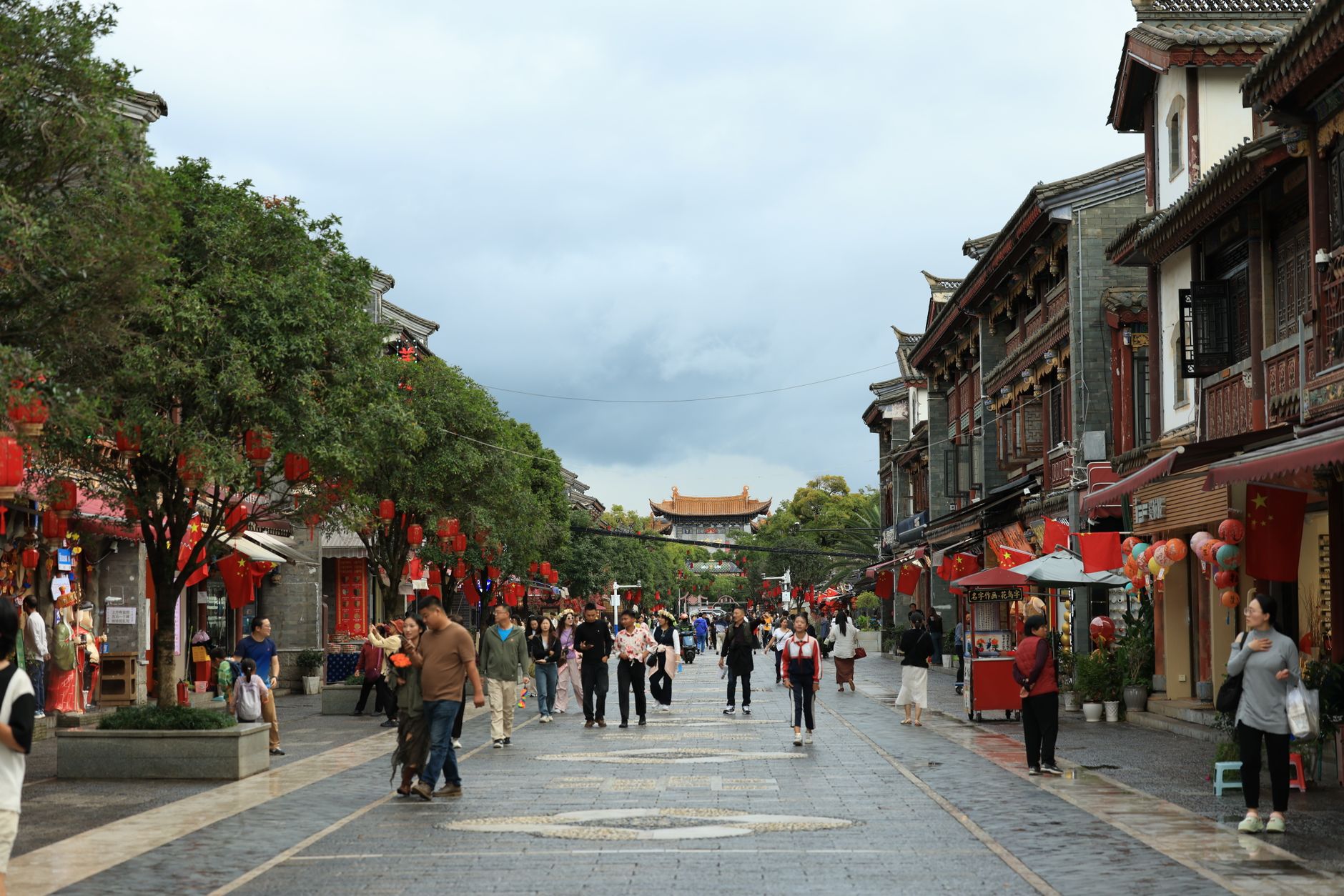
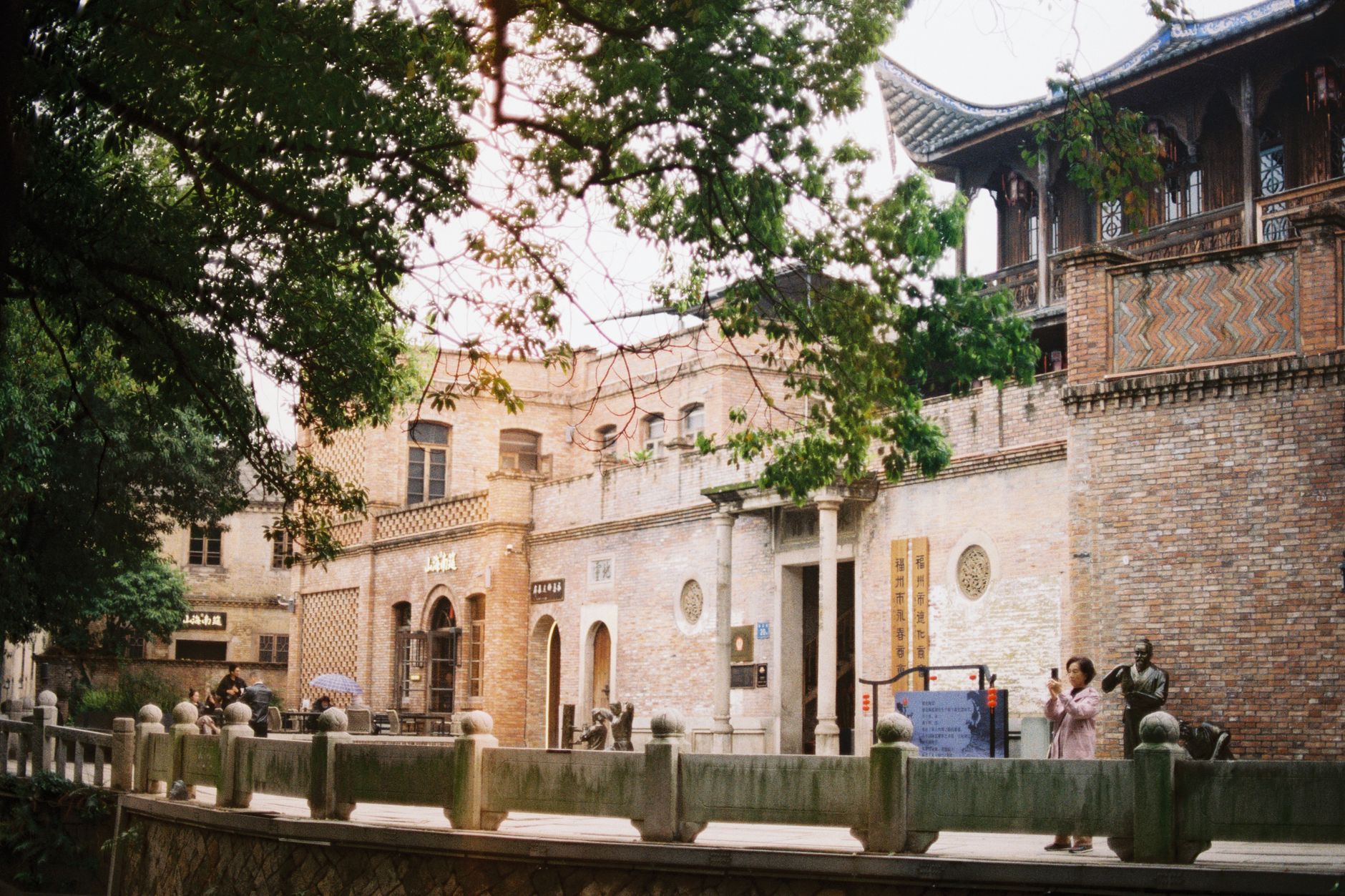
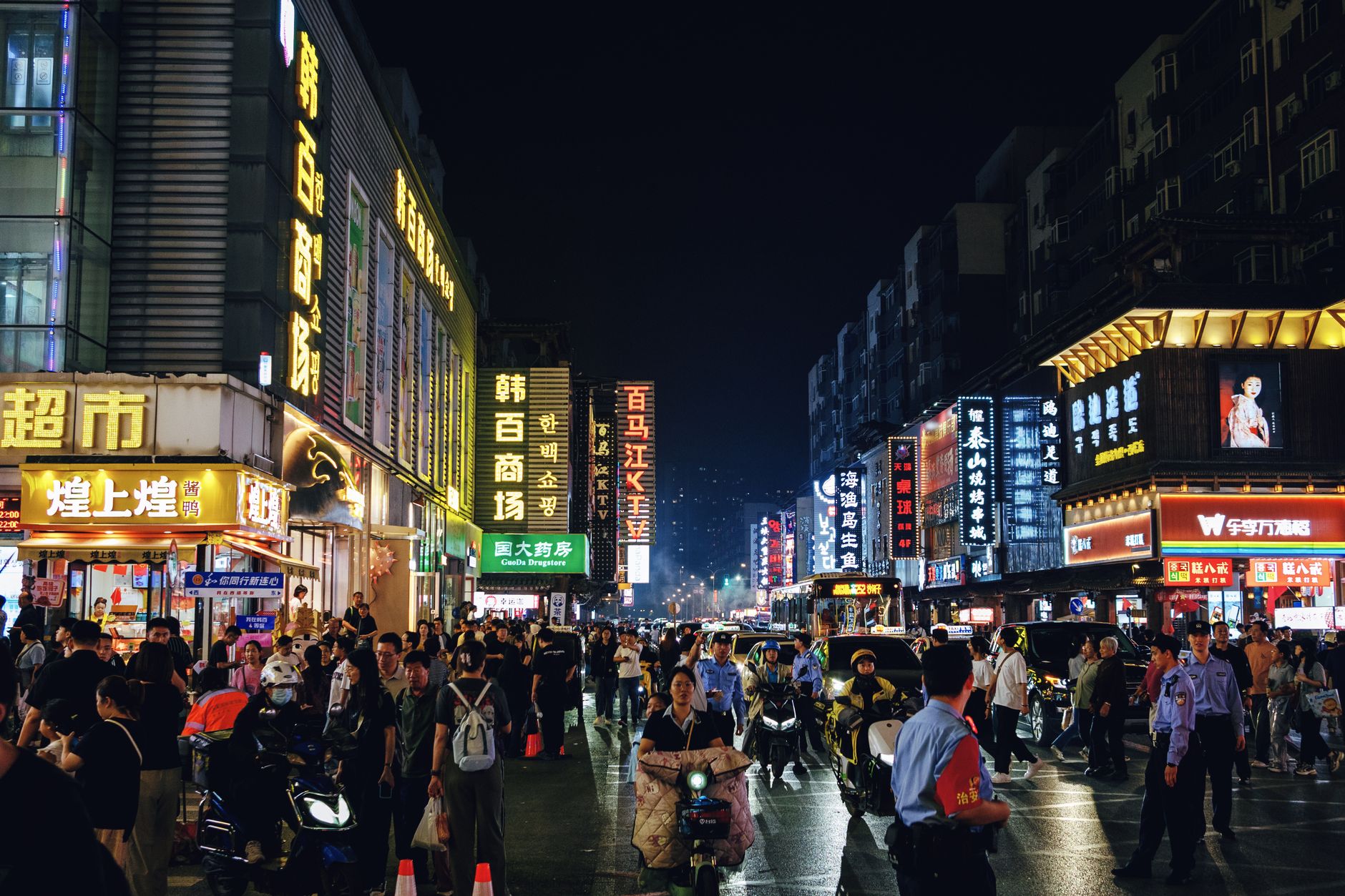
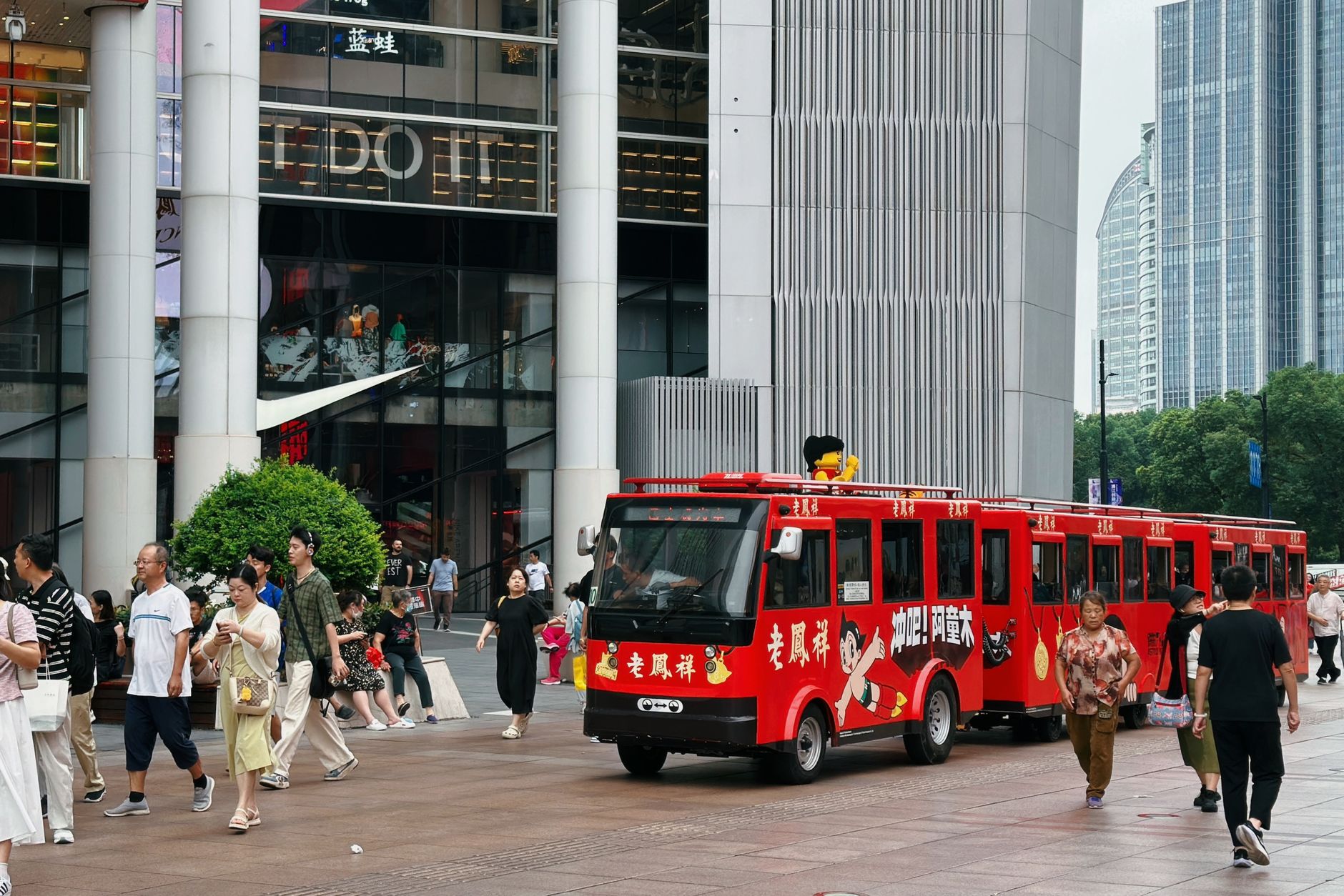
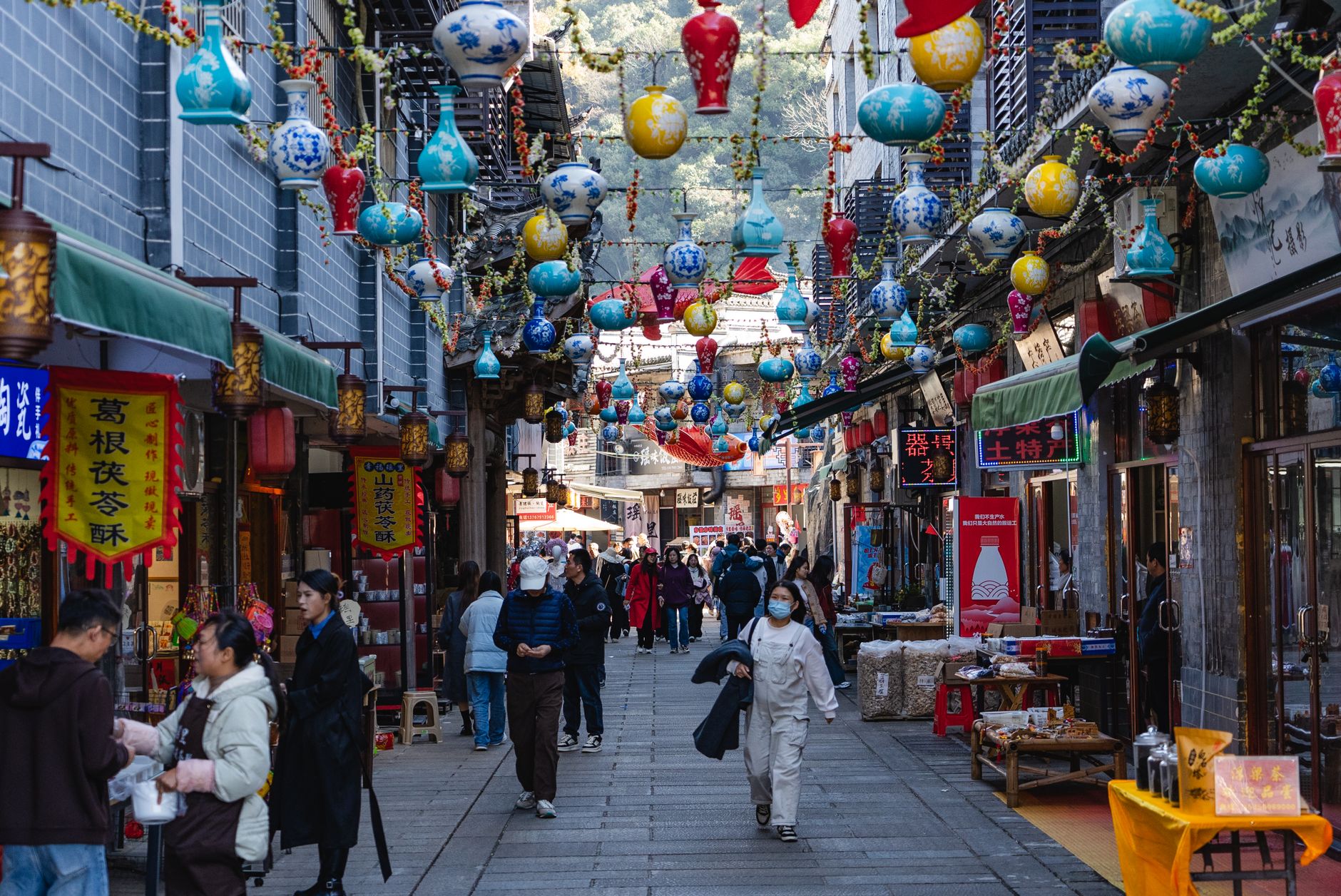
The name Haidian goes back to a shallow lake marsh at the edge of Yuan-dynasty settlement — and water still runs through the district's identity, from the 2.9-square-kilometre spread of Kunming Lake at the Summer Palace to the quiet pond at Weiming Lake on the Peking University campus. Today the same territory holds the Chinese space program's flight control centre, the global headquarters of Baidu and ByteDance, and two of the country's most storied universities, all within metro distance of imperial gardens that took dynasties to build.
Haidian is where Beijing's past and its ambitions occupy the same postcode. You can walk the 728-metre Long Corridor at the Summer Palace in the morning and spend the afternoon near Tsinghua Science Park, where Google keeps a Beijing office in a building that once stood on farmland growing imperial rice.
💛 What travellers fall for
People who come back tend to arrive early at Yuanmingyuan — the ruined Old Summer Palace — before the tour groups. The broken European-style stonework is quieter and stranger than the Summer Palace, and the light on the overgrown foundations before 9 a.m. is worth the trip on its own. The Xijiao light rail to Fragrant Hills is also a local favourite for autumn weekends.
Deals in Haidian District
Book directly at the provider


How Haidian District came to be
The name Haidian first appears in writing in the early Yuan dynasty, in Wang Yun's 'Records of the Central Hall,' describing a settlement beside a shallow lake. The engineer Guo Shoujing gave the area its first real infrastructure when he opened the Tonghui River, making rice cultivation possible across what became paddy fields stretching from Qinglongqiao to Liulangzhuang through the Ming and Qing periods. By the Qing dynasty, the district had grown into one of Beijing's eight major commercial zones, home to established businesses including Quanjude.
The twentieth century remade Haidian twice. Tsinghua and Yenching universities built their campuses here in the early 1900s, and after 1949 the new government deliberately concentrated academic institutions in the district, relocating Yan'an-era institutions to consolidate an education corridor. The administrative boundaries were formalised on September 1, 1952. The tech industry followed the universities, and the district now contains the headquarters of some of China's largest technology companies alongside the Beijing Aerospace Flight Control Centre.
Who and what shaped it
People who shaped it
Landmark buildings
See Haidian District in motion
Plan your visit
On the map
When to go
Winters are cold and dry, often below freezing, with occasional snow that briefly transforms the imperial gardens. Spring and autumn are the most comfortable seasons — October in particular brings clear skies and the red maples at Fragrant Hills, while summer is hot and humid with frequent afternoon thunderstorms.
Right now
Background & history adapted from Wikipedia (CC BY-SA) · specs from Wikidata (CC0) · weather from Open-Meteo · map data © OpenStreetMap contributors · photos from Wikimedia Commons / Unsplash with per-image credit. No third-party reviews or social posts reproduced.