
Mentougou District
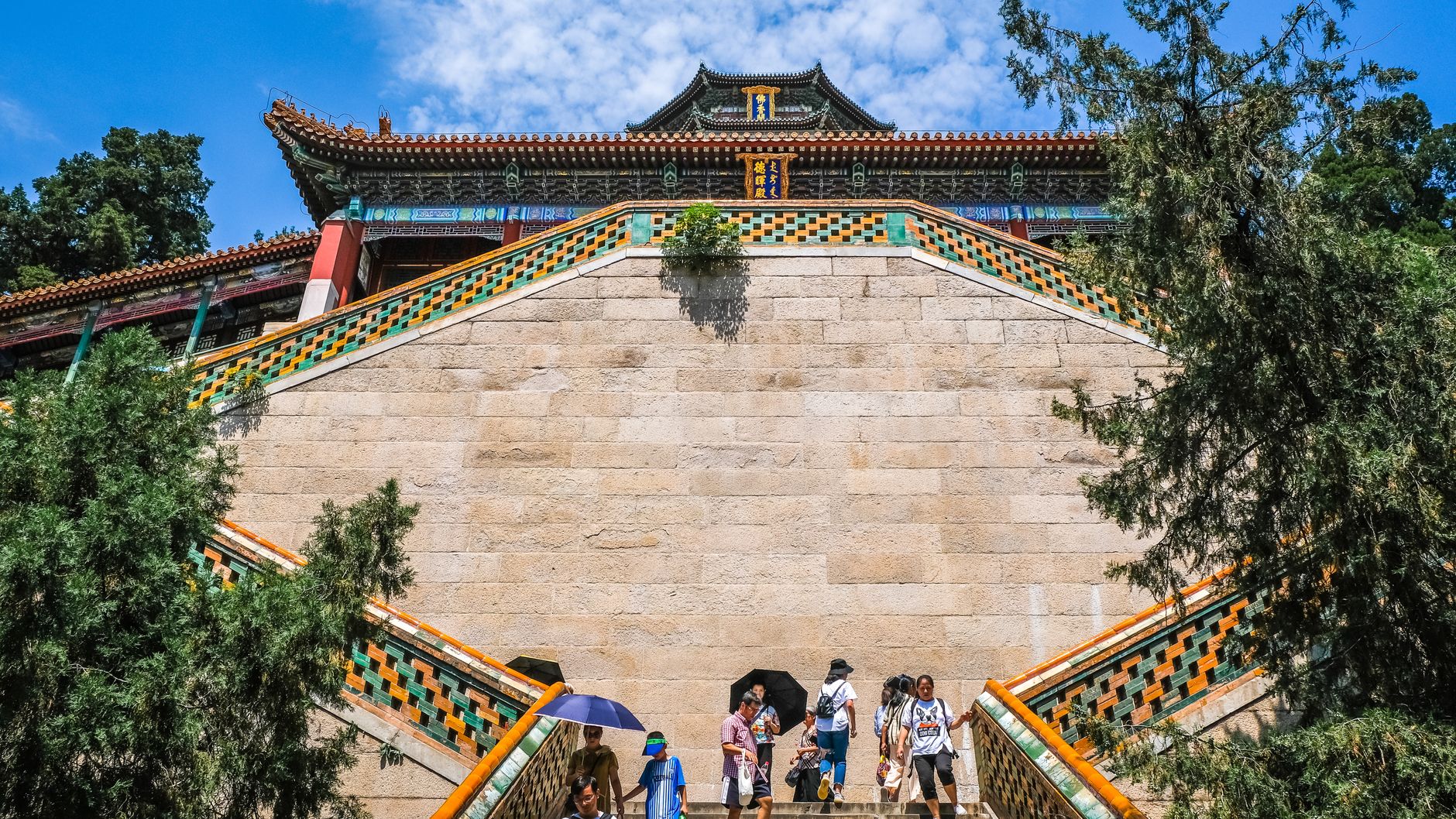
Ninety-three percent of Mentougou is mountain. That single fact reshapes how you understand Beijing — because just west of the capital's subway terminus, the Western Hills take over and the city recedes into something older and quieter. The Yongding River threads through the valleys, and more than a hundred peaks crowd the skyline, the tallest, Mount Ling, reaching 2,303 metres — the highest point in all of Beijing.
For centuries Mentougou fed the capital's furnaces, its coal mines running deep beneath the limestone ridges. Today those mine entrances shelter bat colonies. The district still feels rural in the way that places do when they've earned it — not curated countryside, but working villages, ancient temple complexes, and terraced fields where grain actually grows.
💛 What travellers fall for
People who come back tend to catch the 12:40 bus from Pingguoyuan to Cuandixia rather than the morning one — you arrive as the day-trippers are leaving. The village well still works. The single millstone still grinds flour. Stay for the light at dusk when the courtyard walls go amber.
Deals in Mentougou District
Book directly at the provider

How Mentougou District came to be
Human settlement here goes back roughly 10,000 years — Donghulin, one of over forty Neolithic sites discovered across Beijing, sits within the district, and stone tools from that era are in the local museum. The Jin Dynasty gave Mentougou its oldest standing structure: Tanzhe Temple, subsequently maintained through the Tang, Song, Yuan, Ming and Qing dynasties, now the largest ancient temple complex in Beijing's suburbs.
Cuandixia village was founded by a Han family during the Ming Dynasty; every one of the seventy people who live there today carries that same surname, descended from the original founding couple. The district supplied coal to Beijing for centuries, remaining so thoroughly rural that well into the early 1990s the urban population simply didn't consider it part of the city.
Who and what shaped it
People who shaped it
Landmark buildings
See Mentougou District in motion
Plan your visit
On the map
When to go
Mentougou runs cooler than central Beijing in summer — mountain air keeps July averages around 26.6°C — making it a genuine relief from the capital's heat. January drops to around −3°C, and most of the year's 568 mm of rain falls in July and August, so spring and autumn offer the driest, most comfortable walking conditions.
Right now
Background & history adapted from Wikipedia (CC BY-SA) · specs from Wikidata (CC0) · weather from Open-Meteo · map data © OpenStreetMap contributors · photos from Wikimedia Commons / Unsplash with per-image credit. No third-party reviews or social posts reproduced.