
Fangshan District
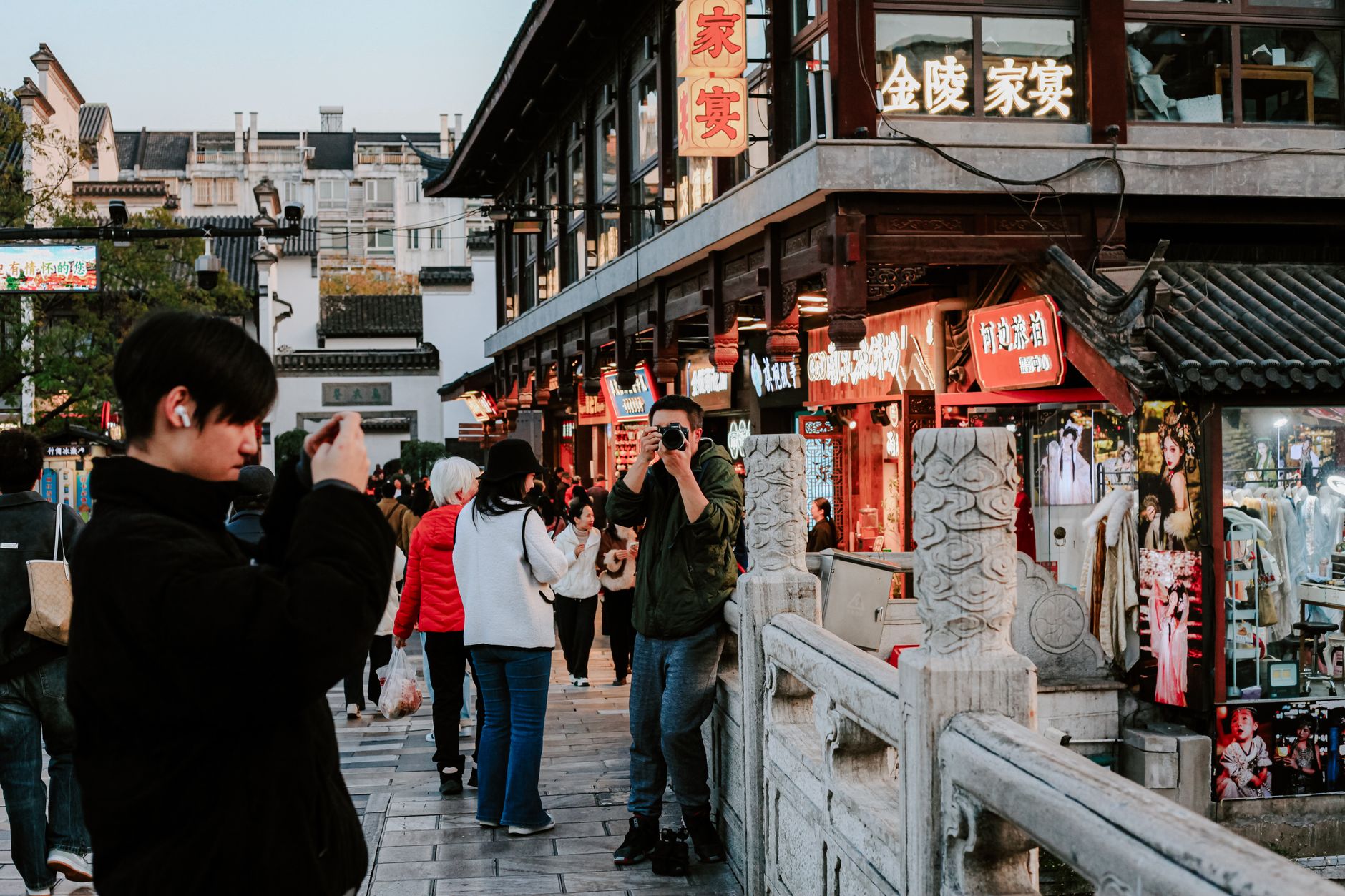
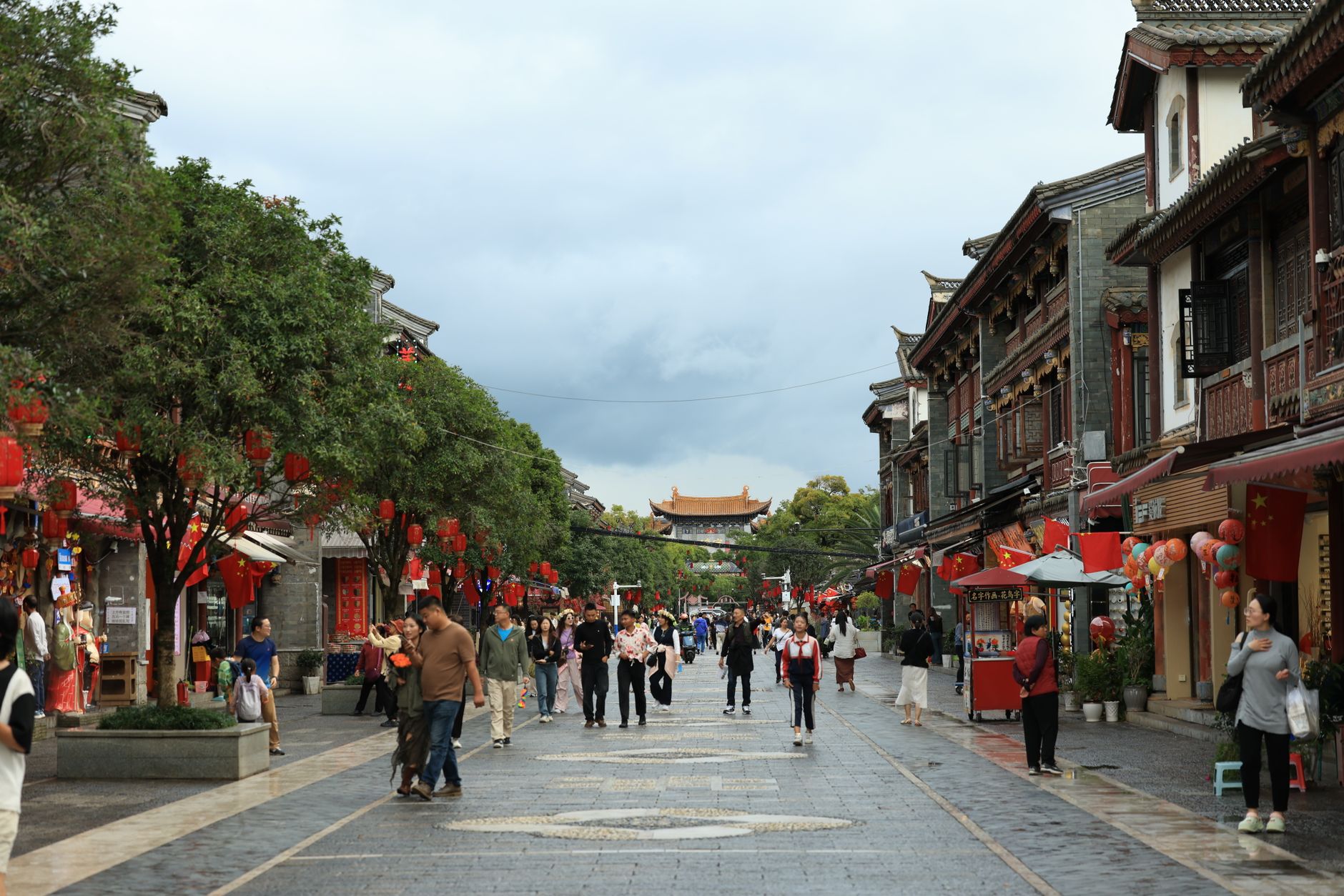
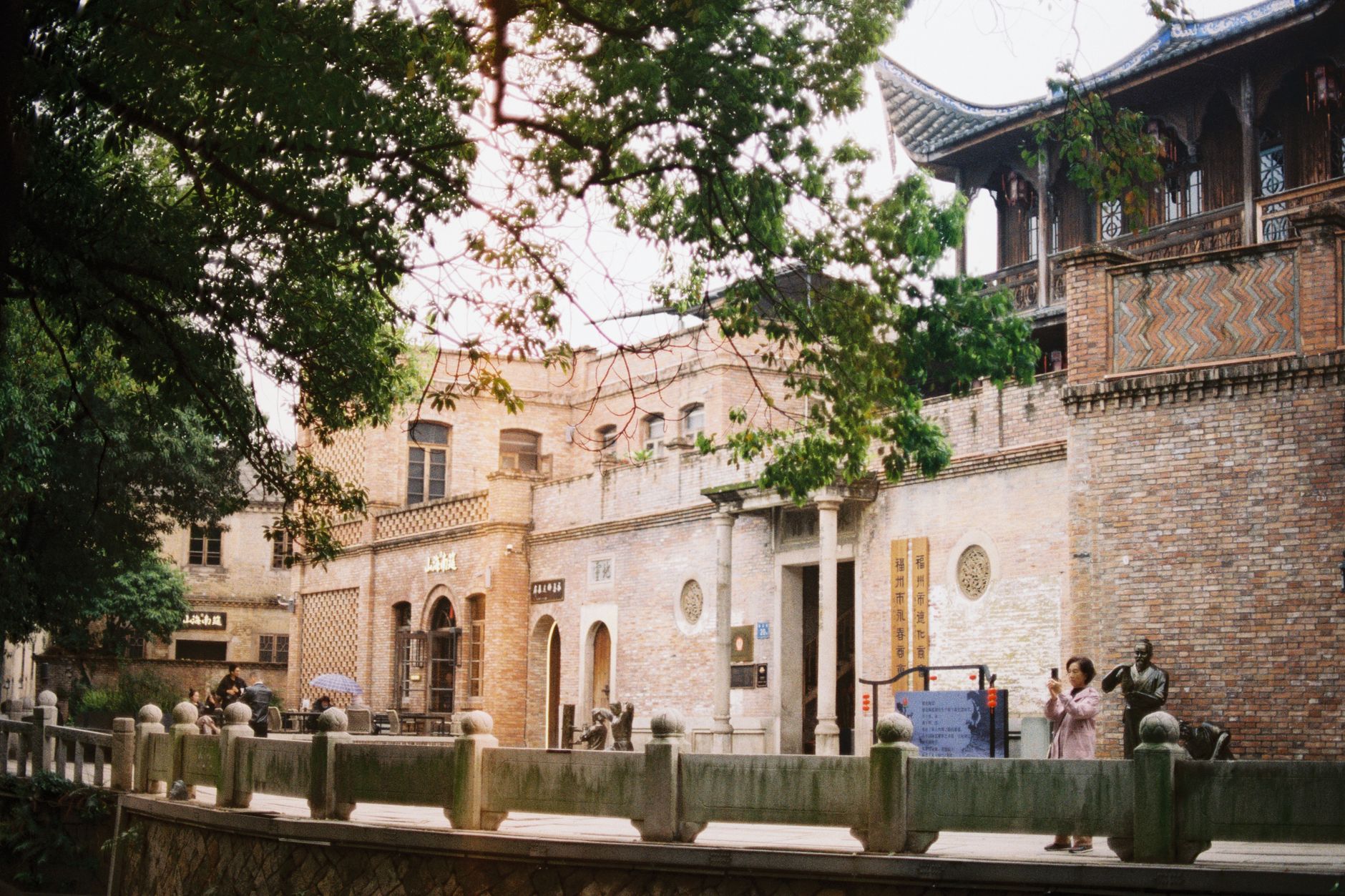
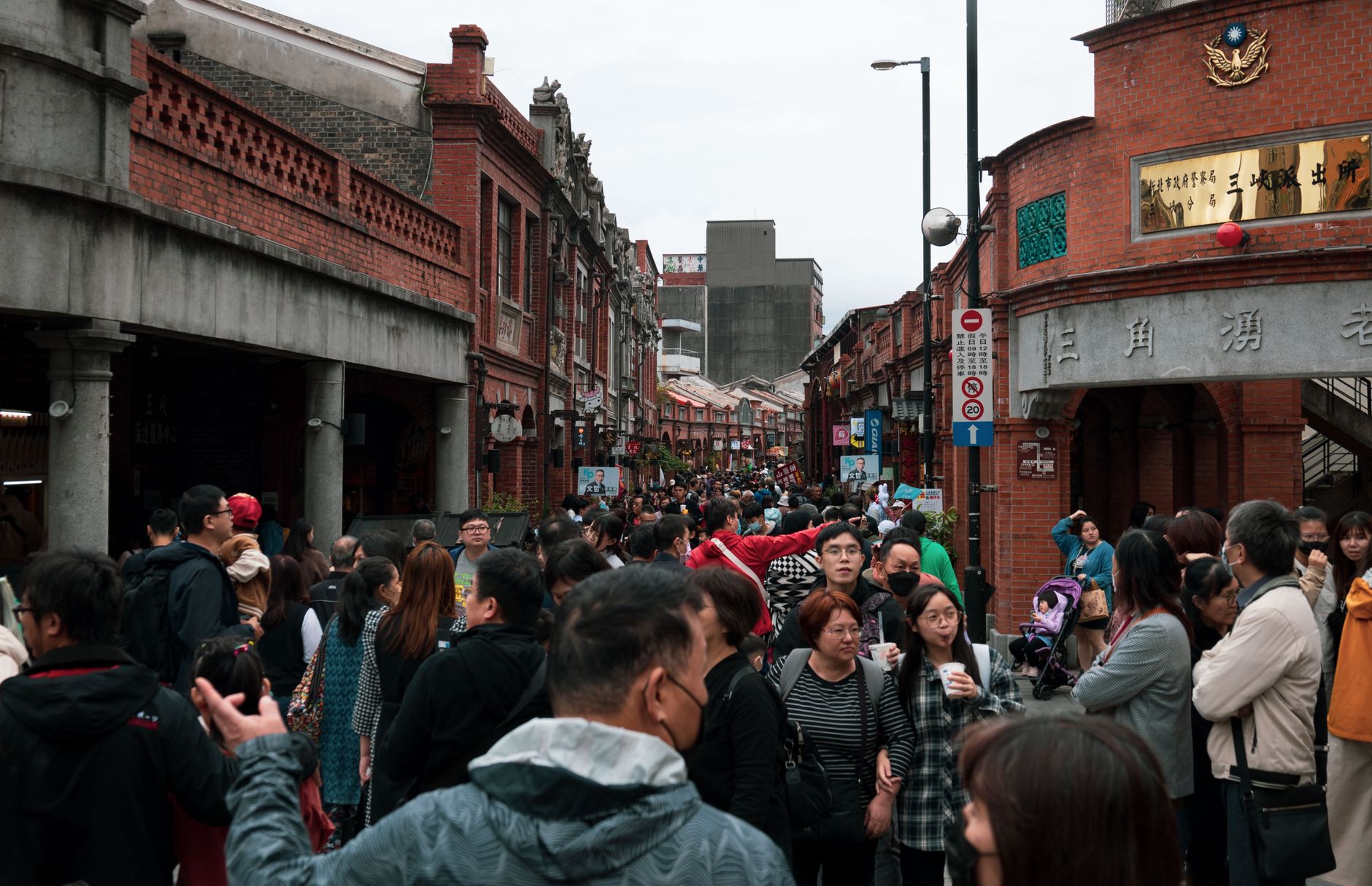
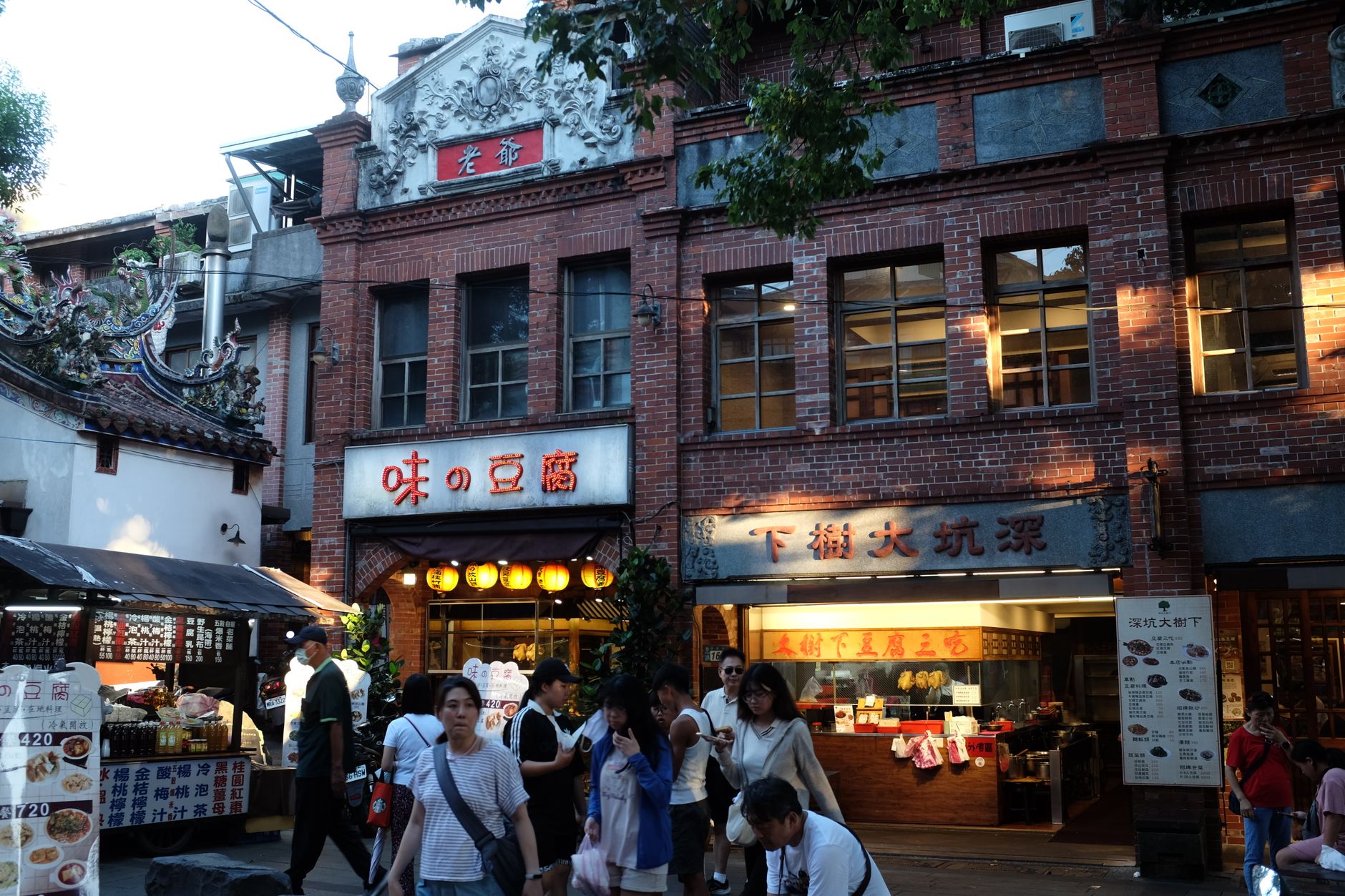
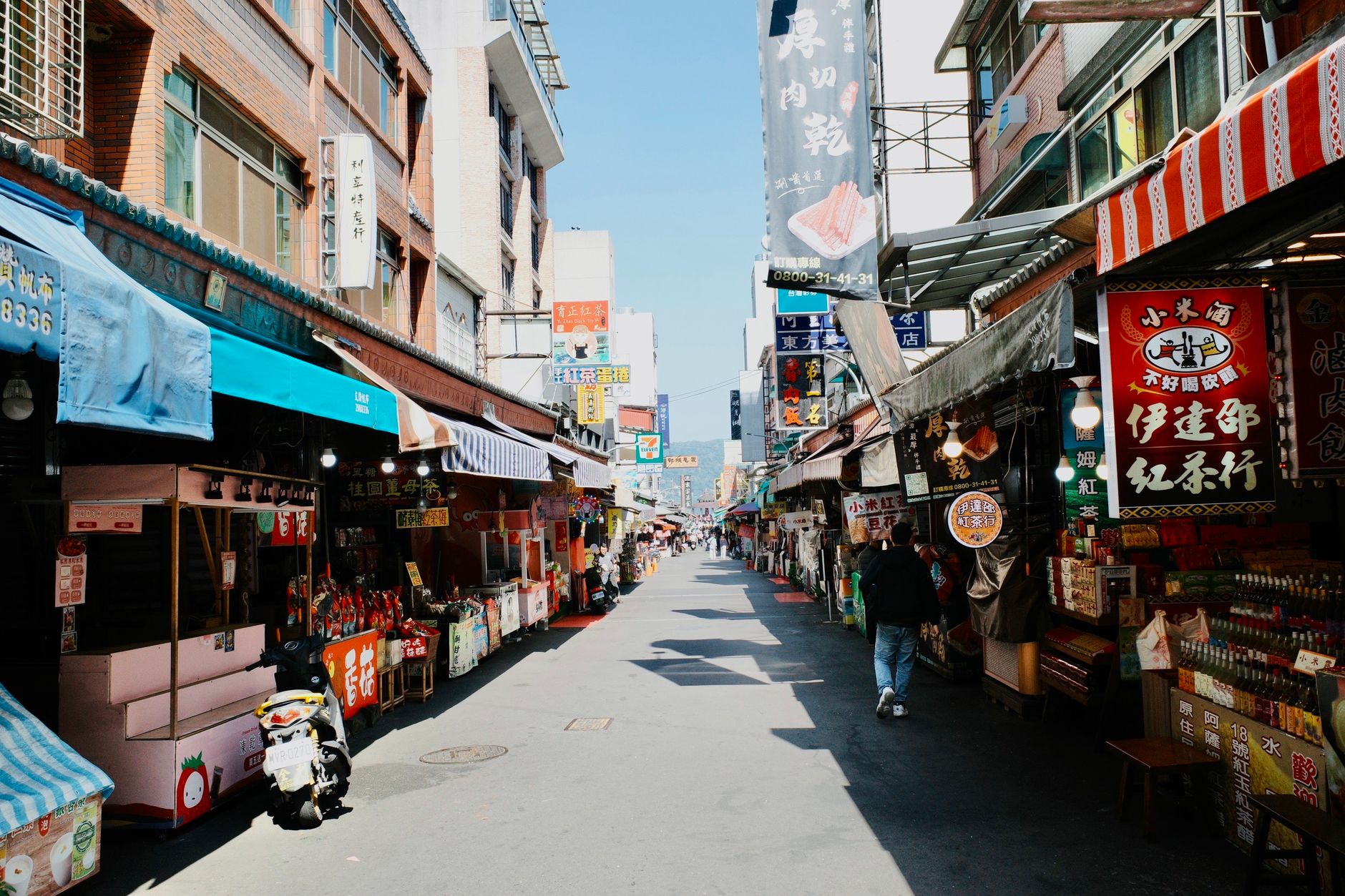
Thirty-eight kilometres southwest of central Beijing, Fangshan holds a longer memory than almost anywhere else on earth. The Peking Man site at Zhoukoudian, where some of the oldest human fossils ever found were unearthed, sits in these hills — a reminder that people have been reading this landscape for roughly 700,000 years. The rivers that cross the district — the Juma, the Yongding, the Dashi — have been shaping the terrain just as long.
More than geology accumulates here. The ruins at Liulihe mark what scholars believe was the original capital of the Yan kingdom, founded around 1045 BC, making Fangshan the place where Beijing's political story quietly begins. Yunju Temple holds 14,278 stone slabs carved with Buddhist sutras. The karst caves of Shihua and Yinhu run deep into the limestone. Two days is the common stay; most people find they want more.
💛 What travellers fall for
People who come back tend to time a morning at Yunju Temple before the tour groups arrive, then spend the afternoon at Shidu's karst landscape when the light drops low on the rock formations. The Yanfang subway line — China's first fully automated driverless line — is worth taking at least once for the novelty alone.
Deals in Fangshan District
Book directly at the provider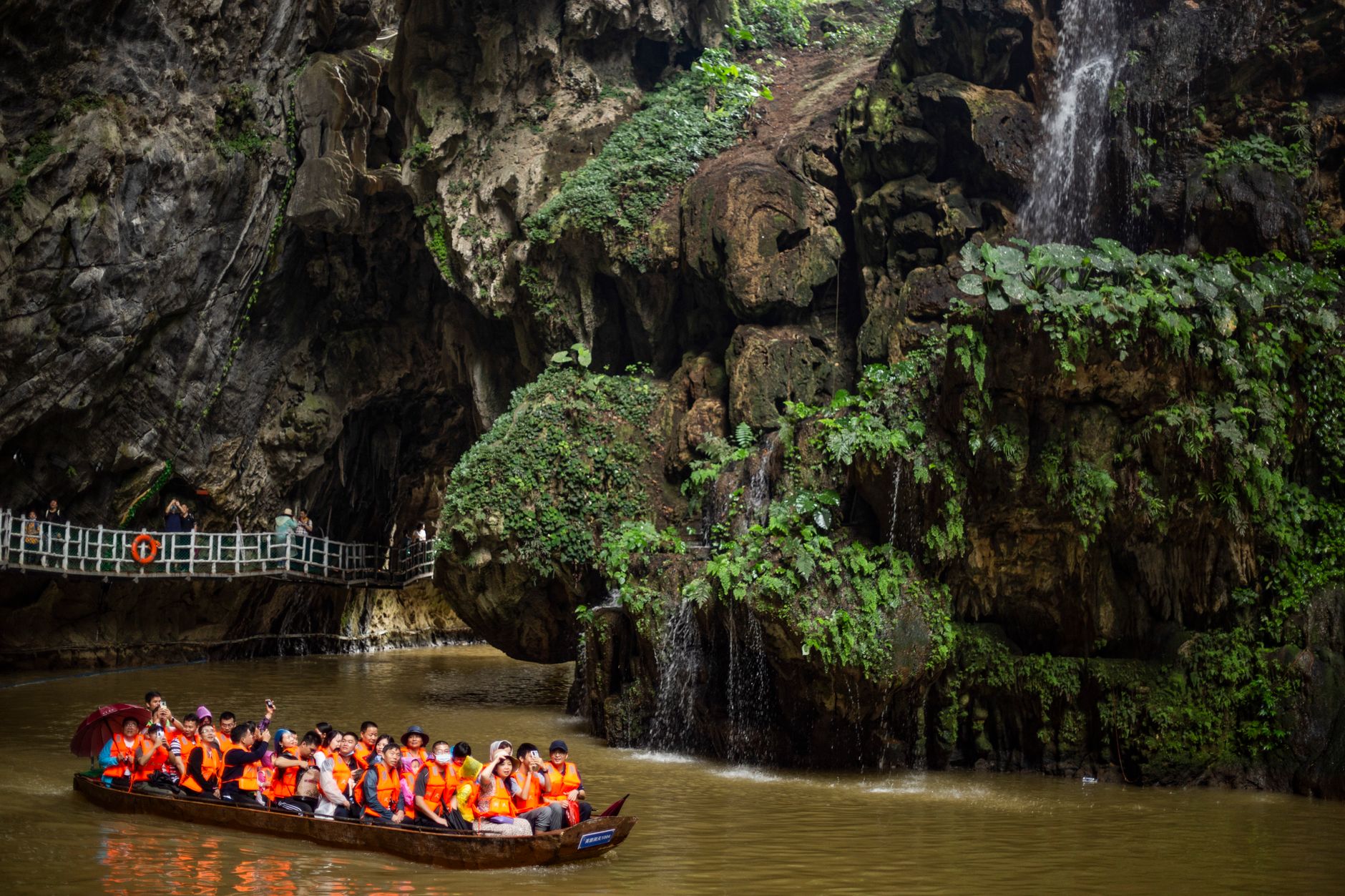


How Fangshan District came to be
The district's recorded human presence begins at Zhoukoudian, where fossils of Homo erectus were discovered and dated to hundreds of thousands of years ago. But the organised political history starts around 1045 BC, when Liulihe, in what is now Fangshan's southwest, served as the capital of the Yan kingdom under the Western Zhou Dynasty — the ancestor-city of Beijing itself. The Jin Dynasty Imperial Mausoleums, built over 860 years ago, mark a later chapter, when this territory lay within the orbit of a dynasty that made Beijing a national capital.
The modern district took its current shape in stages: Fangshan County was formed in 1960 after a merger of earlier administrative units, and in 1987 it merged with Yanshan District to become today's Fangshan District. The seat of government moved to Liangxiang in 1998, which remains the district's administrative and commercial centre.
Who and what shaped it
Landmark buildings
See Fangshan District in motion
Plan your visit
On the map
When to go
Summers run hot and humid, often pushing above 30°C through July and August, which is also the wettest month. Winters are cold and dry, frequently dropping below freezing, but tend to be clear. Autumn — September into October — offers the most reliable combination of mild temperatures and clean air.
Right now
Background & history adapted from Wikipedia (CC BY-SA) · specs from Wikidata (CC0) · weather from Open-Meteo · map data © OpenStreetMap contributors · photos from Wikimedia Commons / Unsplash with per-image credit. No third-party reviews or social posts reproduced.