
Daxing District
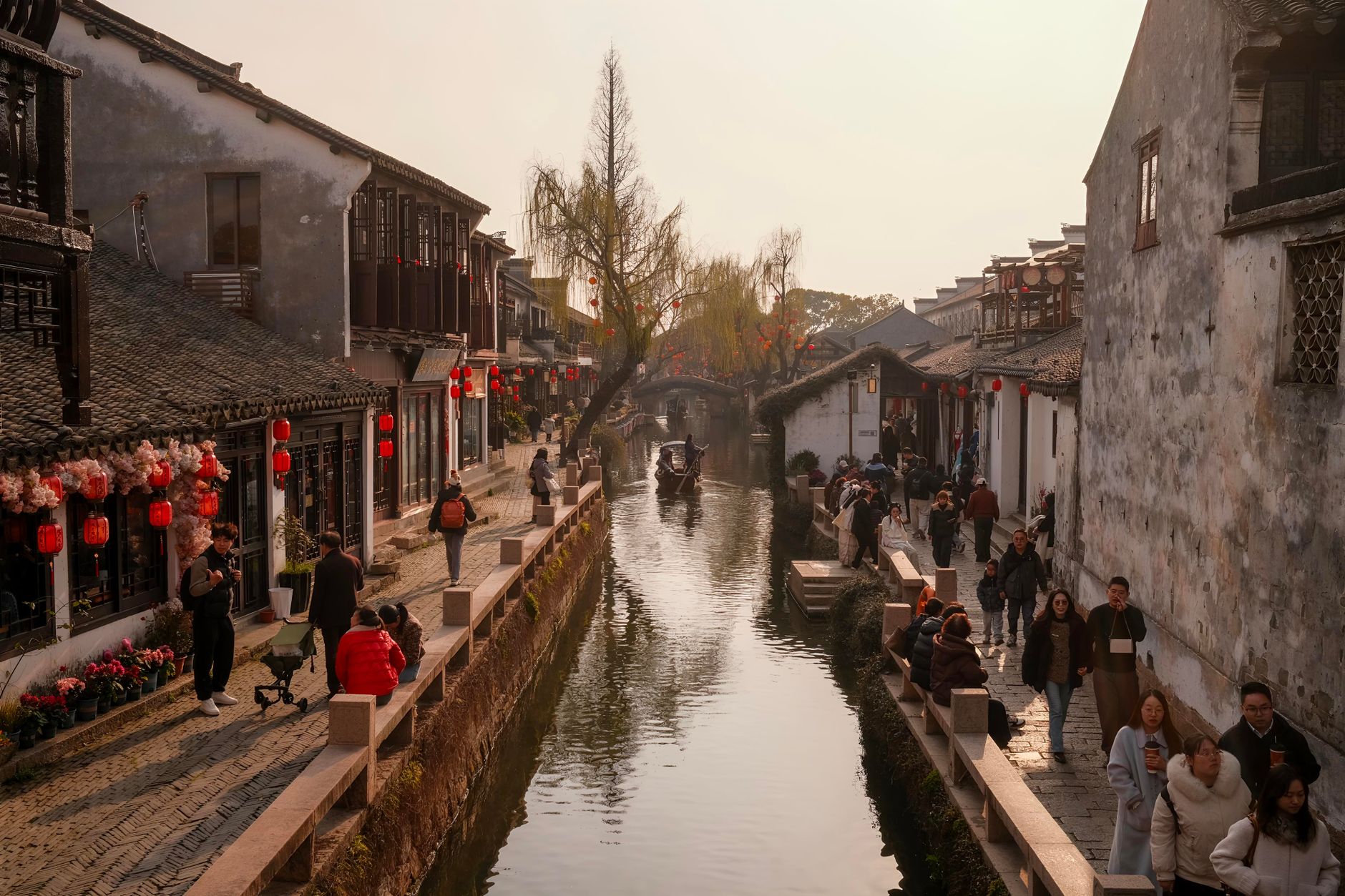
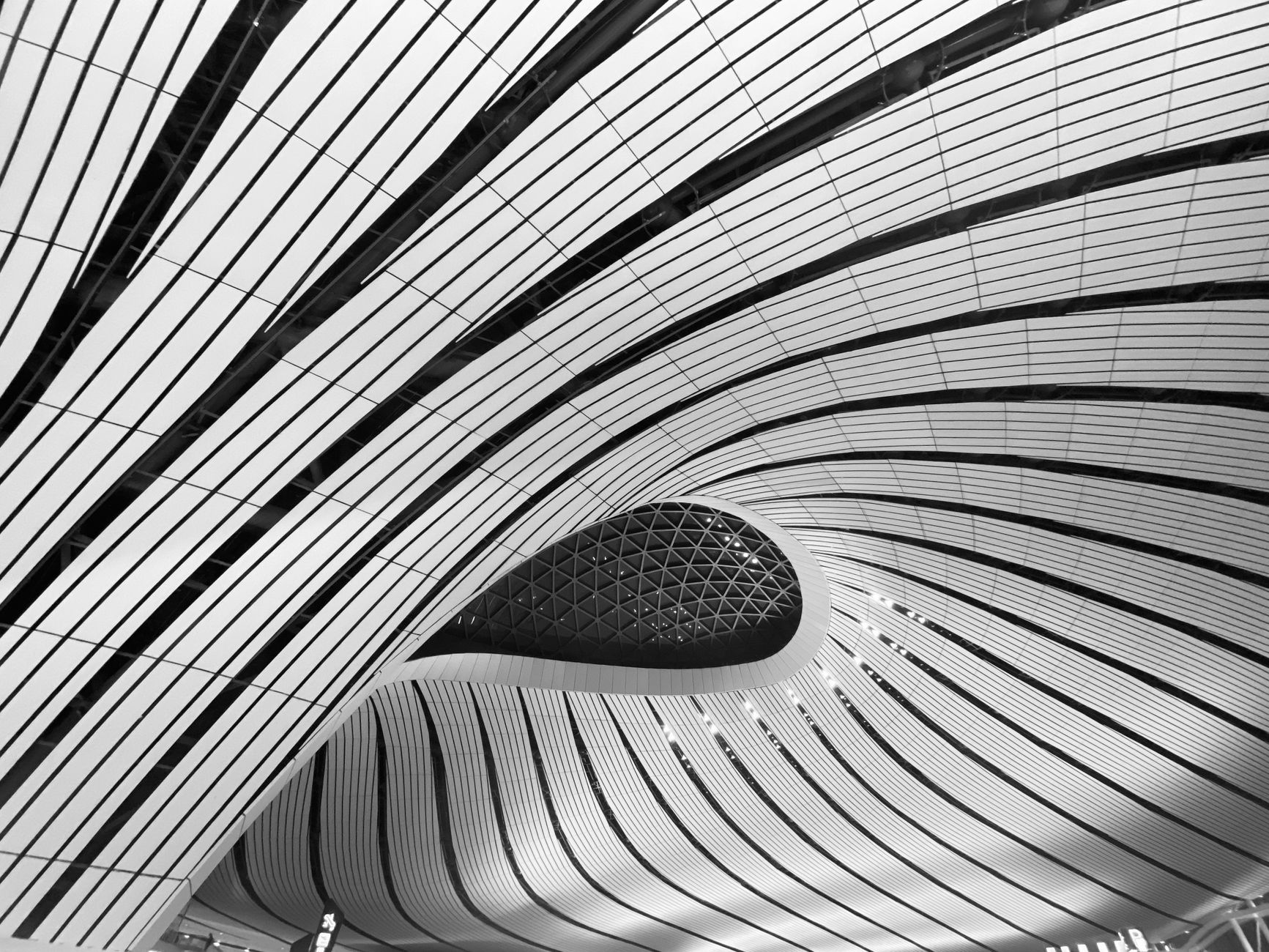
Most people encounter Daxing District from the air, descending toward a terminal that from above looks genuinely like a starfish — or, as Chinese media prefers, a phoenix. Zaha Hadid designed the 700,000-square-metre building, and the geometry earns the attention: six concourses radiate from a single hub so efficiently that no gate is more than eight minutes' walk from the centre. The airport opened on September 26, 2019, and it reframed what a southern Beijing suburb could mean.
Beyond the runways, Daxing has been growing watermelons since the Yuan Dynasty. The fields around Panggezhuang still produce them. Père David's deer — once extinct in the wild — were reintroduced here from England in 1985 and now graze at Milu Yuan. The district holds these two facts, the ultramodern and the quietly ancient, without trying to reconcile them.
💛 What travellers fall for
People who pass through more than once tend to build in an extra hour for the airport terminal itself — the light wells, the structural curves, the way the roof seems to float. A few also make time for Milu Yuan on the way back into the city; the deer are unhurried, and so, briefly, are you.
Deals in Daxing District
Book directly at the provider

How Daxing District came to be
The area now called Daxing has been administratively significant since the Qin Dynasty (221–206 BC), when a county was established here — one of the earliest in China. Before that, it was part of the Yan State's Jicheng territory during the Spring and Autumn and Warring States periods. The name Daxing itself dates to the Jin Dynasty (1115–1234), reportedly given by the Prince of Hailing, Wanyan Liang.
For centuries Daxing remained Hebei Province territory. In 1958 it was transferred to Beijing's administrative control, and the area around Yizhuang and Xihongmen was folded in shortly after. The county was formally redesignated a district by the State Council on March 2, 2001 — the administrative step that set the stage for the infrastructure decade to come.
Who and what shaped it
People who shaped it
Landmark buildings
See Daxing District in motion
Plan your visit
On the map
When to go
Daxing has a humid continental climate with cold, dry winters — January averages around −3°C — and warm, wetter summers peaking near 27°C in July. Spring and autumn are the most comfortable seasons for time spent outdoors.
Right now
Background & history adapted from Wikipedia (CC BY-SA) · specs from Wikidata (CC0) · weather from Open-Meteo · map data © OpenStreetMap contributors · photos from Wikimedia Commons / Unsplash with per-image credit. No third-party reviews or social posts reproduced.