
Dongcheng District
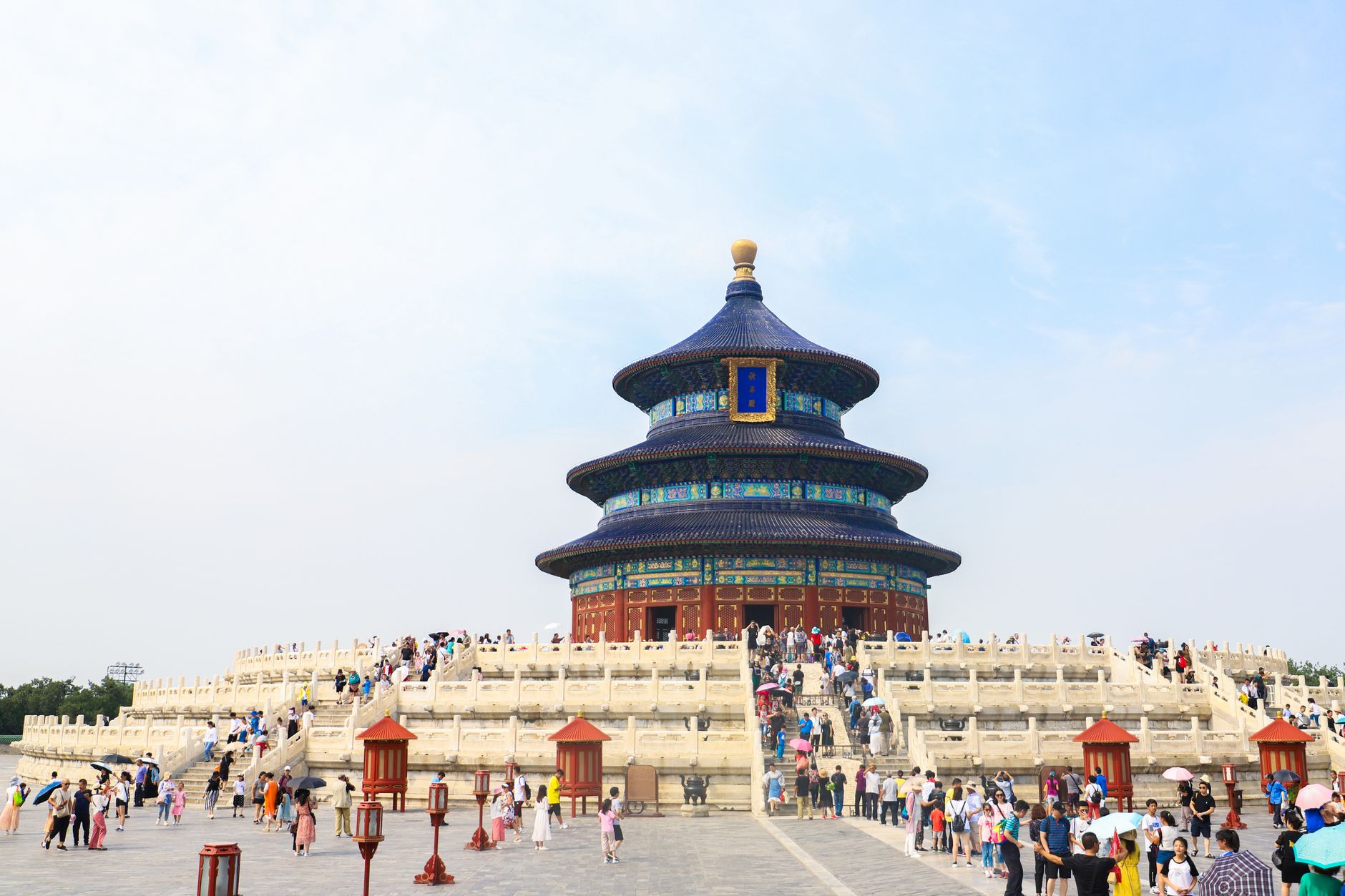
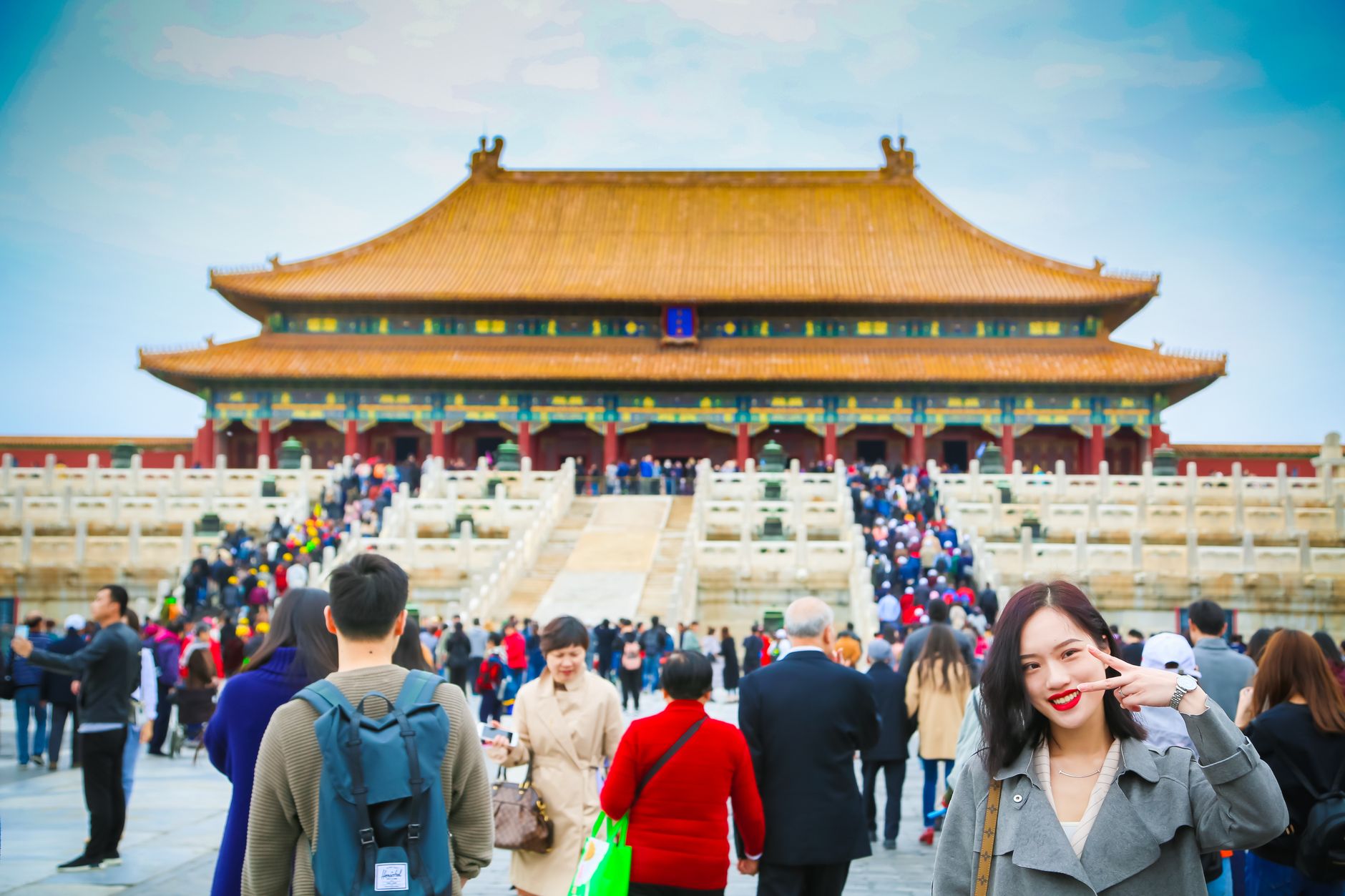
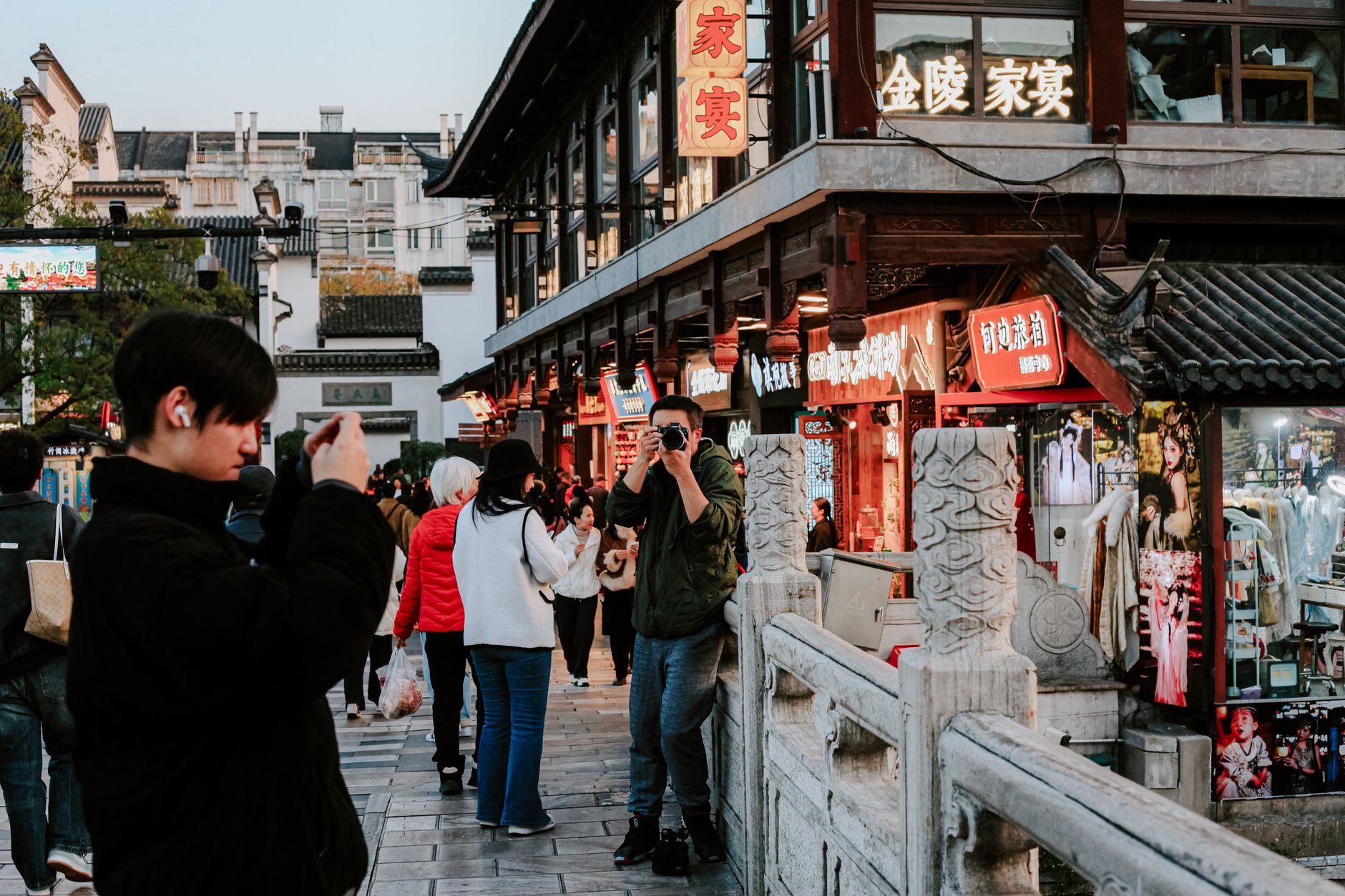
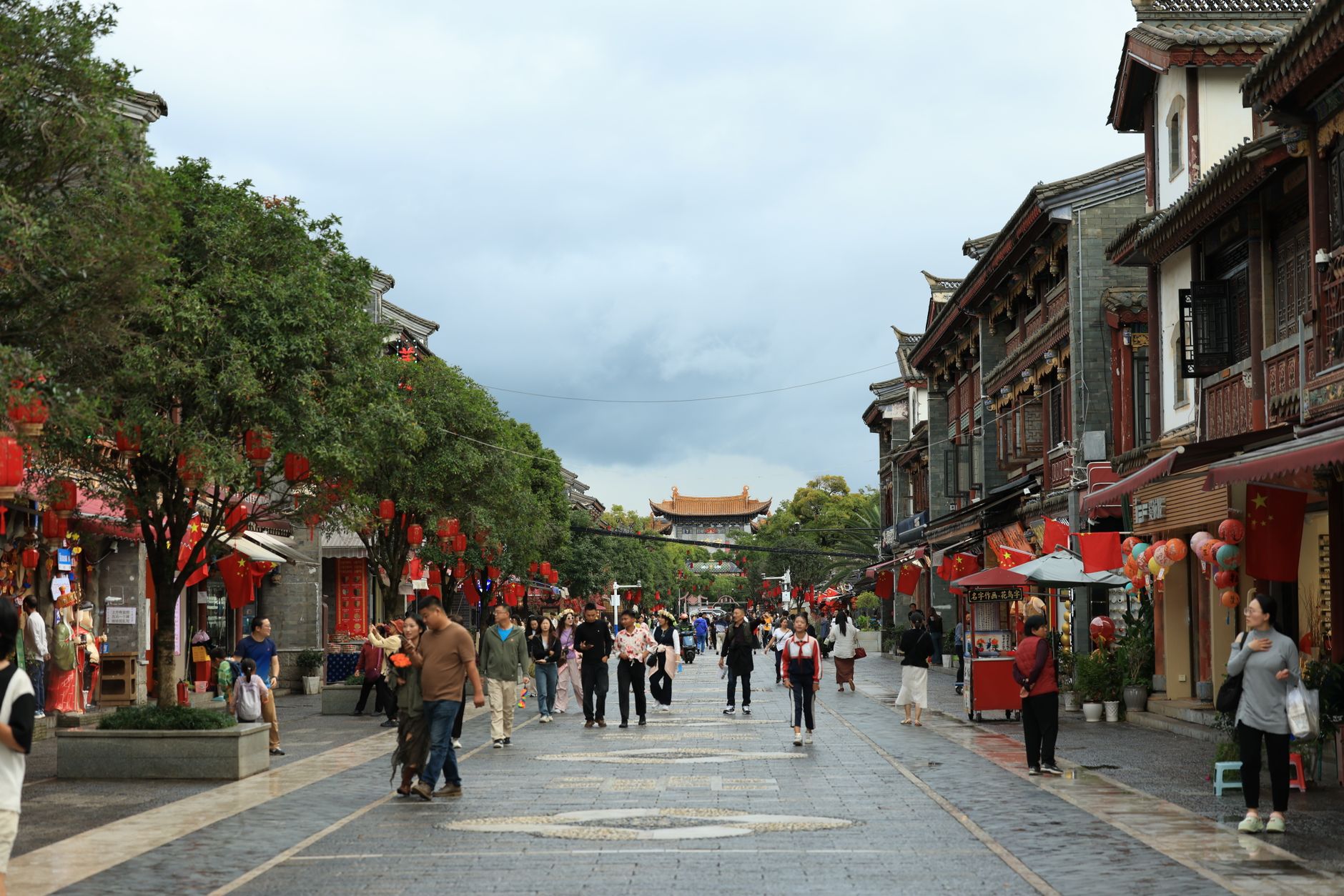
The Beijing Central Axis runs 7.8 kilometres through Dongcheng like a spine, threading Tiananmen Square, the Forbidden City, and the Bell and Drum Towers into a single, walkable argument for how seriously a city can take its own geometry. Twelve of the Axis's fifteen designated sites sit in this district alone. That density is the point: Dongcheng is where the Ming and Qing emperors staged power, where Mao declared the People's Republic on October 1, 1949, and where narrow hutong lanes still curl between siheyuan courtyard houses a few minutes' walk from all of it.
💛 What travellers fall for
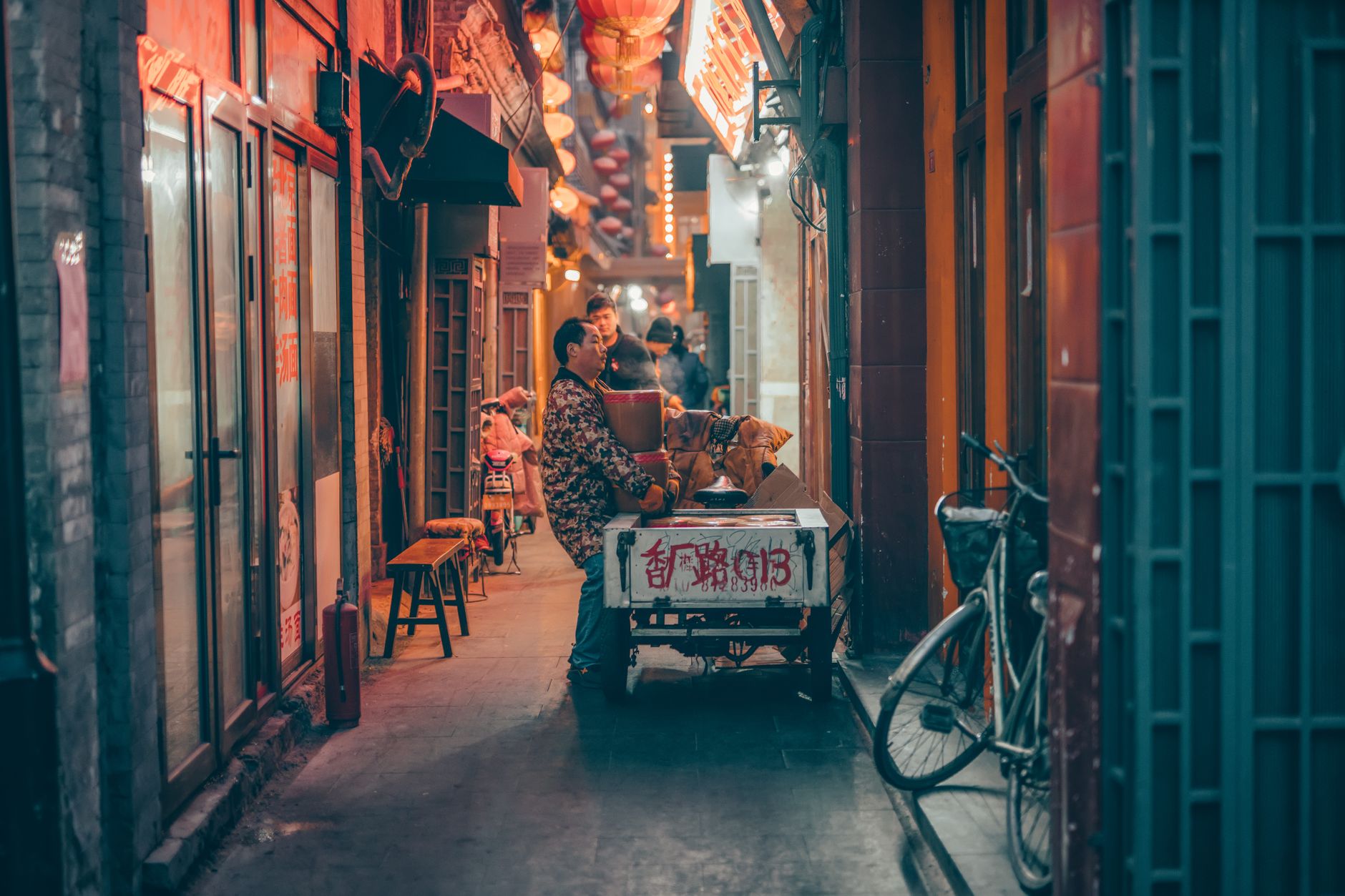
People who come back tend to stop treating the Forbidden City as a checkbox and start using it as a compass — entering early, then turning north toward Coal Hill to look back down at the roofline. The hutong grid around Nanluoguxiang rewards the second visit more than the first, once the main drag loses its novelty and you're walking the side lanes instead.
Deals in Dongcheng District
Book directly at the provider
How Dongcheng District came to be
The ground Dongcheng occupies has been settled for over a thousand years, but its defining moment came in the early 15th century when the Yongle Emperor, Zhu Di, built the Forbidden City here as the seat of imperial China. The palace remained a working residence until November 5, 1924, when Puyi — the last emperor — was expelled; the Palace Museum opened on the same site the following October.
The district also carries the weight of the 20th century. On May 4, 1919, students marched through these streets against Japan's Twenty-One Demands, a protest that named Wusi Street and reverberated into the founding of the Communist Party. A young Mao Zedong was living nearby at the time, in a simple set of rooms in Northern Sanyangjing Hutong, working at Peking University's library. Thirty years later, on October 1, 1949, he stood at Tiananmen and declared the People's Republic. The district's current boundaries took shape in 2010, when Dongcheng merged with the former Chongwen District to the south.
Who and what shaped it
People who shaped it
Landmark buildings
See Dongcheng District in motion
Plan your visit
On the map
When to go
Autumn is the clearest season — October especially, when temperatures sit between 14 and 22°C and the air loses its summer weight. Winters are cold and dry, dropping below freezing in January and February, but the skies are often sharp and unclouded. Summer brings heat and humidity, and the urban core runs 5–7°C hotter than Beijing's outskirts.
Right now
Background & history adapted from Wikipedia (CC BY-SA) · specs from Wikidata (CC0) · weather from Open-Meteo · map data © OpenStreetMap contributors · photos from Wikimedia Commons / Unsplash with per-image credit. No third-party reviews or social posts reproduced.