
Shijingshan District
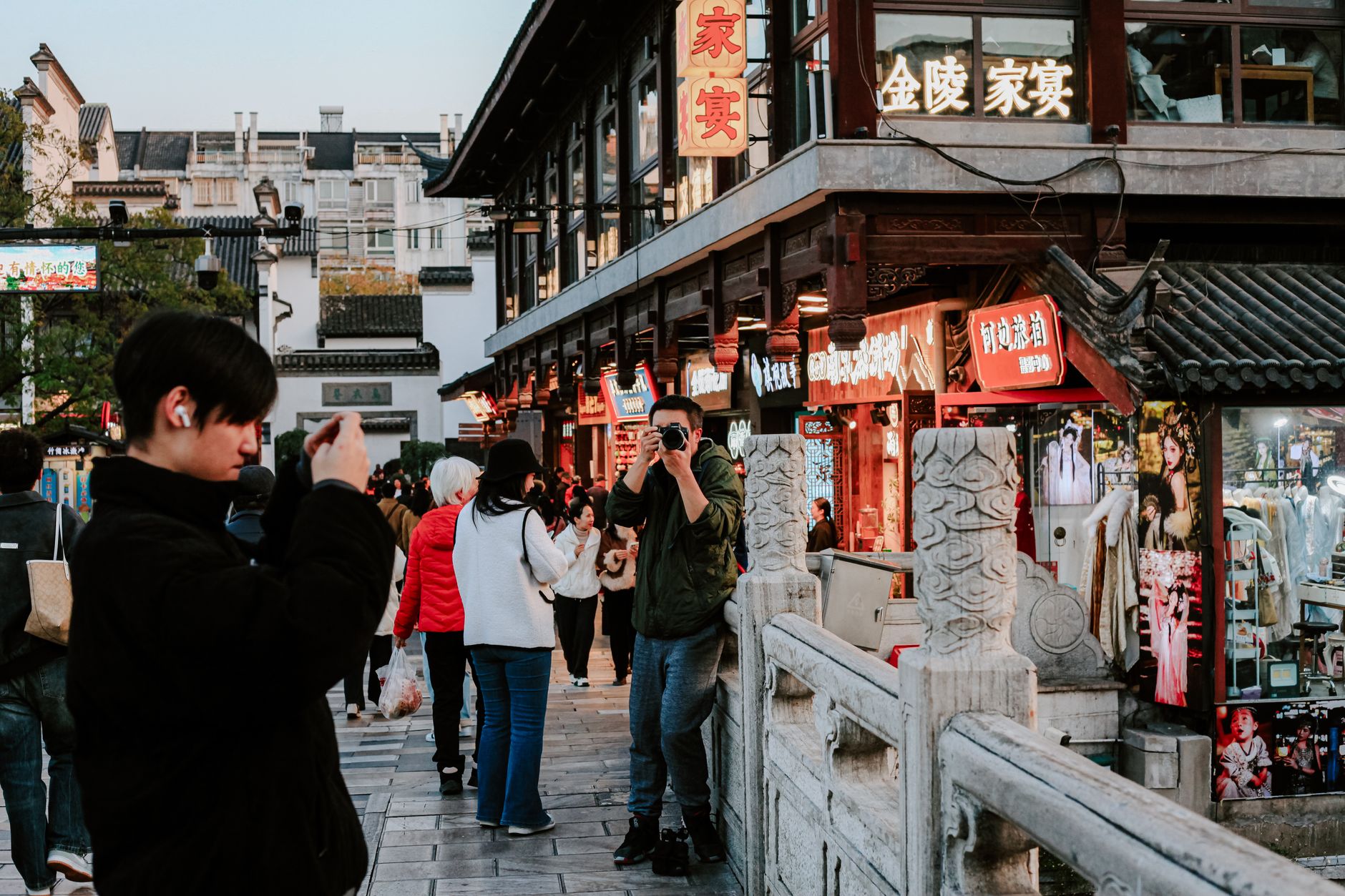
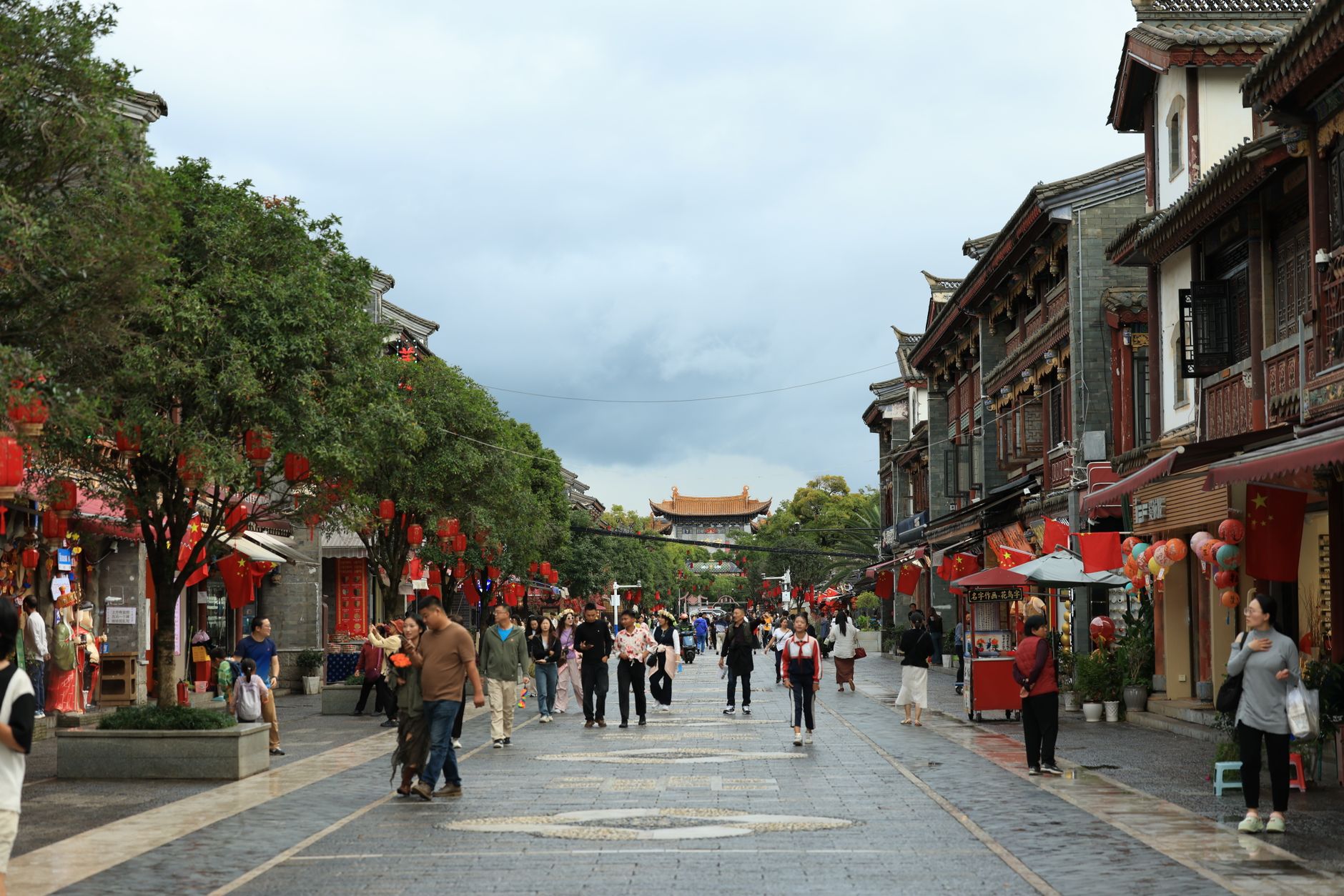
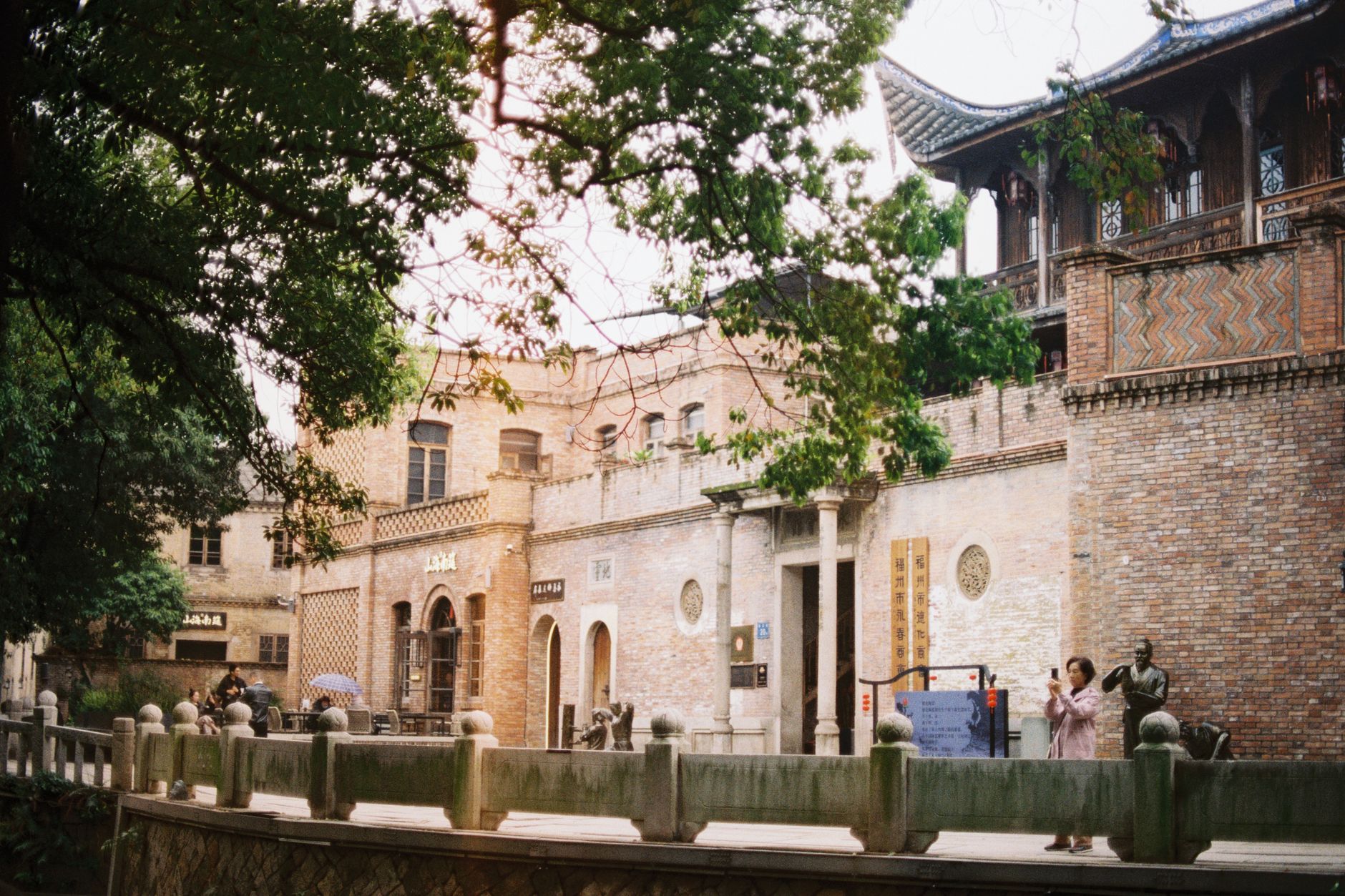
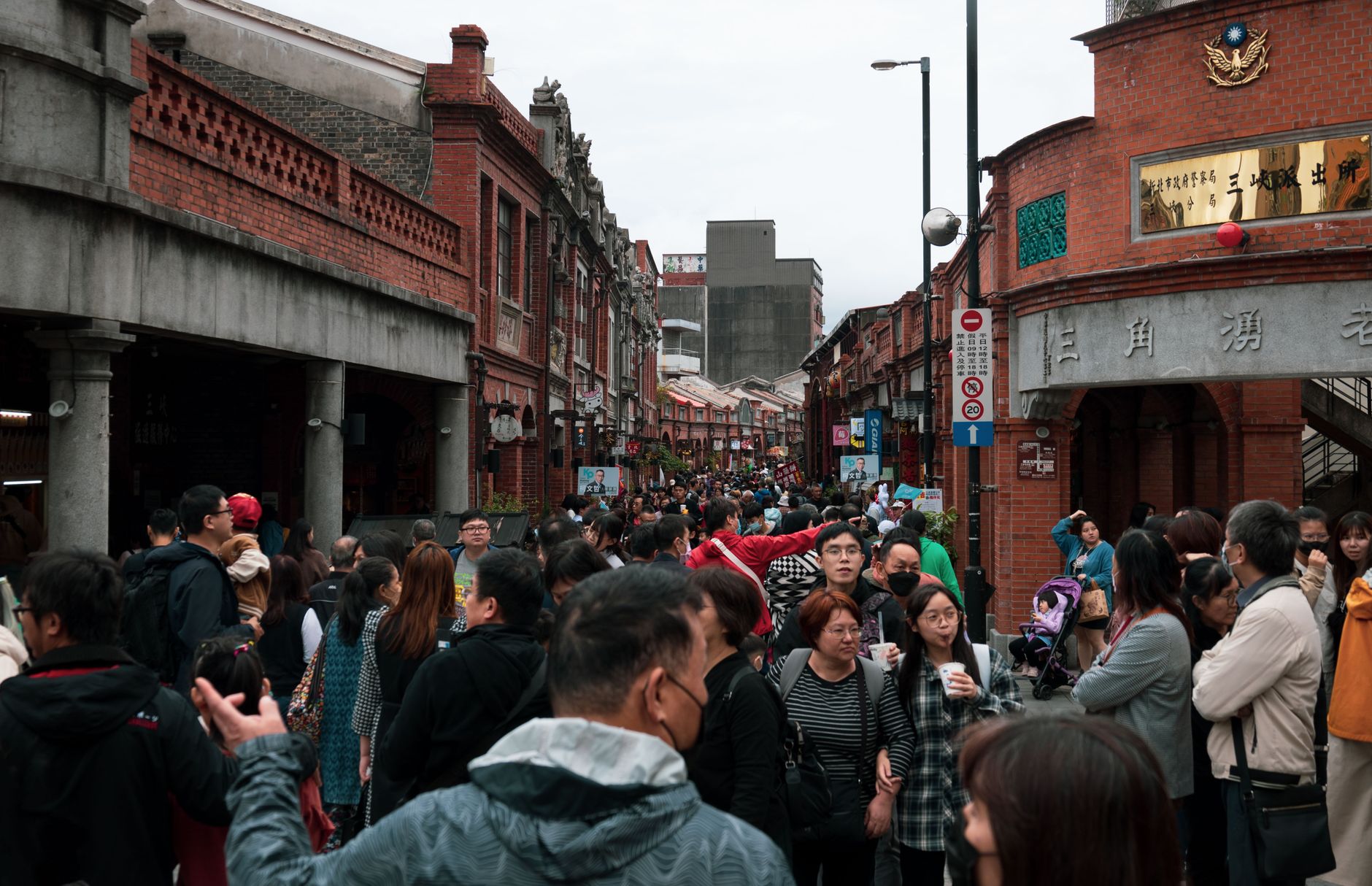
Shijingshan sits at the western end of Chang'an Avenue, about 14 kilometres from Tiananmen, and it wears two very different faces depending on where you look. One face is the rusted infrastructure of Shougang, the state steel giant that once poured out 10 million tons of iron a year and defined the district's identity for half a century. The other face is what replaced it: a velodrome that hosted Olympic cyclists, a ski-jump ramp built inside the old mill complex, Buddhist temples climbing the Western Hills, and a park dense with sculpture from 40 countries.
Neither face is polished for tourism, which is part of the appeal. This is a working-class Beijing district that found itself at the centre of two Olympic Games and is still figuring out what comes next.
💛 What travellers fall for
People who come back tend to start at Badachu early — the eight temple complex at the foot of the Western Hills draws far fewer visitors on weekday mornings than the city-centre sights. The walk between the monasteries takes about two hours and rewards you with views across western Beijing that most visitors never see.
Deals in Shijingshan District
Book directly at the provider

How Shijingshan District came to be
The district takes its name from Shijingshan Mountain, long regarded as a place of spiritual significance in the Yan region. That older identity — Buddhist temples, hill paths, the Lingguan Temple holding one of only two tooth relics of Sakyamuni in the world — coexisted quietly with modernity until the 1950s, when the People's Republic designated Shougang Group as its flagship steel enterprise here.
For roughly five decades, Shougang was Shijingshan. The plant grew into one of the largest steel operations in China, and the district grew around it. Then the 2008 Beijing Olympics required cleaner air, and Shougang relocated its operations to Hebei Province, leaving behind 8.63 square kilometres of industrial land that has since been reimagined — most visibly as the site of the Big Air Shougang, the world's first permanent ski-jump venue of its kind, which hosted the 2022 Winter Games.
Who and what shaped it
Landmark buildings
See Shijingshan District in motion
Plan your visit
On the map
When to go
Shijingshan has a humid continental climate with an average annual temperature of 13.2°C and around 566mm of rainfall per year, most of it falling in summer. Winters are cold and dry, summers hot and occasionally humid; April through June and September through October offer the clearest skies and most comfortable temperatures for walking the outdoor sites.
Right now
Background & history adapted from Wikipedia (CC BY-SA) · specs from Wikidata (CC0) · weather from Open-Meteo · map data © OpenStreetMap contributors · photos from Wikimedia Commons / Unsplash with per-image credit. No third-party reviews or social posts reproduced.