
Avellino
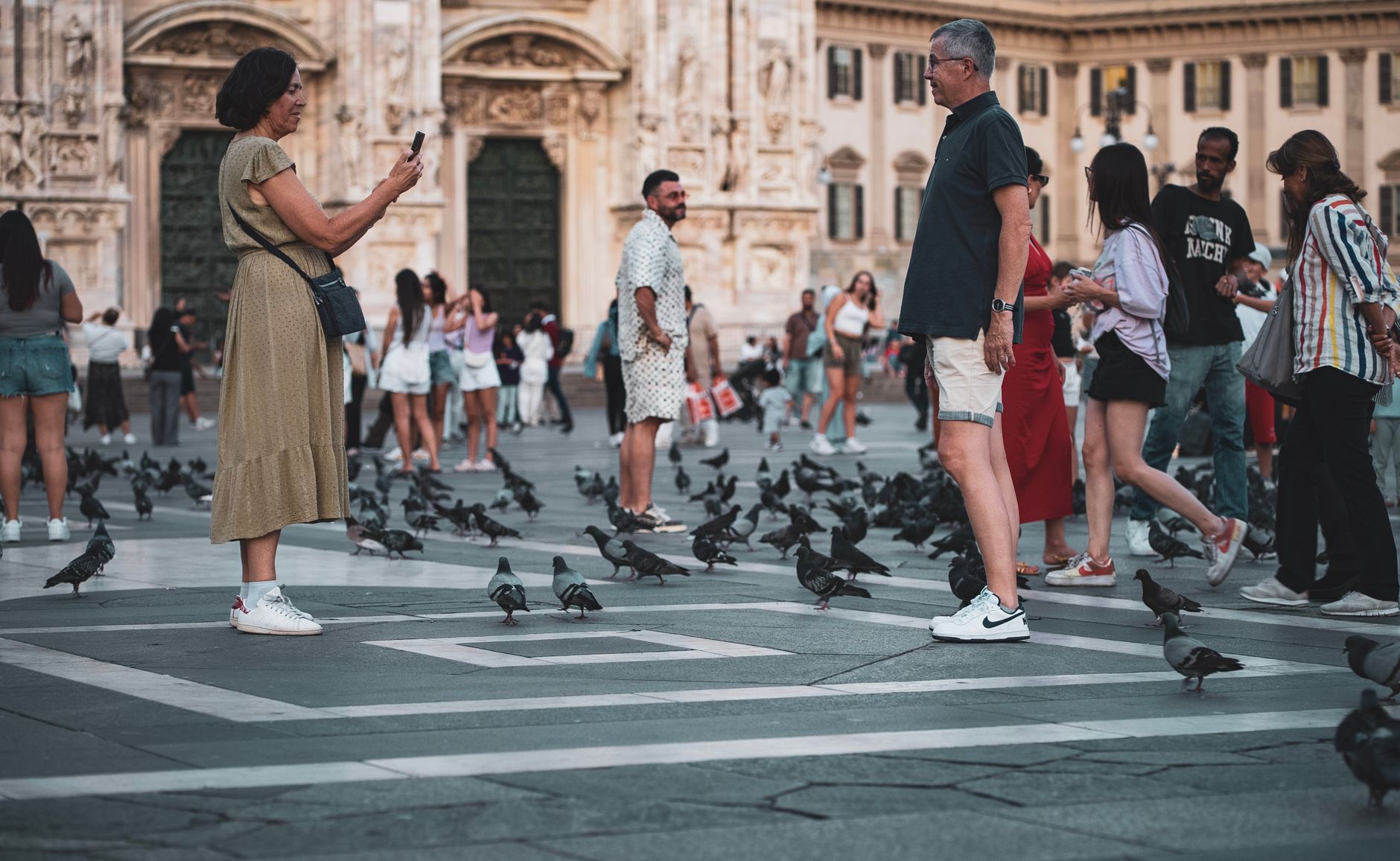
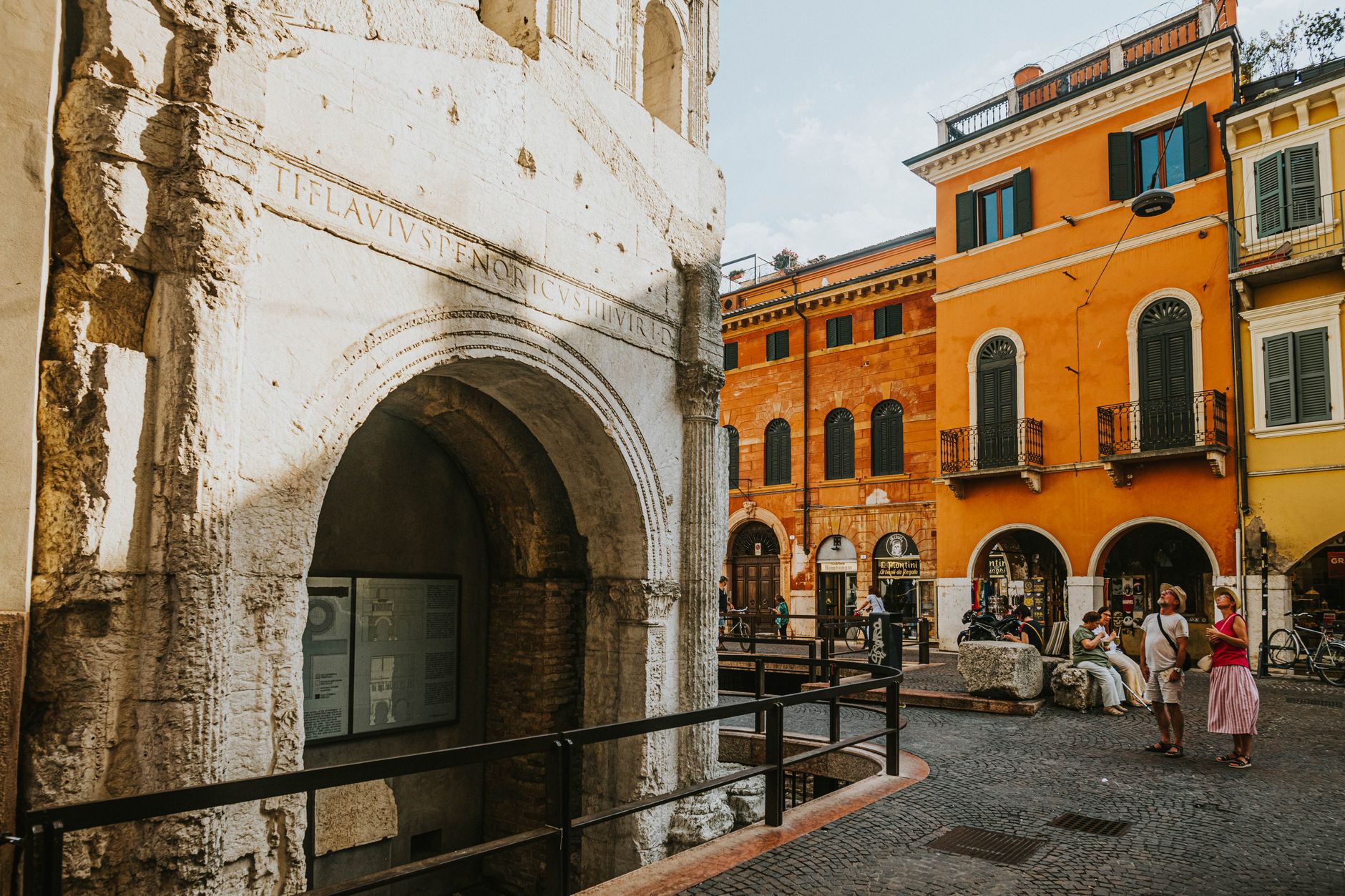
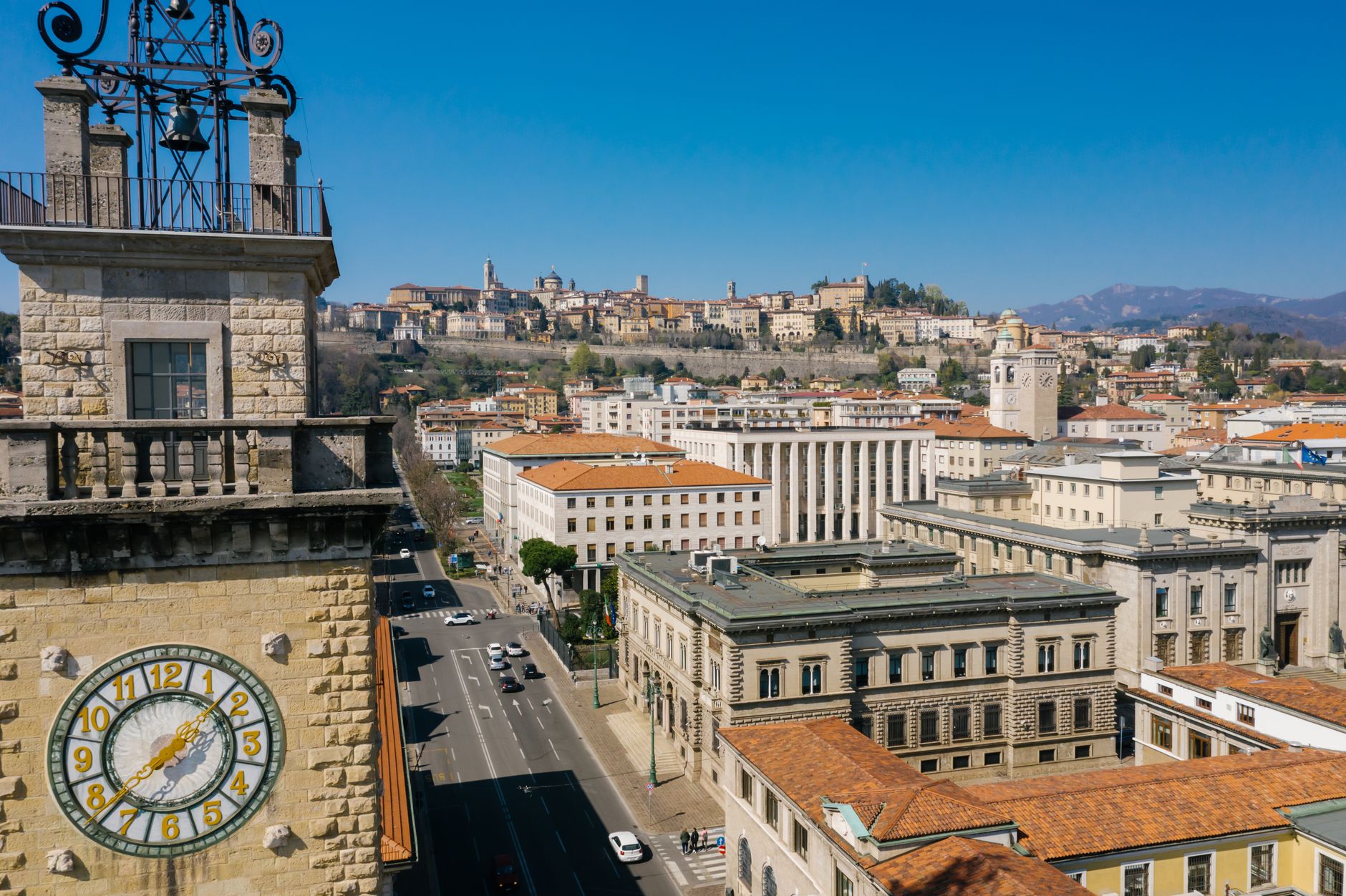
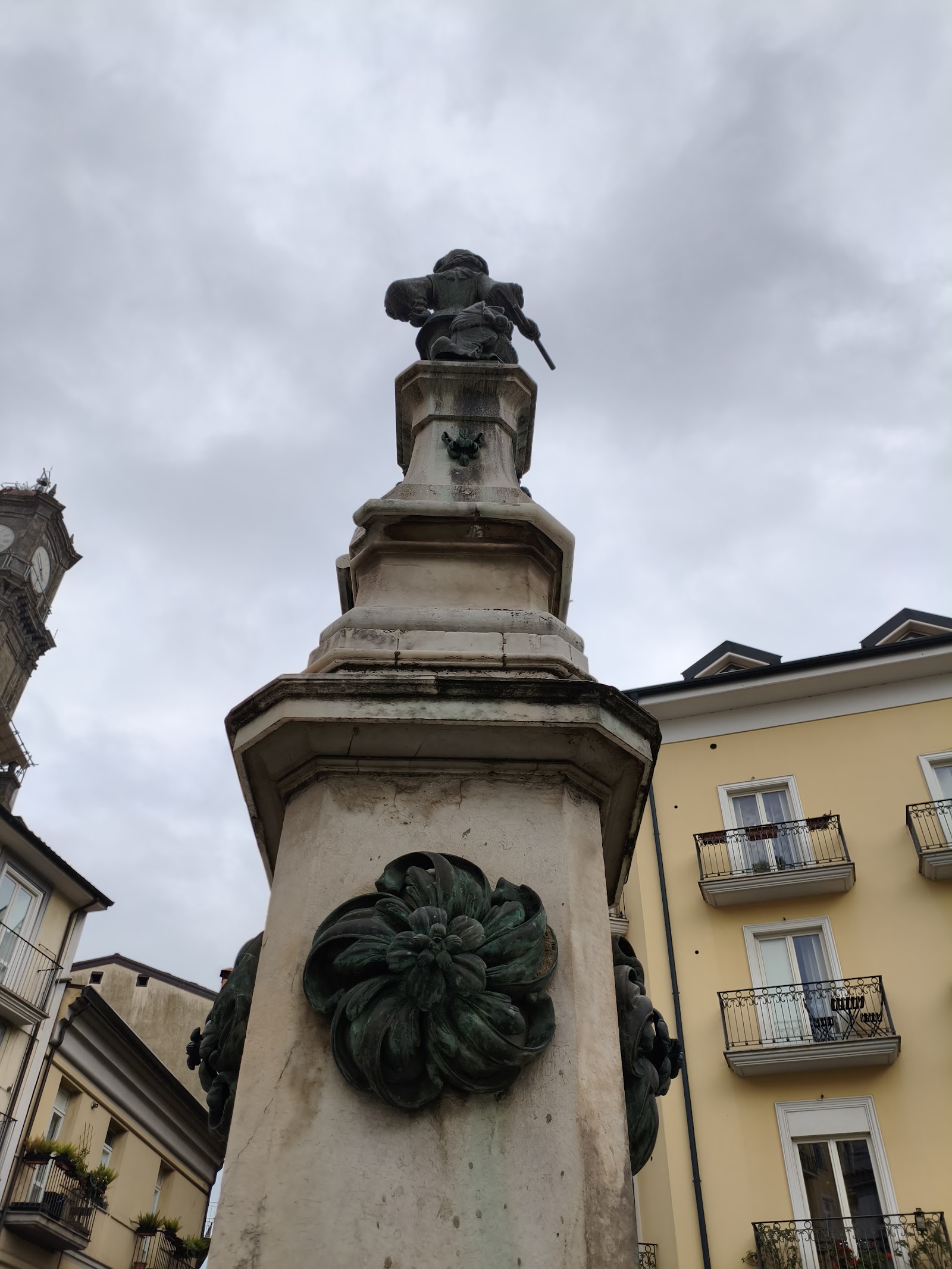
Avellino sits in the Apennine hills of Irpinia, far enough from the coast that most visitors to Campania never arrive — which is precisely why the city still feels like itself. The old centre runs along streets that have been rerouted by Lombard conquest, Baroque ambition, Allied bombs and earthquake, yet somehow the Clock Tower still stands, and the crypt of the cathedral still smells of cold stone and centuries.
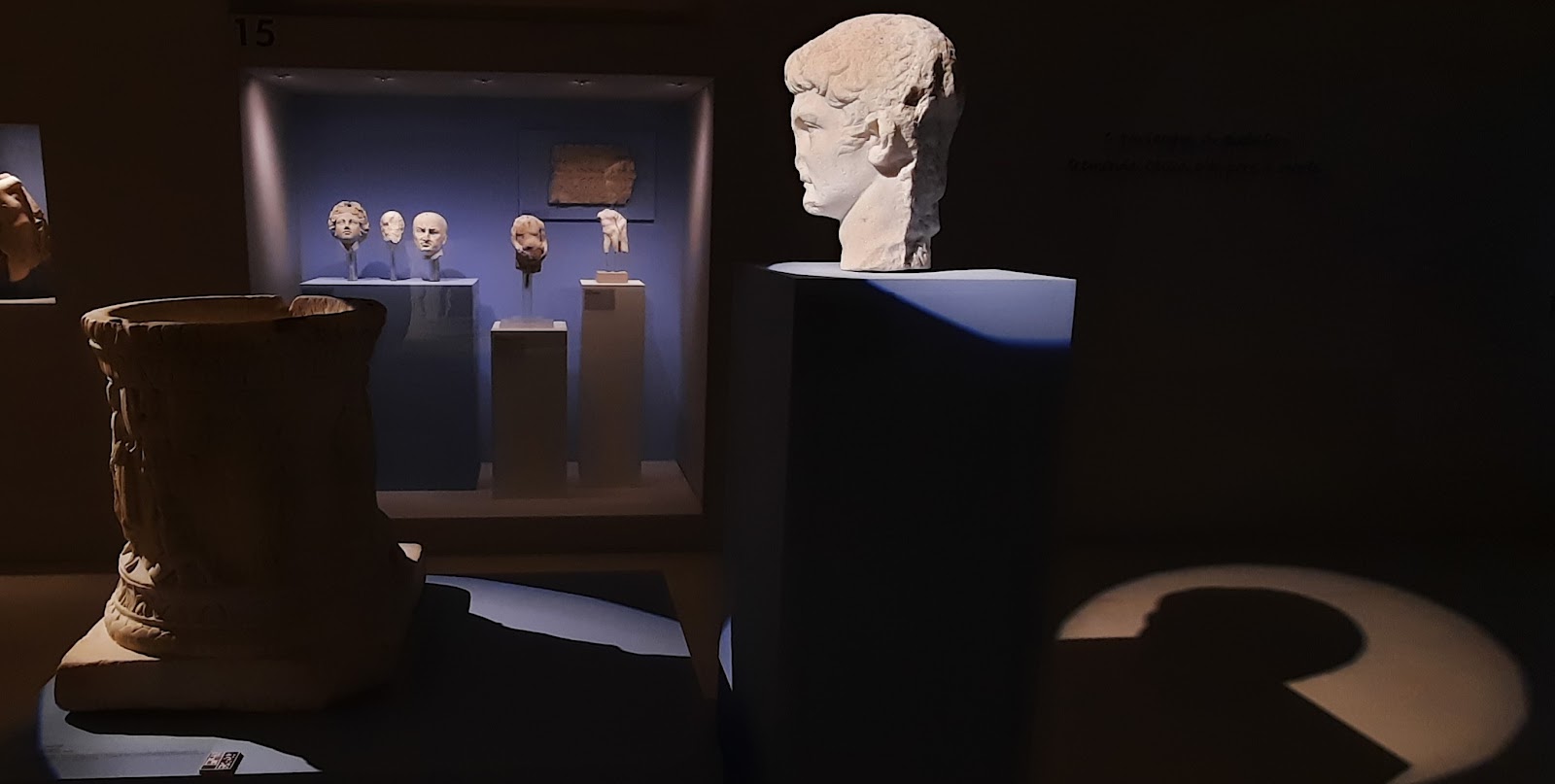
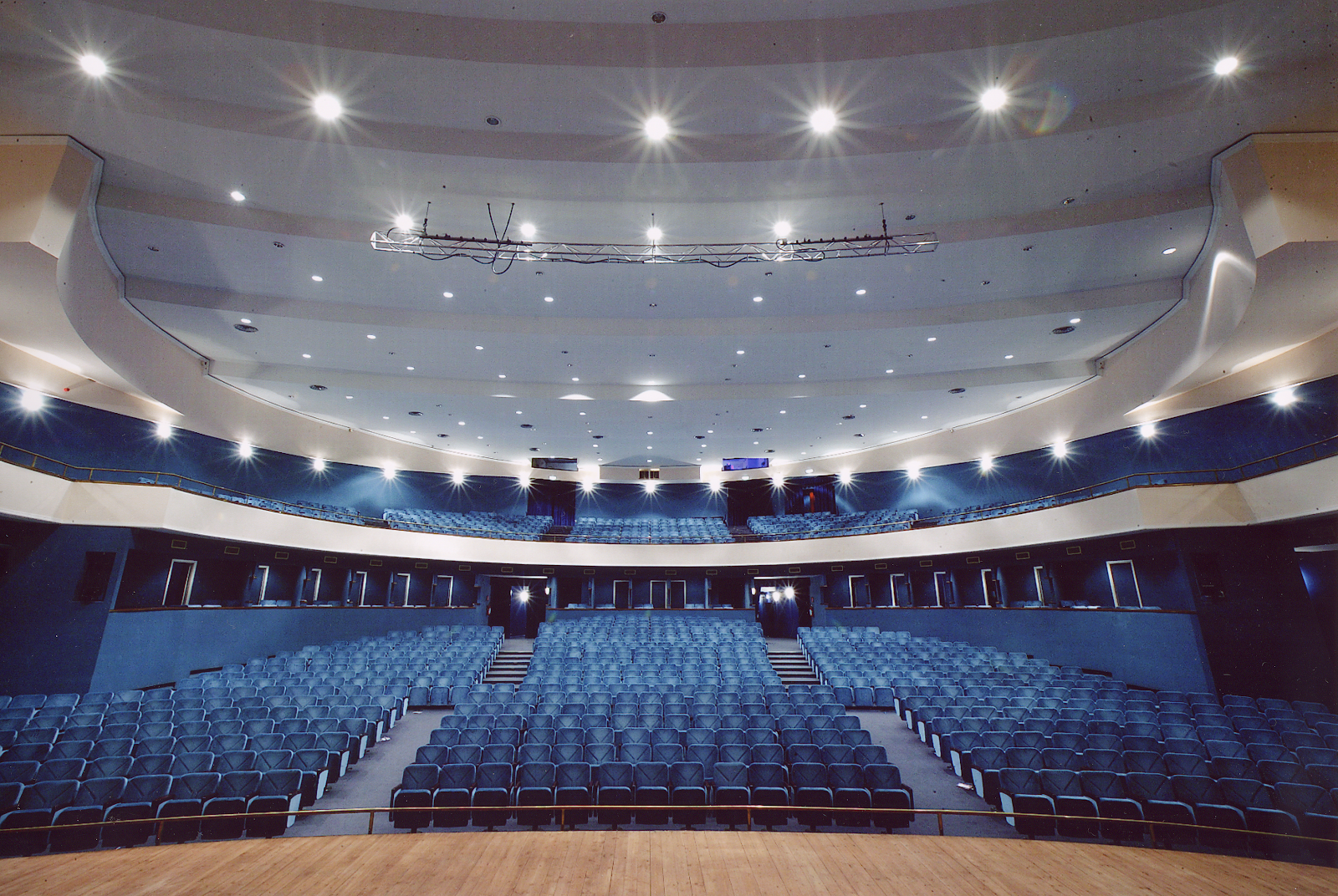
This is a working provincial capital, not a stage set. The Irpino Museum occupies a 19th-century Bourbon prison. The theatre, built in 2002, is considered one of the finest for acoustics in Italy. The hills around it produce some of Campania's most serious wines.
💛 What travellers fall for
People who come back tend to mention the same sequence: descend into the cathedral crypt to see the Romanesque columns and Ricciardi's 17th-century frescoes, then walk up to Villa Amendola for the city panorama, then take the road to Montevergine — the Benedictine sanctuary on the mountain above, where pilgrims have been climbing since 1119.
Experiences you don't want to miss



Deals in Avellino
Book directly at the provider


How Avellino came to be
The name goes back to Abellinum, a stronghold of the Hirpini, an ancient Italic people who held this territory before Rome arrived. The Romans took it in 293 BC, and Lucius Cornelius Sulla refounded it formally in 82 BC as Veneria Abellinatium on the left bank of the Sabato River. Lombards, then the Holy Roman Emperor Otto I, then successive princely families — the Balzo, the Filangieri, the Caracciolo — each left a mark.
In 1820–1821 Avellino served as the operational centre of the Carbonari uprising that forced King Ferdinand I of Naples to grant a constitution, before Austrian intervention crushed the movement in March 1821. On 14 September 1943, Allied bombing killed more than 3,000 civilians — roughly one in eight residents — and destroyed the bishop's palace and other landmarks. Then the earthquakes: magnitude 6.9 on 23 November 1980, killing 82 people in the city, followed by another in February 1981. What stands today is partly ancient, partly rebuilt, partly still marked by absence.
Who and what shaped it
People who shaped it
Landmark buildings
See Avellino in motion
Plan your visit
On the map
When to go
Summers in Avellino are warm but tempered by the Apennine elevation — cooler than the Neapolitan coast, especially in the evenings. Winters can be cold and occasionally snowy; spring and September through October bring mild temperatures and clear light on the surrounding hills.
Right now
↡ Attractions


Background & history adapted from Wikipedia (CC BY-SA) · specs from Wikidata (CC0) · weather from Open-Meteo · map data © OpenStreetMap contributors · photos from Wikimedia Commons / Unsplash with per-image credit. No third-party reviews or social posts reproduced.