Region

Campania

Campania
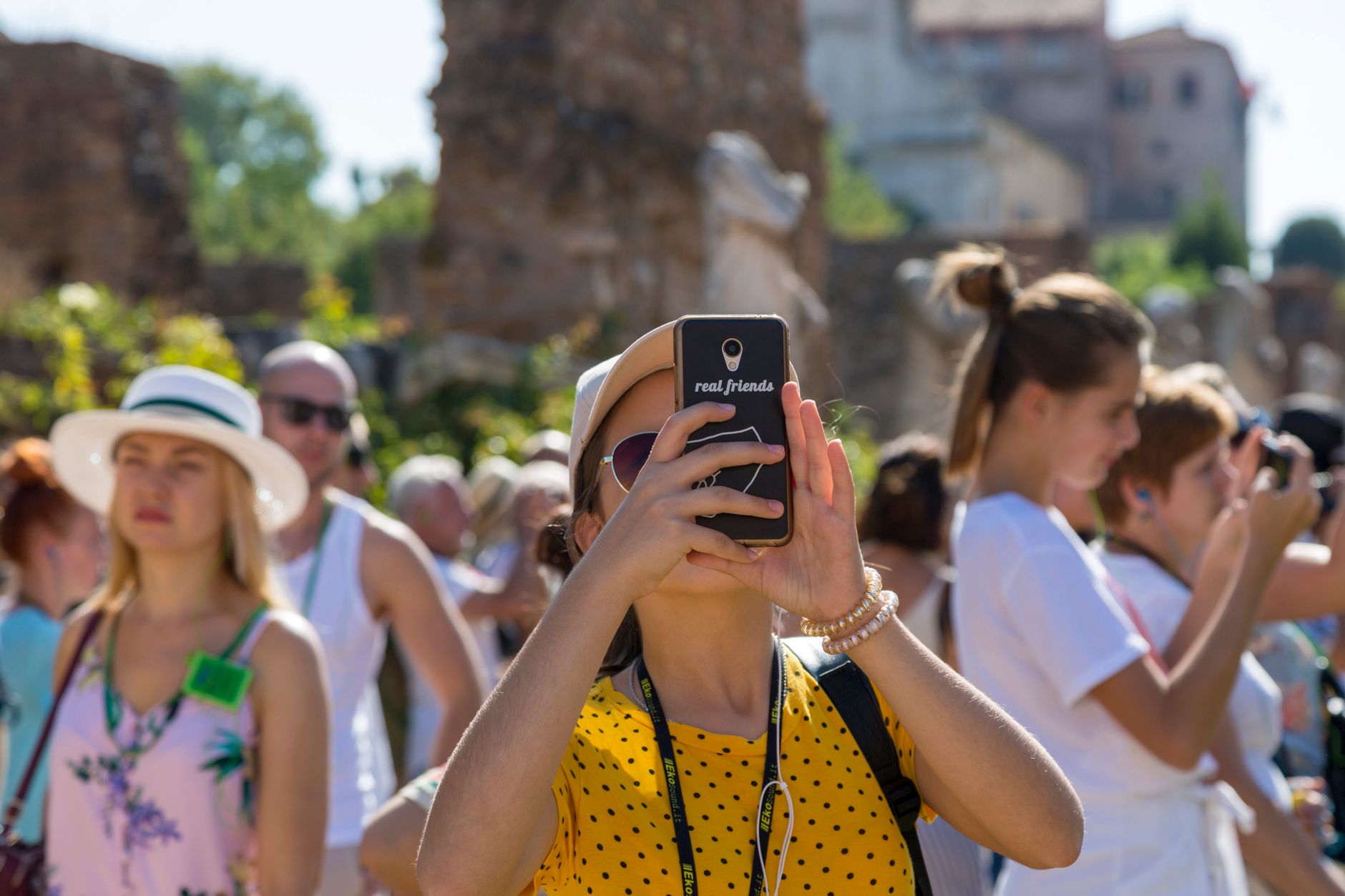
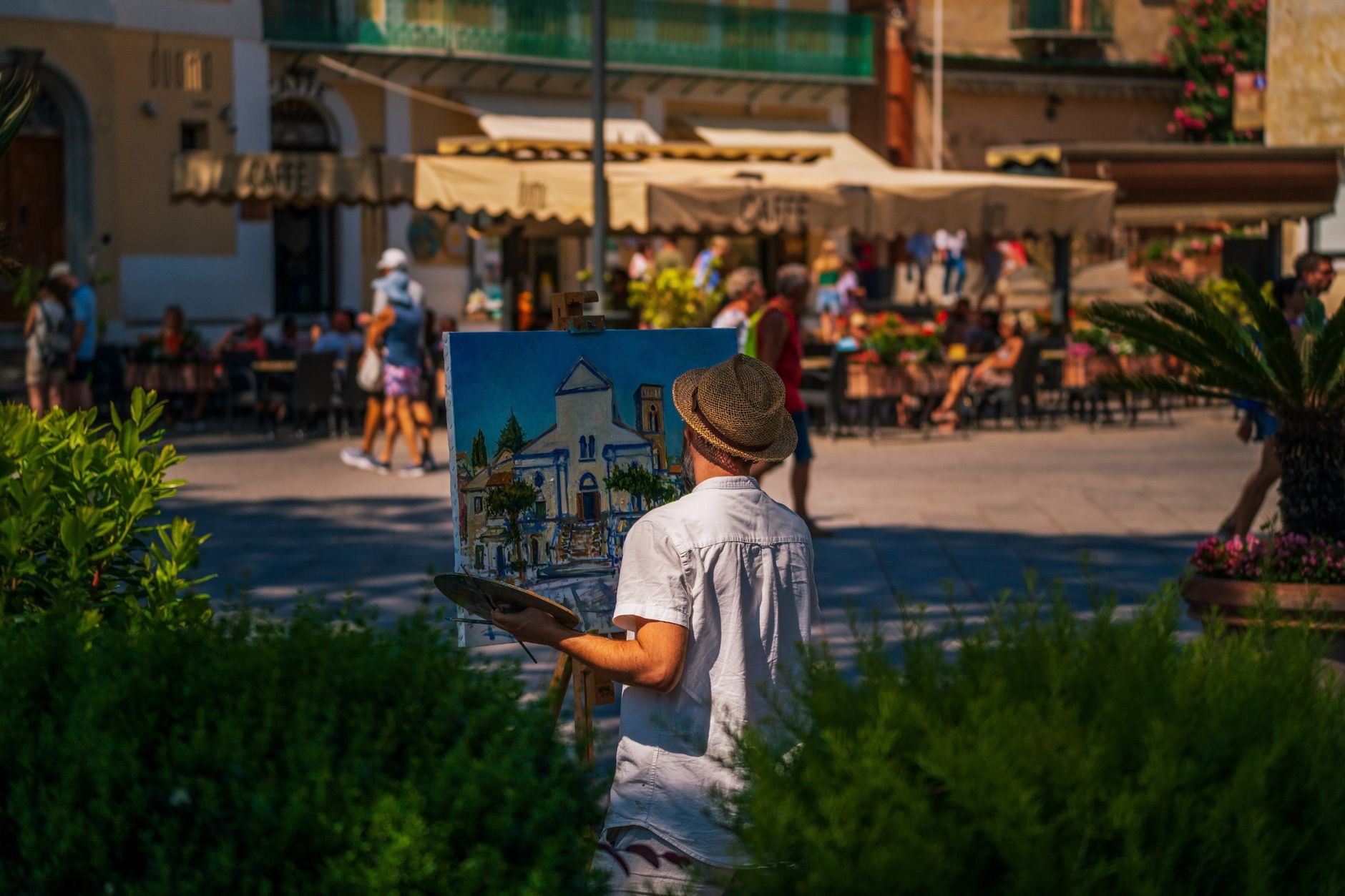
Photo by David Sams on Pexels
Campania
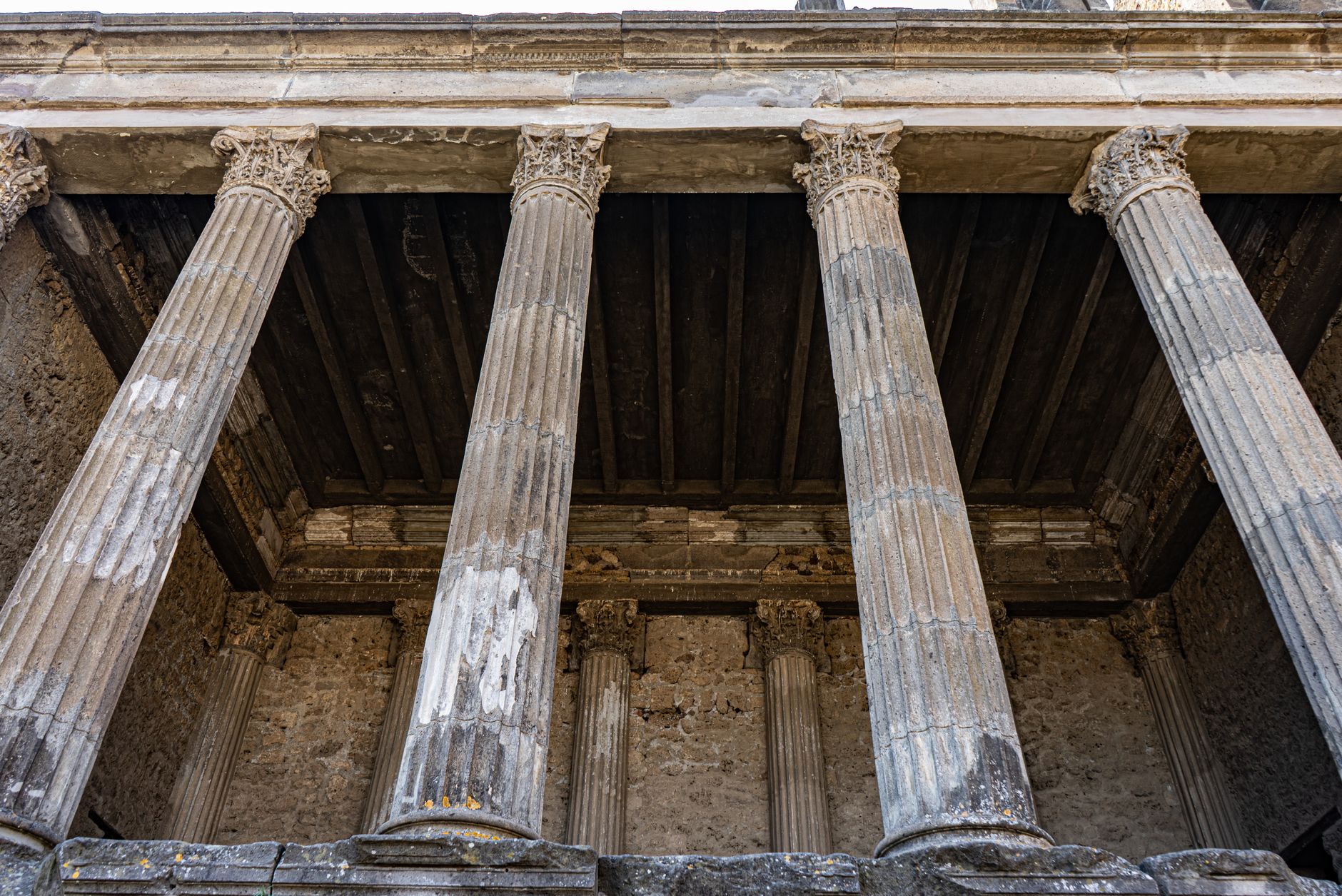
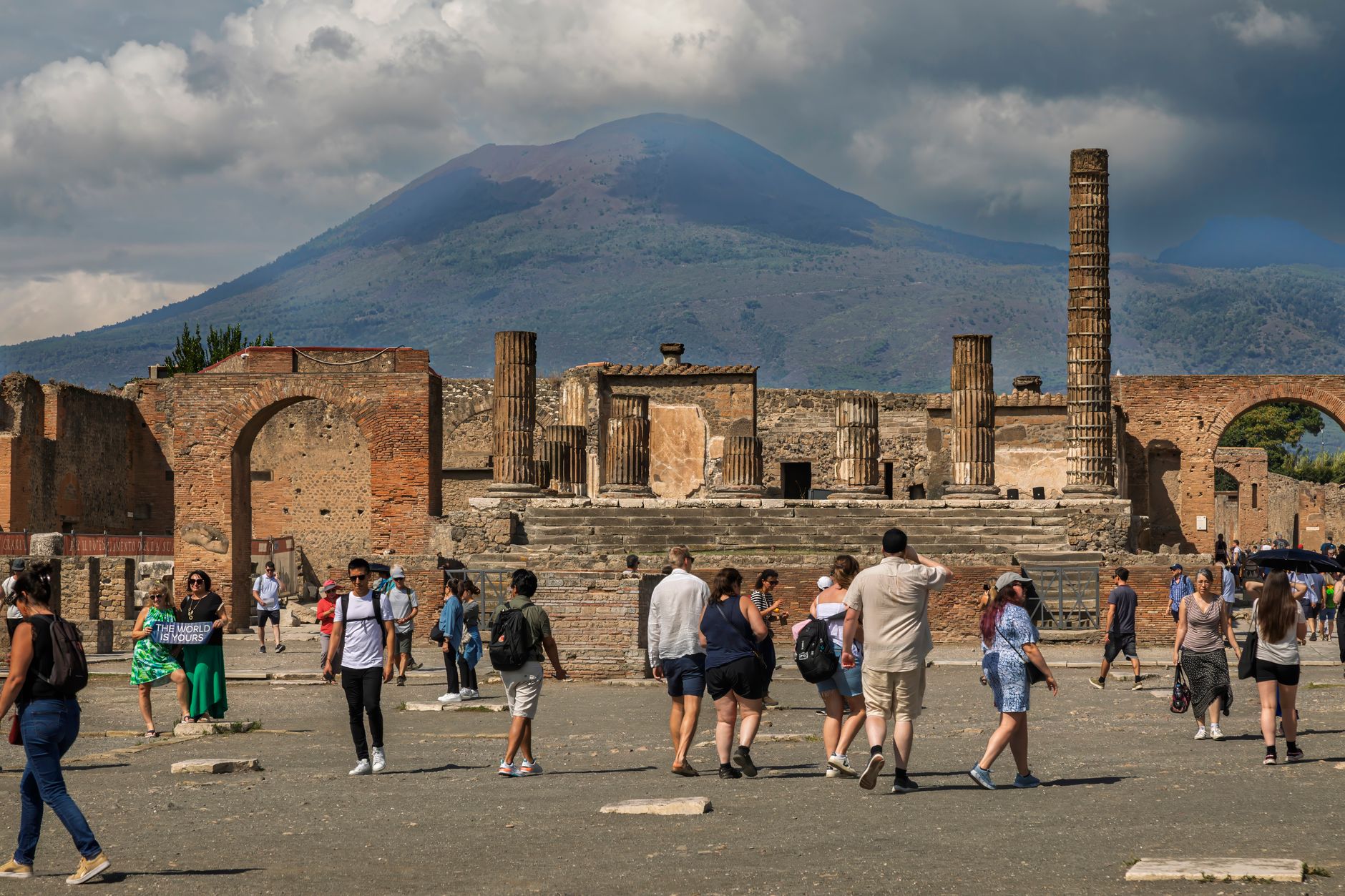
Photo by Alina Chernii on Pexels
Campania
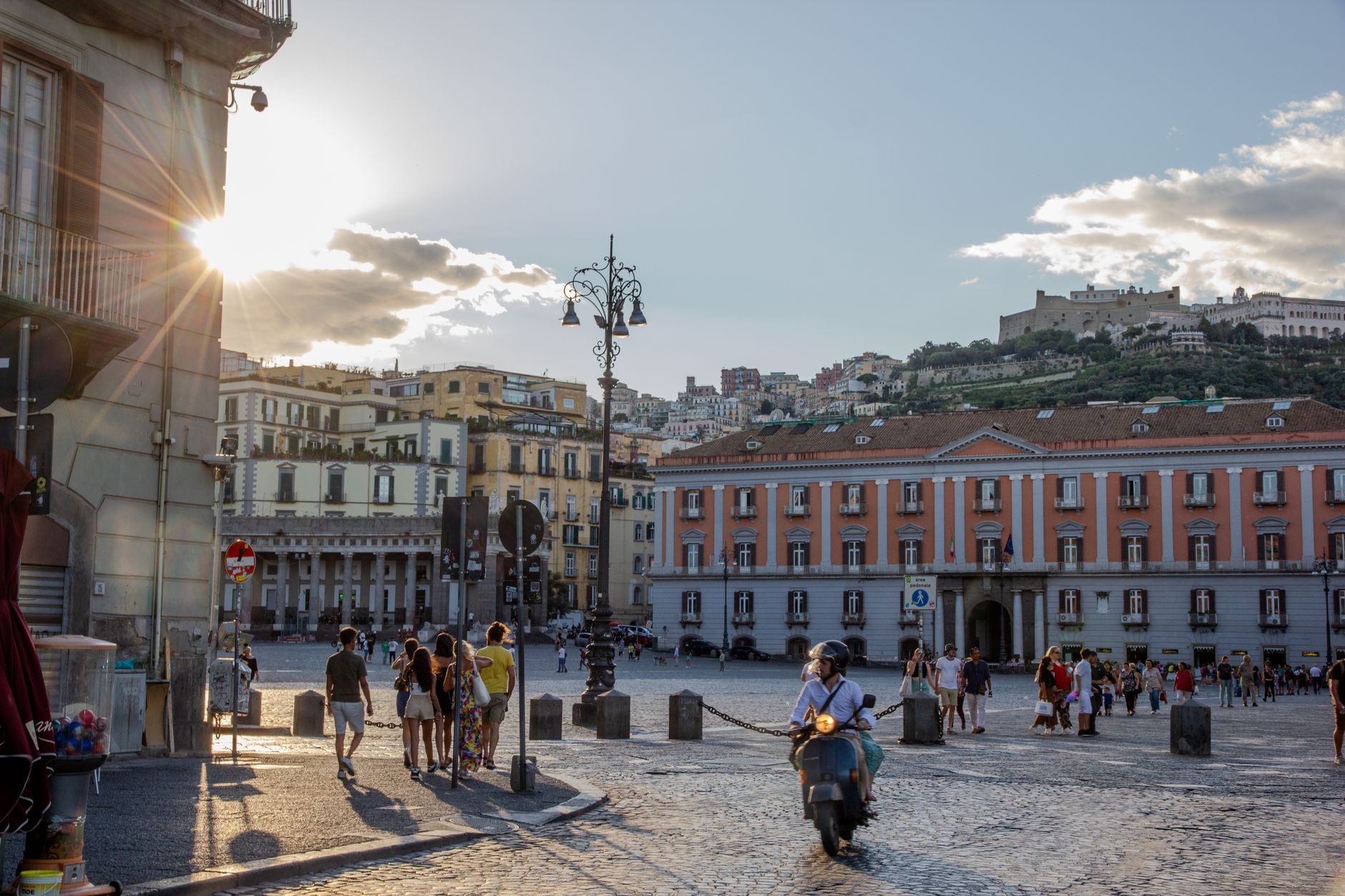
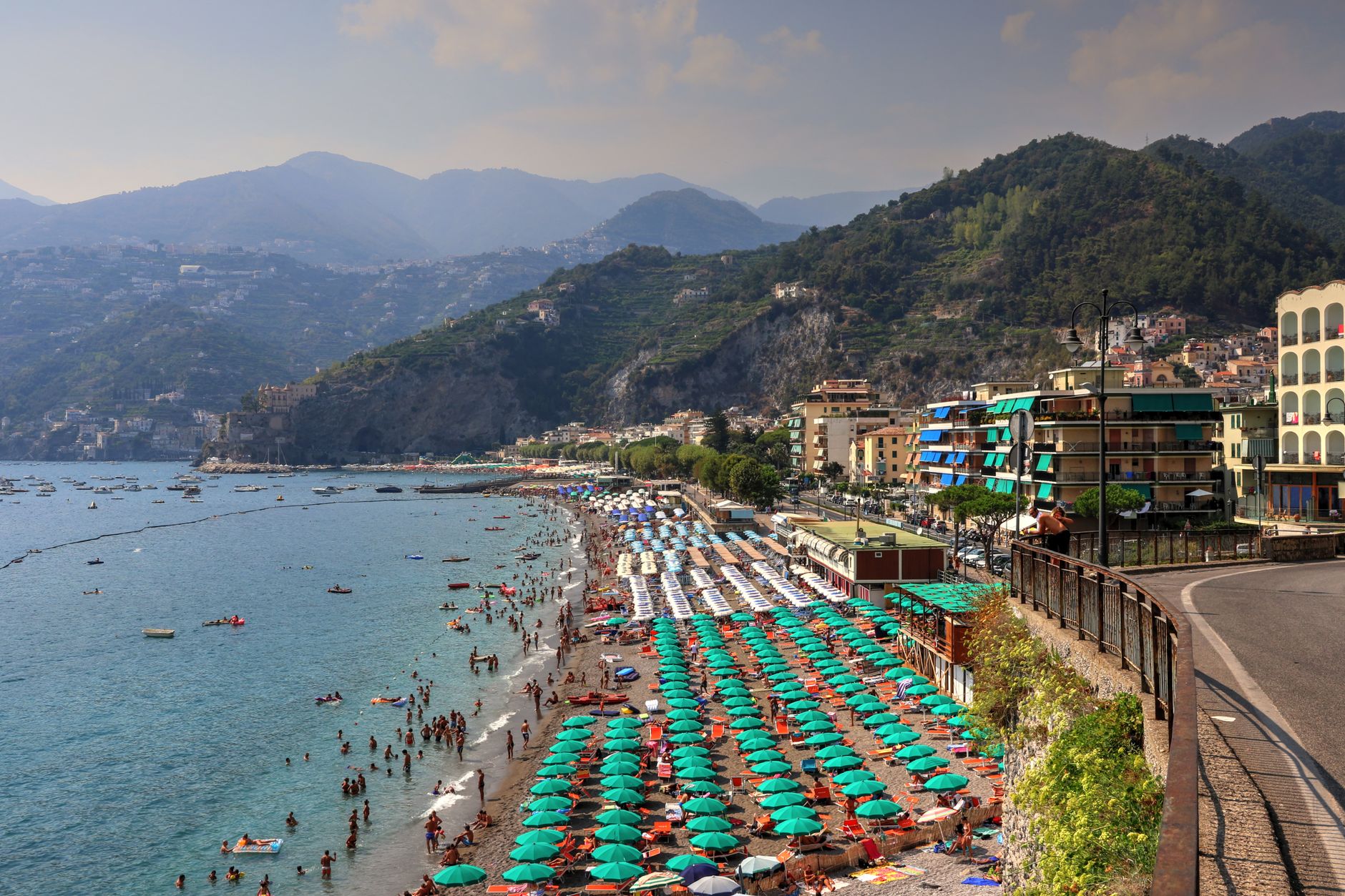
Photo by Arpan Bhatia on Pexels
Campania
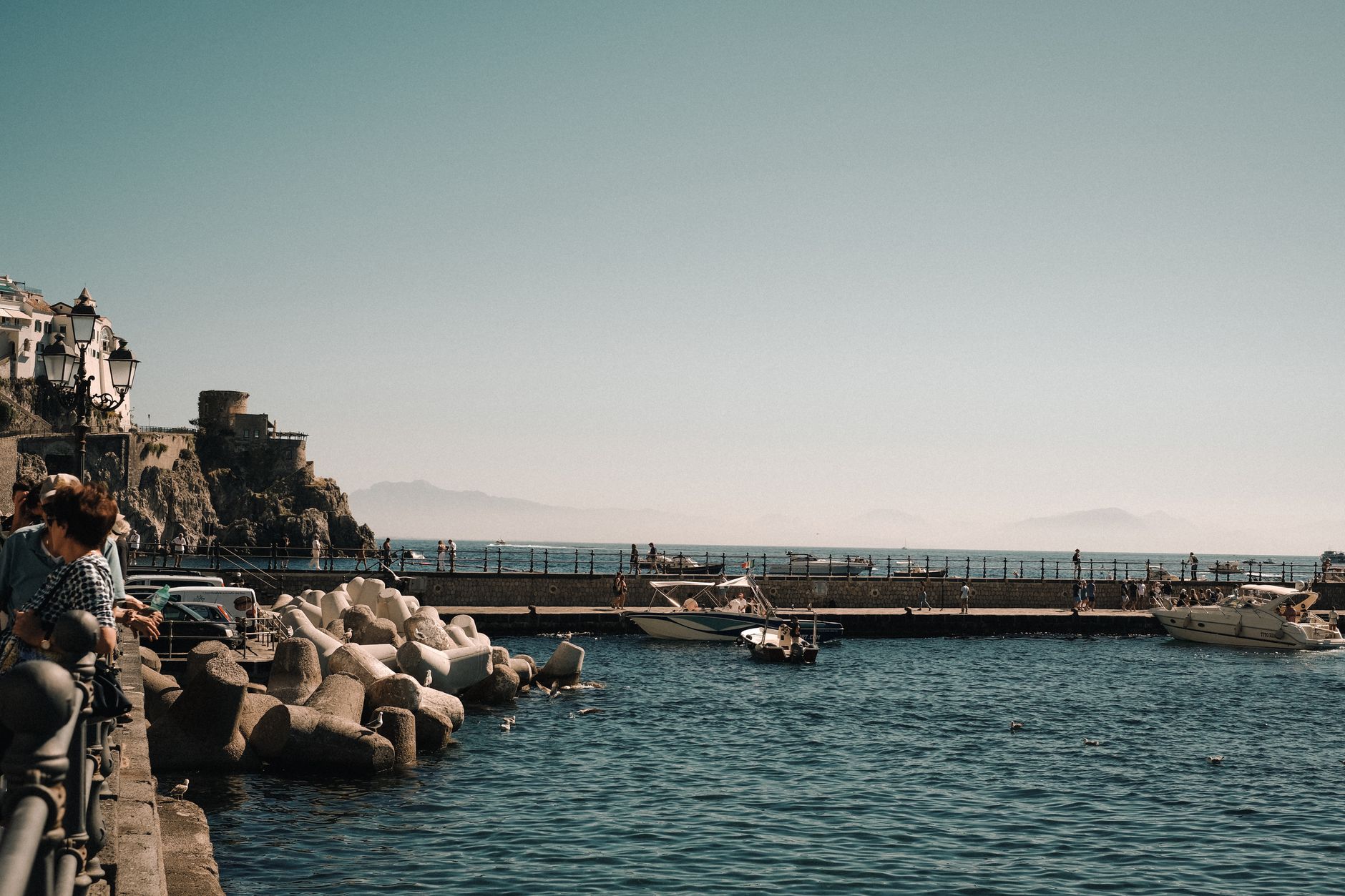
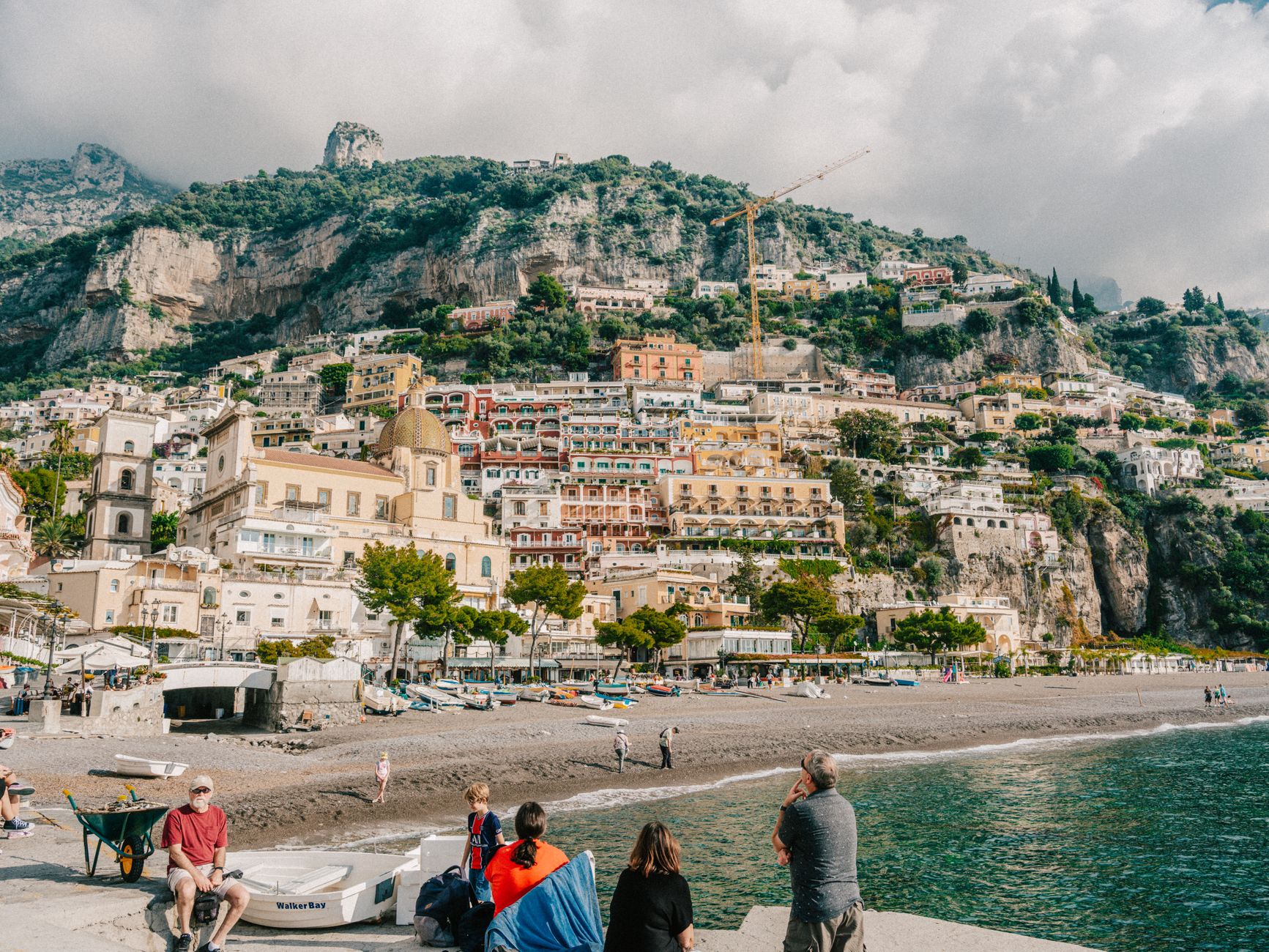
Photo by Alberto Capparelli on Pexels
Campania
Photo by Gildo Cancelli on Pexels
Campania
Photo by Isaac Garcia on Pexels

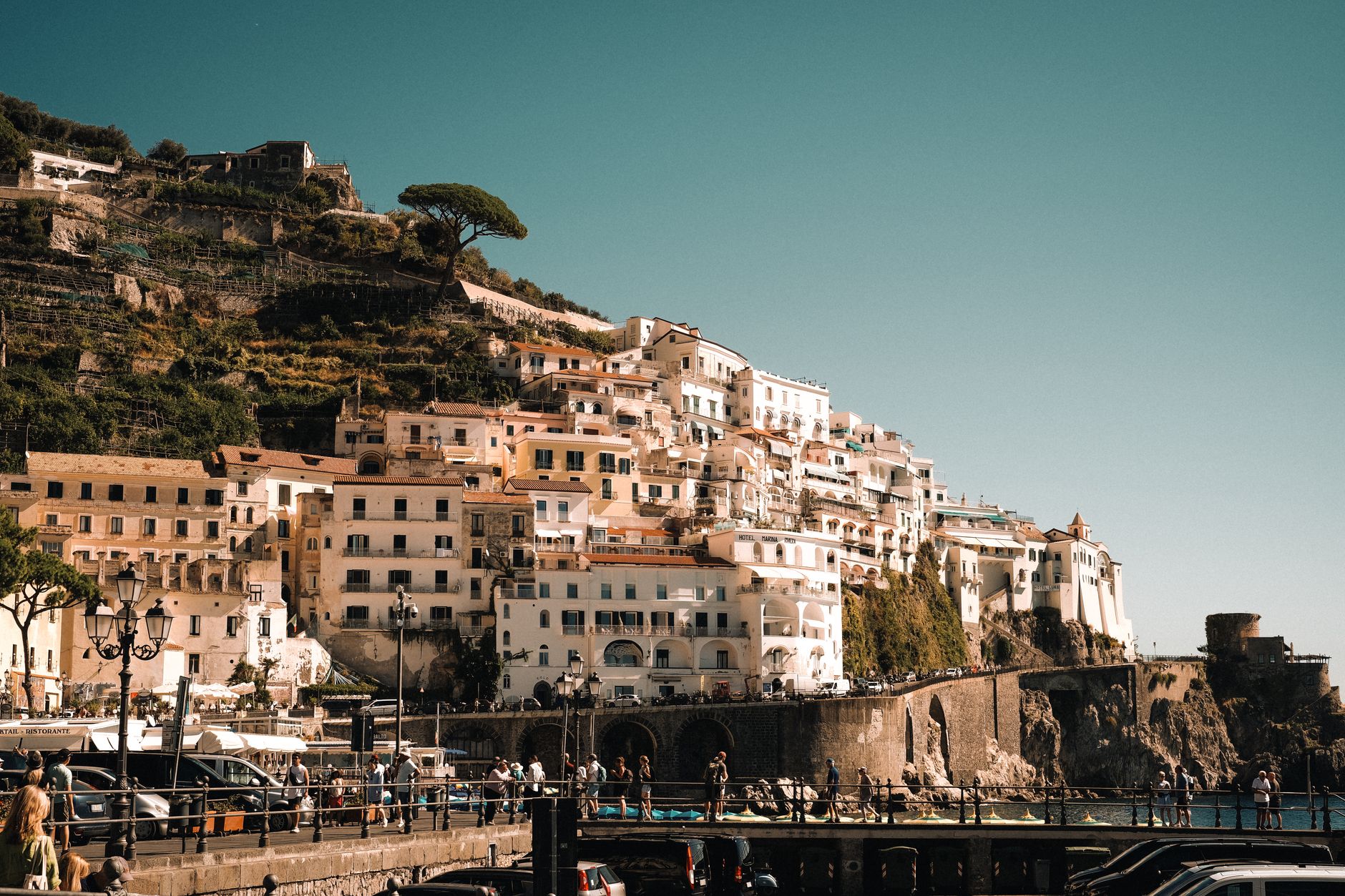
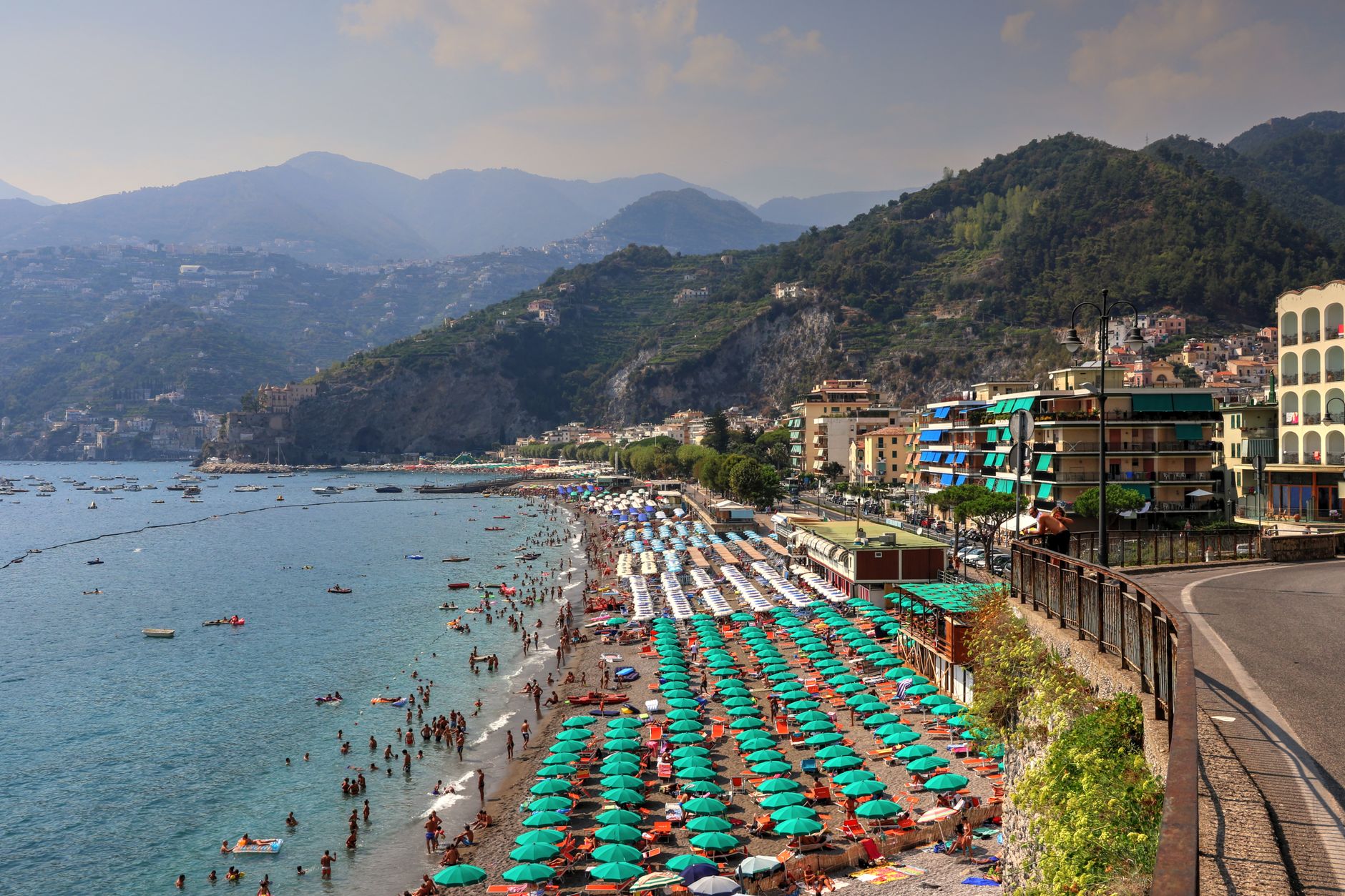
Campania is where the Italian peninsula tilts toward the Mediterranean and refuses to be tidy. Volcanoes interrupt the coastline, Greek temples stand in fields that were already ancient when Rome was young, and a single city — Naples — holds more layers of human history than most countries. The region runs from the crumbling grandeur of Bourbon palaces down to limestone coves where fishing boats still outnumber tourists in the off-season.

What makes Campania worth slowing down for is the density of it. Within a two-hour radius of Naples you can walk the streets of Pompeii, take a ferry to Ischia, and eat lunch beside a Norman fortress. The variety is genuine, not curated.
Good to know
The UnicoCampania TIC ticket covers trains, buses, ferries and funiculars across the region — buy it at stations or tobacconists. The ArteCard (three-day, €32) adds free transit and discounted site entry. Many coastal towns close substantially November through March. At Pompeii, arriving before 10 AM makes a real difference.
The story

How Campania came to be

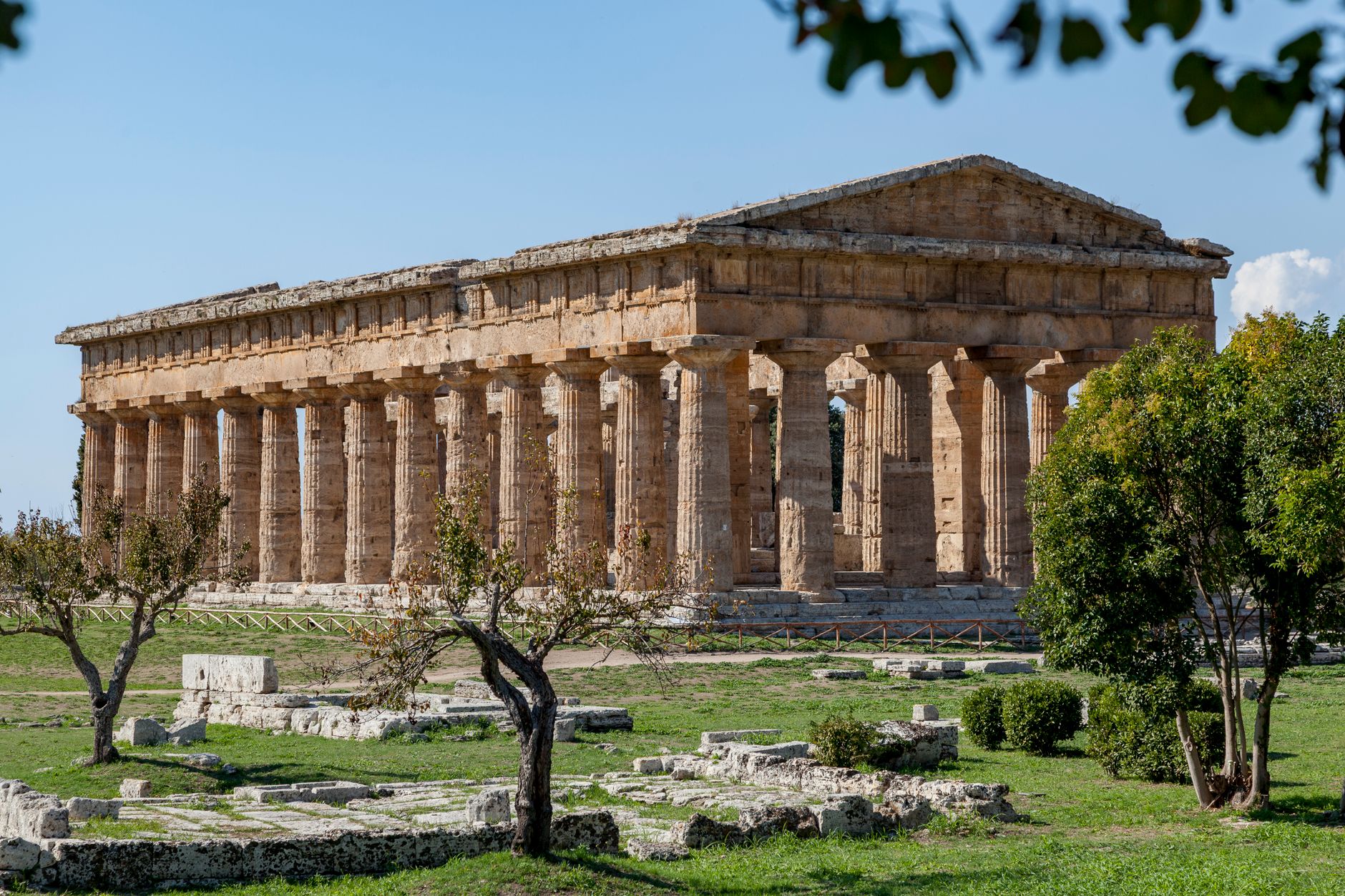
Greeks were here first. In the 8th century BC, Cumaean settlers from Euboea established colonies at Cumae, Ischia, Pozzuoli and Paestum — the latter's three Doric temples still standing in near-complete form. Naples itself began as Parthenope, a small port founded by Greek sailors. By the late 5th century BC the Samnites had pushed through, and Rome absorbed the whole region by the end of the 4th century BC.

What followed was a long succession of rulers — Lombards from 570 AD, Normans in 1139, then Angevins, Aragonese, Spanish viceroys, and finally the Bourbons, whose King Charles VII commissioned the Royal Palace of Caserta around 1750. Unification with Italy came in 1860; a cholera epidemic in 1884 drove waves of emigration that would define the region's modern diaspora.

People & landmarks

Who and what shaped it

People who shaped it

Luigi Vanvitelli
Italian architect who designed the Royal Palace of Caserta c. 1750.
Johann Joachim Winckelmann
German archaeologist who visited Naples, Paestum, Herculaneum, and Pompeii in 1748 to study archaeological sites.
Raimondo di Sangro
Prince of Sansevero; scientist and alchemist associated with the Cappella Sansevero in Naples.
Goethe
German writer who visited Campania and Naples in 1786.

Landmark buildings

Pompeii
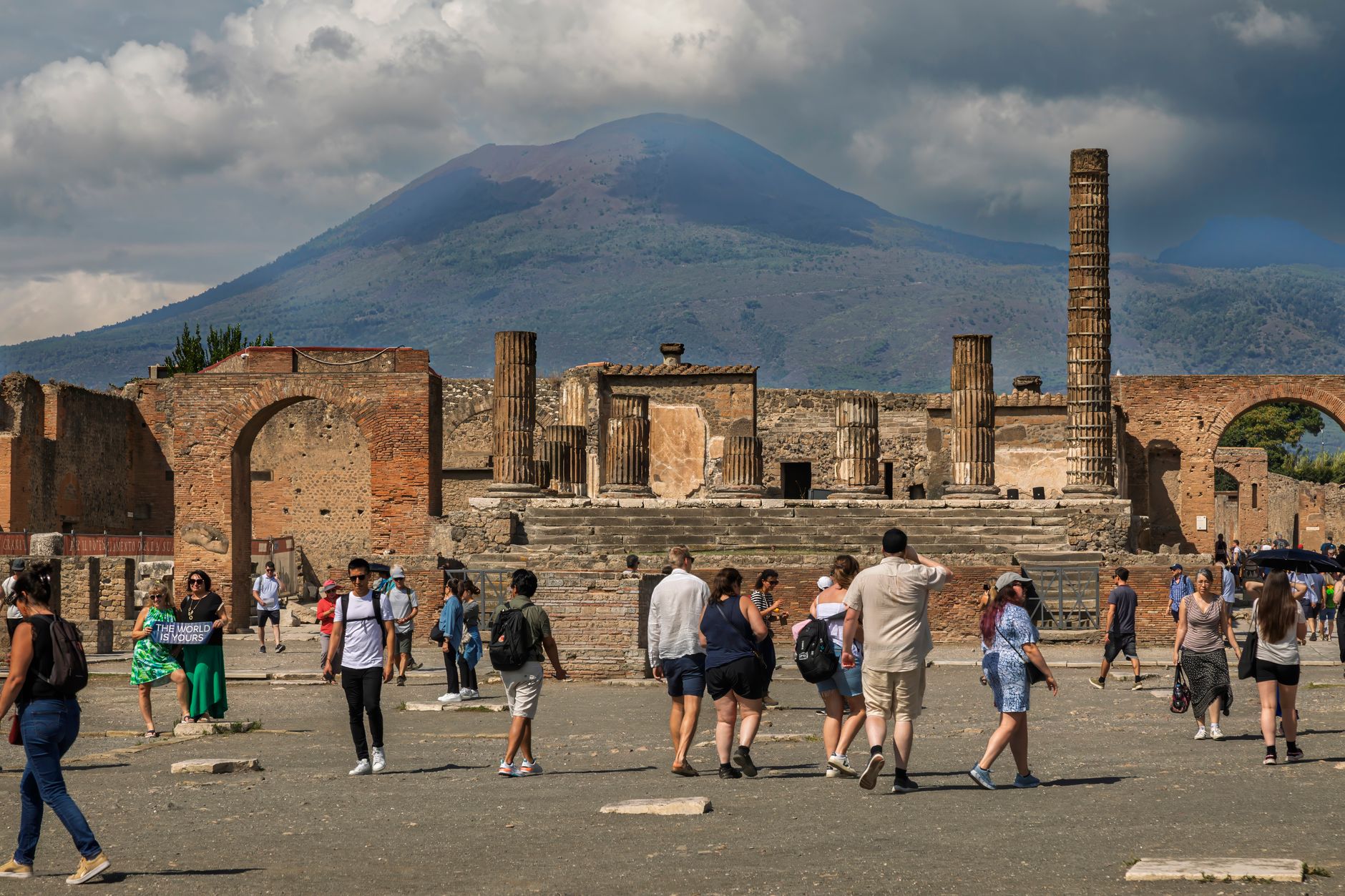
Roman city destroyed and buried by Mount Vesuvius eruption in 79 AD; preserved under volcanic ash and pumice.
Herculaneum
Roman town destroyed by Mount Vesuvius in 79 AD; pyroclastic surges trapped residents indoors, preserving the site.
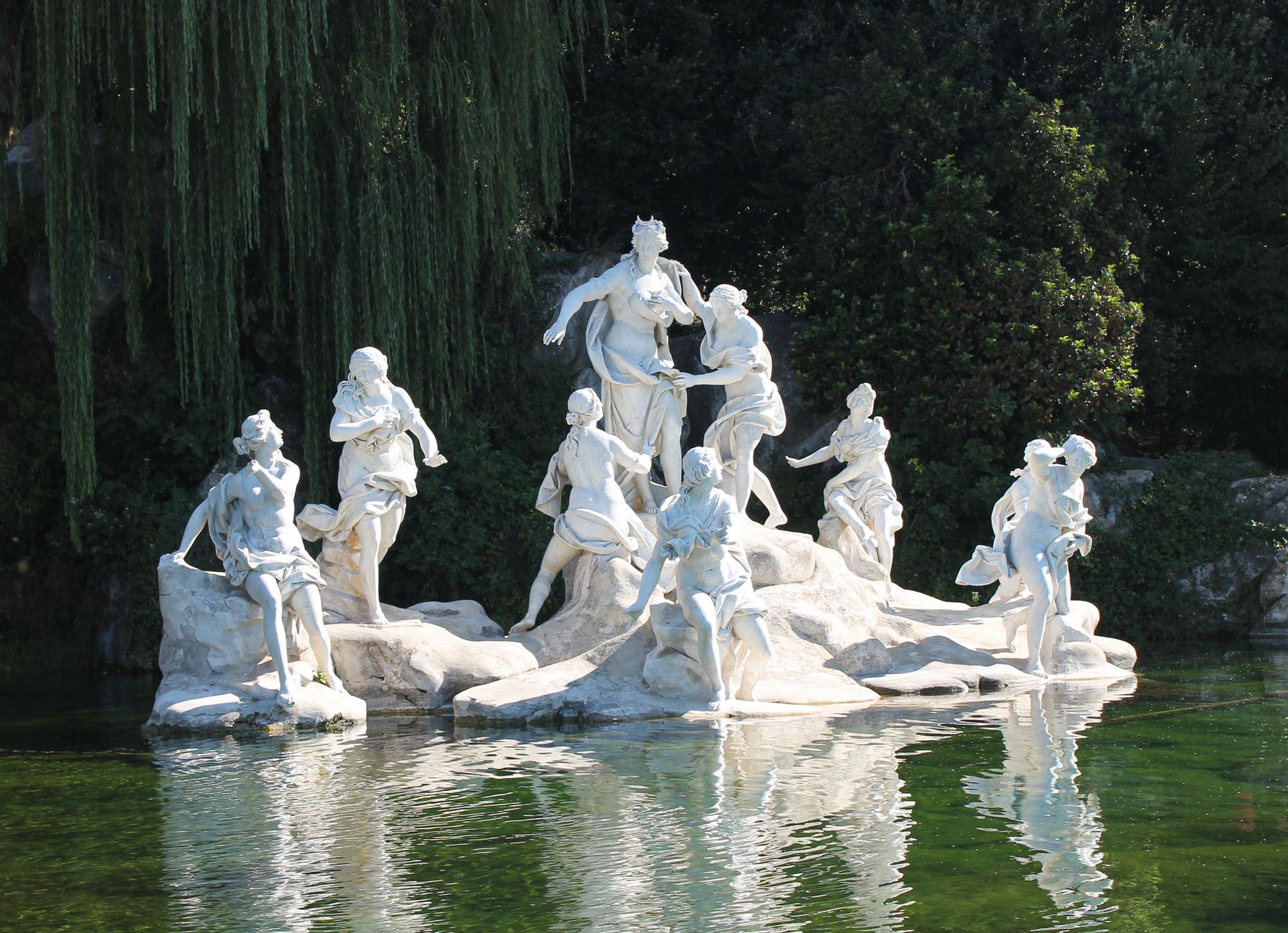
Royal Palace of Caserta
Built c. 1750 by architect Luigi Vanvitelli for the Bourbon court.
Castel Nuovo
Castle built by Charles I in Naples; features stout round towers and a triumphal arch entrance.
Castel dell'Ovo
Waterfront fortress on a small island in Naples; built by Normans and restructured by Aragonese.
Palazzo Reale
Royal palace built in 1600 by Spanish Viceroys on Piazza del Plebiscito in Naples.
Cappella Sansevero
Chapel in Naples inscribed with Christian and Masonic symbols; contains the sculpture 'The Veiled Christ'.
Monte della Misericordia
Octagonal structure in Naples displaying Caravaggio's 'Seven Acts of Mercy'.
Museo di Capodimonte
Former hunting lodge of Bourbon king Charles III in Naples; holds works by Titian, Botticelli, Raphael, and Perugino.
Catacombs of San Gennaro
Approximately 60,278 sq ft of tuff excavations on Capodimonte Hill in Naples; contains ~2,000 burial recesses and 500 sarcophagi.
Santa Sofia, Benevento
Church built by Lombards around 760 AD; monastery added mid-12th century; bell tower dates from 1703.
Practical

Plan your visit

On the map

When to go

Summers are hot and dry, with coastal temperatures regularly above 30°C and heavy tourist traffic from June through August. Spring and autumn — particularly April, May, September and October — offer mild weather and thinner crowds. Winters are cool and wet but rarely severe on the coast, though some island and clifftop destinations wind down operations until March.

Right now

🌫️
27°C
Fog
Sat
🌫️
33°
25°
Sun
🌫️
32°
26°
Mon
🌫️
33°
25°
Tue
🌫️
34°
26°
Weather data: Open-Meteo

Background & history adapted from Wikipedia (CC BY-SA) · specs from Wikidata (CC0) · weather from Open-Meteo · map data © OpenStreetMap contributors · photos from Wikimedia Commons / Unsplash with per-image credit. No third-party reviews or social posts reproduced.

Top