
Museo Irpino
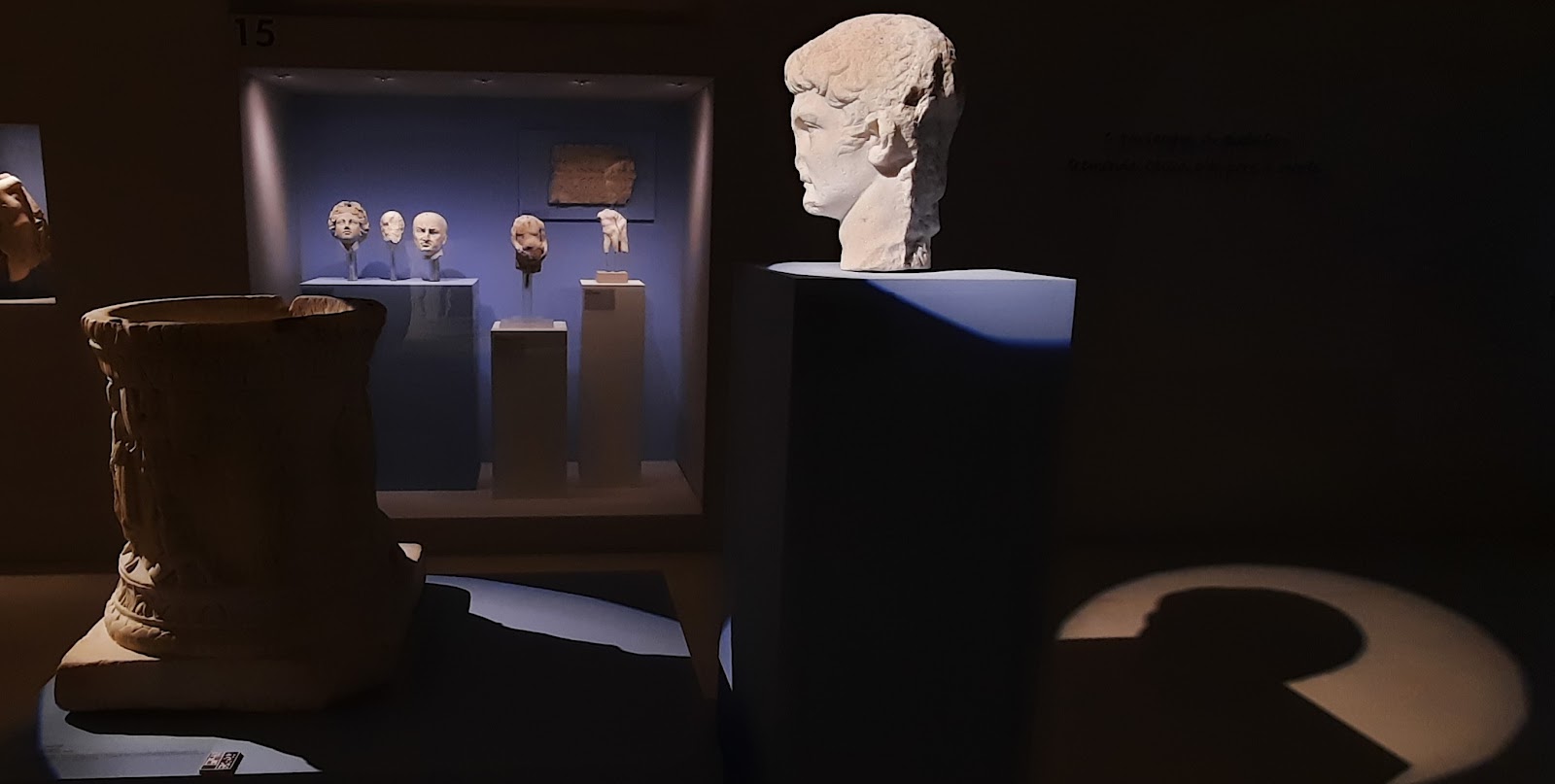
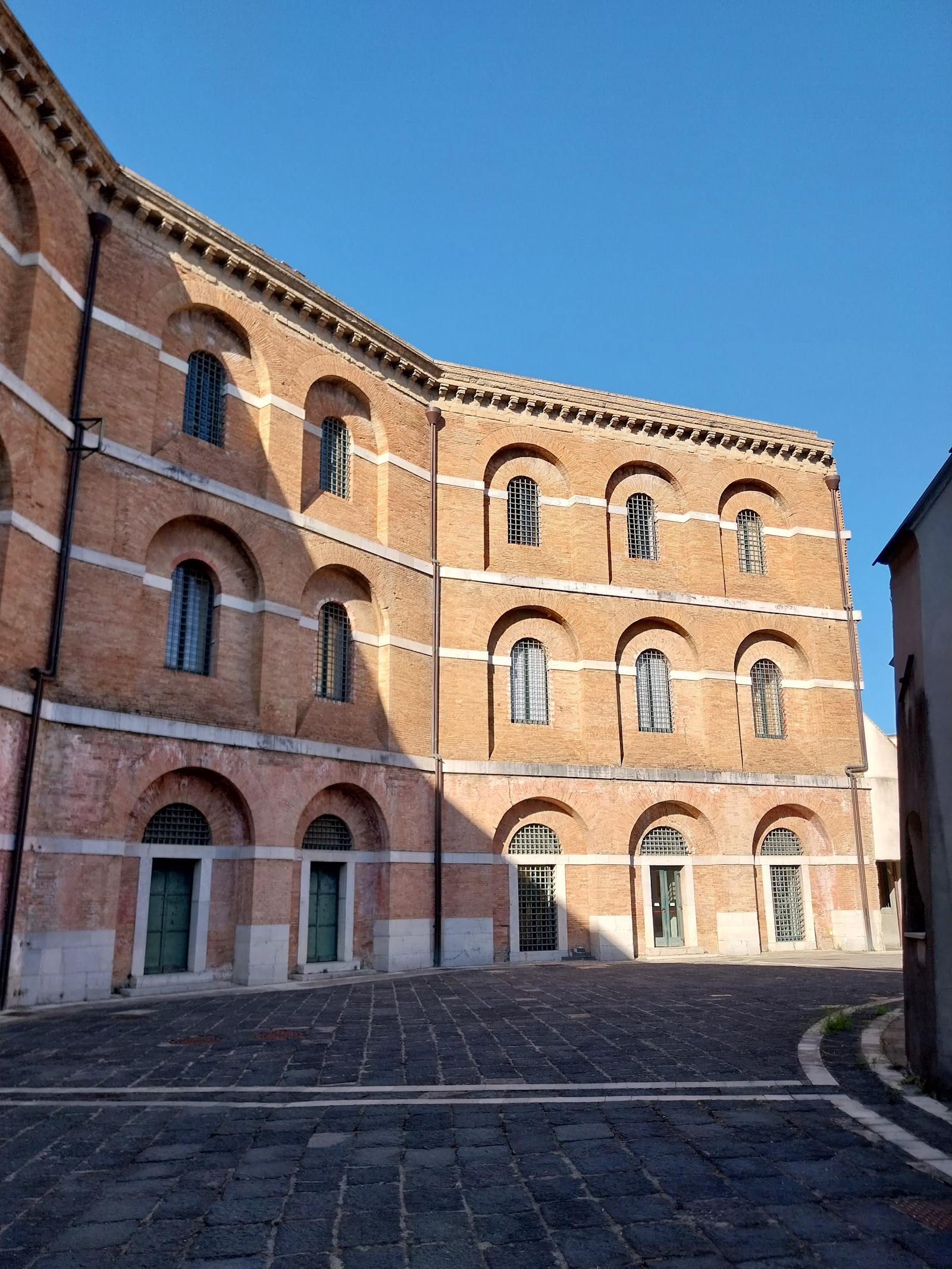
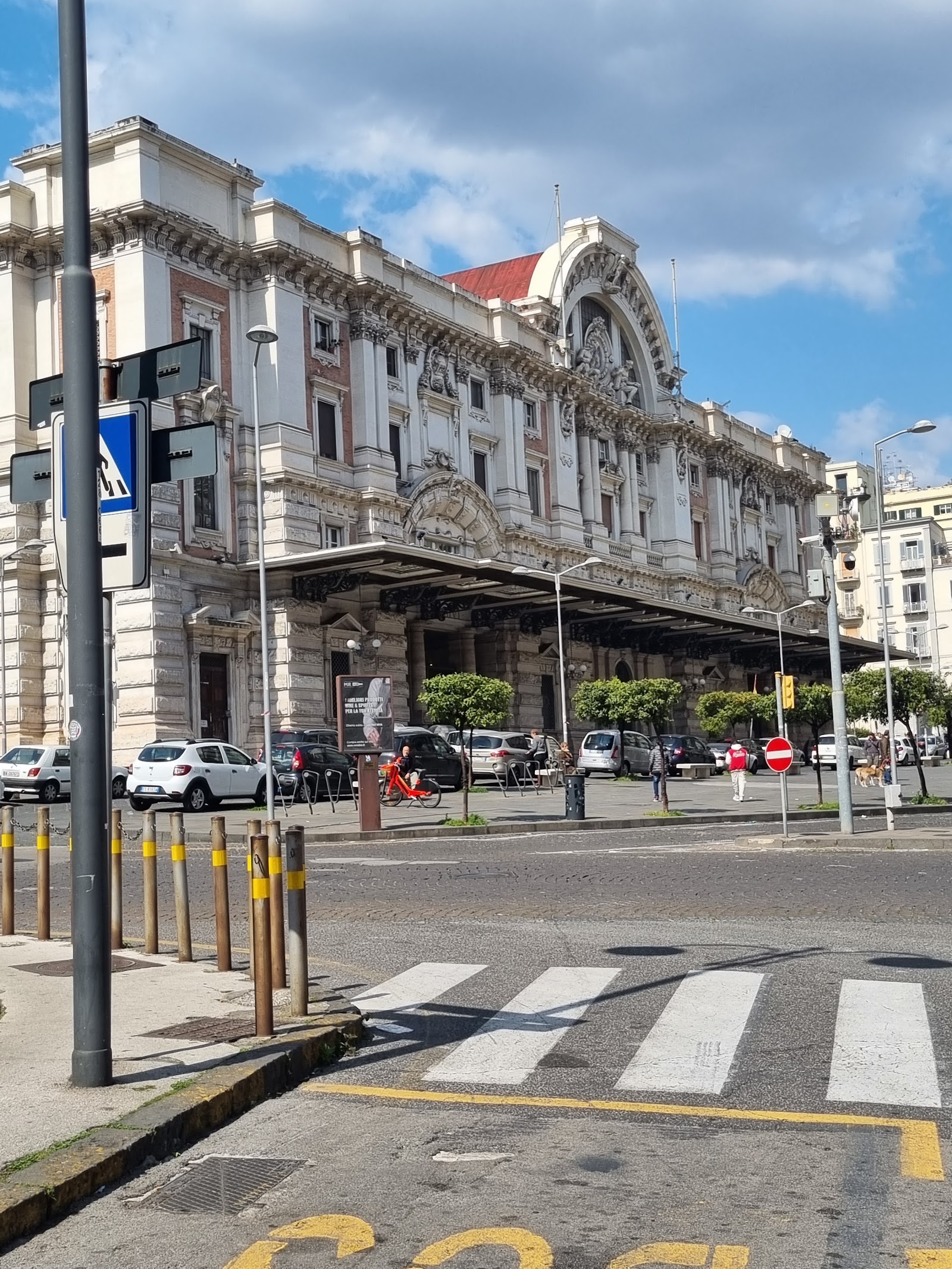
The Museo Irpino runs across two very different buildings, and that split tells you something useful before you even walk in. The archaeological section occupies the Palazzo della Cultura on Corso Europa — a clean neo-rationalist structure designed by Francesco Fariello on the site of a former Bourbon botanical garden, the old garden still attached. The second seat is a hexagonal former prison on Piazza Alfredo de Marsico, its five pavilions radiating outward from a central tholos, dismantled in 1987 and slowly brought back.
The collection ranges from pre-Roman Irpinian antiquities to Risorgimento documents, a scientific section, art galleries, and one genuinely strange object: a wooden xoanon — the body of the goddess Mefite — pulled from a torrent near a gypsum and methane lake in the Valle d'Ansanto, where her cult once held.
💛 What travellers fall for
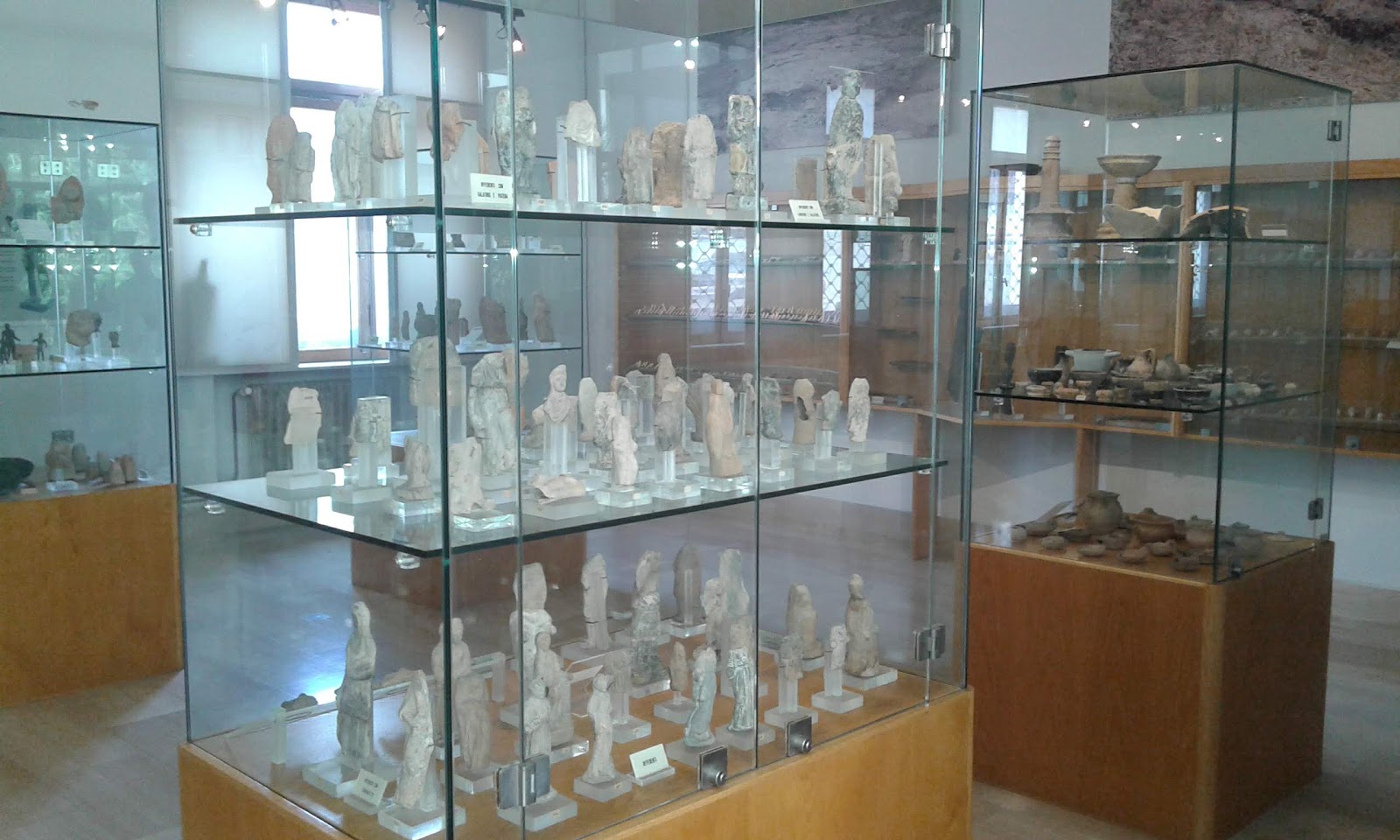
People who come back tend to linger in the Irpinia section on the prison's first floor — the 2019 'Memory and Evolution' exhibition is denser than it looks on a map. Budget ninety minutes there alone. The Salomone Collection, Qing Dynasty porcelain donated in 1935 by a naval doctor, is easy to overlook amid the archaeology but quietly rewards a slow look.
The story behind Museo Irpino
The museum's origin is one man's private obsession. Giuseppe Zigarelli, a lawyer and antiquarian, began assembling a collection in 1828 and spent the rest of his life adding to it. When he died, he left everything — by testamentary bequest — to the Municipality of Avellino. The Museo Provinciale Irpino was formally established on 28 October 1934.
The current Palazzo della Cultura came later: Fariello won a national design competition in 1955 and the building opened in December 1966. The former Bourbon Prison, whose hexagonal plan was drawn by engineer Giuliano De Fazio on commission from Ferdinand I, was dismantled in 1987 and eventually restored to serve as the museum's second seat. Scholar Mario Napoli oversaw the arrangement of the collections in the 1970s.
Good to know
Entry is free at both sites. Guided tours require advance booking; groups and schools must reserve. Allow at least two hours across the two buildings, more if you want the full guided circuit. Check current opening hours on the official site before visiting — they vary by day and section.
Where is Museo Irpino?
More tickets & tours for Museo Irpino
Book directly at the provider
What travellers say about Museo Irpino
The Irpino Museum impressed me with the richness of its collections and the engaging way it recounts the history and traditions of the Irpinia region. During my visit, I appreciated the layout of the spaces and the variety of exhibits, which make the tour interesting and stimulating. Located in the heart of Avellino, it's an ideal place to delve into local culture and enjoy an experience rich in history and charm.
Housed in the former Bourbon prison, the Irpino Museum was founded in the postwar period to promote love and understanding of the province of Avellino. The remarkable artistic and cultural heritage on display, originating from across Irpinia, spans more than two millennia of history. The collections housed here are comprised of original artifacts and materials, divided into sections, ranging from archaeology to weapons collections. They house extraordinary cultural artifacts, including the Gesualdo family crest, the first book printed by an Irpinian, a magnificent Roman sacrificial altar, and Bourbon documents and decorations. The museum also houses busts and paintings of illustrious Irpinians, such as de Sanctis and P.S. Mancini. The exhibition concludes in the science room, which houses instruments used in Avellino's high schools at the end of the 19th century.
Spectacular. Truly magnificent. A journey through time. A must-see. All the sections are interesting, from pre-Roman to the present day; what can I say... the Risorgimento section is truly one of a kind. The exhibits are superb, and I also appreciated being able to visit part of the depot. Congratulations!
This museum, located within an equally interesting historical complex, is admirable. It's beautifully crafted, with objects, panels, audiovisuals, and even a touch of representation, making use of the various rooms of the former prison on three different levels. A highly informative tour that occupies half of this Bourbon prison and begins at the Palazzo della Cultura, where the Giulio e Scipione Capone Provincial Library is located. It's a shame that a number of projectors and screens were not working. The room dedicated to Mefite is very evocative. The virtual theatrical performance is very poetic. The collection of university scientific instruments is fantastic, lovingly curated by two professors, whom you might encounter performing maintenance and who would be happy to explain how they work.
A very interesting and well-curated museum located in the Bourbon prison where it's housed, covering aspects of Irpinia culture over the centuries. Friendly staff and free admission; I highly recommend it.
More of Avellino
Discover where to stay, what to do and the best deals for your trip.
Explore Avellino →More attractions in Avellino
All of Avellino →
Background adapted from Wikipedia (CC BY-SA) · map data © OpenStreetMap contributors · ratings & place photos via Google · other photos with per-image credit. Ticket links may earn us a commission at no extra cost to you.