
Phuket, Thailand
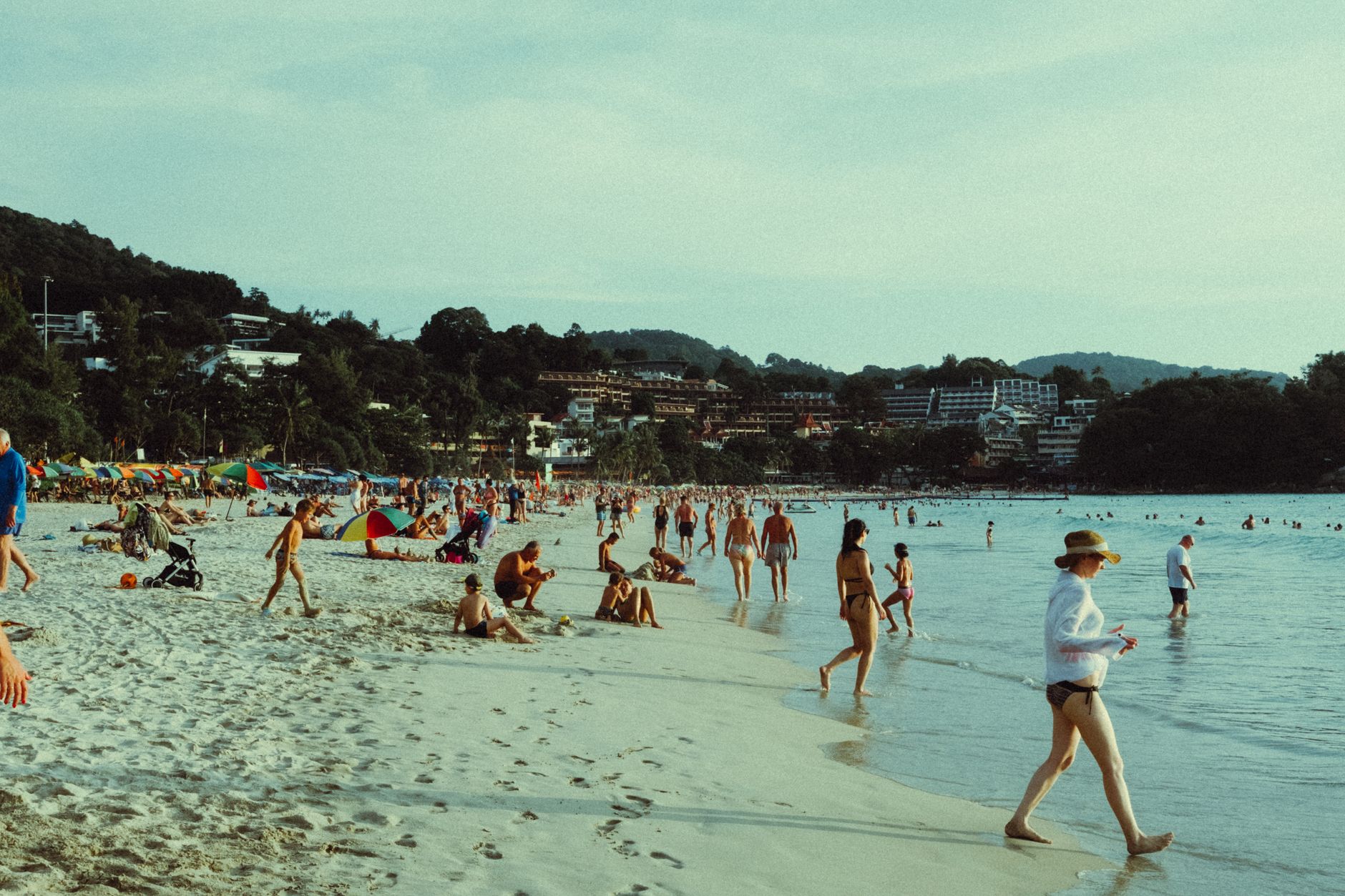
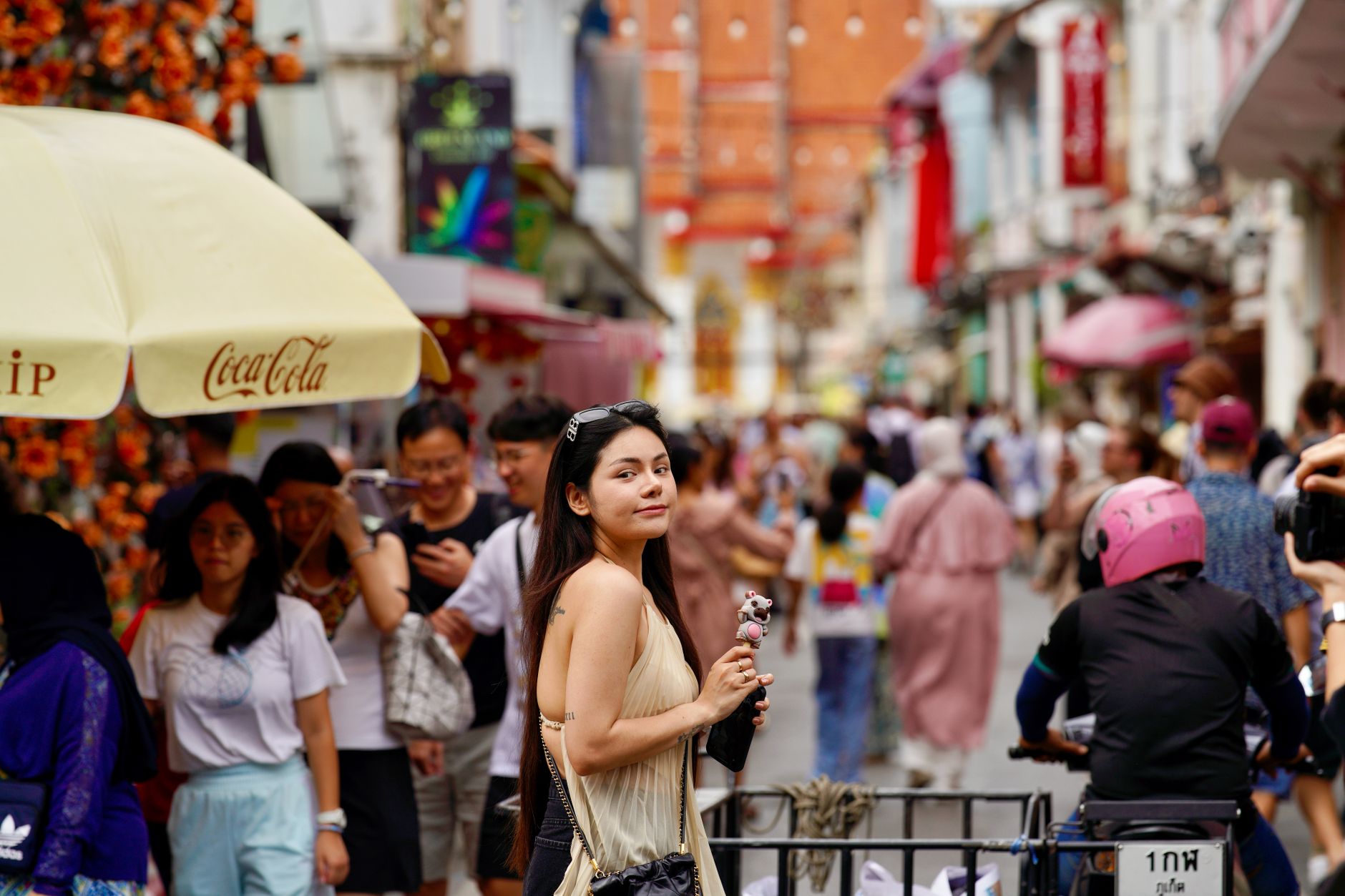
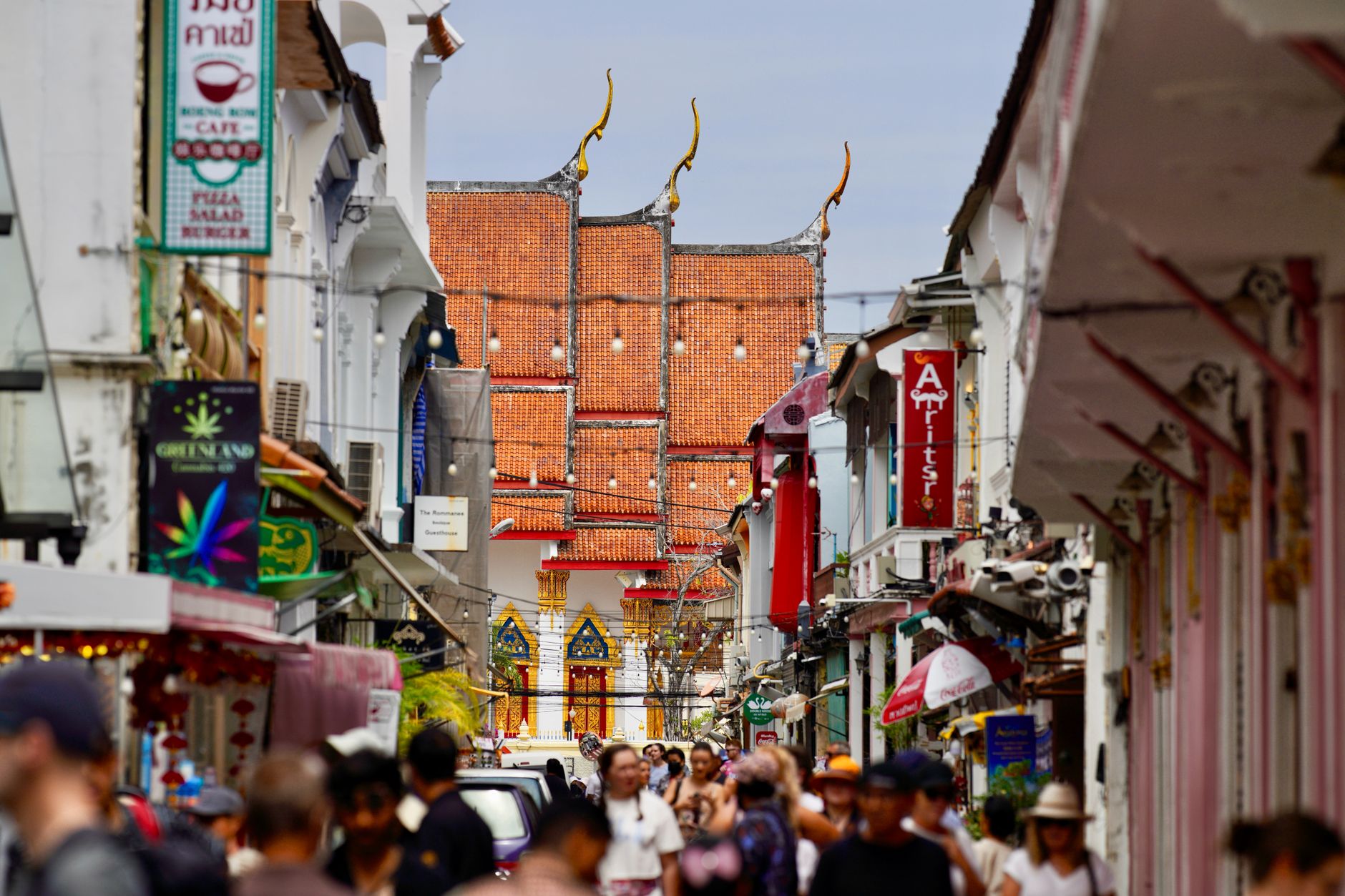
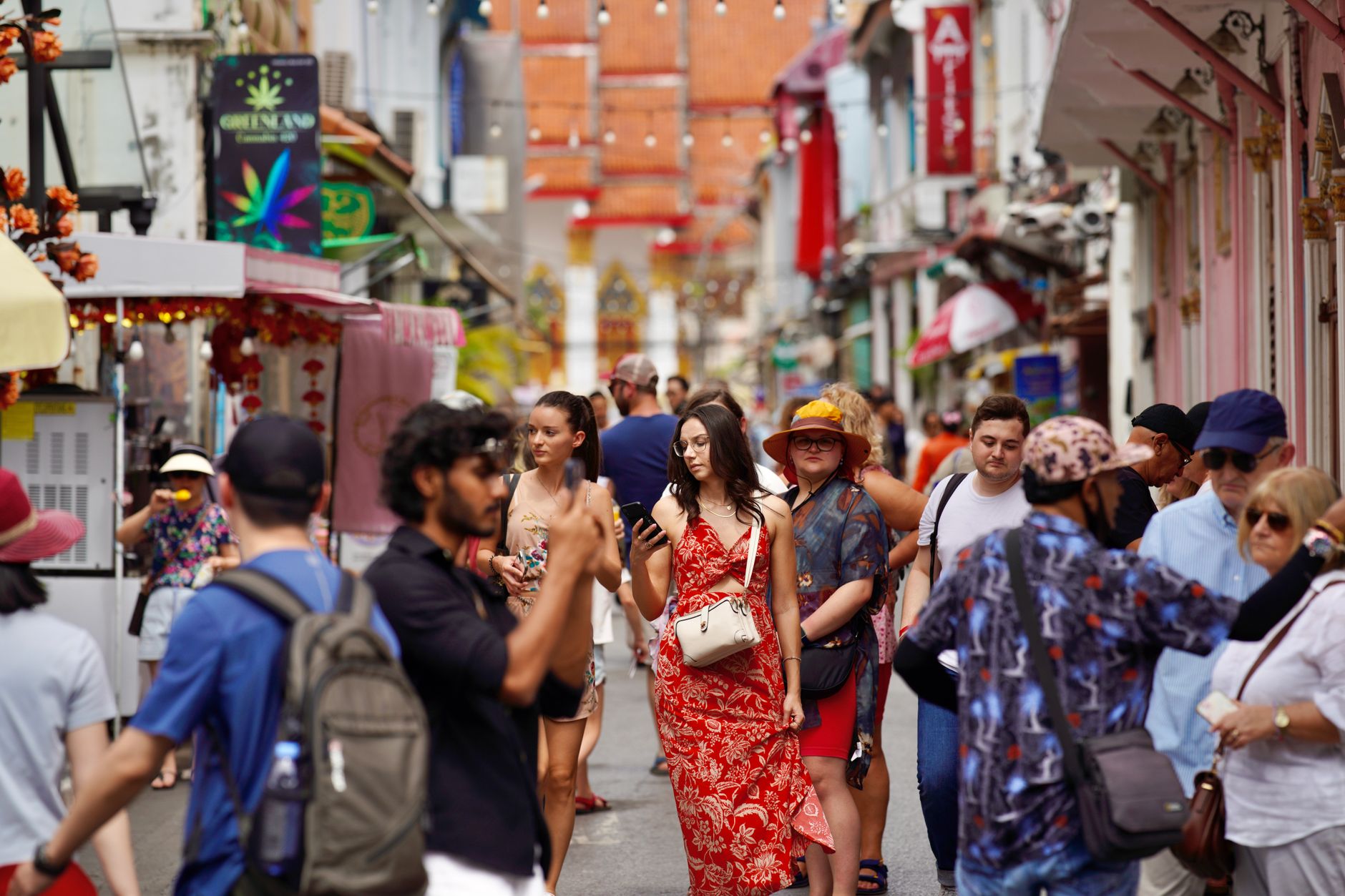
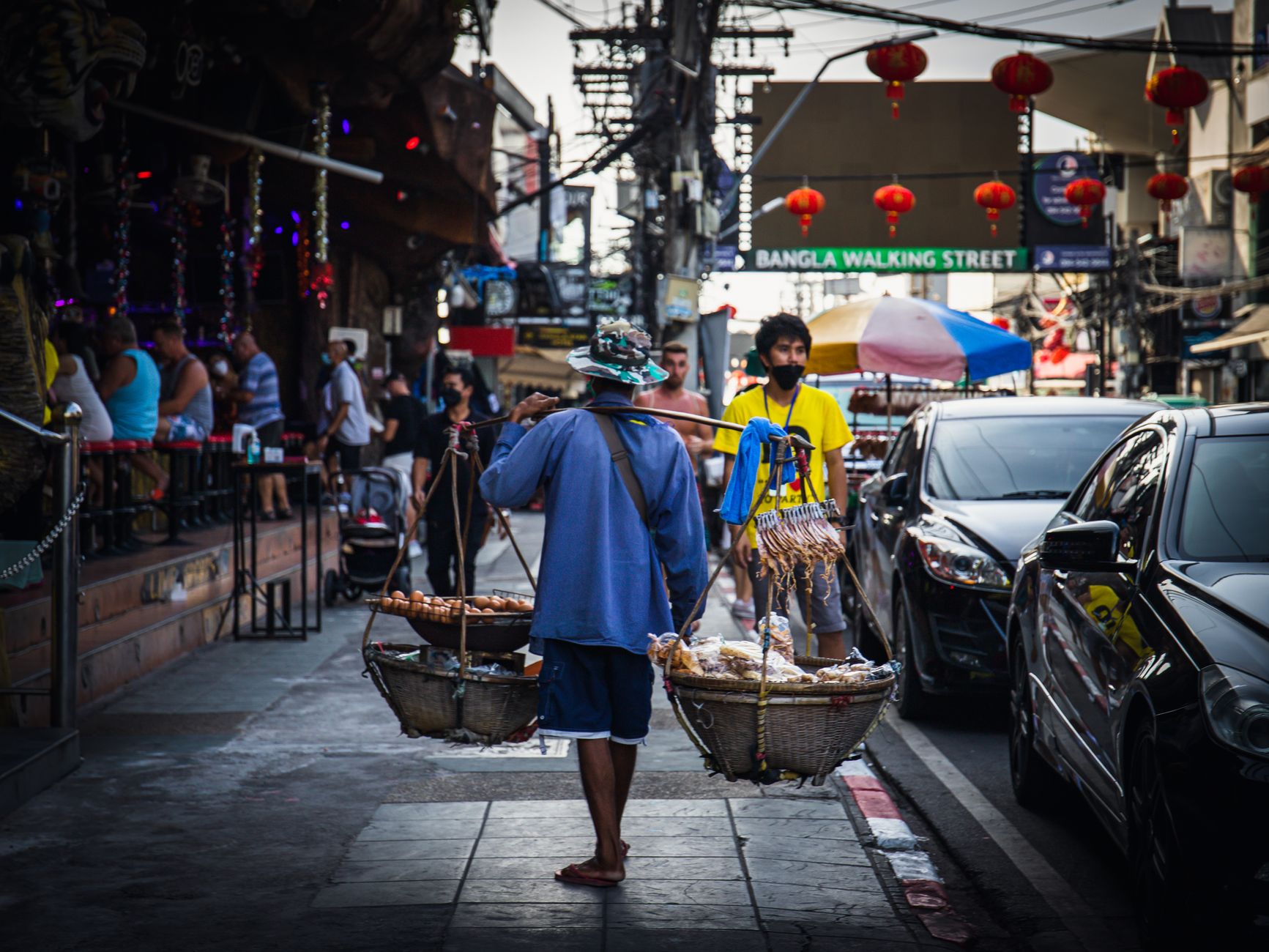
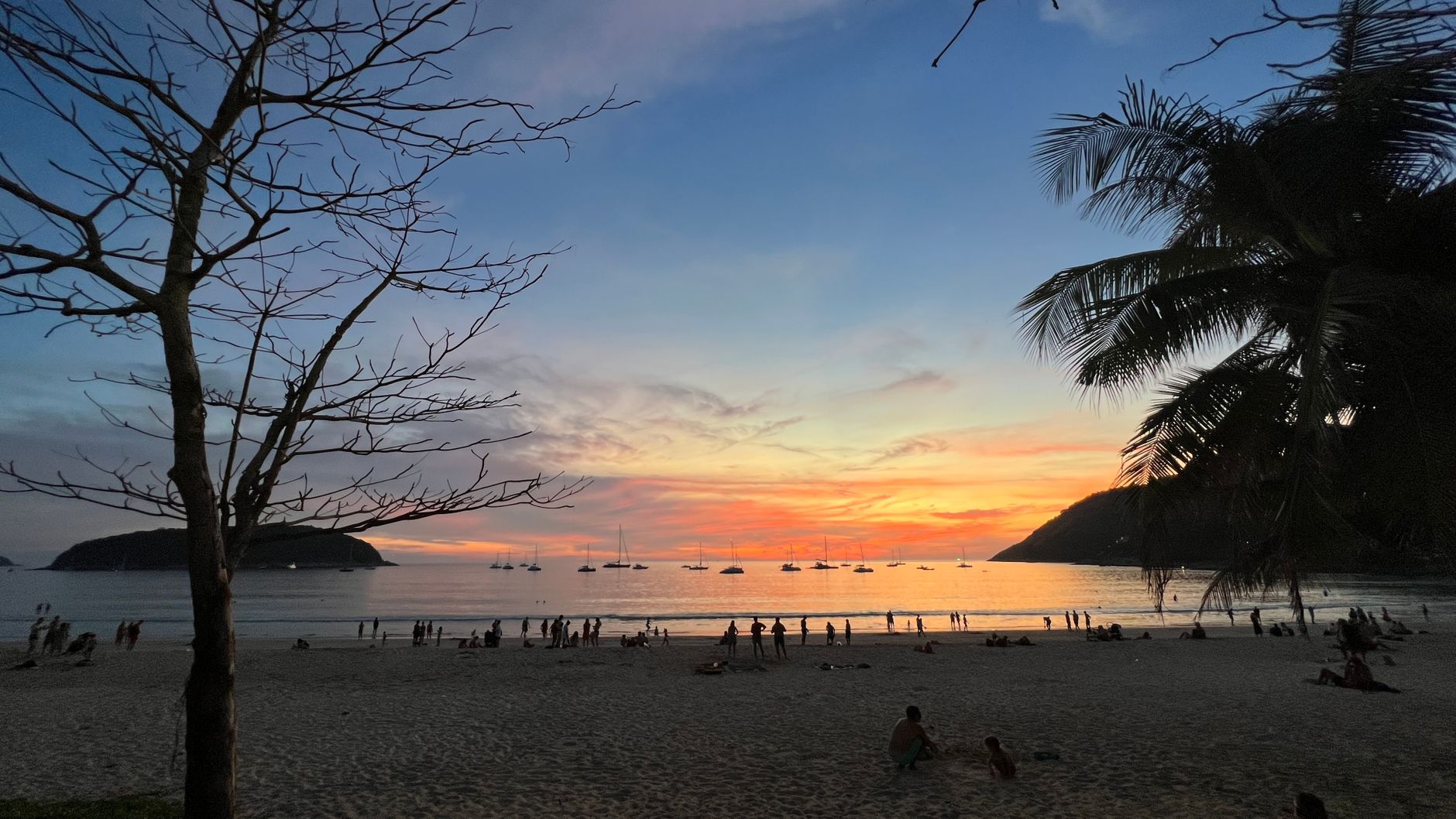
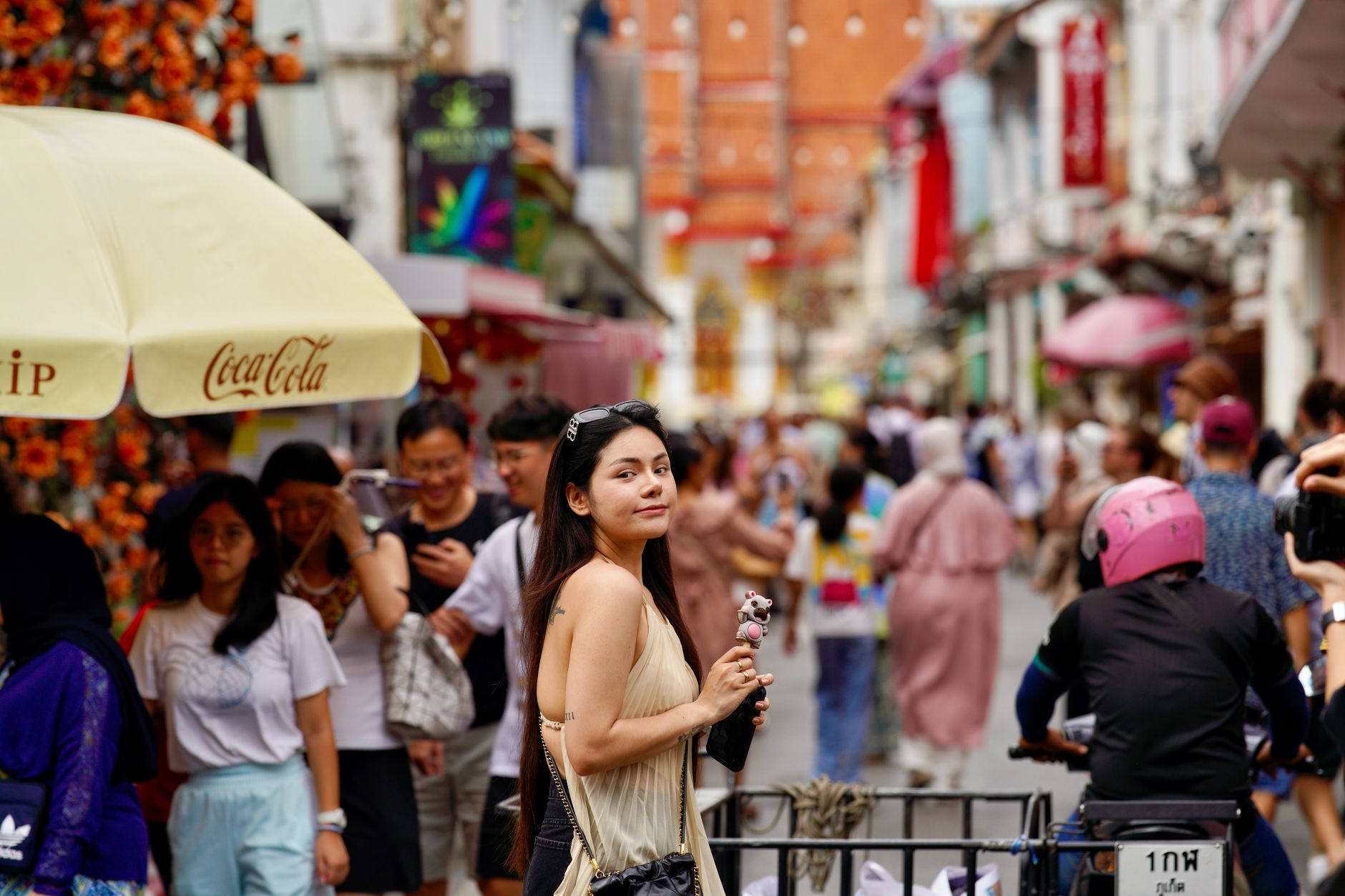
Phuket is Thailand's largest island, but size alone doesn't explain the hold it has on people. What keeps them coming back is the specificity of it — the way Sino-Portuguese shophouses in the old town give way to rubber-tree hills, which give way to limestone headlands dropping into the Andaman Sea. The west coast beaches are famous for good reason, and the 45-metre white-marble Buddha watching over Ao Chalong Bay is genuinely arresting at close range.
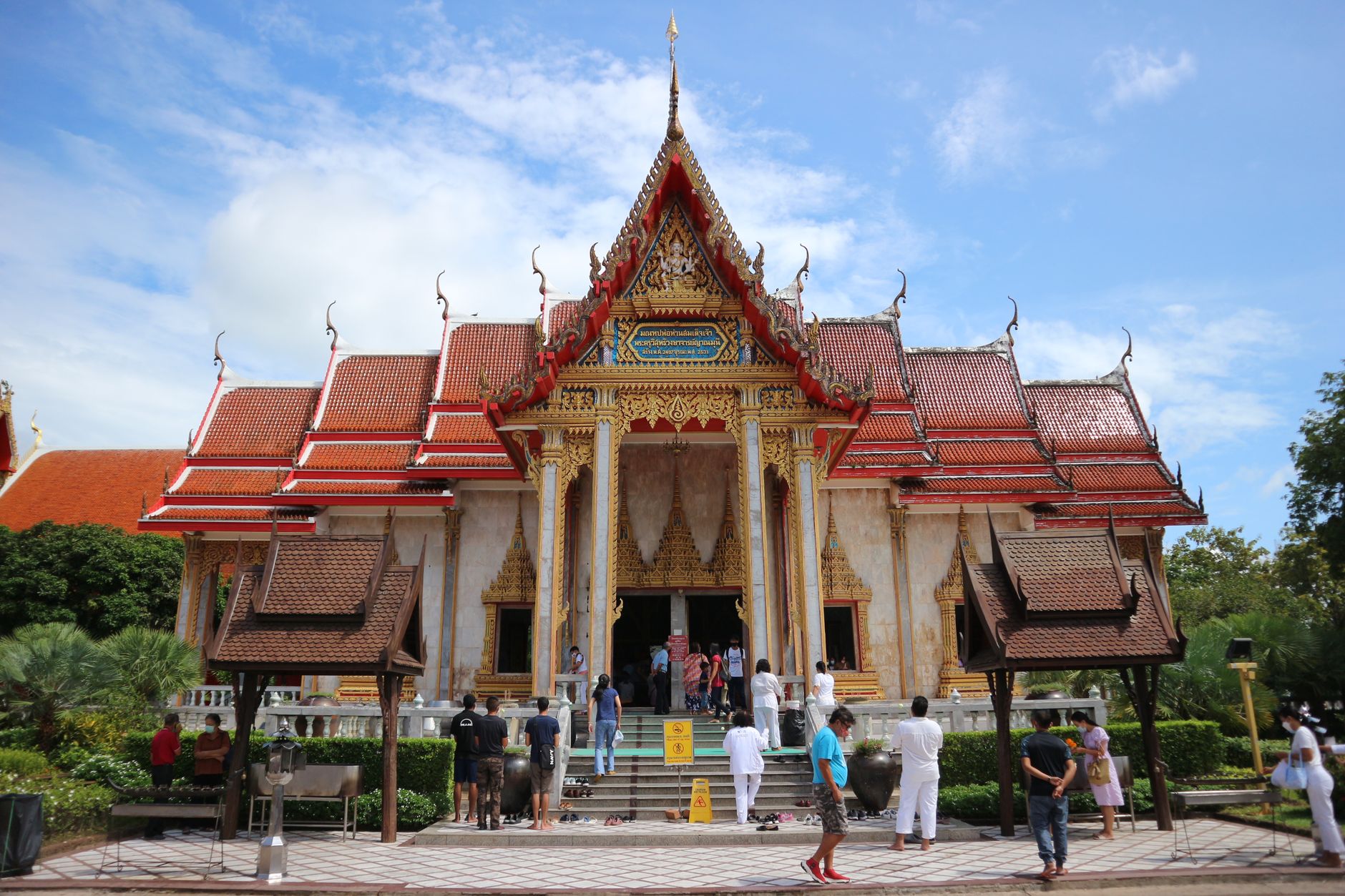
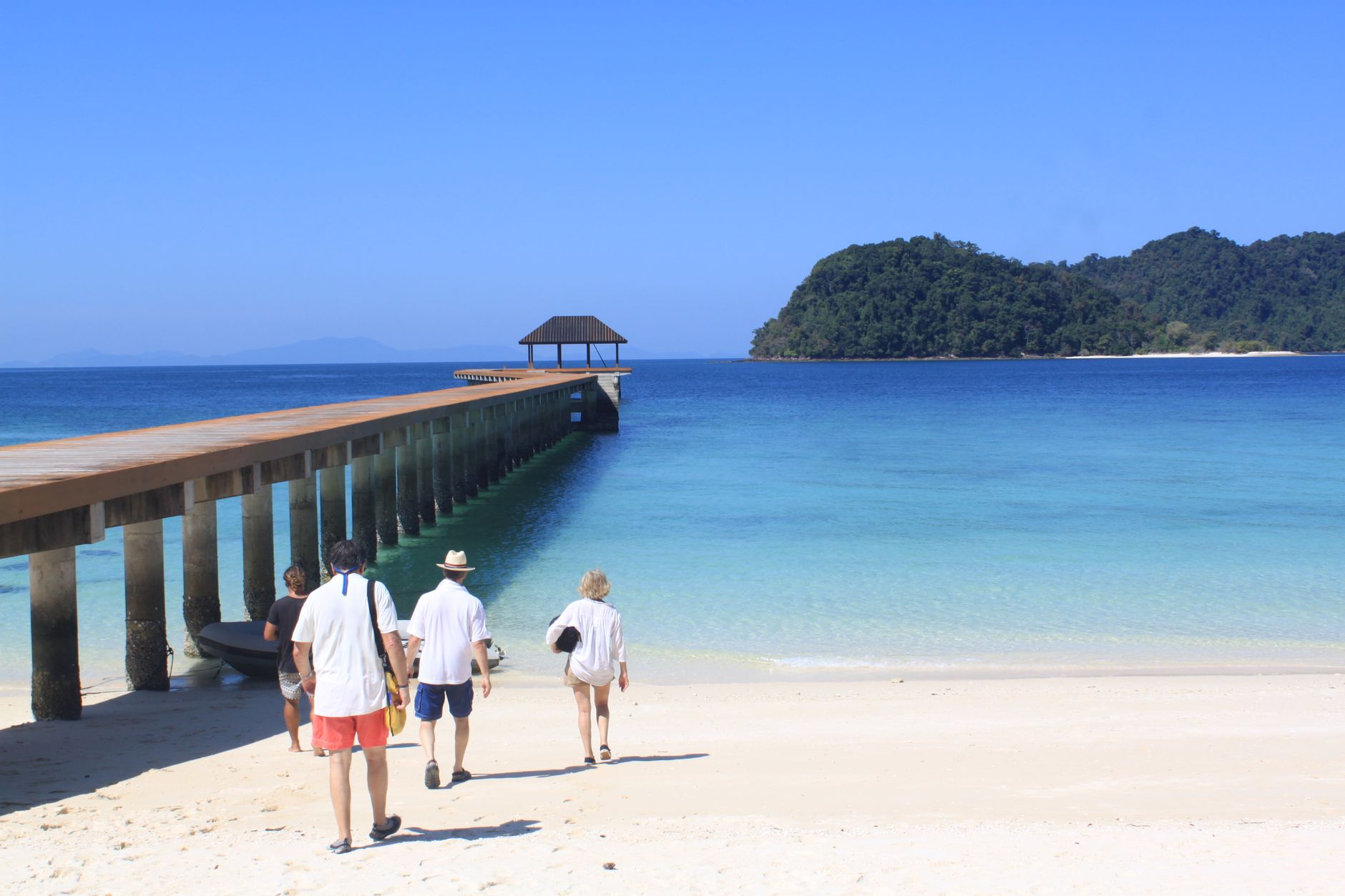
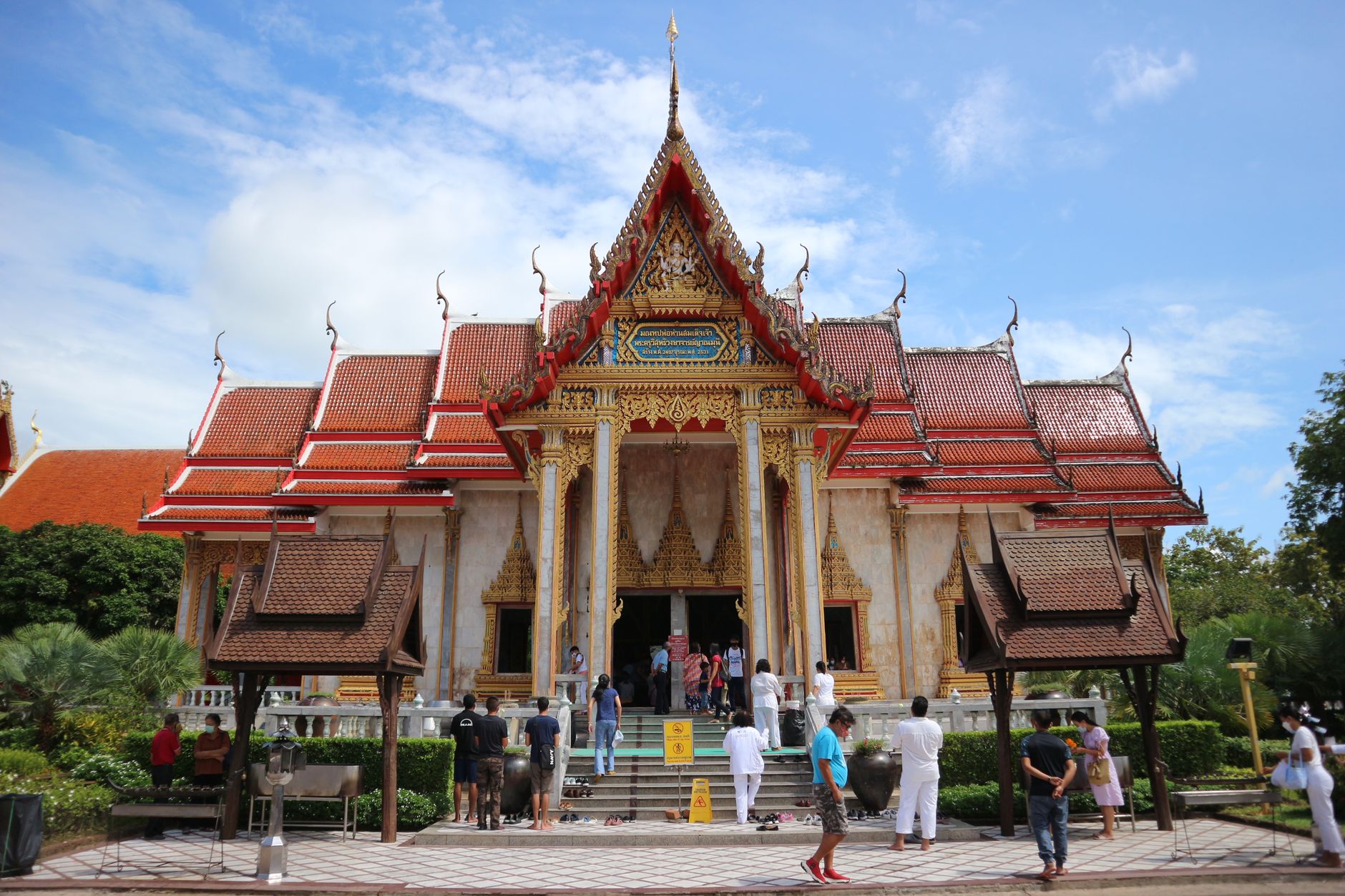
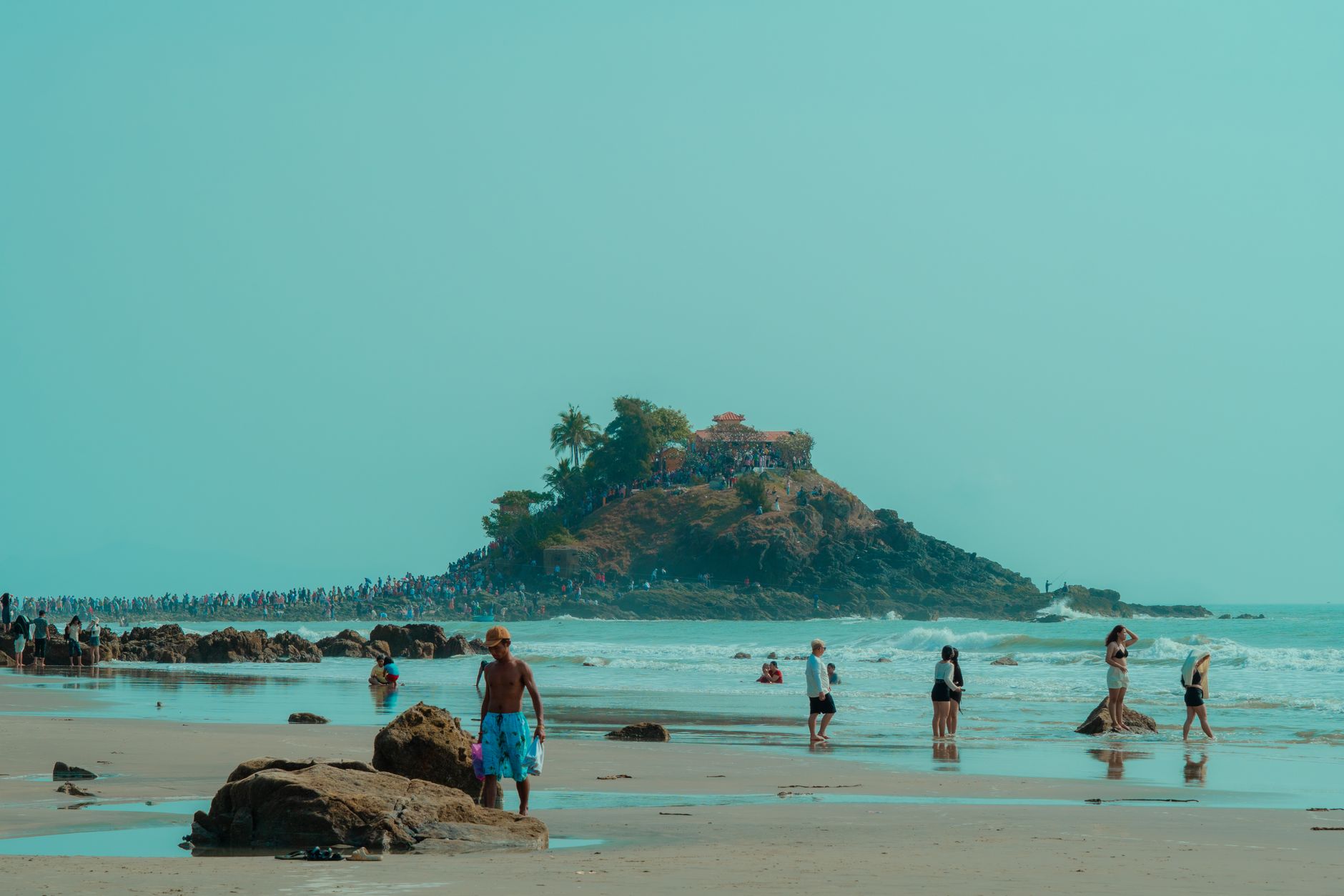
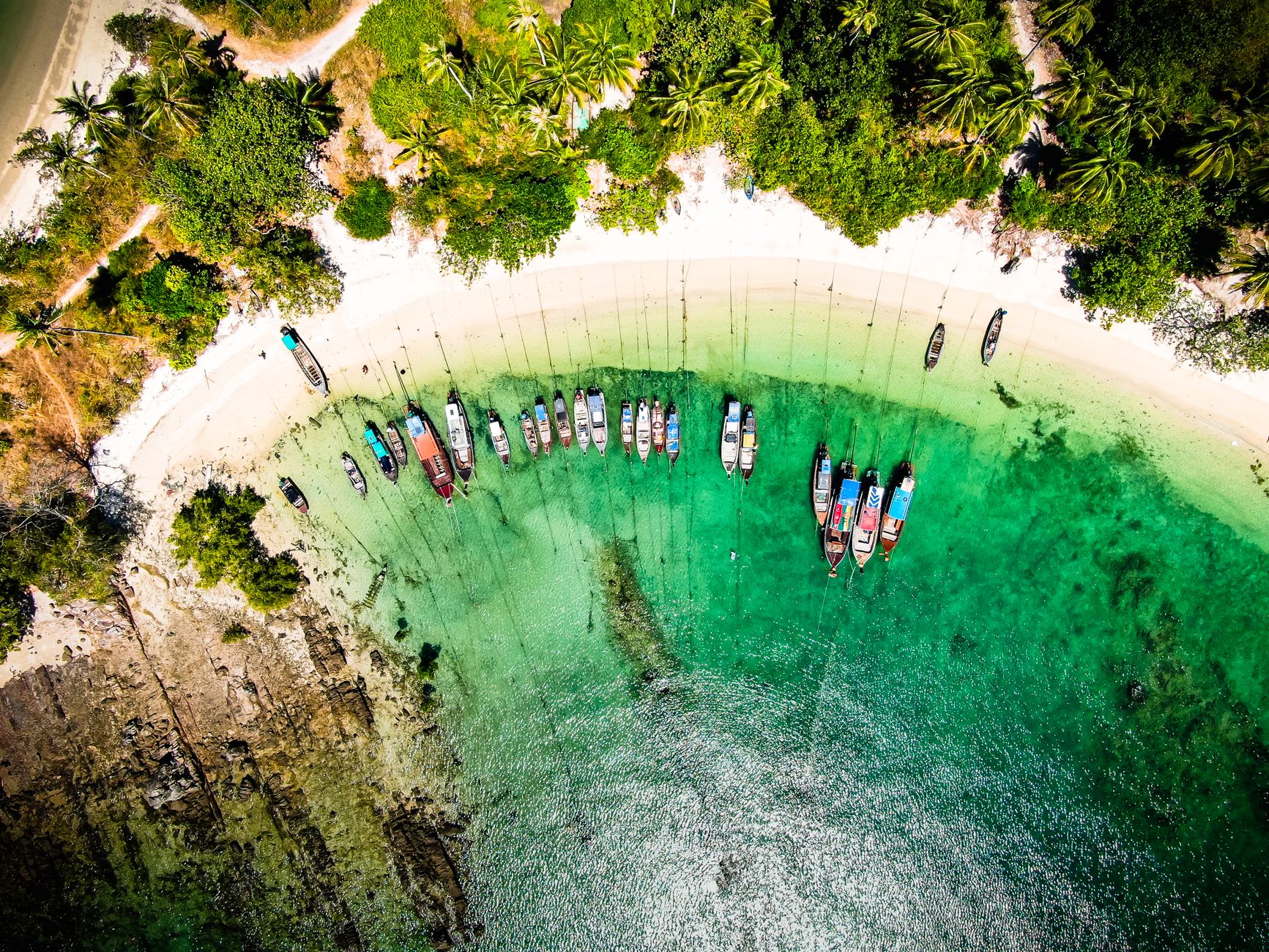
This is a place that rewards moving between its registers: a morning at Wat Chalong, where the 60-metre chedi is said to house a fragment of Buddha's bone, followed by an afternoon on a near-empty beach on the east coast that most visitors never reach.
How Phuket, Thailand came to be
Settlement here goes back to at least the 1st century BCE, and Phuket spent centuries under the influence of the Srivijaya Empire before Thai armies from Sukhothai took control in the 13th century. The island's modern shape was forged by tin. Chinese miners arrived in numbers through the 19th century, and when Phuket Town was formally established in 1827, it grew as a tin-processing hub — the Sino-Portuguese architecture of the old town is their legacy.
Before the miners, there was a siege. In 1785, with Burmese forces threatening to overrun the island, two women — Lady Chan and Lady Muk — rallied the population and held them off long enough to repel the invasion. Both were granted honorific titles by the king; a monument to them still stands in Thalang District. The last tin plant closed in 1992, and tourism had long since taken over as the engine of the island's economy.
Who and what shaped it
People who shaped it
Landmark buildings
See Phuket, Thailand in motion
Plan your visit
On the map
When to go
December through March brings the driest, coolest weather — February averages just 34 mm of rain across four days, and nights can dip below 20°C. From May to October the southwest monsoon arrives, pushing 2-metre swells onto the west-facing beaches; September is the wettest month by some distance, with 318 mm falling across 23 days.
Right now
↡ Cities



Background & history adapted from Wikipedia (CC BY-SA) · specs from Wikidata (CC0) · weather from Open-Meteo · map data © OpenStreetMap contributors · photos from Wikimedia Commons / Unsplash with per-image credit. No third-party reviews or social posts reproduced.