
Nai Yang
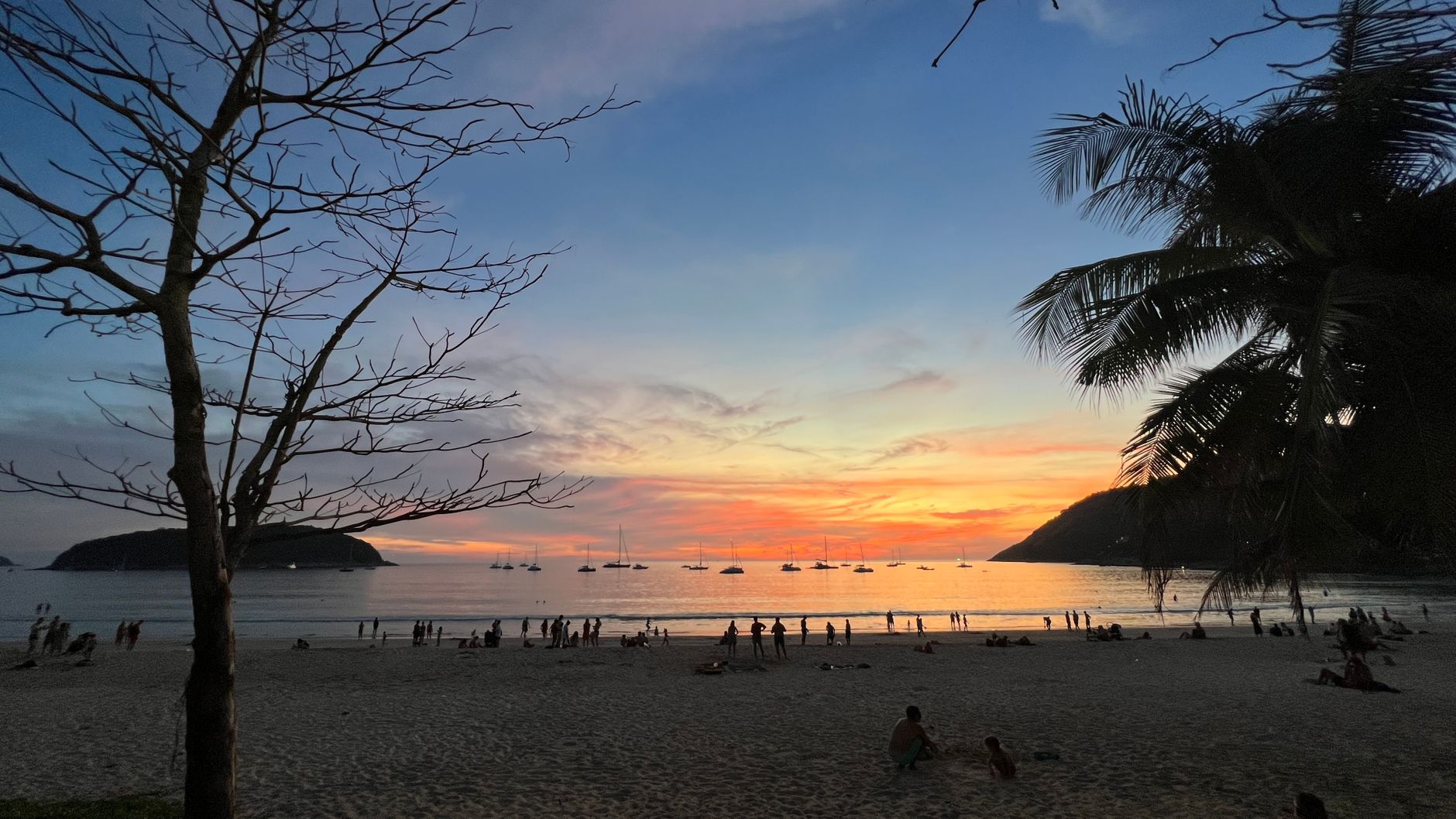
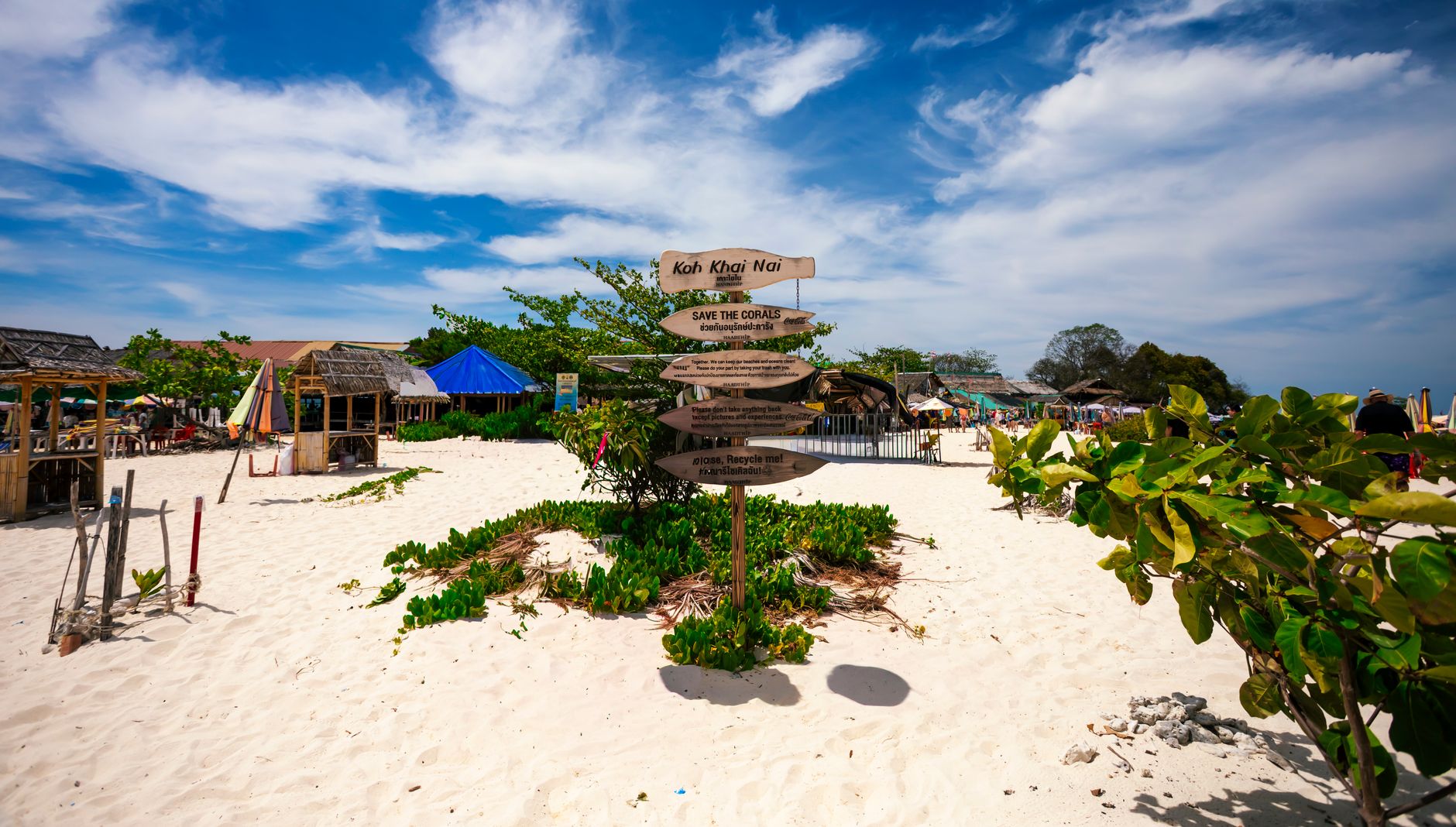

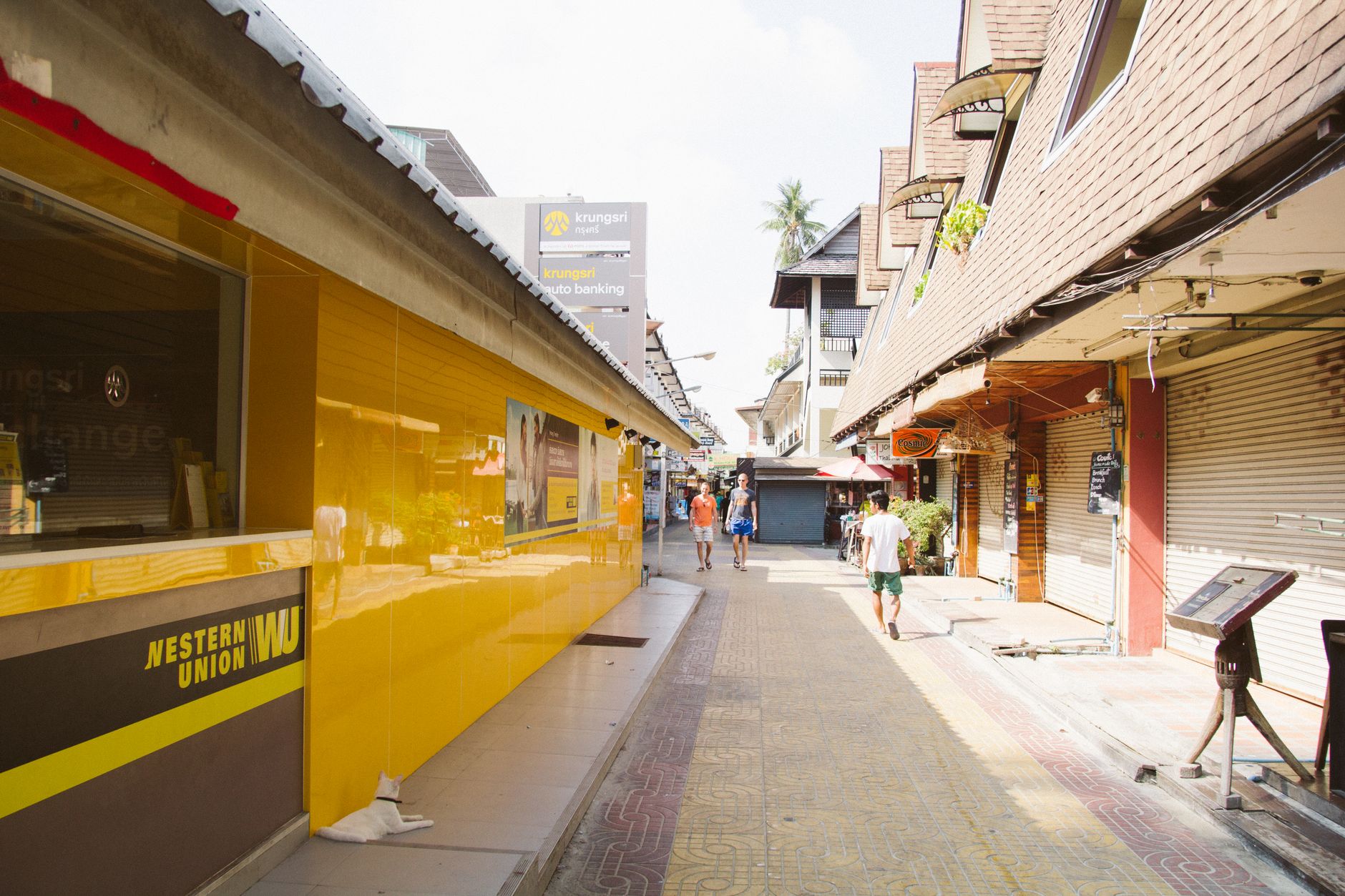
Seven and a half kilometres from Phuket's international airport, Nai Yang moves at a pace the rest of the island mostly forgot. The beach road is narrow, the longtail boats outnumber the sun loungers, and on Tuesday, Thursday, and Saturday mornings a local market sets up with the kind of unhurried commerce that suggests the vendors have nowhere else to be.
What keeps Nai Yang distinct is the national park that wraps around it. Sirinat National Park — 90 square kilometres of coastline, mangrove forest and marine area — was drawn up in 1981 specifically to protect the olive ridley sea turtles that come ashore to nest between November and February. The beach exists inside a conservation boundary, which is the main reason it still looks like itself.
💛 What travellers fall for
People who pass through on a layover tend to come back on purpose. The consensus: skip the taxi queue and take the ten-minute bus from the Family Mart stop — it drops you at The Slate hotel, steps from the sand. Walk the mangrove boardwalk inside Sirinat before the midday heat arrives, then eat wherever the plastic chairs are already full.
Deals in Nai Yang
Book directly at the provider


How Nai Yang came to be
The land around Nai Yang Beach was designated Thailand's 32nd national park on 13 July 1981, created primarily to protect olive ridley sea turtles whose nesting grounds along this stretch of coastline were under pressure. The park was renamed Sirinat National Park in 1992.
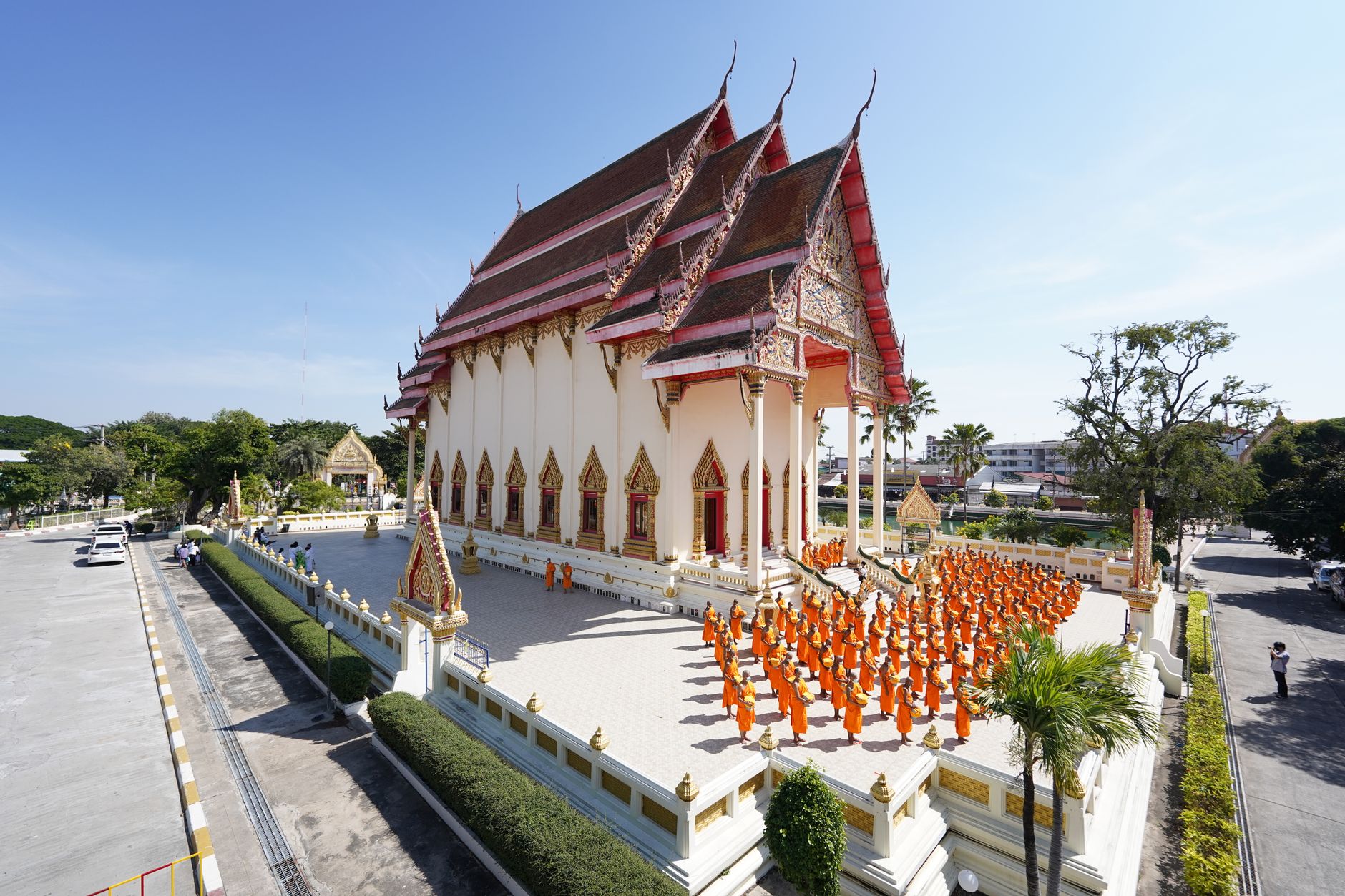
Close to the beach, Wat Mongkhon Wararam — known locally as Nai Yang Temple — anchors the Sakhu community in the north of Phuket. Its wooden abbot's house dates to 1954 and still stands. The temple runs aerobic sessions for locals during the dry season, a detail that says something about how the place actually functions: less monument, more neighbourhood institution. In 2004, parts of the area appeared on screen in Bridget Jones: The Edge of Reason.
Who and what shaped it
Landmark buildings
See Nai Yang in motion
Plan your visit
On the map
When to go
December through March brings the driest, sunniest weather — January averages nearly eight hours of sunshine a day and the sea is calm enough for swimming without much caution. From May to November the rains arrive in earnest, with September delivering an average of 317 mm across 23 wet days; currents strengthen during this period and the beach is better walked than swum.
Right now
Background & history adapted from Wikipedia (CC BY-SA) · specs from Wikidata (CC0) · weather from Open-Meteo · map data © OpenStreetMap contributors · photos from Wikimedia Commons / Unsplash with per-image credit. No third-party reviews or social posts reproduced.