
Nai Harn

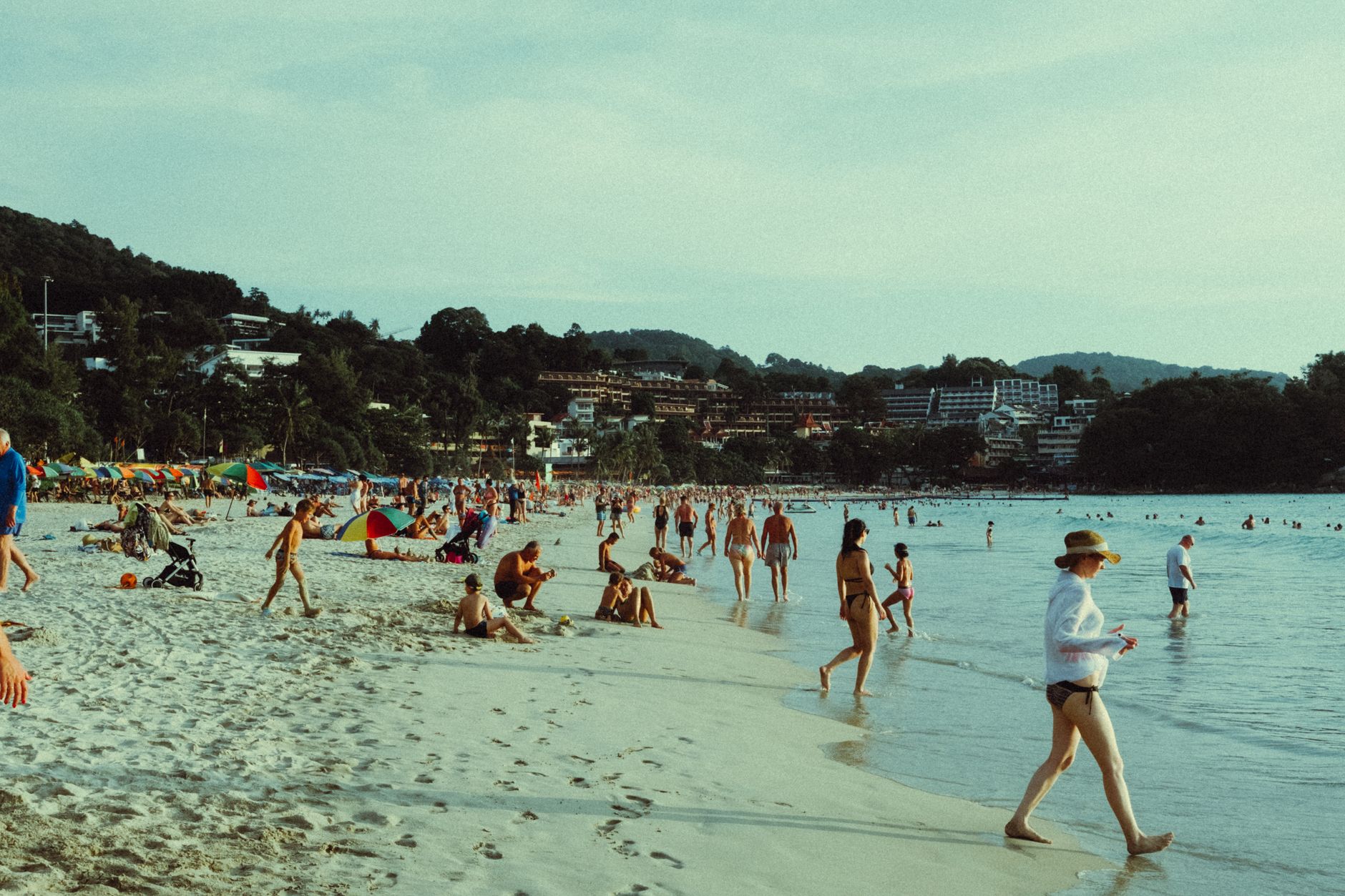

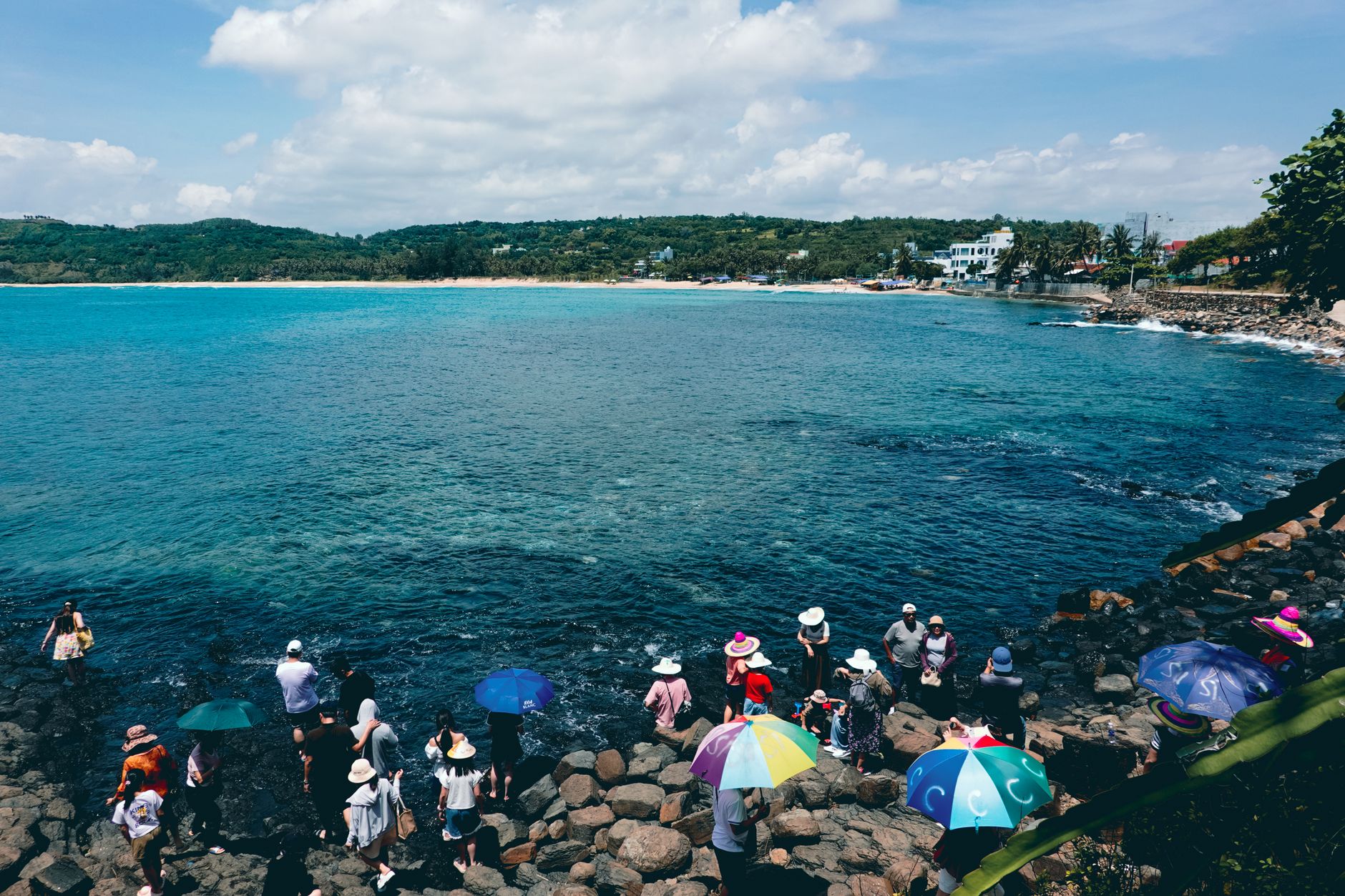
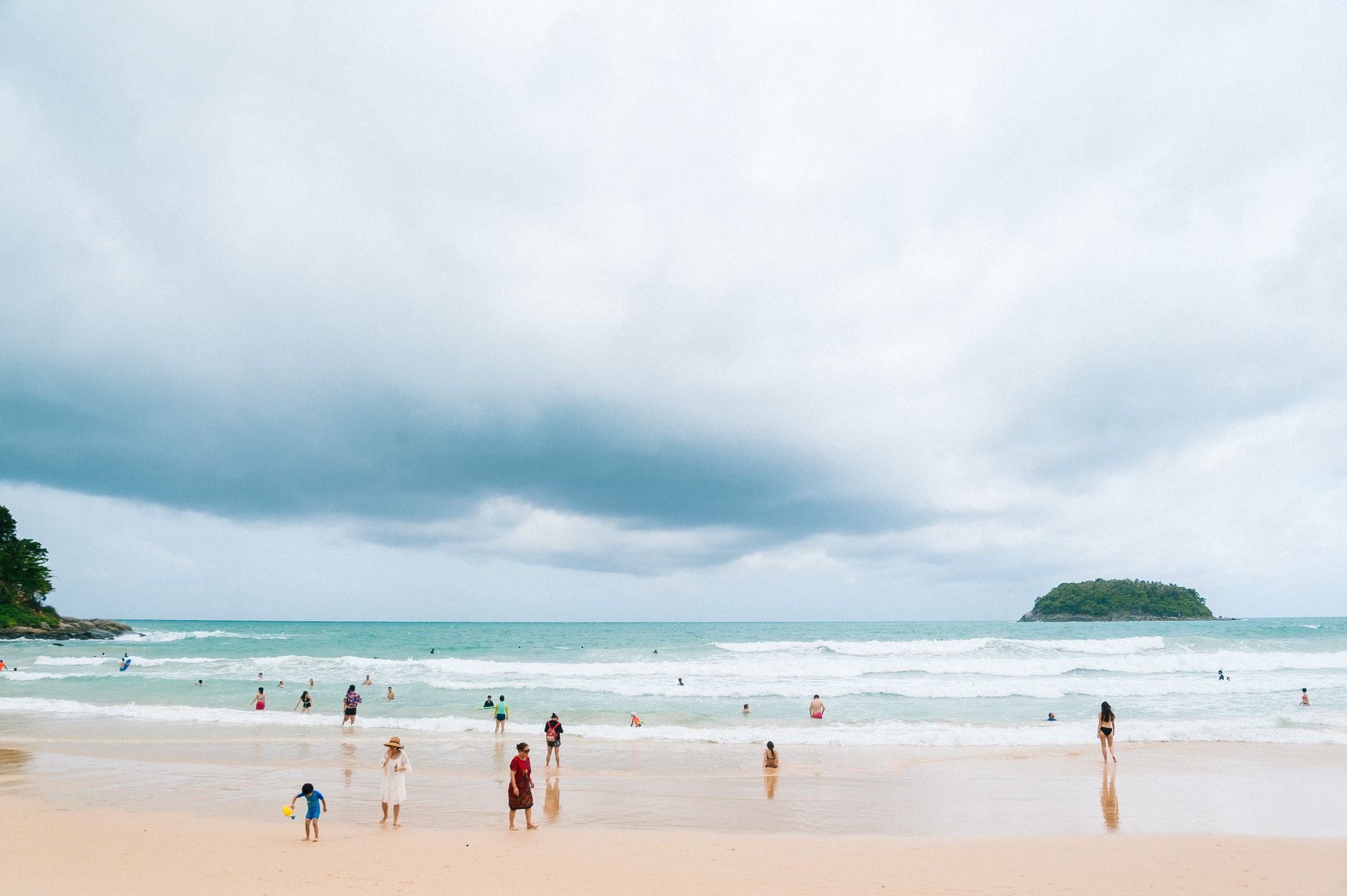
The beach at Nai Harn is 800 metres of pale sand tucked inside a protected bay, with jungle-covered hills dropping down on both sides and a freshwater lake sitting just behind the shore. What keeps it from becoming another Patong is partly geography and partly a Buddhist monastery — Wat Nai Harn owns most of the beachfront land, and Thai law means that stays that way.
Behind the beach, a causeway crosses the lake to a small islet where locals come after swimming to rinse the salt off in the freshwater. That detail tells you something about the place: it still has a residential rhythm running alongside the tourist one.
💛 What travellers fall for
People who come back tend to arrive before nine, when the bay is mostly sailing boats and the sand is still cool underfoot. Ao Sane, the rocky cove a short walk east, comes up often — good snorkelling, far fewer people. The scattered restaurants along the road north are worth exploring slowly rather than defaulting to the resort.
Deals in Nai Harn
Book directly at the provider
How Nai Harn came to be
Before 1986, Nai Harn was largely unknown beyond the island. That year, the Royal Phuket Yacht Club opened here as the only luxury resort on Phuket — the bay's deep, sheltered anchorage made it a natural draw for sailors. As Thailand's tourism expanded through the late twentieth century, the beach's reputation quietly spread.
In 2016, after an eighteen-month renovation led by Frank Grassman — previously of Soneva Kiri and Six Senses — the property reopened as The Nai Harn, the island's sole member of Leading Hotels of the World. The monastery that gives the area its name predates all of this, and its land ownership remains the reason the bay looks the way it does.
Who and what shaped it
People who shaped it
Landmark buildings
See Nai Harn in motion
Plan your visit
On the map
When to go
November through April is when the sea is calm and the light is long — January averages nearly eight hours of sunshine a day with temperatures around 29–30°C. From May onward, afternoon storms roll in regularly and September offers barely three hours of sun on an average day.
Right now
Background & history adapted from Wikipedia (CC BY-SA) · specs from Wikidata (CC0) · weather from Open-Meteo · map data © OpenStreetMap contributors · photos from Wikimedia Commons / Unsplash with per-image credit. No third-party reviews or social posts reproduced.